Neoprene can look like an ideal material for Amazon products. It is flexible, soft, printable, relatively lightweight, and adaptable to beverage accessories, lunch bags, laptop sleeves, protective covers, totes, sports products, and pet accessories. However, an attractive sample does not automatically become a profitable Amazon listing. A product may be inexpensive to manufacture but costly to advertise. It may appear compact before packaging yet enter a less favorable fulfillment size after inserts, labels, handles, and protective materials are added. It may also generate returns when dimensions, odor, stitching, insulation, or performance claims fail to match customer expectations.
The best neoprene products for Amazon sellers are compact, easy to understand, visually differentiable, and commercially practical after manufacturing, packaging, freight, Amazon fees, advertising, returns, and replenishment are included. Strong opportunities often include can coolers, bottle holders, lunch bags, laptop sleeves, protective covers, totes, selected pet accessories, and carefully positioned sports products. Each idea must still be validated for demand, competition, package dimensions, quality risks, and realistic selling price.
A successful product developer therefore looks beyond the product photograph. Where a casual seller sees a colorful lunch tote, an experienced buyer sees material thickness, laminated fabric, odor risk, zipper access, seam strength, carton efficiency, FBA labels, customer complaints, and reorder timing. That deeper view is what separates a product that merely launches from one that can remain profitable, earn better reviews, and grow into a repeatable product line.
What Makes a Neoprene Product Amazon-Friendly?
An Amazon-friendly neoprene product solves a clear customer problem, uses the material for a meaningful functional reason, fits into efficient packaging, and supports enough differentiation to protect margin. The best options are easy to explain in a listing, easy to inspect during production, and commercially resilient after advertising, fulfillment, returns, and replenishment costs are included.
Clear Customer Value
Amazon shoppers usually decide within seconds whether a product is relevant. The purpose should be understandable from the main image, title, and first few benefit statements. A laptop sleeve cushions a device. A bottle holder improves grip and portability. A lunch bag carries food while providing soft insulation. A padded pet handle improves comfort. These are direct benefits that can be demonstrated through photographs and simple product comparisons.
Products become harder to sell when customers must first understand why neoprene is better than polyester, felt, silicone, EVA, or another lower-cost material. The seller must show how the material improves the user experience through flexibility, cushioning, softness, insulation, stretch, grip, or protection from everyday surface contact. The material should not be included merely to make the product appear different.
A practical development question is: “What does neoprene allow this product to do better?” A strong answer might be improved device fit, softer carrying comfort, reduced condensation, better grip, controlled flexibility, or moderate thermal resistance. A weak answer is simply that neoprene looks premium. Appearance can support a purchase, but it rarely creates a durable product advantage by itself.
The product claim must also match the construction. Neoprene may help slow heat transfer, but a basic soft sleeve does not perform like a rigid multi-layer cooler. It can resist splashes, but ordinary stitched seams do not automatically make a finished item waterproof. It provides cushioning, but sellers should not promise severe-impact protection unless the complete product has been designed and tested for that purpose.
Demand and Seasonality
Many neoprene products serve recurring activities, but demand varies throughout the year. Laptop sleeves, lunch bags, protective covers, bottle holders, pet accessories, and selected everyday fitness products can have relatively broad annual demand. Beach totes, beverage coolers, water-sports items, and outdoor accessories may perform more strongly during spring and summer.
Seasonality should not automatically disqualify a product. A seasonal product may produce attractive returns when inventory arrives before the peak, advertising starts early enough to collect data, and the seller avoids excessive post-season stock. The real risk is treating a temporary surge as permanent demand. Viral artwork, holiday themes, sports events, school periods, and warm-weather activities can create short sales windows that disappear before a second order reaches the fulfillment network.
Product research should examine at least one complete seasonal cycle whenever reliable data is available. Sellers should compare keyword patterns, competitor price changes, review growth, stock availability, promotional activity, and new listing launches. A product with stable review growth and consistent pricing may offer a healthier opportunity than one showing a sudden but short-lived sales spike.
Supply-chain timing must be compared with demand timing. A project may require material selection, artwork preparation, sampling, revision, bulk production, international freight, customs handling, and Amazon receiving. A product identified in late spring may not be available until the main summer selling period is already ending. Commercial seasonality therefore depends on both customer demand and operational lead time.
FBA Size Efficiency
Neoprene is usually lightweight, but soft goods can still create high fulfillment costs when their packaged dimensions are inefficient. A large tote, thick laptop sleeve, boxed lunch bag, or loosely folded product may occupy more warehouse and shipping space than expected. FBA costs are based on the packaged unit rather than the amount of material used.
Sellers should measure the complete retail unit after polybags, inserts, product cards, barcode labels, handles, straps, zipper pulls, accessories, and protective materials have been included. Measurements taken from an unpacked sample may significantly understate the actual fulfillment profile. The master carton should also be reviewed because inefficient unit packing increases freight cost long before the inventory reaches Amazon.
A practical packaging review should record:
- Finished product dimensions
- Folded or rolled dimensions
- Packaged unit dimensions
- Net and gross unit weight
- Units per master carton
- Master-carton dimensions
- Carton gross weight
- Dimensional shipping weight
- Packaging materials and inserts
- Shape recovery after unpacking
Compression can reduce carton volume, but excessive pressure may create permanent creases, distorted foam, bent zippers, curled edges, or wrinkled printing. The objective is not to create the smallest possible package. It is to create the smallest package that protects the approved product appearance, maintains barcode visibility, satisfies applicable packaging requirements, and provides an acceptable customer experience.
Even a small difference in thickness or folded dimensions can affect the economics of hundreds or thousands of units. Packaging should therefore be developed and approved during sampling rather than treated as a final task after mass production has already been completed.
Review and Return Risk
Existing customer reviews reveal where competing products fail in real use. Sellers should not only read a few negative comments. They should categorize complaints and count how frequently the same issue appears. Repeated complaints about fit, odor, stitching, print quality, zipper access, insulation, or product shape can provide a more valuable development direction than adding decorative features.
Common neoprene product complaints include:
- Strong odor after opening
- Incorrect or inconsistent sizing
- Material that feels thinner than expected
- Weak or uneven stitching
- Poor zipper movement
- Loose handle reinforcement
- Faded or misaligned printing
- Curling or unfinished edges
- Loose bottle or device fit
- Overstated insulation performance
- Heavy creasing after delivery
Each repeated complaint should be converted into a specification, sample check, or inspection standard. If customers report odor, the buyer should review foam quality, lamination adhesive, ventilation time, storage conditions, and sealed packaging duration. If customers report poor fit, the pattern should be developed around verified object dimensions and tested with actual devices, bottles, or containers.
The best differentiation opportunity is often not a completely new feature. It is a familiar product that solves one or two recurring frustrations more reliably than competing listings. This approach creates benefits that can be demonstrated clearly and inspected objectively during production.
Which Neoprene Products Offer the Best Opportunities?
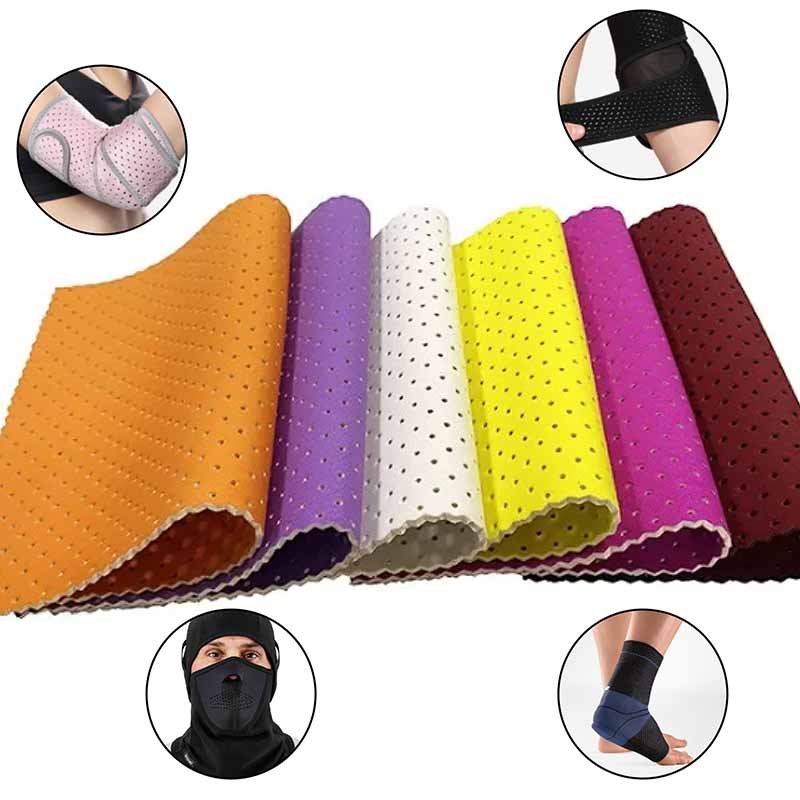
The strongest opportunities are products where neoprene directly improves comfort, fit, cushioning, insulation, grip, flexibility, or visual branding. Can coolers, bottle holders, lunch bags, laptop sleeves, protective covers, totes, pet accessories, and selected sports products are useful starting points, but every category has different selling prices, fulfillment profiles, competition levels, and quality risks.
| Product category | Common thickness range | Packaging profile | Differentiation opportunities | Main commercial risk |
|---|---|---|---|---|
| Can coolers | 2–3 mm | Very compact | Multipacks, shapes, artwork, events | Low selling price and high competition |
| Bottle holders | 2–4 mm | Compact | Straps, pockets, custom fit, mixed sizes | Loose fit or seam failure |
| Lunch bags | Around 3 mm | Moderate | Shape, handles, closures, prints | Odor and overstated insulation |
| Laptop sleeves | 3–5 mm | Moderate | Exact fit, lining, pockets, zippers | Size-related returns |
| Protective covers | 2–5 mm | Compact to moderate | Equipment-specific fit and closures | Too tight or too loose |
| Neoprene totes | Around 3 mm | Moderate to bulky | Full print, pockets, reinforced handles | Package volume and shape distortion |
| Pet accessories | Neoprene with webbing | Compact | Comfort, hardware, color systems | Strength and sizing risks |
| Sports accessories | Depends on use | Compact | Fit, padding, closure, adjustability | Claims, odor, and skin comfort |
Koozies and Bottle Holders
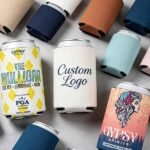
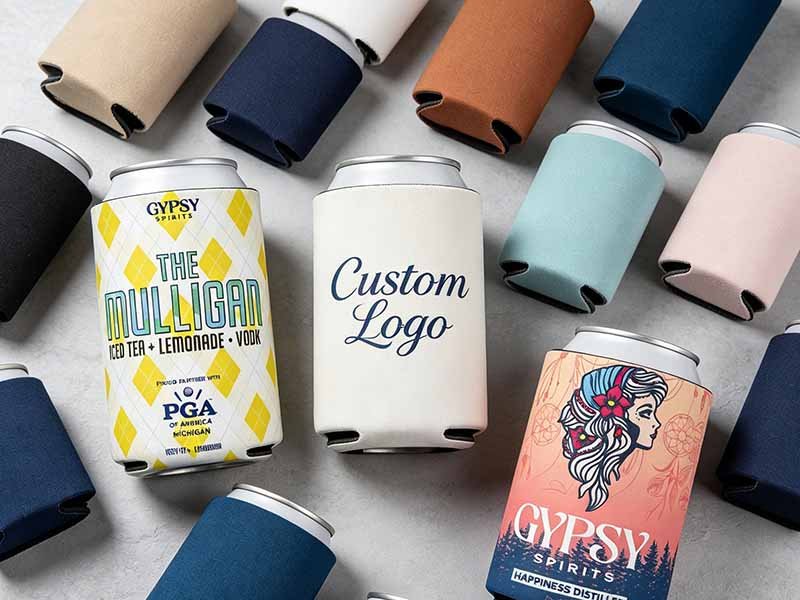
Can coolers and bottle holders are attractive to Amazon sellers because their function is obvious, their packages can be compact, and neoprene offers a large printable surface relative to product size. They can be produced for standard cans, slim cans, bottles, tumblers, water bottles, wine bottles, and other clearly defined container shapes.
Their main challenge is commoditization. A plain sleeve with a basic logo is easy to reproduce and may not support enough selling-price margin for advertising, fulfillment, discounts, and returns. Stronger opportunities usually come from a specific customer group, original artwork, unusual construction, useful carrying features, or a coordinated multipack.
Potential product directions include:
- Slim-can multipacks
- Bottle holders with shoulder straps
- Sleeves with small phone or card pockets
- Wedding and event sets
- Outdoor and camping editions
- Sports-team or hobby themes
- Mixed-size beverage sets
- Coordinated cooler accessories
- Original licensed artwork programs
Fit is one of the most important development factors. A sleeve that is too loose may slip and feel inexpensive. A sleeve that is too tight may be difficult to install and place excessive stress on the seam. The pattern must account for container diameter, circumference, height, material stretch direction, seam allowance, binding, and opening size.
Multipacks can improve perceived value and selling-price headroom, but the set should serve a genuine use case. Randomly increasing the number of pieces may create a larger package without improving conversion. The seller should also verify the current Amazon packaging and labeling requirements for products offered as a complete set.
Lunch Bags and Soft Coolers
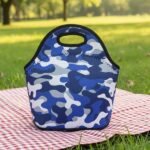
Neoprene lunch bags provide more product-development space than simple beverage sleeves. Sellers can modify capacity, body shape, zipper opening, handle construction, gusset width, base structure, pockets, printing, labels, and packaging. The product is also easy to understand and can serve office workers, school users, travelers, meal-prep customers, and gift buyers.
Approximately 3 mm neoprene is a common starting point for many soft lunch-bag concepts because it balances flexibility, hand feel, moderate insulation, and manageable sewing. The correct thickness still depends on the expected structure, surface fabric, opening design, package dimensions, target price, and customer expectations. A sample should always be evaluated as a complete finished item rather than as an isolated material swatch.
The greatest commercial risk is an inaccurate performance promise. A basic neoprene lunch tote is not equivalent to a rigid cooler with thick insulating layers, sealed seams, waterproof lining, and specialized closures. Sellers should describe the actual use case honestly and avoid unsupported claims about long-duration ice retention, leakproof construction, or extreme temperature protection.
Testing should use real food containers and realistic daily loads. Important checks include internal usable dimensions, opening width, zipper clearance, handle comfort, base stability, odor after sealed storage, print durability, cleaning behavior, and shape recovery after packing. A visually attractive product that cannot hold common containers or becomes badly creased after shipment will create avoidable negative reviews.
A well-designed lunch bag can also become the beginning of a wider product family, including bottle sleeves, snack pouches, cutlery holders, small organizers, and matching meal-prep accessories.
Sleeves and Protective Covers
Laptop sleeves, tablet sleeves, electronic accessory cases, and equipment covers often support higher selling prices because customers place greater value on accurate fit, cushioning, zipper access, lining, and product appearance. They also create clear opportunities for related products such as cable organizers, charger pouches, mouse sleeves, hard-drive covers, and travel sets.
Fit is the largest source of risk. Two devices described by the same screen size can have different body dimensions, corner radii, thicknesses, and port layouts. A pattern based only on a screen measurement may be too tight or too loose. Seam allowance, neoprene thickness, lining, binding, and zipper tape further reduce usable internal space.
A reliable specification should include:
- Internal usable dimensions
- External finished dimensions
- Maximum accepted device size
- Material and lining thickness
- Zipper clearance
- Corner radius
- Opening width
- Measurement tolerance
- Compatible models used for testing
Repeated-use testing is essential. The device should be inserted and removed multiple times. The developer should check whether the zipper contacts the surface, whether the corners become loose, whether the sleeve stretches permanently, and whether the product returns to the expected shape after compression.
Protective claims must also be realistic. A soft neoprene sleeve can reduce scratches and provide everyday cushioning, but it should not be presented as equivalent to a rigid impact case unless the complete design and testing support that level of protection.
Totes, Pet, and Sports Products
Neoprene totes create a large visual area for prints, color blocking, patches, and coordinated brand design. They can be positioned for beach, gym, travel, beauty, lifestyle, promotional, and everyday-carry uses. Pockets, internal compartments, reinforced handles, base panels, magnetic closures, and removable accessories can increase functional value.
The trade-off is logistics and construction visibility. Large panels consume more material and create bulkier packages. Stitching, print alignment, binding, handle positioning, and shape distortion are also more visible on a large tote than on a small sleeve. Developers should test carrying comfort, base stability, handle reinforcement, folded packaging, and recovery after unpacking.
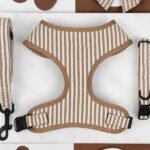
Pet products can use neoprene as a cushioning layer in collars, harness panels, leash handles, and travel accessories. In load-bearing designs, webbing and appropriate hardware should normally provide structural strength, while neoprene improves comfort and surface feel. Sizing charts must be based on clear neck, chest, or body measurements rather than broad weight estimates.
Sports accessories may include equipment covers, belts, wraps, sleeves, and protective carrying products. These categories can offer useful differentiation, but sellers must manage fit, skin comfort, odor, closure strength, and product claims carefully. Ordinary neoprene accessories should not be promoted with medical, therapeutic, injury-prevention, or performance-enhancement claims unless the evidence and regulatory position support those statements.
Across these categories, the most defensible opportunity is usually a narrowly defined product developed for a specific user, object, activity, and measurable improvement.
How Do You Compare Product Profitability?
Neoprene product profitability should be calculated from the expected selling price backward through manufacturing, packaging, inspection, freight, duties, Amazon costs, advertising, returns, and inventory risk. A low unit quotation does not prove that a product is profitable. The most useful comparison is the contribution remaining under realistic operating conditions.
Real Landed Cost
Landed cost is the total cost required to place a sellable, correctly packaged unit into the intended inventory location. It is much broader than the factory’s quoted unit price. For a custom neoprene product, the calculation may include material, surface-fabric lamination, cutting, printing, sewing, binding, zippers, webbing, hardware, packaging, labels, inspection, inland transport, export handling, international freight, duties, and delivery.
Two quotations cannot be compared accurately unless the specification is identical. One supplier may quote 3 mm laminated neoprene with full-surface printing, reinforced handles, branded packaging, and unit labeling. Another may assume thinner material, a small one-color logo, lighter components, and a simple polybag. The second price may appear lower while representing a different product.
| Cost area | Illustrative share of selling price | Main variables |
|---|---|---|
| Manufacturing | 20%–30% | Thickness, printing, hardware, sewing complexity |
| Packaging and labels | 2%–6% | Boxes, inserts, barcodes, warnings |
| Inspection allowance | 1%–3% | Order size, scope, rework |
| Freight and import costs | 5%–15% | Carton volume, route, season, duties |
| Amazon-related costs | 20%–35% | Category, weight, dimensions, fulfillment method |
| Advertising and promotions | 10%–25% | Competition, conversion, launch strategy |
| Returns and damage | 2%–8% | Fit, quality, listing accuracy |
| Remaining contribution | Varies | Selling price and complete business model |
These figures are screening ranges rather than guaranteed industry standards. Sellers should replace them with current marketplace, product, freight, and advertising data before approving an order.
A useful quotation comparison should use the same bill of materials, material thickness, surface fabric, artwork coverage, accessories, packaging, inspection level, and delivery term. Without this control, the lowest quotation may simply be a lower specification.
FBA Fee Exposure
FBA costs are influenced by the final packaged unit, so packaging design should be part of product development from the beginning. A laptop sleeve may be thin before packing but become significantly thicker after a cardboard insert, care card, barcode label, and protective bag are added. A tote may fold flat while reinforced handles create an uneven package.
Sellers should compare at least three packaging concepts:
- Presentation-focused packaging
- Balanced packaging
- Logistics-focused packaging
Presentation-focused packaging may use a printed box or stronger insert. Balanced packaging may use a branded sleeve, carefully controlled fold, and protective polybag. Logistics-focused packaging may reduce printed materials and rely on the smallest package that still protects product quality and satisfies applicable requirements.
Each version should be compared for fulfillment cost, freight efficiency, product creasing, barcode visibility, odor release, dust protection, packing labor, customer presentation, and return condition. A package that saves a small amount in fulfillment but causes heavy creasing or an unpleasant opening experience may create larger costs through returns and reviews.
Amazon packaging, barcode, warning-label, and carton requirements can change. Sellers should confirm current instructions through their seller account before approving packaging and again before shipping. The manufacturer should receive controlled label files, packing rules, carton quantities, and destination information rather than informal screenshots or incomplete messages.
Sustainable Selling Price
A sustainable selling price must leave enough margin under ordinary competitive pressure. Many products appear profitable only when the seller assumes full-price sales, low advertising cost, no returns, inexpensive freight, and perfect inventory turnover. These assumptions rarely remain true throughout a product’s life cycle.
A more reliable model uses three operating scenarios:
- Base case: expected selling price and normal advertising
- Pressure case: discounting, higher advertising, and slower conversion
- Stress case: increased freight, delayed inventory, higher returns, or competitor price reductions
The pressure case is often the most useful indicator. A product that remains commercially workable under moderate pressure has more resilience than a product that only succeeds under ideal conditions.
Selling price should be supported by visible customer value. Accurate fit, stronger handles, better zipper access, useful pockets, coordinated sets, clearer size guidance, distinctive artwork, improved packaging, and realistic performance information can increase perceived value. Manufacturing complexity alone does not justify a higher price because customers pay for the result rather than the difficulty of production.
Reducing material or workmanship to reach an unrealistic target cost is usually a poor long-term decision. Thin foam, unstable lamination, weak seams, poor printing, or strong odor may reduce the initial purchase price but increase returns, complaints, and replacement costs.
Inventory and Reorder Risk
Profitability is affected by how quickly inventory sells and how reliably it can be replenished. A high-margin product that remains in storage for a long period can create a weaker return on capital than a lower-margin product with predictable turnover and stable reordering.
A planning model should include:
- Expected monthly unit sales
- Minimum production quantity
- Sampling and revision time
- Bulk production time
- Freight and customs time
- Amazon receiving time
- Safety-stock requirement
- Seasonal slowdown
- Reorder trigger
- Variation-level demand
A product with a 200-piece minimum can still create substantial inventory exposure when many colors, prints, or sizes are launched together. Ten variations at 200 pieces each create a 2,000-unit commitment before the seller knows which options customers prefer. Each variation also requires labeling, carton separation, forecasting, advertising, and inventory management.
Initial assortments should therefore be disciplined. Colors and sizes should serve identifiable customer needs rather than being added simply because they are available. A smaller, better-tested assortment often produces cleaner data and reduces the risk of slow-moving variations.
Repeat-production consistency is also part of profitability. A supplier that can maintain the same material, dimensions, print color, hardware, packaging, and lead time across reorders may create more long-term value than a supplier offering the lowest first-order price.
How Can Sellers Differentiate Neoprene Products?
Amazon sellers can differentiate neoprene products through thickness, foam quality, surface fabric, fit, structure, printing, closures, reinforcement, bundles, packaging, and use-case specialization. Effective differentiation should be visible to customers, relevant to recurring complaints, and difficult to copy without understanding the complete specification.
Thickness and Material Choice
Thickness affects flexibility, cushioning, insulation, structure, sewing difficulty, cost, and packaged volume. There is no universal thickness that is best for all products. A lightweight promotional sleeve may benefit from 2 mm material, while a protective electronic cover may require a thicker construction.
| Thickness | Common applications | Main advantages | Main trade-offs |
|---|---|---|---|
| 2 mm | Light sleeves, can coolers, promotional items | Flexible, compact, lower material use | Limited cushioning and structure |
| 3 mm | Lunch bags, pouches, bottle holders, totes | Balanced flexibility and support | More bulk than 2 mm |
| 4 mm | Protective sleeves and equipment covers | Stronger cushioning and hand feel | Higher cost and package thickness |
| 5 mm | Specialized covers and selected sports uses | Greater protection and insulation potential | More difficult sewing and bulkier shipping |
These ranges are practical development references rather than fixed requirements. The complete laminated material should also be evaluated for foam composition, density, surface-fabric weight, backing textile, stretch direction, recovery, odor, colorfastness, and print compatibility.
Two materials described as 3 mm neoprene may feel different because thickness is only one part of the specification. Foam formulation, lamination adhesive, surface fabric, backing, compression recovery, and production tolerance can affect the finished product.
Physical swatches should be bent, compressed, stretched, printed, stitched, and stored in sealed packaging. The buyer should compare odor, recovery, print appearance, seam behavior, and hand feel. The final approved material should be linked to the sample, bill of materials, and purchase order rather than described only by a general thickness.
Fit and Pattern Accuracy
Fit creates meaningful product value because it directly affects usability and return rates. A correctly fitted bottle sleeve or laptop case may outperform a more decorative product that has poor dimensions. Pattern development must account for the object being covered as well as the behavior of the material.
Important pattern inputs include:
- Target-object dimensions
- Neoprene and lining thickness
- Stretch direction
- Seam allowance
- Binding thickness
- Zipper clearance
- Opening width
- Corner shape
- Internal usable space
- Finished tolerance
For bottle holders, nominal capacity alone is not enough because containers with the same stated volume may have different diameters, shoulders, and heights. For laptop sleeves, screen size does not represent the complete device dimensions. For pet products, animal weight alone cannot replace neck, chest, and body measurements.
Whenever possible, the factory should develop and test the pattern using an actual object, verified technical measurements, or an approved dimensional model. The product should be repeatedly inserted, removed, loaded, folded, opened, and closed during evaluation.
Accurate size diagrams and compatibility guidance should also be included in the listing. Good manufacturing cannot prevent returns when customers are given unclear measurement instructions, and good listing content cannot compensate for an inaccurate pattern. Both areas must support the same fit promise.
Printing and Branding
Neoprene supports several branding methods, including sublimation printing, heat transfer, screen printing, digital printing, woven labels, rubber patches, silicone patches, reflective details, custom zipper pulls, and embroidery in selected constructions.
Sublimation is often suitable for full-surface artwork on compatible polyester-faced neoprene. It can create strong visual differentiation for lunch bags, totes, sleeves, bottle holders, pet products, and lifestyle accessories. The final result still depends on artwork preparation, color management, surface fabric, panel construction, and production control.
A flat printed swatch does not prove that the finished product will look correct. Artwork should be checked across seams, curved panels, gussets, binding, zipper areas, and pattern joins. Geometric designs, stripes, text, and character artwork make alignment differences especially visible.
Patches and labels create different brand impressions. Silicone or rubber patches can support technical, outdoor, and sports positioning. Woven labels may feel more suitable for lifestyle or textile-focused products. The selected method should match expected durability, artwork detail, brand identity, product price, and order quantity.
Branding only creates value when it supports the complete customer experience. An expensive patch cannot compensate for weak stitching, poor fit, or unstable printing. Material, structure, decoration, packaging, and listing presentation should communicate one consistent product position.
Bundles and Product Families
Bundles can improve average selling price, perceived value, and advertising economics when the included items naturally belong together. A lunch bag and bottle sleeve solve a connected use case. A laptop sleeve and cable pouch serve the same device-carrying need. A tote and cosmetic pouch can share the same artwork, material, and customer group.
Potential combinations include:
- Lunch bag and bottle sleeve
- Laptop sleeve and cable organizer
- Tote and cosmetic pouch
- Can-cooler set in multiple formats
- Pet leash and padded handle accessories
- Travel cover and organizer
- Sports sleeve and storage pouch
- Bottle holder and accessory pocket
The strongest bundles share the same material direction, color system, artwork, customer, and use environment. Random combinations may increase the package size without creating meaningful value.
Product families also support long-term brand development. A seller can begin with one validated product and later add related sizes, colors, and accessories while reusing approved materials and visual elements. This can improve brand recognition and simplify parts of the sourcing process.
Each product still requires its own pattern, cost review, inspection standard, packaging, and market validation. Reusing a material does not mean every related item will have the same profitability or return profile.
How Do You Choose a Neoprene Manufacturer?
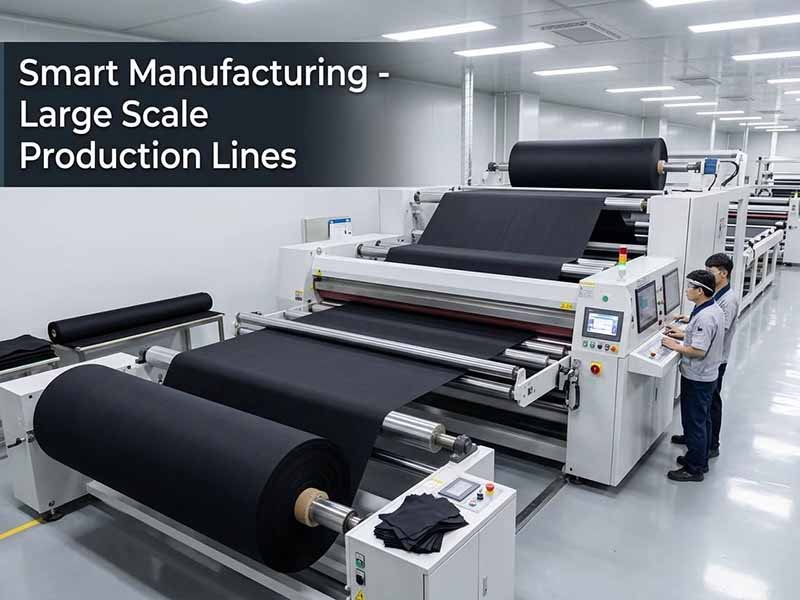
A dependable neoprene manufacturer should demonstrate material knowledge, pattern development, accurate sampling, printing capability, controlled sewing, practical quality inspection, packaging support, clear communication, and repeat-production stability. The supplier should identify risks before bulk production and document the approved standard rather than relying on general promises of high quality.
Development Capability
A capable manufacturer should be able to start from different levels of information, including a complete tech pack, physical sample, product photograph, competitor reference, sketch, rendering, target dimensions, Amazon listing, or basic product concept.
The supplier should identify missing details instead of quietly making assumptions. Important development questions include material thickness, surface fabric, stretch direction, edge finishing, seam construction, printing method, reinforcement, closures, target use, packaging, tolerance, and intended listing claims.
A factory that only copies the visible outline may produce an acceptable first photograph but create problems during use or mass production. A stronger development team considers whether the structure can be sewn consistently, whether the printing will align, whether the product can be packed efficiently, and whether the final cost fits the commercial target.
Szoneier is a Shenzhen-based custom bags and soft-goods OEM/ODM manufacturer with more than 18 years of manufacturing experience. Its documented capabilities include material coordination, pattern development, sampling, sewing production, inspection, packaging, and export delivery for commercial buyers developing custom bags, neoprene products, covers, pouches, and other sewn soft goods.
For Amazon projects, development should connect product design with selling-channel requirements. The factory should understand that a change to material, handles, inserts, or packaging can affect fulfillment dimensions, customer presentation, and landed cost.
Sample Approval
A sample is not simply a visual demonstration. It should answer whether the material is correct, the product fits and functions properly, the structure can be repeated in production, the packaging suits the sales channel, and the total configuration remains commercially realistic.
Sample approval should cover:
- Finished dimensions
- Material thickness and lamination
- Surface fabric
- Print color and placement
- Logo method
- Seam construction
- Binding and edge finishing
- Zippers and closures
- Webbing and hardware
- Handles and reinforcement
- Packaging and labels
- Finished weight
- Measurement tolerance
Development time varies according to product complexity, material availability, artwork, printing, custom hardware, fit testing, packaging, and revisions. A relatively simple neoprene sleeve or bag may take approximately one to two weeks to develop, while complex fitted or multi-component products can require longer.
A message stating that the sample “looks good” is not a complete approval system. Serious projects should connect the approved physical sample with a measurement sheet, bill of materials, artwork file, packaging reference, and photographic record.
Clear approval documentation reduces disagreement when bulk goods are inspected. It also helps the manufacturer reproduce the product more consistently across future orders.
Production Quality
Bulk quality should be controlled before and during production rather than checked only after every unit has been completed. Final inspection can identify problems, but it cannot economically correct an entire order produced with the wrong material, inaccurate pattern, poor print color, or weak construction.
| Control stage | Main checks |
|---|---|
| Incoming materials | Thickness, color, surface fabric, odor, lamination |
| Pre-production | Approved sample, pattern, artwork, accessories |
| Cutting and printing | Panel size, direction, color, placement |
| Sewing | Stitching, seams, binding, reinforcement, closures |
| Finished goods | Dimensions, fit, appearance, function, cleanliness |
| Packaging | Barcode, warnings, quantity, carton marks, weight |
Flexible neoprene products require a defined measurement method. A finished item should not be stretched to reach the required dimensions. Factory staff, inspectors, and buyers should use the same measuring points and place the product in the same natural condition.
Fitted products should be tested with the intended bottle, device, container, or accessory. Load-bearing parts should receive practical pull or repeated-use checks appropriate to the product. Printed products should be evaluated for color, alignment, surface damage, and consistency between batches.
The useful supplier question is not simply whether quality inspection exists. Buyers should ask what is inspected, when it is inspected, which approved standard is used, how results are recorded, and how nonconforming production is corrected.
FBA and Reorders
A manufacturer supporting Amazon projects should understand unit packaging, FNSKU labels, carton labels, barcode visibility, multi-SKU separation, carton dimensions, carton weight, shipment instructions, and export documentation.
Before packing begins, both parties should confirm:
- Target marketplace
- SKU and FNSKU files
- Unit packaging type
- Warning labels
- Set labels
- Units per carton
- Carton dimensions and weight
- Multi-SKU packing rules
- Warehouse destination
- Freight method
- Shipment-plan instructions
- Required commercial documents
The seller remains responsible for providing current Amazon requirements and correct label files. The factory should prepare a packaging sample and obtain approval before packing the complete order.
Reorder capability is as important as first-order pricing. Sellers should ask whether the supplier can maintain the same neoprene specification, surface fabric, print color, pattern dimensions, hardware, packaging, and production lead time across repeat orders.
Minimum quantities can vary significantly. Selected straightforward custom soft-goods projects may begin around 200 pieces, while fitted, highly printed, reinforced, or more complex neoprene products may require 300–500 pieces or more. Materials, colors, accessories, packaging, testing, and production methods all influence the final requirement.
Which Neoprene Product Should You Develop First?
The best first product is one that serves a clearly defined customer, solves an obvious problem, uses neoprene for a meaningful reason, supports sustainable pricing, and avoids more fit, compliance, packaging, or inventory complexity than the seller can manage. High visible sales alone do not make a product suitable for a new brand.
Start With a Clear Use Case
A strong first product has a clearly defined user and purpose. “Neoprene accessories” is too broad to guide design, testing, photography, or marketing. “A compact lunch tote designed around common office meal-prep containers” provides enough direction to make decisions about capacity, opening width, handles, material thickness, packaging, and product photography.
Clear use cases determine:
- Product dimensions
- Thickness and surface fabric
- Closure design
- Handle or strap length
- Pocket layout
- Artwork direction
- Packaging format
- Product testing
- Listing language
A bottle holder intended for hiking may need a shoulder strap, secure closure, and small pocket. A school-oriented version may require a name label, simple opening, and bright artwork. A commuter laptop sleeve may need a carrying handle and cable pouch, while a home-storage sleeve may not require those features.
The first product does not need to serve the broadest possible market. A product developed for one identifiable customer group can create clearer benefits, more accurate photography, better review expectations, and a stronger foundation for future expansion.
Use a Selection Scorecard
Each product idea should be evaluated with the same decision framework rather than selected only because competitors appear to sell large quantities.
- Can shoppers understand the product in five seconds?
- Does neoprene improve the product meaningfully?
- Is demand stable enough for the inventory plan?
- Are competitor complaints clear and repeatable?
- Can the design solve an important complaint?
- Are packaged dimensions commercially workable?
- Can the price support advertising and returns?
- Can quality be inspected objectively?
- Can the approved sample be reproduced?
- Can the idea expand into related products?
A product that performs well across all ten areas is usually a stronger opportunity than one with impressive demand but severe pricing, fit, compliance, or fulfillment pressure.
Risk should also be ranked by severity. Can coolers may have relatively low technical complexity but intense competition and limited selling-price room. Laptop sleeves may support higher prices but create greater fit risk. Pet accessories may allow visible differentiation but introduce more responsibility for sizing, strength, and safe construction.
The most suitable product is not the one without risk. It is the one whose risks the seller, supplier, and operating system can identify and control.
Match Product to Experience
New sellers often benefit from products with limited size variations, straightforward construction, low breakage risk, simple packaging, clear customer use, objective inspection points, and few regulatory claims.
More experienced sellers may be prepared to manage:
- Device-specific sleeve sizes
- Multiple fit variations
- Complex sports accessories
- Load-bearing pet products
- Reinforced neoprene totes
- Multi-piece product families
- More technical packaging
- Seasonal inventory programs
A simple product is not automatically easy to sell. Can coolers and basic sleeves may be straightforward to manufacture but highly competitive. The seller still needs an original niche, artwork system, useful bundle, customer-specific fit, or review-based improvement.
The development and operational complexity should match the team’s current ability. A business with limited experience in sizing, testing, compliance, and multi-SKU inventory should avoid launching a product family that creates several new risks at the same time.
A manageable first product allows the seller to learn how the supplier communicates, how samples are revised, how packaging affects costs, how inspections are handled, and how customers respond before larger commitments are made.
Plan the Second Product
The best first product creates a logical path to a second and third product. A lunch bag can lead to bottle sleeves, snack pouches, and cutlery cases. A laptop sleeve can lead to tablet cases, cable organizers, and travel pouches. A beach tote can lead to cosmetic pouches, wet-item bags, and bottle holders.
Planning a product family helps sellers:
- Build a consistent visual identity
- Reuse approved materials
- Coordinate colors and artwork
- Increase cross-selling
- Create useful bundles
- Improve brand recognition
- Simplify future development
The first product should still be validated before the full family is ordered. A disciplined launch uses one or a few carefully selected products to test demand, selling price, customer reviews, advertising performance, packaging, and supply-chain reliability.
Once the first item produces useful data, later products can address the same customer with compatible materials, colors, and branding. This creates a more coherent brand than repeatedly launching unrelated products based only on short-term sales trends.
Request a Custom Product Review
Amazon sellers planning a private-label neoprene product should prepare a clear project brief before requesting a quotation. Useful information includes reference photographs, intended use, target dimensions, artwork, expected quantity, required packaging, Amazon marketplace, target selling price, delivery country, and preferred launch date.
Szoneier supports the development of custom neoprene lunch bags, bottle holders, can coolers, laptop sleeves, protective covers, totes, pet accessories, and related sewn soft goods. The project team can review material thickness, surface fabric, pattern structure, printing, logo application, sample requirements, production risks, quality standards, packaging, carton planning, FBA labeling, and international delivery.
A complete inquiry allows the manufacturer to identify cost drivers and development risks before sampling begins. It also helps both parties avoid quotations based on assumptions that later change the product specification.
To begin a custom neoprene project, send the product concept, dimensions, quantity, artwork, packaging requirements, marketplace, and destination country to info@szoneier.com or contact the project team through WhatsApp at (+86) 13423847456