Skip to content

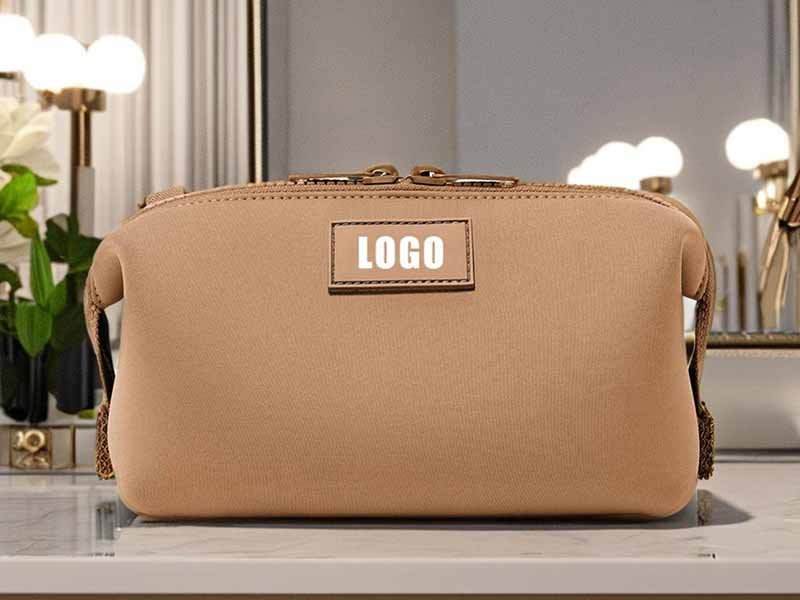
A low quotation can look attractive when every supplier appears to offer the same black foam, printed logo, and stitched construction. The real differences usually appear later, when the sample feels too soft, the finished sleeve does not fit, the surface fabric separates from the foam, the print changes color after stretching, or the production shipment arrives with inconsistent dimensions. Successful sourcing therefore begins long before a purchase order is issued.
To source custom neoprene products from China successfully, define the product and its intended use, select the correct foam grade, thickness, and laminated surface, verify the manufacturer’s real development and production capabilities, approve a documented golden sample, establish measurable inspection standards, and confirm packaging, Incoterms, and shipping responsibilities before bulk production begins.
China offers a mature supply chain for laminated neoprene, textile surfaces, printing, cutting, binding, sewing, accessories, packaging, testing, and international logistics. However, not every supplier controls all these stages equally well. A factory experienced in basic promotional koozies may not be suitable for fitted laptop sleeves, insulated bags, sports supports, protective covers, or multi-SKU retail programs. The safest buyer is not the one who finds the lowest quote first, but the one who knows exactly what must be verified before approving it.
What Should You Define Before Sourcing?
Before requesting quotations, define the product’s use, dimensions, material direction, branding, packaging, order quantity, destination market, required delivery date, and quality expectations. A complete sourcing brief allows manufacturers to quote the same product, reveals hidden specification differences, reduces unnecessary sample revisions, and gives both parties clear standards for approving materials, workmanship, packaging, and bulk production.
Define the Product and Its Use
“Custom neoprene product” covers a much wider range of items than many first-time buyers expect. A simple beverage koozie, a zippered laptop sleeve, a fitted bottle holder, a structured lunch bag, a sports brace, and an equipment cover may all use neoprene, but they behave differently during cutting, stretching, printing, binding, sewing, packaging, and everyday use.
Begin by explaining what the product must hold, cover, protect, support, or carry. The factory needs to understand whether the item will be stretched repeatedly, exposed to sweat or water, loaded with weight, compressed during shipping, worn against the skin, or expected to maintain a clean retail appearance for several years. These conditions influence the material grade, thickness, pattern allowance, surface fabric, closure system, reinforcement, and quality-control plan.
A bottle holder, for example, must fit a specific bottle circumference while remaining easy to install and remove. A laptop sleeve must allow enough internal space for the device without becoming loose, while its zipper, seam allowance, and internal surface must not damage the equipment. A neoprene tote requires clean edge binding and properly reinforced handles because material stretch can concentrate stress around the attachment points.
The initial brief should answer practical questions such as:
- What object or load will the product hold?
- What are the object’s exact external dimensions?
- How often will customers use the product?
- Will it be stretched, folded, washed, or compressed?
- Is cushioning, insulation, grip, or flexibility most important?
- Will the item be sold as a promotional giveaway or retail product?
- Does it require a zipper, webbing handle, hook, buckle, or hook-and-loop closure?
- Which visual details are essential to the brand?
These answers help an experienced manufacturer recommend a workable construction rather than simply quoting the cheapest sheet material available.
Build a Complete RFQ
A useful request for quotation should allow the manufacturer to calculate material consumption, printing setup, labor, accessories, packaging, production difficulty, and inspection requirements. It should also help the buyer compare proposals without unknowingly comparing different products.
| RFQ Item | Information to Provide | Why It Matters |
|---|---|---|
| Product reference | Drawing, photo, sample, link, or tech pack | Establishes shape and construction |
| Dimensions | External size, internal size, and fitting object | Controls fit, pattern, and consumption |
| Neoprene | Grade, thickness, surface fabric, and color | Affects feel, durability, stretch, and cost |
| Branding | Vector logo, Pantone target, size, and position | Determines print process and setup |
| Construction | Seams, binding, zipper, pockets, and reinforcement | Determines labor and production stability |
| Accessories | Webbing, hooks, buckles, labels, and hardware | Affects function, MOQ, and price |
| Packaging | Bag, sleeve, insert, box, barcode, and carton | Affects retail and logistics readiness |
| Quantity | Units by SKU, color, size, and design | Determines MOQ and material purchasing |
| Market | Destination country and sales channel | Influences testing, labels, and delivery |
| Schedule | Sample date and required arrival date | Determines whether the plan is realistic |
For fitted products, do not rely only on descriptions such as “fits a 13-inch laptop” or “designed for a 750 ml bottle.” Products with the same stated capacity or screen size can have significantly different external dimensions. Supply accurate measurements, a physical reference, a technical drawing, or a production sample whenever fit matters.
Logo files should normally be supplied in vector format. Pantone numbers can provide a useful color target, but the final appearance also depends on the laminated textile, surface texture, ink system, heat process, stretching, and lighting. A printed material proof or finished sample is more reliable than approving colors only from a digital screen.
Set Realistic Commercial Assumptions
The target price, material quality, order quantity, customization depth, packaging requirements, and delivery schedule must support one another. Buyers sometimes request high-density foam, custom-colored surface fabric, full-panel artwork, premium hardware, printed retail packaging, third-party testing, and several colorways while expecting the unit price of a basic promotional koozie. A supplier may still submit a low quote, but that quote often relies on assumptions that become visible only after sampling.
Request pricing at several realistic volume levels, such as 300, 500, 1,000, 3,000, and 5,000 units where appropriate. This shows how printing setup, material utilization, cutting efficiency, labor, custom accessories, packaging, and carton planning affect the unit price. It also helps the buyer understand whether the supplier can support the product after it moves from a trial order into regular replenishment.
MOQ should be defined by SKU rather than only by the total order. A statement such as “MOQ 500 pieces” may mean 500 units across the whole order, 500 per color, 500 per size, or 500 per printed design. These interpretations create very different inventory commitments, particularly when the collection includes several sizes and artwork versions.
For selected sewn soft-goods programs, manufacturing minimums may begin near 200 units, although actual requirements depend on stock availability, product construction, surface color, logo process, accessories, packaging, testing, and the number of variations. Simple products using standard materials are generally easier to start at lower quantities than technically fitted products using custom laminations or specialized hardware.
Check Compliance Before Sampling Ends
Compliance requirements should be identified before the final sample is approved, because the selected foam, laminated fabric, printing ink, adhesive, packaging, or label may need to meet specific standards. Discovering this after production can lead to additional testing, repacking, material replacement, shipment delays, or a complete remake.
The testing plan depends on the destination country, intended users, sales channel, skin-contact conditions, product claims, and retailer requirements. A children’s accessory, wearable support, food-container carrier, ordinary promotional sleeve, and medical-positioned product should not automatically follow the same test program.
Create a written compliance record covering:
- Destination market
- Intended user age
- Skin-contact conditions
- Product claims
- Restricted-substance requirements
- Warning labels
- Retailer standards
- Packaging rules
- Required test methods
- Report validity
- Tested material description
Avoid collecting certificates only for display. A report is useful when it applies to the actual material, surface fabric, color, ink, supplier, and product being ordered. A report covering a different foam formulation or lamination may not provide meaningful support for the final product.
Marketing claims should also remain proportionate to the construction. Neoprene can provide cushioning, elasticity, limited thermal resistance, and resistance to light splashing, but an ordinary sewn product should not be described as fully waterproof, medically effective, or equivalent to a professional cooler unless the complete structure has been designed and tested for that function.
Which Neoprene Material Should You Choose?
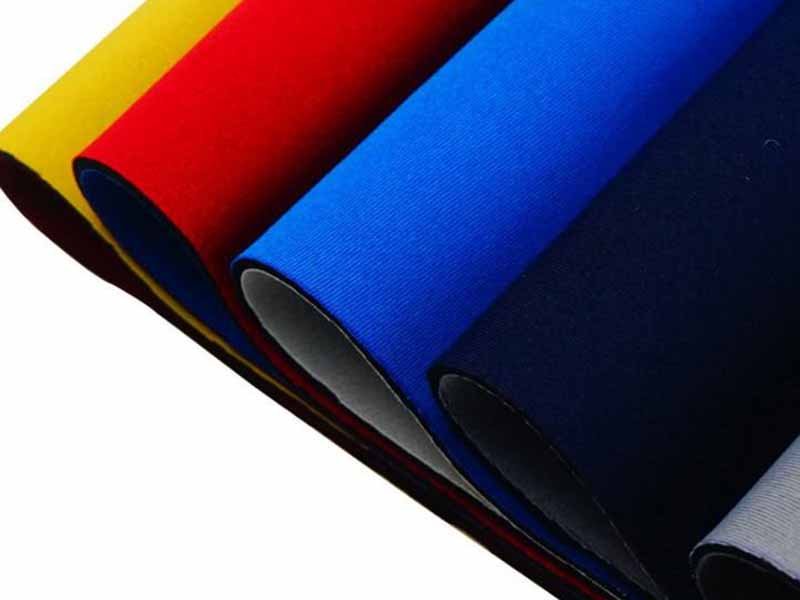
Choose neoprene according to the product’s intended use, flexibility, recovery, cushioning, weather exposure, odor expectations, durability, manufacturing method, and target cost. Material grade alone is not enough. Foam thickness, density, laminated surface fabric, stretch direction, print compatibility, and production-batch consistency all influence how the finished product looks, feels, fits, and performs.
Understand SBR, SCR, and CR
Buyers commonly encounter the terms SBR, SCR, and CR when comparing neoprene materials. These descriptions are useful starting points, but they do not fully explain the quality of a sheet. Formulation, density, cell structure, curing, lamination, adhesive performance, and batch control can create noticeable differences between two materials sold under the same general category.
SBR-based foam is widely used for promotional products and general soft goods where cost control is important. It can provide practical flexibility, cushioning, and limited thermal resistance, although performance varies according to formulation and production quality. It may be suitable for event koozies, lightweight covers, simple bags, or other products where long-term environmental resistance is not the primary requirement.
SCR is generally positioned as a blended solution intended to balance cost with selected performance improvements. It can be considered when buyers need better resilience or durability than entry-level promotional material without automatically moving to a more expensive CR specification.
CR, commonly associated with chloroprene rubber, is often considered for products requiring stronger aging resistance, weather performance, resilience, or more demanding repeated use. It normally carries a higher material cost and should be selected because the application genuinely needs the additional properties, not simply because the term appears more premium.
Ask suppliers to document more than the material abbreviation. A useful material specification can include the foam category, thickness, laminated thickness, surface textile, color, density or hardness information where relevant, stretch direction, tolerance, and intended application. The commercial name alone cannot confirm odor, recovery, abrasion resistance, or long-term consistency.
Match Thickness to the Product
Thickness influences cushioning, flexibility, internal capacity, seam bulk, shape retention, weight, sewing difficulty, packaging volume, and price. Choosing the thickest option is not always the safest decision. A thick material may make a fitted sleeve too tight, cause bulky zipper seams, increase wrinkles around curved areas, and reduce carton efficiency.
| Thickness | Common Product Uses | Practical Advantages | Main Risks |
|---|---|---|---|
| 2 mm | Can coolers, light sleeves, promotional covers | Flexible, lightweight, economical | Limited cushioning and structure |
| 3 mm | Bottle holders, lunch bags, totes, koozies | Balanced cost, body, stretch, and sewability | Fit must allow for compression |
| 3–4 mm | Laptop sleeves and protective pouches | Better cushioning and premium feel | Greater seam and zipper bulk |
| 4 mm | Structured covers and protective sleeves | More body and impact absorption | Higher cost and reduced flexibility |
| 5 mm | Sports and specialized products | Greater insulation or protection potential | More difficult sewing and packaging |
A 3 mm specification is commonly practical for bottle holders, koozies, general bags, and some lunch products. Laptop and tablet sleeves often use approximately 3–4 mm where a balance of fit and cushioning is required. Sports, diving-related, or specialized products may use 3–5 mm materials or combine several thicknesses across different panels.
For fitted items, thickness changes the usable internal space. A pattern developed around 2 mm material cannot always be transferred directly to 4 mm material. The pattern maker must consider compression, seam allowance, stretch, zipper installation, and the geometry of the object.
Clarify whether the quoted thickness refers to the foam before lamination or the finished laminated sheet. Measuring methods differ between suppliers, and even a small discrepancy can become important when the product must fit tightly.
Select Surface Fabric and Branding
Most custom neoprene soft goods use foam laminated with textile on one or both sides. The surface affects appearance, print quality, abrasion resistance, stretch, hand feel, seam behavior, and durability. Selecting the correct foam while ignoring the laminated surface can still result in a product that feels cheap or performs poorly.
Polyester jersey is widely used for general-purpose products and colorful printed artwork. It offers practical printing compatibility, broad color availability, and stable commercial pricing. Nylon jersey may provide a smoother feel and useful elasticity for some premium or fitted items. Stretch fabrics can support sports and wearable applications, while loop-compatible textiles can be used when hook-and-loop adjustment is part of the construction.
Common branding processes include:
- Screen printing
- Heat transfer
- Sublimation printing
- Digital printing
- Embroidery
- Woven labels
- Rubber patches
- Silicone patches
- Reflective logos
- Custom zipper pullers
Sublimation can provide large-area, full-color artwork on suitable polyester surfaces without creating a thick raised ink layer. However, graphics may distort when the neoprene stretches, especially around tight-fitting products. Screen printing can be efficient for simple logos and larger quantities, while heat transfer can reproduce detailed artwork but requires careful testing of adhesion and surface feel.
Embroidery can create a premium appearance, although dense stitches may compress or distort soft foam. The logo should therefore be evaluated on a finished sample, not only on a flat printed panel. A design that looks properly centered before sewing may appear too close to a zipper, binding, seam, or curve after assembly.
Approve Physical Material Samples
Material should never be approved from photographs alone. Physical swatches need to be handled, stretched, folded, compressed, rubbed, printed, cut, and enclosed inside the intended packaging. These checks reveal differences that supplier descriptions cannot communicate accurately.
Evaluate:
- Thickness at several locations
- Thickness consistency
- Foam body and density
- Surface uniformity
- Elasticity
- Recovery after stretching
- Recovery after compression
- Odor
- Lamination strength
- Edge quality after cutting
- Print sharpness
- Color consistency
- Wrinkling around curves
- Abrasion resistance
- Behavior during sewing
Odor should be assessed after the material or sample has remained inside the intended packaging for several days. A smell that appears mild in an open sample room can become much stronger inside a sealed retail bag or box.
For a simple comparative check, mark a measured line on several candidate swatches, stretch each material by the same amount, release it, and compare recovery. Fold and compress the materials, then observe how quickly they return to shape. These checks do not replace laboratory testing, but they can expose obvious differences between options.
Bulk material should be compared with the approved swatch before cutting begins. Record the material supplier, batch, thickness, surface fabric, color, and approval date. An instruction such as “use similar neoprene” leaves too much room for substitution and is one of the most common causes of sample-to-production inconsistency.
How Do You Find a Reliable Factory?
Find several relevant manufacturers, then verify their legal identity, production location, material knowledge, sample-development capability, similar-product experience, quality-control process, subcontracting arrangements, capacity, and export support. A dependable factory should ask detailed technical questions, show project-relevant evidence, explain trade-offs, document specifications, and describe how it will reproduce the approved sample during bulk production.
Build a Relevant Shortlist
Google, B2B marketplaces, trade exhibitions, sourcing agents, referrals, and existing supplier networks can all help identify potential manufacturers. The sourcing channel is less important than the verification work completed after the supplier is found.
Use more than one channel where possible. A company discovered through Google can be checked against marketplace records, official business information, company addresses, trade-show participation, export documents, and social media activity. Consistent company names, contact information, factory locations, and product claims provide more confidence than a polished website by itself.
Shortlist suppliers according to product relevance rather than the total number of products shown online. A company displaying thousands of unrelated products may operate as a trading organization. This is not automatically a disadvantage, but the buyer must understand who will develop, manufacture, and inspect the neoprene product.
A technically relevant supplier should be able to discuss:
- Foam type and thickness
- Laminated fabrics
- Stretch direction
- Pattern allowance
- Cutting accuracy
- Edge binding
- Curved sewing
- Print distortion
- Dimensional tolerance
- Fit testing
- Zipper installation
- Handle reinforcement
- Packaging compression
- Inspection methods
Pay attention to the questions the supplier asks before quoting. A price issued without discussion of dimensions, fit, use, material, artwork, quantity, packaging, or destination is usually based on assumptions. Those assumptions may later appear as sample failures, additional charges, or production disputes.
Verify Production Control
The most important question is not simply whether the company calls itself a factory or trader. The buyer needs to know who controls sampling, pattern development, material purchase, lamination, printing, cutting, sewing, inspection, packaging, and shipment.
Ask:
- Where will the sample be developed?
- Where will bulk production take place?
- Who purchases and approves the neoprene?
- Where is surface lamination completed?
- Is printing internal or outsourced?
- Who creates and controls the pattern?
- Who checks the first production units?
- Which processes may be subcontracted?
- How are partner facilities monitored?
- Who takes responsibility for corrective action?
A factory-based partner should be able to show its sample room, material storage, cutting operation, sewing and binding equipment, inspection area, finished-product storage, and packaging process through a live video meeting or factory visit.
Using partner facilities for specialized lamination, printing, hardware, packaging, or peak-season production is common in the soft-goods industry. The risk is not outsourcing itself, but uncontrolled outsourcing where the buyer does not know where the goods are produced, which standards are being used, or who is responsible when problems appear.
Szoneier documents a Shenzhen-based manufacturing system covering in-house sample development, material coordination, sewing production management, quality inspection, packaging, and export delivery. Its broader production network includes controlled long-term partner factories supporting different categories, processes, and capacity requirements, rather than unmanaged last-minute subcontracting.
Evaluate Evidence with a Scorecard
Supplier selection becomes more consistent when the buying team uses a weighted scorecard. The percentages can be adjusted according to the project, but relevant product experience, material knowledge, development ability, and quality control should normally carry more influence than the first quoted price.
| Evaluation Area | Suggested Weight | Evidence to Review |
|---|---|---|
| Similar-product experience | 20% | Samples, recent projects, construction knowledge |
| Material knowledge | 15% | Clear grade, thickness, surface, and cost comparisons |
| Sample-development ability | 15% | Pattern making, revisions, fit testing |
| Quality-control system | 15% | Material, first-piece, in-line, and final checks |
| Communication | 10% | Accurate questions and written documentation |
| Capacity and scheduling | 10% | Equipment, staff, planning, and peak-season control |
| Packaging and export support | 5% | Barcode, carton, FBA, and shipping documents |
| Commercial terms | 5% | Payment, validity, warranty, and defect handling |
| Price competitiveness | 5% | Pricing based on identical specifications |
Request evidence connected to the proposed product. For a laptop sleeve, examine fitted sleeve samples, zipper protection, internal dimensions, corner construction, and cushioning. For a bottle carrier, review fit, binding alignment, handle reinforcement, hardware security, and load performance. For a printed koozie, focus on color control, panel alignment, seam distortion, and dimensional consistency.
A strong technical discussion should include trade-offs. A capable supplier may explain that moving from 3 mm to 5 mm material could improve cushioning while making the fit tighter, increasing seam bulk, and requiring a new pattern. This type of explanation is more valuable than immediate agreement with every buyer request.
Protect IP and Recognize Red Flags
Use a nondisclosure agreement when the project involves unreleased products, licensed artwork, distinctive structures, confidential launch dates, customer information, or commercially sensitive specifications. The agreement should identify the legal parties, define confidential information, restrict unauthorized display or production, and clarify ownership of designs, tooling, molds, artwork, and packaging files.
Information can be shared in stages. An initial supplier evaluation may require only the product category, approximate size, intended material, quantity, market, and use. Detailed drawings and original artwork can be released after the company’s legal identity and manufacturing relevance have been checked.
Warning signs include:
- Quoting without asking technical questions
- Describing the material only as “high-quality neoprene”
- Offering a price far below comparable suppliers
- Refusing live factory verification
- Using inconsistent legal company names or addresses
- Failing to identify the sample material
- Promising every certification without reviewing the product
- Offering an unrealistic production schedule
- Denying subcontracting without showing production evidence
- Keeping quality requirements only in chat messages
- Requesting full payment before reasonable verification
- Being unable to explain sample-to-bulk controls
A low quotation does not always indicate dishonesty, but the buyer should investigate what has changed. The offer may use thinner foam, a lower-cost laminated fabric, reduced artwork coverage, lighter hardware, simpler seams, lower-grade packaging, or fewer inspection steps.
How Do You Manage Samples and Production?
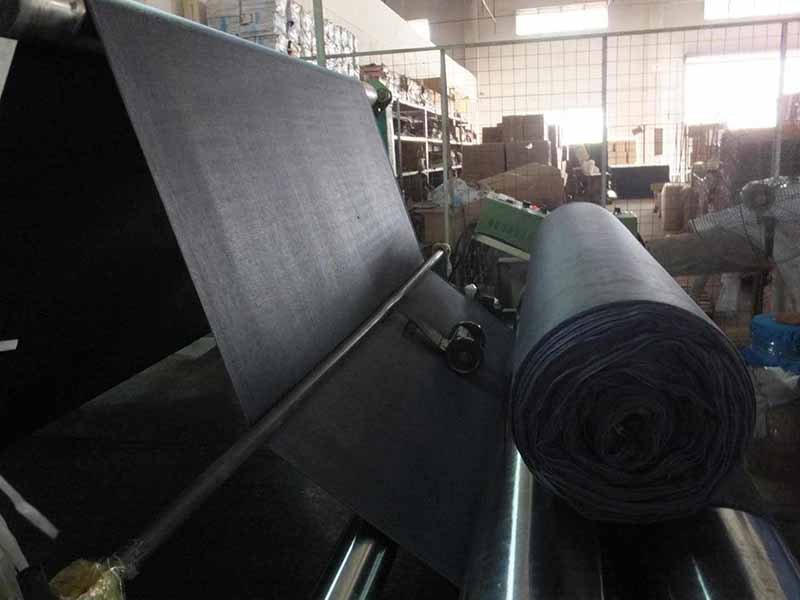
Manage development through comparable quotations, approved material swatches, functional prototypes, documented revision records, a final golden sample, and controlled production checkpoints. Bulk manufacturing should begin only after the product’s material, measurements, tolerances, artwork, construction, accessories, packaging, inspection standards, and delivery schedule have been approved in writing and reflected in physical production references.
Compare Quotations Fairly
A quotation comparison is meaningful only when each supplier is pricing the same specification. A 2 mm SBR product with basic polyester lamination cannot be compared directly with a 3 mm blended material using a premium textile surface, even when both quotations use the word “neoprene.”
Ask each supplier to state:
- Foam category
- Thickness
- Laminated textile
- Material color
- Artwork process
- Print coverage
- Binding
- Thread and seam method
- Zipper or closure
- Webbing and hardware
- Labels
- Individual packaging
- Carton packaging
- MOQ by SKU
- Sample fee
- Tooling or setup charges
- Unit price by volume
- Sample lead time
- Bulk lead time
- Incoterm
- Quotation validity
Separate one-time development expenses from repeat-order expenses. Cutting dies, print screens, molds, packaging plates, custom zipper pullers, and color-development charges may apply only to the first order. Ownership, storage, and reuse conditions should be stated in writing.
Initial quotations based only on photographs should be treated as estimates. The final unit cost may change after the manufacturer confirms the pattern, material consumption, artwork coverage, construction, accessories, packaging, and inspection requirements. A responsible supplier should explain which elements remain provisional rather than presenting an uncertain estimate as a guaranteed price.
Follow a Structured Sample Roadmap
Sampling is where the original product idea meets manufacturing reality. A prototype should prove that the product fits, functions, looks correct, and can be repeated without excessive hand correction.
| Sample Stage | Main Purpose | Approval Evidence |
|---|---|---|
| Material swatch | Confirm thickness, surface, color, stretch, and odor | Written material approval |
| First prototype | Test dimensions, fit, pattern, and construction | Measurement report and revision list |
| Printed prototype | Confirm artwork, color, scale, and placement | Approved artwork and photos |
| Revised sample | Resolve functional and appearance issues | Closed revision record |
| Golden sample | Establish the final physical production standard | Signed and coded sample |
| Pre-production sample | Confirm actual bulk materials and processes | Written production release |
| First production piece | Confirm line setup before full output | First-piece inspection record |
Simple neoprene products may be sampled within approximately 5–7 working days when standard materials and straightforward construction are available. Fitted, printed, multi-size, or structurally complex products may require 10–25 days or more, especially when several revision rounds, custom materials, or compliance checks are involved.
The sample should be tested under realistic conditions. Insert the actual laptop, load the bag, stretch the brace, fit the bottle, operate the zipper repeatedly, test the handle, and pack the item inside its final retail packaging. A product that looks clean in a photograph can still be uncomfortable, difficult to use, poorly balanced, or unsuitable for mass production.
Allow shipped samples to recover before measuring them. Neoprene can be temporarily compressed or distorted inside courier packaging. Judging dimensions immediately after opening may lead to unnecessary pattern changes.
Approve a Golden Sample
The golden sample is the final physical reference used to control bulk production. It should not contain unresolved issues or depend on informal promises that something will be corrected later.
Create an approval record including:
- Product code
- Revision number
- Approval date
- Material specification
- Thickness
- Surface fabric
- Material color
- Product dimensions
- Measurement tolerances
- Artwork version
- Logo size
- Print position
- Binding width
- Stitching method
- Zipper and hardware
- Labels
- Packaging
- Barcode
- Carton arrangement
Whenever practical, keep one approved sample with the buyer and one at the factory. Both samples should be dated, coded, and marked clearly to avoid confusion with earlier development versions.
For multi-SKU programs, the approval system should identify which details are shared across colors and sizes and which elements are unique. A complete packaged golden sample may not be necessary for every minor color variation, but material, color, measurements, artwork, and packaging references still need to be traceable.
A pre-production sample made from actual bulk materials is particularly important when the development sample used available stock material. It can reveal differences in foam body, laminated textile, print color, hardware, labels, or packaging before the full quantity enters production.
Control Bulk Production by Checkpoint
Quality control should begin before sewing rather than waiting for final inspection. Material, printing, cutting, or pattern problems become increasingly expensive to correct as production progresses.
A practical sequence includes:
- Incoming material check:**Confirm neoprene, thickness, color, odor, lamination, hardware, and packaging materials.
- Pre-production meeting:**Review the golden sample, measurement chart, artwork, quality risks, and schedule.
- Cutting check:**Confirm panel size, cutting direction, print placement, and material defects.
- First-piece inspection:**Check the first completed units before full-line production begins.
- In-line inspection:**Review dimensions, sewing, binding, printing, hardware, and appearance during production.
- Final inspection:**Compare finished goods with approved specifications and sampling standards.
- Packaging inspection:**Confirm labels, barcodes, assortment, carton marks, and carton condition.
- Shipment release:**Review inspection results and export documents before dispatch.
Photos are useful for communication, but they should not replace measurement reports and inspection records. A product can look acceptable in a photo while being 10 mm too small, using weak reinforcement, or carrying an incorrect barcode.
For repeat production, compare each new material and finished-product batch with the golden sample and original approval records. Long-term quality problems often develop gradually through small changes in thickness, color, binding width, stitch density, or foam recovery. Traceable records make these changes easier to identify and correct.
How Do You Control Quality and Delivery?
Control quality by identifying likely failure modes, setting measurable tolerances, checking incoming materials, inspecting production stages, testing product function, and verifying packaging. Control delivery by confirming landed cost, Incoterms, carton data, labels, export documents, and logistics responsibilities before production finishes. Final payment and shipment release should follow the agreed inspection process rather than relying only on completion photographs.
Inspect According to Failure Risk
An effective quality checklist is based on how the product might fail in real use. A general statement such as “strict QC” or “AQL inspection” is not enough unless the buyer and manufacturer agree on what constitutes critical, major, and minor defects.
Typical inspection points include:
- Correct material category
- Thickness at several positions
- Foam consistency
- Surface lamination
- Odor
- Elasticity and recovery
- Product dimensions
- Internal fit
- Print color
- Artwork direction
- Print position
- Print adhesion
- Cutting accuracy
- Binding width
- Binding alignment
- Stitch density
- Skipped stitches
- Loose threads
- Wrinkles
- Seam strength
- Handle reinforcement
- Zipper operation
- Hook-and-loop function
- Hardware security
- Surface cleanliness
- Label accuracy
- Barcode readability
- Packaging quantity
- Carton marks
Tolerances should match the function of the product. A fitted laptop sleeve or bottle cover normally needs tighter dimensional control than an open tote. A logo placed within a narrow front panel may require a more precise positioning tolerance than a large all-over print.
Functional checks can include repeated zipper operation, seam pull testing, loaded-handle tests, fit trials, stretch-and-recovery checks, abrasion checks, hardware operation, and packaging compression. When these tests affect acceptance, the method, duration, load, sample quantity, and pass criteria should be agreed before production.
Test Materials and Claims Carefully
The testing plan should follow the product, intended user, destination market, sales channel, and marketing claims. Not every neoprene product requires the same certificate or laboratory program.
Potential evaluation areas include:
- Restricted substances
- Material composition
- Colorfastness
- Abrasion resistance
- Seam strength
- Tensile strength
- Lamination strength
- Print adhesion
- Dimensional stability
- Odor
- Skin-contact requirements
- Children’s product rules
- Retailer standards
- Packaging labels
Confirm that existing reports apply to the material being purchased. Review the tested foam, laminated fabric, color, ink, supplier, test date, method, and destination market. A report covering another formulation, surface fabric, adhesive, or color may not support the actual production order.
Product claims should be controlled carefully. Basic neoprene can offer useful cushioning, flexibility, and limited thermal resistance, but an ordinary stitched bag should not be promoted as completely waterproof or equivalent to a professional cooler unless it has an appropriate lining, sealed construction, closure system, and verified performance.
Testing decisions should be made before the final sample is approved. This allows the supplier to select the correct foam, textile, ink, adhesive, label, and construction. Testing only after production creates the risk of identifying a problem that cannot be corrected without remaking the goods.
Plan Packaging and Logistics Early
Packaging affects product appearance, freight cost, warehouse handling, labeling, and sales-channel compliance. It should be engineered together with the product rather than added after production is complete.
Common packaging options include:
- Individual polybags
- Recycled-material bags
- Paper sleeves
- Header cards
- Printed retail boxes
- Instruction inserts
- Barcode labels
- FNSKU labels
- Warning labels
- Master cartons
- Pallets
Neoprene products may sometimes be compressed to reduce carton volume, but excessive compression can create wrinkles, distort printed panels, temporarily change the product’s shape, or reduce retail presentation quality. Test the packed item after several days of compression before approving the carton arrangement.
Confirm the units per carton, carton dimensions, net and gross weight, SKU assortment, shipping marks, barcode format, maximum carton weight, pallet configuration, moisture protection, and warehouse requirements.
Samples and small urgent shipments are normally sent by express. Air freight can support time-sensitive launches or replenishment. Sea freight is usually more economical for larger orders with sufficient inventory planning. DDP can simplify door-to-door delivery for buyers without established import operations, while FOB may suit experienced importers managing their own freight and customs procedures.
For Amazon shipments, confirm FNSKU labels, carton labels, weight limits, carton dimensions, SKU separation, packing lists, and delivery appointments before final packing begins.
Release Shipment and Build Continuity
The payment arrangement should identify the deposit, balance, inspection method, defect-handling process, rework responsibility, replacement terms, and shipment-release conditions before the order is placed.
Before releasing final payment or authorizing shipment, review:
- Final inspection report
- Inspection photographs or video
- Completed quantity
- Recorded defects
- Rework results
- Packaging photographs
- Carton quantity
- Carton dimensions
- Net and gross weights
- Barcode accuracy
- Shipping marks
- Packing list
- Commercial invoice
- Required test reports
- Freight booking
- Estimated departure
- Delivery arrangement
For repeat orders, retain the approved material specification, golden sample, measurement chart, artwork version, packaging files, inspection checklist, and corrective-action history. Stable supply chains depend on repeatable records rather than the memory of individual employees.
Supplier performance can be evaluated through on-time delivery, defect levels, sample accuracy, revision speed, communication quality, corrective-action effectiveness, and commercial stability. A supplier that documents the first order carefully and improves future production may provide more long-term value than one offering the lowest initial price.
Sourcing custom neoprene products from China becomes much more predictable when specifications, material approvals, sampling, production controls, packaging, and delivery responsibilities are treated as one connected system. The goal is not simply to receive a low quotation or an attractive prototype. The goal is to reproduce the approved product consistently, deliver it in a condition suitable for the intended sales channel, and create records that make future reorders easier to control.
Szoneier is a Shenzhen-based custom bags and sewn soft-goods OEM/ODM manufacturer with more than 18 years of manufacturing experience. Its documented capabilities include custom neoprene bags, bottle holders, koozies, laptop sleeves, lunch products, covers, and related soft goods, supported by material sourcing, sample development, sewing production management, quality inspection, packaging, and international delivery.
To receive a useful project assessment, send the intended product use, reference photographs or tech pack, exact dimensions, preferred material, expected quantity, artwork, packaging requirements, destination country, quality standards, and required delivery date. A detailed inquiry allows the manufacturing team to review the material direction, pattern, sample plan, MOQ, estimated production schedule, inspection points, packaging, and shipping options before bulk production begins.
For detailed RFQs, artwork, specifications, or long-term sourcing programs, contact info@szoneier.com. For faster initial communication, buyers can contact Nancy through WhatsApp or phone at (+86) 13423847456 and share product photographs, drawings, target quantities, dimensions, branding files, packaging requirements, and destination information.