
A finished neoprene product can look remarkably simple. A laptop sleeve may contain only a few panels, a zipper, binding, thread, and a logo. Yet behind that apparent simplicity sits a chain of material formulators, foam-sheet producers, fabric laminators, printers, cutting teams, sewing lines, inspectors, packaging vendors, freight providers, and warehouse operators. When one link changes without control, the customer may receive a product that looks similar but no longer performs, fits, smells, stretches, or lasts like the approved sample.
Brands build a long-term neoprene products supply chain by documenting measurable material and product specifications, qualifying accountable manufacturing partners, approving a golden sample and BOM, reserving critical capacity, checking quality throughout production, and tracking supplier performance. The system should also include demand forecasts, approved material alternatives, traceability records, realistic delivery plans, and contingency resources for shortages, defects, delays, or sudden increases in demand.
The real test is not whether a supplier can make one attractive prototype. It is whether the same supplier can reproduce the approved result six months later, across more colors, higher volumes, tighter delivery windows, and several related products. Many brands only discover this distinction after sales begin to grow. The first shipment performs well, replenishment becomes urgent, and the next batch arrives with a different hand feel, stronger odor, weaker printing, or delayed packaging. That is when a purchasing task becomes a supply-chain challenge.
What Does a Neoprene Supply Chain Include?
A neoprene supply chain connects foam formulation, sheet production, fabric lamination, product engineering, sampling, cutting, branding, assembly, inspection, packaging, and international delivery. Long-term stability depends on controlling the material and technical requirements at each stage, including the handovers between external material suppliers, specialist processors, and the factory responsible for the finished product.
From Foam to Finished Product
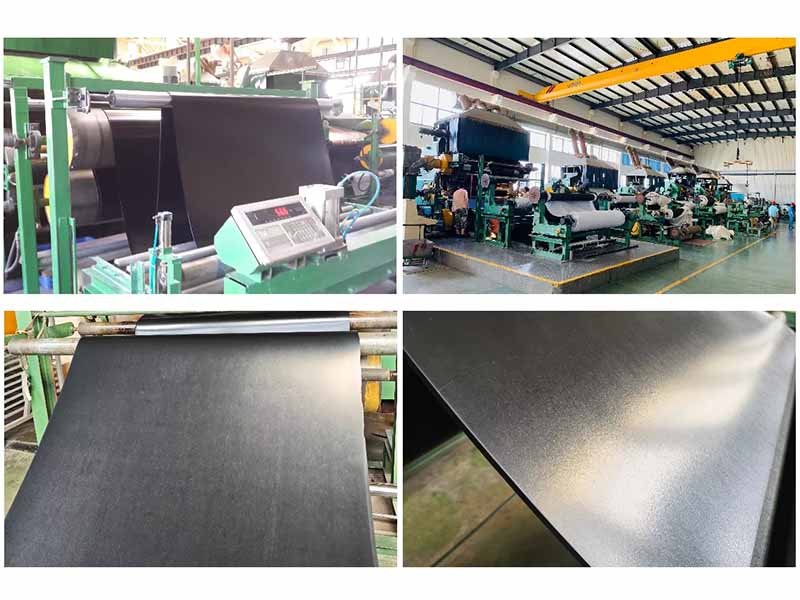
Most commercial neoprene products begin with a closed-cell rubber foam sheet. The foam may use chloroprene rubber, SBR, or a blended formulation selected according to performance requirements, application, and cost. The block is sliced or split to the required thickness before a surface fabric is laminated onto one or both sides. Polyester, nylon, stretch fabrics, and specialty textiles can all change the material’s appearance, hand feel, printing behavior, abrasion resistance, and stretch.
The laminated material then moves into conversion. Product panels may be produced through die cutting, knife cutting, laser cutting, or automated cutting, depending on volume, edge requirements, material thickness, and shape complexity. Branding may be applied through screen printing, sublimation, heat transfer, digital printing, embroidery, woven labels, silicone patches, rubber patches, or custom hardware. Each method creates different setup costs, minimum quantities, visual effects, and durability considerations.
Assembly may combine stitching, gluing, heat pressing, binding, zipper installation, webbing, reinforcement, hook-and-loop fasteners, molded components, and internal padding. The product then passes through finishing, dimension checks, functional checks, cleaning, individual packaging, carton packing, labeling, export documentation, and transportation. A supply chain is only as stable as the control system connecting these operations.
| Supply Chain Stage | Main Variables | Practical Control Evidence |
| Foam formulation | Composition, density, hardness, odor, recovery | Approved material code, supplier data, batch sample |
| Sheet splitting | Thickness, tolerance, surface consistency | Measurements from multiple sheet positions |
| Fabric lamination | Fabric type, stretch, color, bonding | Approved swatch and peel-strength evaluation |
| Cutting and printing | Panel size, grain direction, artwork position | First-cut approval and printed panel sample |
| Product assembly | Stitching, gluing, binding, reinforcement | First-article approval and in-line inspection |
| Final inspection | Dimensions, function, cleanliness, appearance | Inspection report and defect criteria |
| Packaging and delivery | Labels, carton count, compression, routing | Packing specification and shipment documents |
Supply-chain problems frequently appear at the handover between two processes. A foam supplier may measure thickness before fabric lamination, while the product factory works with the finished laminated thickness. A printer may stretch the material during sublimation, making artwork alignment more difficult during sewing. A converter may rotate patterns to reduce waste without realizing that the stretch direction affects the finished fit.
For that reason, buyers should specify the condition in which each measurement applies. Thickness should state whether it refers to raw foam or finished laminated material. Dimensions should state whether the product is measured relaxed or under light tension. Stretch direction, color approval, and surface condition should be confirmed before cutting begins, not after finished units have already been assembled.
Define the Product First
A stable supply chain cannot be built from an unstable product brief. Instructions such as “use premium neoprene,” “make it waterproof,” or “match this picture” leave too much room for interpretation. They do not identify the composition, thickness, density, stretch, surface fabric, construction, performance level, or acceptable variation needed for repeatable production.
A practical project brief should define the product’s use, target user, finished dimensions, target material, surface fabric, logo method, accessories, closure system, packaging, expected order volume, destination market, and required warehouse arrival date. It should also identify the product characteristics that matter most to the customer. These could include cushioning, insulation, shape retention, flexibility, compression recovery, washability, abrasion resistance, low odor, skin comfort, or accurate printed color.
Requirements should be divided into essential specifications and negotiable preferences. A laptop sleeve may require a precise internal size, protected zipper construction, and defined cushioning performance, while the buyer may accept alternative lining weights. A sports support may require controlled stretch and recovery but allow flexibility in packaging. This distinction helps the manufacturer reduce cost or lead time without quietly changing the features that define product performance.
All confirmed requirements should be consolidated into controlled documents rather than scattered through emails and messaging applications. The current BOM, technical drawing, measurement chart, artwork, accessory list, test requirements, and packaging instructions should carry matching version references. When one element changes, all affected documents must be updated so that purchasing, sampling, production, quality control, and packing teams work from the same standard.
Match the Chain to the Product
Different neoprene products create different technical and supply-chain risks. A factory experienced in producing simple flat promotional sleeves may not automatically be qualified to produce structured bags, protective equipment cases, fitted sports supports, multi-size gloves, or products combining neoprene with rigid panels, mesh, zippers, foam, lining, and webbing.
Common thickness options for sewn consumer products include approximately 2 mm, 3 mm, 4 mm, and 5 mm. Thinner materials are generally more flexible, lighter, and easier to fold, while thicker materials provide more cushioning and structure. Thicker construction can also create bulky seams, difficult turns, uneven binding, and greater variation around zippers or multilayer joints. The suitable thickness must be judged by the complete structure rather than by product appearance alone.
Szoneier supports custom neoprene products including koozies, bottle holders, lunch bags, laptop sleeves, bags, soft covers, pet products, and related sewn items. Its documented material options commonly include 2 mm, 3 mm, 4 mm, and 5 mm thicknesses, selected according to function, structure, and cost rather than treated as interchangeable specifications.
A can cooler may require close control of circumference, seam bulk, printed artwork, and flatness. A laptop sleeve relies more heavily on dimensions, cushioning, zipper protection, and internal surface quality. A neoprene beach bag must carry weight without excessive stretching, while a sports support depends on stretch direction, accurate grading, recovery, and comfortable seams. Each category therefore needs a product-specific BOM, inspection checklist, tolerance plan, and testing approach.
Control the Handover Points
Long-term supply chains rarely fail through one dramatic mistake. More often, performance gradually changes through small decisions that were never formally approved. A foam source may change after a price increase. A new fabric batch may be accepted without comparison to the original swatch. A printer may adjust heat settings, or a secondary production line may begin using a different seam sequence.
These changes can appear harmless to an individual supplier but produce noticeable differences when combined. A slightly firmer foam, tighter laminated fabric, and altered cutting direction may create a product that no longer fits like the original. A small change in fabric composition may also affect sublimation color, abrasion, odor retention, or bonding strength.
Traceability makes these problems manageable. Each production lot should connect to a material supplier, material batch, approved specification, cutting release, production date, inspection record, packaging version, and shipment. When a complaint occurs, the manufacturer can identify whether it affects one carton, one production line, one material batch, or the entire order.
A long-term supply chain is therefore not simply a list of vendors. It is a controlled flow of materials, specifications, approvals, evidence, communication, and responsibility. The brand should always know which party owns the finished-product result, even when individual processes are performed by several specialist partners.
Which Neoprene Supplier Can Support Long-Term Growth?
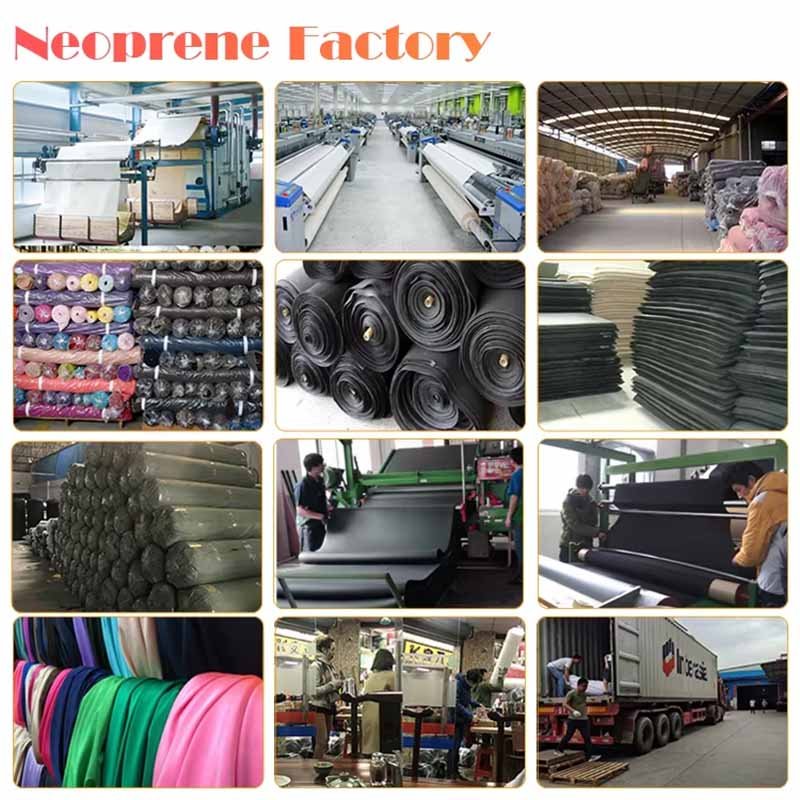
A supplier can support long-term growth when it combines material knowledge, engineering, sampling, controlled production, quality management, communication, and realistic capacity planning. Buyers should verify which processes are performed internally, how external partners are controlled, how specifications are retained for repeat orders, and how the supplier handles higher volumes, additional SKUs, material shortages, and delivery pressure.
Verify Factory Control
Asking whether a supplier is a factory or a trading company is useful, but the answer does not reveal how much of the project is genuinely controlled. Most neoprene product manufacturers purchase foam, laminated material, thread, zippers, webbing, packaging, and custom components from external sources. Printing, molding, testing, or specialized lamination may also be outsourced.
Outsourcing is not necessarily a weakness. A specialized laminator or printing partner may deliver better results than an underused process operated inside the sewing factory. The real issue is whether subcontracted processes are approved, documented, inspected, and managed under one accountable project system. Buyers need to know who chooses the material, who approves the print, who checks incoming batches, and who accepts responsibility for the finished product.
A factory visit, video audit, or structured remote review should go beyond the showroom. Buyers should ask to see the sampling area, material storage, pattern development, cutting, production lines, in-process inspection, finished-product inspection, packing area, and current production records. Selecting one active product and following it from material receipt to final carton often reveals more than a general factory presentation.
The supplier should explain which operations are internal, which are external, and how approved standards move between them. A transparent manufacturer that uses qualified specialists and provides inspection evidence can be more dependable than a supplier that claims to do everything internally but cannot show process records, retained samples, or clear ownership of quality problems.
Szoneier identifies itself as a factory-based custom bags and soft-goods manufacturing partner with in-house sampling, sewing-production coordination, quality inspection, packaging, and export delivery support. Its broader system also uses more than 10 controlled satellite partners for specialized categories, additional capacity, and parallel programs while maintaining unified project communication and quality responsibility.
Review Technical Capability
Neoprene behaves differently from woven fabric. It compresses under a presser foot, stretches during handling, reacts to heat, and can show needle marks, surface impressions, glue lines, or distorted edges. A technically capable supplier should understand how these characteristics affect patterns, tolerances, printing, seam placement, binding, packaging, and long-term use.
During development, the team should evaluate whether panel shapes can be cut accurately, whether artwork will align after stretching and sewing, whether a curved seam will wave, and whether several layers will create excessive bulk. The supplier should also consider the effect of stitch density, needle type, thread tension, binding width, adhesive selection, zipper placement, and reinforcement materials.
A useful technical partner does more than follow the drawing. It points out where a design may create production instability or poor user experience. A narrow handle may look elegant but become uncomfortable when loaded. A tight sleeve may appear premium in a rendering but be difficult to use if the actual material stretches less than expected. Artwork that crosses several curved seams may require revised placement to remain visually consistent.
Logo capability should also be evaluated in relation to the product. Sublimation can reproduce complex full-color artwork on compatible polyester surfaces, while screen printing is often practical for simpler graphics. Embroidery adds texture but compresses the foam and may require backing. Silicone or rubber patches provide a dimensional effect but introduce tooling, attachment, and placement considerations.
The strongest supplier does not simply provide a list of available logo processes. It explains which method fits the material, artwork, quantity, abrasion requirements, brand position, and budget. That discussion is a practical indicator of whether the supplier understands product development or is only trying to secure the order.
Measure Real Capacity
Capacity should be evaluated for the exact product, not accepted as one large monthly number. A production line may make thousands of flat sleeves efficiently but produce far fewer structured bags, padded covers, fitted braces, or products with multiple sizes and customized packaging. Cutting, printing, inspection, packaging, and accessory availability can become bottlenecks even when sewing capacity remains open.
Buyers should ask for a product-specific production assessment covering expected daily output, suitable equipment, number of operators, material lead time, branding lead time, QC staffing, packaging capacity, current workload, and peak-season availability. The assessment should also identify the slowest operation because total output is normally determined by the process with the least available capacity.
| Capability Area | Questions to Ask | Strong Supporting Evidence |
| Sampling | Who develops patterns and manages revisions? | Dedicated technicians and controlled sample records |
| Material sourcing | Can the approved source and batch be traced? | Material code, supplier reference, incoming inspection |
| Production | What is the output for this exact structure? | Product-specific line and process plan |
| Multi-SKU control | How are colors, sizes, and labels separated? | SKU allocation and packing-control documents |
| Peak capacity | How are seasonal surges handled? | Reserved lines or approved secondary resources |
| Quality control | Where are defects identified? | Incoming, in-process, final, and packing checks |
| Reorders | How are old standards reproduced? | Retained sample, BOM, pattern, and artwork version |
| Corrective action | How are recurring defects prevented? | Root-cause analysis and verified process changes |
Multi-SKU complexity deserves particular attention. An order for 10,000 identical units is normally easier to manage than 10,000 units divided across five designs, six colors, four sizes, and several packaging versions. Each variation increases material allocation, changeovers, labeling, inspection, carton assortment, and inventory risk.
When production is divided among different lines or facilities, all locations must receive the same approved material, pattern, sample, process instructions, and inspection criteria. Backup capacity is only valuable when it preserves the agreed product standard. A second production source that delivers a visibly different result does not create resilience; it simply replaces a capacity problem with a quality problem.
Test the Long-Term Fit
The largest factory or lowest price is not automatically the best long-term choice. A suitable manufacturing partner must match the buyer’s product complexity, quality expectations, order rhythm, compliance needs, communication style, and plans for future development. A supplier that works well for promotional sleeves may not fit a technical sports program, and a factory designed for large single-SKU orders may struggle with frequent smaller replenishments across many variants.
The sample stage offers an early test of the relationship. Buyers should observe whether the supplier asks relevant questions, records revisions accurately, explains material choices, identifies manufacturing risks, and separates confirmed specifications from assumptions. A visually acceptable sample is less reassuring when it required several undocumented manual adjustments that will be difficult to reproduce during bulk production.
Communication should also be tested when something does not go as expected. A reliable partner reports material shortages, process risks, or schedule pressure early enough for the buyer to make a decision. It provides photographs, measurements, samples, or test evidence and explains how each proposed alternative will affect appearance, performance, price, and delivery.
The relationship should become easier over time. Repeat orders should require fewer explanations because approved references, specifications, and historical performance are already available. Sample revisions should decrease, forecast accuracy should improve, and quality reviews should focus on known risks. When every order feels like the first order, the parties have not yet built a mature supply chain.
How Do You Standardize Neoprene Quality?
Neoprene quality becomes repeatable when subjective expectations are converted into measurable specifications, approved physical references, controlled documents, and production checkpoints. Buyers must control more than nominal thickness. Composition, density, hardness, stretch, recovery, fabric lamination, color, odor, printing, stitching, dimensions, accessories, and packaging can all change how the finished product looks, feels, and performs.
Document Material Specifications
The word “neoprene” is often used broadly in commercial sourcing. Depending on the supplier and market, it may refer to CR, SBR, or a blend with different characteristics and price levels. Buyers should therefore avoid treating a product description such as “3 mm premium neoprene” as a complete material specification.
The controlled material record should identify an approved material code, composition description where available, finished thickness, density or approved firmness reference, surface fabric, color, stretch direction, lamination, odor expectations, and performance requirements. When exact formulation data is commercially restricted, a sealed physical sample and agreed performance tests become especially important.
Thickness should be defined at the finished laminated stage unless the project has another clearly stated method. Several readings should be taken across a sheet because foam materials can vary. The product requirement should also acknowledge commercial manufacturing tolerance rather than demanding unrealistic laboratory precision that adds cost without improving user experience.
Density and hardness influence structure, compression, comfort, and sewing behavior. A softer sheet may feel comfortable and fold easily but provide insufficient protection for a device case. A firmer sheet may create better shape and cushioning but become harder to bind around tight curves. These characteristics should be evaluated in the actual product structure rather than judged only from a small material swatch.
| Material Variable | Effect on the Finished Product | Practical Control Method |
| Composition | Durability, elasticity, recovery, odor, and cost | Approved material code or reference |
| Finished thickness | Cushioning, fit, insulation, and seam bulk | Multi-point measurement after lamination |
| Density | Weight, firmness, and shape retention | Agreed range or approved benchmark |
| Hardness | Comfort and structural feel | Physical reference and defined test condition |
| Stretch direction | Fit and dimensional consistency | Direction marked on the cutting pattern |
| Surface fabric | Printing, feel, abrasion, and appearance | Approved fabric specification and swatch |
| Lamination strength | Risk of fabric separation | Bonding or peel-strength evaluation |
| Color | Brand consistency between orders | Pantone reference and sealed batch swatch |
| Odor | Acceptance after opening the package | Conditioning period and agreed inspection |
| Recovery | Shape after compression or stretching | Compression and recovery comparison |
Material changes must require written approval. A substitute sheet may look similar in photographs but respond differently during printing, stitching, compression, or repeated use. The purchasing team, factory, and quality department should all understand that an unapproved material replacement is a product change, not a routine procurement decision.
Build a Golden Sample
A golden sample is the physical reference for bulk production, but it cannot work alone. A finished product does not reveal the exact foam source, fabric specification, thread, adhesive, pattern version, reinforcement, zipper model, artwork file, or packaging requirements used to make it.
The complete approval package should include the signed or sealed sample, material swatches, BOM, pattern reference, measurement chart, logo file, Pantone colors, printing or embroidery approval, stitching and binding details, accessories, individual packaging, carton specification, labeling requirements, and test list. Each document should carry a version or date so that teams can identify the current standard.
Both the buyer and manufacturer should retain matching references whenever practical. If a product is revised, the new approved version should replace the old standard in production files. The previous version can remain archived for traceability, but it should be clearly marked as obsolete to prevent accidental use.
A pre-production sample should be made from actual bulk materials when the project includes custom lamination, custom colors, full-surface printing, molded accessories, or specialized packaging. A development sample made from temporary stock can confirm structure and approximate dimensions, but it cannot confirm the final hand feel, shade, stretch, odor, bonding, or printing behavior.
The approval process should also define acceptable natural variation. Industrial foam and textile materials are not digitally identical from batch to batch. The buyer and supplier should agree which shade, texture, thickness, or surface differences are commercially acceptable and which would change performance or brand presentation. A clear tolerance protects the buyer from unacceptable drift while preventing unnecessary disputes over normal material characteristics.
Control Production in Stages
Final inspection alone is too late for many neoprene defects. If the wrong material enters production, thousands of panels may be cut before anyone notices. If sublimation color is incorrect, sewing cannot repair it. If stretch direction is reversed, finished dimensions may remain correct while fit and recovery change.
Incoming quality control should check material type, thickness, color, surface condition, odor, lamination, and visible defects. Accessories such as zippers, webbing, hook-and-loop fasteners, labels, patches, and packaging materials should be compared with approved references before they reach the production line.
Cutting control should verify the current pattern, material direction, dimensions, edge quality, panel pairing, and print alignment. Printed or branded components should receive first-piece approval before the entire batch is processed. A small printing error becomes a major loss when repeated across thousands of cut panels.
The first finished units from the line should be compared with the golden sample before full production continues. This first-article inspection confirms seam sequence, binding, zipper placement, reinforcement, logo location, dimensions, and finishing. In-process inspectors can then focus on defects that become expensive or impossible to repair later, including stretched seams, missed stitches, uneven binding, glue marks, twisted zippers, weak handles, and mismatched panels.
Final inspection should verify appearance, dimensions, function, cleanliness, quantity, packaging, and labeling. Multi-size or multi-color orders must be inspected across the actual SKU range. Testing only the easiest or most common version can allow problems in less common sizes or colors to reach the customer.
Test the Finished Product
Testing requirements should follow the product’s use, sales market, user group, retailer requirements, and advertising claims. A promotional can cooler does not need the same evaluation as a fitted sports support worn against the skin, a children’s product, or a protective case carrying valuable equipment.
Relevant physical evaluations may include seam strength, load-bearing, zipper function, abrasion, colorfastness, dimensional stability, compression recovery, peel strength, repeated opening, and stretch recovery. The test method and acceptance criteria should simulate the way the customer will use the product instead of relying on a generic pass-or-fail statement.
Chemical and regulatory testing may address restricted substances, certain dyes, heavy metals, phthalates, or market-specific requirements. Test programs differ by country, product category, material contact, and customer policy. A historical report for a different fabric, color, supplier, or product should not automatically be presented as evidence for a new order.
Performance claims should be precise. A closed-cell foam may resist water absorption, but a sewn bag can still allow water through seams, zippers, needle holes, or openings. A material may provide insulation, but the finished product’s thermal performance also depends on thickness, closure, construction, contents, and test conditions. Waterproof, fire-resistant, food-safe, medical, or protective claims require appropriate product-level evidence.
Testing must be scheduled before production begins. The buyer should decide which materials or finished products require testing, whether batch-specific reports are needed, which laboratory is acceptable, and how much time the testing process adds to the delivery plan. Compliance added at the last minute often creates delays that could have been avoided during project planning.
How Do You Plan Production and Delivery?
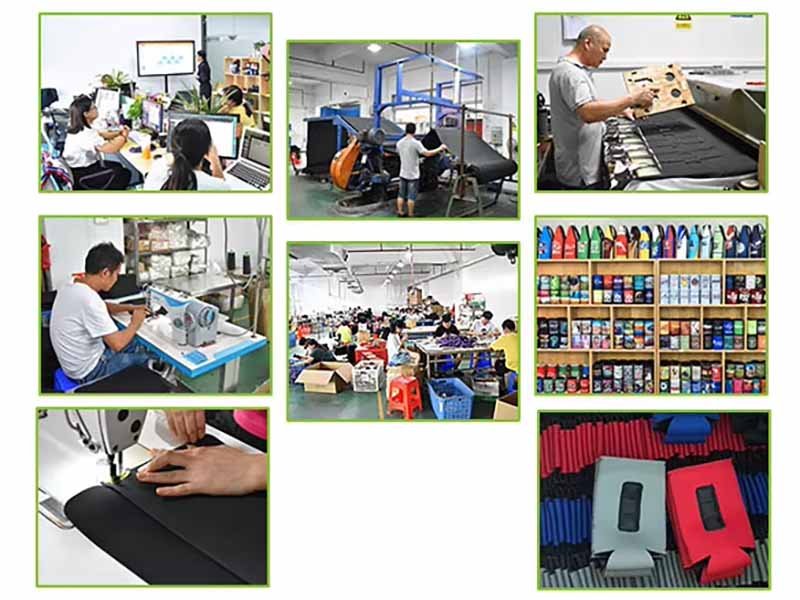
Production and delivery become predictable when the buyer and manufacturer plan backward from the required arrival date, separate material, manufacturing, inspection, testing, and transit time, and reserve critical resources before demand becomes urgent. Rolling forecasts, clear approval deadlines, realistic milestones, and more than one shipping option help protect launches and replenishment programs.
Share a Useful Forecast
A factory cannot reserve materials and capacity based on occasional purchase orders or a general statement that more orders may arrive. A rolling forecast gives the supply chain enough visibility to prepare for likely demand while allowing the buyer to update quantities as sales information improves.
A practical forecast separates committed purchase orders, high-probability demand, and longer-range estimates. Confirmed orders can authorize material procurement and production. A 60- or 90-day forecast may support provisional material or capacity reservations, while a six-month view helps identify seasonal pressure, product launches, retail promotions, or expected replenishment cycles.
The forecast should include more than a total unit number. It should show SKU, color, size, packaging version, destination, expected quantity, requested arrival date, launch event, and any planned product revisions. A total of 20,000 units may appear simple until it is divided across several designs, eight colors, five sizes, and multiple retail labels.
Forecast accuracy should be reviewed periodically. When actual demand repeatedly exceeds the forecast, the buyer may need earlier commitments, additional safety stock, or more flexible freight options. When forecasts consistently exceed actual orders, the supplier may become unwilling to reserve capacity or purchase custom material without a financial commitment.
Forecasting does not mean predicting every sale perfectly. Its purpose is to reveal likely pressure early enough for the buyer and manufacturer to make better decisions. A forecast that is updated honestly is more useful than a precise-looking number that no longer reflects the market.
Reserve Critical Resources
Not all materials have the same lead time or replacement difficulty. Standard black laminated neoprene may be available relatively quickly, while custom colors, unusual thicknesses, special fabrics, molded patches, branded zipper pullers, printed panels, and retail packaging can require longer preparation.
The buyer and supplier should identify critical-path components during quotation and sampling. A production schedule may appear to allow 30 days, but that number becomes irrelevant when a custom laminated fabric requires several weeks before cutting can begin. Packaging can also delay shipment after production if artwork, barcodes, inserts, or retailer labels are approved too late.
Capacity reservations should be connected to clear milestones. The buyer must provide the deposit, approved sample, final artwork, packaging files, quantities, and shipping instructions by agreed dates. If one requirement is delayed, the production slot should be reconfirmed rather than assumed to remain available.
For stable repeat programs, the parties may consider controlled material stock, blanket orders, or scheduled call-off quantities. These arrangements can reduce replenishment lead time, but they should be based on realistic demand. Custom colors, printed fabrics, and branded packaging can become obsolete when products, graphics, or retail requirements change.
Materials also require suitable storage. Long storage periods or poor conditions may affect surface cleanliness, odor, bonding, or packaging appearance. A buffer-stock agreement should therefore define ownership, quantity, storage period, inspection, and responsibility if the product specification changes.
Validate the First Order
Sampling should resolve production questions rather than simply create a visually attractive presentation piece. Depending on complexity, development may include a structure sample, material approval, printed panel, fit sample, final sample, and pre-production sample made from bulk materials.
Simple flat products can usually be developed faster than structured bags, fitted supports, multi-size products, or items containing custom hardware and packaging. Compressing the sample stage does not eliminate unresolved questions. It moves them into mass production, where the cost of making changes becomes much higher.
The first bulk order should be treated as a controlled production validation. It reveals actual material yield, cutting efficiency, line output, defect patterns, packaging density, carton dimensions, freight weight, and the factory’s ability to reproduce the approved sample at scale. These findings should be recorded before the next order.
After delivery, the buyer and manufacturer should review inspection findings, production delays, packaging efficiency, actual transit, warehouse issues, and market feedback. Customer complaints should be separated by cause, such as fit, odor, zipper function, logo durability, seam comfort, handle strength, color, or packaging.
Reorders should not be released by simply copying an old purchase order. The current material source, BOM, pattern, artwork, packaging, SKU mix, test requirements, and arrival date must be reconfirmed. A successful product often creates pressure for larger quantities and shorter lead times, which makes disciplined reorder planning even more important.
Plan Shipping Backward
Shipping decisions should reflect the commercial cost of delay, not only the freight rate. Express services may suit samples, approval units, or urgent replacements. Air freight can protect a launch or support limited replenishment. Sea freight is generally more economical for planned bulk orders but requires earlier booking and more tolerance for scheduling changes.
A split shipment can balance cost and risk. A smaller quantity may travel by air to protect a launch or prevent a stockout, while the balance moves by sea. This strategy should be planned before packing because it affects carton allocation, documents, labeling, freight bookings, and warehouse receiving.
Delivery should be calculated backward from the required warehouse date. The plan must include local delivery, customs clearance, international transit, export handling, freight booking, inspection, testing, packing, production, material preparation, and sample approval. Looking only at the factory’s production time creates unrealistic expectations.
Packaging also influences transit performance. Neoprene products can be compressed, but excessive compression may distort structure, crease printed surfaces, or concentrate odor inside sealed packages. Carton size should balance freight efficiency with product protection, warehouse handling, pallet requirements, and the appearance expected when the customer opens the package.
The production and logistics teams should also agree on carton quantities, shipping marks, barcode placement, commercial documents, destination addresses, and special retailer or fulfillment requirements. A technically correct product can still be delayed or rejected when labels, carton counts, or documentation do not match the customer’s receiving system.
How Do You Manage Cost, Risk and Supplier Performance?
Cost, risk, and supplier performance should be managed through total landed-cost analysis, a documented risk register, measurable KPIs, and regular improvement reviews. The cheapest unit price does not create the lowest-cost supply chain when it leads to unstable materials, frequent defects, urgent air freight, missed launches, excess inventory, repeated development, or unreliable replenishment.
Calculate Total Cost
The quoted unit price is only one element of the commercial decision. A lower price may result from a different foam formulation, reduced finished thickness, weaker surface fabric, simplified reinforcement, less inspection, or more compressed packaging. These differences may not be visible in the quotation but can affect customer satisfaction, returns, and long-term repeatability.
Total landed cost should include development, sampling, patterns, dies, printing setup, custom components, testing, inspection, packaging, freight, duties, warehousing, rework, replacements, inventory financing, and expected defect loss. The commercial cost of a missed retail window or stockout should also be considered when comparing suppliers and delivery plans.
Cost engineering should remove unnecessary expense without hiding a reduction in product quality. Practical opportunities include simplifying panel construction, standardizing accessories, improving cutting layouts, consolidating colors, optimizing packaging dimensions, choosing the appropriate thickness, and reserving production early enough to avoid emergency freight.
Each proposed change should be reviewed against four questions: Will it affect user experience? Will it change durability or compliance? Will customers notice a visual difference? Will it introduce a new sourcing risk? A saving that increases returns, complaints, or delivery uncertainty is not a genuine supply-chain improvement.
Long-term pricing also requires transparency. Foam, fabric, labor, printing, packaging, and freight costs may move over time. A reliable manufacturer should explain the cost driver and provide options rather than presenting an unexplained new price. Open discussion makes it easier to decide whether to accept the increase, adjust the specification, change the order mix, or improve planning.
Control Major Risks
The highest risks usually involve components or processes that are difficult to replace quickly. Custom laminated fabrics, unusual colors, molded accessories, complex artwork, retailer packaging, and tightly scheduled production deserve more attention than standard cartons or common thread.
A useful risk register records each risk, its probability, commercial impact, early warning signs, preventive actions, responsible owner, and emergency response. The register should be reviewed before major launches, peak seasons, supplier changes, and large increases in order quantity.
Typical risks include raw-material shortages, unapproved substitutions, foam inconsistency, color variation, lamination separation, print differences, capacity overload, uncontrolled subcontracting, delayed packaging approval, failed tests, transport disruption, and customs or labeling errors.
Contingency planning should preserve the approved product, not simply locate a second supplier. An alternative factory is not a real backup when it uses a different foam, pattern, logo process, or inspection standard. Secondary resources should be technically evaluated before an emergency.
Useful safeguards include approved substitute materials, alternative laminators, retained master patterns, duplicate dies, secondary production lines, spare packaging, more than one freight route, split-shipment rules, and limited safety inventory. Each safeguard should be evaluated against its cost and the likelihood of the risk occurring.
Safety stock should reflect demand variability, production time, transit time, replenishment reliability, and the commercial impact of stockout. Holding excessive quantities without monitoring the product life cycle can create obsolete inventory when colors, branding, packaging, or customer preferences change.
Track Supplier KPIs
Supplier performance should be measured through consistent indicators rather than general impressions. A factory may appear responsive during sampling but become unreliable during repeat production. KPIs make gradual deterioration visible before it becomes a major failure.
| KPI | Practical Measurement | What It Reveals |
| On-time delivery | Orders shipped by the confirmed date | Planning and execution reliability |
| Lead-time variance | Actual days compared with agreed days | Schedule predictability |
| Final defect rate | Defective units divided by inspected units | Finished-product consistency |
| First-pass yield | Units accepted without rework | Stability of the production process |
| Material rejection rate | Rejected batches divided by received batches | Upstream supplier control |
| Sample approval cycle | Revisions required before final approval | Development efficiency |
| Reorder consistency | Match to the golden sample and BOM | Long-term specification control |
| Complaint frequency | Complaints per shipment or units sold | Market-level product performance |
| Corrective-action closure | Time and evidence required to close an issue | Problem-solving discipline |
| Response time | Time to acknowledge critical project messages | Communication reliability |
KPIs should be interpreted in context. Complex multi-size products normally require more changeovers and inspection than simple single-SKU items. The objective is not to force unrelated suppliers into one universal score. It is to measure whether performance is stable, improving, and consistent with the agreed product and service level.
Transparency should also count as performance. A supplier that reports a material problem early and provides a practical solution may be more dependable than one that appears smooth until final inspection reveals the issue. Early escalation gives the buyer options, while hidden problems remove those options.
Reviews may take place after every important order, monthly during a new launch, or quarterly for stable programs. The discussion should cover delivery, defects, materials, forecast accuracy, complaints, packaging, costs, open corrective actions, and upcoming product changes.
Improve Every Production Cycle
A mature supply chain should become easier to manage after each order. The buyer and supplier learn the real material yield, practical production rate, common defect risks, packaging density, and market response. These lessons should be reflected in the next BOM, pattern, inspection plan, forecast, and production schedule.
When a defect occurs, a statement that workers will be more careful is not a sufficient corrective action. The manufacturer should identify the root cause, contain affected production, determine the scope, change the process, assign responsibility, and verify that the improvement worked.
For example, inconsistent logo placement may result from manual positioning without a fixture. The corrective action could include a placement template, first-piece approval, and scheduled in-line checks. A weak handle may be caused by the reinforcement design rather than sewing skill alone, requiring a different backing material and stitch pattern.
Buyers also influence supply-chain performance. Late artwork, frequent specification changes, inaccurate forecasts, delayed approvals, and unclear tolerances make stable production harder. Long-term cooperation improves when both sides review how their own decisions contributed to cost, delays, or variation.
Market feedback should return to the manufacturing team in a form that can guide action. Instead of stating that customers dislike the product, identify whether the issue is fit, odor, seam comfort, zipper access, color, printing durability, handle pressure, packaging, or another measurable feature.
The strongest supply chains are not those that never face problems. They are those that detect variation early, retain evidence, communicate clearly, correct the underlying cause, and apply what they learned to the next order.
Building a long-term neoprene products supply chain requires more than locating a factory and negotiating a price. Brands need a manufacturing system that connects material specifications, product engineering, sample approval, bulk-production control, capacity planning, testing, packaging, logistics, risk management, and continuous improvement.
Szoneier is a Shenzhen-based OEM/ODM custom bags and soft-goods manufacturer with more than 18 years of experience in material sourcing, pattern development, sampling, production coordination, quality inspection, packaging, and global delivery. The company’s manufacturing system supports custom neoprene products and combines factory-based project control with managed production resources for repeat and multi-SKU programs.
For a custom neoprene project, buyers can send product photographs, drawings, physical-sample information, tech packs, target dimensions, material expectations, logo artwork, projected quantities, packaging requirements, and destination-country details to info@szoneier.com. Project information can also be shared with Nancy through WhatsApp at (+86) 13423847456 for an initial technical, sampling, production, and delivery review.