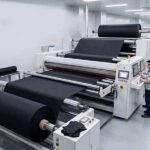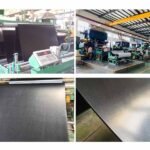
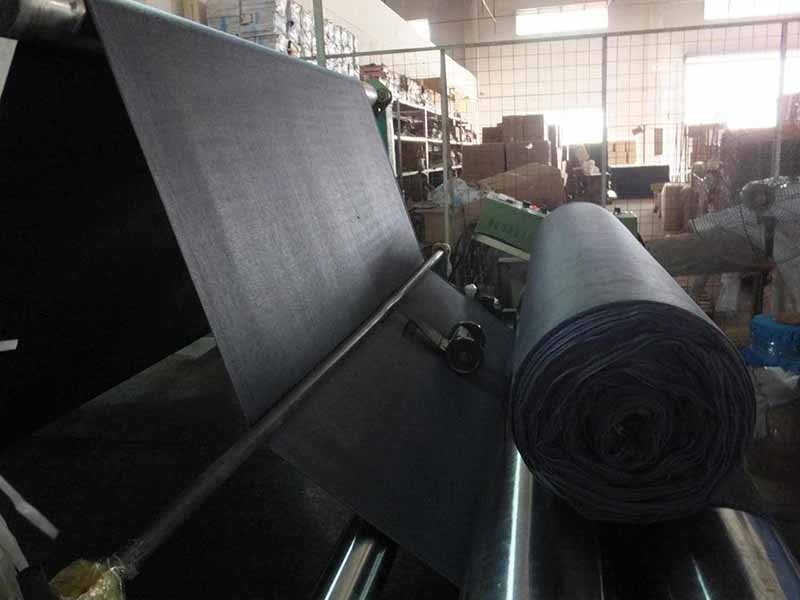
A supplier may describe itself as a neoprene factory, display production photographs on its website, and provide an attractive quotation within a few hours. None of those things proves who selects the foam, develops the pattern, checks lamination quality, supervises bulk sewing, or takes responsibility when the approved sample and the final shipment do not match. For commercial buyers, the real question is not whether a company uses the word “manufacturer,” but how much control it has over the product from specification to delivery.
A neoprene products manufacturer directly controls or manages material selection, pattern development, sampling, cutting, printing, sewing, inspection, and corrective action. A trading company mainly coordinates these activities through external factories. Manufacturers usually provide stronger technical access, while capable trading companies can add value through multi-supplier sourcing, consolidation, communication, and logistics. The right model depends on product complexity, quality requirements, order structure, and accountability.
Imagine approving a soft, well-fitted 3 mm laptop sleeve, then receiving thousands of units that feel stiffer, smell stronger, and fit several millimeters too tightly. The salesperson may still answer quickly, but fast replies cannot replace material control or production authority. Understanding the difference between a manufacturer and a trading company helps buyers look beyond quotations, identify hidden risks, and choose a supplier that can protect the project after the deposit has been paid.
What Is the Real Difference?
A manufacturer participates directly in product development and production, while a trading company purchases or coordinates capacity from external factories. The practical difference lies in who controls materials, patterns, samples, schedules, inspections, and corrective action. A capable trader can manage projects well, and a weak factory can manage them badly, so buyers should verify actual control rather than relying on company labels.
What Does a Manufacturer Control?
A genuine neoprene products manufacturer should become involved before the first sheet of material is cut. The team needs to understand what the product will do, what it must fit, how flexible or protective it should feel, where the logo will be placed, how it will be packed, and how many units the buyer expects to order. These decisions influence thickness, surface fabric, pattern allowance, seam construction, accessories, and production sequence.
For example, a pattern developed for 2 mm neoprene cannot always be reused without changes when the material increases to 4 mm. The thicker construction reduces usable internal space, adds bulk around seams, and can interfere with zipper movement or edge binding. A manufacturer with pattern-making and sampling capability can identify these effects during development rather than discovering them after several hundred units have been assembled.
Direct control also matters when buyer comments are subjective. A buyer may say that a sample feels too stiff, looks too bulky, or does not provide enough protection. The cause may be foam density, laminated fabric, thickness, seam allowance, binding tension, or the geometry of the pattern. An experienced production team can examine the physical sample and decide which variable should change without unnecessarily altering the entire design.
The most reliable manufacturers document the final material, dimensions, tolerances, artwork position, sewing method, accessories, packaging, and inspection points. The approved sample then becomes more than a visual reference. It becomes a production standard that purchasing, cutting, printing, sewing, and quality teams can follow during bulk manufacturing and future repeat orders.
What Does a Trading Company Coordinate?
A trading company generally manages the commercial relationship between the buyer and one or more external factories. Its work may include collecting product requirements, searching for appropriate producers, requesting quotations, arranging samples, following production schedules, organizing inspections, consolidating goods, preparing export documents, and coordinating international shipping. For buyers managing several unrelated product categories, this can reduce administrative work.
This model is especially useful when a project combines neoprene products with items that require completely different manufacturing systems. A promotional program might include bottle holders, stainless steel drinkware, molded plastic components, retail boxes, printed displays, and electronic accessories. A specialist neoprene factory is unlikely to make every component, while an experienced trading company may coordinate the full program through several qualified suppliers.
The value of a trading company depends on how much real management it adds. A strong trader understands the products, identifies the production factory, creates clear specifications, monitors quality, and remains accountable when problems occur. A weak trader simply forwards emails, adds a margin, and waits for the factory to decide what happens next.
Buyers should ask whether the same factory will produce both samples and bulk goods, who approves the incoming neoprene, who owns the pattern, who checks printing and sewing, and who pays for rework when the specification is missed. A trading company is useful when it improves visibility and coordination, not when it hides production sources or lengthens communication without adding control.
Is Factory-Direct Always Better?
Factory-direct sourcing is not automatically better. Some manufacturers are technically capable but weak in project management, written documentation, English communication, packaging coordination, or international delivery. Other factories specialize in one simple product and may not have the pattern, engineering, or inspection experience needed for fitted sleeves, multi-size supports, technical covers, or complex retail collections.
It is also normal for manufacturers to use specialist partners. Neoprene foam production, fabric lamination, sublimation printing, molded components, laboratory testing, and certain types of packaging may be completed outside the main sewing facility. Outsourcing itself is not a defect. The risk appears when the supplier cannot explain where the work happens, how outside partners are controlled, or who accepts responsibility when the outsourced process fails.
Instead of asking only whether the supplier is a factory, buyers should ask which processes are completed internally, which processes are handled by approved partners, who controls the production pattern, who releases bulk material, who inspects the first finished units, and who has authority to stop production. These questions reveal more about operational control than a factory label printed on a brochure.
Factory-direct purchasing creates the most value when direct production access is supported by structured communication, realistic scheduling, technical knowledge, documented specifications, and dependable corrective action. A low factory price without those controls may create more total cost than a higher quotation from a supplier with stronger project management.
How Does Responsibility Differ?
Responsibility becomes visible when something goes wrong. If a bulk neoprene batch feels harder than the approved material, a manufacturer can isolate the sheets, review the purchase record, compare the batch with the retained sample, contact the upstream material source, and stop cutting. A trading company usually needs to contact the factory, wait for confirmation, negotiate a response, and then explain the proposed solution to the buyer.
Every additional communication layer can create delay or distortion. A buyer may report that the product feels too stiff, the sales contact may describe the problem as excessive thickness, and the factory may replace the foam without addressing density or surface-fabric tension. By the time the misunderstanding is corrected, materials may have been printed, cut, or partially assembled.
Responsibility should therefore be agreed before production. The purchase order and approval documents should identify the approved sample, material specification, dimensions, tolerances, printing, sewing, accessories, packaging, inspection method, and corrective-action process. Whether the supplier is a manufacturer or a trader, the buyer needs one clearly accountable commercial party.
| Decision Area | Manufacturer | Trading Company | What Buyers Should Verify |
|---|---|---|---|
| Sample development | Direct or closely controlled | Coordinated through an external factory | Who owns the pattern and revision record |
| Material approval | Direct purchasing or incoming inspection | Based on factory confirmation | Whether bulk material matches the approved sample |
| Production changes | Reviewed with production personnel | Relayed through an additional layer | Who confirms cost and schedule effects |
| Quality correction | Can intervene at the production level | Must negotiate with the factory | Who pays for sorting, repair, or replacement |
| Technical communication | Shorter access to production knowledge | Often filtered through sales staff | Whether technical personnel can join meetings |
| Multi-category sourcing | Usually focused on related products | Often stronger across unrelated products | Whether convenience reduces production visibility |
How Do They Control Neoprene Quality?
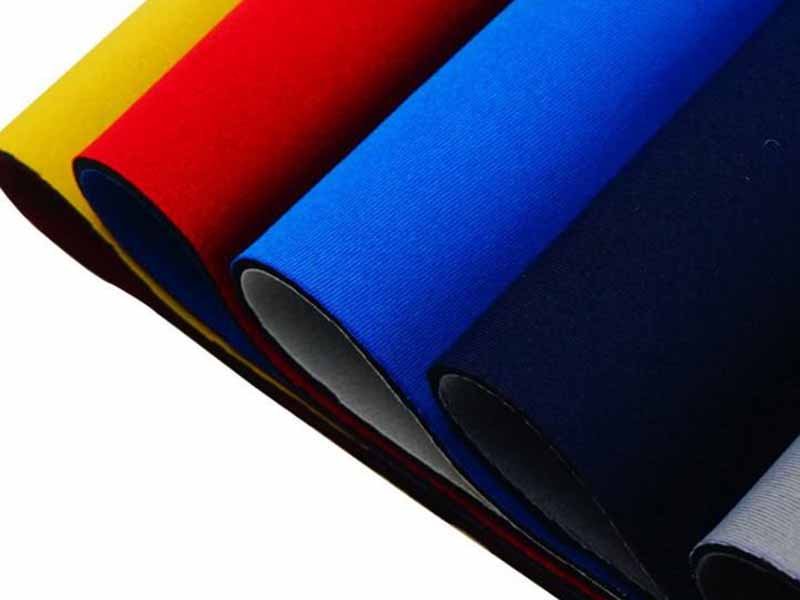
Neoprene quality is controlled through measurable specifications and inspection checkpoints, not broad claims such as “high-grade material.” Buyers should define thickness, surface construction, flexibility, color, lamination, odor, finished dimensions, printing, stitching, and packaging. Those standards must then be checked during material receiving, sample approval, early production, final inspection, and repeat-order preparation.
Which Neoprene Specifications Matter?
Thickness is one of the first specifications buyers discuss, but it does not fully describe neoprene performance. Two materials both sold as 3 mm can have noticeably different flexibility, compression, stretch, surface feel, odor, and recovery. Those differences may come from foam formulation, density, textile surface, adhesive, lamination pressure, or normal production tolerance.
The appropriate construction depends on the product. A promotional can cooler normally needs flexibility, clean printing, and economical assembly. A laptop sleeve requires cushioning, dimensional stability, smooth zipper movement, and consistent internal fit. A sports support may need controlled stretch, comfortable skin-contact seams, and dependable recovery. A protective cover may prioritize abrasion resistance, shape retention, water resistance, and low surface marking.
Common sewn neoprene projects often use material between approximately 2 mm and 5 mm, but thicker is not always better. Additional thickness increases seam bulk, weight, packaging volume, labor difficulty, and material cost. It may also make folding, binding, turning, or zipper installation more difficult. Buyers should choose thickness according to performance rather than using it as a general quality ranking.
Whenever possible, buyers should approve the actual laminated material rather than relying on a written description. A physical swatch or finished sample gives the production team a clearer reference for color, surface texture, hand feel, flexibility, compression, and odor.
| Specification | Common Project Reference | Why It Matters |
|---|---|---|
| Neoprene thickness | Approximately 2–5 mm for many sewn products | Affects cushioning, flexibility, fit, weight, and seam bulk |
| Thickness tolerance | Defined by product and supplier capability | Excess variation can change internal dimensions and feel |
| Surface construction | Single-sided or double-sided laminated fabric | Influences printing, comfort, appearance, and durability |
| Stretch behavior | Two-way or four-way, depending on textile surface | Affects fit, recovery, cutting orientation, and yield |
| Color control | Approved swatch or sample | Reduces visible differences across panels and repeat orders |
| Odor standard | Approved sample or agreed acceptance limit | Important for enclosed retail packaging and consumer experience |
| Compression recovery | Product-specific | Influences protection, shape retention, and long-term use |
| Lamination quality | No visible bubbling, wrinkling, or separation | Prevents peeling, distortion, and printing defects |
How Are Thickness and Lamination Controlled?
Thickness should be measured at several positions across a sheet rather than at one convenient point. Neoprene compresses under pressure, so the measurement tool and method should remain consistent. The supplier should also compare the bulk material with the approved sample by hand feel, flexibility, surface appearance, compression response, and recovery after bending.
Material thickness directly affects finished size. When two panels are joined, the seam contains multiple layers, thread, binding tape, and sometimes zipper tape or reinforcement. These layers can reduce internal space even when the external dimensions appear correct. A change from 2 mm to 4 mm may require a new pattern rather than a simple material substitution.
Lamination quality is equally important because most sewn neoprene products use foam bonded to a textile surface. Uneven bonding can cause bubbles, wrinkles, separation, surface distortion, or inconsistent printing. Some defects become visible only after cutting, heat application, folding, sewing, compression during packing, or repeated product use.
Before bulk cutting begins, the material should be checked for uneven thickness, surface wrinkles, bubbles, weak bonding, color variation, contamination, strong odor, fabric misalignment, directional stretch differences, glue marks, and transport damage. Identifying these defects during incoming inspection is far less expensive than discovering them after printing and assembly.
How Is Batch Consistency Checked?
Batch consistency depends on when inspections occur. A final inspection cannot prevent an entire order from being produced with the wrong material, incorrect artwork, or unstable sewing. Effective quality control begins when materials and accessories arrive and continues through cutting, branding, assembly, packing, and shipment preparation.
The approved sample should be supported by written production information. This normally includes finished dimensions, measurement points, material thickness, surface fabric, artwork size and location, seam construction, binding width, accessories, packaging, carton quantity, and agreed tolerances. Without those details, different departments may interpret the same sample differently.
An early production review is one of the most useful checkpoints. The first completed units can be measured and compared with the approved sample before the whole order moves forward. At that stage, the factory can still correct print position, seam tension, zipper alignment, binding shape, dimensions, labeling, or packing instructions without reworking thousands of finished products.
Inspection priorities should match the product. A laptop sleeve needs fit verification with the intended device dimensions. A bottle holder needs circumference and height checks around the target container. A multi-size glove or support must be reviewed across the full size range because approving one size does not prove that all graded patterns are correct.
Do Test Reports Match the Producer?
A laboratory report is useful only when it can be connected to the material or product being purchased. A document may be genuine but still irrelevant to the current order because it covers another color, foam formulation, surface textile, adhesive, factory, product, or production period.
Buyers should check the applicant, manufacturer, product description, material identification, sample color, test date, tested standard, report number, and photographs. These details should then be compared with the quotation, approved sample, purchase order, production location, and intended market.
If a trading company provides the document, it should explain whether the report belongs to the foam producer, lamination supplier, sewing factory, or an earlier customer project. A manufacturer should provide the same explanation when it uses specialist upstream material suppliers. Different company names are not automatically a problem, but the relationship must be clear and traceable.
Testing requirements should be based on the target market, product category, user group, and buyer’s internal policies. A promotional bottle holder, children’s accessory, sports support, and medical-related product may require different evidence. Where compliance is commercially critical, testing the actual production material or finished goods offers stronger assurance than relying solely on a historical general report.
Which Partner Handles Custom Development Better?
A manufacturer usually manages complex customization more efficiently because pattern makers, sample technicians, production staff, and inspectors can work from the same physical sample and specification. A capable trading company can also manage development when it has technical employees and stable factory relationships. Buyers should compare revision accuracy, problem-solving ability, documentation, and sample-to-bulk consistency rather than judging only by sample speed.
How Do Sampling and Revisions Work?
Sampling turns a product idea into a manufacturing standard. A useful sample process begins with product purpose, target dimensions, material preference, artwork, accessories, packaging, expected quantity, and destination market. A reference photograph may show general appearance, but it rarely provides enough information to confirm fit, internal dimensions, seam construction, material behavior, or production feasibility.
The first sample should answer practical questions. Does the material provide the intended protection? Does the product fit the target object? Are the seams comfortable and visually clean? Is the logo positioned correctly? Can the structure be reproduced at the expected quantity? Will the packaging protect the product without adding unnecessary shipping volume?
Revision feedback should be measurable whenever possible. Instead of requesting that a sleeve feel “more premium,” the buyer can specify a different surface fabric, increase or reduce thickness, widen the opening by a defined amount, move the artwork, change the zipper, or adjust the binding. Specific feedback helps the factory solve the correct problem.
The supplier should maintain a revision record for each sample version. Material, dimensions, artwork, accessories, sewing, and packaging changes should be identified clearly, especially when several colors, sizes, or product variations are being developed simultaneously. A fast prototype has limited value if the approved construction cannot be reproduced consistently during bulk production.
Which Printing and Sewing Options Matter?
The branding method should match the neoprene surface, artwork, expected use, quantity, and cost target. Sublimation is commonly used for detailed or full-surface graphics on compatible light-colored textile surfaces. Screen printing works well for many simpler designs and controlled color areas. Heat transfer, woven labels, rubber patches, embroidery, and branded zipper components can provide different visual and tactile effects.
Not every process behaves the same way on flexible laminated material. Fine lines may lose definition against textured fabric. Large solid printed areas may reveal surface irregularities. Heat can influence lamination when temperature and pressure are not controlled. Embroidery adds needle penetrations and backing, which can stiffen the logo area or affect water resistance.
Sewing choices also influence performance. Binding creates a clean finished edge, but excessive tape tension can distort an opening. Flat seam constructions may improve comfort for body-contact products. Reinforcement is needed where handles, straps, or closures carry repeated loads. Tight zipper curves require accurate patterns and careful sewing to prevent waves, twisting, or uneven openings.
Buyers should approve the branding process on the actual production material. A logo that looks perfect on a computer screen or paper printout may appear different when applied to textured, stretchy, or curved neoprene.
Who Solves Design and Production Problems?
Custom neoprene development involves trade-offs. Buyers may want more protection but less weight, greater structure but easy folding, thicker foam but smaller packaging, or a large logo on a highly curved surface. These goals can conflict, and an experienced supplier should identify the conflict before production rather than agreeing to every request without analysis.
Increasing thickness may improve cushioning but reduce usable internal space and create bulk around seams. Adding a lining can improve appearance but increase labor and complicate edge finishing. A highly fitted shape may create a premium look but require tighter dimensional control, more precise size grading, and additional sampling.
Many of these issues cannot be solved by sales staff alone. Pattern makers need to evaluate geometry and seam allowance. Sample technicians need to test assembly methods. Material specialists need to confirm availability and performance. Production personnel need to judge repeatability. Quality inspectors need to decide how the final result will be measured.
Buyers should be able to involve technical personnel when a product has complex curves, several sizes, close fit, mixed materials, unusual closures, body-contact seams, or demanding visual standards. An experienced team should be willing to explain risk, propose alternatives, and preserve the buyer’s design intent without creating an unstable production method.
How Do MOQs and Lead Times Differ?
MOQ is usually determined by the least flexible material, component, or process in the order. The sewing operation may accept several hundred units, while custom laminated colors, branded binding tape, zipper pulls, molded parts, printed fabric, labels, or retail boxes may require larger production quantities.
Simple products using available materials and standard packaging are easier to produce at a lower MOQ. A multi-size glove, fitted support, full-surface printed sleeve, or custom-laminated bag normally requires more preparation and may need a higher quantity to spread material setup, printing, pattern development, and production costs.
Sampling and bulk production should be planned as separate stages. A relatively simple product may require about 5–7 working days for an initial sample when appropriate materials are available. More complex products may need 10–15 working days, especially when several sizes, specialty printing, uncommon components, or multiple revisions are involved. Bulk production commonly requires several additional weeks after final approval and material readiness.
| Project Type | Typical Sample Planning Range | Typical Bulk Planning Range | Main Timing Risks |
|---|---|---|---|
| Simple koozie or bottle holder | 5–7 working days | 20–25 days | Artwork approval, material color, printing schedule |
| Basic sleeve or pouch | 7–10 working days | 20–30 days | Fit adjustment, zipper, binding, internal dimensions |
| Multi-panel custom bag | 7–12 working days | 25–35 days | Pattern revisions, accessories, printing, sewing complexity |
| Multi-size glove or support | 10–15 working days | 30–40 days | Size grading, fit testing, specialty seams, multiple materials |
| Custom-laminated program | Material-dependent | Material-dependent | Foam preparation, lamination, color approval, material MOQ |
These ranges are practical planning references rather than universal guarantees. A dependable supplier should provide a project-specific calendar after reviewing the full material, construction, artwork, quantity, testing, packaging, and shipping requirements.
How Can Buyers Verify a Real Manufacturer?
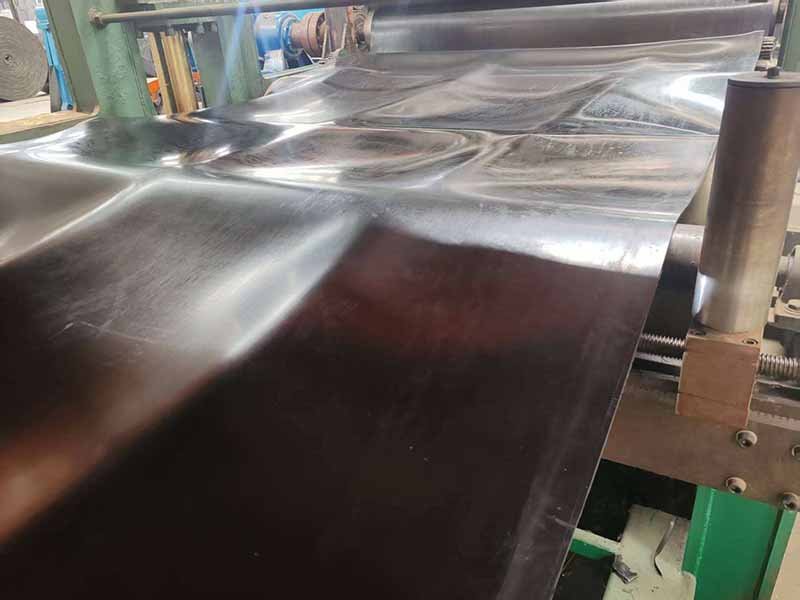
A real manufacturer can connect its legal identity, facilities, people, materials, equipment, samples, production records, and quality procedures into one consistent evidence chain. Buyers should verify the supplier through live video, documents, technical discussions, sample records, and production evidence. A polished website, factory photographs, or low quotation cannot independently prove manufacturing control.
What Should a Factory Audit Show?
A useful audit follows the product through the facility. It should begin with product development and continue through material receiving, pattern making, cutting, printing, sewing, inspection, packing, and shipment preparation. A showroom filled with samples may demonstrate product range, but it does not prove how current orders are produced or controlled.
For a neoprene project, buyers should ask to see different material thicknesses, approved samples, patterns, cutting equipment, printed panels, binding and sewing examples, work-in-progress products, measurement tools, inspection records, packing materials, carton labels, and defect-handling procedures. These items show whether the supplier has a repeatable operating system rather than only finished products.
During a remote audit, the buyer can request a live walk from the sample room to the cutting and sewing areas. Specific requests make the review more meaningful than a prerecorded promotional video. Buyers can ask to see a thickness measurement, compare a current order against its approved sample, or watch how an inspector records a dimension.
Factory size should not be the only consideration. A large facility can still have weak project control, while a smaller specialist factory may manage technical products very effectively. The audit should determine whether the people, workflow, equipment, and records match the specific needs of the buyer’s project.
Are Licenses and Reports Consistent?
Supplier verification is mainly an exercise in consistency. Buyers should compare the company name on the quotation, contract, invoice, business license, bank account, website, email domain, laboratory reports, and shipping documents. The information does not need to be identical in every case, but differences should have a clear and reasonable explanation.
A manufacturer may use an affiliated export company, and a factory group may operate several legal entities. The registered office, production location, sample pickup address, and bank beneficiary may therefore differ. These arrangements are not automatically suspicious, but the supplier should disclose the relationship before payment and provide supporting documents when required.
Reports and certificates also need context. The company named on a material test report may be the foam producer, lamination supplier, sewing factory, trading company, or original applicant. Buyers should ask how the tested material connects to the proposed production order.
Professional suppliers generally understand reasonable verification requests. At the same time, buyers should recognize that confidential customer documents, complete upstream supplier lists, and unrelated financial information may not be available. Verification should build a credible evidence chain without requiring unrestricted access to every part of the supplier’s business.
Can Buyers Meet Technical and QC Teams?
Direct access to technical and quality personnel is one of the most useful verification methods. A salesperson may provide a polished company introduction, but pattern makers, sample technicians, production managers, and inspectors can explain how the product will actually be developed, produced, and measured.
During an online meeting, buyers can ask how the pattern will change if the material becomes thicker, which dimensions are most likely to vary, how binding tension is controlled, when the first production units will be checked, and what happens if the bulk material does not match the approved sample. Practical answers reveal whether the supplier understands the work.
The quality of the answers matters more than the job title. Technical staff should explain the process clearly, acknowledge uncertainty when further testing is required, and distinguish between a design preference and a production limitation. A team that promises everything without discussing risk may create more problems than a team that recommends an additional sample.
For complex programs, a pre-production meeting involving project management, sampling, material sourcing, production, quality, and packaging can prevent expensive misunderstandings. It allows each department to confirm that it is working from the same approved material, pattern, artwork, construction, and delivery schedule.
How Do Buyers Detect Hidden Outsourcing?
Hidden outsourcing often becomes visible through inconsistency. Factory photographs may show different buildings, technical answers may change between conversations, or the supplier may repeatedly say it is waiting for “the factory” after presenting itself as the manufacturer. Samples and bulk products may also use noticeably different materials without a traceable explanation.
Other warning signs include refusal to conduct a live video call, inability to show current production, vague answers about material sources, unexplained company names, sudden MOQ changes, long delays in answering basic technical questions, no access to sampling or quality staff, and unclear responsibility for defective goods.
Outsourcing itself is not automatically negative. Established manufacturers often use specialist partners for foam production, lamination, printing, molded parts, testing, packaging, or peak-season capacity. A controlled partner network can improve capability and delivery flexibility.
The supplier should explain which stages are internal, which are completed by partners, how specifications are transferred, who approves samples, who inspects outsourced work, and who remains commercially responsible. Transparency and management control are more important than claiming that every process occurs inside one building.
Which Supplier Model Fits Your Project?
Choose a manufacturer when your product requires original development, controlled materials, close fit, several revisions, stable repeat production, or direct corrective action. A capable trading company may be more suitable for multi-category sourcing and shipment consolidation. The best choice is the model that provides the clearest ownership of specifications, quality, timing, communication, and problem resolution.
Which Projects Need Factory Control?
Factory control becomes more valuable as product complexity increases. A standard promotional drink holder may be relatively straightforward, while a fitted sleeve, glove, sports support, pet product, structured bag, medical-related accessory, or protective cover contains more variables that can affect performance and customer satisfaction.
Projects usually benefit from direct manufacturing involvement when they require custom dimensions, several graded sizes, a specific thickness or hand feel, custom surface fabric, full-surface printing, mixed materials, body-contact seams, high-stress straps, unusual closures, close packaging tolerances, or stable repeat-order appearance.
Direct production access allows changes to be evaluated more quickly. If the buyer increases thickness, the pattern maker can review internal space. If the logo is moved, the printing and sewing teams can check whether it crosses a seam. If a zipper changes, production can evaluate whether the radius and seam allowance remain practical.
The main benefit of choosing a manufacturer is not simply removing a trading margin. It is reducing the distance between the buyer’s approved requirement and the people responsible for reproducing it. That advantage becomes increasingly important when a product has many technical variables or a failed order would affect a retail launch.
When Is a Trading Company Useful?
A trading company may be the better commercial choice when a project includes several products made by different manufacturing systems. A retail or promotional program might require neoprene sleeves, metal drinkware, molded plastic parts, paper packaging, printed displays, electronics, and shipping consolidation. Managing every specialist supplier separately can require substantial internal time.
A capable trader can provide one communication channel, coordinated quotations, inspection planning, combined shipping, and consolidated documents. This can be valuable for companies without a large sourcing team or for projects containing many relatively standard products.
The service should still be evaluated carefully. The trader should identify which supplier produces each item, explain how specifications are controlled, describe how quality is inspected, and show how a delay from one factory will affect the full shipment. Buyers should confirm whether the trader has authority to approve corrective action or can only forward requests.
Trading companies add the most value when they reduce complexity without reducing transparency. They add less value when they hide production sources, prevent technical communication, or cannot define responsibility for material substitutions, defects, missed deadlines, or additional freight.
What Should Buyers Compare Beyond Price?
Price should be compared only after specifications are aligned. One supplier may quote 3 mm neoprene with double-sided laminated fabric, while another quotes a lighter or less dense construction described only as 3 mm material. The prices may appear comparable even though the finished products feel, fit, and perform differently.
Buyers should evaluate total project cost, including sampling, revisions, material testing, inspections, packaging, shipping volume, delays, sorting, rework, replacement, air freight, customer returns, and lost sales. A unit price that is slightly lower can become expensive when production problems force urgent corrective action.
A weighted supplier scorecard helps buyers balance technical and commercial factors rather than allowing one attractive quotation to dominate the decision.
| Evaluation Factor | Suggested Weight | Questions to Ask |
|---|---|---|
| Material control | 20% | Are thickness, surface fabric, color, flexibility, and hand feel documented? |
| Sample development | 15% | Can the team diagnose fit, construction, and production problems? |
| Bulk consistency | 20% | How is production compared with the approved sample? |
| Technical communication | 10% | Can pattern, production, and QC personnel join discussions? |
| Price transparency | 10% | Are material, printing, accessories, packaging, and testing assumptions clear? |
| Lead-time reliability | 10% | Is there a stage-by-stage schedule rather than one general completion date? |
| Corrective action | 10% | Who pays for sorting, repair, replacement, or urgent shipping? |
| Export and packaging | 5% | Can the supplier support labels, cartons, documents, and delivery requirements? |
The weighting can be adjusted according to the project. Promotional orders may prioritize price and delivery, while fitted protective products may give more weight to material behavior, pattern development, dimensional tolerance, and inspection.
How Does Szoneier Manage Neoprene Projects?
Szoneier works as a factory-based custom bags and soft-goods OEM/ODM manufacturer rather than a trading-only intermediary. Its project workflow covers requirement review, material selection, pattern development, sampling, revisions, bulk production coordination, process inspection, final inspection, packaging, and export delivery.
The company’s neoprene experience includes bottle holders, koozies, lunch bags, sleeves, pouches, covers, pet accessories, sports-related products, and other sewn soft goods. Material thickness and construction are selected according to the product’s required flexibility, protection, fit, appearance, insulation, sewing method, packaging, and target cost rather than applying one material specification to every program.
Buyers can begin with a physical sample, reference image, drawing, technical pack, dimensions, artwork, target quantity, packaging requirements, and destination market. The project team can then review material options, pattern feasibility, branding methods, accessories, sample requirements, MOQ, timing, quality checkpoints, and shipping arrangements.
With more than 18 years of experience in custom bags, neoprene products, and sewn soft goods, the practical lesson is that reliable sourcing depends on documented specifications and visible responsibility. A supplier should be able to explain the material, show the production process, reproduce the approved sample, and correct problems without passing responsibility through several unknown parties.
Commercial buyers developing a new neoprene product, replacing an unstable supplier, or planning a repeat production program can contact Szoneier with their product image, sample information, technical drawing, required dimensions, material preference, artwork, order quantity, packaging expectations, destination country, and target delivery date.
For a project review and custom quotation, contact info@szoneier.com or send the project details to Nancy through WhatsApp or phone at (+86) 13423847456. The team can review the product’s material, structure, sampling process, branding, MOQ, production timing, inspection requirements, packaging, and international delivery before the order moves into development.