
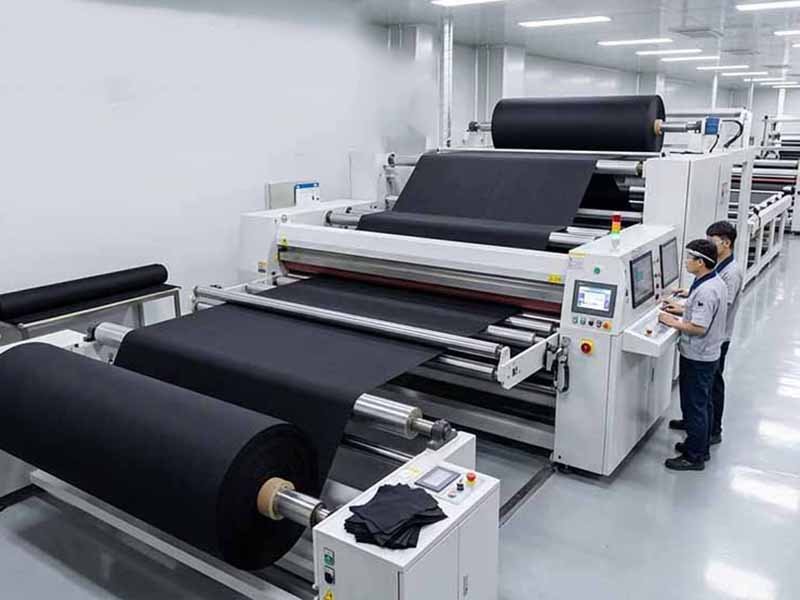
A neoprene supplier can look convincing online while still exposing your project to serious material, quality, compliance, and delivery risks. A polished website, fast replies, a competitive quotation, and one attractive sample do not prove that the supplier can repeatedly manufacture commercial quantities. The real test is whether the company can connect every promise to a controlled material specification, documented sample, production method, inspection record, realistic schedule, and accountable project team.
The main red flags are vague material descriptions, unverified factory claims, inconsistent technical answers, samples disconnected from bulk-production controls, missing quality records, irrelevant certificates, unrealistically low pricing, impossible lead times, changing payment details, and unclear responsibility for defects. A reliable supplier replaces general promises with evidence, including approved materials, written specifications, production records, inspection plans, relevant testing, and transparent delivery terms.
Consider a buyer who approves a soft, clean 3 mm neoprene bottle sleeve and orders 10,000 units for a seasonal retail launch. The bulk goods arrive thinner, stronger-smelling, and more uneven around the bound edges than the approved sample. The supplier responds that the differences are “within normal tolerance,” yet no thickness method, odor reference, lamination requirement, or binding standard was ever written down. The warning signs were present long before shipment, but nobody knew which questions to ask.
What Makes a Neoprene Supplier Risky?
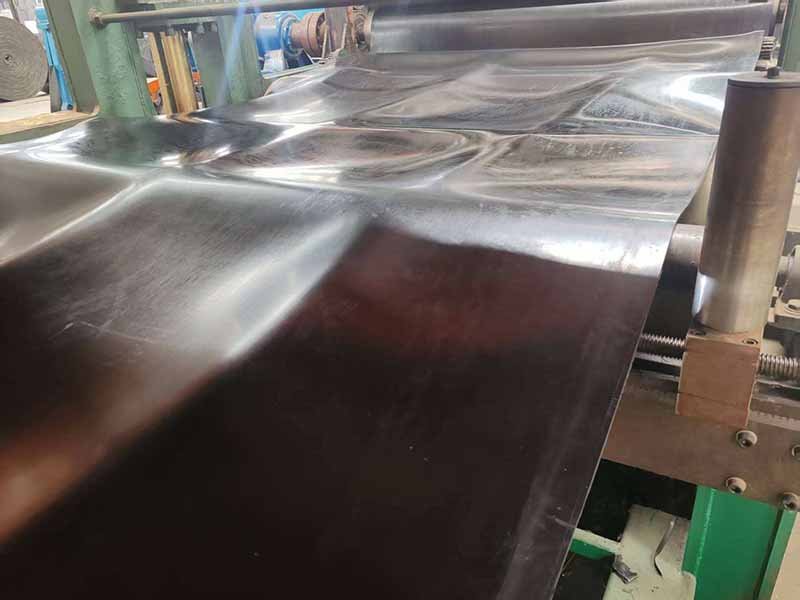
A neoprene supplier becomes risky when its claims cannot be traced to controlled materials, identifiable production processes, written approvals, inspection records, and responsible personnel. One minor mistake does not necessarily make a supplier unreliable. The real concern is a repeated pattern of vague answers, changing information, hidden subcontracting, weak technical judgment, missing documentation, and reluctance to show how the product will be produced.
Factory Control
Being a factory does not automatically make a supplier dependable, and using outside specialists does not automatically make a supplier unsafe. What matters is who controls each operation and who accepts responsibility when something goes wrong. Buyers should understand who purchases the neoprene sheets, approves the laminated fabrics, creates the cutting pattern, handles printing, manages sewing or edge binding, conducts inspection, and authorizes shipment.
A supplier should be able to explain its production route clearly, even when some specialized processes are completed by long-term partners. Outsourced sublimation printing, lamination, molded components, or laboratory testing may be reasonable when the work is documented and verified. The warning sign is hidden subcontracting, where the buyer is told that everything is completed internally but the order is later transferred to an unknown workshop without controlled specifications.
A useful factory review should follow the actual product flow. Ask to see material storage, pattern development, cutting, printing, sewing, edge finishing, quality inspection, packaging, and warehouse preparation during one continuous video call. A live review makes it more difficult to rely on unrelated photographs or staged showroom displays and allows the buyer to ask practical questions in real time.
The factory should also demonstrate how orders and material batches are identified. Neoprene sheets, laminated fabric, printed panels, labels, zippers, webbing, and packaging materials should not be mixed between projects. If the production team cannot explain how approved materials are separated from rejected or unapproved alternatives, sample-to-bulk consistency becomes difficult to protect.
Unsupported Claims
Terms such as “premium neoprene,” “export quality,” “waterproof,” “eco-friendly,” “odor-free,” and “high strength” are often used without any measurable definition. These claims may be useful in marketing, but they provide very little protection when the delivered products fail to match the buyer’s expectations. A responsible supplier should be able to convert each broad statement into a specification, test method, or inspection standard.
For example, “premium neoprene” should be translated into a defined foam or rubber option, nominal thickness, laminated surface fabric, approved color, expected hand feel, compression behavior, and suitable application. “Stable quality” should refer to a documented sequence that may include incoming material inspection, pre-production approval, first-piece inspection, in-line checks, final inspection, and packaging verification.
Capacity and lead-time claims also require evidence. A supplier that says it can complete any order quickly should explain how material preparation, artwork approval, cutting, printing, curing, sewing, inspection, packing, and shipment preparation fit within the proposed schedule. A production promise made before reviewing the product construction, quantity, packaging, and material availability is usually an estimate designed to win the inquiry rather than a reliable plan.
Buyers should also compare the company name, quotation, invoice, bank beneficiary, sample label, factory address, test reports, and shipping documents. Administrative errors can happen, but repeated inconsistencies may indicate that the supplier is acting as an unreported intermediary or changing production partners during the project.
| Supplier Claim | Evidence to Request | Common Red Flag |
|---|---|---|
| “We are the factory” | Live factory review and process explanation | Only showroom or stock photographs are provided |
| “We use premium neoprene” | Labeled swatch and written material construction | No thickness, fabric, source, or performance details |
| “Our quality is stable” | Approved sample, QC stages, and inspection records | Quality is described only with general adjectives |
| “We can deliver quickly” | Dated schedule with production milestones | Immediate promise before technical evaluation |
| “The product is compliant” | Relevant report linked to the proposed material | Generic, expired, edited, or unrelated certificate |
Technical Competence
A capable neoprene supplier should ask questions before making recommendations. If the first discussion focuses only on quantity, price, and logo size, the supplier may not understand how the product will be used or which manufacturing risks require attention. Technical questions should cover dimensions, fit, compression, flexibility, insulation, cushioning, stretch direction, print coverage, seam structure, edge finish, packaging pressure, and target market.
Different neoprene products require different material and construction decisions. A bottle holder needs controlled fit and stretch recovery. A laptop sleeve must protect the device and prevent the zipper from scratching it. A lunch bag may require careful odor management, insulation construction, clean internal surfaces, and packaging that does not permanently compress the foam. A sports support may require consistent elasticity, skin-contact evaluation, and stronger seam control.
A technically competent team should also explain trade-offs. Increasing material thickness may improve cushioning or insulation, but it can also increase weight, sewing difficulty, edge-binding stress, carton volume, and cost. Highly elastic material may improve fit, but it can make finished measurements less stable. Full-surface printing can create strong visual impact, yet artwork placement may shift when the panels are stretched, cut, and assembled.
One of the simplest tests is to ask the supplier why it recommends a particular thickness, lamination, seam, or printing process. A useful answer should connect the recommendation to product function, manufacturing stability, appearance, and commercial cost. A supplier that agrees with every buyer request without discussing consequences may be avoiding technical responsibility.
Project Discipline
Many supplier failures begin before bulk production because nobody controls versions, approvals, or decision records. A project becomes risky when material changes are discussed only through short chat messages, artwork is updated without a version number, or several sample rounds are approved informally without identifying which sample is final.
The approved sample should be connected to a written production specification. Important details include the neoprene construction, nominal thickness, laminated fabrics, dimensions, tolerances, print method, artwork position, seam type, binding width, zippers, labels, webbing, accessories, individual packaging, carton quantity, barcode information, and shipping marks.
Each sample round should have a date or version number, and every change should be recorded. The final approval should clearly replace all earlier artwork, material, and construction versions. Without this control, the buyer and factory may each believe that a different sample or file governs production, creating a dispute in which both sides feel correct.
Buyers should also observe how the supplier handles corrections. A professional response identifies the defect, investigates its cause, proposes a corrective action, and explains any impact on price or timing. A vague promise to “pay more attention next time” does not prove that the pattern, machine setting, material, training, or inspection method has changed.
Which Material Red Flags Matter Most?
The most serious material red flags include an undefined neoprene construction, inconsistent thickness, weak lamination, excessive odor, poor compression recovery, unstable stretch, visible surface defects, and unexplained batch differences. Buyers should approve a labeled physical material reference and define how important properties will be inspected before cutting, printing, and sewing begin.
Material Construction
The word “neoprene” is not a complete purchasing specification. Two sheets described by different suppliers as 3 mm neoprene may feel, stretch, smell, print, sew, and recover differently because of variations in foam composition, density, laminated fabric, adhesive, compression, fabric tension, storage, and manufacturing method.
A practical specification should identify the nominal thickness, face fabric, backing fabric, surface color, texture, print base, stretch direction, and any critical functional requirement. It should also clarify whether an equivalent material may be used if the approved source becomes unavailable. Any substitution should require buyer approval before bulk production.
Unapproved material substitution is one of the most significant risks in custom manufacturing. A replacement sheet may look similar in a photograph but behave differently during printing, cutting, binding, compression, or repeated use. It can alter finished weight, hand feel, odor, elasticity, insulation, seam appearance, and carton volume.
Before sampling, buyers should request labeled material swatches rather than selecting materials only from photographs or digital color cards. Before bulk cutting, the incoming material lot should be compared with the approved reference. For projects in which hand feel, fit, or color is critical, sealed reference swatches should be retained by both the buyer and the manufacturing team.
Thickness and Elasticity
Commercial neoprene products commonly use materials within an approximate range of 2 mm to 5 mm, although thinner and thicker constructions may be available for specialized applications. The correct thickness depends on the intended fit, cushioning, insulation, flexibility, weight, edge construction, packaging, and target cost.
A 2 mm construction may suit lightweight covers, simple koozies, promotional sleeves, or products that need greater flexibility. A 3 mm material is commonly considered for bottle holders, pouches, lunch products, laptop sleeves, and general protective accessories. Materials around 4 mm or 5 mm may improve cushioning or insulation, but they can increase sewing difficulty, edge-binding stress, product weight, freight volume, and unit cost.
The nominal number written on a quotation is not enough. Buyers should confirm whether the stated thickness includes laminated fabrics and how the measurement will be performed. Soft foam can compress under pressure, so two people using different gauges or pressure levels may record different results from the same sheet.
Elasticity should be evaluated together with thickness. Stretch the material in the directions relevant to the finished product, release it, and observe the recovery. A fitted sleeve that remains permanently stretched may become loose. A sports accessory with inconsistent recovery may feel different from unit to unit. Practical tolerance and testing methods should be agreed before production rather than debated after delivery.
| Material Point | Practical Approval Method | Commercial Risk If Ignored |
|---|---|---|
| Thickness | Nominal value, measurement location, and gauge method | Poor fit, insufficient protection, cost variation |
| Face fabric | Fiber type, texture, color, and print compatibility | Different appearance, durability, or print result |
| Stretch | Direction, extension, and recovery expectation | Loose fit, distortion, or inconsistent sizing |
| Lamination | Flatness, edge bonding, and fold performance | Bubbling, wrinkling, or fabric separation |
| Odor | Approved sample, airing period, and sealed-pack review | Complaints, returns, and negative customer reviews |
| Surface | Limits for dents, marks, shine, and stains | Visually inconsistent retail products |
Lamination Quality
Lamination defects can be difficult to correct after the material has been printed, cut, and sewn. A small bubble or loose edge in a flat sheet may become a visible wrinkle in a finished product. Weak bonding can separate around curved seams, folded edges, handles, zipper openings, or areas under repeated stretch.
Incoming material should be examined for bubbles, wrinkles, fabric skew, adhesive marks, uneven surface tension, loose edges, compression damage, and surface contamination. Inspection should not stop with a visual review of the flat sheet. Representative pieces should be folded, stretched, cut, bound, and sewn to observe how the layers behave under production stress.
Product geometry matters. A material that performs adequately in a flat promotional mat may not work for a closely fitted bottle sleeve or a pouch with a tight curved edge. The supplier should consider radius, stretch direction, seam allowance, binding width, needle selection, and the tension applied during assembly.
Storage is also part of lamination control. Neoprene sheets should be protected from excessive heat, moisture, contamination, and long-term uneven compression. Material batches should be identified and separated. A supplier that cannot explain how materials are received, stored, inspected, and released to production may struggle to maintain consistent bulk quality.
Odor and Surface Condition
New rubber-based materials may retain some manufacturing odor, but a sharp, persistent, or highly variable smell should not be dismissed. Odor can become a major commercial issue for lunch products, laptop sleeves, pet accessories, wearable goods, bottle holders, and products sealed in individual packaging soon after production.
Odor should be evaluated at several stages. Buyers should review the raw material, the finished sample, and the product after it has remained sealed in the intended packaging. A sample that smells acceptable after sitting in an open room may produce a much stronger odor when reopened after several days in a polybag or carton.
Factories may reduce temporary manufacturing odor through appropriate material selection, ventilation, airing time, clean storage, and suitable packing schedules. However, airing should not be used to hide unsuitable material or contamination. The approved expectation should be realistic and linked to the product’s intended use.
Surface inspection should cover stains, dents, shine differences, pinholes, compression marks, fabric lines, scratches, uneven color, and visible adhesive. Minor variations may occur in flexible materials, but “normal variation” should not become an unlimited acceptance standard. Approved swatches and finished samples should define the practical visual benchmark.
How Can Samples Hide Bulk Problems?
Samples can hide bulk-production risks when they are made with specially selected materials, produced by senior technicians outside the normal workflow, corrected repeatedly without documentation, or approved without a complete specification. A useful sample must become a controlled production standard connected to material references, patterns, artwork, measurements, workmanship, packaging, and inspection instructions.
The Golden Sample Trap
Development samples are often produced by experienced technicians who spend more time selecting, trimming, pressing, cleaning, and adjusting each component than a normal production worker can spend on a bulk unit. This is not automatically dishonest. A sample room is expected to solve problems and refine the construction before production begins.
The risk appears when the supplier cannot explain how the final result will be transferred to the production line. Buyers should ask how the pattern, seam allowance, artwork position, binding tension, reinforcement points, assembly sequence, and finishing method will be documented and taught to the operators.
Material selection can create another hidden difference. A supplier may use a small leftover sheet with excellent hand feel and clean lamination for the sample, while the bulk quotation assumes another source or construction. The physical sample may therefore represent a quality level that the commercial order cannot reproduce at the quoted price.
A pre-production sample made with the actual bulk materials is one of the most effective controls available. It should be reviewed before the complete order is cut, printed, or sewn. If the supplier says the entire production run has already started before requesting approval, the buyer has lost a critical opportunity to contain errors.
Missing Specifications
A physical sample is valuable, but it cannot communicate every production requirement. It does not show which measurements are critical, how much variation is acceptable, which fabric direction should be used, or which earlier artwork file has been cancelled.
A practical production specification should include the bill of materials, labeled material swatches, finished dimensions, measurement locations, tolerances, artwork files, color references, logo dimensions, placement instructions, seam details, binding construction, zippers, labels, webbing, accessories, individual packaging, carton requirements, and inspection criteria.
Revision control is equally important. Each sample round should have a version number or date, and every requested change should be recorded. Instructions spread across long email threads, voice messages, chat screenshots, and meeting notes can easily be missed or interpreted differently.
The final approval should identify the exact physical sample, material swatch, artwork, specification, and packaging file that will govern production. When the buyer and factory are reviewing different versions, both sides may genuinely believe they followed the approved instructions. Clear documentation prevents this avoidable conflict.
A well-organized specification does not need to be excessively complicated. Its purpose is to make the product understandable to the pattern maker, printer, sewing operator, inspector, packing team, and buyer without relying on one person’s memory.
Printing and Sewing Variation
Neoprene products frequently combine flexible materials with sublimation printing, screen printing, heat transfer, edge binding, zippers, webbing, hook-and-loop closures, labels, and shaped seams. Every additional process creates another opportunity for variation between a carefully made sample and normal bulk production.
Printed panels should be evaluated after sewing, not only while lying flat. Stretching and assembly can affect graphic position, edge alignment, color appearance, and apparent scale. Artwork located close to an edge or seam may require bleed allowance because small cutting and sewing variations become more visible.
Common sewing problems include skipped stitches, uneven seam allowances, loose threads, needle damage, exposed raw edges, wavy binding, distorted curves, misaligned panels, and missing reinforcement. Transitions between different thicknesses or accessories may also create uneven feeding if the machine and operator are not properly prepared.
The first production pieces should be compared with the approved sample before the entire line continues. For visually sensitive products, the review should include print color, graphic direction, logo position, seam shape, binding smoothness, finished measurements, zipper operation, and product fit.
Finding a repeating problem after 20 pieces is manageable. Discovering the same issue after 5,000 pieces creates expensive rework, delayed delivery, and a dispute over who approved the standard.
Production Approval Gates
Bulk consistency improves when the project uses clear approval gates instead of relying on one inspection after all products are finished. Each gate should answer a specific question before more material, labor, and time are committed.
| Approval Gate | Evidence to Review | Decision Before Continuing |
|---|---|---|
| Material approval | Labeled swatch and material record | Confirm before sample development |
| Final development sample | Version-controlled sample and change list | Freeze product design |
| Pre-production sample | Actual bulk materials and processes | Approve before full production |
| First production pieces | Cutting, printing, sewing, and measurements | Correct problems before scaling |
| In-line inspection | Measurement and defect records | Contain repeating issues |
| Final inspection | Product, labels, packaging, and quantity | Release, rework, or reject |
The most important principle is that approval should occur before the next irreversible step. Material should be approved before full cutting. Printed panels should be checked before all artwork is completed. First sewn units should be reviewed before the production line reaches full speed. Packaging should be confirmed before thousands of products are sealed and placed in cartons.
These approval gates do not need to make the project slow or bureaucratic. They reduce uncertainty and make responsibility easier to identify. A supplier that repeatedly asks for approval after production has already moved forward is managing the buyer around the factory’s convenience rather than controlling the project properly.
How Do You Verify Factory and QC Claims?
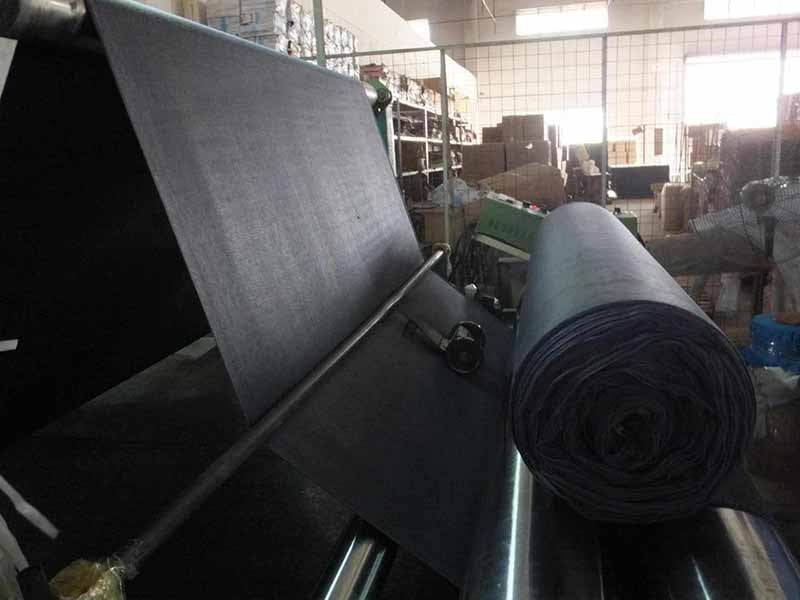
Factory and quality claims should be verified through direct observation, traceable documents, and product-specific records. A credible supplier should show how materials enter the facility, how specifications reach production, where inspections occur, who can stop defective work, how rejected goods are separated, and which evidence is reviewed before the order is released for shipment.
Product-Flow Verification
A useful factory review should follow the product rather than the sales presentation. Begin with incoming neoprene sheets and laminated fabrics. Continue through material storage, pattern preparation, cutting, printing, sewing, binding, semi-finished storage, final inspection, packaging, and shipment preparation.
Observe how materials and orders are identified. Neoprene sheets, laminated fabrics, printed panels, zippers, webbing, labels, and packaging materials should have project references or batch information. Rejected, pending, and approved materials should not be mixed without visible control.
Ask how approved samples, artwork, and specifications are made available to the operators. The sewing line should not rely on a salesperson verbally describing the product. Workers and inspectors should have access to clear production references, especially for dimensions, logo placement, seam details, accessories, and packaging.
Capacity should also be assessed in context. A large number of machines does not prove that the factory can deliver a particular order. The supplier also needs trained operators, available materials, suitable equipment, production planning, quality personnel, and enough time to complete inspection and rework before shipment.
Buyers should ask which production line will handle the order, how many workers are expected to be involved, what other projects share the schedule, and whether any process will be transferred to another facility during peak season.
Quality-Control Stages
A practical quality system normally separates incoming, in-process, final, and outgoing inspections. Suppliers may use different terminology, but the responsibilities should remain clear and connected to the approved product standard.
Incoming inspection should review neoprene sheets, lamination, thickness, color, surface condition, zippers, webbing, labels, accessories, and packaging materials. In-process inspection should identify cutting errors, print shifts, incorrect panels, seam problems, binding defects, and dimensional variation before they spread through the full production order.
Final inspection should review finished measurements, appearance, workmanship, function, logo application, cleanliness, accessories, and individual packaging. Outgoing inspection should verify quantities, assortment ratios, barcodes, carton marks, carton condition, gross weight, shipping labels, and the required commercial documents.
The useful question is not simply, “Do you have quality control?” Nearly every supplier will answer yes. Buyers should ask what is checked, when it is checked, how the sample size is selected, who records the result, who can stop production, how rejected goods are isolated, and how rework is verified.
A quality system that exists only in verbal explanations is difficult to audit. A capable supplier should be able to show real checklists, measurement records, inspection photographs, defect classifications, or examples from previous production without revealing confidential customer information.
Product-Relevant Testing
Testing should be based on the actual product risk rather than a generic certificate list. A neoprene koozie, laptop sleeve, lunch bag, pet accessory, sports support, and protective equipment cover may use similar materials, but their performance priorities are different.
A koozie may require fit, dimensions, print durability, seam control, odor evaluation, and packaging checks. A laptop sleeve may require device fit, cushioning, zipper protection, handle strength, and repeated opening tests. A lunch product may need additional attention to odor, cleanliness, internal materials, insulation construction, and packaging conditions.
Useful factory-level evaluations may include thickness measurement, finished dimensions, color comparison, print durability, seam strength, zipper operation, compression recovery, stretch recovery, handle loading, fit testing, odor review, packaging pressure, and repeated functional use.
Laboratory testing may be required for chemical restrictions, skin-contact requirements, market regulations, or specific performance claims. The supplier should explain what existing reports cover, what must be tested again, which components require separate review, and whether testing should be completed on the material or the finished product.
A supplier that guarantees every international standard before seeing the product design is not simplifying compliance. It is avoiding a proper risk assessment.
Certificate Verification
Certificates and reports should be reviewed carefully because different documents prove different things. A quality-management certificate may describe the factory’s management system, but it does not prove that a particular finished product meets a chemical restriction. A raw-material report may not cover the ink, adhesive, zipper, webbing, label, or packaging used in the final item.
Buyers should check the issuing body, report number, test date, applicant, tested sample, test method, result, and scope. The tested material or product should be traceable to what the supplier proposes for the order.
Warning signs include cropped certificates, missing report numbers, expired reports presented as current, reports for different materials, applicants that do not match the supplier, and one document used to support every product category and market.
For higher-risk or higher-value orders, the buyer may confirm a report with the issuing laboratory or arrange testing through an agreed independent third party. The objective is not to create unnecessary testing expense. It is to connect the product claim to evidence that is relevant, current, and traceable.
Compliance should be managed as a product-specific process rather than a collection of certification logos displayed on a supplier’s website.
What Commercial Red Flags Should You Avoid?
Commercial red flags include incomplete quotations, prices that cannot support the promised material and workmanship, lead times issued before technical review, changing company or payment details, unclear shipping responsibility, and no written process for resolving defects. A dependable commercial offer should match a realistic material, production, quality, packaging, and delivery plan.
Unrealistically Low Pricing
A low price is not automatically a red flag. It may result from available stock material, efficient artwork, a simple construction, a larger order quantity, standard accessories, or economical packaging. The concern appears when the supplier cannot explain why its quotation is substantially lower than comparable offers.
Buyers should compare quotations using the same specification. Confirm whether each price includes the neoprene construction, nominal thickness, laminated fabrics, finished dimensions, printing method, print coverage, edge binding, seam structure, zippers, webbing, labels, accessories, individual packaging, export cartons, setup charges, inspection, testing, and shipping terms.
A quotation that excludes several of these elements is not directly comparable with a complete offer. It may appear cheaper only because important costs have been moved to a later stage or left undefined.
Transparent cost optimization can be useful. A supplier may suggest reducing material from 4 mm to 3 mm, using a stock fabric color, simplifying a difficult curve, reducing print coverage, adjusting packaging, or increasing the order quantity. These changes are visible and can be evaluated by the buyer.
Unapproved substitution, weaker accessories, lower-quality adhesive, reduced inspection, or simplified construction without consent are not legitimate cost reductions. They are hidden changes to the product standard.
Unrealistic Lead Times
A realistic lead time should include technical review, artwork confirmation, material preparation, sample development, buyer approval, bulk procurement, cutting, printing, curing or settling time, sewing, inspection, packing, and shipment preparation.
Product complexity has a significant effect. A simple sleeve made from available material with one-color printing may move quickly. A fitted product with full-surface artwork, several accessories, custom packaging, and laboratory testing requires more time and more approval points.
A responsible supplier should separate buyer-dependent dates from factory-dependent dates. Late artwork, slow sample comments, packaging changes, delayed payment, or additional testing can affect the schedule. Clear communication about these dependencies is more credible than promising that every project can be completed immediately.
Common warning patterns include production being described as “almost finished” for several weeks, delivery dates moving without explanation, progress reports containing no quantities, repeated refusal to provide production photographs, inspection being planned after the shipping deadline, and approval being requested only after goods are complete.
One schedule adjustment may be reasonable. Repeated unverified promises usually indicate weak planning, hidden subcontracting, material shortages, or production problems that the supplier is unwilling to disclose.
Communication and Payment
Commercial communication should become more formal as a project moves from inquiry to sampling and production. Important material, construction, payment, and delivery decisions should not remain only in short messaging-app conversations.
The quotation, proforma invoice, purchase order, specification, company name, bank beneficiary, and shipping documents should be consistent. Any change to the beneficiary, account country, company name, or payment instructions should be verified independently using a previously confirmed contact method.
Technical information should also remain consistent. If the sales representative describes the material as 3 mm, the sample label shows another thickness, and the production team gives a third answer, the supplier may not be working from a controlled specification.
Progress reports should include measurable information. Useful updates explain which materials have arrived, how many panels have been cut, how many pieces have been printed or sewn, what inspections have occurred, which issues have been identified, and what remains before packing.
Vague messages such as “everything is going well” or “shipment will be soon” provide little protection. Good communication is not measured by the number of messages. It is measured by whether the supplier provides the evidence needed for the buyer to make timely decisions.
Delivery and After-Sales Responsibility
Shipping responsibilities should be agreed before production begins. Confirm the trade term, destination, transport method, carton requirements, product labels, barcode files, assortment ratios, inspection release, commercial invoice, packing list, carton marks, and any FBA or warehouse-specific requirements.
For retail and e-commerce programs, an acceptable product can still create losses when barcodes, labels, quantities, carton limits, or delivery documents are wrong. These mistakes may lead to warehouse refusal, relabeling costs, delayed inventory availability, missed promotions, or penalties from retail and fulfillment partners.
After-sales responsibility should also be documented. The agreement should explain how defects are reported, what evidence is required, how problems will be classified, how quickly the supplier must respond, and which remedies may be considered. Depending on the issue, a reasonable solution could involve containment, rework, replacement, credit, additional inspection, or corrective action for future production.
| Risk Level | Supplier Condition | Recommended Buyer Response |
|---|---|---|
| Low | Clear specifications, traceable approvals, realistic schedule | Continue to controlled sampling or production |
| Moderate | Minor documentation gaps that can be corrected | Set a deadline for missing evidence |
| High | Unclear material, changing answers, weak QC records | Pause payment and production authorization |
| Critical | Fake reports, hidden factory identity, unexplained bank changes | Reject the supplier |
| Critical | Bulk production begins before final approval | Stop authorization and protect project files |
A supplier should normally be rejected when it refuses factory verification, uses untraceable test reports, changes payment instructions without credible explanation, starts full production before approval, blocks independent inspection, or repeatedly changes the product specification without written consent.
The best supplier does not need to promise that problems will never occur. It should show that its material, sample, production, inspection, delivery, and corrective-action systems are controlled well enough to prevent small issues from becoming expensive commercial failures.
Szoneier supports custom neoprene product development for brands, retailers, importers, distributors, promotional programs, and other B2B buyers. Projects can begin from a product photograph, physical sample, drawing, reference link, artwork file, or complete technical pack. The development team can review neoprene thickness, laminated fabrics, product structure, printing, sewing, edge construction, packaging, testing requirements, and expected production risks before a commercial order is confirmed.
For a more accurate project review, buyers should provide the intended product dimensions, estimated order quantity, preferred material thickness, logo or full-print artwork, required accessories, individual packaging, destination country, target delivery date, and any market-specific testing requirements. Clear information at the inquiry stage allows material, sampling, production, inspection, and delivery decisions to be evaluated together rather than corrected after production begins.
To request a quotation for custom neoprene bags, sleeves, koozies, bottle holders, laptop cases, lunch products, protective covers, sports accessories, pet products, or other sewn neoprene goods, contact Szoneier at info@szoneier.com or send the project details to WhatsApp and phone number (+86) 13423847456. The team can review the product concept, identify potential manufacturing risks, and prepare a practical route from material selection and sampling to bulk production and international delivery.