
Neoprene is still closely associated with wetsuits, but its commercial value extends far beyond water sports. For brands, it occupies a useful position between fabric, foam, rubber, and protective padding. It is flexible enough to wrap around bottles and body shapes, soft enough for products that touch the skin, printable enough for promotional campaigns, and structured enough for bags, sleeves, holders, and protective covers.
The real opportunity is not simply choosing an existing item and placing a logo on it. Strong neoprene products are developed by matching the product’s purpose with the right thickness, density, surface fabric, dimensions, stitching, artwork, closures, reinforcement, and packaging.
Brands can customize neoprene drinkware accessories, bags, laptop and device sleeves, lunch products, sports supports, pet accessories, travel items, protective covers, promotional products, and other functional soft goods. Most projects allow customization of thickness, size, shape, color, printing, logo method, lining, closures, labels, and packaging. The best option depends on the intended use, sales channel, required protection, order volume, and brand positioning.
A bottle sleeve developed for a sports campaign should not follow the same design logic as a premium laptop sleeve or fitted pet life jacket. They may all use neoprene, but their construction, printing, quality risks, testing needs, and buying priorities are very different. Understanding those differences is what turns a common material into a commercially useful branded product.
What Neoprene Accessories Can Brands Customize?
Brands can customize neoprene products across drinkware, bags, electronics, sports, pet, travel, promotional, and protective categories. The strongest products combine a clear functional benefit with visible branding and frequent use. Instead of selecting an item only because it is inexpensive or easy to manufacture, buyers should evaluate fit, durability, product relevance, packaging, and whether the design can later expand into a coordinated collection.
Drinkware Accessories
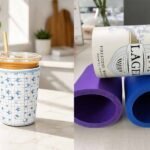
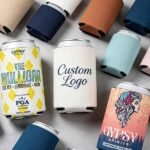
Drinkware products are among the most widely customized neoprene accessories because they are compact, easy to distribute, and naturally suitable for visible branding. Common options include can coolers, bottle sleeves, coffee cup sleeves, tumbler covers, wine bottle holders, insulated carriers, and multi-bottle bags used by beverage companies, sports programs, hotels, event organizers, corporate-gift buyers, and lifestyle brands.
Although a can cooler appears simple, fit accuracy has a direct effect on perceived quality. A loose sleeve may slide down or wrinkle, while an overly tight design can be difficult to install. The manufacturer must evaluate the container’s diameter, height, taper, seam allowance, material stretch, bottom construction, and closure method as one complete fit system.
For products designed around a specific bottle or tumbler, a physical sample or dimensioned technical drawing is normally more dependable than a general product description. A “standard sports bottle” can vary significantly between brands, and even a small difference in diameter may change how the finished sleeve feels. Brands planning several sizes should define each size separately instead of assuming one pattern can be scaled without adjustment.
A thickness of approximately 2–3 mm is commonly selected for drinkware products. Two-millimeter neoprene creates a lighter and more flexible sleeve that folds easily, while 3 mm material normally provides stronger cushioning, insulation, and hand feel. Thicker constructions may be used for premium carriers, although they increase sewing difficulty, carton volume, product weight, and total cost.
The printing method should match both the artwork and the surface fabric. Screen printing is practical for simple logos and limited colors, while sublimation is better suited to all-over graphics, gradients, sponsor combinations, illustrations, and photographic artwork. A coordinated program can combine can coolers, bottle sleeves, cup sleeves, and wine carriers using the same color and artwork system, allowing a brand to create a recognizable product family rather than an isolated promotional item.
Bags and Protective Sleeves
Neoprene can be made into tote bags, lunch bags, cosmetic pouches, beach bags, bottle bags, laptop sleeves, tablet covers, phone pouches, camera cases, cable organizers, and equipment covers. Its foam structure provides cushioning without always requiring a separate internal padding layer, making it especially useful for soft protective products and visually distinctive lifestyle accessories.
The correct structure depends on whether the product must fit closely around another object or retain its own form. A laptop sleeve requires accurate internal dimensions, protected corners, smooth seams, sufficient opening width, and a zipper position that does not scratch the device. A tote bag requires controlled stretch, reinforced handles, stable proportions, suitable edge treatment, and enough strength for the expected load.
A lunch bag may need additional lining, stronger closure support, insulation planning, and easy-clean internal surfaces. Buyers should also define whether the bag is expected to stand upright, fold flat, carry warm or cold items, or withstand repeated daily use. These practical requirements influence material thickness, seam structure, lining selection, handle design, and packaging.
Thicker neoprene does not automatically create a better product. A 5 mm laptop sleeve may appear more protective, but it can become bulky, heavy, difficult to sew, and expensive to pack. In many applications, a carefully developed 3 mm or 4 mm sleeve with secure edge coverage and reinforcement provides a cleaner shape and a better balance between protection and portability.
Shipping efficiency should also be considered during product development. Flat sleeves usually pack economically, while structured bags may require inserts, controlled folding, or larger cartons. Packaging decisions should therefore be reviewed during sampling, because compression, folding lines, hangtags, retail cartons, and barcode placement can affect the final structure and appearance.
Sports and Pet Products
Neoprene sports products can include gloves, joint supports, protective wraps, gym grips, cycling accessories, golf covers, water-sports equipment, and fitted equipment sleeves. These products require more technical development than basic promotional items because fit, body movement, stretch direction, seam position, ventilation, closure pressure, and reinforcement can directly affect comfort and performance.
A support may look correct when placed flat on a table but behave very differently when worn. Neoprene can stretch differently across its width and length depending on the foam and laminated fabric, so pattern orientation must be considered during cutting. Products sold in several sizes also require clear grading rules rather than simply enlarging one pattern by the same percentage.
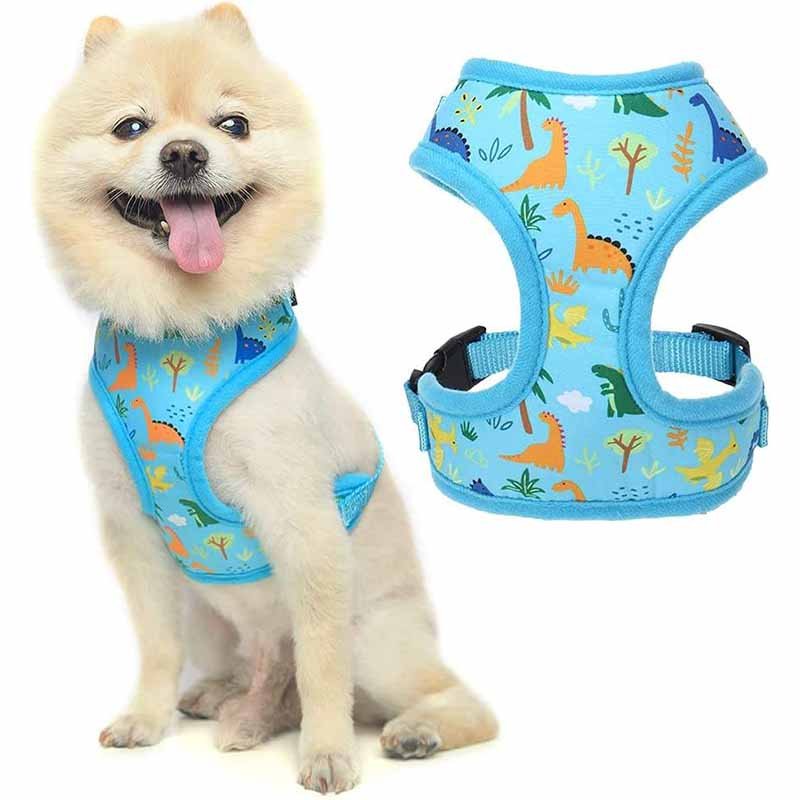
Pet products can include harnesses, collars, life jackets, pet boots, protective vests, leash handles, treat pouches, and travel accessories. In these products, neoprene is frequently used as a padded or soft-contact layer rather than the only structural material. Webbing, buckles, D-rings, reflective trims, mesh, reinforcement, and stitch construction usually manage the actual pulling force.
A pet harness may feel comfortable because of its neoprene padding, but load-bearing pressure should still pass through properly specified webbing and reinforced attachment points. Neoprene alone can stretch or tear when concentrated force is repeatedly applied. This distinction is important for brands that want both comfort and reliable product performance.
Sports and pet products should be evaluated under realistic conditions. Gloves should be repeatedly opened, closed, bent, and worn. Harnesses should be checked for adjustment range, pressure distribution, and buckle placement. Equipment covers should be tested with the actual object they are designed to protect. A product that looks attractive in a photograph may still require several sample revisions before it performs correctly in real use.
Promotional and Lifestyle Products
Promotional neoprene products include keychains, luggage handle wraps, eyeglass straps, card holders, event pouches, wrist straps, golf accessories, soft tags, and compact protective cases. They are commonly used for exhibitions, sponsorship programs, product launches, corporate gifts, employee kits, promotional campaigns, and branded retail bundles.
The best promotional products are not necessarily the cheapest. They are the products recipients continue to use after the campaign ends. A bottle sleeve, cable pouch, or luggage handle wrap may generate repeated brand exposure over months, while a low-utility novelty item can be discarded shortly after distribution.
Logo visibility should be considered during development rather than added at the end. A large sleeve can support full-surface artwork, while a small keychain may work better with a woven label, rubber patch, or simplified logo. The scale and complexity of the artwork should match the available branding area so that the finished product remains clear and recognizable.
Packaging can significantly improve perceived value. A paper belly band, hangtag, insert card, small retail carton, or reusable pouch can explain the product’s function and make an inexpensive accessory feel more intentional. Packaging is especially relevant when promotional items are distributed to clients, employees, media contacts, or event guests who may judge the brand through the quality of the merchandise they receive.
| Product Category | Common Products | Typical Thickness | Main Design Priority |
|---|---|---|---|
| Drinkware | Can coolers, bottle sleeves, cup sleeves | 2–3 mm | Fit, insulation, print visibility |
| Bags | Totes, lunch bags, cosmetic pouches | 3–5 mm | Shape, handles, seam strength |
| Device Protection | Laptop and tablet sleeves | 3–5 mm | Internal fit, cushioning, zipper safety |
| Sports | Gloves, supports, protective covers | 2–5 mm | Movement, stretch, reinforcement |
| Pet | Harness padding, life jackets, boots | 2–5 mm | Comfort, adjustability, load control |
| Promotion | Keychains, wraps, small pouches | 2–3 mm | Branding visibility and portability |
Which Products Fit Different Brand Markets?
The right neoprene product depends on the sales channel, target user, price range, and expected function. Retail brands normally prioritize appearance, repeat use, packaging, and collection potential. Promotional buyers focus on logo visibility, delivery timing, and distribution efficiency. Sports and pet brands place greater emphasis on fit, comfort, reinforcement, and realistic performance. Product selection should reflect how the item will be sold, used, replenished, and expanded.
Retail and DTC Brands
Retail and direct-to-consumer brands generally need products that feel intentionally developed rather than lightly customized. A standard neoprene sleeve with a printed logo may be acceptable for a giveaway, but it is unlikely to support a premium selling price unless the shape, artwork, material feel, packaging, and user experience create a clear reason for customers to choose it.
Products with strong retail potential include laptop sleeves, structured lunch bags, bottle carriers, cosmetic pouches, travel organizers, beach bags, pet accessories, and coordinated lifestyle sets. These products provide sufficient surface area for brand colors and artwork while solving recognizable customer needs.
Retail buyers should evaluate whether the product has a clear daily use, whether the logo remains visible during use, and whether the design looks different from standard promotional merchandise. They should also consider whether the same structure can support multiple colors, prints, sizes, or related SKUs without creating excessive inventory complexity.
Packaging has a greater influence in retail channels than many buyers expect. A product compressed into a basic polybag may arrive safely, but it may not communicate value on a retail shelf or in an unboxing video. Belly bands, printed cartons, hangtags, inserts, and reusable pouches can explain the product’s materials, functions, care instructions, and brand story.
DTC brands should also review fulfillment economics. A large structured neoprene bag may produce a higher shipping charge than a flat sleeve or compact pouch. Package dimensions, product compression, return risk, warehouse handling, and parcel protection should be evaluated before the design is approved, not after the first production order is ready to ship.
Promotional and Corporate Programs
Promotional programs normally require products that can be produced in volume, packed efficiently, distributed easily, and recognized immediately. Koozies, bottle sleeves, cup sleeves, luggage wraps, small pouches, keychains, and device covers are common choices because they offer visible branding without requiring complicated size assortments.
However, an inexpensive promotional item can still create significant brand risk. Weak printing, rough edges, an inaccurate fit, unpleasant odor, or visibly inconsistent stitching will be associated with the company whose logo appears on it. The quality level should therefore be judged according to the brand being represented, not only according to the product’s unit price.
For a multi-location campaign, buyers should confirm the delivery deadline, total quantity, artwork versions, individual packaging, carton quantities, destination addresses, and distribution plan before production. Split shipments may require separate carton marks, packing lists, barcode systems, or country-specific packaging.
Full-surface sublimation works well for colorful campaigns, sports graphics, sponsor combinations, and repeated patterns. Screen printing is generally more practical for simple logos. Woven labels, rubber patches, and custom zipper pullers can create a more merchandise-like appearance, although these components may increase development time or require higher minimum quantities.
The most useful commercial test is whether recipients will use the product again. Continued use creates additional brand impressions without increasing distribution cost. A functional bottle sleeve or travel pouch may therefore provide more long-term value than a visually unusual product with no practical second use.
Sports and Outdoor Markets
Sports and outdoor brands should select products according to performance requirements rather than appearance alone. Gloves, supports, equipment covers, bottle carriers, and protective wraps may all use neoprene, but they place different demands on stretch, flexibility, reinforcement, moisture exposure, abrasion resistance, and fit.
Products worn on the body usually require multiple sizes. A single sample cannot always represent the full size range accurately. Buyers should confirm measurement points, grading rules, closure positions, stretch direction, and acceptable tolerances before production. Seams should be positioned away from areas that bend or experience repeated pressure.
Outdoor products may also require abrasion-resistant surface fabrics, reinforced webbing, reflective trims, stronger binding, or quick-drying components. Neoprene can provide cushioning and flexibility, but it should not be expected to handle every structural requirement alone.
Products used near water require careful performance wording. The main material may resist water, but stitched seams, zippers, openings, and bindings can allow water entry. A splash-resistant product should not be presented as fully waterproof unless the construction has been specifically designed and tested to support that claim.
Sampling should reproduce real use as closely as possible. A sports glove should be worn and moved repeatedly. A bottle carrier should be loaded and carried. A protective sleeve should be tested with the exact equipment it is intended to fit. These simple checks often reveal problems that cannot be identified through appearance inspection alone.
Pet and Travel Markets
Pet accessories require a careful balance between comfort, adjustability, and structure. Neoprene can soften contact areas in harnesses, collars, life jackets, boots, and travel products, but webbing and reinforcement should manage the pulling force. Buckles, D-rings, stitch patterns, and adjustment ranges are therefore as important as the neoprene thickness.
Fit is particularly important because animals with similar body weights can have different body shapes. Size charts should include chest, neck, back length, and other relevant measurements instead of relying only on labels such as small, medium, or large. For complex products, more than one size sample may be needed before the size range is approved.
Travel products include laptop sleeves, luggage handle wraps, bottle carriers, organizers, cosmetic pouches, cable cases, and protective covers. These products benefit from neoprene’s flexibility and cushioning, but they still require accurate dimensions and practical openings.
A laptop sleeve should be developed from the actual device dimensions rather than screen size alone. Two laptops with the same screen measurement can have different body dimensions and corner shapes. A bottle carrier should account for taper, neck shape, cap clearance, and handle position. A luggage wrap must match the intended handle thickness and width.
| Market | Suitable Products | Primary Buyer Priority | Common Development Risk |
|---|---|---|---|
| Retail and DTC | Sleeves, lunch bags, totes, travel pouches | Design, packaging, repeat use | Generic appearance |
| Corporate Gifts | Koozies, bottle sleeves, small pouches | Logo exposure and timing | Low perceived quality |
| Sports | Gloves, supports, equipment covers | Fit, flexibility, durability | Incorrect sizing |
| Pet | Harnesses, life jackets, boots | Comfort and load distribution | Overreliance on neoprene |
| Travel | Device sleeves, organizers, handle wraps | Portability, fit, protection | Dimensional mismatch |
How Can Brands Customize Neoprene Accessories?
Brands can customize neoprene accessories through size, shape, thickness, foam density, surface fabric, color, printing, logo process, stitching, binding, zippers, webbing, closures, labels, and packaging. Good customization improves function and brand recognition without introducing unnecessary production risk. Every decision may affect MOQ, sample timing, cost, carton volume, and the consistency between the approved sample and bulk production.
Shape and Size
Neoprene products are developed from patterns, so the pattern determines the finished fit, proportions, seam positions, curves, and structural behavior. A buyer can begin with a tech pack, physical sample, reference image, drawing, product link, or initial idea. The manufacturer then converts that information into panels, dimensions, seam allowances, openings, reinforcement areas, and production instructions.
Fit-sensitive products need more information than open bags. A bottle sleeve requires bottle diameter, height, taper, base shape, and opening size. A laptop sleeve requires full external device dimensions, corner radius, zipper clearance, and internal seam allowance. Gloves, sports supports, and pet products also require information about movement, stretch, closure tension, and body shape.
Certain design features create higher manufacturing risk. Tight curves, narrow channels, very small panels, sharp corners, and thick layered intersections may be difficult to sew consistently. A visually clean digital drawing may therefore need small adjustments to become stable in production.
A measurement table should define finished width, height, depth, opening dimensions, strap length, pocket position, zipper length, logo placement, tolerance, and measurement method. These details should be approved during sampling instead of being interpreted after bulk production begins.
Brands developing a size range should also decide whether every size needs a physical sample. A dimension chart may be sufficient for simple sleeves, but fitted sports and pet products often benefit from testing more than one size before final approval.
Thickness and Foam
Neoprene thickness affects cushioning, insulation, flexibility, product structure, weight, sewing difficulty, carton volume, and cost. There is no universal thickness that produces the best result for every accessory.
Two-millimeter neoprene is often used for lighter sleeves, small pouches, promotional accessories, and products that need to fold easily. It reduces weight and bulk but provides less cushioning and shape retention.
Three-millimeter material is a common starting point for bottle sleeves, can coolers, lunch products, general pouches, and soft bags. It normally offers a practical balance between flexibility, insulation, sewing efficiency, hand feel, and protection.
Four-millimeter neoprene can create a more substantial feel for premium sleeves and insulated accessories. Five-millimeter material may be considered for specialized protection, but it becomes heavier and more difficult to sew around corners, bindings, zippers, and detailed shapes.
Thickness should always be reviewed together with density, stretch, compression recovery, and surface lamination. Two materials marked as 3 mm can feel noticeably different if one uses softer foam and the other uses a denser construction. A physical material sample and finished prototype are therefore more dependable than a thickness number alone.
| Thickness | Common Applications | Primary Benefit | Main Trade-Off |
|---|---|---|---|
| 2 mm | Light sleeves, small pouches, promotional products | Flexible and lightweight | Limited cushioning |
| 3 mm | Koozies, bags, lunch products, bottle sleeves | Balanced performance | Moderate structure |
| 4 mm | Premium sleeves and insulated accessories | More cushioning and body | Higher weight |
| 5 mm | Specialized protective products | Strong padding | Bulkier and harder to sew |
Printing and Branding
The branding method should be selected according to artwork complexity, surface fabric, order quantity, expected durability, and product positioning. Screen printing is practical for simple logos and limited colors, especially when the artwork remains in a fixed area. Ink flexibility should be evaluated because the neoprene may stretch during use.
Sublimation is suitable for full-surface graphics, gradients, illustrations, photographic designs, and repeated patterns. It normally requires an appropriate polyester-faced material and allows the artwork to become part of the fabric surface instead of creating a thick layer above it.
Heat transfer can support detailed artwork and controlled placement. Other options include embroidery, woven labels, rubber patches, silicone patches, reflective logos, leather patches, metal plates, custom webbing, and branded zipper pullers.
Every method has limitations. Embroidery can distort soft or stretchy neoprene. A thick rubber patch may feel excessive on a small accessory. Metal logo plates add weight and may need reinforcement. Sublimation colors can vary from what appears on a monitor, particularly with dark shades, fluorescent colors, or difficult brand tones.
When color accuracy is important, buyers should approve a physical print strike-off, printed panel, or finished sample. Pantone references are helpful, but material texture, lighting, printing temperature, ink behavior, and surface construction can influence the final appearance.
Trims and Packaging
Neoprene accessories frequently include zippers, binding, webbing, handles, hooks, buckles, D-rings, mesh, linings, inserts, labels, and decorative trims. These components affect product performance as much as appearance.
A zipper should be selected according to the opening length, product size, intended use, and expected cycle frequency. On laptop sleeves, zipper teeth and sliders should be positioned to reduce the risk of scratching the device. On bags, the zipper tape and surrounding seam should remain smooth without excessive bulk.
Webbing and handle attachments require reinforcement where they carry weight. A handle sewn directly onto a small section of soft neoprene may stretch or tear. Larger attachment zones, backing layers, box stitches, or bar tacks can improve durability.
Binding protects raw edges and creates a cleaner finish, but it must be compatible with the neoprene thickness and curve radius. Narrow binding around thick or sharply curved areas can become uneven or twisted.
Packaging options may include polybags, printed belly bands, hangtags, information cards, retail boxes, barcode labels, FNSKU labels, carton marks, assortment packing, and reusable storage pouches. Packaging should be discussed early because folding, compression, attachments, and shelf presentation may influence the product’s final structure.
How Do Materials Affect Product Performance?
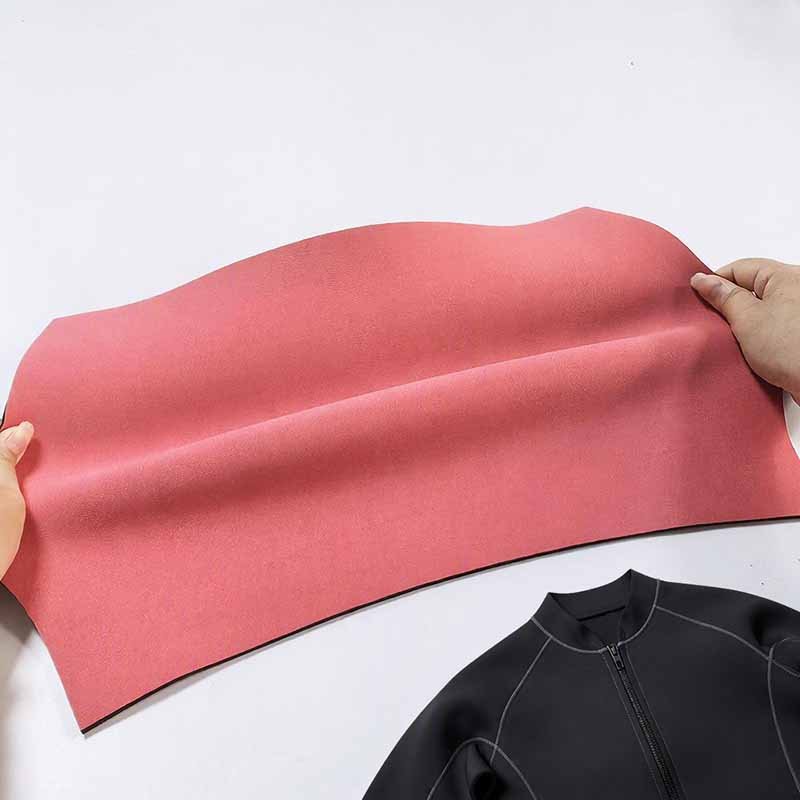
Neoprene performance depends on thickness, foam density, stretch, surface fabric, lamination, stitching, edge treatment, openings, and hardware. The material can provide cushioning, flexibility, thermal resistance, and water resistance, but the finished accessory must be evaluated as a complete construction. Buyers should not assume that every product using neoprene is waterproof, highly insulating, or equally durable.
Water Resistance
Neoprene foam can resist water penetration, but a sewn product contains needle holes, seams, openings, bindings, and frequently zippers. Water may pass through these areas even when the main panels resist absorption.
Brands should distinguish between water-resistant material, a splash-resistant finished product, and a fully waterproof construction. These descriptions represent different performance levels and should not be used interchangeably.
A standard sewn laptop sleeve, bottle holder, or pouch should not be described as completely waterproof unless the seams, openings, closures, and testing support that claim. Water resistance can be improved through seam sealing, bonding, covered openings, water-resistant zippers, or alternative assembly methods, but every change affects cost and production complexity.
The same caution applies to insulation. Neoprene can slow heat transfer, but actual performance depends on thickness, product coverage, closure design, outside temperature, exposure time, and the starting temperature of the object inside. Exact temperature-retention claims require a defined test method.
Accurate marketing language protects both the brand and the end customer. A clear description such as “cushioned, flexible, and splash-resistant” can be more trustworthy than an unsupported promise of complete waterproof protection.
Surface Fabric
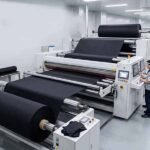
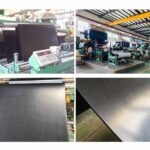
Most consumer neoprene accessories use foam laminated with a woven or knitted surface fabric. This external layer affects printing, abrasion resistance, stretch, texture, hand feel, color appearance, and product positioning.
Polyester-faced materials are commonly selected for sublimation because they can support detailed full-color graphics. Nylon-faced materials may create a smoother hand feel and different stretch or abrasion characteristics. Other laminated fabrics may be used when a project requires a particular texture, strength, appearance, or contact experience.
Surface choice also affects how a product ages. A textured fabric may hide small marks, while a smooth surface can show scratches or dirt more easily. A soft surface may be ideal for a product that touches the body, but it may not be the best choice for an equipment cover exposed to repeated friction.
Lamination quality should be inspected carefully. Weak bonding between the foam and surface fabric may create bubbles, wrinkles, or delamination. Material should be reviewed after printing, cutting, sewing, compression, and packing because some defects only become visible after processing.
Color consistency also requires attention. Fabric texture, dye lots, printing methods, and lighting conditions can influence the visible result. Long-term programs should retain approved material specifications and physical color references to improve consistency between repeat orders.
Density, Stretch, and Odor
Foam density changes how a product feels and performs. Softer foam can be more flexible and comfortable but may provide less shape and cushioning. Denser foam may feel more protective and substantial, although it can increase weight and sewing resistance.
Stretch direction is particularly important in fitted products. Depending on the foam and laminated fabric, neoprene may stretch differently horizontally and vertically. Pattern orientation should therefore be controlled during cutting, especially for gloves, supports, bottle sleeves, fitted covers, and pet accessories.
Compression recovery should also be evaluated. Products packed tightly for international shipping may develop temporary creases. Suitable foam quality, ventilation, packing pressure, and folding methods help the product return to its intended shape after unpacking.
Odor is a practical concern in neoprene development. New products may carry a smell from the foam, lamination adhesive, printing process, storage, or sealed packaging. Material selection, airing time, factory ventilation, storage conditions, and polybag timing can influence the customer’s first impression.
Buyers with strict odor requirements should discuss them before sampling and evaluate the finished product after it has remained sealed for a realistic period. A material swatch left in open air may smell different from a completed product packed in a closed bag.
| Material Factor | Main Influence | Practical Buyer Check |
|---|---|---|
| Thickness | Cushioning, insulation, packing volume | Measure actual thickness |
| Density | Structure, compression, hand feel | Review recovery after pressing |
| Stretch | Fit and movement | Test horizontal and vertical stretch |
| Surface Fabric | Printing, abrasion, touch | Review texture and print clarity |
| Lamination | Long-term material stability | Check peeling, bubbles, and wrinkles |
| Odor | Customer opening experience | Inspect after sealed storage |
Construction Quality
Construction frequently has a greater influence on durability than simply selecting thicker material. Stitch type, seam allowance, binding, reinforcement, zipper installation, handle anchoring, and panel alignment determine how well the finished accessory performs over time.
Load-bearing products require particular attention. A tote handle should not depend on a small section of foam to carry weight. Webbing, internal backing, larger attachment areas, box stitching, and bar tacks may be required to distribute force.
Pet harnesses should direct pulling force through structural webbing and reinforced hardware. Neoprene may provide padding and comfort, but it should not be the only material resisting repeated load.
For fitted sleeves, thick seams can reduce internal space and create pressure points. Zippers should be positioned so that their teeth and sliders do not contact the protected item. Binding should remain smooth around corners, curves, and changes in material thickness.
Printed artwork may also need to align across several panels. When a pattern crosses a seam, cutting accuracy, print registration, and seam allowance become part of the visual quality standard.
Inspection should include stitch consistency, skipped stitches, loose threads, seam security, binding width, zipper operation, finished dimensions, panel alignment, logo position, surface cleanliness, reinforcement, and packaging deformation.
How Do Brands Choose a Neoprene Manufacturer?
Brands should evaluate a neoprene manufacturer through its material knowledge, pattern making, sample control, printing, sewing, quality inspection, packaging, communication, and export experience. A reliable manufacturer should identify design risks, document approvals, and explain trade-offs instead of simply accepting every request. MOQ, sample timing, production timing, quality standards, and sample-to-bulk consistency should be confirmed before the purchase order is placed.
OEM and ODM Capability
OEM production is appropriate when the buyer already has a tech pack, confirmed dimensions, material specifications, artwork, packaging requirements, and an approved design. The manufacturer’s responsibility is to reproduce the product accurately, manage materials and components, maintain quality, and deliver consistent bulk production.
ODM support is more useful when the buyer begins with a concept, reference photo, rough sketch, physical sample, intended market, target cost, or general product idea. The manufacturer may then help refine dimensions, select neoprene thickness, recommend surface fabrics, adjust structures, identify reinforcement needs, and choose suitable branding methods.
A capable manufacturer should explain whether the design is practical, where seams should be placed, which details may create excessive cost, and whether a proposed material is suitable for stable bulk production. It should also be willing to challenge assumptions that may weaken the final product.
A buyer may request 5 mm neoprene for a small detailed pouch because thicker material appears more premium. An experienced development team may recommend 3 mm material because it can create cleaner seams, lower bulk, and a more controlled finished shape.
Szoneier is positioned as a factory-based custom bags and soft-goods OEM/ODM manufacturer with more than 18 years of manufacturing experience. Its capabilities cover product development, pattern making, material sourcing, sample production, sewing, inspection, packaging, and global delivery for neoprene products and related sewn soft goods.
Sampling Process
A sample should confirm far more than visual appearance. It should verify the neoprene type, thickness, density, dimensions, structure, artwork, logo position, accessories, stitching, fit, hand feel, packaging, and bulk-production feasibility.
A practical development process begins with a complete project review. The buyer provides product references, intended use, target dimensions, artwork, estimated quantity, packaging requirements, destination market, and any applicable testing or labeling expectations.
The manufacturer then confirms the material direction and develops the pattern. After the prototype is cut, printed, and sewn, it should be checked internally before shipment. Measurements, seam quality, accessory operation, print position, and appearance should be reviewed against the project specification.
Written revision records are essential. Comments such as “make the sleeve slightly larger” or “move the logo higher” can be interpreted differently by different people. Exact modifications should be recorded in millimeters, marked photographs, component codes, Pantone references, or revised drawings.
Once the sample is approved, the final specification should be frozen before bulk materials are cut. For complex programs, a pre-production sample using actual bulk materials and accessories can reduce the risk of differences between the development prototype and the mass-produced product.
Quality Control
Bulk quality should be compared with both the approved sample and a written specification. “Same as sample” is useful, but measurable standards create clearer inspection decisions.
Incoming material checks may cover thickness, color, surface fabric, stretch, lamination, odor, and visible defects. Zippers, webbing, buckles, labels, rubber patches, and other accessories should also be checked before assembly.
In-line inspection helps identify problems while they can still be corrected. Typical checks include panel dimensions, print position, stitch quality, reinforcement, binding width, zipper installation, component matching, and artwork alignment.
Final inspection should review finished dimensions, overall appearance, product function, cleanliness, logo position, packaging, quantity, and carton information. Fit-sensitive products may also need to be checked with the actual bottle, laptop, device, body form, pet mannequin, or equipment they are intended to fit.
Buyers should distinguish critical defects from minor appearance variations. An incorrect product size, broken zipper, failed load-bearing seam, missing component, or wrong logo is more serious than a small removable thread end. Clear defect classifications help both sides make consistent quality decisions.
MOQ and Delivery
MOQ depends on material availability, custom colors, printing setup, component minimums, custom labels, packaging, size ranges, product complexity, and the number of SKUs included in the order.
Selected simple projects using available neoprene, standard colors, mature structures, and straightforward branding may begin at moderate quantities. More specialized products normally require larger volumes when they involve multiple sizes, full-surface printing, custom hardware, special surface fabrics, complex patterns, or product-specific production setup.
Lead time also varies by product. A basic printed can cooler can usually be developed more quickly than a fitted sports glove, pet life jacket, structured lunch bag, or multi-compartment protective case. Sampling may require one to two weeks for many standard projects, while complex structures, custom materials, and several revision rounds take longer.
Bulk production normally requires several additional weeks depending on quantity, material preparation, printing, sewing complexity, packaging, inspection, and factory workload. Buyers should be cautious when a supplier promises a highly attractive delivery date before reviewing the final specification.
A useful request for quotation should include the product reference, finished dimensions, intended use, preferred thickness, artwork files, color requirements, quantity by SKU, size breakdown, packaging details, destination country, target delivery date, testing requirements, and preferred shipping method.
Packaging and logistics should be confirmed during quotation. Polybags, belly bands, hangtags, retail boxes, barcodes, FNSKU labels, assortment packing, carton marks, split shipments, air freight, sea freight, DDP delivery, and Amazon FBA preparation can all influence cost and schedule.
Which Neoprene Accessory Should Your Brand Develop First?
The right first product is not always the most unusual one. It is the accessory that gives the brand a clear commercial benefit without creating unnecessary development risk. A beverage company may begin with a 3 mm sublimated can cooler, while a technology brand may gain more value from a fitted laptop sleeve. A pet brand may use neoprene as padding within a structured harness system, and a lifestyle brand may launch a lunch bag with matching bottle sleeves.
A strong first product should solve a recognizable problem, provide enough visible branding space, match the intended sales channel, and remain practical to manufacture at the expected quantity. Buyers should also consider whether the design can expand into additional colors, sizes, and related products after the first order is validated.
| Decision Factor | Question to Ask |
|---|---|
| User Need | What practical problem does the accessory solve? |
| Brand Visibility | Where and how often will the branding be seen? |
| Performance | Is cushioning, insulation, stretch, or comfort required? |
| Commercial Fit | Does it suit retail, DTC, promotional, sports, pet, or travel channels? |
| Manufacturing Risk | How complex are the fit, printing, stitching, and components? |
| Collection Potential | Can the design expand into related SKUs? |
A successful project begins with accurate information. Buyers should provide reference images, a tech pack or dimensions, target quantity, preferred material thickness, artwork, packaging direction, destination country, and required delivery window. A complete brief allows the manufacturer to review feasibility, recommend suitable materials and branding methods, identify production risks, and prepare a more accurate quotation.
Szoneier supports global brands, retailers, importers, promotional companies, e-commerce businesses, and other B2B buyers with custom neoprene product development. Its manufacturing service covers requirement review, material sourcing, pattern development, sampling, sample revision, bulk production, quality inspection, packaging, and international delivery.
To begin a custom project, send your product idea, reference sample, dimensions, artwork, estimated quantity, target market, packaging requirements, and delivery destination. The project team can review the structure, recommend an appropriate neoprene thickness and branding process, identify areas that may require revision, and prepare a practical sampling and quotation plan.