Small accessories are easy to lose, easy to scratch, and surprisingly easy to damage during transport. A charging cable tossed into a backpack gets tangled. Sunglasses rub against keys. Earbuds disappear into the bottom of a tote bag. Cosmetic tools pick up dust and moisture. This is exactly why neoprene pouches have become so common across electronics, beauty, sports, travel, and lifestyle products.
What makes neoprene different is that it is not just a soft fabric and not just a rubber material. It sits in the middle. It cushions, stretches slightly, resists light moisture, and feels comfortable in hand. That combination gives product developers more freedom. A pouch can be simple and affordable, or it can be upgraded with printing, lining, webbing, zipper colors, wrist straps, and premium branding details.
The most common neoprene pouches used for accessories are zipper neoprene pouches, drawstring neoprene pouches, sleeve neoprene pouches, and wristlet neoprene pouches. Each style serves a different purpose. Some are made for protection, some for portability, some for retail presentation, and some for promotional use. The right choice depends on the size of the accessory, how often it is used, how much protection it needs, and how the brand wants the product to feel in the customer’s hand.
For companies planning custom neoprene products, pouch design is not a small packaging decision. It can directly affect product value, daily convenience, and even how professional the final collection looks on the shelf. Once you look closely at how different neoprene pouches are built, the differences become much more interesting than they first appear.
What Are Neoprene Pouches?

Neoprene pouches are protective storage pouches made from neoprene foam laminated with fabric, usually polyester or nylon. This laminated structure combines the elasticity of rubber with the strength of textile, creating a material that is flexible, slightly cushioned, and resistant to everyday moisture. Because of these properties, neoprene pouches are widely used to store and protect small accessories such as electronics, sunglasses, cosmetic items, cables, and travel tools.
Neoprene itself is a synthetic rubber originally developed for industrial and marine applications. It became widely recognized through products like wetsuits, sports braces, laptop sleeves, and beverage koozies. When used for pouches, neoprene provides a balance of protection and portability that traditional fabrics often cannot achieve.
For customers developing accessory products, neoprene pouches serve several practical functions:
- protecting accessories from scratches
- absorbing minor impacts during transport
- keeping small items organized
- reducing noise and friction inside bags
- improving product presentation in retail packaging
Because neoprene has a soft and slightly elastic structure, it adapts well to different shapes. This makes it suitable for accessories that may vary slightly in size or form.
Basic Structure of Neoprene Pouches
A neoprene pouch is not made from raw rubber alone. Most commercial neoprene used in pouch production is laminated with fabric layers. This laminated structure allows the material to be cut, stitched, printed, and shaped during manufacturing.
A simplified cross-section of neoprene material looks like this:
| Layer | Function |
|---|---|
| Outer fabric layer | Provides color, texture, and print surface |
| Neoprene foam core | Provides cushioning and flexibility |
| Inner fabric layer | Improves durability and protects foam |
This three-layer structure is what gives neoprene pouches their characteristic combination of softness and strength. The foam core absorbs light impacts, while the fabric layers protect the surface and allow detailed branding.
Depending on the product design, neoprene may be laminated with:
- polyester jersey fabric
- nylon fabric
- brushed fabric lining
- printed fabric surfaces
These surface fabrics allow companies to apply logos, patterns, or colors while maintaining the cushioning benefits of neoprene.
Why Neoprene Works Well for Accessory Pouches
Accessories are often small, fragile, and frequently moved between different environments. Items such as chargers, sunglasses, cosmetic tools, and portable electronics can easily scratch or collide with other objects in bags or luggage.
Neoprene pouches provide protection in several ways.
Cushioning effect
The foam structure inside neoprene absorbs small impacts. While it cannot replace hard protective cases for heavy equipment, it is very effective at preventing minor bumps and pressure damage.
Surface protection
The soft fabric exterior reduces friction between items, helping prevent scratches on surfaces like phone screens, glasses lenses, or polished metal accessories.
Light water resistance
Neoprene does not absorb water easily, which helps protect accessories from light moisture such as rain exposure or spills.
Flexible storage
Unlike rigid cases, neoprene pouches compress slightly. This allows them to fit more easily into backpacks, handbags, and travel luggage.
These characteristics make neoprene pouches a practical solution for everyday accessory storage.
Common Neoprene Thickness Used in Pouches
One of the most important material parameters in neoprene pouch manufacturing is thickness. Different thickness levels provide different levels of cushioning and flexibility.
The most common thickness options include 2mm, 3mm, and 5mm.
| Thickness | Weight | Protection | Typical Uses |
|---|---|---|---|
| 2mm neoprene | Lightweight | Light cushioning | cables, cosmetics |
| 3mm neoprene | Medium weight | Balanced protection | phones, sunglasses |
| 5mm neoprene | Heavier | Stronger cushioning | electronics, cameras |
In many accessory pouch projects, 3mm neoprene is considered the most versatile option. It provides sufficient protection for daily items while still remaining flexible and easy to sew.
Thinner neoprene (2mm) is often used when the pouch needs to remain lightweight and compact. Thicker neoprene (5mm) is more common in products where additional cushioning is required.
Selecting the correct thickness is important not only for product protection but also for manufacturing efficiency and shipping cost.
Accessories Commonly Stored in Neoprene Pouches
Because neoprene is flexible and protective, it can be used for a wide range of accessory categories.
The most common applications include:
| Accessory Category | Examples |
|---|---|
| Electronics | earbuds, cables, power banks |
| Optical accessories | sunglasses, reading glasses |
| Cosmetic tools | makeup brushes, compact mirrors |
| Travel items | adapters, portable chargers |
| Sports gear | mouthguards, small fitness tools |
Many companies also use neoprene pouches as protective packaging for their products. For example, electronics brands may include a neoprene pouch with a device to provide additional protection during storage or travel.
This approach increases product value while offering customers a reusable accessory.
Practical Benefits for Product Development
For companies developing accessory products, neoprene pouches offer several advantages compared with other materials.
| Factor | Neoprene Pouch | Fabric Pouch | Hard Case |
|---|---|---|---|
| Cushioning | Medium | Low | High |
| Flexibility | High | High | Low |
| Weight | Medium | Low | High |
| Custom printing | Excellent | Good | Limited |
| Manufacturing cost | Moderate | Low | Higher |
This balance of properties explains why neoprene pouches are widely used in many product categories. They offer enough protection for everyday accessories while remaining lightweight, customizable, and comfortable to carry.
For brands launching new accessory lines, neoprene pouches are often a practical starting point because they combine functionality with strong branding opportunities.
When designed carefully—with the right thickness, closure system, and internal structure—a neoprene pouch can significantly improve both the usability and the perceived value of the accessory it protects.
Which Neoprene Pouches Are Popular?

The most popular neoprene pouches are zipper neoprene pouches, drawstring neoprene pouches, sleeve neoprene pouches, and wristlet neoprene pouches. These four styles cover most daily accessory needs because they balance convenience, protection, cost, and customization potential in different ways.
For customers planning production, popularity matters because proven pouch structures usually reduce sampling risk. If a shape is already widely accepted in the market, it is easier to judge cost, material use, packaging, and customer expectations.
Are Zipper Neoprene Pouches Common?
Yes, zipper neoprene pouches are the most widely used option in many accessory categories.
They are popular because the zipper gives a full closure, which helps prevent small items from falling out. This makes them especially useful for accessories that are easy to lose, such as cables, earbuds, keys, cosmetic items, memory cards, charging adapters, and small tools.
The appeal of zipper pouches is simple:
- they are easy to open and close
- they feel secure in transit
- they are suitable for many item sizes
- they look more finished in retail packaging
- they support many branding methods
In product development, zipper neoprene pouches also offer more room for design upgrades:
- contrast zipper colors
- branded zipper pullers
- inner mesh pockets
- printed lining
- hanging loops
- front pockets or label patches
That is why they are often chosen for both value-level and premium programs.
A practical comparison of zipper neoprene pouch uses looks like this:
| Product Use | Why Zipper Style Fits |
|---|---|
| Cable pouch | Keeps cords contained |
| Cosmetic pouch | Prevents small items from slipping out |
| Tech accessory pouch | Adds secure storage for small gadgets |
| Travel organizer | Safer during packing and movement |
| Promotional pouch | Easy to print and widely accepted |
From a factory point of view, zipper pouches are also easier to standardize. This helps control sampling time, bulk consistency, and MOQ planning. For many customers, they are the safest starting point for a custom neoprene pouch project.
Do Brands Use Drawstring Neoprene Pouches?
Yes, but they are chosen for different reasons than zipper pouches.
Drawstring neoprene pouches are usually more casual, quicker to access, and sometimes lower in hardware complexity. They work well when the stored item needs light protection and frequent removal rather than tightly sealed storage.
They are commonly used for:
- sunglasses
- small sports accessories
- giveaway products
- travel gadgets
- simple beauty tools
One reason brands choose this style is cost control. A drawstring pouch usually avoids the zipper, which can reduce hardware cost and simplify assembly. It also creates a softer, less structured product feel.
That said, drawstring neoprene pouches are not always cheaper in every case. If the pouch uses special cord locks, custom cords, reinforced eyelets, or complex printing alignment, costs can rise again. So the real cost depends on the design details.
Their main advantages are:
- quick opening and closing
- lightweight construction
- softer product look
- fewer rigid components
- suitable for simple accessory kits
Their limitations are also worth knowing:
- less secure than zipper closure
- opening may stay slightly exposed
- not ideal for very small loose items
- can feel less premium if details are weak
This means drawstring neoprene pouches are best when the product goal is convenience, simplicity, and flexible packaging rather than maximum containment.
Are Sleeve Neoprene Pouches Practical?
Yes, sleeve neoprene pouches are very practical when the accessory has a flat or defined shape.
A sleeve pouch is usually made without a full closure system. Instead, the item slides into the pouch and stays inside through friction, snug fit, flap design, or partial opening structure. This makes sleeve pouches especially suitable for accessories that do not require complicated storage.
Common uses include:
- mobile phones
- small tablets
- e-readers
- notebooks
- grooming tools
- compact electronics
The biggest advantage of sleeve pouches is simplicity. Fewer components often mean:
- cleaner silhouette
- lighter total weight
- easier daily use
- fewer hardware-related defects
- lower visual clutter
For brands, sleeve pouches can also look more refined. Without a visible zipper or cord, the pouch surface becomes more minimal and logo presentation becomes cleaner.
But sleeve design only works well when the sizing is right. If the fit is too loose, the accessory may slide out too easily. If the fit is too tight, the pouch becomes frustrating to use. That is why sleeve pouch sampling usually requires careful size testing based on the real product dimensions.
For flat accessories or premium minimalist programs, sleeve neoprene pouches are often one of the most elegant choices.
What Are Wristlet Neoprene Pouches?
Wristlet neoprene pouches are pouches with an added wrist strap, allowing the user to carry the pouch directly without placing it inside another bag.
This small addition changes the use scenario a lot. Once a pouch includes a wristlet, it becomes less like packaging and more like a carry item. That makes it especially useful for:
- phones and keys
- small makeup kits
- gym essentials
- mini travel items
- event accessories
- daily grab-and-go storage
Wristlet neoprene pouches are popular because they combine storage and mobility. Customers like them for short trips where carrying a full handbag or backpack feels unnecessary.
From a product strategy angle, this style can also raise perceived value more easily than a plain pouch. A wrist strap, matching hardware, and clean logo placement can make the product feel more like a lifestyle accessory.
Below is a quick comparison of the four main pouch styles:
| Pouch Type | Security | Convenience | Protection | Common Use |
|---|---|---|---|---|
| Zipper neoprene pouch | High | High | Medium to high | Tech, cosmetics, travel |
| Drawstring neoprene pouch | Medium | High | Medium | Sunglasses, giveaways, sports |
| Sleeve neoprene pouch | Medium | High | Medium to high | Phones, tablets, flat items |
| Wristlet neoprene pouch | High | Very high | Medium | Daily essentials, gym, mini kits |
For many custom projects, the wristlet version works particularly well when the customer wants the pouch to feel more retail-ready and more giftable.
How Are Neoprene Pouches Used?

Neoprene pouches are widely used because they solve a very simple problem: small accessories need protection and organization without adding unnecessary weight or bulk. Whether the accessory is electronic, cosmetic, or sports-related, a neoprene pouch creates a soft protective layer that helps prevent scratches, dust accumulation, and minor impact damage.
In everyday life, accessories move through many environments. They may sit inside backpacks, suitcases, car compartments, gym bags, or office drawers. Without protection, they are constantly rubbing against other objects. Neoprene pouches reduce this friction while keeping items grouped together.
Because neoprene is flexible and slightly stretchable, it adapts to different shapes more easily than rigid cases. This is why many companies use neoprene pouches not only as standalone products but also as protective packaging for electronics, sunglasses, cameras, cosmetics, and lifestyle accessories.
Do Neoprene Pouches Protect Electronics?
Yes. One of the most common uses of neoprene pouches is protecting small electronic accessories.
Electronic devices are sensitive to scratches, impact, and dust exposure. Items such as earbuds, portable chargers, wireless mice, cables, and small cameras are frequently carried in backpacks or handbags where they collide with keys, notebooks, and other objects.
Neoprene provides two forms of protection:
- cushioning against light impacts
- surface protection against scratches
Because neoprene foam contains microscopic closed cells, it compresses slightly when pressure is applied. This ability to compress and recover helps absorb minor shocks.
The level of protection depends heavily on neoprene thickness. Below is a simplified comparison for electronics accessories.
| Neoprene Thickness | Protection Level | Common Electronics Use |
|---|---|---|
| 2mm | Light cushioning | cables, earbuds, USB drives |
| 3mm | Balanced protection | mobile phones, power banks |
| 5mm | Higher cushioning | cameras, hard drives |
For electronics accessories, 3mm neoprene is widely used because it offers sufficient protection while maintaining flexibility and manageable weight.
Another factor is internal lining. Some neoprene pouches include soft brushed fabric or microfiber lining inside the pouch. This helps prevent surface scratches on delicate electronics such as phone screens or lenses.
When developing neoprene pouches for electronics, manufacturers usually consider several additional design factors:
- zipper durability
- interior pocket options
- reinforced stitching at stress points
- anti-slip inner surfaces
These design details ensure the pouch continues performing well even with repeated daily use.
Are Neoprene Pouches Used for Travel?
Yes. Travel is another major use case for neoprene pouches.
When people travel, they often carry multiple small items that can easily become disorganized. Charging cables, adapters, earbuds, cosmetics, toiletries, and travel documents are frequently placed together inside luggage or backpacks.
Neoprene pouches help separate these items while providing a layer of protection.
Travelers prefer neoprene pouches for several reasons:
- they are lightweight
- they can compress inside luggage
- they protect accessories from scratches
- they dry quickly if exposed to moisture
Compared with rigid organizers, neoprene pouches are easier to pack because they adjust their shape according to available space.
Many travel accessory brands also use neoprene pouches to create modular storage systems. Instead of one large organizer, users carry several smaller pouches for different categories of items.
Example travel pouch setup:
| Pouch Type | Contents |
|---|---|
| Tech pouch | chargers, cables, adapters |
| Cosmetic pouch | makeup, brushes, skincare |
| Gadget pouch | earbuds, portable batteries |
| Personal pouch | keys, wallet, small documents |
This modular approach allows travelers to locate items quickly without unpacking their entire bag.
Neoprene works especially well for travel because it combines flexibility with moderate protection. A rigid case might protect items better in extreme conditions, but it also consumes more luggage space. Neoprene strikes a practical balance between protection and portability.
What Accessories Fit in Neoprene Pouches?
One of the reasons neoprene pouches are so widely used is their versatility. A single pouch design can accommodate many different accessories depending on its size and shape.
Some of the most common items stored in neoprene pouches include:
Technology accessories
- phone chargers
- earbuds
- USB drives
- portable hard drives
- power banks
Optical accessories
- sunglasses
- reading glasses
- camera lenses
Cosmetic accessories
- makeup brushes
- lipsticks
- compact mirrors
- skincare travel bottles
Sports accessories
- mouthguards
- grip trainers
- fitness bands
Daily essentials
- keys
- coins
- small wallets
- portable tools
The flexibility of neoprene allows these items to fit securely even when their shapes vary slightly.
Below is a simplified overview of pouch sizes and typical accessory categories.
| Pouch Size | Approximate Dimensions | Common Use |
|---|---|---|
| Small | 10–15 cm | earbuds, keys, cosmetics |
| Medium | 15–20 cm | phones, sunglasses |
| Large | 20–30 cm | tablets, electronics kits |
Because neoprene stretches slightly, the pouch can accommodate items that are slightly larger than its flat dimensions suggest.
For brands designing accessory pouches, selecting the right size category helps ensure that the pouch remains functional rather than becoming oversized or difficult to carry.
Which Neoprene Pouches Can Be Customized?

One of the biggest advantages of neoprene as a manufacturing material is how easily it can be customized. The material can be cut, sewn, printed, laminated, embossed, perforated, and combined with different hardware components. This flexibility makes neoprene pouches popular for private label and OEM projects.
Customization is important because many companies use neoprene pouches not only as protective accessories but also as branding tools. A well-designed pouch can carry logos, patterns, colors, and product identity elements that strengthen brand recognition.
Manufacturers usually offer several levels of customization depending on the project requirements.
What Sizes Do Neoprene Pouches Come In?
Neoprene pouches can be produced in almost any size, but certain size ranges are more practical for manufacturing efficiency and shipping optimization.
Most pouch sizes fall into three main categories:
| Size Category | Typical Width | Typical Height | Usage |
|---|---|---|---|
| Small pouch | 10–15 cm | 8–12 cm | cables, earbuds |
| Medium pouch | 15–20 cm | 12–15 cm | phones, cosmetics |
| Large pouch | 20–30 cm | 15–22 cm | tablets, electronics |
Selecting the correct pouch size helps avoid wasted material and improves production consistency.
Manufacturers also consider neoprene sheet layout efficiency when determining pouch sizes. Efficient cutting patterns reduce material waste and keep product cost stable.
For custom projects, factories usually create prototypes first to confirm that the pouch dimensions work well with the intended accessories.
How Are Logos Added to Neoprene Pouches?
Brand identity is often a major reason companies choose neoprene pouches for accessories.
Neoprene surfaces can support several printing and branding techniques:
| Logo Method | Appearance | Best For |
|---|---|---|
| Screen printing | Solid color logos | simple branding |
| Sublimation printing | full-color graphics | lifestyle patterns |
| Embossing | raised texture | premium products |
| Heat transfer | detailed graphics | small logos |
Among these options, sublimation printing is particularly popular for neoprene because it allows full-surface designs with bright colors and detailed patterns.
This technique is widely used for:
- promotional pouches
- sports accessories
- branded merchandise
- retail accessory collections
Logo placement is usually positioned on one or both sides of the pouch depending on the design.
Another customization option involves zipper accessories, such as custom zipper pullers or colored zipper tape. These small details often enhance the overall visual quality of the product.
Do Neoprene Pouches Have Compartments?
Yes, some neoprene pouches include internal or external compartments to improve organization.
While simple pouches contain only a single storage space, more advanced designs may incorporate additional features:
- inner mesh pockets
- elastic holders for cables
- divider panels
- external zipper pockets
These features are especially useful for technology accessories or travel organizers.
Example compartment structure:
| Compartment Type | Function |
|---|---|
| Main compartment | stores larger items |
| Mesh pocket | holds small accessories |
| Elastic strap | secures cables |
| Front pocket | quick-access storage |
However, adding compartments also increases manufacturing complexity and cost. For many projects, the decision depends on whether the pouch will function as simple storage or as a full accessory organizer.
Manufacturers often help customers balance functionality with production efficiency when designing multi-compartment neoprene pouches.
How Do You Choose Neoprene Pouches?
Choosing the right neoprene pouch is not simply a matter of picking a shape that looks appealing. In real product development, several practical factors determine whether a pouch will perform well for its intended accessories. These factors include neoprene thickness, closure structure, pouch size, production quality, and long-term durability.
For companies developing accessory products, the pouch must meet several expectations at the same time:
- protect the accessory inside
- remain convenient for daily use
- match the visual identity of the brand
- maintain stable quality during bulk production
Because neoprene pouches can be customized in many ways, making the right early decisions helps reduce sampling cycles and avoid unexpected cost increases later.
Below are three important considerations that most companies evaluate when selecting neoprene pouches.
Which Thickness Works for Neoprene Pouches?
One of the first decisions when developing a neoprene pouch is selecting the correct material thickness. Neoprene sheets are available in different thickness levels, and each thickness provides a different balance between flexibility and protection.
The most common neoprene thickness options used for accessory pouches include 2mm, 3mm, and 5mm.
| Neoprene Thickness | Weight | Protection Level | Typical Applications |
|---|---|---|---|
| 2mm | Lightweight | Light protection | cables, cosmetics |
| 3mm | Moderate | Medium protection | phones, sunglasses |
| 5mm | Heavier | Higher protection | electronics, travel gear |
For many accessory pouches, 3mm neoprene offers the most balanced solution. It provides enough cushioning to protect items while remaining flexible and comfortable for daily use.
Thinner neoprene materials such as 2mm are often selected when weight and compact size are priorities. These thinner pouches are common in promotional accessories and small travel kits.
Thicker neoprene such as 5mm offers stronger cushioning but increases both material cost and shipping volume. For products such as camera accessories or electronics organizers, this added protection can be valuable.
When manufacturers assist customers with material selection, they often evaluate the accessory’s size, weight, and fragility before recommending a thickness level.
What Closures Work for Neoprene Pouches?
The closure system plays an important role in both convenience and security. Different closure types change how easily accessories can be accessed and how securely they are stored during transport.
Several closure systems are commonly used in neoprene pouch design.
| Closure Type | Security | Convenience | Common Use |
|---|---|---|---|
| Zipper | High | High | electronics, cosmetics |
| Drawstring | Medium | High | sunglasses, accessories |
| Sleeve opening | Medium | Very high | phones, tablets |
| Hook & loop | Medium | Medium | sports accessories |
Zipper closures are widely used because they provide strong containment. Small accessories such as earbuds or cables remain secure even when the pouch is placed inside larger bags.
Drawstring closures provide quicker access. These pouches work well when items are frequently removed and replaced.
Sleeve openings offer minimal structure but maximum convenience. The accessory slides into the pouch and stays inside through friction or flap design.
Each closure type changes the way customers interact with the pouch. For instance, a zipper pouch may feel more secure during travel, while a sleeve pouch may feel more elegant for technology accessories.
In custom projects, brands often choose the closure that best matches the lifestyle scenario of the product.
How Are Neoprene Pouches Manufactured?
Although neoprene pouches appear simple, the manufacturing process involves several specialized steps to ensure the pouch maintains shape, durability, and consistent appearance.
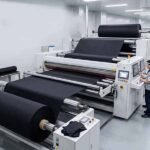
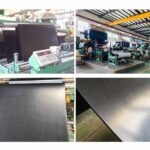
The process usually begins with neoprene sheet production, where neoprene foam is laminated with fabric layers. These laminated sheets are then prepared for cutting.
A simplified manufacturing process looks like this:
| Production Step | Description |
|---|---|
| Material lamination | neoprene foam bonded with fabric |
| Pattern cutting | pouch shapes cut from neoprene sheets |
| Printing | logos or patterns applied to fabric surface |
| Sewing | panels stitched together |
| Zipper installation | hardware added |
| Quality inspection | stitching and shape checked |
| Packing | finished pouches prepared for shipment |
Several quality factors are closely monitored during production:
- stitching strength
- edge finishing
- zipper alignment
- lamination stability
- color consistency
Experienced factories pay particular attention to lamination quality, because poor lamination can cause the outer fabric layer to separate from the neoprene foam over time.
Another important factor is edge construction. Clean edge binding or properly turned seams help prevent curling and improve the visual appearance of the pouch.
Because neoprene sheets are flexible, manufacturing precision is important to maintain consistent pouch dimensions during large production runs.
Final Thoughts: Why Neoprene Pouches Remain Popular for Accessories
Neoprene pouches have become a reliable solution for storing and protecting accessories across many industries. Their ability to combine cushioning, flexibility, and lightweight portability makes them suitable for electronics, cosmetics, sports equipment, travel accessories, and everyday essentials.
Compared with rigid protective cases, neoprene pouches offer a more comfortable and versatile storage solution. They adapt to different item shapes, reduce surface scratches, and maintain a compact profile that fits easily inside bags or luggage.
Another reason neoprene pouches remain popular is their customization potential. The material supports a wide range of branding techniques, allowing companies to produce pouches that reflect their product identity while still providing practical protection.
When designed correctly, neoprene pouches can serve multiple purposes at once:
- protective storage
- travel organization
- promotional merchandise
- retail accessory product
For companies developing accessory products, selecting the right pouch structure and material thickness can significantly improve usability and product appeal.
Start Your Custom Neoprene Pouch Project with Oneier
Oneier is a Chinese manufacturer with more than 18 years of experience in neoprene material development and product manufacturing. The company specializes in producing neoprene products for international brands, retailers, and e-commerce businesses.
With in-house expertise in neoprene material processing, Oneier supports a wide range of customized neoprene products including:
- neoprene pouches
- neoprene bags
- neoprene koozies
- sports protection gear
- medical support products
- wetsuits and water sports equipment
Because the company works directly with neoprene materials, customers benefit from better control over product quality, material thickness, and customization options.
Typical project capabilities include:
| Service | Details |
|---|---|
| Custom logo options | printing, embossing, heat transfer |
| Minimum order quantity | flexible for small and medium brands |
| Sample development | fast prototype support |
| Production lead time | short manufacturing cycle |
| Quality control | strict inspection during production |
For companies planning to launch accessory products, a custom neoprene pouch can be a practical addition that improves both protection and brand visibility.
If you are exploring new accessory packaging or developing a private label product line, the Oneier team can help evaluate materials, pouch structures, and production options.
Feel free to contact Oneier to discuss your project and request a quotation for customized neoprene pouches designed specifically for your accessories.