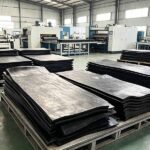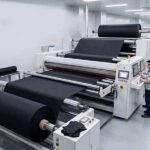
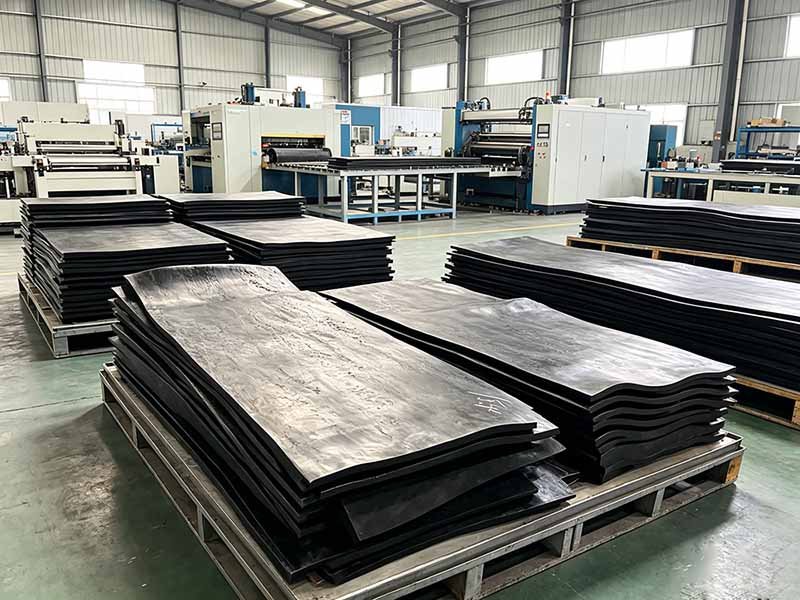
A custom neoprene product often looks simple in a drawing. It may be a bottle sleeve, laptop case, lunch bag, protective cover, can cooler, support brace, or fitted pouch. Yet once development begins, dozens of decisions start affecting one another. A small change in foam firmness can alter the fit. A different laminated textile may affect stretch, print color, seam stability, and hand feel. Even the approved thickness can create unexpected dimensional changes when binding, zippers, reinforcement layers, and seam allowances are added.
Factory-based neoprene manufacturers are generally better for custom projects because they directly manage the production stages that determine the final result. These stages include material confirmation, pattern development, sampling, cutting, printing, sewing, inspection, packaging, and production scheduling. Direct control shortens communication chains, exposes technical risks earlier, and makes it easier to reproduce an approved sample consistently during bulk production.
The real advantage is not simply a lower factory price. It is the ability to connect technical decisions with production reality. Imagine approving a fitted 3 mm laptop sleeve, then receiving a bulk order that feels loose because the production material is softer than the sample. The supplier may insist that both materials are “3 mm neoprene,” yet the product no longer performs as intended. That kind of costly surprise explains why the structure behind the supplier matters as much as the quotation itself.
What Is a Factory-Based Neoprene Manufacturer?
A factory-based neoprene manufacturer directly controls or formally manages the critical steps that convert neoprene sheets, artwork, measurements, and product requirements into finished goods. These steps commonly include material approval, pattern making, sampling, cutting, printing, sewing, binding, inspection, packing, and scheduling. The defining factor is operational control and accountability, rather than ownership of every upstream chemical process.
Factory Control
The term “factory-based” should refer to an actual manufacturing system, not merely a company name, business license, showroom, or website claim. A reliable finished-product manufacturer should be able to explain how approved material moves through cutting, decoration, sewing, assembly, quality control, packing, and shipment preparation. The project team should also understand how decisions made during sampling will be transferred into bulk-production instructions.
Most factories that produce neoprene sleeves, bags, holders, supports, covers, and accessories do not manufacture chloroprene polymer from raw chemicals. They normally purchase foam sheets or laminated neoprene from specialized material producers. This is standard industry practice. What matters to a buyer is whether the finished-product factory can define the material specification, inspect incoming sheets, develop accurate patterns, control assembly, and remain responsible for the completed product.
Consider a zippered laptop sleeve made from 3 mm laminated neoprene. Its internal fit is affected by foam firmness, surface-fabric stretch, seam allowance, zipper tape width, binding thickness, and the amount of compression created during sewing. A supplier that simply forwards instructions to an unidentified workshop may not recognize these interactions until the sample is delayed or the bulk order is already underway.
A factory-based team can involve pattern makers, sample technicians, material buyers, production coordinators, sewing supervisors, inspectors, and packaging personnel in the same project. This shorter feedback loop helps technical questions reach the people who can test and resolve them.
| Evaluation Area | Factory-Based Manufacturer | Trading-Only Supplier |
|---|---|---|
| Material confirmation | Checks material against project requirements and approved references | Usually depends on information supplied by another factory |
| Pattern development | Coordinates directly with pattern and sampling teams | Transfers drawings and comments through an additional layer |
| Sample revisions | Updates patterns, artwork, and construction records internally | Depends on an external workshop accepting and interpreting changes |
| Production visibility | Can follow cutting, printing, sewing, inspection, and packing | Receives second-hand production updates |
| Corrective action | Can stop, isolate, or adjust production directly | Must negotiate with the actual producer |
| Accountability | One manufacturing system manages the complete project | Responsibility may be divided among multiple businesses |
Trader Differences
Trading companies can still provide value in the right sourcing situation. A buyer purchasing many unrelated products may prefer one coordinator who can consolidate orders from several factories. Traders can also help when small specialist workshops have limited export experience or when the buyer needs products sourced across different manufacturing regions.
The risk appears when indirect sourcing is presented as direct manufacturing control. Custom neoprene projects contain details that are easily weakened or distorted when messages pass through several people. A request for “3 mm black neoprene” does not define whether 3 mm refers to the foam core or finished laminated material. It also says nothing about density, firmness, stretch, surface textile, odor, color tolerance, compression recovery, or suitability for printing.
Construction instructions can be equally unclear. “Place the logo in the center” does not define artwork dimensions, distance from the seam, orientation after assembly, or acceptable position variation. “Make the product waterproof” does not explain whether the intended use involves light splashes, rainfall, temporary contact with water, or full immersion.
A sewn neoprene bag with a standard zipper and exposed seams cannot automatically be described as waterproof simply because the base sheet resists water. When the manufacturer communicates directly with the buyer, these limitations can be discussed before the quotation, sample, and product claims are finalized.
Factory-based cooperation does not remove every manufacturing risk, but it reduces the number of communication transfers between the person defining the requirement and the team executing it. This becomes increasingly important when the project has custom dimensions, multiple colors, complex printing, retailer packaging, performance claims, or repeat-order expectations.
Controlled Processes
A capable manufacturer should control the production stages that create the finished product, even when certain specialist services are handled by approved partners. A printing supplier may complete sublimation, a packaging company may produce retail boxes, and an accessory supplier may manufacture custom zipper pullers. Outsourcing these specialist processes is not necessarily a weakness.
The important distinction is whether the main manufacturer remains responsible for specifications, sample approval, incoming inspection, production coordination, corrective action, and final quality. In a controlled manufacturing system, external partners work according to the project’s approved standards rather than making independent decisions about materials, colors, or construction.
For a typical custom neoprene project, the managed workflow should include:
- Reviewing the intended application and product dimensions.
- Defining neoprene thickness, firmness, surface fabric, and stretch.
- Creating or correcting the production pattern.
- Producing and evaluating the first sample.
- Approving printing, labels, accessories, and packaging.
- Inspecting incoming neoprene and other components.
- Controlling bulk cutting and panel identification.
- Monitoring sewing, binding, gluing, and reinforcement.
- Conducting in-process and final inspections.
- Verifying SKU quantities, packing, labels, and cartons.
This control becomes especially valuable when one order contains several sizes or color combinations. Each variation creates additional opportunities for mixing panels, using the wrong artwork, attaching an incorrect label, or packing products into the wrong carton. One project-management system should control these details from purchase order to shipment.
Factory Evidence
Factory capability should be verified with relevant evidence instead of accepted from promotional slogans. A website may describe a company as a direct manufacturer, yet the real production may occur elsewhere. Serious buyers can reduce uncertainty through a live video review, on-site factory visit, third-party audit, sample-room review, or project-specific inspection records.
During a live video factory review, ask the supplier to show the sample room, material storage, cutting equipment, sewing area, binding and bartacking machines, semi-finished products, inspection tables, packing area, and finished products similar to the requested design. The presenter should be able to measure a sheet, explain a seam, open a comparable product, or demonstrate the equipment relevant to the project.
A prerecorded marketing video is less useful because it may be old, edited, or unrelated to the supplier’s current operations. A live walkthrough connected to the actual project gives the buyer stronger evidence of material knowledge, sample-development capability, production organization, and quality-control experience.
For larger orders, buyers may request additional evidence such as material approval records, pre-production meeting notes, inspection photographs, first-article measurements, production schedules, final inspection reports, packing records, and third-party pre-shipment inspection.
A factory does not need to own every specialist machine to be credible. It does need to demonstrate which stages are completed internally, which are handled by controlled partners, how standards are transferred, and who remains accountable when something goes wrong.
How Do Factories Control Neoprene Materials?
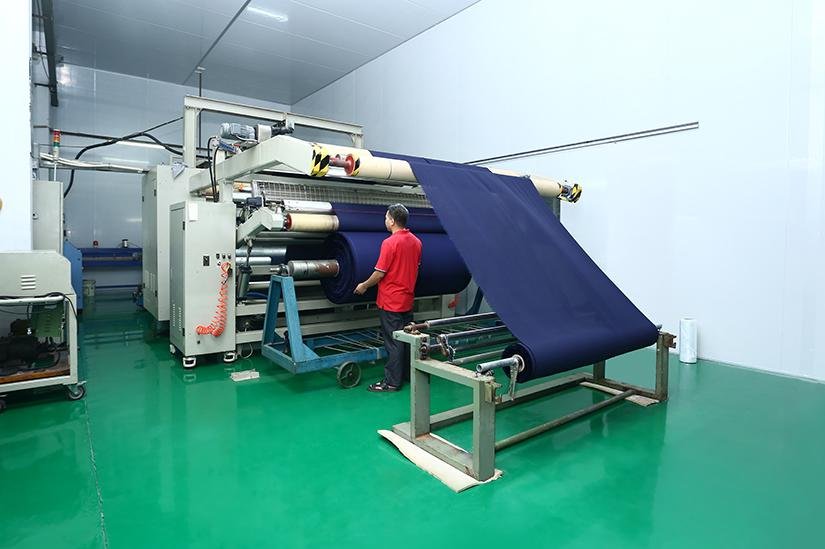
Factories control neoprene materials by defining more than a thickness number. A usable specification should cover foam type, finished thickness, firmness, stretch direction, surface fabric, color, lamination, odor, printing compatibility, recovery, and intended performance. Bulk sheets should then be compared with the approved material before cutting begins, because two materials labeled “3 mm neoprene” may behave differently.
Thickness Selection
Common thicknesses used in sewn neoprene products include approximately 2 mm, 3 mm, 4 mm, and 5 mm. The correct choice depends on the balance between flexibility, cushioning, insulation, structure, seam thickness, shipping volume, and cost. A thicker sheet is not automatically a better material.
A 2 mm laminated neoprene normally creates a lighter and more flexible product. It may suit promotional can coolers, simple bottle covers, lightweight wraps, and products that need to fold flat. Because the material occupies less space around edges and seams, it is also easier to use in compact constructions.
A 3 mm material is widely chosen for sleeves, pouches, lunch products, bottle holders, and general protective accessories. It often provides a practical balance of flexibility and structure, but the result still depends on foam firmness. A relatively firm 3 mm sheet can feel more supportive than a soft 4 mm sheet.
Materials around 4 mm or 5 mm can offer greater cushioning and body, but they create thicker seam intersections and reduce usable internal space. They may also require wider binding, stronger machines, different seam allowances, and larger packaging. A pattern developed for 2 mm material cannot always be reused with 5 mm material without adjustment.
The buyer should confirm how thickness is measured. Some quotations describe only the foam core, while others refer to the completed laminated sheet. Fabric and adhesive layers can slightly increase the total measurement.
| Nominal Thickness | Typical Characteristics | Common Applications | Main Development Risk |
|---|---|---|---|
| 2 mm | Light, flexible, and easy to fold | Can coolers, soft covers, promotional holders | May provide limited cushioning or structure |
| 3 mm | Balanced flexibility, body, and insulation | Bottle holders, sleeves, pouches, lunch products | Fit may change when foam firmness varies |
| 4 mm | Greater cushioning and a more structured feel | Protective sleeves and structured covers | Thicker seams reduce internal dimensions |
| 5 mm | Higher padding and insulation potential | Specialty cases and protective products | Added weight, cost, bulk, and sewing difficulty |
Thickness should therefore be approved together with physical feel, stretch, and application testing. A measured number alone cannot tell a buyer how the finished product will fit, bend, recover, or hold its shape.
Surface Fabrics
The laminated surface fabric is what customers usually see and touch, and it can significantly change product performance. Polyester jersey is commonly used because it can provide stable color, good print compatibility, and a relatively smooth surface. Nylon fabrics, elastic textiles, brushed surfaces, and textured laminates can create different levels of stretch, abrasion resistance, softness, and visual value.
The chosen surface textile should match the decoration method. Sublimation printing normally requires a compatible polyester surface. Screen printing works best when the texture supports clean ink transfer. Fine patterns and small text generally reproduce more clearly on smooth fabrics than on coarse or open surfaces.
Stretch must also be considered. A graphic that looks correct on a flat sheet may distort when the finished product is pulled around a bottle, support joint, or closely fitted device. Highly elastic surface fabrics can improve fit, but they may also move during cutting and sewing.
Color approval requires physical judgment. A Pantone reference is helpful, but a textile does not look identical to coated paper. Fabric texture, gloss, weave, foam color, dye lot, and lighting can all influence the visible result. For important brand colors, buyers should approve an actual fabric swatch or sample rather than relying only on photographs displayed on different screens.
The surface fabric must also suit the expected use. A product repeatedly placed inside a backpack may need better abrasion resistance than a promotional item used occasionally. A support product worn against the body may require a different hand feel from a laptop sleeve or beverage holder.
Lamination Quality
Most neoprene soft goods use foam laminated with fabric on one or both sides. The lamination method and adhesive quality directly influence appearance, flexibility, sewing stability, and long-term durability. A material can look acceptable while lying flat yet begin separating after repeated folding or stretching.
Incoming-material inspection should look for bubbles, wrinkles, stains, fabric skew, uneven adhesive coverage, lifting edges, inconsistent stretch, obvious thickness variation, and abnormal odor. The factory should also compare separate rolls or batches, because a project using panels from visibly different material lots can produce inconsistent finished products.
Areas that will bend repeatedly deserve special attention. Bottle openings, sleeve edges, curved seams, handles, closures, and folding lines can place continued stress on the laminated structure. A simple flexing check can expose early separation that may not be visible on an unused sheet.
Lamination influences sewing behavior as well. A soft foam with a stable outer fabric may stretch unevenly as it passes through the machine. Weakly bonded fabric may lift around needle holes or bound edges. An overly stiff laminate may create bulky corners or uncomfortable seams.
When the project requires a new material combination, the factory should test it through cutting, printing, sewing, bending, and actual use before approving bulk production. This is particularly important for full-surface printing, fitted products, thick structures, or goods exposed to heat and moisture.
Performance Claims
Material properties should not be confused with finished-product performance. Neoprene can offer useful cushioning, insulation, flexibility, compression, and water resistance, but the completed product depends on its seams, openings, zippers, binding, shape, thickness, accessories, and construction method.
A zippered neoprene sleeve may resist light splashes while still allowing water to enter through the zipper or stitching holes. A lunch bag may slow temperature change without providing the same performance as a rigid cooler with thick insulation and sealed construction. A laptop cover may reduce scratches and minor impacts without protecting a device from a severe drop.
The same caution applies to medical or sports products. A neoprene support may provide compression and warmth, but claims involving treatment, injury prevention, or medical performance may require specific testing and regulatory review. The word “neoprene” alone does not justify a clinical statement.
Buyers should define the exact use condition before selecting material. Questions should include whether the product will be stretched continuously, exposed to sweat, used outdoors, folded during transport, washed, placed near food, or subjected to abrasion.
When a measurable marketing claim is required, the finished product should be evaluated under a suitable test method. Claims such as “fully waterproof,” “keeps drinks cold for 12 hours,” or “protects against drops” require evidence that reflects the complete product rather than a general material description.
How Does In-House Sampling Reduce Risk?
In-house or factory-managed sampling reduces risk by testing material, dimensions, fit, structure, branding, workmanship, packaging, and cost before bulk production. It transforms a visual idea into a measurable manufacturing reference. The process is most reliable when every revision is documented and the final sample is supported by approved specifications, artwork, material records, tolerances, and inspection requirements.
Sample Inputs
Sampling becomes faster and more accurate when the factory receives enough information to understand both the product and its intended use. A reference photograph can communicate style, but it rarely reveals internal dimensions, foam firmness, closure construction, load requirements, packaging, or acceptable tolerances.
A useful project package should include the product type, intended application, approximate dimensions, and any object the finished product must fit. For a bottle holder, laptop sleeve, tool cover, support brace, or protective pouch, the dimensions of the inserted item can be more important than the external size.
Buyers should also provide preferred neoprene thickness, surface-fabric direction, colors, logo artwork, printing expectations, zippers, webbing, handles, labels, hardware, and individual packing. Estimated order quantity and the number of colors or SKUs can affect material availability, printing setup, packing complexity, and quotation accuracy.
The destination country and intended sales channel should be disclosed when they influence labeling, packaging, testing, or shipment preparation. Products developed for retail stores, online fulfillment, promotional distribution, or industrial use may need different packaging and quality checks.
Incomplete information does not always prevent a sample from being made, but it forces the factory to make assumptions. These assumptions should be listed clearly in the quotation or sample confirmation. Hidden assumptions often become unexpected price changes or disputes after the first prototype is completed.
Revision Records
The first sample is a working prototype rather than the final production standard. It may reveal that a fitted opening is too narrow, the selected foam is too soft, a zipper restricts access, the handle distorts the body, or the logo sits too close to a seam.
Effective feedback should describe measurable changes. Instructions such as “make it slightly larger” or “improve the shape” can be interpreted differently by the buyer, sales team, pattern maker, and sample technician. Clear revisions might specify that the opening should increase by 5 mm, the logo should move 10 mm upward, or the handle attachment should be reinforced with bartacks.
Marked photographs are useful when a buyer needs to identify a visual problem, while updated drawings or measurement tables are better for dimensional corrections. Each version should have a clear reference number or date so that old artwork, patterns, or packaging instructions are not accidentally reused.
Revision control becomes especially important when several changes happen at once. A new fabric may affect printing. A thicker foam may require a larger pattern. A longer zipper may change the top-panel shape. Treating these changes separately without checking their combined effect can produce another incorrect sample.
A factory-managed process allows pattern makers, sourcing personnel, printers, technicians, and inspectors to work from one approved revision list. This does not eliminate human error, but it creates a traceable standard that can be checked before bulk production begins.
| Sampling Stage | Main Purpose | Practical Output |
|---|---|---|
| Feasibility review | Identify construction, material, cost, and manufacturing risks | Initial assessment with written assumptions |
| First sample | Test the overall fit, appearance, and function | Physical prototype for buyer evaluation |
| Revision | Correct dimensions, material, structure, branding, or packaging | Updated pattern, artwork, and revision record |
| Final approval | Confirm the design before production | Approved sample and signed specifications |
| Pre-production check | Confirm that bulk materials and methods match approval | Manufacturing standard for cutting, sewing, QC, and packing |
Sample Approval
The physical sample is an important approval tool, but it should not be the only reference used during production. Samples may become compressed, stretched, damaged, misplaced, or interpreted differently by separate operators. Written and visual documentation makes the approved result easier to reproduce.
The final approval package should identify finished dimensions, realistic tolerances, material thickness, surface fabric, color reference, pattern version, logo size, logo position, decoration method, seam structure, binding, reinforcement, accessories, packaging, and critical inspection points.
Dimensional tolerance should reflect the type of product. A fitted device sleeve or bottle cover may require tighter control in several critical areas, while a larger flexible tote or cover may allow slightly greater variation. Expecting zero variation from a soft, stretchable, sewn material is not realistic.
The approval should distinguish functional requirements from cosmetic preferences. A small variation in an internal seam may have little effect, while an opening that prevents the intended item from fitting is a serious defect. Similarly, a minor color variation may be acceptable on a promotional product but unacceptable for a coordinated retail collection.
Buyers should evaluate how the product behaves rather than only how it looks on a table. Insert the intended item, test the zipper, pull the handles, bend the edges, stretch fitted sections, check recovery, compare logo placement, and review the packaging.
Approval comments should be documented in photographs or a signed sample record. A simple message stating that the sample is “good” creates uncertainty about which details were actually reviewed and accepted.
Bulk Handover
The transition from sample development to mass production is one of the most important points in a custom project. Sample technicians may produce a good prototype through careful handwork, but bulk operators need instructions that can be repeated efficiently across hundreds or thousands of units.
A proper handover should bring together the approved sample, current pattern, material swatches, printing artwork, accessory details, critical measurements, sewing sequence, reinforcement points, known development risks, inspection requirements, and packing instructions.
The production team should review any issue discovered during sampling. If the top opening stretched during assembly, operators need to know how it was stabilized. If the logo originally sat too close to the side seam, the corrected position should be marked in the production artwork. If the approved fit depended on a particular foam firmness, incoming bulk material must be checked for the same behavior.
A pre-production sample made from actual bulk material may be appropriate when the development sample used temporary colors, substitute accessories, digital logo proofs, or hand-cut components. It provides one final opportunity to confirm that production materials and methods still create the approved result.
Repeat orders also depend on this documentation. Several months later, material lots, operators, and production schedules may have changed. A controlled specification package allows the factory to reproduce the product without relying on memory or restarting development.
Why Is Bulk Production More Consistent?
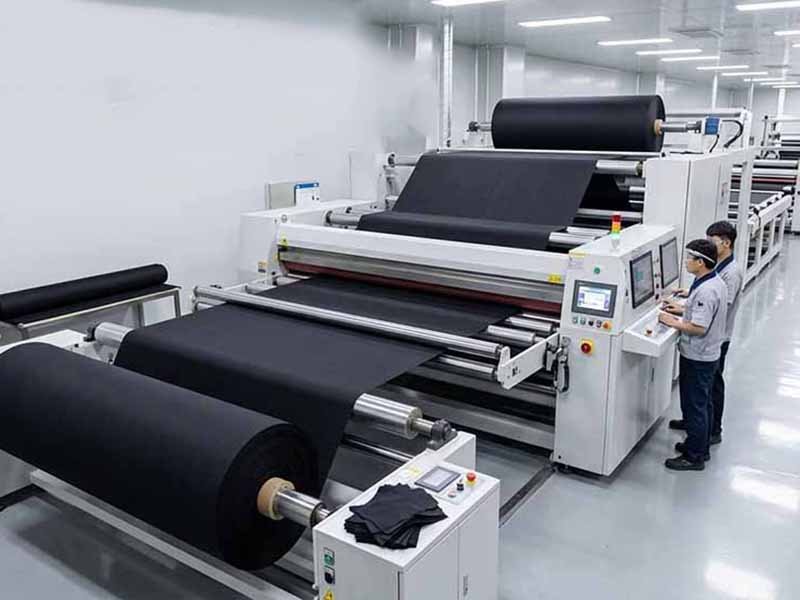
Bulk production becomes more consistent when approved materials, patterns, artwork, sewing methods, inspection points, and packing instructions remain controlled throughout manufacturing. Consistency cannot be created through final inspection alone. It depends on preventing variation at the material, cutting, printing, sewing, assembly, and packing stages, then correcting problems before they spread across the entire order.
Cutting Accuracy
Neoprene is flexible, compressible, and sometimes highly elastic. It can move while stacked, stretch when pulled, and recover after pressure is removed. These characteristics make cutting control more important than it appears from the outside.
Before bulk cutting, the factory should verify the current pattern version, material thickness, stretch direction, panel orientation, print direction, seam allowance, binding allowance, and identification method for colors and sizes. Mirrored panels should be checked carefully to avoid producing two left sides or reversing artwork.
Cutting too many layers at once may improve speed but can increase movement and dimensional variation, particularly with softer foam. The suitable stack height depends on material firmness, panel size, cutting method, blade condition, and the level of accuracy required.
Fit-sensitive products benefit from first-panel or first-stack measurement before the complete material lot is cut. A 3 mm difference may have little impact on a large flexible cover but may noticeably affect a close-fitting electronic-device sleeve.
Printed products require additional planning. Logo and graphic positions must account for seam allowances, curves, binding, folding, and stretch after assembly. Artwork that appears centered on a flat panel may shift visually once the product is sewn into a three-dimensional shape.
Material lots should also be identified during cutting. When several colors, thicknesses, or sizes are produced at the same time, clear bundle labels and physical separation reduce the risk of mixing components.
Sewing Standards
Neoprene sewing requires controlled handling because operators can unintentionally stretch the material while guiding it through the machine. Uneven feeding may create ripples, twisted openings, mismatched edges, or products that appear different despite being cut from the same pattern.
The production standard should define seam allowance, stitch type, stitch length, thread tension, edge finishing, binding width, reinforcement points, zipper alignment, and acceptable appearance. Operators should have access to an approved construction sample rather than relying only on photographs.
Reinforcement should be based on the product’s load and use. A lightweight promotional can cooler may only need basic seam security. A lunch tote carrying bottles and food may require stronger handle attachment through bartacking, box stitching, or reinforcement layers.
Adding more stitches everywhere is not always beneficial. Excessive needle penetration can weaken narrow edges, create stiffness, or leave visible holes. Heavy reinforcement patches may distort a soft product. Experienced manufacturers concentrate reinforcement where force enters the construction, such as handle ends, webbing attachments, zipper stops, and loaded corners.
Binding around curved edges requires particular attention. The binding must be flexible enough to follow the curve without wrinkling, yet stable enough to cover the raw edge consistently. Uneven tension can cause one side of the product to curl.
Sewing inspections should take place during production so that operators can correct technique before the same defect appears across an entire batch.
Inspection Stages
Quality control should be placed at the stages where problems can still be corrected economically. Discovering an incorrect logo color after 5,000 units have been sewn and packed is far more expensive than checking the first printed panels.
Incoming inspection should compare neoprene thickness, surface fabric, color, stretch, lamination, and general appearance with the approved reference. Zippers, webbing, labels, packaging, and other accessories should also be checked before they enter production.
First-article checks should confirm panel size, logo position, sewing method, finished dimensions, and function. In-line inspectors can then identify uneven seams, distorted shapes, weak attachments, skipped stitches, binding problems, or mixed components while production is still active.
Final inspection should be based on the actual product rather than a generic checklist. A bottle holder may require fit testing. A laptop sleeve may require internal-dimension checks and zipper operation. A lunch bag may require handle-load evaluation, internal cleanliness, and packaging verification.
Many international buyers use AQL-based random inspections. Critical defects may be set at zero acceptance, while major and minor defects may use agreed levels such as AQL 2.5 and 4.0. These figures are common references, not universal requirements. Inspection levels should reflect product risk, order size, customer standards, and the consequences of failure.
| Inspection Point | Common Risk | Practical Control |
|---|---|---|
| Incoming material | Wrong thickness, fabric, color, stretch, odor, or lamination | Compare bulk sheets with approved material references |
| First cutting | Incorrect dimensions, pattern version, or orientation | Measure first panels before completing the cutting lot |
| Logo process | Color shift, weak adhesion, or incorrect placement | Approve first pieces and check regularly during production |
| Sewing | Distorted shape, uneven seams, weak attachments, or skipped stitches | Conduct in-line inspection and correct operator technique |
| Final product | Incorrect size, fit, function, appearance, or cleanliness | Inspect against product-specific requirements |
| Packing | Mixed SKUs, incorrect labels, wrong quantities, or carton marks | Verify before sealing cartons and releasing shipment |
Schedule Control
Lead-time reliability depends on milestone control rather than a single promise such as “production takes 25 days.” A realistic schedule should separate material procurement, artwork approval, pre-production confirmation, printing, cutting, sewing, inspection, packing, and shipment preparation.
The longest component lead time may not involve sewing. Custom-dyed fabric, printed laminates, branded zipper pullers, molded accessories, retail boxes, or special labels can take longer to prepare than the main product body. Buyers should ask which component sits on the critical path.
Multi-SKU orders create additional scheduling work. Ten colors require more than multiplying a single-color schedule by quantity. Each variation may involve different material lots, artwork files, cutting identification, production separation, labels, packing instructions, and carton marks.
The buyer’s approval schedule also affects delivery. Delayed artwork, sample comments, packaging confirmation, or testing decisions can shift material purchasing and line allocation. A responsible manufacturer should identify approval deadlines and explain which dates may change if information arrives late.
Production progress should be reported through meaningful milestones rather than vague percentages. Updates such as “bulk material approved,” “printing completed,” “first sewing batch inspected,” and “packing started” give the buyer a clearer understanding of the project than a general statement that production is 70 percent complete.
A factory with controlled production resources and long-term partner facilities can allocate different product categories or repeat orders more flexibly, but capacity expansion should not weaken material standards, sample references, inspection criteria, or project accountability.
How Do You Choose the Right Neoprene Factory?
Choose a neoprene factory by evaluating technical understanding, material control, sample development, production visibility, quality systems, communication, and delivery experience. Product photos and low quotations are not enough. The right manufacturer should ask detailed questions, identify possible risks, provide verifiable production evidence, and explain how the approved sample will be reproduced during bulk manufacturing.
Technical Questions
A capable factory should be comfortable answering detailed questions before asking the buyer to confirm an order. The responses should show an understanding of how material, pattern, printing, sewing, packaging, and actual use interact.
Ask whether the quoted thickness refers to the foam core or completed laminated material. Confirm the proposed surface fabric, stretch direction, firmness, and suitability for the selected logo method. If the product must fit a device, bottle, package, or body area, ask how the factory will calculate the finished internal dimensions.
The manufacturer should also explain how the logo may behave when the product stretches or curves. A large print placed across a fitted panel may distort during use, while a heat-transfer graphic near a heavily flexed seam may begin lifting. Moving the logo or changing the decoration method may provide a more durable result.
Construction questions should cover seam style, binding, reinforcement, zipper type, handle attachment, and realistic tolerances. Performance questions should distinguish between material characteristics and finished-product claims.
Strong manufacturers sometimes challenge the buyer’s first idea. A recommendation to change foam firmness, adjust a curve, increase a zipper opening, move the logo, or reinforce a handle may prevent defects. The value lies in a clear technical explanation and a practical alternative.
Buyers should be cautious when a supplier provides a final quotation without clarifying dimensions, material, surface fabric, artwork, accessories, packaging, quantity, use conditions, or testing requirements. A fast price may be built on assumptions that appear later as extra charges.
Sample Evaluation
The sample should be evaluated as both a product and a manufacturing reference. Visual appearance matters, but fitted, protective, load-bearing, or performance-sensitive products require practical testing.
Measure the overall product and the dimensions that affect use. Insert the intended bottle, device, tool, package, or accessory. Check whether the fit remains comfortable after repeated insertion and removal. Open and close zippers, pull handles and loops, stretch fitted sections, and bend bound edges.
Printed areas should be checked for color, size, position, adhesion, and distortion. The logo should be reviewed when the product is filled or stretched, not only when it lies flat. Packaging should also be evaluated for product protection, barcode position, labeling, presentation, and fulfillment requirements.
Odor should be assessed responsibly. Some newly produced foam, adhesive, printing, and packaging materials may have a noticeable smell immediately after unpacking. The buyer can compare the odor after a reasonable ventilation period and discuss any market-specific requirements before approval.
Feedback should use measurements and observable results. “The product feels too loose around the device” is more useful when accompanied by a photograph and a requested reduction in internal width. “The material is too soft and the bag collapses when empty” gives the factory a clearer direction than saying that the quality feels wrong.
For significant programs, a pre-production sample made from actual bulk materials can confirm that the final fabric, foam, accessories, logo process, and packing method still match the approved development sample.
Supplier Verification
The level of verification should reflect project size, technical risk, retail requirements, and the cost of failure. A simple promotional order may only require a live factory video and approved sample. A large retail or multi-SKU program may justify an on-site audit, third-party inspection, or formal pre-shipment review.
Useful verification methods include live factory walkthroughs, production-area photographs, similar-product samples, current inspection records, material approvals, pre-production meeting notes, in-line inspection reports, packing records, and shipment documents.
Communication quality should be treated as part of manufacturing capability. A factory can own suitable equipment yet still create risk if revisions are not recorded, artwork versions are mixed, responsibilities are unclear, or production updates are inconsistent.
Ask who will manage the project after payment. Complex orders often require coordination among the project manager, sample technician, material purchaser, printing supplier, production planner, sewing supervisor, QC personnel, packing team, and logistics coordinator.
The buyer should also confirm how external processes are managed. A factory may use approved partners for sublimation, molded accessories, retail boxes, or special testing. The important question is whether the main manufacturer defines the standard, checks the outsourced work, and remains responsible for the completed product.
A video audit should be project-specific where possible. Ask to see materials, machinery, and products relevant to the requested construction instead of accepting a general tour containing unrelated items.
Project Fit
A factory-based manufacturer is especially valuable when the project has technical or commercial complexity. This includes fitted shapes, custom dimensions, layered materials, branded graphics, zippers, handles, multiple sizes, several colors, retailer packaging, performance requirements, compliance documentation, or repeat-production plans.
A trading company may still be appropriate when a buyer wants to consolidate many unrelated products from different industries. A material converter may be better when the requirement is only laminated neoprene sheets rather than finished sewn products.
Relevant product experience matters more than factory size alone. A large wetsuit factory is not automatically the best choice for a compact cosmetic pouch, just as a simple promotional workshop may not be suitable for a fitted protective case with tight dimensional requirements.
Before requesting a final quotation, buyers should provide:
- Product type and intended application.
- Drawings, reference images, or a physical sample.
- External and critical internal dimensions.
- Dimensions of any object the product must fit.
- Neoprene thickness and preferred surface fabric.
- Colors and logo artwork.
- Printing, patching, labeling, or embroidery requirements.
- Zippers, handles, webbing, closures, and other accessories.
- Individual packaging and carton requirements.
- Quantity by size, color, and SKU.
- Destination country and delivery schedule.
- Testing, labeling, or retailer requirements.
A detailed request allows the manufacturer to identify material, pattern, printing, sewing, inspection, packing, and logistics requirements before preparing a quotation. The most reliable supplier is not necessarily the one with the lowest initial price. It is the one that makes technical assumptions visible, identifies risks early, and provides a realistic path from sample approval to repeatable bulk production.
Start Your Custom Neoprene Project
A successful custom neoprene project begins long before bulk sewing. It begins when the manufacturer understands the intended use, translates it into a practical material and construction specification, tests the idea through sampling, and creates controls that keep production aligned with the approved result.
Szoneier is a Shenzhen-based custom bags and soft goods OEM/ODM manufacturer with more than 18 years of experience in material sourcing, pattern development, sampling, sewing production, quality inspection, packaging, and global delivery. Its neoprene capabilities cover products such as can coolers, bottle holders, lunch bags, sleeves, soft cases, covers, pouches, and other customized sewn items.
Buyers can begin a project by sending a reference photo, sketch, tech pack, physical sample, target dimensions, preferred material, logo artwork, quantity, packaging requirements, destination country, and expected timeline. The project team can then review material suitability, product structure, sample requirements, manufacturing risks, estimated MOQ, packaging, inspection, and shipping options.
For a detailed quotation or sample-development review, contact Szoneier at info@szoneier.com or send your project details to Nancy through WhatsApp or phone at (+86) 13423847456.