
Finding a factory that can cut and sew neoprene is relatively easy. Finding a manufacturer that can identify the right material, develop an accurate sample, maintain consistent bulk production, document quality requirements, and deliver on schedule is much harder. The real challenge is not locating a supplier directory. It is separating manufacturers that can support a repeatable commercial program from companies that simply offer an attractive quotation and a few polished product photos.
A reliable neoprene products manufacturer should have relevant product experience, clear material knowledge, controlled sampling, documented quality inspections, realistic capacity planning, transparent communication, and verifiable production resources. Buyers should compare suppliers using the same specification, test the physical sample under actual use conditions, confirm sample-to-bulk controls, review compliance evidence, and audit the factory before committing to a large order.
One purchasing team learned this lesson after approving a low-cost laptop sleeve from a supplier whose first sample looked nearly perfect. The bulk order arrived with inconsistent internal dimensions, rough zipper edges, and noticeably softer foam. The problem was not a single defective worker or machine. The supplier had never locked the material specification, measurement tolerances, or pre-production sample. A reliable factory prevents that kind of failure before the first production panel is cut.
Which Neoprene Manufacturer Do You Need?
The right manufacturer depends on what you are buying, how much product development you need, and which performance risks matter most. First separate raw-neoprene suppliers from finished-product factories. Then confirm that the factory has experience with your product category, required construction, branding method, compliance needs, order size, and sales channel. A factory that suits simple promotional koozies may not suit fitted sports braces or technical wetsuits.
Material or Finished Products?
“Neoprene manufacturer” can describe several very different businesses. Some companies produce polychloroprene rubber compounds. Others manufacture closed-cell foam sheets, split sheets, or laminated neoprene fabric. A finished-product factory purchases or coordinates those materials and converts them into bags, sleeves, braces, bottle holders, wetsuits, cases, covers, protective equipment, and other sewn or bonded products.
This distinction matters because material knowledge alone does not guarantee finished-product capability. A sheet supplier may understand density, thickness, hardness, compression, and lamination but have no pattern-making, printing, binding, zipper-installation, bonding, or sewing team. In the opposite direction, a general sewing factory may make an attractive prototype without understanding whether the product requires SBR, SCR, CR, a particular surface textile, controlled stretch, or a different foam density.
Ask each candidate to identify the processes it performs directly, the processes completed by long-term partners, and the person responsible when a material or workmanship problem appears. For finished consumer products, the supplier should connect material selection, pattern development, cutting, printing, assembly, inspection, packaging, and international delivery through one managed production file rather than treating those steps as unrelated services.
| Supplier Type | Main Output | Best Used For | Main Limitation |
|---|---|---|---|
| Rubber compound producer | Raw polychloroprene compounds | Industrial material formulation and conversion | Usually does not manufacture finished sewn products |
| Foam sheet producer | Neoprene sheets, blocks, and rolls | Laminators, converters, and industrial buyers | Limited support for product development and assembly |
| Laminated fabric supplier | Foam bonded to nylon, polyester, Lycra, or other textiles | Finished-product factories purchasing prepared material | May not control pattern making, sewing, or packaging |
| Finished-product manufacturer | Bags, sleeves, braces, covers, koozies, wetsuits, and accessories | OEM, ODM, and private-label product programs | Capability may be limited to certain product structures |
| Trading or sourcing company | Materials and finished products sourced from several facilities | Buyers needing broad category sourcing | Production ownership and process control may be unclear |
Product Category Experience
Neoprene looks simple when viewed as a flat sheet, but manufacturing risk changes sharply from one product category to another. A bottle holder mainly depends on circumference, seam strength, logo placement, and edge finishing. A laptop sleeve requires controlled internal dimensions, zipper protection, corner shaping, lining decisions, and appropriate cushioning. A brace introduces fit, stretch direction, fastening performance, skin-contact comfort, and repeated opening cycles.
Wetsuits and fitted water-sport products are more demanding because body grading, panel geometry, movement, seam construction, water entry, and compression all affect performance. A manufacturer that has produced thousands of promotional sleeves may still lack the engineering knowledge needed for a shaped sports support or body-fitted product. Relevant experience must therefore be evaluated by structure and use, not by material name alone.
Ask for products with a similar thickness, seam type, closure, shape, printing method, and operating environment. Photographs are a starting point, but physical samples, live factory video, anonymized development records, inspection sheets, and a technical explanation of past problems provide stronger evidence. A capable team should be able to describe the likely failure points of your product before bulk production begins.
OEM, ODM, or Private Label?
OEM is appropriate when you already have a complete tech pack, confirmed measurements, construction drawings, artwork, packaging specifications, testing requirements, and an approved material standard. The manufacturer’s role is to reproduce the specification accurately and consistently. In this model, document control, material traceability, tolerance management, change approval, and sample-to-bulk consistency matter more than broad creative input.
ODM is more suitable when you have a product idea, competitor reference, sketch, intended user, target price, or sales-channel requirement but still need help with dimensions, thickness, structure, branding, packaging, and manufacturability. The factory should convert incomplete information into a sample-ready specification without making hidden decisions that later change function, cost, appearance, or lead time.
Private-label projects may begin with an existing factory design, but they should not be reduced to adding a logo. Material color, surface fabric, label type, zipper, packaging, barcode placement, carton configuration, target-market documentation, and product claims can still alter the project substantially. State the development model clearly before requesting quotations so the supplier understands whether it is pricing execution, product development, or both.
Market and Channel Fit
A product designed for an event giveaway is managed differently from one entering a national retail program. Promotional buyers may prioritize a fixed event date, visual impact, simplified packaging, and controlled cost. Retail brands may require color-management records, barcode placement, shelf-ready cartons, formal inspection documentation, and repeat-order planning. E-commerce sellers focus closely on dimensional weight, customer-review risks, labeling accuracy, shipping damage, and replenishment speed.
The destination market also changes the risk assessment. Products intended for extended skin contact, children, medical positioning, demanding outdoor use, or regulated claims need a more careful material and testing review than a simple drink sleeve. One generic test report may not cover every foam formulation, laminated textile, print, adhesive, accessory, color, or finished-product construction.
Ask how the factory would adapt the product for your channel. A practical response should mention packaging volume, odor control, labeling, carton strength, testing scope, repeat-order records, transport methods, and the likely user complaints the design should prevent. A vague answer based only on “high quality” generally indicates that the supplier has not yet understood the commercial environment surrounding the product.
What Makes a Neoprene Factory Reliable?
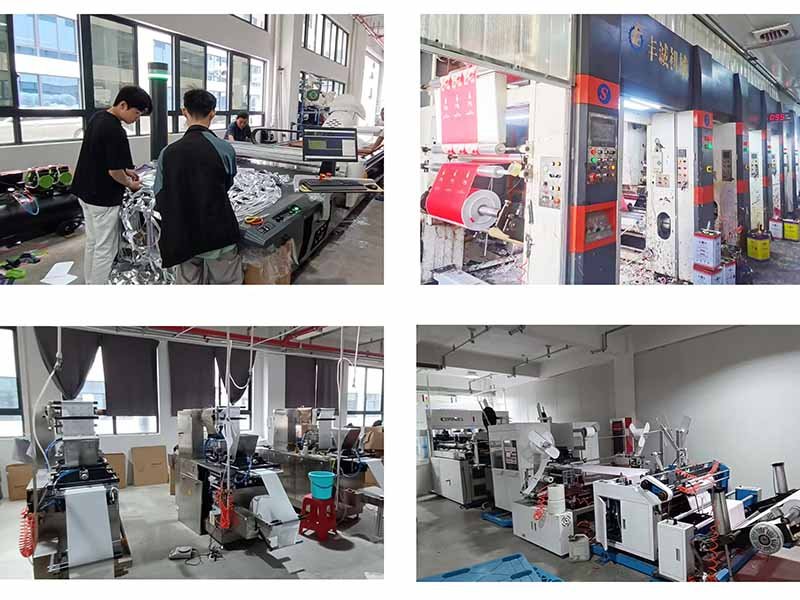
A reliable neoprene factory makes its capabilities verifiable. It can explain where materials come from, how samples are developed, which processes are controlled, how defects are prevented, and who manages delivery. Reliability is not proved by a polished website or the lowest quotation. It is shown through consistent documents, relevant samples, transparent factory access, realistic commitments, clear communication, and repeatable production controls.
Factory or Trading Company?
A trading company is not automatically a poor choice, and a factory is not automatically reliable. The practical question is how much control the supplier has over the decisions that affect your order. A well-managed sourcing company may coordinate specialized production partners effectively, while a poorly managed factory may outsource key processes without traceability, written standards, or a clear corrective-action system.
Map responsibility from the beginning. Identify who confirms the foam type, thickness, density, laminated textile, color, printing process, pattern, accessories, packaging, and testing scope. Ask who checks panels before assembly, who signs the pre-production sample, who conducts the final inspection, and who has authority to stop production if the approved standard is not being followed.
A factory-based supplier should be able to show its sample room, material storage, cutting process, printing or branding coordination, sewing or bonding operations, inspection area, packaging workflow, and current production conditions. During a live video review, ask the representative to move through these areas in real time and show material rolls, work-in-process pieces, measuring tools, inspection records, and approved reference samples.
The purpose is not to create an adversarial audit. It is to confirm that the people answering commercial questions are connected to the actual production work and that technical issues can move quickly from the buyer to the people responsible for solving them.
Relevant Manufacturing Experience
Years in business are useful, but the number alone can be misleading. A company may have operated for twenty years while only recently adding neoprene products. Another may have fewer years but employ an experienced sample team and focus heavily on one technical category. Experience should be reviewed in layers: company history, material experience, product-category experience, order-program experience, and export-market experience.
Ask how the supplier handled projects comparable to yours. A useful answer should describe the approximate product type, quantity, thickness, key development challenge, sample revisions, quality checkpoints, packaging, and delivery result. Confidential customer names are not essential. Process details, revision logic, inspection evidence, and an honest explanation of what went wrong during development are often more valuable than a wall of famous logos.
Szoneier’s documented system combines factory-based sampling, material coordination, sewing-production management, quality inspection, packaging, and export support. Its broader soft-goods experience includes neoprene bags, sleeves, bottle holders, lunch bags, covers, pet products, and related sewn items, supported by more than eighteen years of custom bag and soft-goods manufacturing experience.
The strongest evidence of experience is not an advertising claim. It is an approved sample, a controlled specification, a clear production file, and a team that can explain why changes were made between the initial prototype and the final production-ready version.
Verifiable Resources
A supplier should be able to verify the resources required for your order, but facility size alone does not determine suitability. A large plant may be inefficient for a specialized, revision-heavy development project. A smaller operation with strong pattern making, disciplined quality control, and stable material partners may be a better fit for an exacting product or a multi-SKU launch.
Verify sample-development resources first. Neoprene products often require several rounds of adjustment because foam thickness, compression, stretch, binding, and seam allowance affect finished dimensions differently from ordinary woven fabric. The team should know how to compensate for edge binding, zipper installation, closure tension, shaped panels, and the dimensions of the object or body area the product must fit.
Production resources may include splitting and lamination partners, die-cutting equipment, cutting tables, heat-transfer equipment, screen-printing coordination, flat-bed or cylinder-bed sewing machines, overlock equipment, binding machines, gluing areas, inspection stations, and packaging lines. Not every operation must be located in one building, but the management relationship and acceptance standard should be documented.
Confirm capacity against the actual order calendar. Ask what percentage of production is already booked, whether one team or several teams will produce the order, how workers are trained to the approved sample, and how the factory controls variation if parts of the project are distributed among controlled partner facilities.
Project Management
Reliable manufacturing depends on information control as much as machinery. Neoprene projects include many linked variables: foam composition, thickness, density, surface textile, stretch direction, color, printing, stitching, bonding, binding, closures, labels, packaging, testing, and delivery. A small misunderstanding in one field can affect every unit in a production run.
A written project file should be established before sampling. It should identify the product version, dimensions, materials, artwork, color references, quantity, packaging, destination, target schedule, and open decisions. Each prototype should have a version number and a written revision record. Comments such as “make the opening tighter” or “increase protection” should be translated into measurable instructions before the next sample is produced.
Fast communication is helpful, but accurate communication is more valuable. A supplier that responds immediately while hiding uncertainty creates more risk than one that checks with the sample, material, production, or quality team before answering. Look for teams that distinguish confirmed information from estimates and raise technical or scheduling concerns early.
For complex projects, an online meeting should include the relevant product developer, sample technician, quality representative, or production coordinator rather than relying only on a salesperson. This shortens the communication chain, reduces interpretation errors, and makes it easier to agree on practical decisions before production begins.
Which Capabilities Should You Verify?
Verify the capabilities that determine real product performance: foam composition, thickness, density, lamination, stretch, cutting, printing, sewing, bonding, finishing, and packaging. Do not accept a generic statement that a factory can make neoprene products. Ask the team to recommend and demonstrate a complete material-and-process combination for your product, target market, expected lifespan, quantity, performance requirements, and budget.
Neoprene Types
Commercial neoprene products may use CR, SBR, SCR blends, or other foam formulations, depending on the intended balance of performance and cost. These descriptions should not be treated as simple quality rankings. The appropriate material depends on resistance requirements, flexibility, stretch recovery, compression, odor expectations, environmental exposure, skin contact, durability, and the project’s target price.
CR-based material may be considered for applications that require stronger resistance to weathering, oil, heat, or repeated environmental exposure. SBR-based foam is widely used in cost-sensitive consumer products where advanced chemical resistance is not a central requirement. SCR blends are commonly positioned between those options. Actual performance still depends on formulation, cell structure, density, curing, surface fabric, lamination adhesive, and production consistency.
Ask the supplier to identify the proposed construction in writing. The single word “neoprene” is not a sufficient material specification. At minimum, the project file should state the agreed foam type or commercial grade, nominal thickness, surface textile, color, stretch orientation, lamination structure, and required testing. For products where feel and appearance influence purchasing decisions, request multiple swatches because equal nominal thickness does not guarantee equal softness, recovery, odor, structure, or tactile quality.
Thickness and Structure
For many sewn consumer products, common neoprene thicknesses range from approximately 2 mm to 5 mm. Thickness affects cushioning, insulation, flexibility, seam bulk, product shape, weight, carton volume, and cost. More thickness is not automatically better. A thick foam may provide stronger cushioning while also creating bulky corners, stiff openings, difficult zipper installation, and a product that feels heavier than the user expects.
The following ranges are useful starting points, but they are not universal specifications. Density, compression, surface fabric, geometry, binding, and intended use must be evaluated through physical sampling and functional testing before the final material is approved.
| Product Type | Common Starting Thickness | Main Design Priority | Typical Development Risk | Indicative Planning Range |
|---|---|---|---|---|
| Koozie or bottle holder | 2–3 mm | Grip, stretch, printing, seam comfort | Loose fit, distorted print, uneven seam | Simpler products usually require fewer sample stages |
| Neoprene lunch bag | 3–5 mm | Shape, insulation, handles, closure | Excessive bulk, weak handles, difficult cleaning | Sample often requires 7–12 days; bulk may require 30–45 days |
| Laptop or device sleeve | 3–5 mm | Fit, cushioning, zipper protection | Loose fit, excessive compression, zipper scratching | Sample often requires 7–12 days; bulk may require 25–40 days |
| Sports support | 2–5 mm | Support, flexibility, fastening, comfort | Slipping, poor sizing, weak fastening | Sample often requires 10–15 days; bulk may require 35–50 days |
| Wetsuit-related product | 2–5 mm | Fit, mobility, warmth, seam design | Size variation, water entry, seam leakage | Sample often requires 15–25 days; bulk may require 50–70 days |
These planning ranges vary with product complexity, material availability, revision speed, quantity, testing, packaging, and factory loading. The physical sample should decide the specification because a softer 4 mm foam may provide less perceived protection than a firmer 3 mm construction, while an unsuitable 5 mm material may make a small product unnecessarily bulky.
Processing Methods
The manufacturer should understand how every processing step changes the material. Splitting controls foam thickness. Lamination joins foam to nylon, polyester, Lycra, or another surface textile. Cutting determines dimensional consistency and edge quality. Printing introduces heat, pressure, ink, adhesive film, or transfer paper that may affect stretch, color, surface feel, and long-term adhesion.
Sewing compresses foam along the seam, and binding creates additional stiffness and thickness. Bonding and gluing require compatible adhesive, controlled application, adequate ventilation, and sufficient curing time. A capable factory should explain why a particular seam, binding, print, or bonding method is suitable for your product rather than presenting every available process as equally appropriate.
Full-surface sublimation can perform well on compatible light-colored polyester laminations, but it may not suit every surface textile or dark material. Screen printing may be economical for simpler graphics, yet flexibility and adhesion should be tested. Embroidery offers a premium tactile result, but dense stitching can create a rigid zone, reduce stretch, or distort soft foam.
Inspect needle holes, stitch balance, skipped stitches, seam compression, puckering, binding consistency, reinforcement points, glue marks, print placement, and edge shape during sample review. These details often determine whether a product looks professionally manufactured after weeks of normal use.
Branding and Packaging
Branding should be treated as part of product engineering rather than added after the construction has been approved. Screen printing, sublimation, heat transfer, embroidery, woven labels, rubber patches, silicone patches, embossed elements, and custom zipper pullers each create a different visual effect, cost structure, setup requirement, minimum quantity, and durability profile.
The logo should be positioned on an area that remains sufficiently stable during use. A wide print across a highly stretched section may crack, distort, or become difficult to place consistently. A thick rubber patch may appear premium but can pull on soft foam if it is oversized or attached with an unsuitable backing. Embroidery may be inappropriate where flexibility, skin contact, or compression is important.
Packaging also affects product condition and total cost. Compressing thick neoprene can reduce shipping volume, but long-term compression may temporarily change shape. Retail boxes enhance presentation while increasing dimensional weight and storage space. Polybags may require ventilation, warning labels, or specific dimensions depending on the destination market and intended customer.
Approve artwork dimensions, Pantone references, branding position, label construction, unit packaging, carton quantity, carton dimensions, carton markings, barcode files, and transport requirements before bulk production. Packaging should be quoted as a controlled specification rather than a vague option added shortly before shipment.
How Do You Verify Product Quality?
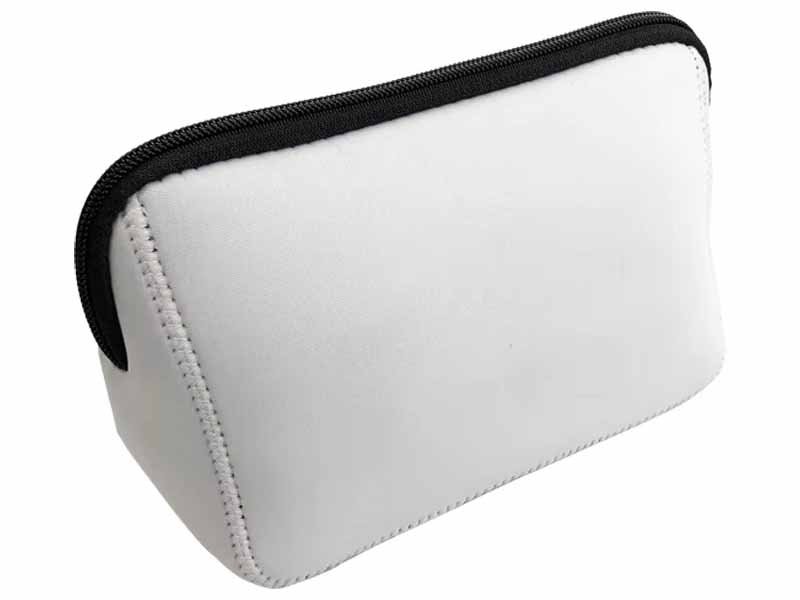
Verify quality by converting subjective expectations into measurable acceptance criteria before production. Approve a documented physical sample, lock the material and construction, inspect the order at several stages, and test the functions most likely to fail. The strongest quality system checks raw materials, cutting, printing, assembly, dimensions, appearance, packaging, and quantity rather than depending only on a final inspection after every unit has been completed.
Sampling Process
A serious sample process starts with information rather than sewing. The manufacturer should review the product image, tech pack, physical reference, intended use, target user, critical dimensions, proposed material, thickness, logo process, packaging, order quantity, destination market, testing needs, and target schedule before proposing a sample plan.
After materials are selected, the sample team develops the pattern and first prototype. The factory should inspect that prototype internally before presenting it to the buyer. Internal checking can identify incorrect dimensions, uneven binding, weak reinforcement, distorted artwork, difficult zipper movement, poor fit, excessive bulk, or construction details that will be difficult to reproduce consistently in mass production.
Photographs and videos are useful for early review, but they cannot fully communicate density, odor, softness, stretch, recovery, compression, fit, or seam comfort. A physical approval sample remains important when those characteristics influence performance or customer satisfaction.
Every revision should have a version number and written change list. Once approved, the factory should retain a sealed reference sample or controlled production standard. Complex orders benefit from a pre-production sample made with actual bulk materials so the buyer can confirm that material, color, construction, packaging, and workmanship match the final approval before the complete run starts.
Sample Approval
Approving appearance alone is insufficient. The sample must confirm whether the product performs correctly, whether the factory can reproduce it, and whether the agreed cost remains valid. The approval record should identify critical measurements, tolerances, thickness, foam construction, surface fabric, color reference, logo position, closure performance, seam type, binding, accessories, labels, and packaging.
Functional checks should copy real use. Place the intended laptop inside the sleeve and check insertion, removal, corner fit, and zipper protection. Fill a lunch bag with the expected load and evaluate handles, shape, closure, and internal cleaning. Stretch a brace on the target body area and test whether it slips. Open and close hook-and-loop fastening repeatedly. Place a bottle into the holder and check whether the circumference remains secure.
Tolerance should be assigned according to the product’s size, flexibility, and function. A small fitted sleeve may require tighter measurement control than a flexible tote bag. Instead of using one tolerance for every dimension, identify the measurements that directly affect fit, assembly, closure, or user comfort and control those more closely.
All approval comments should be consolidated into one final document. Decisions scattered across email, chat, photographs, and video calls create uncertainty when production begins.
Production Control
Final inspection cannot economically correct every manufacturing error. If the wrong material, pattern, artwork scale, or zipper is used, thousands of units may already be affected by the time the finished order is checked. Quality control should therefore follow the actual production sequence and identify problems while correction remains practical.
| Control Stage | What to Check | Why It Matters | Practical Evidence |
|---|---|---|---|
| Incoming material | Foam identity, thickness, surface fabric, color, odor, defects | Prevents incorrect material entering production | Material record, swatches, roll photographs |
| Accessories | Zippers, binding, hook-and-loop, webbing, labels, patches, packaging | Avoids color mismatch and assembly failures | Approved accessory board |
| Pre-production sample | Bulk material, final pattern, artwork, construction, packaging | Confirms production inputs match the approved design | Signed or sealed pre-production sample |
| Cutting | Dimensions, orientation, quantity, edge quality | Stretch and thickness affect cutting accuracy | First-cut inspection report |
| Printing and branding | Color, position, adhesion, curing, distortion | Branding defects are difficult to repair after assembly | Print approval sheet |
| Sewing or bonding | Stitching, reinforcement, seam compression, glue control | Determines strength, fit, appearance, and durability | In-line inspection record |
| Final product | Measurements, function, workmanship, cleanliness, quantity | Confirms finished goods meet the approved standard | Final inspection report |
| Packaging | Unit pack, labels, carton quantity, markings, carton condition | Prevents warehouse, customs, retail, and FBA problems | Packing photographs and carton report |
Szoneier’s documented manufacturing approach includes material checks, accessory checks, pre-production approval, process inspection, finished-product inspection, packaging verification, and export coordination. Its factory-based structure is intended to reduce information loss between sampling, sewing, quality control, packaging, and shipment.
Inspection frequency should increase for a new product, unfamiliar process, new material, or first production run. Repeat orders may become more efficient once the process is stable, but they should still be checked against the approved sample and current purchase specification.
Testing and Inspection
Testing should be based on actual product risk. A basic promotional drink sleeve does not require the same test program as a skin-contact sports support, child-related accessory, wetsuit component, or product making a specific protective claim. The test plan should reflect materials, intended use, user group, destination market, expected lifespan, and the consequences of failure.
Physical evaluation may cover seam strength, zipper cycling, fastening performance, dimensional stability, abrasion, print adhesion, colorfastness, stretch recovery, compression recovery, load resistance, odor, and cleaning. Chemical testing may be needed for foam, surface textile, ink, adhesive, coating, accessories, or packaging, depending on the product and applicable market requirements.
A supplier should not claim that one old material report automatically proves compliance for every product. A valid report must be reviewed for the tested material, color, construction, date, laboratory, method, and market requirement. The tested sample should match the bulk-production combination as closely as possible.
Independent pre-shipment inspection provides another layer of verification. Buyers may appoint a third-party inspection company, request laboratory testing, conduct an onsite audit, or arrange a live remote inspection. The inspection scope, sampling method, acceptance standard, timing, reporting format, and responsibility for costs should be agreed before production begins.
How Do You Compare Neoprene Suppliers?
Compare suppliers using the same product specification and a weighted scorecard. Separate unit price from sampling, tooling, testing, packaging, and freight. Evaluate relevant product experience, material knowledge, sample quality, quality control, communication, capacity, compliance support, and delivery planning. The strongest supplier is the one that offers the lowest manageable total risk, not necessarily the lowest initial unit price.
Comparable Quotations
A quotation is useful only when every supplier is pricing the same specification. A lower price may reflect SBR instead of an agreed blend, reduced thickness, a softer or lower-density foam, lighter surface textile, simpler printing, weaker accessories, limited inspection, cheaper packaging, or an incomplete shipping scope.
Your RFQ should state the product dimensions, intended use, target user, material construction, nominal thickness, surface textile, color quantity, logo process, accessories, unit packaging, carton requirements, order quantity, destination, testing needs, and required trade term. Ask the supplier to list assumptions and exclusions clearly. When a specification remains undecided, request separate prices for defined alternatives rather than allowing each company to choose a different solution.
Compare the total landed implications, not only the ex-factory unit price. A thicker product increases carton volume. A retail box may raise freight and storage costs. Multiple colors can change material or setup requirements. A low initial price can become expensive after repeated sample corrections, production delays, rework, missing labels, or rejected goods.
A professional quotation should show the product version, quantity tier, currency, validity period, sampling cost, tooling, unit price, packaging, expected lead time, payment terms, and shipping basis. It should remain understandable without reconstructing the offer from dozens of chat messages.
MOQ and Lead Time
Minimum order quantity is usually determined by the least flexible component in the project. The limiting factor may be custom-laminated neoprene, a special color, printed textile, molded logo, packaging, zipper color, or the economic setup of cutting and printing. This is why the same factory may support a smaller order for a simple stock-material sleeve but require a higher quantity for a custom-colored, fully printed product.
Szoneier’s documented MOQ begins from 200 pieces for selected custom soft-goods projects, while the actual quantity depends on material availability, logo process, accessories, packaging, color options, and product structure. The company positions lower starting quantities as a way for serious brands and commercial buyers to reduce development risk rather than as a service for one-piece retail orders.
Ask whether colors, sizes, or related SKUs can share the minimum. Determine whether stock foam, standard surface textiles, or standard accessories can reduce the first-order requirement. A capable supplier may simplify a secondary component without weakening the product’s main function, positioning, or user experience.
Lead time should be divided into material preparation, sampling, revisions, pre-production confirmation, bulk manufacturing, inspection, packaging, and transport. A statement such as “thirty days” has little value unless the start point and excluded activities are clearly defined.
Supplier Scorecard
A supplier scorecard reduces the influence of polished presentations, personal chemistry, and unusually low quotations. Weight each factor according to the product’s risk. A fitted sports support should place greater emphasis on material behavior, pattern accuracy, fit, and testing. A promotional item may place more emphasis on visual execution, cost control, production speed, and a fixed event date.
| Evaluation Area | Suggested Weight | Evidence to Review | Warning Signs |
|---|---|---|---|
| Relevant product experience | 15% | Similar products, sample details, process explanations | Only unrelated neoprene items are shown |
| Material knowledge | 15% | Written material options, swatches, thickness and construction details | Every option is described only as premium neoprene |
| Sample performance | 20% | Fit, dimensions, finish, function, revision accuracy | Repeated errors without technical explanation |
| Quality-control system | 15% | Inspection stages, standards, records, third-party support | Reliance on final inspection only |
| Communication and documentation | 10% | Clear RFQ response, revision control, realistic technical answers | Contradictory information and missing records |
| Capacity and schedule | 10% | Production plan, booking status, available equipment and teams | Delivery dates that ignore material or approval time |
| Compliance support | 5% | Relevant test reports, test planning, material traceability | Generic certificates unrelated to the final product |
| Commercial terms | 5% | Transparent price structure, MOQ explanation, payment terms | Hidden costs and unexplained price changes |
| Packaging and delivery | 5% | Carton planning, labels, FBA or DDP support | No channel-specific packing or export plan |
| Total | 100% |
Set minimum passing scores for critical areas. A supplier should not qualify solely because its total score is high if it fails material identification, sample performance, product safety, or quality control. A weakness in one of those categories can compromise the complete production run even when price, presentation, or communication appears attractive.
Audit and RFQ
Before making the final decision, verify company-registration information, business address, production relationship, sample resources, quality responsibility, export experience, and contact consistency. Use a live video review or onsite visit to compare the supplier’s claims with the real operation. Ask to see the sample room, material storage, cutting area, sewing or bonding process, inspection station, packaging area, and similar finished products.
Your final RFQ should include enough information for a technical response, not merely a unit price. Provide product photographs or drawings, dimensions, target users, intended use, foam construction, thickness, surface textile, colors, artwork, order quantity by SKU, packaging, testing, destination, target delivery date, quality priorities, and any reference product the supplier must match.
Red flags include quotations issued before the supplier understands the product, refusal to identify the material, unsupported compliance claims, unwillingness to revise samples, inconsistent company information, pressure to skip approvals, unexplained subcontracting, and delivery promises that ignore custom materials, testing, holidays, or existing factory loading.
Szoneier is a Shenzhen-based custom bags and soft-goods OEM/ODM manufacturer with more than eighteen years of manufacturing experience. The company supports product review, material coordination, sample development, sewing-production management, inspection, packaging, export documentation, international shipping, video factory reviews, and selected custom neoprene programs for brands, retailers, importers, e-commerce companies, and other commercial buyers.
Start Your Custom Neoprene Project
Choosing a neoprene products manufacturer is ultimately a risk-management decision. The best partner is not the factory that promises everything immediately or presents the lowest number on the first quotation. It is the manufacturer that asks precise questions, identifies technical uncertainties, builds a representative sample, documents the approved standard, controls bulk production, and communicates early when a decision may affect cost, quality, or schedule.
Szoneier supports custom neoprene bags, sleeves, bottle holders, lunch bags, protective covers, storage products, promotional items, and other sewn soft-goods projects. Buyers can begin with a product photo, reference sample, sketch, tech pack, material idea, target dimensions, logo artwork, estimated quantity, packaging requirements, destination country, and target delivery date.
Please contact Szoneier for detailed project assessments, price quotations, sample development plans, or supplier evaluation meetings. Our team can evaluate product structures, recommend materials and branding solutions, identify development risks, establish practical prototyping workflows, and assist in seamlessly advancing high-quality custom neoprene projects from the conceptual stage to controlled mass production.