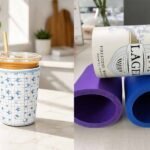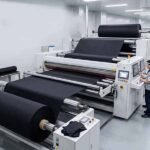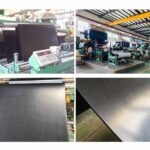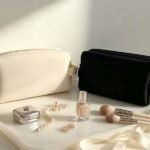
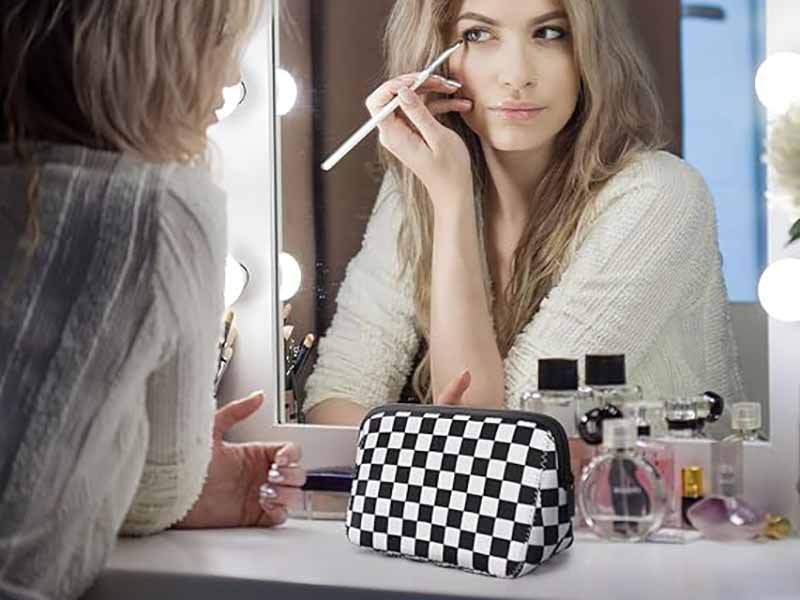
In the beauty market, packaging is no longer just packaging. A cosmetic pouch can influence how a product is displayed, gifted, photographed, carried, and remembered. Many brands spend months refining formulas, cartons, labels, and color systems, yet the pouch itself often becomes the item customers keep longest. That is why more beauty brands are paying attention to neoprene makeup pouches. They are soft, lightweight, flexible, water-resistant, and easy to clean. More importantly, they solve a real use problem for customers who carry cosmetics every day or while traveling.
A well-made neoprene makeup pouch does more than hold products. It protects glass bottles from impact, helps separate cosmetics from other personal items, and makes a skincare or makeup set feel more complete. For beauty startups, it can raise perceived value without forcing the brand into rigid luxury packaging. For established brands, it can support travel lines, gift sets, promotional campaigns, and private label accessory collections.
A neoprene makeup pouch manufacturing guide explains how these pouches are developed from concept to bulk production. It covers material structure, thickness choice, lamination, pattern design, cutting, printing, sewing, quality control, and packaging. For brands, understanding this process helps reduce product mistakes, shorten development time, and create cosmetic pouches that balance appearance, durability, and cost.
If a pouch looks attractive online but stretches badly, wrinkles at the zipper, smells too strongly, or loses shape after a few weeks, the problem usually started much earlier in development. That is why serious brands do not only ask how the pouch looks. They ask how it is made, what it is made from, and whether the factory understands how the product will really be used. That is exactly where the manufacturing guide starts to matter.
What Is a Neoprene Makeup Pouch?
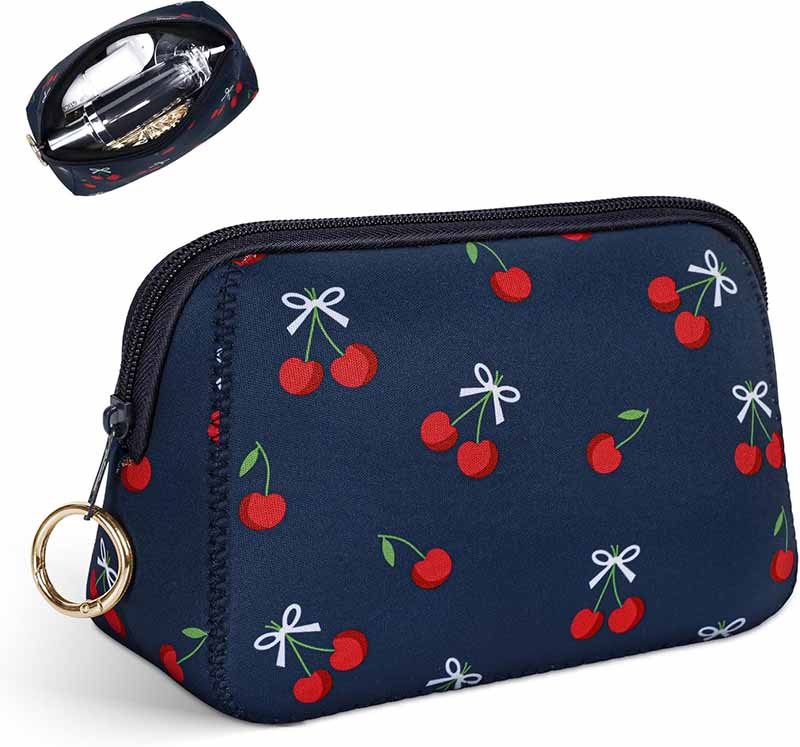
A neoprene makeup pouch is a soft cosmetic bag made from neoprene-based laminated material, usually combined with fabric layers, zipper components, and reinforced stitching. It is widely used for cosmetics because it offers cushioning, moisture resistance, easy cleaning, and a flexible shape that works well for travel, gift sets, and daily storage.
What Defines a Neoprene Makeup Pouch?
A neoprene makeup pouch is defined first by its material structure, not just by its outer appearance. Many people use the word “neoprene” loosely, but in real manufacturing, the pouch is usually made from a laminated material system. The middle layer is neoprene foam or SBR/CR foam, and the outer surfaces are laminated with fabrics such as polyester, nylon, or jersey. This creates a soft but supportive material that feels different from standard woven cosmetic bags.
In product development, a neoprene makeup pouch is usually identified by these structural features:
| Product Element | Common Specification | Main Purpose |
|---|---|---|
| Core material | Neoprene foam / SBR / CR | Cushioning and body |
| Outer fabric | Polyester, nylon, jersey | Surface look and printability |
| Inner fabric | Polyester or nylon | Stability and inner finish |
| Closure | Nylon zipper / resin zipper | Safe opening and closing |
| Edge finish | Turned seam or binding | Cleaner structure and durability |
What makes neoprene different from plain canvas or polyester bags is the combination of softness and thickness. It has natural cushioning, so the pouch can absorb minor impact better than thin fabric pouches. That matters when the pouch is used to carry compact powder, glass serum bottles, lip products, makeup tools, or travel-size skincare.
In daily use, customers usually notice four things first:
- whether the pouch feels soft but not floppy
- whether it returns to shape after being squeezed
- whether the zipper opening is wide enough for easy access
- whether the material wipes clean after cosmetic contact
A neoprene pouch is therefore not just “a pouch made of soft material.” It is a performance-based cosmetic accessory. If the foam density, lamination quality, or sewing method is poor, the pouch may look fine at first and then fail in actual use. That is why experienced development matters.
A good factory should understand that a neoprene makeup pouch is evaluated on both feel and function. If the pouch is too thin, it may look cheap. If it is too thick, it may become bulky and expensive to ship. If the laminated fabric is unstable, logo printing may look fine initially but crack or distort over time. These are small technical details, but they directly affect whether the final pouch looks retail-ready.
Why Is a Neoprene Makeup Pouch Popular?
Neoprene makeup pouches are popular because they sit in a very practical middle zone. They are more protective than basic polyester pouches, more flexible than rigid EVA cases, and more modern-looking than many traditional cosmetic bag materials. For brands, that combination is useful. For end users, it is convenient.
Their popularity usually comes from six clear advantages:
- soft touch with better product protection
- resistance to splashes and daily moisture
- easier cleaning than many woven fabrics
- flexible storage for travel and handbags
- strong printing and color options
- better perceived value than basic promotional pouches
From a business perspective, neoprene also works well because it supports several product roles at once. One pouch can function as:
| Business Use | How Brands Use It | Commercial Value |
|---|---|---|
| Gift-with-purchase | Add to skincare or cosmetic set | Increases perceived value |
| Retail accessory | Sell separately as branded pouch | Creates extra margin |
| PR / influencer kit | Pack launch products neatly | Improves presentation |
| Travel line support | Bundle with travel-size products | Matches customer use habits |
| Seasonal promotion | Limited-edition design release | Encourages repeat orders |
Beauty brands like neoprene because it helps make a product set feel more complete without requiring expensive hard packaging. For example, a pouch added to a skincare travel bundle can make the set look more giftable and practical. In many markets, customers keep the pouch long after they finish the original products. That extends brand visibility in a quiet but useful way.
There is also a design reason behind its popularity. Neoprene looks clean and contemporary. It works well with minimalist branding, bold prints, sporty colorways, and soft-touch product stories. It does not feel overly formal, but it can still look premium when the material, stitching, zipper, and logo method are handled correctly.
Another reason brands choose neoprene is shipping efficiency. Compared with rigid cosmetic boxes or molded cases, neoprene pouches are lighter and compressible, which helps save freight cost and carton space. That makes them especially attractive for e-commerce sellers, subscription brands, and companies shipping globally.
For many private label projects, neoprene becomes the preferred material not because it is the cheapest, but because it gives a better mix of price, performance, and presentation.
Are Neoprene Makeup Pouches Durable?
Yes, a well-developed neoprene makeup pouch can be highly durable, but durability depends on more than just the foam itself. The real service life comes from the full construction system: foam thickness, fabric lamination, seam design, zipper quality, edge handling, and dimensional stability. When these parts are engineered correctly, neoprene pouches can perform very well in daily cosmetic use.
Clients often assume neoprene is automatically durable because it is associated with wetsuits, sports supports, and protective products. That is only partly true. In cosmetic pouch manufacturing, performance can vary significantly depending on material grade and construction method.
The main durability points are:
| Durability Factor | What Affects It | Why It Matters |
|---|---|---|
| Tear resistance | Foam quality and outer fabric | Prevents side failure |
| Shape recovery | Foam density and thickness | Helps pouch keep form |
| Seam strength | Sewing method and thread | Prevents seam splitting |
| Surface wear | Fabric lamination and finish | Affects long-term appearance |
| Zipper life | Zipper grade and installation | Affects daily usability |
| Edge stability | Binding or turning method | Prevents curling or fraying |
In real cosmetic use, the most common stress situations are:
- customers overfilling the pouch
- repeated opening and closing of the zipper
- pressure inside handbags or luggage
- occasional contact with liquid cosmetics
- daily friction against other items
A good neoprene pouch should hold up under these conditions. For most cosmetic pouch projects, material thickness between 2 mm and 5 mm is common. Thinner material creates a lighter, flatter pouch; thicker material offers more body and protection.
Here is a practical durability comparison by thickness:
| Neoprene Thickness | Feel | Protection | Weight | Common Use |
|---|---|---|---|---|
| 2 mm | Light and flexible | Basic | Low | Flat beauty pouch |
| 3 mm | Balanced | Good | Medium | Standard cosmetic pouch |
| 4 mm | Fuller body | Better | Medium-high | Travel pouch |
| 5 mm | Cushioned and structured | Strong | Higher | Premium organizer style |
Durability also depends on whether the pouch uses turned seams or edge binding. Turned seams create a cleaner, more premium look, but they require better control in sewing. Bound seams can improve edge stability, especially on thicker materials. The choice depends on design, thickness, and target price.
For clients, the more useful question is not simply “Is neoprene durable?” The better question is “Is this neoprene pouch durable enough for the intended retail price, use frequency, and shipping route?” A cosmetic gift pouch for light use has different durability needs than a travel pouch sold separately for repeated long-term use. A capable factory should help make that distinction instead of offering one default construction for every project.
Which Features Make a Neoprene Makeup Pouch?
The best neoprene makeup pouches are defined by small details that improve actual use. In the market, many pouches may look similar in a photo, but their performance and value can be very different depending on how the features are designed. For beauty brands, this is where product development starts to matter.
The core features often include:
| Feature | Practical Function | Brand Value |
|---|---|---|
| Wide zipper opening | Easier access to cosmetics | Better user experience |
| Flat or boxed base | Helps pouch sit better | More stable display |
| Inner lining | Reduces friction and improves finish | Cleaner product feel |
| Reinforced zipper end | Improves opening durability | Lower complaint risk |
| Soft cushioning | Protects items inside | Better performance story |
| Printed exterior | Supports branding and design | Stronger shelf appeal |
The shape of the pouch changes how customers use it. A flat pouch works well for slim makeup kits, samples, or promotional sets. A boxy pouch fits better for daily cosmetics, brushes, and travel-sized bottles. A dome pouch creates more volume and a softer silhouette. The brand should choose shape based on product use, not just appearance.
A quick structure comparison looks like this:
| Pouch Shape | Capacity | Best Use |
|---|---|---|
| Flat pouch | Low to medium | Samples, small cosmetics |
| Box pouch | Medium | Daily makeup storage |
| Dome pouch | Medium to high | Travel and gifting |
| Gusset pouch | Flexible | Mixed product sizes |
Other important feature decisions include zipper pull style, logo method, lining color, handle or wristlet addition, and internal pocket layout. These details can push the pouch toward different market positions. A simple printed flat pouch may suit mass promotional use. A neoprene pouch with custom puller, branded lining, and better zipper tape can support a higher-end beauty offer.
At Oneier, these feature decisions matter because different customers need different outcomes. Some need a low-MOQ custom neoprene pouch for a new beauty launch. Some need a private label pouch with strong color printing and fast sample turnaround. Some need a better-protected travel pouch for skincare kits or bundled beauty sets. The right pouch is not decided only by style. It is decided by matching the structure and features to how the customer will actually use the product.
Which Materials Build a Neoprene Makeup Pouch?
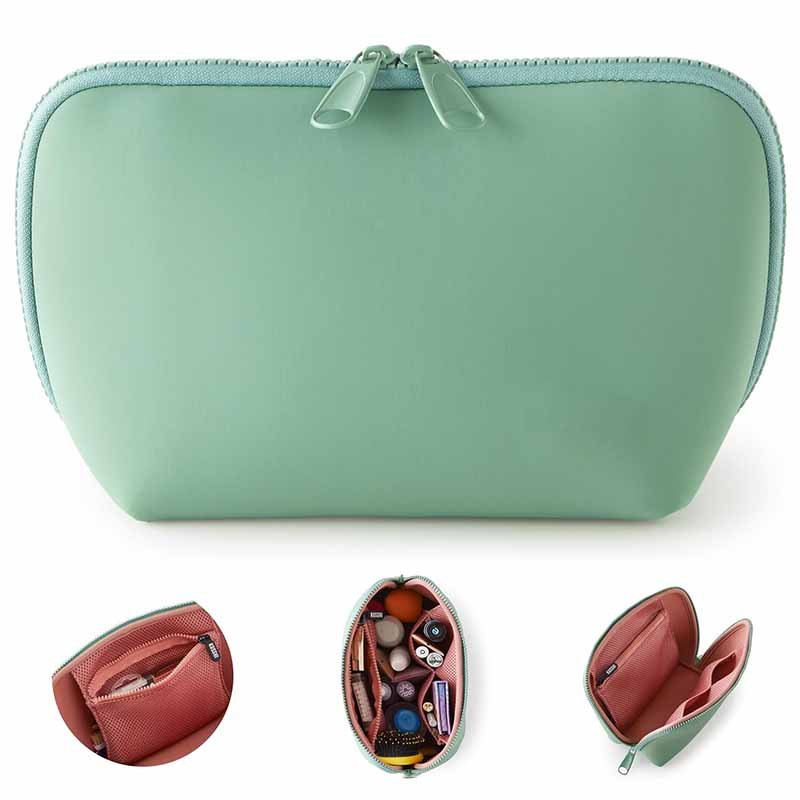
Choosing the right materials is the foundation of neoprene makeup pouch development. Many brands initially assume that neoprene itself is the only important material, but in reality a cosmetic pouch is built from a multi-layer material system. The foam core provides cushioning, but the outer fabric, lamination method, lining, zipper components, and reinforcement tapes all influence how the pouch looks, feels, and performs.
For cosmetic brands, the material system determines several key product characteristics:
| Material Factor | Why It Matters |
|---|---|
| Thickness | Determines structure and protection |
| Surface fabric | Influences appearance and printing |
| Lamination quality | Affects durability and shape stability |
| Lining fabric | Improves interior feel and protection |
| Zipper components | Influences usability and durability |
A neoprene pouch that looks attractive in photos may still fail in real use if the lamination is weak, the foam density is inconsistent, or the zipper tape is too soft. This is why experienced manufacturers spend significant time evaluating materials before production begins.
What Is Neoprene in a Neoprene Makeup Pouch?
Neoprene is a synthetic rubber material originally developed for industrial applications and wetsuits. In pouch manufacturing it is usually used in the form of laminated sheets, where a foam layer is bonded between two fabric layers.
The neoprene core itself provides cushioning and flexibility, while the outer fabrics create the visible surface.
A typical neoprene fabric structure looks like this:
| Layer | Material | Function |
|---|---|---|
| Outer fabric | Polyester / nylon / jersey | Appearance and printability |
| Core layer | SBR or CR neoprene foam | Cushioning and structure |
| Inner fabric | Polyester / nylon | Reinforcement and stability |
The two most common neoprene foam types used for cosmetic bags are:
| Foam Type | Characteristics | Common Use |
|---|---|---|
| SBR neoprene | Good flexibility, lower cost | Promotional cosmetic pouches |
| CR neoprene | Better durability and resistance | Premium cosmetic accessories |
SBR neoprene is widely used because it balances performance and cost. CR neoprene, which contains chloroprene rubber, provides improved resistance to heat, chemicals, and wear, making it suitable for higher-end products.
For cosmetic pouch manufacturing, the choice between these materials depends on brand positioning, target price, and product usage.
Which Thickness Fits a Neoprene Makeup Pouch?
Thickness is one of the most important decisions in neoprene pouch design. If the material is too thin, the pouch may feel cheap and offer little protection. If it is too thick, the pouch becomes bulky and expensive to ship.
Most cosmetic pouches use neoprene thickness between 2 mm and 5 mm.
A practical comparison looks like this:
| Thickness | Feel | Protection Level | Shipping Weight | Typical Use |
|---|---|---|---|---|
| 2 mm | Light and flexible | Basic | Very low | Flat cosmetic pouch |
| 3 mm | Balanced softness | Good | Low | Standard makeup pouch |
| 4 mm | More structured | Strong | Medium | Travel cosmetic pouch |
| 5 mm | Cushioned and firm | Very strong | Higher | Premium cosmetic organizer |
For most beauty brands, 3 mm neoprene is considered the most balanced option. It provides enough cushioning to protect cosmetic products while remaining lightweight enough for everyday use.
Thickness selection should also consider the intended pouch shape. Flat pouches usually use thinner neoprene, while box-shaped pouches benefit from slightly thicker material to maintain structure.
Are Linings Used in a Neoprene Makeup Pouch?
Although neoprene itself can act as an interior surface, many cosmetic pouches include an additional lining layer. Linings improve the overall finish of the pouch and create a smoother interior surface.
The most common lining materials include:
| Lining Material | Characteristics | Application |
|---|---|---|
| Polyester lining | Smooth and durable | Standard cosmetic pouches |
| Nylon lining | Lightweight and flexible | Travel pouches |
| Microfiber lining | Soft premium finish | Luxury cosmetic accessories |
Linings serve several practical purposes.
First, they improve cleaning performance. Cosmetic products such as foundation, lipstick, and powder can leave marks inside the pouch. A lining fabric makes it easier to wipe away stains.
Second, linings improve the visual appearance of the interior. Without lining, the neoprene foam edges may be visible, which can look less refined.
Third, linings help reinforce the pouch structure by stabilizing the laminated neoprene sheet.
In some cosmetic pouch designs, brands also use patterned linings or contrasting colors to create a stronger visual identity.
Which Fabrics Pair With a Neoprene Makeup Pouch?
The outer fabric laminated onto the neoprene foam plays a significant role in both appearance and branding.
Different fabrics create different visual styles and printing capabilities.
The most commonly used fabrics include:
| Outer Fabric | Texture | Printing Performance | Typical Market |
|---|---|---|---|
| Polyester | Smooth | Excellent for sublimation | Promotional pouches |
| Jersey fabric | Soft stretch texture | Good for vibrant prints | Fashion cosmetic pouches |
| Nylon | Smooth technical feel | Moderate printing | Travel cosmetic bags |
| Melange fabric | Textured appearance | Subtle branding | Lifestyle accessories |
Among these options, polyester laminated neoprene is the most widely used because it supports full sublimation printing, which allows brands to create colorful patterns and complex graphics.
Sublimation printing is especially useful for:
- influencer cosmetic collaborations
- limited edition cosmetic pouches
- promotional gift sets
- fashion beauty brands
A well-selected outer fabric helps the pouch maintain both visual appeal and durability throughout its life cycle.
How Is a Neoprene Makeup Pouch Made?
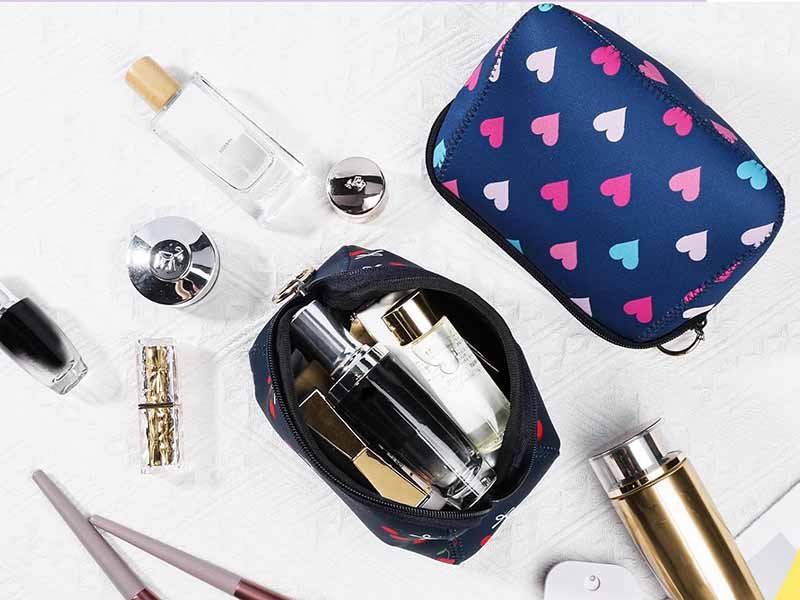
Once materials are selected, the manufacturing process begins. Producing neoprene makeup pouches involves several technical steps that transform laminated neoprene sheets into finished products.
A professional production workflow usually includes the following stages:
| Manufacturing Step | Purpose |
|---|---|
| Design development | Determine shape and structure |
| Pattern creation | Prepare cutting templates |
| Material cutting | Shape neoprene panels |
| Printing or decoration | Apply brand graphics |
| Sewing and assembly | Build pouch structure |
| Quality inspection | Ensure product standards |
| Packaging | Prepare goods for shipment |
Each stage plays an important role in ensuring the final pouch meets both functional and visual expectations.
How Is a Neoprene Makeup Pouch Designed?
Design development usually begins with a concept from the brand. This may include reference images, sketches, or product dimensions.
During this stage, the factory evaluates:
- pouch size
- zipper opening width
- material thickness
- compartment layout
- logo placement
A technical drawing or digital pattern is then created to define the exact measurements.
For example, a standard cosmetic pouch design may follow these basic dimensions:
| Pouch Type | Width | Height | Depth |
|---|---|---|---|
| Flat pouch | 20–24 cm | 12–15 cm | 2–3 cm |
| Box pouch | 20–25 cm | 14–16 cm | 6–8 cm |
| Travel pouch | 24–28 cm | 16–18 cm | 8–10 cm |
These dimensions can be adjusted depending on the size of the cosmetic products the pouch is designed to store.
How Is Neoprene Cut for a Neoprene Makeup Pouch?
After design approval, neoprene sheets are cut according to the developed patterns.
Cutting can be performed using:
| Cutting Method | Accuracy | Typical Use |
|---|---|---|
| Die cutting | High | Large production runs |
| CNC cutting | Very high | Precision projects |
| Manual cutting | Moderate | Small orders or sampling |
Die cutting is commonly used for mass production because it ensures consistent panel sizes.
Accurate cutting is critical because neoprene edges must align correctly during sewing. If panels are uneven, the pouch may twist or wrinkle during assembly.
How Is a Neoprene Makeup Pouch Sewn?
The sewing stage transforms individual panels into a finished pouch.
The most common sewing techniques used include:
| Sewing Method | Purpose |
|---|---|
| Flatlock stitching | Smooth seam appearance |
| Overlock stitching | Reinforced edge protection |
| Binding seams | Clean professional finish |
Zippers are usually installed before the pouch body is fully assembled. This ensures proper alignment and smoother opening performance.
For cosmetic pouches that require additional durability, reinforcement tape may be added at zipper ends to prevent tearing.
How Is a Neoprene Makeup Pouch Tested?
Quality control is essential for ensuring that cosmetic pouches perform well in daily use.
Factories typically inspect several key points before shipment.
| Inspection Item | Test Method |
|---|---|
| Stitch strength | Pull testing |
| Zipper function | Opening cycle testing |
| Material defects | Visual inspection |
| Print quality | Color consistency check |
Some factories also perform drop or compression tests to confirm that the pouch maintains its structure under pressure.
Quality inspection ensures that the final products meet brand expectations before they reach customers.
How Do Brands Customize a Neoprene Makeup Pouch?
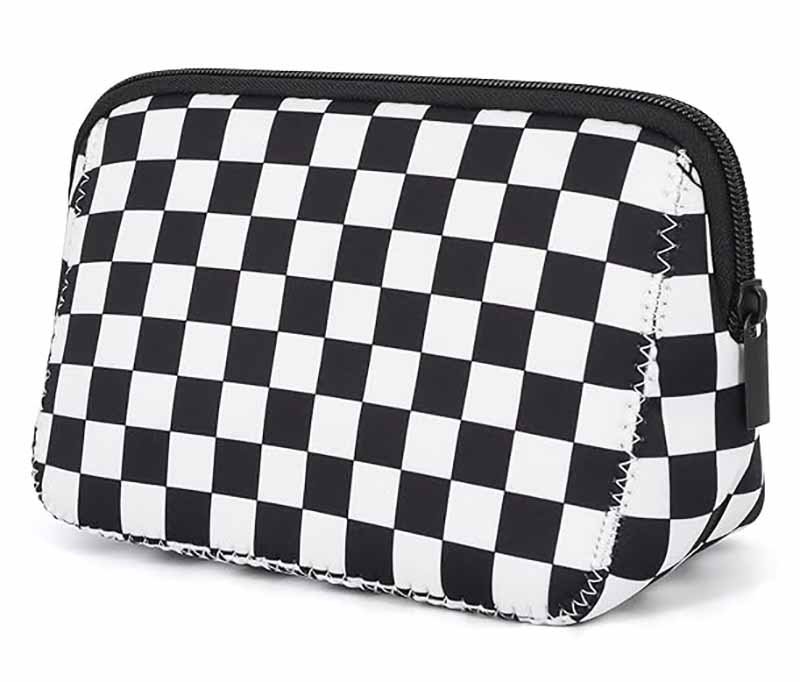
Customization is one of the biggest reasons why beauty brands choose neoprene cosmetic pouches. Unlike rigid packaging, neoprene bags are flexible in both structure and appearance. Brands can adjust size, shape, material thickness, colors, printing methods, zipper types, and internal structures.
For cosmetic companies, a customized pouch helps achieve three main goals:
| Brand Objective | Customization Benefit |
|---|---|
| Strengthen brand identity | Unique colors, patterns, logos |
| Improve product usability | Better pouch structure |
| Increase product value | Premium look and feel |
A well-customized neoprene makeup pouch often becomes a reusable product rather than disposable packaging. Customers may continue using it for travel, daily makeup storage, or organizing personal items.
What Logos Work on a Neoprene Makeup Pouch?
Logo presentation is one of the most important elements in cosmetic pouch customization. The logo not only identifies the brand but also communicates brand style.
Several logo techniques are commonly used on neoprene pouches.
| Logo Method | Visual Effect | Typical Application |
|---|---|---|
| Sublimation printing | Full-color graphics | Promotional cosmetic pouches |
| Screen printing | Simple logo designs | Brand identity |
| Heat transfer printing | High-resolution images | Fashion cosmetic pouches |
| Embroidery | Raised textured logo | Premium designs |
| Rubber patch | Modern sporty style | Lifestyle brands |
Among these methods, sublimation printing is particularly popular for neoprene because it allows colorful patterns and complex designs.
This printing technique works well for:
- beauty collaboration campaigns
- influencer cosmetic collections
- seasonal cosmetic pouch designs
For brands launching limited edition products, vibrant printing can significantly improve visual impact.
Which Colors Fit a Neoprene Makeup Pouch?
Color selection plays an important role in cosmetic accessory design. The pouch should align with the brand’s visual identity and packaging system.
Neoprene supports a wide range of color options because the laminated fabric layer can be dyed or printed easily.
Common color strategies include:
| Color Strategy | Brand Effect |
|---|---|
| Solid brand color | Clean minimalist design |
| Gradient patterns | Modern aesthetic |
| Printed artwork | Creative marketing |
| Neutral tones | Premium appearance |
For example, many skincare brands prefer neutral colors such as beige, gray, or pastel tones. These colors match the soft aesthetic commonly used in skincare packaging.
Makeup brands, on the other hand, may choose vibrant patterns that reflect their energetic brand personality.
Color consistency is also important for brand recognition. Reliable factories ensure that bulk production maintains consistent color shades across batches.
How Do Zippers Improve a Neoprene Makeup Pouch?
Zippers are small components, but they have a major impact on user experience. A poorly installed zipper can make an otherwise well-designed pouch feel cheap or inconvenient.
Manufacturers usually choose between several zipper types depending on the product positioning.
| Zipper Type | Characteristics | Application |
|---|---|---|
| Nylon zipper | Lightweight and flexible | Standard cosmetic pouches |
| Resin zipper | Durable plastic teeth | Travel cosmetic bags |
| Metal zipper | Premium appearance | High-end cosmetic pouches |
In addition to zipper type, brands can customize zipper pullers to match their brand identity.
Common zipper pull options include:
- metal pullers with engraved logos
- rubber pull tabs
- fabric pull cords
- molded custom pullers
These small details help reinforce branding while improving usability.
Do Brands Order Custom Neoprene Makeup Pouches?
Yes. Many beauty brands prefer custom neoprene pouches instead of generic wholesale products.
Custom pouches allow brands to align the accessory with their overall product design. For example, a skincare brand may want a pouch that perfectly fits its travel kit bottles.
Common customization requests include:
| Custom Element | Purpose |
|---|---|
| Custom dimensions | Fit product sets |
| Internal pockets | Organize cosmetic items |
| Branded lining | Enhance brand identity |
| Wrist straps | Improve portability |
Custom designs also help brands avoid competing with identical products on the market.
For e-commerce brands, this differentiation can be extremely valuable because unique accessories help products stand out in crowded marketplaces.
How Do You Choose a Neoprene Makeup Pouch Manufacturer?
Selecting the right manufacturing partner is one of the most important decisions for brands developing cosmetic accessories. A reliable manufacturer ensures consistent product quality, realistic lead times, and stable communication throughout the production process.
When evaluating potential suppliers, brands usually consider several factors.
What MOQ Do Neoprene Makeup Pouch Factories Offer?
MOQ (minimum order quantity) varies depending on factory capacity and product complexity.
Typical MOQs in the neoprene pouch industry look like this:
| Product Type | Typical MOQ |
|---|---|
| Simple neoprene pouch | 200–300 pcs |
| Custom printed pouch | 300–500 pcs |
| Complex structured pouch | 500–1000 pcs |
Factories like Oneier often provide lower MOQ options to support smaller brands or product testing.
Low MOQ production is particularly useful for:
- new beauty brands
- influencer cosmetic lines
- seasonal promotional campaigns
- product testing before large orders
Lower MOQs help brands reduce inventory risk while still launching customized accessories.
How Fast Is a Neoprene Makeup Pouch Sample?
Sampling speed can significantly influence product launch timelines.
Typical development timelines include:
| Development Stage | Time |
|---|---|
| Design review | 1–2 days |
| Material preparation | 2–3 days |
| Sample production | 3–5 days |
| Sample revision | 3–7 days |
In many projects, the first sample can be completed within 5–10 working days depending on complexity.
Faster sample development allows brands to test different design ideas before committing to large production runs.
Which Quality Standards for Neoprene Makeup Pouch?
Quality control ensures that cosmetic pouches meet brand expectations before reaching customers.
Factories typically check several factors during inspection.
| Inspection Area | Checkpoints |
|---|---|
| Stitch quality | No loose threads |
| Zipper operation | Smooth opening and closing |
| Material defects | No surface damage |
| Print quality | Clear logo details |
Reliable manufacturers usually implement multiple inspection stages during production.
These include incoming material checks, in-line inspection during sewing, and final product inspection before packaging.
Why Work With a Neoprene Makeup Pouch Factory?
Working directly with an experienced neoprene pouch manufacturer offers several advantages.
Factories specializing in neoprene products usually have better understanding of material behavior and construction methods.
Benefits include:
| Advantage | Explanation |
|---|---|
| Material expertise | Better neoprene selection |
| Faster development | Experienced pattern teams |
| Stable production | Skilled sewing workers |
| Consistent quality | Established QC systems |
Brands that partner with experienced manufacturers often experience fewer product development issues.
Why Brands Work With Oneier
For companies developing neoprene cosmetic accessories, manufacturing expertise can make a significant difference in product quality and development efficiency.
Oneier is a Chinese manufacturing company with more than 18 years of experience in neoprene material development and sewn product production.
The company specializes in custom neoprene products including:
- neoprene bags
- neoprene makeup pouches
- neoprene koozies
- sports protective gear
- medical supports
- wetsuits
Oneier Manufacturing Strengths
| Capability | Benefit for Brands |
|---|---|
| Neoprene material R&D | Stable material performance |
| Integrated product development | Faster product launch |
| Low MOQ production | Flexible for small brands |
| Rapid sampling | Faster product testing |
| OEM & ODM services | Custom brand development |
These capabilities allow Oneier to support both small custom orders and large bulk production for international brands.
Start Customizing Neoprene Makeup Pouches With Oneier
Neoprene makeup pouches have become one of the most practical cosmetic accessories in the beauty market. They combine durability, flexibility, and modern design while supporting brand customization.
For beauty brands, a well-designed neoprene pouch can:
- enhance product presentation
- improve customer experience
- support promotional campaigns
- create long-term brand visibility
However, achieving these results requires cooperation with an experienced manufacturer who understands both material engineering and cosmetic accessory design.
Oneier works with international brands, wholesalers, and private label companies to develop custom neoprene makeup pouches tailored to their specific needs.
If you are planning to launch a new cosmetic accessory or develop a custom neoprene makeup pouch for your brand, the Oneier team can help you evaluate materials, optimize design, and produce high-quality products with reliable delivery timelines.
You can contact Oneier to discuss your project requirements and receive a quotation for custom neoprene pouch production.