A polished website, fast quotation, professional product catalog, and friendly salesperson can make almost any supplier look capable. The real test begins after the deposit is paid. Will the factory use the same neoprene thickness approved during sampling? Can it reproduce the logo, fit, seam quality, elasticity, and surface appearance across thousands of units? Does the supplier control the workshop, or will the order be transferred to an unknown subcontractor once production begins? These risks are rarely visible when buyers compare unit prices.
To verify a neoprene products factory before placing an order, cross-check its legal identity, visit or live-stream its real production site, confirm the exact neoprene construction, approve a measurable sample, review product-specific capacity, inspect quality records, validate relevant test reports, and connect payment milestones to documented production evidence. A reliable supplier should provide consistent proof across its license, workshop, materials, samples, inspection process, contract, bank account, and delivery plan.
The purpose of verification is not to find a supplier that gives perfect answers to every question. It is to determine whether the factory’s claims can be supported by documents, physical samples, live production evidence, technical explanations, measurable standards, and clear accountability. Many expensive sourcing failures begin with a small gap that appears harmless: a vague material name, an unsealed sample, an unexplained payment account, or a production process nobody checked. The following sections show how to find those gaps before they become an inventory, quality, or delivery problem.
Is the Factory Real?
A genuine neoprene products factory should prove that its legal identity, operating address, production activity, equipment, employees, contracts, invoices, payment account, and manufacturing experience belong to the same accountable business system. Verification should combine document checks, live factory evidence, product-specific questions, sample records, and independent inspection when the order value or commercial risk justifies it.
Verify the Legal Identity
Start with the supplier’s legal company name rather than the English brand displayed on its website. Many Chinese manufacturers use an international-facing brand for marketing while their business license, contract, invoice, and bank account show a registered Chinese entity. This arrangement can be legitimate, but the relationship between every company involved must be transparent before the buyer transfers money or approves production.
Request the supplier’s business license and review the registered company name, unified social credit code, legal representative, registered address, establishment date, current operating status, and business scope. The stated scope should reasonably relate to manufacturing, processing, bags, soft goods, rubber products, textiles, exporting, or similar activities connected with the products being offered. A registered company can still be unsuitable, but an inactive or unrelated entity introduces avoidable risk.
Compare the legal information with every commercial document used during the project. The quotation, proforma invoice, purchase contract, bank beneficiary, certification documents, inspection reports, packing list, and export invoice should not contain unexplained company names. A factory may use a related export company or Hong Kong entity for international transactions, but it should disclose the relationship and identify which company manufactures, signs the contract, receives payment, and accepts responsibility for defects or delays.
| Verification Item | What to Confirm | Acceptable Evidence | Warning Sign |
|---|---|---|---|
| Business identity | Registered name and operating status | Business license and registry record | Supplier refuses to disclose its legal entity |
| Factory address | Actual production location | Live video, site visit, or audit report | Only an office or showroom is shown |
| Contracting entity | Company accepting legal responsibility | Signed contract and official company stamp | Contract uses an unexplained third party |
| Bank beneficiary | Entity receiving payment | Corporate account matching the contract | Personal account without a documented reason |
| Business scope | Relevant manufacturing activity | Registration details and factory evidence | Scope has no reasonable link to manufacturing |
| Export role | Seller and exporter identity | Invoice, packing list, and shipping documents | Export relationship remains hidden |
Any change to payment instructions should be verified through at least two independent communication channels. Confirm a new bank account through a previously known phone number, scheduled video meeting, or another contact that was established before the change request. Email accounts can be compromised, and an urgent request to pay an unfamiliar beneficiary should never be treated as routine administration.
Confirm Who Makes the Product
A supplier can be legally registered without directly controlling the manufacturing process. Ask the company to map the complete production route for your exact product instead of accepting a general statement such as “we cut, sew, and pack everything.” A neoprene laptop sleeve, for example, may require foam sourcing, textile lamination, material conditioning, pattern development, printing, cutting, zipper preparation, assembly, binding, reinforcement, cleaning, dimensional inspection, packing, and carton preparation.
For each process, ask whether it is completed inside the supplier’s facility or by an external specialist. Fabric lamination, sublimation printing, molded accessories, laboratory testing, and some logo applications are often performed by specialist partners. Outsourcing is not automatically a weakness. The risk arises when the main supplier cannot identify the process, transfer the approved standard, inspect the result, or accept responsibility for the partner’s performance.
Ask practical questions that expose the real production structure:
- Who employs the sewing operators?
- Who owns or manages the sample room?
- Where will the bulk order be produced?
- Can the production address be recorded in the order documents?
- Which processes will be completed outside the main factory?
- Who inspects incoming neoprene sheets and accessories?
- Who approves the first bulk-production piece?
- Can a buyer-appointed inspector access the actual production location?
- Who is responsible when an external workshop misses the approved standard?
A trading company can still coordinate a successful order, and a factory-based manufacturer may rely on approved partners for specific processes. Buyers should therefore avoid judging suppliers only by the label “factory” or “trader.” The better question is whether the company can provide transparent production information, maintain version control, manage quality across every location, and remain the single accountable party throughout the order.
Szoneier documents a factory-based manufacturing system with in-house sampling, pattern development, material coordination, sewing production management, quality inspection, packaging, and export support. The company also works with more than ten long-term partner factories for selected categories, specialist processes, parallel SKUs, repeat orders, and peak-season capacity while retaining centralized standards and buyer communication.
Review the Factory Live
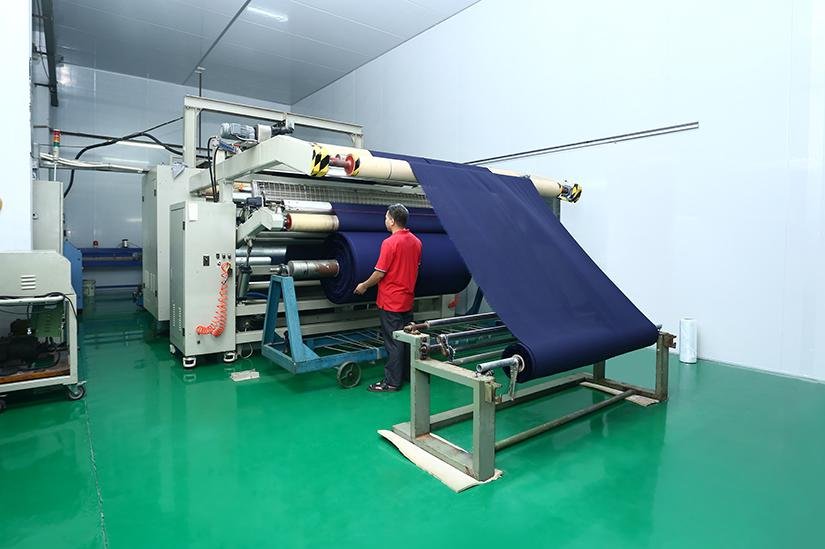
A live factory review should follow the actual production flow instead of a carefully prepared showroom route. Ask the host to begin outside the building so that the company sign, entrance, surrounding area, and building position are visible. The tour should continue through the sample room, material storage area, cutting workshop, printing or logo preparation, sewing lines, inspection area, packaging section, and finished-goods warehouse.
The buyer should control part of the route. Request simple spontaneous actions, such as showing the current date on a phone, opening a labeled material roll, measuring a neoprene sheet, walking to a machine selected during the call, or displaying a current production instruction. These requests reduce the chance that the buyer is watching prerecorded footage, borrowed premises, or a facility unrelated to the proposed order.
During the tour, look for operational evidence rather than decorative presentation:
- Materials labeled by project, color, thickness, or batch
- Patterns and approval samples connected to current orders
- Separate areas for unchecked and approved materials
- Work-in-progress identification
- Measuring tools and inspection forms
- Defined areas for rejected or repairable products
- Production boards or order-status records
- Packaging instructions near the packing station
- Neoprene products with comparable structures
- Employees who can explain the process being shown
A credible workshop does not need to be silent, spotless, or highly automated. Neoprene soft goods often rely on skilled manual cutting, binding, sewing, trimming, printing, and inspection. The stronger evidence is an organized material flow, workers who understand the product, visible quality checkpoints, and records that connect the workshop activity to the order being discussed.
Allow Independent Checks
For a significant retail, promotional, sports, outdoor, medical-support, or long-term sourcing program, an independent factory audit can verify details that are difficult to confirm remotely. A basic audit may cover legal identity, operating location, employee numbers, workshop areas, equipment, current production, quality procedures, warehouse management, subcontracting controls, social compliance, and realistic production capacity.
The audit depth should match the risk. A straightforward order for a standard-size promotional beverage sleeve may not require the same investigation as a multi-SKU retail program involving custom-colored neoprene, branded packaging, chemical testing, fitted dimensions, several production locations, and a fixed launch date. Buyers should direct audit resources toward the factors most likely to create financial or brand damage.
Independent checks become particularly valuable when the supplier requests a substantial deposit, the material must be custom-produced, product failure could create safety or reputation risk, several external processes are involved, or the claimed delivery schedule seems unusually aggressive. A buyer who cannot visit the factory can also appoint a third-party auditor to verify equipment, staff, production records, quality procedures, and the proposed manufacturing address.
Factories may reasonably restrict photography of confidential projects, customer names, or proprietary designs. However, refusing all forms of video verification, scheduled visits, third-party inspection, material review, and technical discussion is difficult to justify for a serious manufacturing relationship. A reliable supplier should be willing to provide enough evidence for the buyer to understand who is producing the goods, how production is controlled, and where responsibility sits.
Which Neoprene Materials Do They Use?
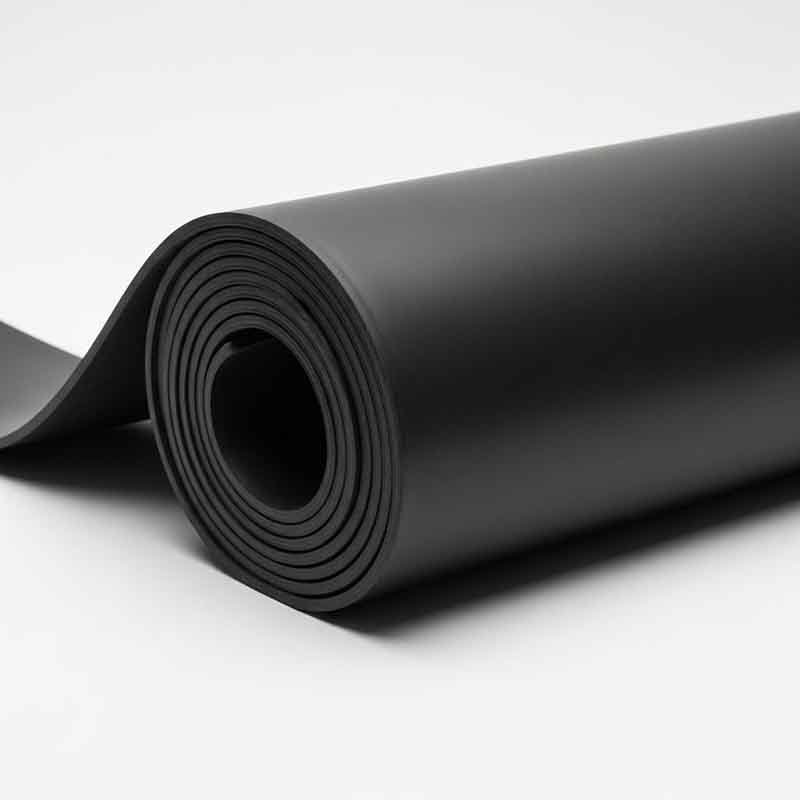
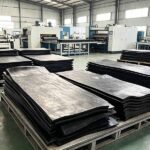
A qualified factory should identify the foam composition, nominal thickness, realistic tolerance, laminated fabrics, stretch direction, surface finish, color standard, odor expectations, density or firmness, and intended product performance. Commercial phrases such as “premium neoprene” or “high-quality neoprene” are not complete material specifications unless they are supported by measurable information, approved physical swatches, and traceable production records.
Identify the Foam Grade
In everyday sourcing, the word “neoprene” is sometimes used as a broad commercial category rather than a precise description of the foam composition. Materials supplied for koozies, bottle holders, laptop sleeves, lunch bags, protective covers, supports, pouches, and promotional products may use chloroprene rubber, styrene-butadiene rubber, blended constructions, or other foam systems laminated with textile fabrics.
A capable factory should explain what material it is proposing and why the material suits the intended application. CR-based constructions are generally associated with stronger resistance to aging, weather, oils, and demanding environments, although they normally cost more. SBR-based materials are common in cost-sensitive promotional and consumer products where high environmental resistance is not the central requirement. SCR blends may be selected when the product needs a balance between performance and cost.
The appropriate material depends on real use rather than the most impressive technical label. A beverage sleeve used at indoor events has different requirements from an outdoor equipment cover, reusable medical support, water-sports accessory, protective electronics sleeve, or product exposed to oil, sunlight, heat, and repeated compression.
Ask the supplier to define the following points in writing:
- Foam composition or commercial grade
- Open-cell or closed-cell construction
- Expected elasticity and recovery
- Odor level and storage requirements
- Resistance needed for the intended environment
- Availability for repeat production
- Surface textile construction
- Chemical-testing options
- Performance differences between available grades
The buyer does not always need the most expensive option. A specification that is correctly matched to the application usually provides more value than an unnecessarily high-grade material. The objective is to prevent a supplier from selecting a foam based only on the lowest available cost while leaving function, durability, comfort, and repeat-order consistency undefined.
Confirm Thickness and Tolerance
Nominal thickness is one of the most influential specifications in neoprene product manufacturing. It affects flexibility, insulation, protective performance, structure, sewing difficulty, seam bulk, packing volume, product weight, and material cost. However, a commercial description such as “3 mm neoprene” does not mean that every point across every sheet will measure exactly 3.00 mm.
The result can also vary according to the measuring method. Soft foam compresses under pressure, so a buyer and factory should agree on the type of gauge, the pressure applied, the number of measurement points, and whether the laminated fabrics are included in the stated thickness. Measurements should generally be taken away from seams, printed layers, folded edges, and heavily compressed areas.
| Nominal Thickness | Common Product Uses | Main Advantages | Points to Review |
|---|---|---|---|
| 2 mm | Koozies, light pouches, thin covers | Flexible, lightweight, and easier to fold | Limited impact protection and lower structure |
| 3 mm | Bottle holders, sleeves, lunch bags, general pouches | Balanced flexibility, protection, and sewing efficiency | Common all-purpose range, but construction still matters |
| 4 mm | Protective sleeves, structured covers, insulated products | More cushioning, insulation, and body | Increased seam bulk, weight, and packing volume |
| 5 mm | Heavy protective products and specialist structures | Greater padding and firmness | More difficult sewing, larger cartons, and higher material cost |
These ranges are practical development references rather than universal engineering rules. A well-designed 3 mm product with reinforcement, suitable lining, accurate fit, and controlled seams may perform better than a thicker product with poor pattern design or weak workmanship. Thickness should therefore be evaluated together with foam density, textile construction, product geometry, reinforcement, closures, and intended use.
Before approving the quotation, define the nominal thickness and an acceptable commercial tolerance. Confirm whether every supplier is pricing the same construction. A quotation that appears significantly lower may be based on thinner foam, lighter laminated fabric, a different foam formulation, wider tolerance, or reduced inspection rather than a more efficient production process.
Check the Laminated Fabrics
The foam core provides elasticity, cushioning, insulation, and body, but the laminated textile determines much of the finished product’s visible and tactile performance. The outer surface affects print quality, color, abrasion resistance, texture, pilling, stretch, and brand presentation. The inner surface affects friction, comfort, cleanliness, hand feel, and how easily the product slides over a bottle, device, tool, or other fitted object.
Common surface materials include polyester jersey, nylon fabric, brushed textiles, stretch fabrics, hook-compatible surfaces, and specialty functional fabrics. Each behaves differently during sublimation, screen printing, heat transfer, embroidery, cutting, binding, and sewing. A factory that evaluates only foam thickness may overlook the part of the product that customers see, touch, wash, stretch, and judge most frequently.
For a printed neoprene product, review the appearance after the panel has been stretched, shaped, and sewn. A graphic that looks sharp on a flat sheet may distort around a curved bottle holder or fitted sleeve. Excessive printing heat may also compress the foam, alter surface texture, change color, or create visible marks near the edges.
The approved construction should identify:
- Outer laminated fabric
- Inner laminated fabric
- Fabric color and approval reference
- Surface texture and finish
- Stretch direction
- Fabric weight or construction
- Logo and printing compatibility
- Lamination method
- Bonding performance
- Abrasion or pilling expectations
- Approved supplier or material code
Lamination quality should be checked before cutting. Weak bonding may remain hidden during sample approval but appear after folding, prolonged compression, hot storage, repeated use, or washing. The factory should explain how it evaluates the bond and how materials are stored and conditioned before production. A material can match the correct color and thickness yet still fail because its textile stretches differently or separates from the foam.
Build Material Traceability
Material approval should create a traceable link from the original swatch to the sample and from the sample to bulk production. Photographs are useful for communication, but they do not reliably preserve thickness, hand feel, stretch, gloss, surface texture, density, or odor. Both buyer and factory should retain a physical reference that is labeled with the project name, material code, thickness, surface construction, color, approval date, and sample version.
A practical material-control file should include the approved physical swatch, written material specification, foam composition, nominal thickness, tolerance, outer and inner textile descriptions, color approval, material supplier code, incoming batch number, inspection result, and production-release confirmation. When the order includes several colors or thicknesses, each variation should have its own traceable reference.
Traceability is especially important because two materials sold under the same general name may differ in density, stretch, surface gloss, odor, textile weight, or recovery. Two black sheets may appear similar when viewed separately but look noticeably different when assembled into the same product. Mixed production batches can therefore create visible inconsistency even when the cutting pattern and sewing workmanship are correct.
Ask how the factory handles a material shortage or supplier change. A controlled process requires notification, an explanation of the difference, a replacement swatch, additional testing or sampling when necessary, and written approval before the substitute enters production. Quiet material replacement should be treated as a significant process failure because it breaks the evidence chain connecting the approved sample to the bulk order.
Repeat orders require the same discipline. The original upstream material may be modified or discontinued. A long-term program should retain a master standard and compare every new lot for color, thickness, surface, elasticity, odor, and hand feel rather than assuming that an unchanged commercial name guarantees identical performance.
How Capable Is the Factory?
Factory capability should be measured against the exact product structure, material system, order quantity, quality requirements, packaging workload, and delivery schedule. Review relevant machinery, operator skills, pattern and sampling ability, realistic line capacity, current workload, external-process control, and sample-to-bulk transfer. A large factory is not automatically suitable if it lacks experience with elastic laminated foam or the proposed construction.
Match Equipment to the Product
Neoprene products often appear simple until the factory begins cutting and assembling them. The material is elastic, compressible, and usually laminated with stretch textiles. Incorrect thread tension, feed pressure, seam allowance, binding method, cutting direction, or operator handling can cause twisting, puckering, shrinkage, uneven edges, distorted graphics, and poor fit.
The required equipment depends on the structure. Basic products may use straight-stitch machines, walking-foot machines, overlock machines, binding machines, bartack machines, cutting tables, dies, heat presses, and inspection tools. Complex products may require high-post machines, cylinder-bed machines, computerized sewing, customized guides, positioning templates, or fixtures that hold elastic panels during assembly.
Ask the factory to connect each part of the proposed construction to the machinery and operator skill required. A long equipment list in a presentation is weak evidence when the supplier cannot show comparable products or explain how the machines will be used.
A product-specific equipment review should determine:
- Whether multiple foam layers can be fed evenly
- Whether curved panels can be sewn without distortion
- Whether binding remains consistent around corners
- Whether zippers can be installed without waves
- Whether reinforcement stitches are positioned accurately
- Whether labels and printing tolerate stretching
- Whether the cutting process creates clean foam edges
- Whether the factory can control thick intersections
- Whether suitable measurement tools are available
- Whether backup equipment exists for key operations
The supplier should be able to show machines operating during a factory tour and provide examples made with a similar foam thickness, surface fabric, seam type, zipper construction, binding width, and reinforcement method. The strongest proof is not the machine itself but a stable result produced repeatedly by trained operators.
Szoneier’s documented manufacturing system includes more than 160 production and support machines, eight sewing lines, dedicated cutting and sampling areas, and equipment for conventional sewing, walking-foot operations, binding, bartacking, computerized sewing, inspection, and packaging. Actual equipment allocation should still be confirmed for each neoprene product because a simple koozie and a structured insulated bag require different production planning.
Test Sample Development
Sampling is the first practical test of the factory’s engineering, communication, material understanding, pattern making, workmanship, and problem-solving ability. A capable team should ask questions before cutting material. It should clarify the finished dimensions, intended use, fit, foam construction, surface fabric, stretch direction, logo method, opening size, seam structure, binding, closure, accessories, packaging, target cost, and production quantity.
A supplier that immediately promises to copy a photograph without requesting measurements or use information may be treating the sample as a visual exercise rather than a production-development process. A fitted neoprene product can look correct on a table and still fail when placed over a bottle, device, tool, sports accessory, or body part. Provide an actual object, technical drawing, dimensional model, or accurately measured reference whenever possible.
Evaluate the sampling process using practical evidence:
- Were important technical questions asked early?
- Were the final requirements recorded in writing?
- Were alternative materials explained clearly?
- Did the pattern achieve the intended fit?
- Were sample revisions controlled by version?
- Did the team explain cost and production consequences?
- Was the final sample inspected before shipment?
- Could the factory identify every change between revisions?
- Was the final construction suitable for bulk production?
- Were packaging and labeling considered before approval?
Do not judge only the appearance of the final sample. A senior sample technician may spend many hours manually adjusting one unit, while the production line must reproduce the result at a consistent pace. Ask whether the bulk order will use the same material, pattern, seam construction, equipment, and assembly sequence.
The final approved sample should become part of a production-control package containing the material swatch, measurement chart, artwork, workmanship photographs, pattern version, BOM, packaging standard, and inspection criteria. This transfer process is what turns a successful prototype into a repeatable commercial product.
Calculate Real Capacity
Monthly capacity figures can be misleading because factories normally produce products with different sewing times, numbers of components, packaging requirements, and quality risks. A supplier may realistically produce a very high quantity of flat beverage sleeves but far fewer structured neoprene lunch bags with zippers, lining, webbing, printed panels, handles, internal compartments, and retail packaging.
Ask the factory to build a capacity estimate for the actual order rather than quoting a general monthly number. The estimate should include material lead time, lamination, printing, cutting, line setup, sewing, inspection, repair, packaging, final inspection, and shipment preparation.
| Capacity Factor | Information to Request | Why It Matters |
|---|---|---|
| Daily finished output | Completed and packed units per line | Prevents confusion between cut pieces and saleable products |
| Assigned operators | Sewing staff, helpers, and supervisors | Shows whether the production plan has sufficient resources |
| Line setup time | Time needed before stable output | Complex products require learning and adjustment |
| Material lead time | Foam, laminated fabrics, accessories, and printing | Production cannot start until critical inputs are ready |
| Defect and repair allowance | Expected sorting and rework capacity | A realistic schedule needs a quality buffer |
| Current workload | Orders already assigned to the facility | Reveals peak-season or multi-project pressure |
| Packaging workload | Labeling, folding, bagging, inserts, and cartons | Retail packaging is frequently underestimated |
| Inspection window | Internal inspection and third-party review | Goods should not ship immediately after sewing ends |
A simple production calculation can expose unrealistic promises. When an order contains 12,000 units and the line can complete 600 packed units per working day, the sewing and finishing stage alone requires approximately 20 production days. Material preparation, line setup, packaging development, final inspection, possible rework, and public holidays must be considered unless the factory demonstrates that these stages run in parallel.
Clarify when the quoted lead time begins. Some suppliers calculate from deposit receipt, while others calculate from final sample approval, artwork confirmation, or the arrival of all custom materials. These starting points can differ by several weeks. The purchase documents should identify the trigger clearly.
Szoneier documents an overall system of more than 180 team members, over 120 production-related staff, eight sewing lines, and stated monthly capacity of approximately 120,000 to 200,000 pieces across its custom bags and soft-goods categories. Those figures should not be applied automatically to every neoprene product. Actual output depends on thickness, printing, structure, components, inspection, packaging, and line allocation.
A credible factory normally provides a schedule with assumptions and risk buffers rather than the shortest date needed to secure the order.
Control Partner Production
External processing is common in soft-goods manufacturing. Fabric lamination, sublimation printing, molded parts, labels, embroidery, specialist testing, and overflow sewing may be handled by approved partners. This arrangement can improve technical coverage and capacity flexibility, but it also introduces risk when approved information is not transferred or when the contracting supplier stops controlling the process.
Ask the supplier to separate internal production, approved specialist processes, and overflow production. The buyer does not always need confidential commercial details about every subcontractor, but the main supplier should explain how each external resource is selected, instructed, inspected, and held accountable.
A controlled partner-production process should include:
- Approved material specifications
- Sealed samples or clear workmanship references
- Controlled pattern and artwork versions
- Written production instructions
- First-piece confirmation
- In-line inspection
- Nonconforming-product control
- Final inspection by the contracting supplier
- Centralized packaging approval
- One responsible commercial party
When several sewing lines or workshops participate, differences may appear in thread tension, binding width, edge shape, reinforcement, cleaning, and overall appearance. The supplier should define common standards and avoid mixing visibly different workmanship levels within one shipment.
The purchase agreement should require notification and approval when a major production-location change could affect quality, compliance, testing, confidentiality, or delivery. The buyer should retain the right to inspect the location where the goods are actually produced.
Szoneier uses a controlled network of more than ten long-term partner factories to support selected categories, specialist processes, parallel SKUs, repeat production, and peak-season capacity. The company states that sample standards, materials, production progress, inspection, packaging, buyer communication, and delivery remain centrally managed. This is the type of accountability buyers should expect from any factory-supported network.
Transparent external production can be managed through documents, samples, inspections, and one responsible supplier. Hidden subcontracting leaves the buyer unable to confirm who handled the approved material, which pattern version was used, or who will correct the problem.
How Do They Control Quality?
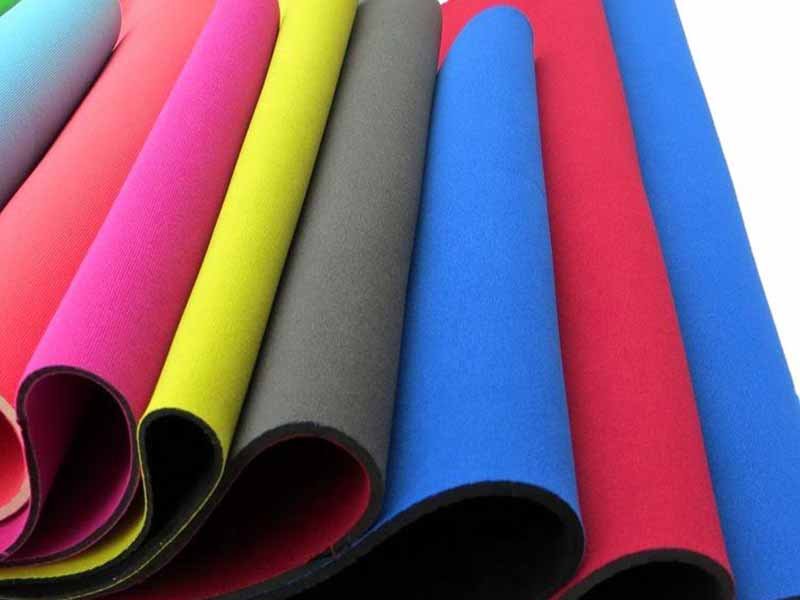
A dependable neoprene factory controls quality before, during, and after assembly. Its system should cover incoming foam, laminated fabrics, accessories, cutting, printing, first-piece approval, sewing, dimensions, fit, function, final inspection, cleanliness, packaging, and traceability. Buyers should examine actual standards, records, defect classifications, and corrective actions instead of relying on a general promise of “high quality.”
Inspect Before Cutting
Incoming-material inspection is the earliest point at which a factory can prevent a full production failure. Once neoprene has been printed, cut, sewn, cleaned, and packed, replacing it becomes expensive and may make the promised shipment date impossible. The factory should compare every important incoming component against the approved BOM, swatch, color reference, and sample.
Neoprene-material inspection may cover the commercial grade, nominal thickness, surface textile, backing textile, color, stretch, recovery, odor, lamination, sheet or roll width, quantity, surface defects, and batch identification. Thickness should be measured at several locations using an agreed method because soft foam compresses and may vary across the sheet.
Color should be reviewed under suitable lighting and compared directly with the approved standard. When several batches will be used for one order, the factory should confirm that the lots can be mixed without visible differences. Surface wrinkles, compression marks, bubbles, textile defects, contamination, or separation should be identified before cutting.
Accessories also require incoming checks:
- Zippers and sliders
- Hook-and-loop closures
- Webbing and elastic
- Buckles and hardware
- Labels and patches
- Printing films or inks
- Packaging bags and inserts
- Retail boxes
- Cartons and shipping marks
Rejected materials should be separated, identified, and blocked from production rather than left near approved inventory. Ask the factory how it records material failures, communicates with upstream suppliers, and verifies replacement goods.
Factories do not always inspect every centimeter of every roll. The sampling level should reflect order value, supplier history, custom color risk, product function, and repeat-order experience. New materials, custom-dyed textiles, fitted products, and regulated applications generally deserve more attention than frequently used standard stock.
Incoming control is particularly important for neoprene because relatively small differences in thickness, density, stretch, lamination, or surface fabric can change fit, seam behavior, appearance, and recovery even when the pattern has not changed.
Control the Sewing Process
The first bulk-production unit should be checked against the approved sample before the line reaches full speed. This confirmation proves that the real production materials, pattern, equipment, operator method, artwork, seam allowance, binding, closures, and assembly sequence work together under normal manufacturing conditions.
The first-piece review should include finished dimensions, panel direction, stretch orientation, logo size and location, print color, seam construction, stitch density, thread tension, binding width, zipper position, reinforcement points, shape, fit, hand feel, and cleanliness. Any difference between the approved sample and the first production piece should be resolved before the same error is repeated across hundreds or thousands of units.
In-line inspection should take place while the factory can still correct the process. Waiting until the order is finished turns a localized problem into a shipment-wide defect. Inspectors should sample products from different operators and stages, record defect type and quantity, and communicate recurring issues to the supervisor.
Common neoprene workmanship defects include:
- Wavy or uneven edges
- Inconsistent binding width
- Puckered seams
- Skipped stitches
- Twisted panels
- Distorted printing
- Color differences between panels
- Exposed foam
- Rough cutting
- Weak reinforcement
- Incorrect dimensions
- Misaligned zippers
- Loose threads
- Poor shape recovery
Some defects are caused by operator handling, while others originate in inaccurate patterns, wrong stretch direction, inconsistent material thickness, excessive presser-foot pressure, unsuitable thread tension, or poor cutting. Repeated repair is not an effective solution when the underlying process remains unchanged.
The buyer and factory should define critical, major, and minor defects. An uneven stitch may be a minor cosmetic concern on one item, while a wrong opening dimension can make a fitted sleeve unusable. Defect classification should reflect product function and customer expectations rather than a generic checklist copied from another category.
Use Product-Specific Tests
Testing should be based on how the finished product can realistically fail. Applying the same test list to every neoprene product wastes money and may overlook the main risk. A promotional can cooler, laptop sleeve, insulated bag, sports support, protective cover, and pet accessory all require different functional attention.
A beverage sleeve may require measurement, print-rub, seam, fit, and compression-recovery checks. A laptop sleeve may need zipper cycling, dimensional accuracy, fit verification, seam strength, cushioning review, and loading. An insulated lunch bag may require closure checks, lining inspection, odor review, insulation comparison, handle loading, and leakage evaluation when the construction includes a waterproof lining.
Depending on the application, useful factory or laboratory checks may include:
- Thickness measurement
- Finished-size verification
- Seam-strength testing
- Handle or strap loading
- Zipper-cycle testing
- Hook-and-loop closure checks
- Print adhesion
- Dry and wet rubbing
- Colorfastness
- Compression recovery
- Lamination bonding
- Odor evaluation
- Fit testing
- Insulation comparison
- Restricted-substance testing
The test method, sample quantity, acceptance criteria, and response to failure should be agreed before production. A phrase such as “strong stitching” cannot be audited consistently. A requirement defining where reinforcement is placed, what load is applied, how long it is held, and what constitutes failure provides a measurable production standard.
Compliance testing should use the actual production material or a representative finished product whenever the target market, retailer, or application requires it. A report covering a similar black material from another supplier may not prove that a custom-colored, differently laminated, or thicker material meets the same requirement.
Review the laboratory name, accreditation, report number, testing date, sample description, applicant, material color, thickness, and applicable standard. Certificates should answer a real compliance question, not simply make the supplier’s document folder appear more impressive.
Plan Final Inspection
Final inspection should take place after production is complete and most goods are packed, but early enough to permit sorting, repair, replacement, or reproduction before shipment. The buyer and factory should agree on the inspection method, sampling rules, defect categories, functional tests, packaging checks, and acceptance criteria during order confirmation rather than after the goods are finished.
A practical final inspection may review:
- Total order quantity
- SKU and color breakdown
- Material construction
- Neoprene thickness
- Product dimensions
- Color consistency
- Logo and printing
- Sewing and binding
- Zippers and closures
- Fit and function
- Odor and cleanliness
- Labels and barcodes
- Individual packaging
- Carton quantity
- Carton markings
- Protection during transport
Samples should be selected randomly from different cartons and storage positions rather than prepared in advance by the factory. When several sewing lines, material batches, or partner facilities are involved, the inspected products should represent every relevant production source.
Third-party final inspection does not replace factory quality control. It examines the completed shipment and may not reveal every material or process problem. The stronger approach combines incoming checks, first-piece approval, in-line inspection, final internal inspection, and independent verification when the commercial risk justifies it.
When an inspection fails, the report should identify affected quantities, defect categories, probable causes, and recommended actions. The factory should propose sorting, repair, replacement, or reproduction, followed by reinspection. Goods should not be released simply because a vessel booking, retail launch, or customer deadline is approaching. Shipping a known problem usually creates a more expensive problem at the destination.
What Should You Confirm Before Payment?
Before transferring a deposit or production balance, convert every important promise into a controlled document, approved sample, measurable specification, inspection requirement, test plan, timeline, or contractual obligation. Confirm the legal seller, payment beneficiary, material construction, production location, quantity, price, quality criteria, packaging, delivery terms, and corrective-action process. Payment should follow verified milestones instead of sales pressure or verbal assurances.
Freeze the Approved Standard
A physical sample is essential, but the sample alone cannot explain every hidden production detail. Someone reviewing it several months later may not know the foam composition, thickness tolerance, material supplier, zipper model, textile construction, printing method, internal reinforcement, thread specification, pattern version, or packaging sequence. The approval package must therefore combine the physical reference with controlled written information.
The final production file should contain:
- Signed or sealed physical sample
- Product specification sheet
- Bill of materials
- Approved pattern version
- Finished measurement chart
- Tolerance limits
- Material swatches
- Foam grade and nominal thickness
- Outer and inner fabric descriptions
- Color reference
- Artwork and logo location
- Stitching and binding requirements
- Accessory specifications
- Functional-test requirements
- Packaging instructions
- Carton markings
The approved sample version must be clearly identified. When three sample revisions have been produced, the purchase order should state which revision controls the bulk order. Obsolete samples, artwork, patterns, and packaging files should be marked or removed from the active project folder to prevent accidental use.
Photograph construction details that may not be obvious in the written specification. Useful images include hidden reinforcement, seam type, zipper ends, binding joints, label positions, internal layers, packaging sequence, and any workmanship point that inspectors must evaluate.
A pre-production meeting should bring together the sample team, purchasing staff, production supervisor, quality inspector, packaging team, and project coordinator. Every department should review the same material, pattern, artwork, measurements, approved sample, quality standard, and delivery plan.
Production should not begin while major details remain open. An unapproved zipper, missing Pantone reference, undecided foam thickness, incomplete retail label, or unclear carton quantity can create costly changes after materials have been purchased or the production line has started.
Confirm the Commercial Terms
A useful quotation describes what is included rather than showing only a unit price. Confirm the material construction, thickness, color, logo process, accessories, packaging, testing, order quantity, sampling or tooling charges, production lead time, shipping term, and quotation validity. Without these details, two quotations may describe visibly similar products but completely different cost structures.
The purchase agreement or purchase order should identify the legal contracting company, product name, SKU, quantity, permitted variance, unit price, currency, approved sample, material specification, workmanship standard, production lead time, payment milestones, inspection rights, testing responsibility, packaging requirements, Incoterm, shipping documents, confidentiality, and intellectual-property obligations.
Lead time requires a defined starting point. It may begin after deposit receipt, final sample approval, artwork confirmation, packaging approval, or arrival of all custom materials. These events may occur on different dates. The agreement should state which event starts the production clock and whether the quoted timeline includes material production, printing, packaging development, final inspection, and public holidays.
The buyer should also understand what changes the price. The following adjustments may affect the quotation:
- Increasing foam thickness
- Changing from an SBR-based material to CR
- Adding textile lamination to both sides
- Using a custom-dyed surface fabric
- Changing the printing process
- Selecting branded zippers or hardware
- Adding internal reinforcement
- Using individual retail boxes
- Requiring barcodes or inserts
- Adding laboratory testing
- Dividing the order into many colors or SKUs
A price that is far below competing quotations may be based on a different foam formulation, lighter surface fabric, reduced thickness, simplified logo process, cheaper accessories, wider tolerances, less inspection, or weaker packaging. A transparent supplier should explain the main cost drivers and help the buyer compare equivalent specifications rather than competing only on an attractive headline price.
Secure the Payment Process
The bank beneficiary should match the contracting seller or a formally disclosed related company. When payment must be made to an export entity, parent company, affiliate, or Hong Kong company, request a clear explanation and supporting documentation before the transfer. The contract should state the receiving entity and confirm how responsibility is connected to the manufacturer.
Treat every last-minute bank-detail change as high risk. Verify the change through a scheduled video call, a previously known telephone number, or another established contact. Do not rely on the telephone number contained only in the same email that requests the new payment.
Payment milestones vary according to order size, customization, relationship history, material commitment, and negotiated terms. The principle is more important than a universal percentage: the amount paid should correspond with the level of verified project completion.
Before paying the production balance, confirm that:
- Bulk production is complete
- Quantities have been checked
- Internal final inspection is complete
- Third-party inspection has passed when required
- Packaging matches the approved standard
- Labels, barcodes, and carton marks are correct
- Test reports are complete when applicable
- Corrective actions have been closed
- Shipping documents are prepared
- The agreed goods are ready for release
Retaining a balance does not automatically protect the order. Custom goods may have limited resale value, which means both sides have financial exposure. Better protection comes from a controlled sample, accurate documents, early material verification, realistic production updates, in-line quality checks, and inspection before the final payment becomes due.
A professional supplier may request timely payment according to the agreement, but it should also understand that a serious buyer needs traceable evidence. Pressure to pay immediately while the supplier refuses production photographs, inspection access, test information, or a clear explanation of the beneficiary is a reason to pause.
Score the Final Risk
A weighted scorecard helps the buyer reduce the influence of sales personality, attractive samples, impressive photographs, and low prices. Each category should be supported by evidence rather than intuition. A friendly salesperson cannot compensate for poor material control, and a large factory cannot compensate for an unexplained bank account or hidden production location.
| Verification Category | Suggested Weight | Evidence Required |
|---|---|---|
| Legal identity and payment | 15 points | License, contract, verified company account |
| Neoprene material knowledge | 15 points | Material specifications, swatches, and technical explanation |
| Sampling capability | 15 points | Controlled sample, pattern, and revision records |
| Production capability | 10 points | Relevant equipment, operators, and live factory evidence |
| Capacity and scheduling | 10 points | Product-specific production plan and workload review |
| Quality management | 15 points | Incoming, first-piece, in-line, and final inspection records |
| Testing and compliance | 10 points | Relevant reports and agreed test plan |
| Subcontracting control | 5 points | Disclosed processes and clear quality responsibility |
| Packaging and delivery | 5 points | Approved packaging and shipment plan |
A practical interpretation is:
- 85–100 points:The factory may be approved when no critical risk remains.
- 70–84 points:Use conditional approval and close the identified gaps before production.
- Below 70 points:Do not place the bulk order until stronger evidence is available.
The score should never override a critical failure. An unexplained personal bank account, falsified test report, hidden manufacturing location, unauthorized material substitution, or refusal of reasonable inspection may justify stopping the project regardless of the total score.
The final decision should answer five questions clearly:
- Does the company legally exist and accept responsibility for the order?
- Does it understand and control the proposed neoprene construction?
- Can it reproduce the approved sample at the required quantity?
- Can its quality system identify and correct defects before shipment?
- Are payment, inspection, packaging, and delivery requirements documented?
Verifying a neoprene products factory does not create a risk-free supply chain. Material batches can change, sample revisions may be required, production schedules can move, and specialist processes may involve external partners. The purpose of verification is to identify those variables early, assign responsibility, and create measurable controls before the buyer’s money, launch date, inventory, and brand reputation are exposed.
Szoneier is a Shenzhen-based custom bags and soft goods OEM/ODM manufacturer with more than 18 years of manufacturing experience. Its documented capabilities include material coordination, pattern development, in-house sampling, sewing production management, quality inspection, packaging, export delivery, live video factory reviews, scheduled visits, and third-party inspection support. Its neoprene product experience covers koozies, bottle holders, laptop sleeves, lunch bags, covers, pouches, bags, pet products, and related sewn soft goods.
For a custom neoprene project, send your product image, reference sample, technical drawing, target dimensions, preferred thickness, logo artwork, estimated quantity, packaging requirements, destination country, and expected delivery date. The project team can review the construction, material options, sample plan, production requirements, quality controls, packaging, and shipping approach before a formal quotation is prepared.
A serious factory should welcome serious verification. Approve measurable standards, connect every promise to evidence, and place the order only when the supplier’s legal identity, materials, samples, workshop, quality records, commercial terms, and delivery plan support the same conclusion.