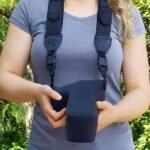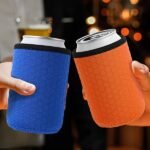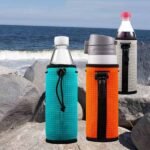
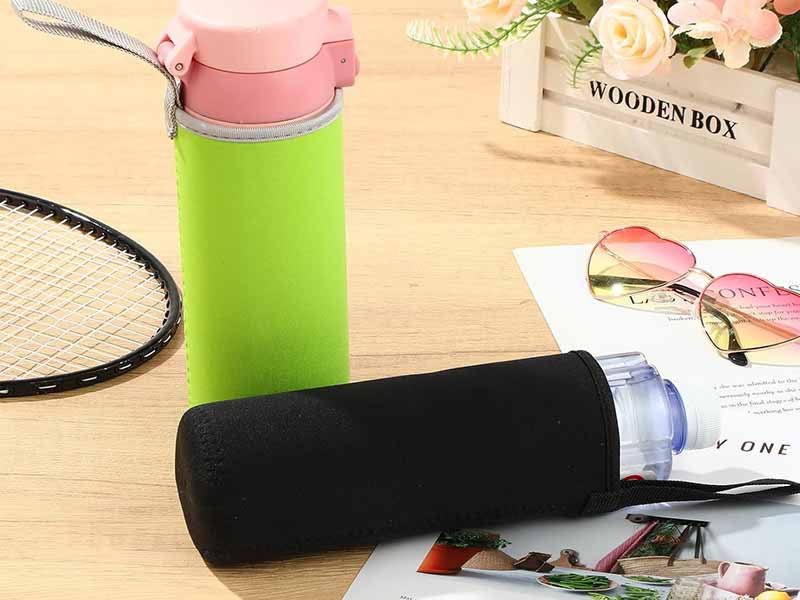
Neoprene is one of those materials many people use every day without really noticing it. It shows up in drink sleeves, laptop cases, lunch bags, gym supports, wetsuits, and many other products that need softness, protection, stretch, and light insulation at the same time. What makes neoprene so useful is not just that it feels different from ordinary fabric. It solves practical product problems. It can cushion a device, keep a drink cooler for longer, add comfort to a brace, reduce water exposure, and help a product hold its shape better than plain textile alone. For brands, that matters because the right material can make a product more useful, easier to sell, and easier to position in a crowded market.
Neoprene products used in consumer goods mainly include bags, koozies, sleeves, sports supports, wetsuits, and protective accessories. Brands choose neoprene because it combines cushioning, flexibility, water resistance, insulation, and a premium hand feel in one material, making it suitable for both functional and lifestyle products.
For product developers, neoprene is not just a fabric choice. It is often a product strategy choice. A simple item can become more protective, more comfortable, or more premium once neoprene is used correctly. That is why so many private label brands, promotional product companies, sports brands, and e-commerce sellers continue to develop new neoprene lines. And once you start looking closely at the categories where neoprene performs best, you begin to see just how wide the opportunity really is.
What Are Neoprene Products?
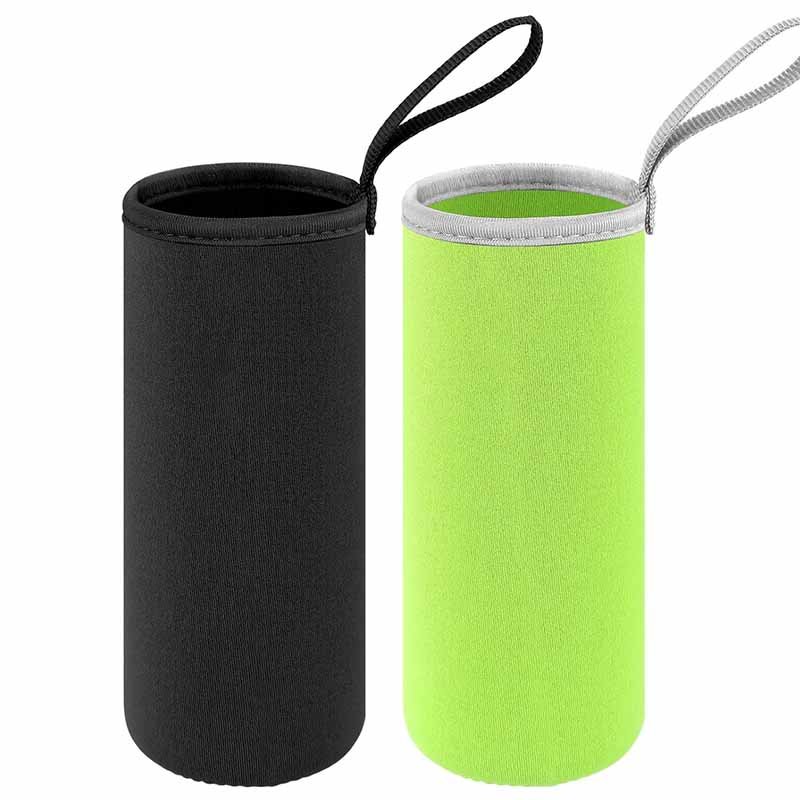
Neoprene products are consumer goods made fully or partly from neoprene material, usually in foam sheet form laminated with fabric on one or both sides. These products are used when a brand needs cushioning, stretch, light insulation, protection, soft structure, or water resistance in the final product.
What are Neoprene Products made from?
Most Neoprene Products are made from a foam rubber core combined with textile surface layers. In commercial production, neoprene is often laminated with polyester, nylon, or jersey fabric so it can be cut, stitched, printed, embossed, or bonded more easily. This laminated structure is what gives neoprene products their familiar soft hand feel, padded body, and slightly elastic performance.
A simple way to understand the structure is shown below:
| Material Layer | Main Function | Why It Matters in Consumer Goods |
|---|---|---|
| Outer fabric layer | Surface appearance and printability | Affects color, texture, and branding |
| Neoprene foam core | Cushioning and insulation | Provides softness, shock absorption, and body |
| Inner fabric layer | Comfort and strength | Improves durability and user touch |
Thickness is one of the biggest decisions in neoprene product development. Different product categories need different thickness levels, and the wrong choice can create cost, shape, or usability problems.
| Neoprene Thickness | Common Product Uses | Product Effect |
|---|---|---|
| 1 mm | card sleeves, slim pouches, light covers | lighter, softer, less bulky |
| 2 mm | koozies, cosmetic bags, bottle sleeves | balanced flexibility and body |
| 3 mm | laptop sleeves, lunch bags, tote bags | stronger padding and shape |
| 4 mm | knee supports, sports braces, padded cases | better compression and protection |
| 5 mm+ | wetsuits, heavy protective gear | stronger insulation and structure |
Clients often think neoprene is one single material, but in real development work, there are many differences that affect performance and cost:
- thickness
- density
- surface fabric type
- lamination quality
- stretch direction
- color fastness
- print compatibility
- smell level
- seam performance
For example, a 3 mm neoprene lunch bag and a 3 mm neoprene laptop sleeve may look similar in thickness, but their surface fabrics, lamination quality, and finishing requirements may differ based on use. A lunch bag may need easier cleaning and better shape retention. A laptop sleeve may need smoother touch, better print appearance, and cleaner edge finishing.
This is why a factory with real neoprene product experience matters. The material is flexible, but it is not interchangeable across every use case without adjustment. The structure must match the function.
Why are Neoprene Products popular?
The popularity of Neoprene Products comes from one practical fact: neoprene solves several product needs at the same time. Instead of using one material for softness, another for padding, and another for light insulation, brands can often achieve all three with neoprene-based construction.
The table below shows why so many consumer products use it:
| Neoprene Property | Product Benefit | Common Product Example |
|---|---|---|
| Soft cushioning | Reduces impact and pressure | laptop sleeves, camera cases |
| Light insulation | Helps keep temperature more stable | koozies, lunch bags |
| Flexibility | Improves comfort and fit | sports braces, bottle holders |
| Water resistance | Better performance around moisture | beach bags, wetsuits, pouches |
| Shape retention | Helps product look fuller | tote bags, organizers |
| Premium hand feel | Improves perceived value | fashion accessories, gift items |
From a client’s perspective, neoprene is attractive because it can help a product look more substantial without becoming too heavy. A plain polyester pouch may feel thin and ordinary. A neoprene pouch often feels softer, thicker, and more protective even before the customer starts using it. That first impression matters a lot in retail and e-commerce.
There is also a strong branding advantage. Neoprene products often support:
- screen printing
- heat transfer graphics
- sublimation printing
- embossed logos
- sewn labels
- zipper pull branding
That makes neoprene suitable not only for functional products but also for promotional and private label products.
Another reason for its popularity is category range. Some materials only work well in apparel. Some only work well in packaging. Neoprene works across multiple consumer categories, including:
| Product Segment | Why Neoprene Fits |
|---|---|
| Electronics accessories | protects devices from scratches and bumps |
| Beverage accessories | improves grip and insulation |
| Sports supports | offers stretch and compression |
| Outdoor gear | handles moisture and repeated use |
| Fashion accessories | gives a padded, modern look |
| Promotional products | easy to customize with graphics |
For growing brands, this opens up line extension opportunities. A company that starts with neoprene koozies may later expand into neoprene lunch bags, sleeves, and pouches using similar material knowledge and similar supply chain logic.
How do Neoprene Products perform?
In real-world use, people do not judge neoprene only by what it is. They judge it by how it performs. Does it protect? Does it last? Does it keep shape? Does it feel comfortable? Does it hold up after repeated use? These are the questions that matter in product development.
Performance usually shows up in four major areas:
| Performance Area | What Clients Care About | How Neoprene Helps |
|---|---|---|
| Protection | impact, scratch, pressure resistance | foam structure absorbs and spreads force |
| Comfort | softness, flexibility, skin feel | material bends and stretches more easily |
| Insulation | heat or cold retention | closed-cell foam slows temperature transfer |
| Durability | repeat use and appearance retention | laminated structure provides usable life |
For example, when used in a 13-inch laptop sleeve, 3 mm neoprene can provide light impact protection without the weight of a molded hard shell case. When used in a can cooler, 2 mm or 3 mm neoprene can help reduce temperature loss and hand warmth transfer better than plain single-layer fabric sleeves. When used in a sports brace, the same material can provide compression and surface comfort.
A simple performance comparison is useful here:
| Material Type | Cushioning | Flexibility | Light Insulation | Water Resistance |
|---|---|---|---|---|
| Plain cotton fabric | low | medium | low | low |
| Standard polyester fabric | low | low to medium | low | medium |
| EVA sheet | high | low | medium | high |
| Neoprene | medium to high | high | medium to high | medium to high |
That does not mean neoprene is always the best option. It means neoprene performs especially well when the product needs several advantages together. If the priority is ultra-low cost, a basic woven fabric may be better. If the priority is rigid protection, EVA or molded shell structures may be more suitable. But if the product needs a mix of comfort, cushioning, flexibility, and lifestyle appeal, neoprene often becomes a very strong choice.
From a manufacturing standpoint, performance also depends on processing. Poor lamination, uneven thickness, weak stitching, low-grade zipper matching, or unstable print treatment can reduce product quality quickly. So when clients evaluate neoprene products, they should not only ask, “Is this neoprene?” They should ask, “How well is this neoprene product built?”
Which Bags Use Neoprene Products?
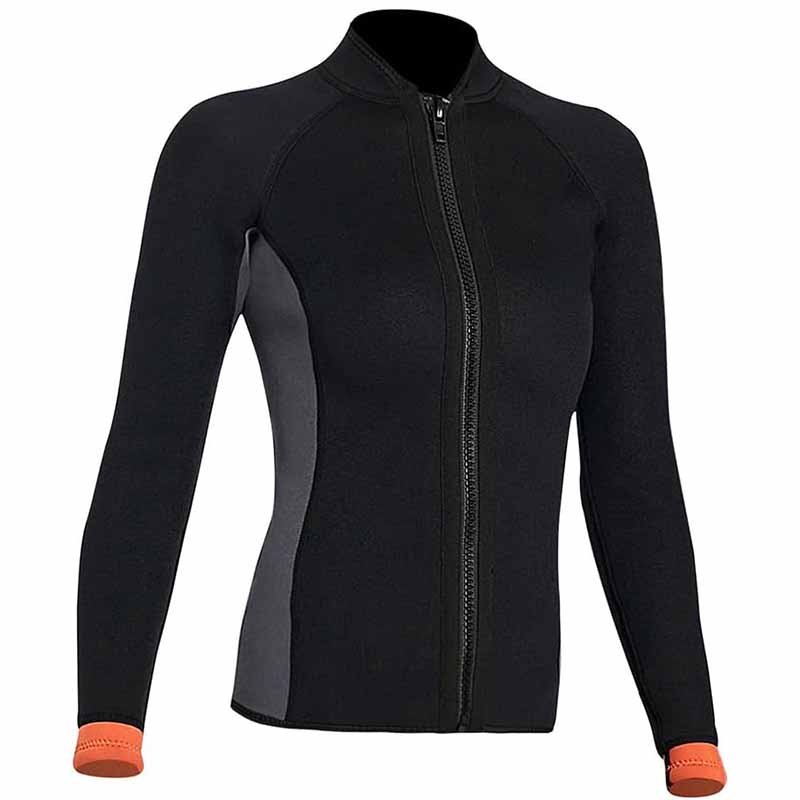
Many bag categories use neoprene because it gives soft structure, light protection, water resistance, and a more premium feel than ordinary fabric bags. It is especially useful in bag products that need cushioning, flexibility, or shape without heavy internal reinforcement.
Which everyday bags use Neoprene Products?
A lot of successful Neoprene Products in the bag category are everyday-use items. These are not only specialty sports products. They are practical consumer goods people carry to work, school, travel, the gym, and daily errands.
Common neoprene bag categories include:
| Everyday Bag Type | Why Neoprene Is Used | Common Thickness |
|---|---|---|
| Laptop sleeves | protects devices from minor bumps and scratches | 3 mm |
| Tablet sleeves | lightweight padding and easy carry | 2–3 mm |
| Cosmetic bags | soft body and easy cleaning | 2–3 mm |
| Lunch bags | insulation and flexible storage | 3 mm |
| Tote bags | padded structure and fashionable look | 3–5 mm |
| Bottle bags | stretch fit and thermal help | 2–3 mm |
Each category uses neoprene differently. A cosmetic bag often benefits from neoprene because it feels soft, looks fuller, and can better tolerate moisture from bathroom or travel use. A laptop sleeve uses neoprene for edge protection and lightweight padding. A lunch bag uses it for body, insulation support, and a cleaner modern appearance.
Clients often choose neoprene bags when they want one or more of the following product results:
- more protective feel than plain textile bags
- softer and thicker body without hard shell construction
- premium appearance for gifting or private label retail
- better use around moisture, beaches, gyms, or travel
- easy printing or logo customization
One important commercial point is that neoprene bags usually sell better when the function is easy for the customer to understand. “Padded laptop protection,” “insulated lunch carry,” and “soft waterproof makeup pouch” are easier to market than neoprene used only as a hidden material upgrade. So for brands, the material advantage should be visible or clearly explained in the product offer.
How do travel bags use Neoprene Products?
Travel-related Neoprene Products often focus on portability, protection, and convenience. Travel users care about weight, space, and how well the product handles repeated movement. Neoprene works well here because it adds soft protection without making the product overly rigid or heavy.
Neoprene is commonly used in:
| Travel Product | Neoprene Function | Why It Helps the User |
|---|---|---|
| passport holders | soft protection and grip | reduces wear from daily handling |
| toiletry bags | flexible structure and moisture tolerance | useful in bathrooms and trips |
| cable organizers | padding for small electronics | protects chargers and accessories |
| camera insert sleeves | light cushioning | helps protect delicate gear |
| shoe bags | soft expandable body | fits varying shoe sizes |
| travel pouches | organized, padded storage | makes packing neater |
For brands selling travel goods, neoprene can also support multi-use positioning. A pouch can be marketed as a cable case, makeup bag, wash bag, or travel organizer depending on size and inner layout. That gives the client more options from one production concept.
Weight is another strong selling point. Many travel consumers want protection but do not want bulky products. Neoprene often gives a better balance than heavier structured materials.
Here is a simple comparison for travel accessory positioning:
| Material | Protection Feel | Weight | Packability |
|---|---|---|---|
| hard EVA shell | high | higher | lower |
| canvas | low | medium | medium |
| polyester | low to medium | light | high |
| neoprene | medium | light to medium | high |
That makes neoprene especially suitable for travel goods sold through e-commerce. The product photographs well, feels substantial in hand, and usually avoids the shipping bulk of rigid cases.
Why do brands choose Neoprene Products for bags?
Brands choose Neoprene Products for bags because neoprene gives them a useful mix of performance and presentation. It is not only about function. It is also about the customer’s first impression, the product story, and the price position a brand wants to achieve.
In many markets, neoprene bags are easier to position as upgraded products because customers can immediately feel the difference. A neoprene tote, bottle sleeve, or laptop pouch often feels thicker and more premium than a thin woven fabric version. That allows brands to create more pricing separation.
A simplified example:
| Product Type | Basic Fabric Version | Neoprene Version |
|---|---|---|
| laptop sleeve | simple, flat, lower perceived protection | padded, soft, more protective feel |
| lunch bag | ordinary appearance, weaker insulation | thicker body, stronger insulation message |
| cosmetic pouch | lower shape retention | fuller look and softer touch |
| tote bag | plain structure | fashion-forward padded look |
For private label clients, neoprene also supports visual branding well. Depending on the product, factories can offer:
- all-over print
- contrast stitching
- embossed logos
- woven side labels
- custom zipper pullers
- printed lining or interior label solutions
Neoprene bag lines are also good for category expansion. A brand can start with one winning item, such as a neoprene lunch tote, and then extend into matching bottle sleeves, cosmetic pouches, beach bags, and tech sleeves. That kind of product family development is attractive for e-commerce sellers and lifestyle brands because it increases average order value and strengthens the brand look across multiple items.
For manufacturers like Oneier that already work deeply with neoprene material development, this creates a real advantage. The factory is not only sewing bags. It is helping clients choose the right neoprene thickness, decide the best lamination structure, improve logo effect, and match the product design to actual market use. That is where a simple material choice becomes a real product opportunity.
What Beverage Items Use Neoprene Products?
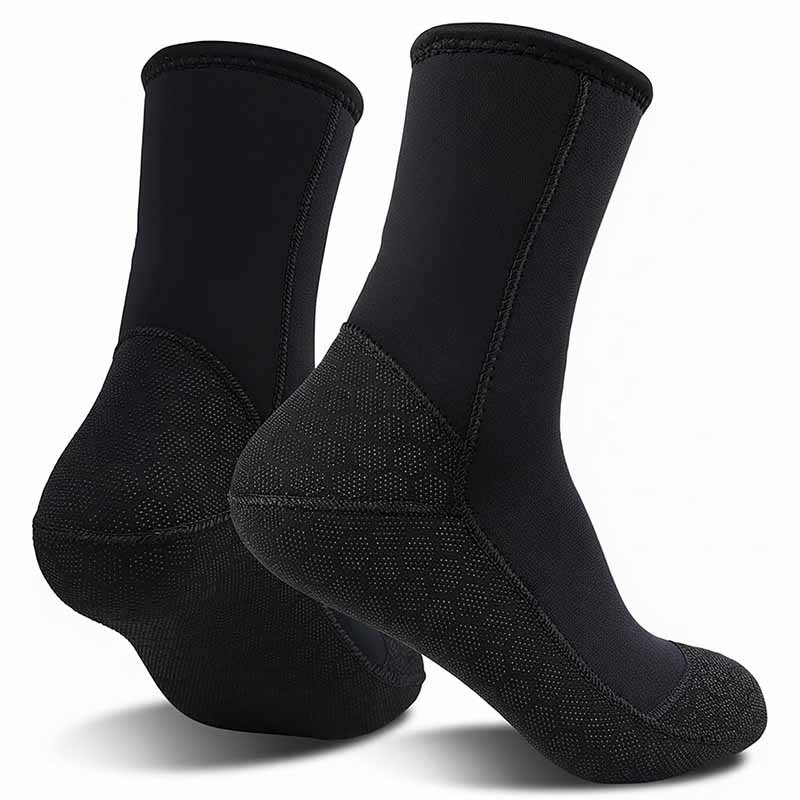
Many beverage accessories are made with neoprene because the material provides insulation, grip, flexibility, and durability. When used correctly, neoprene helps reduce temperature loss, prevents condensation from wetting hands or surfaces, and improves comfort when holding cold drinks.
Because of these advantages, beverage-related Neoprene Products have become extremely popular in promotional merchandise, outdoor products, and lifestyle accessories.
What are Neoprene Products for drink holders?
One of the most recognizable Neoprene Products in consumer goods is the drink holder, often called a koozie or can cooler. These sleeves are designed to wrap around beverage containers to slow heat transfer and make the drink easier to hold.
The most common drink holder formats include:
| Product Type | Typical Use | Neoprene Thickness |
|---|---|---|
| Standard can cooler | Beer or soda cans | 3 mm |
| Bottle cooler sleeve | Glass beverage bottles | 3–5 mm |
| Foldable koozie | Promotional giveaways | 2–3 mm |
| Zipper bottle cooler | Large bottles | 4–5 mm |
| Tall can sleeve | Energy drink cans | 3 mm |
The neoprene foam traps air inside the material. This layer of trapped air acts as insulation and slows the transfer of heat from the surrounding environment into the drink.
Compared with simple fabric sleeves, neoprene coolers provide noticeably better temperature retention.
Example comparison:
| Sleeve Material | Temperature Retention Performance |
|---|---|
| Single-layer polyester sleeve | Low insulation |
| Foam sleeve | Moderate insulation |
| Neoprene cooler | Strong insulation and grip |
Another advantage of neoprene drink holders is flexibility. The material stretches slightly, which allows the same sleeve to fit containers with small variations in diameter.
This flexibility makes neoprene coolers especially useful for promotional products, where a single design may need to fit different beverage brands.
How do Neoprene Products keep drinks cold?
The insulation ability of neoprene comes from its closed-cell foam structure. Tiny sealed air pockets inside the material slow the movement of heat energy. This means the cold temperature inside the drink container remains more stable.
Several factors influence how well neoprene beverage products perform:
| Factor | Effect on Cooling Performance |
|---|---|
| Material thickness | Thicker neoprene improves insulation |
| Fit around container | Tighter fit reduces heat transfer |
| Surface fabric type | Smooth fabric reduces moisture absorption |
| Seam construction | Strong seams maintain insulation shape |
For example, a 3 mm neoprene koozie typically slows warming of a chilled drink for 45–60 minutes under normal outdoor conditions. A thinner fabric sleeve may only maintain temperature for 10–20 minutes.
Neoprene also reduces condensation. When a cold drink sits in warm air, moisture forms on the outside of the container. The neoprene layer reduces this condensation and prevents hands or tables from becoming wet.
This feature is particularly useful for outdoor activities such as picnics, camping, beach trips, and sporting events.
Which promotional items use Neoprene Products?
Promotional products are another major category for neoprene beverage accessories. Many brands use neoprene coolers as marketing tools because they are inexpensive, durable, and easy to customize with logos.
Common promotional Neoprene Products include:
| Promotional Item | Typical Use |
|---|---|
| Custom printed koozies | Brand promotion events |
| Wedding drink sleeves | Personalized party favors |
| Festival drink holders | Music or sports events |
| Corporate giveaways | Marketing campaigns |
| Beverage brand merchandise | Retail promotional items |
Customization options are one of the biggest advantages for promotional neoprene products.
Manufacturers often offer multiple decoration methods:
| Decoration Method | Application |
|---|---|
| Screen printing | Simple logos and text |
| Sublimation printing | Full-color graphics |
| Heat transfer | Complex image designs |
| Embossed logos | Premium branded products |
Sublimation printing is particularly popular because it allows bright, full-color designs across the entire product surface.
This flexibility allows brands to create visually appealing promotional items that customers will continue using long after the event.
Which Sports Gear Uses Neoprene Products?
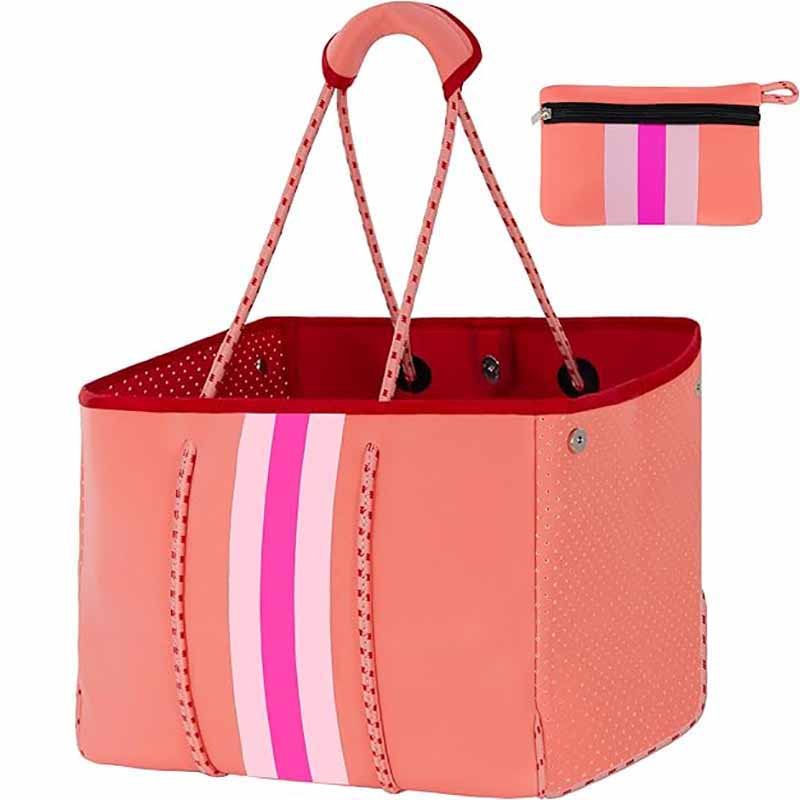
Neoprene is widely used in sports and outdoor equipment because it provides flexibility, compression, cushioning, and resistance to water exposure.
Many types of athletic gear rely on neoprene to improve comfort and protection during physical activity.
Which water sports use Neoprene Products?
Water sports are one of the largest application areas for neoprene material.
Because neoprene retains warmth and maintains flexibility even when wet, it is widely used in equipment designed for marine environments.
Common water sport Neoprene Products include:
| Product | Purpose |
|---|---|
| Wetsuits | Thermal insulation in water |
| Diving gloves | Hand protection |
| Surf booties | Foot warmth and grip |
| Paddleboard gear | Comfort and protection |
| Kayak seat padding | Cushioning support |
In wetsuits, neoprene traps a thin layer of water between the suit and the skin. The body warms this water, creating an insulating barrier that helps maintain body temperature.
Wetsuit thickness varies depending on water conditions:
| Wetsuit Thickness | Water Temperature |
|---|---|
| 2 mm | Warm tropical water |
| 3 mm | Mild ocean temperatures |
| 5 mm | Cold water environments |
| 7 mm | Very cold water diving |
This adaptability makes neoprene suitable for a wide range of marine sports.
How do wetsuits use Neoprene Products?
Wetsuits are one of the most technically advanced Neoprene Products in consumer markets.
The neoprene material used in wetsuits often includes stretch fabric laminated on both sides to allow freedom of movement.
Key features of wetsuit construction include:
| Component | Function |
|---|---|
| Neoprene foam | Thermal insulation |
| Nylon or polyester lining | Durability and flexibility |
| Flatlock seams | Reduced chafing |
| Sealed seams | Improved waterproof performance |
High-performance wetsuits may also use glued and blind-stitched seams, which minimize water penetration and improve insulation.
The stretch capability of neoprene allows wetsuits to fit closely to the body without restricting movement.
This combination of insulation and flexibility is why neoprene remains the primary material for wetsuit manufacturing.
What fitness gear uses Neoprene Products?
In the fitness industry, neoprene is often used for support gear designed to stabilize joints and muscles during exercise.
Popular fitness-related Neoprene Products include:
| Product | Function |
|---|---|
| Knee braces | Joint compression and stability |
| Elbow supports | Reduce strain during lifting |
| Waist belts | Core support for weightlifting |
| Wrist wraps | Stabilize wrists during workouts |
| Shoulder braces | Injury prevention |
Neoprene is particularly effective in these products because it provides both compression and cushioning.
Compression helps increase blood circulation around joints, while the flexible foam structure absorbs pressure during movement.
Another advantage is comfort. Neoprene supports can conform to the shape of the body and move with the user during physical activity.
Because of these features, neoprene has become one of the most widely used materials in sports rehabilitation and athletic support equipment.
What Medical Gear Uses Neoprene Products?
Neoprene is widely used in medical and rehabilitation products because it combines compression, cushioning, flexibility, and durability. These characteristics make it suitable for orthopedic supports and protective equipment used in physical therapy, injury recovery, and sports medicine.
Medical Neoprene Products are designed to stabilize joints, reduce strain during movement, and provide gentle compression that helps improve circulation in injured areas.
Which braces use Neoprene Products?
Many orthopedic braces are made using neoprene because the material provides both structure and flexibility. It can wrap securely around joints while still allowing natural movement.
Common medical Neoprene Products include:
| Product | Purpose |
|---|---|
| Knee braces | Support knee joints and ligaments |
| Elbow braces | Stabilize elbow movement |
| Wrist supports | Reduce strain during repetitive activity |
| Ankle braces | Prevent ankle twisting injuries |
| Shoulder supports | Improve joint stability |
These products are frequently used by athletes, rehabilitation patients, and people experiencing joint discomfort from daily activities.
Neoprene is particularly useful in these braces because it conforms to the body while maintaining mild compression. This compression can help reduce swelling and improve blood flow in affected areas.
How do Neoprene Products support joints?
Joint support products rely on three main functions: compression, stabilization, and protection.
Neoprene material supports all three functions simultaneously.
| Function | How Neoprene Helps |
|---|---|
| Compression | Provides gentle pressure around joints |
| Stabilization | Holds muscles and ligaments in place |
| Cushioning | Absorbs impact and reduces strain |
For example, a neoprene knee brace helps stabilize the knee during movement by supporting surrounding muscles and ligaments. The material stretches enough to allow bending while still maintaining pressure around the joint.
Another advantage of neoprene is heat retention. The material helps maintain warmth around muscles and joints, which can improve flexibility and reduce stiffness during physical activity.
Because of these properties, neoprene braces are commonly used in sports rehabilitation and injury prevention programs.
Are Neoprene Products used in rehabilitation?
Yes. Many rehabilitation products use neoprene because it provides both comfort and functional support.
Examples of rehabilitation Neoprene Products include:
| Rehabilitation Product | Use Case |
|---|---|
| Post-injury knee supports | Recovery after ligament injuries |
| Wrist braces | Carpal tunnel syndrome relief |
| Back supports | Lower back stabilization |
| Shoulder braces | Rotator cuff injury recovery |
| Compression sleeves | Muscle recovery after workouts |
In rehabilitation programs, the goal is often to provide controlled support while allowing gradual movement. Neoprene allows this balance between stability and flexibility.
Compared with rigid braces, neoprene supports are lighter, more comfortable, and easier for patients to wear during daily activities.
Because of these advantages, neoprene remains one of the most widely used materials in orthopedic support equipment.
How Are Custom Neoprene Products Developed?
Developing custom neoprene products requires careful coordination between product designers, material engineers, and manufacturing teams.
Unlike simple textile products, neoprene goods involve foam thickness selection, lamination quality control, and specialized sewing or bonding techniques.
The development process typically includes several stages.
How does product design start for Neoprene Products?
The development of neoprene products usually begins with a design concept provided by the client.
Clients may provide:
- sketches
- reference products
- technical drawings
- product dimensions
- logo artwork
Based on this information, the manufacturer evaluates the design and determines the appropriate materials and construction methods.
The design stage typically considers:
| Design Factor | Why It Matters |
|---|---|
| Neoprene thickness | Determines flexibility and cushioning |
| Surface fabric | Affects appearance and printing |
| Stitching method | Impacts durability |
| Edge finishing | Improves product aesthetics |
| Logo method | Supports brand identity |
Manufacturers often suggest adjustments to improve production efficiency or product durability.
How are samples created for Neoprene Products?
Sampling is one of the most important stages in custom neoprene manufacturing. The prototype sample allows the client to evaluate the product before mass production begins.
Typical sampling workflow:
| Step | Description |
|---|---|
| Pattern development | Cutting patterns prepared |
| Material selection | Neoprene thickness and fabric chosen |
| Sample cutting | Panels cut from neoprene sheets |
| Sewing or bonding | Product assembled |
| Logo application | Printing or embroidery added |
| Quality review | Sample inspected before delivery |
Sample development normally takes 5–10 working days depending on product complexity.
After receiving the sample, the client may request adjustments such as:
- size changes
- logo repositioning
- material upgrades
- structural improvements
Once the final sample is approved, production planning begins.
How does mass production work for Neoprene Products?
After sample approval, the manufacturer prepares materials and schedules production.
Bulk production for neoprene products usually follows this workflow:
| Production Stage | Key Activity |
|---|---|
| Material preparation | Neoprene sheets and fabrics prepared |
| Cutting | Panels cut according to patterns |
| Printing | Logos applied |
| Assembly | Panels stitched or bonded |
| Inspection | Quality checks performed |
| Packaging | Products packed for shipping |
Production capacity varies depending on product complexity.
Example daily output:
| Product Type | Daily Output (per production line) |
|---|---|
| Neoprene koozies | 1500–2000 pcs |
| Laptop sleeves | 500–800 pcs |
| Neoprene bags | 300–500 pcs |
| Sports supports | 600–900 pcs |
Factories with organized production systems can maintain consistent quality across large orders.
Why Brands Work With Oneier for Neoprene Products
For companies developing neoprene products, choosing the right manufacturing partner is essential.
Oneier is a specialized neoprene product manufacturer with more than 18 years of experience in neoprene material development and product production.
The company focuses on custom neoprene products for international brands, retailers, and e-commerce businesses.
Key capabilities include:
| Capability | Benefit |
|---|---|
| Neoprene material expertise | Strong product performance |
| Integrated production | Faster development cycles |
| Custom design support | Professional product development |
| Low MOQ | Suitable for growing brands |
| Fast sampling | Quick product testing |
| OEM / private label services | Full brand customization |
Oneier produces a wide range of neoprene consumer goods, including:
- neoprene bags
- neoprene koozies
- neoprene sports supports
- neoprene wetsuits
- neoprene protective gear
The company supports both OEM manufacturing and private label product development, helping brands bring new neoprene products to market efficiently.
Start Your Custom Neoprene Product Project with Oneier
Developing successful neoprene products requires more than selecting a material. It requires experience in product design, material engineering, manufacturing processes, and quality control.
With more than 18 years of neoprene product development experience, Oneier helps brands transform product ideas into reliable consumer goods.
If you are planning to develop:
- neoprene bags
- drink holders and koozies
- sports supports
- wetsuits
- protective accessories
the Oneier team can help evaluate your design, recommend suitable materials, and create prototype samples.
Send your product concept, reference images, or design sketches to Oneier to begin your custom neoprene product development journey.