

A lot of work gloves look strong when they are brand new. The problem starts after they enter real use. They get wet. They touch oil. They rub against metal edges. They bend thousands of times at the fingers. Some become stiff, some lose grip, some crack at stress points, and some simply wear out much faster than users expected. That is why serious glove development is not about how a glove looks in a catalog. It is about how the material behaves after days, weeks, and months of real work.
Neoprene work gloves are made by selecting the right neoprene sheet or laminated neoprene, cutting it into glove components, bonding or stitching those parts together, and adding linings, coatings, reinforcement, and finishing details based on the end use. Their durability comes from neoprene’s resistance to water, oil, weathering, and repeated flexing, combined with good pattern design, stable lamination, strong seams, and controlled quality testing.
For importers, distributors, and brand owners, this matters because glove failure directly affects customer complaints, replacement cost, and product reputation. A glove that lasts even two to three times longer can completely change the economics of a product line. We have seen customers first focus only on unit price, then later realize that material choice, seam construction, and lamination quality were the real factors deciding whether a glove became a repeat-order product or a return problem. That is where neoprene work gloves become worth understanding in detail.
What Are Neoprene Work Gloves?
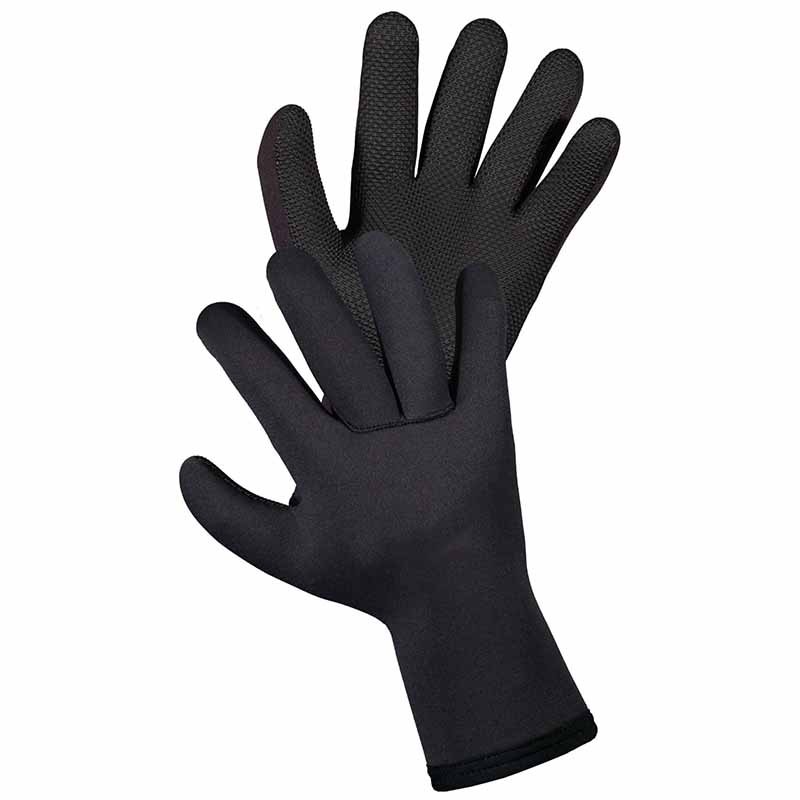
Neoprene work gloves are protective gloves made with neoprene, a synthetic rubber material used when gloves need better resistance to water, oil, weather exposure, repeated flexing, and moderate chemical contact than many standard fabric gloves can offer. They are widely used in industrial, mechanical, marine, outdoor, utility, and cold or wet working environments.
What are neoprene work gloves used for?
Neoprene work gloves are used in jobs where the hand needs more than just a light surface covering. They are commonly chosen when workers face a mix of moisture, abrasion, repeated movement, impact, vibration, cold temperature, or dirty surfaces. In simple terms, neoprene is often selected when the glove has to keep working after the environment becomes messy.
Common application fields include:
- Automotive repair and maintenance
- Fishing, marine, and dock work
- Construction and site handling
- Warehouse and utility work
- Gardening and landscaping
- Mechanical assembly in wet or oily areas
- Cold-weather handling tasks
- Industrial cleaning and maintenance
The reason many customers look at neoprene is practical. A cotton glove may absorb water and become heavy. A simple knit glove may wear quickly at the palm. A low-end coated glove may lose flexibility after repeated bending. Neoprene sits in the middle of protection and comfort. It gives the user a more stable material platform.
The table below shows where neoprene gloves usually fit.
| Work Condition | Standard Knit Gloves | PU-Coated Gloves | Neoprene Work Gloves |
|---|---|---|---|
| Wet handling | Poor | Fair | Good |
| Oily environment | Poor | Fair | Good |
| Cold outdoor use | Poor | Fair | Good |
| Repeated flexing | Fair | Good | Good |
| Cushioning feel | Low | Low | Medium to high |
| Weather resistance | Low | Medium | Good |
From a product planning view, neoprene work gloves are often not the cheapest option, but they can be the better value option when glove life, comfort, and protection matter more than first-cost purchasing.
What is neoprene in work gloves?
Neoprene is the common name for polychloroprene, a synthetic rubber developed to deliver more stable performance than many ordinary materials in water, weather, oil, and repeated flexing conditions. In glove production, neoprene is usually not used in raw bulk form. It is processed into sheets, foamed sheets, or laminated structures that can then be cut, sewn, glued, embossed, or combined with lining fabrics.
In work gloves, neoprene is valuable because it offers a group of properties that work well together:
- Good flexibility
- Good weather resistance
- Good water resistance
- Better oil resistance than many textile-only gloves
- Stable feel across a range of temperatures
- Soft cushioning when foam neoprene is used
Neoprene used in gloves is often measured by thickness. Common ranges include:
| Neoprene Thickness | Main Effect | Common Use |
|---|---|---|
| 1 mm | Light protection, more dexterity | Light-duty gloves |
| 2 mm | Better balance of flexibility and protection | General work gloves |
| 3 mm | More cushioning and insulation | Outdoor, wet, cold work |
| 4–5 mm | Heavier protection, reduced dexterity | Specialized heavy or cold-use gloves |
Another important point is that neoprene for gloves is often laminated with fabric on one or both sides. This improves surface appearance, helps control stretch, supports stitching, and can improve comfort. A glove made from bare neoprene and a glove made from laminated neoprene may look similar from far away, but the production behavior, durability, and hand feel can be very different.
For customers developing private label gloves, this is where many quality differences start. The same glove concept can become entry-level or premium depending on neoprene grade, density, thickness, lamination, and finishing quality.
What makes neoprene work gloves different?
Neoprene work gloves are different because they are built around a rubber-based material system instead of relying only on woven or knitted fabric. That changes the way the glove feels, protects, bends, and lasts. The difference is not just technical. It is visible in use.
Compared with common glove materials, neoprene usually gives a more padded, more stable, and more weather-resistant structure. It is especially useful when the end user wants a glove that still feels dependable after exposure to wet surfaces, outdoor weather, or oily equipment.
Here is a practical comparison.
| Material Type | Main Strength | Main Weakness | Where Neoprene Stands Out |
|---|---|---|---|
| Cotton | Comfortable, low cost | Absorbs water, low durability | Better moisture resistance |
| Nylon knit | Light, flexible | Limited protection | Better cushioning and weather resistance |
| PU-coated knit | Good dexterity | Limited insulation, moderate durability | Better barrier feel |
| Latex | Good grip | Can degrade in some conditions, allergy concerns | More stable material profile |
| Nitrile-coated | Good oil resistance | Often less padded | Better flexibility plus cushioning |
What customers often care about most is not the chemistry. They care about these real questions:
- Will the glove crack after repeated use?
- Will it stay comfortable in wet conditions?
- Will it still feel flexible after weeks of work?
- Will the seams and palm area hold up?
- Will customers complain that it is too stiff or too bulky?
Neoprene gives manufacturers more room to design gloves for these real use cases. That is why it appears in work gloves, sports gloves, fishing gloves, medical support products, wetsuits, and performance accessories. It is versatile, but only when the factory understands how to convert neoprene into a finished product correctly.
How do neoprene work gloves fit into product positioning?
From a commercial angle, neoprene work gloves usually sit above low-cost promotional gloves and below highly specialized technical gloves with extreme certification requirements. That makes them a strong category for brands that want to offer more value without moving into an unworkable cost range.
They are often a good fit for:
- Amazon sellers who need visible product differentiation
- Mid-range safety brands
- Outdoor and utility brands
- Distributors serving wet, cold, or dirty work environments
- Private label programs that need better perceived quality
Customers comparing glove categories often look at three things first: cost, durability, and comfort. Neoprene gloves tend to score well on comfort and durability, while their cost depends heavily on thickness, construction, lining, and production method.
This gives brands room to create several product tiers:
| Product Tier | Neoprene Structure | Target Market |
|---|---|---|
| Entry mid-range | Thin laminated neoprene | General handling |
| Core commercial | 2–3 mm neoprene with reinforced palm | Utility and maintenance |
| Premium performance | Multi-panel neoprene with grip print and lining | Marine, outdoor, industrial |
That positioning flexibility is one reason neoprene gloves are attractive for OEM and ODM development. One base material can support many price levels and market stories when engineered correctly.
Why Use Neoprene Work Gloves?
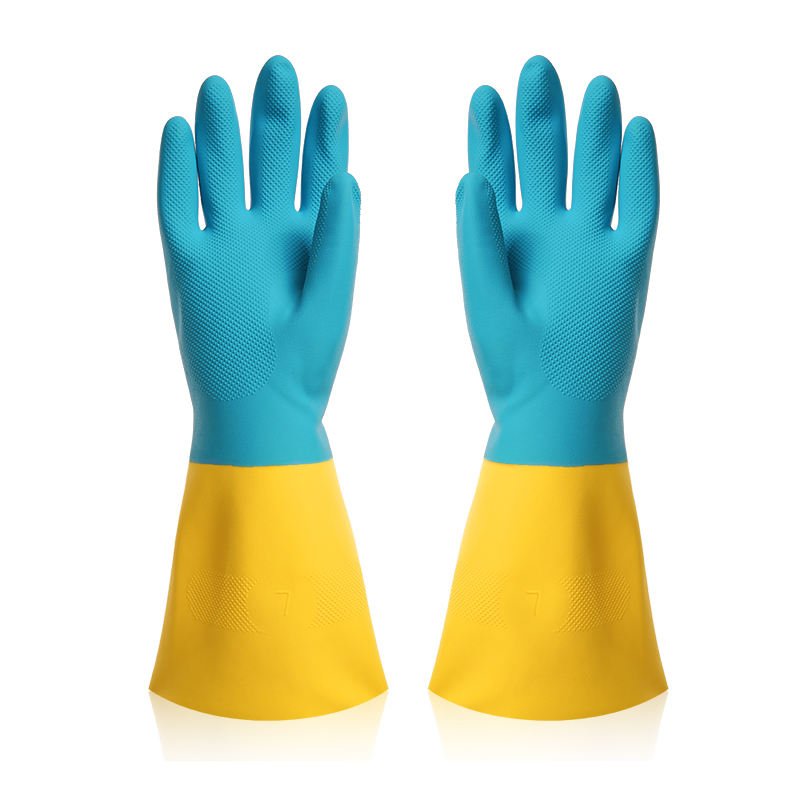
Neoprene work gloves are used because they offer a practical balance of flexibility, protection, weather resistance, and service life. They help reduce early glove failure in wet, oily, dirty, outdoor, and repeated-use working conditions, while still remaining comfortable enough for regular wear.
Why are neoprene work gloves durable?
Durability in gloves is not just about whether the material is thick. A glove becomes durable when it can keep performing after repeated flexing, rubbing, compression, and environmental exposure. Neoprene has advantages in exactly these areas.
First, neoprene is naturally more stable than many ordinary textile-only glove materials when exposed to moisture, outdoor weather, and repeated bending. It does not behave like cotton, which can hold water and lose performance quickly in wet conditions. It also does not depend entirely on a surface coating for performance, because the base material itself contributes to the glove’s protective behavior.
Second, neoprene foam or sheet structures can absorb and spread stress better than thin fabrics alone. This helps at the knuckles, the palm, and bending zones around the fingers. Good glove durability is often about slowing down damage, not just preventing it once.
Main reasons neoprene gloves last longer in the right application:
- Better resistance to water and weather
- More stable flex performance
- Better cushioning against repeated contact
- Less collapse in cold and wet environments
- Strong base for lamination and reinforcement
A useful comparison looks like this:
| Durability Factor | Basic Knit Gloves | Standard Coated Gloves | Neoprene Work Gloves |
|---|---|---|---|
| Wet-condition lifespan | Low | Medium | High |
| Repeated flex stability | Medium | Medium | High |
| Surface wear tolerance | Low | Medium | Medium to high |
| Cold-condition usability | Low | Medium | High |
| Shape retention | Low | Medium | Good |
Of course, not every neoprene glove is durable. Poor lamination, low neoprene density, bad cutting, weak stitching, and unstable glue can all ruin a product. Material potential only turns into product durability when manufacturing is controlled well.
How do neoprene work gloves resist oil?
Oil resistance is one of the strongest reasons many industrial customers consider neoprene. Oil can quickly expose the weakness of lower-grade gloves. It changes surface feel, reduces grip, increases weight in absorbent fabrics, and can break down some materials over time.
Neoprene performs better because its rubber structure is less absorbent and more stable in oily conditions than many textile-based glove constructions. In practical use, that means the glove is less likely to become saturated, sloppy, or structurally weak after contact with lubricants, grease, and oily equipment surfaces.
What oil resistance improves in daily use:
- More stable glove feel
- Less material softening
- Better service life
- Lower odor and contamination retention than absorbent fabrics
- Cleaner visual appearance over time
For customers developing gloves for automotive, machinery, maintenance, or dockside use, this matters a lot. A glove that handles oil poorly often creates two problems at once: the user loses confidence in grip and the glove starts aging early.
That said, oil resistance should be discussed honestly. Neoprene performs well, but glove performance also depends on:
- Outer surface texture
- Palm reinforcement
- Whether the glove uses additional grip print or coating
- Seam sealing quality
- Thickness selection
A glove made with neoprene but poor palm engineering can still disappoint in oily handling. This is why material selection and structural design have to be evaluated together, not separately.
Do neoprene work gloves improve comfort?
Yes, in many use cases they do. Comfort is one of the main reasons users stay loyal to a glove, and one of the main reasons they stop buying it. A glove can be protective, but if it feels too stiff, too sweaty, too bulky, or too awkward at the fingers, many users will reject it quickly.
Neoprene improves comfort in several ways:
- It has natural flexibility
- It provides soft cushioning
- It conforms better than rigid materials
- It can be laminated with comfortable lining fabrics
- It can offer insulation in cooler conditions
For many customers, comfort shows up in three specific user reactions:
- “The glove feels soft enough to wear longer.”
- “It still bends well after repeated use.”
- “It does not feel cold and dead when wet.”
These points matter in real product reviews. End users rarely describe polymer behavior, but they do talk about stiffness, warmth, sweat, hand fatigue, and grip confidence.
Different lining choices also affect comfort heavily.
| Inner Lining Type | Main Benefit | Common Result |
|---|---|---|
| Polyester jersey | Smooth and durable | General-use comfort |
| Nylon knit | Light and flexible | Better dexterity |
| Fleece lining | Warmth | Cold-weather use |
| Brushed lining | Softer hand feel | Premium comfort |
The trade-off is that more comfort can sometimes reduce dexterity if the glove becomes too thick. That is why glove development should not chase “more material” blindly. The best glove is usually the one that matches comfort, protection, and movement to the real job.
Are neoprene work gloves good for wet and cold environments?
This is one of the strongest use cases for neoprene. In wet and cold conditions, many glove materials become uncomfortable very fast. Some absorb water. Some lose flexibility. Some feel colder after exposure. Some become heavy and unpleasant to keep wearing.
Neoprene is valuable here because it was widely adopted in products where thermal stability and water resistance matter, including wetsuits and water-sport gear. That does not mean every neoprene work glove is a thermal glove, but it does mean the material starts from a stronger position than many ordinary glove materials.
In wet and cold conditions, neoprene can help with:
- Keeping hands more insulated
- Limiting direct water penetration
- Maintaining flexibility
- Reducing the “cold shock” feel of wet gloves
- Improving user willingness to keep wearing the glove
This is especially useful for:
- Fishing brands
- Marine work gloves
- Utility gloves
- Outdoor winter handling gloves
- Cold-storage adjacent products
- Landscaping and maintenance gloves in rainy regions
Still, glove design matters. A thin neoprene glove and a 3 mm lined neoprene glove will behave very differently. Customers should define whether the target use is splash resistance, full wet handling, light cold weather, or true winter protection. That helps the factory recommend the right neoprene thickness, lining, cuff design, and seam method.
Is neoprene always the best material for work gloves?
No, and that is an important point. Neoprene is strong in many areas, but it is not automatically the best material for every glove program. The right choice depends on the use environment, target price, certification needs, dexterity level, and customer expectation.
Neoprene may not be the best option when:
- Extreme fine motor dexterity is the top priority
- The product must hit a very low retail price
- The glove is designed for single-use or short-life use
- Very specialized chemical exposure requires another material system
- Ultra-high cut resistance is the main requirement
This matters for product planning. A good factory should not simply say “neoprene is best” for everything. It should explain where neoprene performs well and where another construction may make more sense.
For example:
| Requirement | Better Direction |
|---|---|
| Lowest-cost work glove | Simple knit or coated glove |
| Ultra-thin dexterity | PU-coated nylon or similar |
| Warm wet work glove | Neoprene |
| Branded premium utility glove | Neoprene |
| Heavy cut protection | Cut-resistant fiber system |
For many custom glove projects, though, neoprene is a very smart middle path. It is strong enough to create noticeable product value, flexible enough for design variation, and versatile enough for multiple channels, including workwear, outdoor, marine, and branded utility products.
Which Materials Are in Neoprene Work Gloves?
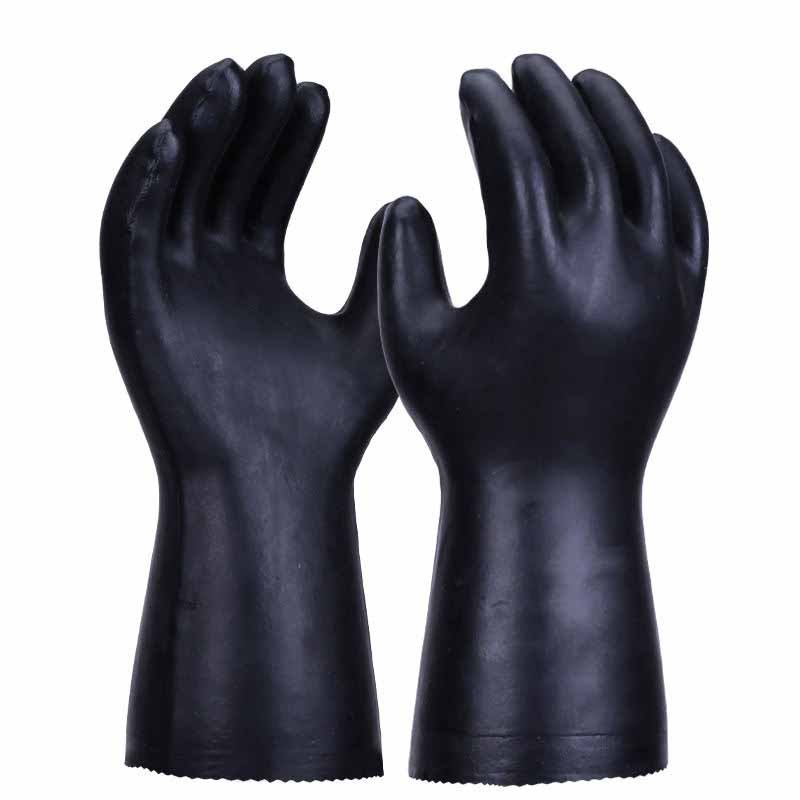
Neoprene work gloves are not made from a single material. A finished glove is a multi-layer structure, combining neoprene with fabrics, coatings, reinforcements, and functional components. The final performance depends on how these materials are selected and combined—not just on neoprene itself.
Which neoprene is used in neoprene work gloves?
Not all neoprene is the same. In glove manufacturing, neoprene can vary significantly in density, thickness, elasticity, and lamination quality. These differences directly affect durability, comfort, and cost.
The most commonly used neoprene types include:
| Neoprene Type | Structure | Key Advantage | Typical Use |
|---|---|---|---|
| CR neoprene (standard) | Solid or foam | Balanced performance | General work gloves |
| SBR neoprene | Synthetic blend | Lower cost | Entry-level gloves |
| SCR neoprene | CR + SBR blend | Cost-performance balance | Mid-range products |
| Foam neoprene | Cellular structure | Cushioning + insulation | Cold/wet gloves |
| Laminated neoprene | Fabric bonded | Better structure + sewing | Most work gloves |
Key factors buyers should focus on:
- Density: Higher density = better durability but less softness
- Thickness: 1–5 mm depending on use
- Elastic recovery: Determines long-term shape retention
- Lamination strength: Prevents fabric delamination
A common mistake is choosing neoprene only by thickness. In reality, 2 mm high-quality neoprene can outperform 3 mm low-density neoprene in both durability and comfort.
At Oneier, neoprene sheets are selected based on the final application. For example:
- Marine gloves → foam neoprene + laminated fabric
- Industrial gloves → denser neoprene + reinforced palm
- Sports/utility gloves → flexible neoprene + soft lining
Which linings are used in neoprene work gloves?
Neoprene itself is not always comfortable directly against the skin. That’s why most neoprene work gloves include inner lining fabrics to improve wearability.
The lining affects:
- Comfort
- Sweat management
- Thermal performance
- Durability of the inner surface
Here are the most common lining options:
| Lining Type | Feel | Performance | Best Use |
|---|---|---|---|
| Polyester jersey | Smooth | Durable, quick-dry | General work gloves |
| Nylon knit | Light | High flexibility | Dexterity-focused gloves |
| Fleece lining | Soft | Warmth retention | Cold-weather gloves |
| Brushed fabric | Soft touch | Better comfort | Premium products |
In real use, lining choice can change customer perception significantly.
For example:
- A glove with basic lining may feel “functional”
- A glove with soft brushed lining may feel “premium”
From a product development perspective, lining selection is often one of the lowest-cost ways to improve perceived quality.
Another important point is bonding quality between neoprene and lining. Poor lamination can cause:
- Peeling inside the glove
- Uneven feel
- Reduced durability
This is why stable lamination processes are critical in manufacturing.
Which coatings are used on neoprene work gloves?
While neoprene itself provides protection, coatings are often added to improve grip, abrasion resistance, and surface durability.
The most common coating types include:
| Coating Type | Function | Advantage | Application |
|---|---|---|---|
| PU coating | Surface protection | Flexible, smooth | General gloves |
| PVC coating | Heavy-duty protection | High abrasion resistance | Industrial gloves |
| Rubber print (grip dots) | Grip enhancement | Better handling control | Palm area |
| Silicone print | High grip | Stable in wet conditions | Precision work gloves |
Coatings are usually applied to:
- Palm area
- Finger zones
- High-contact surfaces
For example:
- A smooth neoprene glove may feel comfortable but lack grip
- Adding rubber print can significantly improve handling performance
However, coating must be balanced. Too much coating can:
- Reduce flexibility
- Increase stiffness
- Affect comfort
This is why coating design should match the glove’s purpose.
How do material combinations affect glove performance?
The real performance of neoprene work gloves comes from how materials are combined, not from any single component.
Here is a simplified structure of a typical neoprene glove:
| Layer | Material | Function |
|---|---|---|
| Outer layer | Laminated fabric or coating | Protection + durability |
| Middle layer | Neoprene foam/sheet | Cushioning + flexibility |
| Inner layer | Lining fabric | Comfort + moisture control |
| Palm reinforcement | Coating or patch | Grip + wear resistance |
Different combinations create different product outcomes.
For example:
| Material Setup | Result |
|---|---|
| Thin neoprene + no coating | Lightweight but less durable |
| Medium neoprene + PU coating | Balanced performance |
| Thick neoprene + PVC + lining | Heavy-duty, long-lasting |
For B2B buyers, this is where product differentiation happens. Two gloves may look similar, but material structure can make one last twice as long as the other.
How Are Neoprene Work Gloves Made?
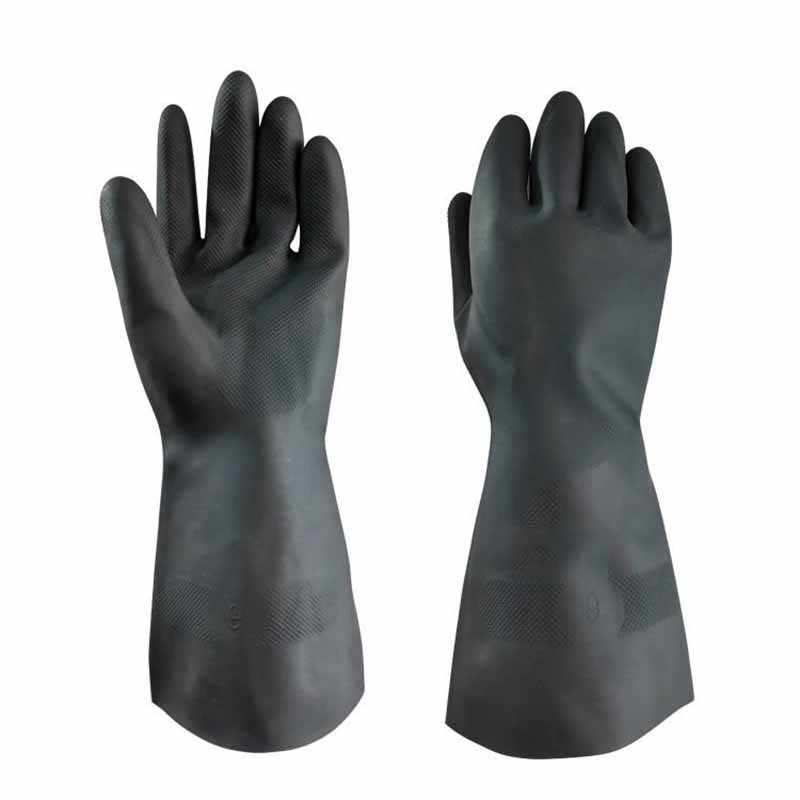
Neoprene work gloves are produced through a multi-step manufacturing process that includes material preparation, cutting, assembly, bonding, and quality control. Each step affects the final durability, comfort, and consistency of the product.
How is neoprene prepared for neoprene work gloves?
The process begins with neoprene sheet production and preparation.
Key steps include:
- Raw material selection (CR, SBR, or blends)
- Foaming or sheet formation
- Lamination with fabric (if required)
- Thickness calibration
- Surface treatment
The lamination process is especially important. It bonds fabric to neoprene using adhesive and heat.
Good lamination ensures:
- Strong bonding (no peeling)
- Even surface
- Stable thickness
Poor lamination can lead to:
- Delamination after use
- Uneven glove structure
- Reduced durability
Factories like Oneier control lamination through:
- Temperature control
- Adhesive quality
- Pressure consistency
This step sets the foundation for the entire product.
How are neoprene work gloves cut and shaped?
After material preparation, neoprene sheets are cut into glove components.
Cutting methods include:
- Manual cutting (for samples or small runs)
- Die cutting (for mass production)
- CNC cutting (for precision designs)
Each glove consists of multiple parts:
- Palm panel
- Back panel
- Finger pieces
- Thumb section
- Cuff
Accuracy in cutting is critical. Poor cutting leads to:
- Misaligned seams
- Uneven fit
- Increased production defects
Factories typically use metal dies for consistent shapes in large orders. This ensures:
- Size consistency
- Production efficiency
- Reduced waste
How are neoprene work gloves stitched or bonded?
Assembly is one of the most critical stages. Neoprene gloves can be constructed using:
- Stitching
- Gluing
- Heat bonding
- Combination of methods
Each method has different advantages:
| Method | Strength | Flexibility | Use Case |
|---|---|---|---|
| Stitching | High | Medium | General gloves |
| Gluing | Medium | High | Waterproof gloves |
| Heat bonding | High | High | Premium products |
Reinforcement techniques include:
- Double stitching
- Bartack stitching
- Seam sealing
For example:
- Handle stress areas → reinforced stitching
- Waterproof gloves → glued + sealed seams
A key detail is stitch density (SPI). Higher stitch density improves strength but increases cost.
How are neoprene work gloves tested?
Quality testing ensures that gloves perform as expected in real use.
Common tests include:
| Test | Purpose |
|---|---|
| Tensile test | Measures material strength |
| Flex test | Simulates repeated bending |
| Abrasion test | Evaluates wear resistance |
| Grip test | Checks handling performance |
| Water resistance test | Verifies barrier performance |
Factories also perform:
- Size consistency checks
- Visual inspection
- Stitch quality inspection
For large orders, consistency is more important than peak performance. A glove that varies between batches can damage brand reputation.
How does manufacturing affect final product quality?
Even with the same materials, manufacturing quality can vary significantly.
Key factors include:
- Worker skill
- Machine precision
- Process control
- Quality inspection
Two factories using similar materials can produce very different results.
At Oneier, production focuses on:
- Standardized processes
- Stable material sourcing
- Consistent quality control
This ensures that:
- Samples match mass production
- Product performance remains stable
- Customers receive consistent quality across orders
How to Choose Neoprene Work Gloves Supplier?
Choosing the right neoprene work gloves supplier is not only about price. It directly affects your product quality, delivery reliability, customer feedback, and long-term brand reputation. A good supplier helps you build a product line that sells consistently. A weak supplier often leads to unstable quality, delayed shipments, and negative reviews.
How to check neoprene work gloves quality?
When evaluating neoprene work gloves, relying only on appearance is not enough. Many gloves look similar at first glance, but performance differences appear quickly in real use.
Here are practical ways to evaluate quality before placing bulk orders:
1. Material check
- Feel the neoprene elasticity (should rebound quickly)
- Check thickness consistency across panels
- Inspect lamination (no bubbles or separation)
2. Stitching check
- Look at stitch density (tight and even)
- Check stress points (reinforced or not)
- Pull seams slightly to test strength
3. Fit and structure
- Wear the glove and flex fingers
- Check if it feels stiff or natural
- Observe shape retention after bending
4. Surface and grip
- Test grip in dry and slightly wet conditions
- Check coating adhesion (no peeling)
5. Simple durability test
- Bend repeatedly for 1–2 minutes
- Rub palm area on rough surface
- Check for early signs of damage
Here is a quick checklist buyers can use:
| Check Item | Good Quality Indicator | Risk Indicator |
|---|---|---|
| Neoprene surface | Smooth, uniform | Uneven, soft spots |
| Lamination | Firm bonding | Peeling or bubbling |
| Stitching | Tight, consistent | Loose or uneven |
| Grip coating | Strong adhesion | Flaking or weak grip |
| Flexibility | Natural movement | Stiff or cracking |
These checks help identify issues early and avoid costly problems in mass production.
How to choose OEM neoprene work gloves factory?
Not all factories have the same capability. Choosing the right OEM partner is critical, especially for custom or private label products.
Key evaluation areas:
| Area | What to Look For |
|---|---|
| Material expertise | Experience with neoprene lamination and thickness control |
| Product range | Ability to produce gloves, bags, sports gear |
| Development support | Can suggest improvements, not just follow drawings |
| Sampling speed | 5–10 days typical |
| Production capacity | Ability to handle large orders (5,000–50,000+ pcs) |
| Quality system | Clear inspection process |
A strong factory should be able to:
- Recommend suitable neoprene types
- Suggest structural improvements
- Adjust design for cost optimization
- Maintain consistency across batches
At Oneier, customers benefit from:
- 18+ years neoprene material experience
- In-house development for multiple product categories
- Fast sampling for quick market testing
- Stable production for repeat orders
This is especially important for Amazon sellers and growing brands, where consistency directly impacts reviews and rankings.
How to compare OEM vs ODM neoprene work gloves?
Understanding the difference between OEM and ODM helps you choose the right development approach.
| Type | Definition | Best For |
|---|---|---|
| OEM | Produce based on your design | Brands with clear product concept |
| ODM | Factory provides design options | Faster product launch |
OEM advantages:
- Full control over design
- Unique product differentiation
- Strong brand identity
ODM advantages:
- Faster development
- Lower initial cost
- Proven designs
For many customers, the best approach is a combination:
- Start with ODM base design
- Customize materials, colors, and logo
- Gradually move to full OEM development
This reduces risk while allowing product differentiation.
How to reduce cost without losing quality?
Cost control is a major concern, especially for large-volume orders. However, reducing cost should not compromise durability or user experience.
Smart cost optimization strategies include:
1. Optimize material, not just reduce it
- Use 2 mm high-quality neoprene instead of 3 mm low-quality
- Adjust density instead of thickness
2. Focus reinforcement where needed
- Reinforce palm and stress areas
- Avoid overbuilding the entire glove
3. Choose the right coating
- PU instead of PVC when heavy-duty performance is not required
- Select grip patterns instead of full coating
4. Standardize components
- Use common sizes and materials across product lines
- Reduce complexity in production
Here is a comparison:
| Strategy | Cost Impact | Performance Impact |
|---|---|---|
| Reduce thickness blindly | Lower cost | High risk of failure |
| Optimize material quality | Moderate cost | Better durability |
| Targeted reinforcement | Balanced cost | High efficiency |
| Simplify design | Lower cost | Maintains usability |
Well-optimized products can reduce cost by 10%–20% while maintaining strong performance.
How to ensure consistent quality in bulk orders?
Consistency is one of the biggest challenges in manufacturing. A good sample does not guarantee good mass production.
To ensure consistency:
- Confirm material specifications clearly (thickness, density)
- Approve pre-production samples
- Define quality standards in advance
- Request production samples from bulk run
- Work with factories that have stable processes
Key control points:
| Stage | Risk | Control Method |
|---|---|---|
| Material sourcing | Variation in neoprene quality | Use approved suppliers |
| Lamination | Bonding inconsistency | Process control |
| Cutting | Size variation | Standardized dies |
| Stitching | Weak seams | Training + QC checks |
| Final inspection | Defects missed | Multi-stage inspection |
Factories like Oneier focus on process control to ensure that bulk production matches approved samples, especially for repeat orders.
Conclusion: Build Better Neoprene Work Gloves for Long-Term Success
Neoprene work gloves are not just another product category. They represent a balance between protection, comfort, and durability that many users depend on daily.
For brands and buyers, the key takeaway is simple:
- Material selection affects durability
- Structure affects performance
- Manufacturing affects consistency
A well-designed neoprene glove can:
- Last longer
- Improve user satisfaction
- Reduce complaints and returns
- Strengthen brand reputation
Work With Oneier to Customize Neoprene Work Gloves
If you are planning to develop or upgrade your neoprene work gloves, choosing the right factory makes all the difference.
Whether you are launching a new product or improving an existing one, we can help you create neoprene work gloves that perform in real working conditions.
Contact Oneier today to get a custom quote and start your neoprene work gloves project.