

A shoulder strap seems like a small detail until the bag is actually loaded and carried for real. That is when comfort complaints begin. A bag may look premium, the logo may look perfect, and the shape may be exactly what the client wanted, yet the product still fails in daily use because the shoulder strap feels too thin, too stiff, too narrow, or too bulky. For many products, especially laptop bags, travel bags, cooler bags, tool bags, and camera bags, the strap is one of the first parts users judge. They may not know the neoprene grade or the lamination structure, but they instantly know whether the strap feels comfortable after ten minutes, thirty minutes, or a full day of use.
The most practical answer is not “the thicker the better.” In real product development, the best neoprene thickness for shoulder straps usually falls between 3mm and 5mm, depending on bag weight, strap width, carry time, product positioning, and the softness of the neoprene itself. 3mm is often a strong choice for light to medium bags that need flexibility and a cleaner profile. 5mm is often better for heavier bags or projects that need stronger cushioning and a more premium hand feel. Once thickness goes beyond that, comfort can improve in some cases, but bulk, heat, sewing difficulty, and material cost also rise.
Think about it this way: two bags can use the same neoprene, but if one carries a 13-inch laptop and the other carries camera gear, the “best” thickness is no longer the same. That is why experienced manufacturers do not choose neoprene thickness by habit. They choose it by use case. And once you start comparing load, width, foam rebound, and carry duration together, shoulder strap design becomes much more interesting than it first appears.
What Is Neoprene Thickness for Shoulder Straps?
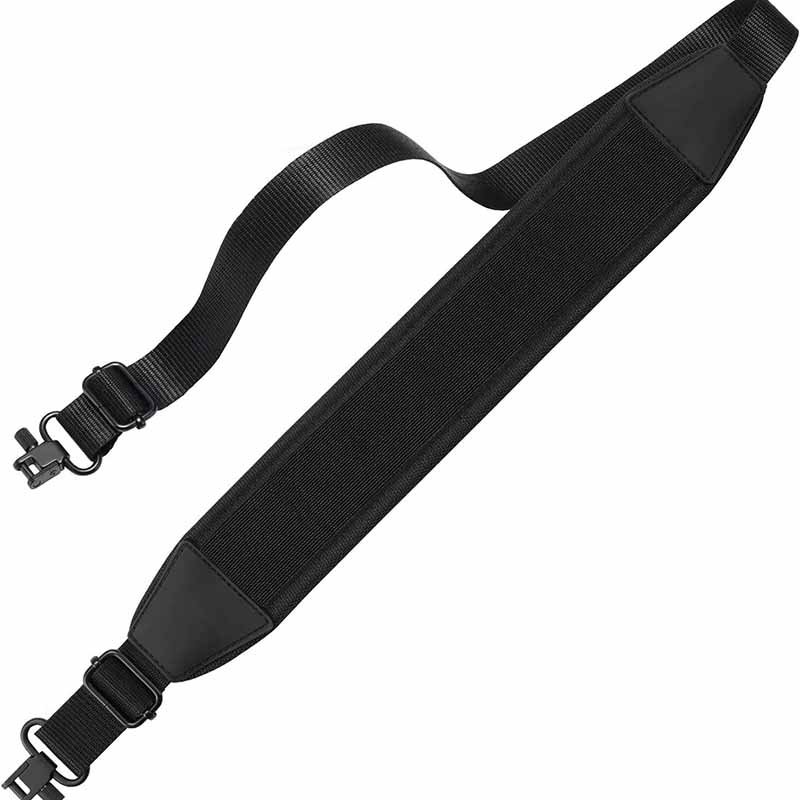
Neoprene thickness for shoulder straps refers to the thickness of the neoprene foam layer used inside or as part of the strap pad to improve softness, cushioning, grip, and pressure distribution. In manufacturing, thickness is usually measured in millimeters, and the most common working options are 2mm, 3mm, 4mm, 5mm, and 6mm. The thicker the neoprene, the more padding volume the strap can offer, but that does not automatically mean better performance.
For customers developing straps, thickness matters because it directly affects how the load feels on the shoulder. A shoulder strap does not reduce the actual weight of the bag. What it does is change how that weight is transferred to the body. A better-designed neoprene strap spreads pressure more evenly, softens hard contact, and reduces the sharp “digging” feeling that users often complain about.
But thickness must always be judged together with other factors:
- strap width
- bag weight
- length of carry time
- foam softness
- outer fabric lamination
- anti-slip surface design
- strap shape and contour
- webbing strength underneath
This is why the thickness number alone never tells the full story. A poorly designed 5mm strap can perform worse than a well-built 3mm strap if the width is too small, the foam quality is poor, or the strap twists during use.
What does Neoprene Thickness for Shoulder Straps mean?
In practical product terms, neoprene thickness is the cushion depth between the load and the shoulder. It is the part of the strap that helps absorb pressure, create softness, and give the product a more comfortable feel. Thicker neoprene usually creates a fuller and softer strap pad. Thinner neoprene usually creates a lighter, flatter, and more flexible strap.
That sounds simple, but for actual bag development, thickness changes several important things at once:
- how soft the strap feels at first touch
- how much the strap compresses under load
- how much pressure is spread across the shoulder
- how bulky the strap looks
- how easy the strap is to sew and finish
- how much the strap costs
- how stable the strap feels during movement
For example, when a customer picks up a sample with 3mm neoprene, the usual first impression is:
- cleaner profile
- lighter feel
- good flexibility
- more streamlined appearance
When the same customer tests 5mm neoprene, the usual first impression is:
- softer contact
- thicker hand feel
- stronger cushioning impression
- slightly more premium appearance
Neither is automatically correct. The right choice depends on the product role.
A simple comparison helps:
| Neoprene Thickness | First Feel | Main Advantage | Main Trade-Off |
|---|---|---|---|
| 2mm | Thin, light | Lower cost, slim profile | Limited cushioning |
| 3mm | Balanced | Good comfort for many daily bags | May feel too thin for heavy loads |
| 4mm | More supportive | Good middle ground | Slightly more bulk |
| 5mm | Soft, fuller | Better for heavier carry | More weight and thickness |
| 6mm+ | Very padded | Strong cushioning effect | Bulky, hotter, harder to control |
For manufacturers like Oneier, this is where experience matters. The goal is not to recommend the thickest sheet available. The goal is to recommend the thickness that matches the product’s real use and the customer’s target market.
Why does Neoprene Thickness for Shoulder Straps matter?
It matters because shoulder discomfort is one of the most common reasons users dislike a bag, even when everything else looks good. Many clients focus heavily on shell fabric, zipper quality, logo method, and overall style, but the strap is often where the real user experience is decided.
A strap with the wrong thickness can create these problems:
- concentrated pressure on one small shoulder area
- strap edge discomfort
- fast fatigue during walking
- poor support for dense bag contents
- excessive strap collapse under weight
- unstable shoulder feel
- reduced product value perception
This becomes especially important for bags that carry dense or heavy items. A bag does not need to be visually large to feel heavy. In fact, some of the most demanding strap projects come from compact products with dense contents, such as:
- laptop bags
- camera bags
- insulated cooler bags
- medical support bags
- tool bags
- device bags
- sports gear bags
In these categories, the strap often carries more load than the bag appearance suggests.
From a product development standpoint, thickness matters for three main reasons:
1. Pressure distribution
Thicker neoprene usually gives the strap more ability to soften local pressure. That helps reduce the hard, narrow feeling users get from plain webbing or under-padded shoulder pads.
2. Compression behavior
Not all neoprene reacts the same under weight. If the thickness is too low for the load, the foam compresses too quickly and loses its comfort advantage. If the thickness is too high for the strap design, the pad may feel unstable or too soft.
3. Product positioning
Thickness also affects market perception. A slightly thicker strap often feels more premium. A thinner strap may feel cleaner and more modern for lightweight carry. The best thickness is often tied to the price point and the customer’s expectation.
This is why strap thickness is not just a technical material choice. It is a commercial choice too.
Is Neoprene Thickness for Shoulder Straps important for comfort?
Yes, it is one of the key comfort variables, but it only works properly when combined with the right strap width and structure.
Many people think comfort comes mainly from softness. In reality, comfort comes from pressure control. A shoulder becomes uncomfortable when too much weight is concentrated into too small an area for too long. Neoprene helps because it adds softness and allows the strap to follow the shoulder more naturally. But that comfort has limits.
A thick strap can still be uncomfortable if:
- it is too narrow
- it twists during use
- the neoprene is too soft and bottoms out
- the webbing underneath is too stiff
- the outer surface slips constantly
- the shoulder pad is too short for the load zone
This is why experienced factories look at comfort as a full system.
The main comfort factors are:
| Comfort Factor | What It Affects | Why It Matters |
|---|---|---|
| Neoprene thickness | Cushion depth | Reduces sharp pressure |
| Strap width | Contact area | Spreads load more evenly |
| Foam density/rebound | Compression control | Prevents flat, dead feel |
| Strap length of padded area | Shoulder coverage | Keeps load from focusing in one spot |
| Surface grip | Strap stability | Reduces slipping and readjustment |
| Shape/contour | Shoulder fit | Improves natural contact |
For example, a 3mm neoprene strap with a wide shoulder pad and good anti-slip backing may feel better than a 5mm strap with poor shape and a narrow contact zone. On the other hand, for a heavier bag, a 5mm strap may clearly outperform 3mm if the padded area is wide enough and the structure is well controlled.
For clients, the key lesson is simple: do not ask only, “Which thickness is more comfortable?” Ask, “Which thickness is more comfortable for this bag, this load, this width, and this user?”
Which Neoprene Thickness for Shoulder Straps Is Best?
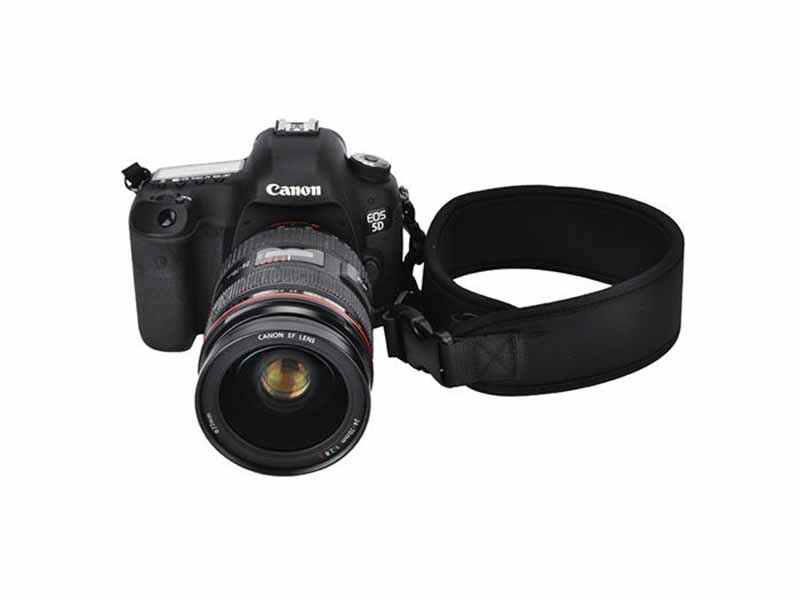
For most shoulder strap projects, the most useful thickness range is 3mm to 5mm. That range works well because it balances cushioning, flexibility, sewing practicality, product appearance, and cost. Below that range, the strap may be too flat for many load-bearing applications. Above that range, the strap can become bulky, heavier, and harder to control, especially on smaller bags.
But “best” should never be answered without context. A strap for a fashion tote, a strap for a laptop messenger bag, and a strap for a cooler bag may all use different thicknesses and still all be correct. The best thickness depends on five core questions:
- How heavy is the loaded bag?
- How long will the user carry it?
- How wide is the shoulder pad?
- Does the project need a slim look or a padded look?
- Is the strap meant for light comfort or heavy-duty comfort?
A good way to think about it is by performance level:
| Use Level | Bag Example | Suggested Thickness Direction |
|---|---|---|
| Light use | document bag, promo tote | 2mm to 3mm |
| Daily use | laptop bag, messenger bag | 3mm to 4mm |
| Medium-heavy use | commuter travel bag, cooler bag | 4mm to 5mm |
| Heavy use | camera bag, tool bag, gear bag | 5mm or more if structure supports it |
This is where product testing becomes much more important than theory. The same 5mm strap can feel excellent on one bag and overbuilt on another. That is why clients who want the best result should compare at least two sample thicknesses side by side before final production.
Is 3mm Neoprene Thickness for Shoulder Straps enough?
In many cases, yes. 3mm is one of the most commercially practical neoprene thicknesses for shoulder straps because it offers visible and noticeable padding without making the strap too thick, too heavy, or too expensive. It is often a very strong choice for daily-use bags where the strap needs to feel better than plain webbing but still remain slim and easy to manage.
3mm neoprene is often suitable for:
- office bags
- laptop sleeves with shoulder straps
- messenger bags
- document bags
- casual shoulder totes
- lighter travel bags
- promotional bags with upgraded comfort
Its strengths are clear:
- keeps the strap profile clean
- improves softness without excess bulk
- easier to sew and laminate
- lower material cost than thicker pads
- works well with many standard strap widths
- suitable for mid-range and volume production
But 3mm also has clear limits. It may feel insufficient when:
- the bag carries dense electronics
- the user walks long distances
- the strap width is too narrow
- the bag is worn all day
- the product is positioned as premium comfort
In those cases, 3mm can still work, but only if the rest of the structure is strong. For example:
- wider shoulder pad
- better shoulder contour
- stronger anti-slip backing
- higher-quality neoprene foam
- better webbing tension distribution
So the real answer is not “3mm is enough for all bags.” The better answer is: 3mm is enough for many light-to-medium applications when the strap design is balanced correctly.
Is 5mm Neoprene Thickness for Shoulder Straps better?
For heavier bags and longer wear time, often yes. 5mm neoprene is usually the safer choice when the project needs stronger cushioning, a fuller shoulder pad, and a more substantial hand feel. It is often preferred for bags where comfort is a core selling point rather than just a secondary feature.
5mm neoprene is often a good fit for:
- laptop bags with heavier devices
- travel duffels
- camera bags
- tool bags
- insulated cooler bags
- medical carry bags
- equipment bags
Its main advantages are:
- more cushioning depth
- better pressure buffering
- softer first-touch comfort
- stronger premium feel
- better support for dense loads
- more visible value in the shoulder pad
However, 5mm is not automatically better in all situations. It can also bring problems:
- higher cost
- more weight
- bulkier appearance
- more difficult edge finishing
- possible heat retention
- instability if the strap is too narrow
This is one of the most common strap-development mistakes: choosing 5mm because it sounds more comfortable, then applying it to a narrow or small bag that does not really need it. The result can be a strap that feels too round, too thick, or visually out of proportion.
A smarter way to compare looks like this:
| Thickness | Best For | Watch Out For |
|---|---|---|
| 3mm | daily bags, slim profiles | may compress too much under heavy load |
| 4mm | balanced daily-to-travel use | slight increase in bulk |
| 5mm | heavier bags, premium comfort | can be too thick for compact designs |
So yes, 5mm can be better, but only when the product actually needs that extra cushioning and the structure is designed to carry it well.
Which Neoprene Thickness for Shoulder Straps fits daily use?
For daily use, 3mm to 4mm is often the most flexible and commercially sensible range, while 5mm becomes more attractive when the bag is heavier or the customer expects a softer premium shoulder feel.
Daily use is a broad category, so it helps to divide it by product type:
| Daily Use Product | Common Load Level | Practical Thickness Direction |
|---|---|---|
| office document bag | light | 3mm |
| casual laptop bag | light to medium | 3mm to 4mm |
| commuter messenger bag | medium | 3mm to 5mm |
| shoulder tote with devices | medium | 4mm |
| everyday travel bag | medium to heavy | 4mm to 5mm |
For many brands, daily use is where strap selection matters most because this is where comfort complaints show up fastest. Users may carry these bags repeatedly every week. A small discomfort becomes a repeated annoyance, and repeated annoyance becomes a negative review.
That is why daily-use strap design should be judged by:
- carry duration
- average load
- user mobility
- bag width and body size
- product positioning
- target price point
A product sold as an affordable basic bag may perform perfectly well with 3mm if the strap width is reasonable. A product sold as a premium commuter bag may need 4mm or 5mm because the customer expectation is higher, even if the load difference is not huge.
For Oneier, this is where manufacturing experience creates value. With more than 18 years of experience in neoprene material R&D and related sewn products, Oneier can help clients evaluate not only the neoprene thickness itself, but also the full strap system, including lamination choice, width, shape, webbing support, stitching method, logo application, and production feasibility.
How Does Neoprene Thickness for Shoulder Straps Feel?
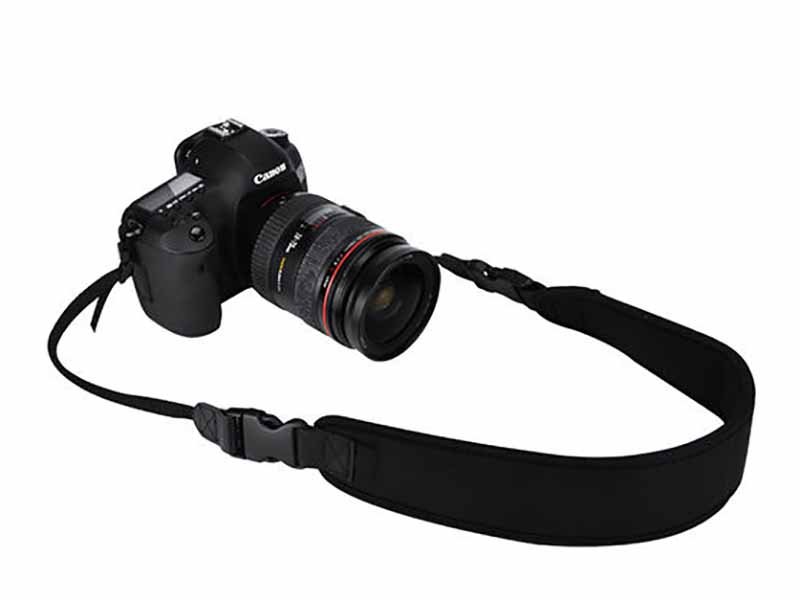
The feel of a shoulder strap is one of the most underestimated parts of bag development. Many clients focus on thickness as a number, but users never feel a number. They feel pressure, softness, heat, stability, rebound, and fatigue. That is why two straps made with different neoprene thicknesses can create completely different user experiences, even when they look similar in photos.
In practical terms, neoprene thickness changes the shoulder feel in five main ways:
- how soft the strap feels on first contact
- how much pressure is reduced during carry
- how much the pad compresses under load
- how stable the bag feels while walking
- how bulky or heavy the strap feels over time
A thinner strap often feels cleaner, lighter, and more flexible. A thicker strap often feels softer, fuller, and more protective. But comfort is not always improved by adding more foam. In some cases, thicker neoprene can make the strap feel warmer, rounder, or less stable, especially if the bag is small or the strap width is too narrow.
That is why the feel of neoprene thickness should always be judged in motion, not only by hand. A shoulder strap may feel soft on the sample table but behave very differently when carrying a real load for thirty minutes. Good manufacturers understand that shoulder strap comfort is dynamic. It changes with weight, walking, body movement, climate, clothing, and shoulder shape.
For clients developing custom products, the best question is not simply, “Which thickness is softer?” The better question is, “Which thickness creates the best carry experience for this product and this user?”
How does Neoprene Thickness for Shoulder Straps reduce pressure?
Neoprene reduces pressure by creating a softer contact layer between the bag load and the shoulder. Instead of allowing force to push through a thin, hard strap edge or flat webbing, neoprene spreads some of that force across a broader and more cushioned surface. That does not remove the weight, but it changes how sharply the weight is felt.
The effect becomes more obvious when the bag carries dense contents, such as:
- laptops
- chargers
- camera gear
- tools
- bottled products
- insulated food items
- medical devices
Without enough padding, these loads tend to create a concentrated pressure point. Users usually describe that feeling as:
- digging
- pinching
- shoulder soreness
- strap bite
- uncomfortable edge pressure
A better neoprene thickness reduces these problems by doing three things:
1. It adds cushioning depth
More thickness creates more material between the load and the body, which helps soften the contact.
2. It slows hard compression
When the thickness is appropriate, the foam resists flattening too quickly and keeps more comfort during movement.
3. It improves force distribution
The load feels less sharp because the contact zone is more forgiving.
This is especially important during longer carry time. A strap that feels acceptable for five minutes may become tiring after thirty minutes because the pressure keeps building in the same area.
Here is a simple way to understand pressure behavior:
| Strap Condition | Shoulder Feel | Likely User Reaction |
|---|---|---|
| No padding | Hard, direct pressure | Fast discomfort |
| Thin padding | Slight improvement | Acceptable for light use |
| Balanced neoprene padding | Softer, more spread pressure | Better daily comfort |
| Overly soft or thick padding | Can feel cushioned at first, but unstable later | Mixed reaction |
So yes, neoprene thickness reduces pressure, but only when it matches the bag’s actual load and the overall strap structure.
Does thicker Neoprene Thickness for Shoulder Straps feel better?
Sometimes yes, but not always. This is one of the most important truths in shoulder strap development.
A thicker strap usually feels better in the first few seconds because it feels softer, fuller, and more padded. For many clients, especially during sample review, that first impression can be very persuasive. A 5mm strap often feels more premium than a 3mm strap when touched by hand. But shoulder comfort is not only about first touch. It is about performance during real use.
A thicker neoprene strap may feel better when:
- the bag is heavy
- the carry time is long
- the strap width is wide enough
- the bag is positioned as premium comfort
- the foam has good rebound and structure
But a thicker strap may feel worse when:
- the strap is too narrow
- the bag is small and light
- the strap shifts too much while walking
- the padding feels too rounded
- the product becomes bulky or hot
- the foam is too soft and collapses unevenly
This is why some users say a thicker strap feels “soft but annoying.” They feel the cushioning, but they also notice extra movement, heat, or visual bulk.
A useful way to compare the feel is this:
| Thickness Range | Usual Feel | Best Fit |
|---|---|---|
| 2mm to 3mm | Slim, flexible, lighter | Light daily bags |
| 3mm to 4mm | Balanced, natural, versatile | Daily and commuter use |
| 5mm | Fuller, softer, stronger cushion | Heavier and premium bags |
| 6mm+ | Very padded, bulky | Niche heavy-duty use |
So thicker can feel better, but only when the whole strap system supports it. Otherwise, more thickness becomes a comfort illusion rather than a real improvement.
How do width and Neoprene Thickness for Shoulder Straps work together?
Width and thickness should always be developed together because they control comfort as a pair. Thickness gives cushion depth. Width gives pressure spread. If one is wrong, the other cannot fully compensate.
A narrow strap with thick neoprene often creates a rounded contact area. It may feel soft at first, but the weight is still focused into a small zone. That can lead to:
- shoulder pressure build-up
- strap rolling
- instability while walking
- extra edge sensation
A wider strap with moderate neoprene often performs better because the load is spread more evenly across the shoulder. This is why a 3mm to 4mm strap with good width can outperform a 5mm strap that is too narrow.
The balance usually works like this:
- narrow strap + thin neoprene = light and clean, but limited comfort
- narrow strap + thick neoprene = soft feel, but possible instability
- wide strap + thin neoprene = better spread, but may feel flat under heavy load
- wide strap + balanced neoprene = often the best real-world comfort zone
A useful development table looks like this:
| Strap Width | Thin Neoprene | Medium Neoprene | Thick Neoprene |
|---|---|---|---|
| Narrow | best for light loads | workable for light-medium use | can feel unstable |
| Medium | good for daily use | very versatile | good for heavier use |
| Wide | good spread, cleaner profile | strong comfort balance | best for heavy-duty applications |
This is why factories like Oneier do not recommend neoprene thickness in isolation. A shoulder strap should be reviewed as a complete structure: neoprene, width, webbing, contour, top fabric, underside grip, and intended load all need to work together.
Which Bags Need Neoprene Thickness for Shoulder Straps?
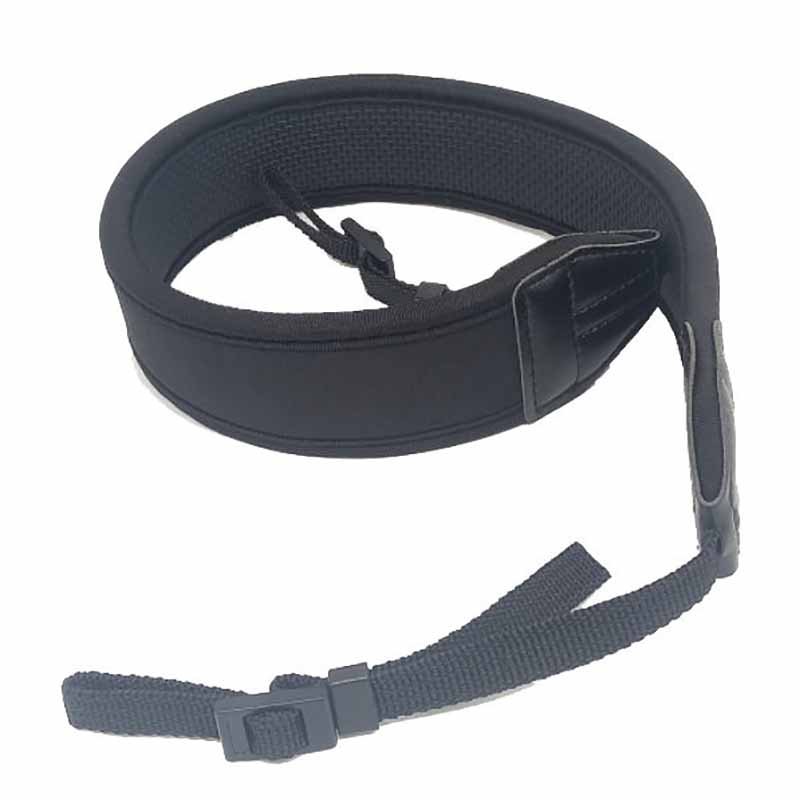
Not every bag needs the same shoulder strap padding. In fact, this is where many product teams make avoidable mistakes. They select one strap specification and try to use it across multiple bag types to simplify production. That can work for cost control, but it often weakens user experience because different bags create very different shoulder demands.
A good way to think about shoulder strap thickness is by carry stress, not by bag category name alone. Two bags can be the same size but feel very different depending on what they carry. For example, a slim laptop bag may feel much heavier than a larger overnight bag because electronics create dense, concentrated load. A small camera bag may need more comfort than a medium tote because the content weight is compact but high.
The bags that usually need more careful neoprene strap development include:
- laptop bags
- travel bags
- camera bags
- cooler bags
- tool bags
- sports equipment bags
- medical carry bags
- crossbody work bags
- shoulder duffels
These products tend to challenge the shoulder in one or more of these ways:
- higher total load
- denser contents
- longer carry time
- more movement during walking
- repeated daily use
- stronger customer comfort expectations
That is why the “best” thickness depends heavily on the type of bag being developed.
Which bags need thicker Neoprene Thickness for Shoulder Straps?
Bags that carry heavier or denser loads usually benefit most from thicker neoprene. These are the projects where strap comfort becomes a product-performance issue, not just a design detail.
The most common examples include:
- camera bags with lenses, batteries, and accessories
- tool bags with compact heavy tools
- cooler bags carrying bottles, cans, or ice packs
- medical bags carrying equipment or supplies
- travel duffels packed for longer transport
- heavy laptop bags with chargers, tablets, and documents
These bags usually need more shoulder support because the weight is not only high, but often concentrated. That means a weak or thin shoulder pad becomes noticeable quickly.
In many of these cases, 5mm neoprene is often a safer starting point, especially when combined with:
- medium to wide shoulder pad width
- good anti-slip backing
- stable webbing support
- reinforced connection points
- shaped pad design
A simple guide looks like this:
| Bag Type | Load Character | Thickness Direction |
|---|---|---|
| Camera bag | dense, compact, heavy | 5mm |
| Tool bag | dense and tiring | 5mm or more if needed |
| Cooler bag | medium-heavy and shifting | 4mm to 5mm |
| Medical bag | medium-heavy with longer carry | 4mm to 5mm |
| Travel duffel | variable, often heavy | 4mm to 5mm |
The key point is that thicker neoprene is most useful when the strap is expected to manage real load, not just improve appearance.
Do travel bags need more Neoprene Thickness for Shoulder Straps?
In many cases, yes. Travel bags often need more thoughtful shoulder strap development because travel use is very different from short, simple daily carry. A travel bag may be worn through airports, stations, sidewalks, hotel entrances, parking areas, and long transfer routes. Even a moderate load can feel heavy when carried for long periods.
Travel use also creates more variability:
- the bag may be lightly loaded on one trip and full on another
- the user may carry it over a T-shirt, coat, or sweater
- the strap may shift more because the user is moving quickly
- the shoulder may get tired because the trip lasts hours, not minutes
This is why travel shoulder straps often perform better in the 4mm to 5mm range rather than the thinnest options.
That said, not every travel bag needs the same thickness.
Lighter city travel bags may work well with:
- 3mm to 4mm neoprene
- slimmer shoulder pad shape
- more compact design
Heavier travel bags may need:
- 4mm to 5mm neoprene
- wider shoulder coverage
- better non-slip structure
- stronger pad length
For travel projects, the most important customer concern is not just softness. It is fatigue reduction. A bag that feels comfortable for an hour is much more valuable in the market than one that only feels good during a quick sample test.
Are tool bags different in Neoprene Thickness for Shoulder Straps?
Yes, tool bags are often very different because they combine dense weight with practical, work-focused use. A tool bag may not look dramatically larger than other shoulder bags, but it can feel much heavier because the contents are compact and solid.
This creates a more demanding shoulder condition:
- pressure builds faster
- strap fatigue shows earlier
- weak padding becomes obvious quickly
- cheap strap construction is exposed faster
For tool bags, comfort is not only about softness. It is about structural support. The neoprene must work together with:
- strong webbing
- durable stitching
- reinforced anchor points
- controlled strap width
- stable anti-slip surface
A tool bag with soft but poorly supported neoprene may feel comfortable at first, then become tiring because the pad twists or collapses under the load. That is why thicker neoprene alone is not enough. It must be supported by a stronger strap build.
In many tool bag projects, the best direction is often:
- 5mm neoprene
- wider pad shape
- higher reinforcement level
- stronger top and bottom material control
A practical comparison helps:
| Strap Factor | Standard Daily Bag | Tool Bag |
|---|---|---|
| Load density | low to medium | medium to high |
| Carry stress | moderate | high |
| Padding need | moderate | higher |
| Structure need | moderate | strong |
| Strap failure risk | lower | higher |
For manufacturers, tool bag straps are a good reminder that strap comfort is not only a soft-goods question. It is also an engineering question.
How Do You Choose Neoprene Thickness for Shoulder Straps?
Choosing neoprene thickness for shoulder straps is not about picking the thickest foam on the chart. It is about matching the strap to the real job it needs to do. That means looking at the product from the user’s point of view first, then translating that into material and structure decisions.
A good thickness choice should answer five practical questions:
- how heavy will the bag be when fully loaded
- how long will the user carry it at one time
- how wide is the shoulder pad
- what product level is the client aiming for
- how soft or firm should the strap feel in actual use
This is where many strap projects go wrong. The design team may choose thickness by habit. The factory may choose thickness by available stock. The client may choose thickness by sample-table feel. But the market does not reward the easiest internal decision. The market rewards the strap that actually feels right after repeated use.
For most projects, the best selection process is not complicated, but it should be disciplined. A strong shoulder strap development process usually includes:
- product type review
- expected load definition
- target comfort level
- strap width planning
- neoprene thickness comparison
- sample testing under real weight
- adjustment before bulk production
The most useful habit is to stop asking, “Which thickness is best in general?” and start asking, “Which thickness is best for this bag, this user, this load, and this target price?”
How should Neoprene Thickness for Shoulder Straps match weight?
The first rule is simple: the heavier and denser the bag load, the more carefully thickness needs to be selected. Shoulder discomfort is not created by bag size alone. It is created by how much pressure the strap transfers to the body over time.
This is why load matching should be based on actual carry weight, not just visual bag category.
A practical development guide looks like this:
| Loaded Bag Weight | Suggested Thickness Direction | Notes |
|---|---|---|
| under 2 kg | 2mm to 3mm | Suitable for light document and casual bags |
| 2 to 4 kg | 3mm to 4mm | Good for many daily shoulder bags |
| 4 to 6 kg | 4mm to 5mm | Better for laptops, travel, and denser carry |
| over 6 kg | 5mm or more if structure supports it | Needs stronger width and reinforcement too |
This table is useful, but it should not be treated like a fixed law. Weight matters, but so do the following:
- whether the user carries the bag briefly or for long periods
- whether the bag sits stably or swings during walking
- whether the load is spread out or concentrated
- whether the strap is narrow, medium, or wide
For example, a 4 kg camera bag may need more strap support than a 4 kg clothing bag because the load is denser and feels harsher. A 3 kg commuter laptop bag may need more comfort than a 3 kg tote because the user may carry it every day for longer distances.
That is why manufacturers like Oneier usually evaluate both weight level and carry behavior before recommending thickness. When the bag load goes up, simply adding thicker neoprene is not enough. The whole strap system should become stronger and more stable as well.
What structure suits Neoprene Thickness for Shoulder Straps best?
Neoprene thickness works best when it is supported by the right strap structure. This is one of the most important points in strap development. A good shoulder strap is not just a piece of neoprene with webbing attached. It is a layered comfort system.
A well-built neoprene shoulder strap usually includes:
- face material or laminated outer surface
- neoprene foam layer
- webbing or internal support layer
- underside grip or comfort surface
- shaped or contoured shoulder zone
- reinforced stitch points at both ends
Each of these layers affects how the thickness performs.
For example:
If the webbing is too narrow, the strap may still feel like it cuts into the shoulder even with thicker neoprene.
If the underside is too slippery, the strap may move around while walking, making even a soft pad feel annoying.
If the shoulder pad is too short, the load may shift outside the padded area, reducing the benefit of the neoprene.
If the contour is too flat, the strap may not sit naturally on the shoulder.
A useful structure comparison looks like this:
| Strap Structure Element | Why It Matters | Effect on Thickness Performance |
|---|---|---|
| Webbing support | Carries main load | Prevents foam from doing too much alone |
| Strap width | Spreads pressure | Makes thickness more effective |
| Anti-slip backing | Reduces movement | Improves comfort during walking |
| Contoured shape | Fits shoulder better | Helps the pad feel more natural |
| Reinforced stitching | Protects high-stress zones | Keeps strap stable over time |
This is why the same 5mm neoprene can feel excellent in one strap and disappointing in another. The foam thickness may be the same, but the structure around it is not.
For clients developing shoulder straps, a smart structure goal is not “make it thick.” The smarter goal is “make the thickness work properly.”
How do factories test Neoprene Thickness for Shoulder Straps?
A factory should never approve neoprene shoulder strap thickness by visual inspection alone. Good testing must combine material review, construction review, and real-use simulation.
A practical strap testing process usually includes:
- checking neoprene thickness consistency
- checking foam rebound after compression
- testing webbing and stitch strength
- reviewing pad width and contour
- loading the bag with real or simulated weight
- wearing the bag during movement
- checking strap slip on different clothing surfaces
- evaluating comfort after repeated carry time
This matters because shoulder strap problems often do not show up immediately. A strap may look soft and attractive on the table, but issues often appear later:
- the pad compresses too quickly
- the strap shifts too much
- the edges become noticeable
- the load concentrates in one point
- the underside feels hot or sticky
- the strap becomes tiring after twenty to thirty minutes
That is why sample testing should include more than a hand-feel review. The product should be tested in a way that reflects how the end user will really carry it.
A practical sample test checklist is below:
| Test Area | What to Check | Why It Matters |
|---|---|---|
| Compression feel | Does the foam flatten too fast? | Reveals whether thickness is enough |
| Dynamic carry | Does the strap stay stable while walking? | Checks comfort in motion |
| Weight simulation | Does the strap still feel supportive under full load? | Matches real use |
| Edge feel | Do the sides dig into the shoulder? | Identifies shape and width problems |
| Surface grip | Does the strap slide too easily? | Affects long-term comfort |
| Heat feel | Does the pad feel too warm after use? | Important for travel and outdoor bags |
Factories with deeper experience usually test more than one thickness during development. For example, they may prepare 3mm and 5mm versions of the same shoulder pad and compare them under the same bag weight. This side-by-side method is often the fastest way to make the right decision.
How should clients balance comfort, cost, and appearance?
This is where commercial thinking matters. The best shoulder strap is not simply the softest one. It is the one that gives the right comfort level at the right cost while still matching the product’s visual positioning.
Every increase in neoprene thickness affects more than comfort. It can also change:
- material cost
- total bag weight
- sewing complexity
- packaging bulk
- visual thickness
- perceived product level
That means thickness should be chosen with business goals in mind.
A useful planning model looks like this:
| Product Positioning | Comfort Target | Appearance Target | Practical Thickness Direction |
|---|---|---|---|
| entry-level value bag | basic comfort | slim and simple | 2mm to 3mm |
| everyday mid-range bag | balanced comfort | clean and practical | 3mm to 4mm |
| premium commuter bag | stronger comfort | fuller and more refined | 4mm to 5mm |
| heavy-duty functional bag | maximum support | robust and technical | 5mm or more if needed |
Clients should also think about what their target users notice most.
Some markets care more about:
- low weight
- slim profile
- compact design
Other markets care more about:
- soft feel
- shoulder relief
- visible padding value
That is why one strap specification does not fit every product line. A slim office messenger bag and a premium travel duffel should not be forced into the same shoulder pad logic just to simplify sourcing.
Oneier’s value in this stage is practical. With more than 18 years of experience in neoprene material R&D and related sewn-product manufacturing, Oneier can help clients compare thickness not only by comfort, but also by cost efficiency, production feasibility, and overall product fit. That kind of support helps clients avoid two expensive mistakes:
- overbuilding the strap and making the product bulky or overpriced
- underbuilding the strap and creating comfort complaints later
Which development mistakes should you avoid?
There are several common mistakes in neoprene shoulder strap development, and many of them happen because the thickness decision is made too early or too casually.
The most common mistakes include:
- choosing thickness before defining bag weight
- using the same strap for all product categories
- focusing only on softness by hand
- ignoring strap width and contour
- overusing thick neoprene on small bags
- under-padding heavier products to reduce cost
- testing only empty samples
- ignoring how the strap feels during movement
- using poor rebound foam with a good thickness number
A simple mistake table is helpful here:
| Common Mistake | What Happens | Better Approach |
|---|---|---|
| Select 5mm for every bag | Product becomes bulky or unstable | Match thickness to use case |
| Select 3mm for cost only | Comfort complaints on heavier bags | Test real loaded carry |
| Ignore strap width | Pressure stays concentrated | Develop width and thickness together |
| Test empty sample only | Wrong comfort decision | Load the bag during testing |
| Use low-quality neoprene | Pad compresses too quickly | Check rebound and resilience |
The strongest development teams stay disciplined. They do not let one good-looking sample decide the whole project. They compare options, test realistically, and adjust before bulk production.
Why work with Oneier for custom neoprene shoulder straps?
If you are developing a bag with shoulder straps, the neoprene thickness decision should not be left to guesswork. It affects comfort, cost, appearance, durability, and customer satisfaction all at once. That is why choosing the right factory matters.
Oneier is a Chinese factory with more than 18 years of experience in neoprene material R&D and the manufacturing of related products, including bags, koozies, sports supports, medical supports, wetsuits, and other sewn neoprene products. For clients developing custom shoulder straps and neoprene bag products, that experience is valuable because it supports more accurate material matching from the start.
Oneier can support clients with:
- custom neoprene shoulder strap development
- strap thickness recommendations based on load and use
- private label and OEM/ODM production
- low MOQ customization
- free design support
- fast sampling
- free samples in suitable workflows
- short lead times
- stable production and quality control
This is especially useful for overseas small and medium buyers, product developers, and premium brands that want a strap to feel right, not just look acceptable.
Final Thoughts
The best neoprene thickness for shoulder straps is usually not a fixed number. It is a range chosen through real product logic. For many products, 3mm to 5mm is the most useful zone. 3mm often works well for lighter daily bags and slimmer designs. 5mm often works better for heavier bags, longer carry time, and stronger comfort expectations. The right answer depends on the load, width, structure, and user experience the product needs to deliver.
The best results come from testing thickness in the real product, with the real strap width, under the real carrying load. That is how you move from a material guess to a product decision.
If you are developing a custom bag, shoulder strap, neoprene pad, or private label carry product, contact Oneier to discuss your project. Whether you already have a full specification or only an early idea, Oneier can help you choose the right neoprene thickness, refine the strap structure, and turn the concept into a market-ready product.