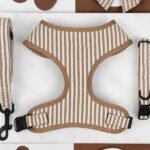
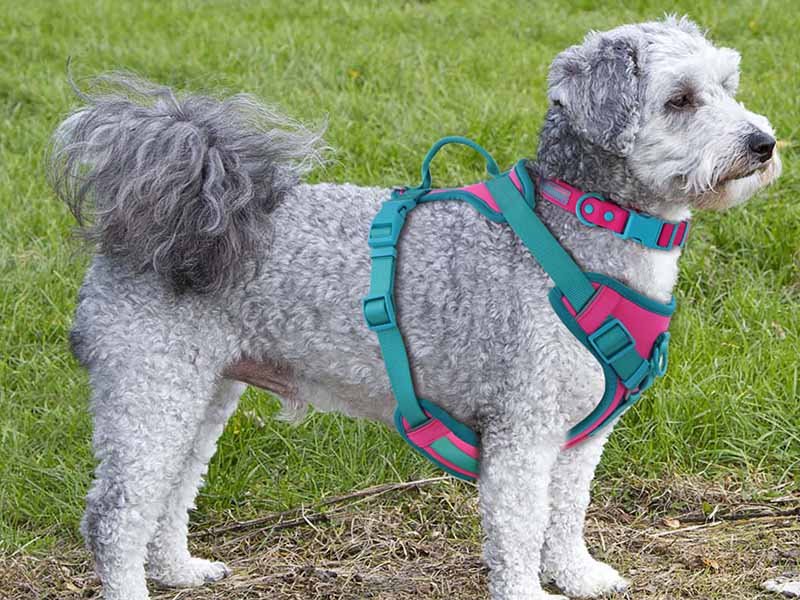
In the pet market, product quality is judged fast. A dog owner may be attracted by color and packaging first, but what keeps a product from being returned is how it feels in daily use. If a harness rubs under the front legs, if a collar feels stiff around the neck, or if a leash handle becomes uncomfortable after ten minutes of pulling, the product starts losing trust immediately. That is why neoprene dog products have become such an important category for modern pet brands. They offer a useful mix of softness, padding, visual appeal, and practical function. More importantly, they help brands create products that feel more considered and more premium than basic webbing-only accessories.
Neoprene dog products manufacturing works by combining material development, product structure, comfort design, hardware selection, cutting, sewing, logo application, fit testing, and bulk production into one complete system. In simple terms, a factory takes a pet brand’s idea for a harness, collar, leash, or matching set and turns it into a finished product that dogs can wear comfortably and owners can trust. The real value does not come from neoprene alone. It comes from how neoprene is combined with webbing, mesh, lining, buckles, D-rings, adjusters, and pattern design to create a product that looks attractive, feels soft, and performs well over time.
That is where good manufacturing becomes much more than a production step. A pet brand is not only trying to make dog accessories. It is trying to create a product that fits different breeds, works in real walking conditions, supports repeat orders, and reduces complaints about rubbing, weak hardware, poor fit, or cheap feel. A small change in neoprene thickness, webbing width, edge finish, or buckle quality can completely change the product experience. Once you look at it that way, neoprene dog products manufacturing becomes a serious product-development process, not just a sourcing task.
What Is Neoprene Dog Products Manufacturing?
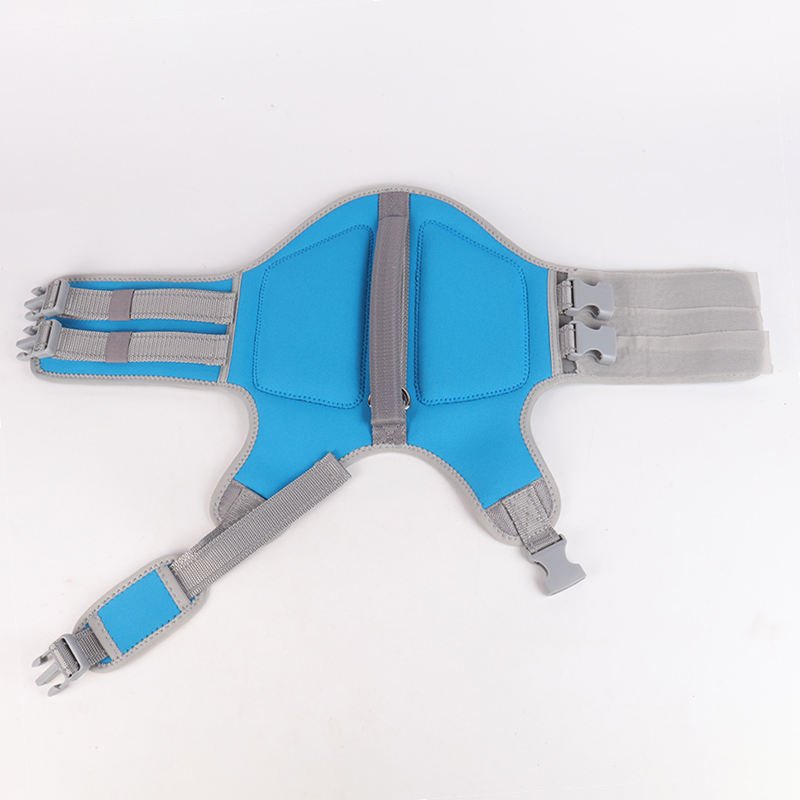
Neoprene dog products manufacturing is the process of developing and producing dog accessories that use neoprene as a comfort layer, cushioning layer, or structural support material. For pet brands, this usually includes harnesses, collars, leashes, padded handles, matching sets, and selected support-style accessories. The process often includes material lamination, pattern design, hardware matching, sample making, testing, branding, and bulk production.
This category matters because pet owners now expect more from dog products than simple utility. They want gear that looks clean, feels comfortable, lasts longer, and fits the dog’s daily routine. That expectation has pushed many pet brands away from very basic products and toward better-developed accessories with padding, thoughtful structure, stronger hardware, and more polished design. Neoprene fits into that shift because it helps improve the contact experience between the product and the dog, and between the product and the owner.
In manufacturing terms, neoprene is usually not the only material doing the work. It is often one layer inside a larger construction. Webbing may provide tensile strength, mesh may improve airflow, reflective tape may increase visibility, and hardware may provide security and adjustment. Neoprene adds softness, cushioning, and a more substantial hand feel. That layered structure is one reason why neoprene-based pet accessories often feel more advanced than simple low-cost alternatives.
What makes Neoprene Dog Products Manufacturing special?
What makes neoprene dog products manufacturing special is that it combines comfort-focused material design with functional product engineering. Many dog accessories must do several jobs at once. They need to be comfortable against fur and skin, strong enough for pulling force, stable enough to hold hardware correctly, attractive enough for retail presentation, and durable enough for repeated outdoor use. Very few single materials can do all of that on their own. Neoprene works well because it supports a layered construction where each component handles a different task.
This also gives pet brands more room to develop distinctive products. A plain nylon collar can be useful, but it is hard to make it feel noticeably different from many competing products. Once neoprene is introduced, the product can gain more body, softer edges, a fuller profile, and a more premium touch. That creates room for stronger product positioning, especially in markets where customer reviews often mention comfort, pull resistance, softness, adjustability, and ease of cleaning.
Another reason this manufacturing category stands out is visual control. Neoprene products often support cleaner shape, smoother edge appearance, and better coordination with printed fabrics, brand colors, matching accessories, and packaging concepts. For online-first pet brands, that is especially important. Product photos need to convert interest into clicks, but product feel needs to convert first orders into repeat orders. Neoprene helps bridge that gap.
There is also a product-development advantage. Because neoprene is widely used in sports gear, protective supports, wetsuits, and padded sewn products, factories with real neoprene experience often already understand lamination behavior, thickness selection, binding methods, stretch response, and layered sewing control. That knowledge transfers well into dog products. It helps reduce trial-and-error during development and improves the chance of getting a more refined product sooner.
Who needs Neoprene Dog Products Manufacturing?
Neoprene dog products manufacturing is especially useful for pet brands that want to sell comfort-focused, design-led, or higher-value accessories. It is a strong fit for brands that want to move beyond simple commodity products and offer something that feels more developed in the hand and more appealing on the dog.
The businesses that often benefit most include:
- startup pet brands launching their first collection
- Amazon and Shopify sellers building private-label dog gear
- boutique pet accessory brands focusing on style and matching sets
- outdoor dog gear brands targeting daily walking and active use
- premium pet labels that want softer, better-looking products
- subscription or gift-focused brands selling coordinated accessory packs
- rehab or support-oriented pet lines that need gentler contact surfaces
For startup brands, neoprene can help create a stronger first impression without requiring extremely complex product design. A neoprene-lined collar or a padded harness often feels more substantial than a very basic webbing product. That can support better photography, stronger packaging stories, and higher perceived value.
For established brands, neoprene is useful because it supports line extension. A company already selling collars may want to add harnesses, leashes, matching waste-bag holders, or seasonal collections. Neoprene makes those collections easier to coordinate because the product language feels consistent across the range.
For private-label sellers, neoprene also supports differentiation. In crowded marketplaces, competing only on price becomes difficult very quickly. Adding better material feel, stronger comfort positioning, and improved design details gives a brand more room to compete on experience rather than cost alone.
Which pet brands benefit most from neoprene dog products
| Brand Type | Main Commercial Goal | Why Neoprene Works Well |
|---|---|---|
| Startup pet brand | Build a first collection with better perceived value | Softer feel, stronger visual appeal, easier product storytelling |
| Amazon seller | Reduce return risk and negative comfort feedback | Padding and more refined structure improve user experience |
| Boutique pet label | Create coordinated and premium-looking products | Easy to style across sets and color stories |
| Outdoor dog gear brand | Balance comfort with daily walking function | Neoprene works well in padded, active-use products |
| Private label importer | Launch custom products under own logo | Good OEM and ODM flexibility |
| Premium retail brand | Support higher pricing with better hand feel | Product feels more developed and less generic |
What pet brands usually ask first
Before talking about production quantity, most clients ask product questions first. That is a good sign, because the right development process should always begin with how the product will actually be used.
The most common questions usually include:
- Which products are best suited to neoprene?
- What neoprene thickness is right for collars, harnesses, and handles?
- Is neoprene soft enough for comfort but still strong enough for real use?
- Will neoprene feel too hot in warm weather?
- How should webbing and neoprene be combined?
- What hardware is suitable for small dogs versus large dogs?
- Can the same print be used across harnesses, collars, and leashes?
- What MOQ is realistic for custom production?
- How quickly can samples be made?
- How should sizing be developed across breed ranges?
- Can logos be added without affecting comfort or flexibility?
These questions show that pet brands are not just ordering accessories. They are building product lines, customer experience, and long-term brand trust. That is why a manufacturer should be able to discuss not only sewing, but also comfort logic, structure, sizing, and commercial practicality.
Which Products Use Neoprene Dog Products Manufacturing?
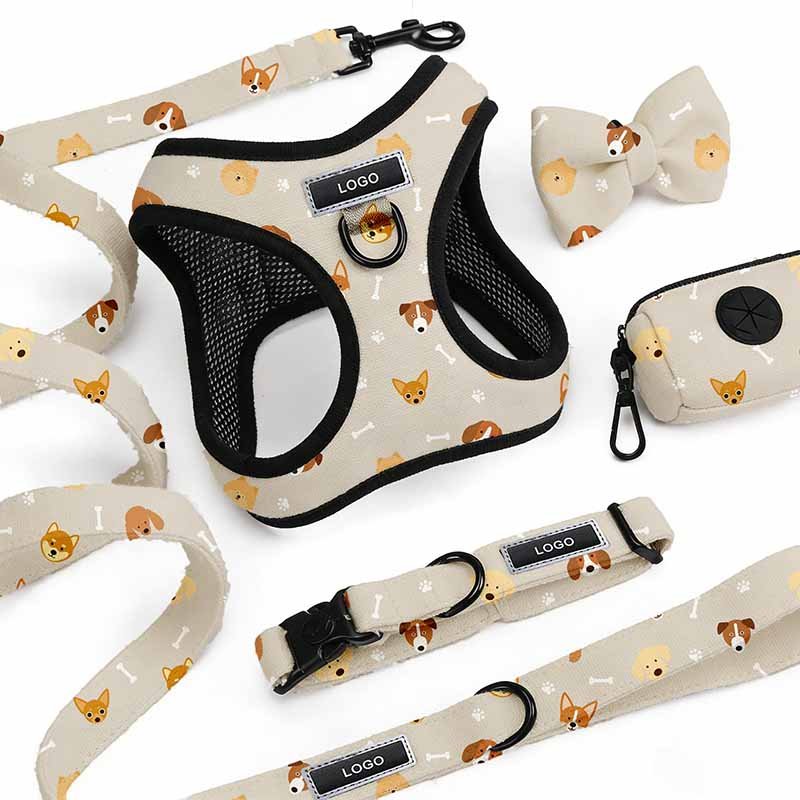
Neoprene dog products manufacturing works best in products where softness, padding, grip comfort, or more premium surface feel adds real value. The strongest applications are usually harnesses, collars, and leashes, but neoprene also performs well in matching accessory sets, padded handles, support-style products, and selected travel or training accessories.
An important point here is that not every product should be made entirely from neoprene. In many of the best-performing dog products, neoprene is one part of a mixed-material system. It is added where the dog or owner benefits from softness and cushioning, while webbing, mesh, lining, and hardware handle strength, breathability, and control. This is one reason why better pet products often feel more balanced and more durable.
For pet brands, product choice should be guided by three questions:
- Where does comfort matter most?
- Where does strength matter most?
- Which product category gives the best balance of development cost and sales potential?
For many brands, that leads naturally to harnesses, collars, and leashes as the first collection.
Are harnesses key in Neoprene Dog Products Manufacturing?
Yes, harnesses are one of the most important categories in neoprene dog products manufacturing because they have the most direct and repeated contact with the dog’s body. A harness touches the chest, shoulders, belly, and sometimes the back. That makes padding and softness much more important than in simpler accessories.
From a product-development perspective, neoprene helps harnesses in several ways:
- it softens body-contact areas
- it creates a fuller, more stable structure
- it improves the visual depth of the product
- it supports a more premium feel
- it allows better coordination with mesh, webbing, and prints
Harnesses are also one of the best products for brand differentiation. They offer more design surface than collars or leashes, which means more room for color blocking, reflective trim, printed panels, logo patches, handles, adjustment systems, and front or back leash attachment points. For a pet brand, this matters because a harness often acts as the hero product in the collection.
Why harnesses are commercially attractive
| Reason | Why It Matters for Pet Brands |
|---|---|
| Larger product surface | More room for design, logo placement, and visual identity |
| Higher selling price | Better margin potential than simpler accessories |
| Strong comfort story | Easier to communicate value through padding and fit |
| More visible on the dog | Better product photography and social-media appeal |
| Easy set expansion | Can be matched with leash and collar collections |
Harness development does require careful control. If the neoprene is too thick, the harness may feel bulky, especially for small dogs. If it is too thin, the product may lose its comfort advantage. If the webbing layout is wrong, the harness may pull unevenly. If the hardware is undersized, safety becomes a concern. That is why harness production should always be approached as a fit-and-function project, not just a sewing task.
Do collars fit Neoprene Dog Products Manufacturing?
Yes, collars are a very good fit for neoprene dog products manufacturing, especially for brands that want a practical product with broad demand and simpler development complexity than a harness. A neoprene collar can offer a softer contact feel around the neck, a more premium appearance, and better collection consistency when paired with matching leashes and harnesses.
Collars are often underestimated because they look simple. In reality, they are one of the most commercially useful products in a pet collection for several reasons:
- they are easy for customers to understand
- they fit daily use across many dog types
- they work well as entry-level or add-on purchases
- they are highly visible on the dog
- they are easier to reorder than more complex products
For brands entering the market, collars are often a smart first or second SKU because they carry lower development risk while still showing material and design quality clearly.
Core collar design factors
| Design Factor | What to Check |
|---|---|
| Width | Should match dog size and comfort expectations |
| Neoprene thickness | Must feel soft without becoming bulky |
| Webbing integration | Should provide real structural strength |
| D-ring position | Must stay stable under leash pulling |
| Buckle quality | Should match breed size and force level |
| Edge finish | Needs to feel smooth against fur and skin |
| Size range | Must reflect realistic breed differences |
A collar that looks good in a flat sample can still fail in use if it twists, feels too rigid, or does not scale correctly across sizes. That is why pet brands should test collars on real dogs, not just inspect them on a table. The right collar feels balanced, not heavy, and should look clean without appearing overbuilt.
Are leashes part of Neoprene Dog Products Manufacturing?
Absolutely. Leashes are one of the most practical uses of neoprene, especially in padded handle areas. While the main leash body is often webbing for tensile strength, neoprene adds real value where it touches the owner’s hand. That is important because a leash is not only a dog product. It is also a human-use product.
A leash handle that becomes harsh during pulling can quickly damage the customer’s impression of the whole product. By adding neoprene padding, brands can improve comfort during:
- longer walks
- training use
- stronger pulling moments
- repeated daily handling
- wet-weather use where grip matters more
Leashes also make strong companion products because they naturally connect to collars and harnesses in a set. That makes them commercially useful even when they are not the hero item in the range.
Why neoprene works well in leashes
| Product Area | Why Neoprene Helps |
|---|---|
| Handle grip | Softer and more comfortable in the hand |
| Dual-handle leash designs | Better comfort in both grip zones |
| Traffic handles | More pleasant close-control use |
| Matching leash collections | Improves premium feel across the set |
| Training leads | Reduces discomfort during repeated use |
Leashes are also useful for brand-building because they allow consistent color systems, print matching, and coordinated hardware. A well-developed leash can help raise average order value when sold together with collars or harnesses. For brands launching a collection, this is important because the leash often completes the purchase.
What products usually perform best for new pet brands
Many new pet brands make the mistake of launching too many items too early. That usually spreads attention, inventory, and development budget too thin. In most cases, a tighter and more focused product plan works better.
A practical starting collection often includes:
- one core harness design
- one matching collar
- one matching leash
- two to four main colorways
- a simple but clear size structure
- one unified logo system
This product mix works well because it gives the brand a full collection feeling without creating too much production complexity. It also helps the factory keep better control over materials, hardware, color consistency, and packaging.
A practical launch structure for a new pet brand
| Item | Suggested Starting Range | Why It Works |
|---|---|---|
| Harness | 1 main design, 3–4 sizes | Strong hero product with clear comfort story |
| Collar | 1 matching design, 3–5 sizes | Easy entry product and repeat purchase item |
| Leash | 1 matching design, 1–2 lengths | Completes the set and lifts order value |
| Colorways | 2–4 | Enough variety without overcomplicating stock |
| Logo method | 1 main application | Keeps brand image consistent |
| MOQ approach | Moderate trial order | Reduces early inventory pressure |
For many brands, the harness leads the marketing story, while the collar and leash support bundle sales and repeat purchases. For other brands, the collar may be the easiest first SKU, especially if they want to test market response before moving into more complex harness development.
For Oneier, this kind of phased development is often the most practical route. With more than 18 years of neoprene product experience, the factory can help clients build a collection in a more structured way, starting from products that are commercially sensible and technically achievable rather than trying to launch everything at once.
Why Choose Neoprene Dog Products Manufacturing?
Neoprene dog products manufacturing is worth choosing when a pet brand wants to create products that feel softer, look more developed, and perform better in daily use than very basic pet accessories. The strongest reason is simple: neoprene helps turn an ordinary-looking product into something that feels more thoughtful the moment it is touched, worn, or used.
For pet brands, that matters because customer expectations have changed. People do not only buy dog products based on color or price. They also look at comfort, padding, adjustability, washability, hardware quality, matching design, and whether the product feels worth keeping and repurchasing. In crowded online markets, those details often decide whether a product gets a five-star review or a return request.
Neoprene is not a magic material on its own. It becomes valuable when it is used in the right place, with the right thickness, and combined with the right structure. That is why the real question is not “Is neoprene good?” The better question is “Why does neoprene make sense for this dog product, this target customer, and this brand position?” Once that is clear, the benefits become much easier to use strategically.
Is comfort important in Neoprene Dog Products Manufacturing?
Yes, comfort is one of the main reasons pet brands choose neoprene. In dog products, comfort is not a small detail. It affects how the product is worn, how long it can stay on comfortably, how owners feel about the brand, and how often complaints appear after purchase.
Comfort matters in several practical situations:
- a harness worn on a long walk
- a collar used daily on a sensitive dog
- a leash handle held during pulling
- a support-style product used for older or recovering dogs
- a product worn in wet or active outdoor conditions
Neoprene helps because it adds a soft, padded layer between the dog and the harder structural parts of the product. When combined correctly with webbing and lining, it can make contact areas feel less harsh. This matters most on the chest, underarm area, belly line, neck area, and owner grip zones.
Where comfort matters most in dog products
| Product Area | Why Comfort Matters | How Neoprene Helps |
|---|---|---|
| Chest panel | Direct body contact during walking | Softer pressure contact |
| Belly strap zone | Frequent movement and rubbing risk | Cushions contact points |
| Neck area | Continuous wear in collars | Reduces harsh feel |
| Leash handle | Repeated hand pressure | Improves grip comfort |
| Lift support zones | Sensitive body support | Adds a gentler touch |
Comfort also affects perception. When pet owners touch a harness or collar and it feels soft, flexible, and well-finished, they usually interpret the product as higher quality. That means comfort does not only help the dog. It also supports the brand’s value story.
That said, too much softness without enough structure can be a problem. If the product becomes too thick, too stretchy, or too loose, it may lose shape and function. So good comfort design is really about balance: soft enough to feel pleasant, structured enough to remain reliable.
Does durability matter in Neoprene Dog Products Manufacturing?
Absolutely. Comfort may help sell the first order, but durability is what protects the product reputation afterward. In pet products, wear happens quickly. Dogs pull, roll, jump, scratch, chew, and move through dirt, rain, pavement, grass, sand, and repeated washing. If the product looks worn too fast, stitching loosens, hardware fails, or the shape collapses, the brand loses trust.
Durability in neoprene dog products does not come from neoprene alone. It depends on the whole construction system:
- neoprene thickness
- lamination quality
- webbing strength
- stitching density
- edge binding
- buckle and D-ring quality
- pattern design
- stress-point reinforcement
A weak point in any one of these areas can affect the whole product. For example, a padded harness may feel excellent in hand, but if the D-ring attachment is not reinforced properly, the product is not commercially safe. A leash may have a soft padded handle, but if the webbing frays too quickly, comfort becomes irrelevant.
Main durability checkpoints
| Component | Risk if Weak | What Brands Should Check |
|---|---|---|
| Webbing | Stretching, fraying, break risk | Width, tensile feel, weave density |
| Stitching | Seam opening or weak joints | Even stitches, reinforcement points |
| Neoprene lamination | Peeling or surface separation | Bond quality and finish consistency |
| Hardware | Breakage or rust issues | Material grade and load suitability |
| Edge finish | Friction discomfort and wear | Smoothness and stability |
| Logo process | Cracking or fading | Print adhesion and flexibility |
For brands selling online, durability is also a review issue. Pet owners often mention whether a product “still looks good” after daily use. That means appearance retention matters almost as much as physical strength. Good neoprene construction can help here by supporting cleaner structure and a more resilient padded feel, but only if the factory controls the whole assembly well.
Are soft layers better in Neoprene Dog Products Manufacturing?
Soft layers are usually better when they are placed where the dog or owner actually feels them. The point is not to make the entire product soft everywhere. The point is to create comfort in the right zones while keeping structural control where strength is needed.
This is why layered construction is so important in neoprene dog products. A well-developed product often combines:
- outer fabric for color or print
- neoprene for padding
- mesh or lining for comfort or airflow
- webbing for strength
- hardware for secure control
This approach allows brands to fine-tune the product rather than relying on a one-material solution.
Examples of smart soft-layer use
- Harness chest plate Neoprene adds cushioning where the body absorbs pressure.
- Collar inside face Neoprene creates a smoother feel against the neck.
- Leash handle loop Neoprene improves the owner’s hand comfort during tension.
- Support strap contact area Neoprene reduces harshness where body support matters.
Soft layers also help visually. They make products look fuller, more dimensional, and less flat. This improves shelf appeal, photography quality, and overall product feel. For pet brands competing in design-heavy channels like social commerce or branded e-commerce stores, that visual benefit matters.
Still, softness should never be used as an excuse for overbuilding. If the product becomes too bulky, too warm, or too stiff from excessive layering, it can work against comfort rather than supporting it. Good product development means deciding exactly where softness adds value and where it does not.
What pet brands should think about before choosing neoprene
Before confirming neoprene as a main material direction, a pet brand should think through these questions:
- Is the product meant for daily wear, walking, training, or occasional use?
- Will the dog wear it for long periods or short periods?
- Is the target customer looking for comfort, fashion, performance, or all three?
- What breed sizes will the product serve?
- Will the product be sold as a single item or as part of a matching set?
- Is the brand competing on low price or stronger perceived value?
- Does the product need reflective features, quick-dry feel, or stronger outdoor positioning?
When neoprene makes the most sense
| Product Goal | Is Neoprene a Strong Fit? | Why |
|---|---|---|
| Better comfort story | Yes | Adds softness and padding |
| Premium product feel | Yes | Creates fuller, more developed touch |
| Budget-only competition | Sometimes | Value depends on construction and cost target |
| Matching set development | Yes | Helps unify product appearance |
| High-tension product alone | Not by itself | Must be paired with strong webbing and hardware |
| Rehab or support products | Yes | Gentler body contact can help |
For Oneier, this stage is important because the company’s background in neoprene development means it can help clients decide not only whether neoprene works, but how it should be used inside the product. That is often the difference between a product that merely “includes neoprene” and one that actually benefits from it.
How Does Custom Neoprene Dog Products Manufacturing Work?
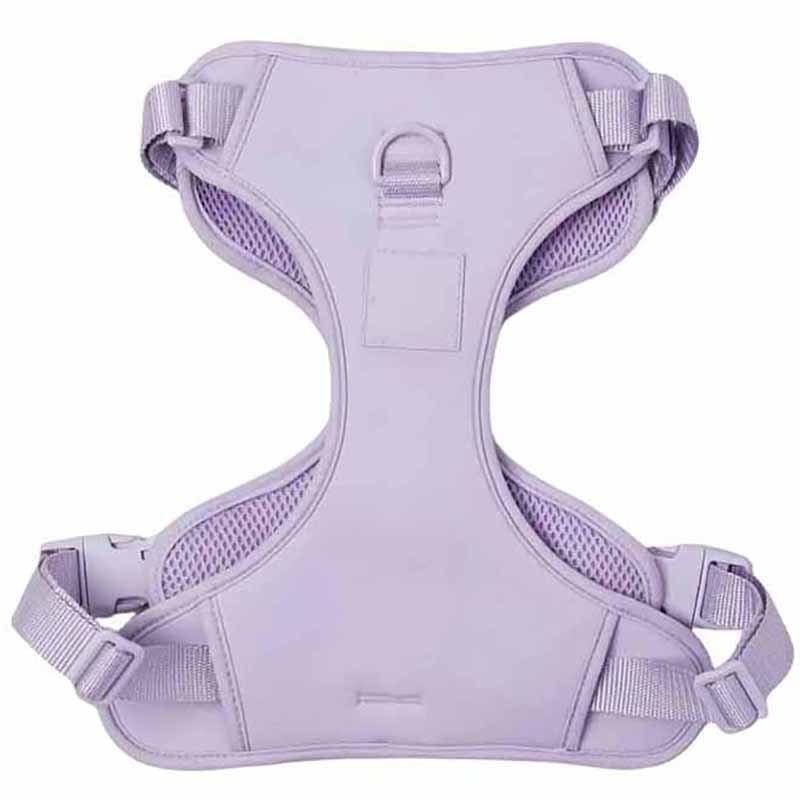
Custom neoprene dog products manufacturing is the process of turning a pet brand’s concept into a finished, repeatable product that can be sampled, tested, approved, and produced at scale. It usually begins with product planning, then moves through material selection, size development, structure confirmation, logo design, sample making, testing, revision, and bulk production.
For brands, this matters because the difference between a generic product and a real custom product is not just the logo. A genuinely custom dog product reflects the brand’s target market, style direction, comfort goals, pricing plan, and product strategy. That means the factory needs to understand more than dimensions. It needs to understand what kind of product the client is trying to build.
How do logos work in Neoprene Dog Products Manufacturing?
Logo application is one of the most visible parts of custom development. In dog products, the logo has to do more than look good in artwork. It must stay readable on curved surfaces, hold up on flexible materials, and match the product’s overall feel.
Common logo methods include:
- silk screen printing
- heat transfer printing
- woven labels
- rubber patches
- embroidery
- debossed or embossed logo elements on selected accessories
Each method creates a different result.
Logo method comparison for neoprene dog products
| Logo Method | Main Look | Cost Level | Best Use |
|---|---|---|---|
| Silk screen | Clean, simple, flat | Low | Basic branding and simple graphics |
| Heat transfer | Detailed and colorful | Medium | Fashion prints and precise artwork |
| Woven label | Soft and classic | Low–Medium | Discreet brand identity |
| Rubber patch | Dimensional and sporty | Medium–High | Outdoor or premium pet gear |
| Embroidery | Textured and premium | Medium–High | Select styles with stable structure |
The best logo choice depends on product style. A minimal pet brand may prefer a small woven label or understated print. A sport-oriented brand may choose a rubber patch. A fashion-focused collection may lean toward bold all-over print plus a simple brand mark.
Placement matters too. A logo that sits nicely on a collar may not work in the same way on a harness chest panel or leash handle. Brands should always review logo placement on the actual 3D product sample, not only on flat design files.
Which colors fit Neoprene Dog Products Manufacturing?
Color is one of the strongest commercial tools in this category. Pet products are often purchased emotionally as much as functionally, and color plays a big role in that decision. Good color planning helps the product feel more cohesive, more branded, and easier to sell in sets.
Brands usually approach color in one of three ways:
- core classic colors black, grey, navy, beige, olive
- bright lifestyle colors pink, teal, orange, lavender, sky blue
- seasonal or printed collections florals, geometric prints, camo, holiday themes, artistic patterns
Color strategy options
| Strategy | Best For | Advantage |
|---|---|---|
| Core basics | Long-term staple collections | Easier stock planning |
| Bold color range | Boutique or social-first brands | Stronger visual identity |
| Seasonal prints | Trend-led launches | Creates urgency and freshness |
| Matching set palette | Coordinated collections | Improves bundle appeal |
Neoprene works well in color-led collections because it pairs easily with printed outer layers, dyed trims, matching webbing, and coordinated packaging concepts. But color consistency is important. A leash, collar, and harness set should not look like three different dye lots. That is why brands need factories that can manage color matching carefully across multiple SKUs.
Do samples help Neoprene Dog Products Manufacturing?
Yes, samples are one of the most important parts of the whole process. In pet accessories, many problems only become obvious when the product is used physically. A drawing cannot fully show how thick a collar feels, how a harness sits on a real dog, or how comfortable a leash handle becomes during tension.
A proper sample should help the brand check:
- actual product size
- neoprene thickness
- comfort at contact points
- hardware proportion
- logo appearance
- stitching quality
- overall product balance
- packaging compatibility if needed
Sample review checklist
| Sample Area | What to Look For |
|---|---|
| Fit | Does the size range make sense on real dogs? |
| Comfort | Are body-contact areas soft enough? |
| Weight | Does the product feel too heavy or too light? |
| Hardware | Are buckles and rings suitable for target breeds? |
| Finish | Are seams, binding, and edges clean? |
| Branding | Does the logo feel aligned with the brand level? |
| Set consistency | Do harness, collar, and leash match well together? |
For many brands, one sample round is not enough. A second or third revision may be needed to improve width, hardware size, padding balance, or fit grading. That is normal. It is usually better to invest more attention in sampling than to rush into bulk production with unresolved issues.
How do low MOQ and samples help brand growth?
Low MOQ and fast sample support are especially important for new and growing pet brands. They allow a company to test products without locking too much cash into inventory before demand is proven.
This helps in several ways:
- reduces development risk
- allows market testing with fewer units
- supports seasonal or limited collections
- makes it easier to adjust colors or prints later
- gives smaller brands a more realistic path into OEM development
Why MOQ matters by business stage
| Brand Stage | What They Usually Need | Why Low MOQ Helps |
|---|---|---|
| New brand | Small first order | Limits inventory pressure |
| Growing brand | Testing new collection | Makes product expansion safer |
| Established brand | Trial market launch | Supports faster concept validation |
| Boutique label | Limited edition sets | Works well for short runs |
For Oneier, low MOQ support, fast sampling, and custom development are valuable because many pet brands do not want to start with huge orders. They want a factory that can help them test intelligently, adjust quickly, and grow more smoothly.
How does production move from idea to bulk order?
A well-managed custom production process usually follows these steps:
- product idea confirmation
- material and structure discussion
- artwork, color, and logo planning
- sample making
- sample review and revision
- size grading confirmation
- final quotation and order approval
- bulk production
- quality inspection
- packaging and shipment
Example development timeline
| Stage | Estimated Time |
|---|---|
| Product discussion | 1–3 days |
| Material and design confirmation | 2–5 days |
| Sample making | 5–10 days |
| Sample revision | 5–10 days |
| Bulk production | 20–35 days |
| Packing and shipment prep | 3–7 days |
The exact timeline depends on product complexity, order size, and communication speed. A simple collar project moves faster than a multi-size harness set with custom printing and branded packaging. But in most cases, the smoother the early development phase is, the more reliable the bulk production becomes.
What should brands confirm before approving bulk production?
Before giving final production approval, brands should confirm:
- final materials and thickness
- approved sample reference
- size chart and grading
- hardware specification
- logo size and placement
- packaging requirements
- quality expectations
- carton details and shipping plan
This step is crucial because many preventable production issues come from unclear approvals. The clearer the final confirmation, the better the production consistency.
For Oneier, this stage is where experience becomes very practical. A factory with long-term neoprene and sewn-product development experience can help clients organize specifications clearly, reduce avoidable mistakes, and move into production with more confidence.
How to Choose Neoprene Dog Products Manufacturing?
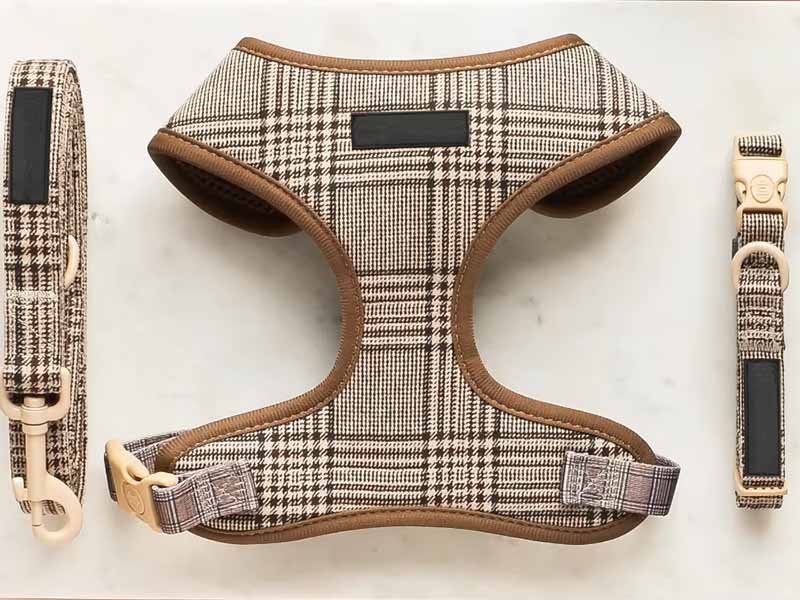
Choosing the right neoprene dog products manufacturing partner is not only about finding a factory that can make a sample. It is about finding a team that can help a pet brand develop products that are commercially realistic, technically sound, comfortable for dogs, and consistent in bulk production. Many suppliers can copy a shape. Far fewer can help build a product range that performs well over time, fits the brand’s target market, and stays stable as orders grow.
For pet brands, this decision matters because the manufacturer affects almost every part of the final product:
- material feel
- comfort performance
- hardware reliability
- logo appearance
- color consistency
- sample accuracy
- production speed
- quality stability
- packaging execution
- long-term scalability
A dog harness, collar, or leash may look simple from the outside, but the factory behind it decides whether the final product feels polished or generic. This is why choosing a manufacturing partner should be treated as a product strategy decision, not only a purchasing decision.
What should brands check in Neoprene Dog Products Manufacturing?
The first thing a pet brand should check is whether the factory really understands neoprene product development, not just general sewing. Neoprene behaves differently from many common fabrics. Thickness affects flexibility. Lamination quality affects long-term appearance. Edge finishing affects comfort. Stitch control affects both durability and visual quality. A manufacturer with real neoprene experience is more likely to understand these details from the beginning.
Brands should also check whether the factory can handle the kind of product system they actually need. Many pet brands are not launching one item. They are building a collection. That may include a harness, collar, leash, waste-bag holder, car restraint accessory, or gift set. If the factory cannot maintain consistency across multiple SKUs, the collection may look disconnected.
Main things to check before choosing a factory
- experience with neoprene-based sewn products
- ability to combine neoprene with webbing, mesh, reflective tape, and hardware
- custom size development capability
- logo and print options
- sample speed and revision support
- quality control process
- MOQ flexibility
- communication clarity
- lead time stability
- export and packaging experience
A good supplier should be able to discuss not only how the item is made, but why certain choices are better for certain use cases. For example, they should explain when a 3 mm neoprene layer works better than 5 mm, when mesh should be added, when webbing width should change, and how hardware selection should differ between a small-breed collar and a large-dog harness.
Factory evaluation checklist for pet brands
| Evaluation Area | What to Ask | Why It Matters |
|---|---|---|
| Neoprene experience | How many years have you worked with neoprene products? | Reduces trial-and-error in product development |
| Product range | Can you make harnesses, collars, leashes, and matching sets? | Supports collection growth |
| Custom ability | Can you develop from sketch, sample, or reference idea? | Important for OEM and ODM projects |
| Sampling | How fast can you make and revise samples? | Affects launch speed |
| MOQ | What is the MOQ for custom colors and logos? | Helps with inventory planning |
| Hardware sourcing | Can you offer different buckle and D-ring grades? | Affects safety and price level |
| QC process | How do you inspect strength, stitching, and finish? | Protects consistency |
| Packaging | Can you support branded packaging and labeling? | Important for retail and e-commerce |
| Communication | Do you provide clear specs and confirmations? | Prevents production mistakes |
Brands should also pay attention to how the factory answers. Fast answers are useful, but clear answers are more important. A factory that replies quickly but vaguely may create more problems later. A factory that asks practical questions about dog size, target use, comfort, hardware, and positioning usually understands product development more deeply.
How does quality shape Neoprene Dog Products Manufacturing?
Quality shapes everything. In pet products, the customer often tests quality with real-life stress from day one. Dogs pull, twist, roll, scratch, run, and get wet. Owners adjust straps, clip leashes, wash products, and use them in parks, streets, trails, cars, and homes. A product that looks good in studio photos but fails in daily life will not support repeat growth.
Quality in neoprene dog products comes from the full construction system, not one single feature. A soft handle means little if the webbing is weak. A beautiful print means little if the buckle breaks. Strong hardware means little if the edge finish irritates the dog.
Core quality points that pet brands should check
- neoprene thickness consistency
- lamination stability
- webbing density and feel
- stitch reinforcement at load points
- buckle reliability
- D-ring material and finish
- smooth edge binding
- logo adhesion or stitching quality
- color consistency across sets
- overall fit and proportion
Common quality risks and what causes them
| Quality Problem | Likely Cause | What Brands Should Confirm |
|---|---|---|
| Product feels too stiff | Neoprene too thick or wrong structure | Check thickness and bend feel in sample |
| Product feels too weak | Low-density webbing or poor reinforcement | Confirm structural materials, not just padding |
| Edge rubbing | Rough binding or poor panel shaping | Inspect contact points on physical sample |
| Logo cracking or peeling | Incompatible logo process | Test flexibility and surface adhesion |
| Size inconsistency | Weak grading or cutting control | Review full size chart and tolerance |
| Set colors do not match | Poor color control between SKUs | Approve color standards before production |
| Buckle or ring concerns | Low-grade hardware | Confirm hardware spec by size and use case |
Good quality is also connected to fit strategy. If a harness does not grade properly across sizes, even excellent materials may not save the product. If a collar width is too heavy for a small dog size, the product may feel awkward. If the leash handle opening is too small, even soft padding will not make it comfortable. This is why quality has to be evaluated as product performance, not just workmanship.
For pet brands that sell online, quality has a direct relationship with reviews. Many negative reviews are not about dramatic product failure. They are about discomfort, stiffness, poor fit, rough edges, weak-looking hardware, or products that feel cheaper than expected. A factory that helps improve these details early can reduce a lot of avoidable complaints later.
Why does experience matter in Neoprene Dog Products Manufacturing?
Experience matters because neoprene products are not just sewn items. They are layered products. The factory has to understand how neoprene behaves when laminated, how it reacts when stitched with webbing, how different thicknesses affect movement, how edge finishing changes comfort, and how shape and structure influence the final feel.
A general sewing factory may be able to produce a dog collar sample. But a manufacturer with deep neoprene experience is more likely to notice the hidden issues earlier:
- when the product is too bulky
- when the padding is placed in the wrong zone
- when the lamination is not stable enough
- when the hardware is too heavy for the size
- when the logo method does not suit the material
- when the sample feels good in hand but will not scale well in production
Experience also matters for speed. A factory that already understands neoprene construction can often move more efficiently from idea to workable sample because it does not need to “learn” the material through repeated mistakes.
How experience changes the development process
| Development Stage | Less Experienced Factory | More Experienced Neoprene Factory |
|---|---|---|
| Material choice | May choose based on appearance only | Balances feel, structure, and production use |
| Sample building | More trial-and-error | More targeted first sample |
| Thickness control | Can overbuild or underbuild | Better comfort-to-structure balance |
| Hardware matching | Generic choices | Better size and use alignment |
| Logo application | Risk of poor compatibility | Better method selection |
| Bulk consistency | Higher variation risk | More stable repeat production |
For a pet brand, experience becomes even more valuable when the goal is long-term growth rather than a one-time product launch. A good factory should be able to support not just the first product, but also future expansions such as:
- new color ranges
- seasonal collections
- upgraded hardware versions
- matching travel accessories
- holiday gift sets
- breed-specific sizing improvements
- new packaging formats
That kind of support is easier when the manufacturer understands both the material and the business logic behind product development.
What a practical manufacturing path looks like for pet brands
For most pet brands, the smartest route is not to launch everything at once. It is usually better to move in stages, build around one clear hero product, and create a range that can grow without becoming too scattered.
A practical path often looks like this:
Stage 1: Define the product direction
Start by deciding exactly what the first collection is meant to do.
Questions to answer:
- Is the brand selling comfort-first dog gear?
- Is the focus daily walking, outdoor use, or fashion styling?
- Is the target customer looking for premium products, value products, or giftable sets?
- Which dog sizes are the priority?
Stage 2: Build a focused starting range
Many brands do well with a simple first collection:
- one harness design
- one collar design
- one leash design
- two to four colorways
- clear size structure
- one consistent logo system
This is often enough to look like a complete pet brand without creating too much sampling and inventory complexity.
Stage 3: Sample and test in real use
A good product should be tested in reality, not only reviewed in packaging or studio photos.
Things to test:
- comfort on the dog after active movement
- ease of adjustment
- leash clipping smoothness
- handle comfort under pulling
- fit balance across sizes
- visual proportion on different breeds
- product feel after light washing or repeated use
Stage 4: Adjust before bulk production
Common improvements after sample testing often include:
- changing neoprene thickness
- adjusting strap width
- resizing buckle specifications
- moving logo placement
- adding or removing reflective details
- improving handle opening size
- changing edge binding softness
Stage 5: Place a manageable first order
For a new brand, it is usually better to order a practical quantity that fits real sales expectations rather than chasing the lowest unit cost through oversized inventory.
A practical first-order planning approach
| Brand Situation | Suggested First-Step Strategy |
|---|---|
| New online store | Start with one main collection and moderate MOQ |
| Boutique pet label | Focus on appearance consistency and smaller runs |
| Amazon test launch | Choose simpler SKUs with faster repeat potential |
| Growing pet brand | Add matching sets to raise average order value |
| Established brand extension | Use sample testing to compare with current products |
This staged path gives brands more room to improve the product based on feedback and real use rather than assumptions. It also helps cash flow, inventory planning, and long-term product control.
Why Oneier can be a useful manufacturing partner
Oneier brings more than 18 years of experience in neoprene material development and custom production. That background matters because dog products made with neoprene require much more than basic sewing ability. They need real understanding of soft material behavior, thickness selection, lamination, shape control, edge treatment, comfort logic, and production consistency.
For pet brands, this means Oneier can support product development in a way that is practical, flexible, and commercially useful.
What Oneier can offer pet brands
- custom development for neoprene dog harnesses, collars, leashes, and related pet accessories
- rich experience in neoprene-based product construction
- support for custom logo, private label, OEM, and ODM projects
- low MOQ options for growing brands and small-to-medium importers
- free design support to improve product structure and appearance
- fast sample development for quicker testing
- free samples in suitable project situations
- short lead times for easier production planning
- stable quality control and strong focus on product consistency
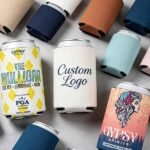
Oneier’s wider product experience also matters. Because the company has long worked with neoprene bags, koozies, sports supports, medical supports, wetsuits, and other sewn neoprene products, it understands how this material behaves across different product categories. That kind of cross-category knowledge is useful when developing pet gear because many of the same principles apply: comfort against the body, layered construction, edge finishing, flexibility, and durability under repeated use.
For brands that want more than a stock pet product with a printed logo, this is important. Oneier can help clients think through how a product should actually be built so it feels right, functions well, and fits the brand’s market position.
Final Thoughts
Neoprene dog products manufacturing works best when it starts with the real product experience. The right factory does not just ask what shape you want. It asks how the dog will wear it, how the owner will use it, what the brand wants to communicate, what price level the market expects, and what details are most likely to affect comfort, safety, and repeat sales.
That is why good manufacturing is not only about output. It is about decision quality. A pet brand that chooses the right neoprene thickness, hardware, fit structure, logo method, and sample process is much more likely to build a product that customers trust and reorder.
Neoprene is valuable because it helps create products that feel softer, look more premium, and support stronger comfort positioning. But the material only shows its real value when it is used intelligently. The best dog harness, collar, and leash products are not simply padded. They are balanced. They combine comfort, strength, proportion, visual appeal, and practical performance in a way that feels natural to both dog and owner.
For pet brands that want to build a stronger collection, neoprene dog products manufacturing offers a very practical route. It gives room for product differentiation, matching sets, improved user experience, and better brand storytelling without requiring the brand to become overly complicated. When done well, it can help a pet label look more established, sell more confidently, and grow with better product foundations.
Request a Custom Neoprene Dog Product from Oneier
If you are planning to develop custom neoprene dog harnesses, collars, leashes, or matching pet accessory sets, Oneier can help turn your idea into a product that is comfortable, attractive, and ready for real market use.
Whether you need:
- a new private-label dog harness collection
- custom collars and leashes with your logo
- matching pet sets for e-commerce or retail
- low MOQ development for a new pet brand
- OEM or ODM support for neoprene pet accessories
- fast samples to test your next product idea
Oneier is ready to support your project with free design assistance, fast sampling, short lead times, rich neoprene manufacturing experience, and dependable custom production service.
Send Oneier your product idea, reference photos, size plan, logo artwork, target colors, and estimated quantity, and start building a neoprene dog product line that truly fits your brand.