Skip to content

If you work in product development, sourcing, outdoor gear, fitness accessories, or even consumer electronics packaging, you’ve probably touched neoprene foam far more times than you realize. It’s in wetsuits, laptop sleeves, bottle holders, sports braces, protective covers, and thousands of everyday items. Yet surprisingly, most buyers—even experienced ones—only vaguely understand what neoprene foam actually is. They may describe it as “that soft stretchy rubber,” “the wetsuit material,” or “the spongy rubber fabric used in bags,” but very few can clearly articulate its chemistry, structure, and performance behavior. And in 2025, when product durability, sustainability, and manufacturing efficiency matter more than ever, understanding neoprene foam isn’t optional anymore—it’s a competitive advantage.
Neoprene foam is a flexible, closed-cell synthetic rubber created from chloroprene polymer and expanded using blowing agents to form tiny air-filled cells. It is water-resistant, insulating, shock-absorbing, buoyant, and highly durable, making it ideal for wetsuits, sports supports, laptop sleeves, bags, and protective covers. Its performance varies by density, thickness, and lamination, allowing brands to engineer custom materials for specific product applications.
But neoprene foam is much more than its textbook definition. Behind the material is an evolving story of chemistry, manufacturing innovation, and real-world performance trade-offs. Understanding these layers helps brands and buyers make smarter sourcing decisions—avoiding weak foam that cracks, stretches out, or absorbs water over time. To illustrate why this matters, I’ll begin with a quick example.
A European startup once approached our factory (neoprene-bag) after receiving thousands of defective laptop sleeves from another supplier. The foam felt soft at first but collapsed after four weeks, permanently deforming around the device and losing protection. After testing, we discovered the material wasn’t true CR neoprene foam at all—it was a low-grade SBR blend with inconsistent density. That mistake cost them an entire season of orders.
This guide ensures you never experience that. Now, let’s dive deeper and truly understand neoprene foam from the inside out.
What Exactly Is Neoprene Foam?
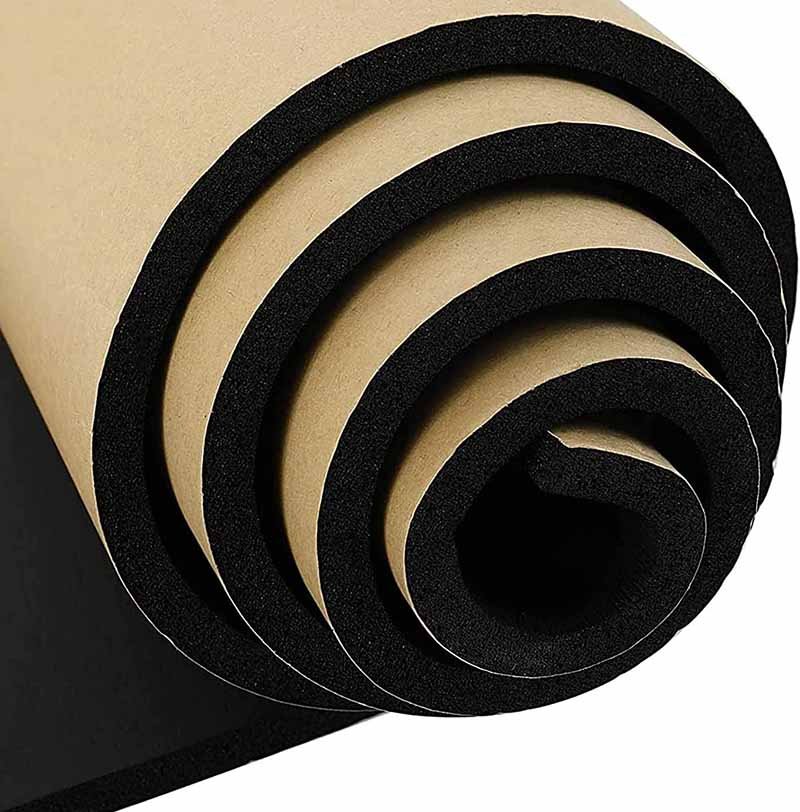
Neoprene foam is a soft, flexible, closed-cell rubber made from chloroprene polymer and expanded with nitrogen or chemical blowing agents. Its sealed micro-cells allow it to resist water absorption, provide cushioning, offer thermal insulation, and maintain elasticity across a wide temperature range. These characteristics make neoprene foam ideal for applications requiring comfort, shock protection, and water resistance, such as wetsuits, bags, protective covers, braces, and beverage coolers.
Understanding neoprene foam requires looking beyond the surface. Most descriptions only cover the “rubbery, spongy” feel, but buyers who want consistent product quality need to understand the structure, behavior, and performance mechanics of the foam.
1. Neoprene Foam Is a Closed-Cell Structure — And That Changes Everything
Neoprene foam is built from millions of microscopic, airtight bubbles. Each bubble is sealed, meaning water cannot freely enter and move through the foam. This makes neoprene different from open-cell foams like memory foam, sponge, or typical upholstery foam.
Closed-cell = water-resistant + buoyant + firm structure.
Open-cell = absorbent + soft + compressible.
This is the primary reason wetsuits, bottle holders, medical braces, and sports accessories rely on neoprene instead of cheaper, open-cell alternatives.
2. It’s Made From Chloroprene Polymer (CR) — but Blends Exist
Pure CR neoprene foam has exceptional stability, chemical resistance, and elasticity. However, due to cost pressures, many factories blend CR with SBR (styrene butadiene rubber).
- 100% CR neoprene = Best durability, best insulation, highest quality
- CR/SBR blend = Mid-range quality, more affordable
- 100% SBR foam = Low price, lower performance, for low-end products
Understanding these differences is essential. Many buyers unknowingly pay for CR but receive an SBR blend—leading to premature compression, odor, and poor insulation. A reputable manufacturer (like neoprene-bag) should always provide material verification.
3. Neoprene Foam Behaves Differently Under Stress and Temperature
Unlike rigid plastics, neoprene foam remains flexible even at low temperatures. It does not crack, harden, or shatter. Meanwhile, under heat, it becomes more elastic but maintains its structure due to its cross-linked rubber chemistry.
Temperature resistance ranges:
| Material Type | Typical Performance Range |
|---|---|
| Pure CR Foam | -40°C to +120°C |
| CR/SBR Blend | -30°C to +100°C |
| Pure SBR Foam | -10°C to +80°C |
This makes neoprene exceptionally versatile for outdoor, marine, and sports applications.
4. Neoprene Foam Is Not a Fabric — but It Is Often Laminated With Fabric
Many consumers assume neoprene is fabric because they see it in bags or sleeves. In reality, the pure foam is rarely used alone. Instead, manufacturers laminate it with:
- polyester fabric
- nylon fabric
- lycra
- jersey knit
- microfiber
- brushed tricot
- OK cloth for Velcro applications
This lamination enhances comfort, stretch, printability, and durability.
5. Neoprene Foam Is Highly Customizable — Not One Material Fits All
Buyers can specify:
- Density (soft, medium, firm — measured in kg/m³)
- Thickness (1mm–30mm or more)
- Hardness (Shore C durometer)
- Stretch level
- Compression resistance
- Surface lamination type
- Color
- Embossing, perforation, printing options
For example, wetsuits use stretchy low-density foam, while protective equipment may require high-density, stiff foam.
6. The “Real Cost” of Neoprene Foam Depends on Performance Grade
Cheap neoprene usually means lower density, irregular cell structure, and poor compression set. High-quality neoprene foam has uniform micro-cells that rebound quickly and last longer. This affects product lifespan directly.
For brands, the formula is simple:
Better neoprene → longer-lasting products → fewer returns → stronger customer reviews.
And this is exactly why understanding the material matters long before you place an OEM/ODM order.
Which Raw Materials Are Used to Make Neoprene Foam?
Neoprene foam is primarily made from chloroprene rubber (CR) combined with blowing agents, accelerators, antioxidants, stabilizers, pigments, and optional SBR blends. During vulcanization, the blowing agents expand to form the foam’s closed-cell structure. Additional materials—like dyes, stretch fabrics, and adhesives—are used for lamination. The exact formulation determines the foam’s density, flexibility, thermal insulation, and durability.
To fully understand neoprene foam performance, you must understand its ingredients. Like baking bread, the outcome depends entirely on the formula—even small adjustments change density, softness, strength, and resilience.
1. Core Raw Material: Chloroprene Rubber (CR)
Chloroprene is the foundational polymer for true neoprene. It provides:
- resistance to ozone and UV
- stability when exposed to oils and chemicals
- excellent elasticity
- long-term durability compared to SBR
High-end neoprene wetsuits, branded laptop sleeves, and protective sports supports use 100% CR.
2. Optional Blend: Styrene-Butadiene Rubber (SBR)
SBR is cheaper and easier to produce but is less durable. Many low-end factories use high SBR ratios in their foam.
CR vs. SBR Comparison Table
| Property | 100% CR | CR/SBR Blend | 100% SBR |
|---|---|---|---|
| Durability | ★★★★★ | ★★★★ | ★★ |
| Flexibility | ★★★★★ | ★★★★ | ★★★ |
| Price | High | Medium | Low |
| Water Resistance | Excellent | Good | Moderate |
| Compression Recovery | Excellent | Good | Poor |
| Odor Resistance | Excellent | Good | Poor |
If your product needs to feel premium, last long, and pass customer drop tests, CR or CR/SBR blends are essential.
3. Blowing Agents: Creating the Foam Structure
Blowing agents determine the cell size and density. There are two major types:
- Chemical blowing agents (commonly used)
- Nitrogen gas expansion (used in premium wetsuit foams)
Control over blowing agents determines:
- softness
- density
- insulation performance
- buoyancy
- compression resistance
Poor blowing control leads to uneven cell structures—often visible as tiny pits or spots.
4. Additives: The Material “Flavoring”
Just like spices change a recipe, additives change neoprene foam quality:
| Additive | Function |
|---|---|
| Vulcanization accelerators | Strengthen molecular bonds |
| Antioxidants | Prevent aging & cracking |
| Stabilizers | Improve heat and UV resistance |
| Pigments | Provide black, gray, blue, or other colors |
| Fire-retardants | Required for certain industries |
Additive quality differs sharply between premium and bottom-tier manufacturers.
5. Lamination Supplies: Turning Foam Into Usable Fabric
Neoprene foam alone is too rubbery for most products. Laminations upgrade its usability.
Common lamination fabrics:
- polyester
- nylon
- lycra/spandex
- jersey
- velvet
- OK cloth
- mesh
Each option serves different market segments—for example, OK cloth is essential for Velcro sports braces, while lycra is preferred for wetsuits.
6. Adhesives Used in Lamination
Water-based adhesives are now standard due to environmental regulations. Good adhesives prevent delamination, curling, and wrinkles.
How Is Neoprene Foam Manufactured?
Neoprene foam is manufactured through polymer mixing, foaming, vulcanization, curing, slicing, and lamination. Chloroprene rubber is blended with additives and blowing agents, expanded under heat to create closed-cell foam, vulcanized for strength, then cured. The resulting “foam buns” are sliced into sheets and laminated with fabrics like polyester, nylon, or jersey. Each step affects density, flexibility, durability, and performance in end products such as wetsuits, bags, and protective covers.
If you’ve ever wondered why two neoprene products feel completely different—even when they claim the same thickness—it’s because the manufacturing process has a direct impact on performance. Neoprene foam making is a complex sequence of chemical, thermal, and mechanical stages, each of which can strengthen—or compromise—the final product.
Below is a detailed look at the production cycle, written from the perspective of an OEM manufacturer who has handled neoprene daily for 18+ years.
1. Polymer Preparation: The Foundation of Quality
Every sheet of neoprene foam starts with a carefully measured combination of:
- chloroprene rubber (CR)
- reinforcing fillers
- stabilizers
- antioxidants
- vulcanization accelerators
- optional SBR blends
- foaming agents
This mixture determines the performance envelope.
For example:
- Too much SBR → foam collapses quickly
- Too few antioxidants → product yellows and cracks
- Poor accelerators → weak bonding structure
Factories that care about long-term quality test the formulation for consistency every batch. Cheaper suppliers, however, often vary the blend to cut cost—leading to unpredictable density and durability.
2. Banbury Mixing & Milling: Creating a Uniform Material
After all raw materials are measured, they are fed into a Banbury mixer, a powerful industrial machine that blends the components under heat and pressure. The goal here is consistency:
- no dry particles
- no unmixed agents
- no chemical clusters
Once mixed, the rubber compound is rolled on a two-roll mill, forming thick sheets that begin to resemble dough. During these first steps, even tiny variations in mixing time or temperature can create performance issues later in the production line.
3. Foaming Process: Turning Rubber Into Foam
This is where the magic happens—neoprene gains its signature “spongy” structure. Factories either use:
- chemical foaming (most common)
- gas foaming (nitrogen injection) for premium wetsuit-grade foams
Heat activates the blowing agents, generating gas bubbles within the rubber. These bubbles become the closed-cell structure.
Important variables include:
- Foaming temperature
- Foaming duration
- Pressure levels
- Blowing agent dosage
If any variable is wrong, the foam ends up weak, uneven, or poorly elastic.
4. Vulcanization: Strengthening the Foam
Vulcanization is the bonding process that makes the material:
- elastic
- durable
- thermally stable
- resilient
It involves heating the foamed material with sulfur-based accelerators to form cross-linked molecular bonds. Think of it like “baking” the foam so it holds its structure.
Premium neoprene factories use controlled vulcanization cycles to avoid:
- brittleness
- cracking
- uneven hardness
- weak rebound
This is where cheap foam and premium foam begin to diverge dramatically.
5. Curing and Stabilization
After vulcanization, the foam is left to cure and stabilize. This allows:
- chemical reactions to finish
- gases to settle
- cells to equalize
- the material to reach final hardness and density
Skipping or rushing the curing stage is one of the major causes of neoprene foam odor, shrinkage, and uneven density. High-end factories allocate at least 24–48 hours for proper curing.
6. Slicing: Turning Foam Buns Into Usable Sheets
The cured neoprene foam is now a thick “bun”—often 100–200mm thick. Using a precision slicing machine, the bun is sliced into sheets ranging from:
- 1mm
- 2mm
- 3mm
- 5mm
- 10mm
- up to 30mm or more
Accuracy here is crucial. Inconsistent slicing leads to:
- uneven product feel
- sewing difficulties
- incorrect thickness specifications
- customer complaints
Factories like neoprene-bag calibrate slicing machines daily to achieve ±0.1mm accuracy.
7. Lamination: Adding Fabrics and Functional Layers
Neoprene foam alone is too rubbery for most consumer goods. To improve usability, it’s laminated with:
- Polyester knit
- Nylon jersey
- Lycra (for stretch)
- OK cloth (for Velcro)
- Microfiber
- Mesh
- Brushed tricot
- Printed fabrics
This step uses water-based adhesives to bond the foam and fabric. Proper lamination prevents:
- bubbling
- wrinkling
- delamination
- odor
Most premium products (wetsuits, quality bags) require double-sided lamination for stability.
8. Inspection, Testing & Quality Control
Before shipment, foam undergoes a battery of tests:
| Test Type | Purpose | Typical Requirement |
|---|---|---|
| Density Test | Ensures uniformity | ±3–5% tolerance |
| Compression Set | Measures rebound ability | <10–15% deformation |
| Tensile Strength | Measures stretchability | 1.5–3.5 MPa |
| Tear Strength | Prevents ripping | 1.0–2.5 N/mm |
| Water Absorption | Ensures closed-cell integrity | <5% |
| Odor Test | Checks material purity | No strong smell |
Factories serving international clients (like neoprene-bag) also run:
- UV aging tests
- Saltwater tests
- Chlorine resistance tests
- REACH & RoHS compliance checks
9. Cutting, Sewing & Final Product Fabrication
Once laminated neoprene sheets are ready, they move into:
- die-cutting
- laser cutting
- pattern cutting
- sewing
- heat-press bonding
- edge binding
- printing & branding
This is where raw neoprene transforms into:
- neoprene bags
- koozies
- covers
- wetsuits
- gloves
- protective gear
A poorly made foam sheet cannot be “fixed” later in production. This is why high-quality foam is essential from the beginning.
What Physical and Chemical Properties Does Neoprene Foam Have?
Neoprene foam offers excellent elasticity, water resistance, thermal insulation, shock absorption, buoyancy, and chemical stability. Its closed-cell structure prevents water absorption, while its rubber composition provides flexibility in cold temperatures and resistance to oils, UV, and ozone. The material’s performance depends on density, thickness, hardness, and cell structure, making it suitable for wetsuits, bags, braces, protective cases, and industrial sealing applications.
Understanding neoprene’s properties is essential for designers, sourcing managers, and technical buyers. Each property affects product feel, durability, and customer satisfaction. Below is a comprehensive, real-world explanation of neoprene properties—written the way factories explain it to professional buyers.
1. Elasticity & Flexibility
Neoprene is one of the few foams that maintain elasticity across extreme temperatures. Unlike EVA foam, which stiffens in the cold, neoprene remains flexible and maintains stretch.
- Elongation at break: 300–600%
- Rebound elasticity: Medium to high
- Preferred for: sports gear, wetsuits, stretchy covers
Because neoprene rebounds gradually, it feels comfortable against the skin and provides stable compression without over-tightening.
2. Water Resistance & Closed-Cell Integrity
This is one of neoprene’s signature properties. Each tiny cell is closed off, preventing water from flowing through.
- Water absorption rate: typically <5%
- Buoyancy: high, due to air-filled cells
- Saltwater durability: excellent in CR neoprene
- Chlorine resistance: varies by grade
High-quality CR neoprene remains stable in wet environments for years, which is why it’s the foundation of professional wetsuits.
3. Thermal Insulation
Neoprene foam naturally traps heat due to its air-filled structure. This insulation ability is why it’s used for:
- wetsuits
- bottle holders
- thermal lunch bags
- medical warmers
- outdoor covers
Typical thermal conductivity:
0.054–0.065 W/m·K (varies by density)
Thicker neoprene = stronger insulation.
4. Compression Resistance & Cushioning
Neoprene foam compresses under pressure but slowly rebounds. This makes it ideal for protective gear and shock-absorbing products.
- Compression set: 5–15% depending on density
- Impact resistance: superior to EVA at similar density
- Used for: laptop sleeves, protective cases, joint braces
Low-quality SBR collapses quickly—one of the biggest complaints in cheap neoprene products.
5. Chemical, Oil & UV Resistance
Neoprene can resist:
- oils
- moderate solvents
- UV exposure
- ozone
- sea water
- environmental aging
This makes it valuable for marine, industrial, and outdoor applications where materials often fail.
SBR blends, however, degrade faster under UV and ozone—another reason CR is preferred for premium products.
6. Flame Resistance (Optional)
Some neoprene foams meet:
- UL 94
- FMVSS 302
- CPA I-84 fire standards
These are required in automotive, aviation, and some industrial markets. Flame-retardant additives increase cost but widen application potential.
7. Softness, Feel & “Hand Touch”
This is less technical but extremely important for consumer products. High-end neoprene feels:
- soft
- smooth
- warm to the touch
- luxurious
- consistent
Inferior neoprene feels:
- rubbery
- rough
- overly stiff
- uneven
Much of this comes from cell uniformity, lamination quality, and foam density.
8. Odor Levels
Premium neoprene has:
- no strong rubber smell
- no chemical irritation
- REACH-compliant formulation
Low-end neoprene, especially high-SBR blends, can produce:
- plastic smells
- “chemical odor”
- unpleasant off-gassing
These odors often come from cheap blowing agents or poor curing.
9. Density: The Master Property That Controls Everything
Density is measured in kg/m³ and affects:
| Density (kg/m³) | Feel | Best For | Drawbacks |
|---|---|---|---|
| 80–120 | Very soft | Wetsuits, stretchy covers | Low durability |
| 120–150 | Medium | Bags, sleeves, sports gear | Balanced |
| 150–200 | Firm | Protective cases, industrial parts | Less stretch |
Choosing the right density is crucial for OEM orders. A good manufacturer will advise based on end-use.
Which Factors Should You Consider When Selecting Neoprene Foam?
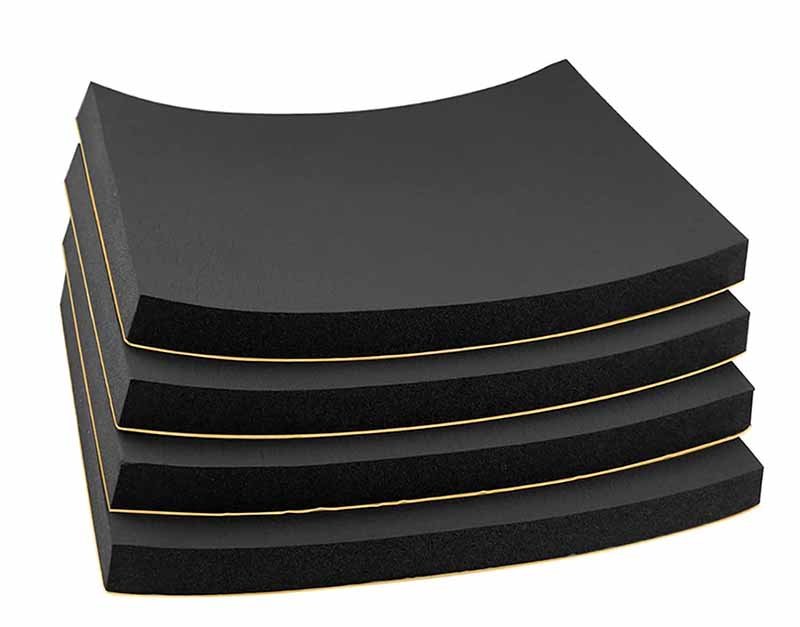
To choose the right neoprene foam, consider density, thickness, hardness, stretch, cell structure, lamination fabric type, compression resistance, and intended application. High-density foam provides better protection, while low-density foam offers flexibility and comfort. Laminations such as polyester or nylon affect durability, printability, and texture. Matching foam specifications to your product’s use case ensures optimal performance, longevity, and customer satisfaction.
Choosing neoprene foam is not the same as choosing a fabric. It’s closer to selecting the engine of your product. The wrong foam can ruin even the best design, while the right foam elevates product quality instantly. Below is a complete, real-world guide used by OEM customers to avoid costly mistakes.
1. Identify Your Product Category First
Neoprene foam is not a one-size-fits-all solution. The “best” foam depends entirely on what you are making:
| Product Type | Recommended Density | Recommended Thickness | Notes |
|---|---|---|---|
| Wetsuits | 80–120 kg/m³ | 1.5–5mm | Must be stretchy and warm |
| Laptop Sleeves | 130–150 kg/m³ | 3–5mm | Requires cushioning + structure |
| Protective Cases | 150–200 kg/m³ | 5–10mm | High compression resistance |
| Neoprene Bags | 120–150 kg/m³ | 3–4mm | Soft feel + durable |
| Sports Braces | 130–160 kg/m³ | 4–6mm | Needs firm compression |
| Drink Koozies | 130–150 kg/m³ | 3–4mm | Good insulation |
| Industrial Seals | 160–200 kg/m³ | 5–20mm | High durability & stability |
A lot of buyers skip this step and jump straight to thickness.
But density determines performance, not thickness alone.
2. Understand the Importance of Density
When explaining density to buyers, we often use a quick analogy:
“Think of density like the muscle strength of neoprene. Low density = soft, flexible. High density = strong, protective.”
Low-density foam compresses easily but rebounds quickly.
High-density foam is stiffer but absorbs shocks better.
Typical ranges:
- Soft foam: 80–120 kg/m³
- Medium: 120–150 kg/m³
- Firm: 150–200 kg/m³
Choose density based on whether your product needs comfort (soft) or protection (firm).
3. Choose the Right Thickness
Thickness influences:
- insulation
- cushioning
- rigidity
- cost
But thicker isn’t always better.
For example:
- A 6mm wetsuit would feel stiff.
- A 2mm laptop sleeve provides almost no protection.
- A 10mm protective case becomes too bulky.
Thickness should be matched to performance expectations, not instinct.
4. Decide on Foam Grade: CR, SBR, or Blend?
A major decision point is foam grade:
| Grade | Performance | Price | Best For |
|---|---|---|---|
| 100% CR | ★★★★★ | High | Wetsuits, high-end bags, premium brands |
| CR/SBR Blend | ★★★★☆ | Medium | General bags, sleeves, accessories |
| 100% SBR | ★★☆☆☆ | Low | Promotional items |
If your product requires long-term stability, go for CR or CR-blends.
If you’re making giveaways, SBR might be acceptable—but manage expectations.
5. Lamination Fabric Determines “Touch & Feel”
Fabric lamination dramatically affects product aesthetics, comfort, and branding.
Common laminations:
- Polyester → durable, printable
- Nylon → smooth, premium, wetsuit-friendly
- Lycra → stretchable, athletic feel
- Jersey knit → soft, breathable
- OK cloth → Velcro-compatible
- Velvet → premium lifestyle products
- Mesh → breathable sports gear
Your target market should dictate lamination choice.
Example:
A premium European tech brand once upgraded from polyester to nylon-laminated neoprene. Their reviews jumped because customers perceived the sleeve as more “luxurious.”
6. Compression Resistance & Recovery
If your product requires impact protection, pay close attention to Compression Set values:
- <10% = very good
- 10–15% = acceptable
- 20% = poor long-term performance
This determines how well neoprene “springs back” after being squeezed.
Bad compression resistance leads to:
- permanent dents in laptop sleeves
- loose-fitting sports braces
- misshapen bags
Always ask the factory to provide compression test data.
7. Stretch vs. Firmness Trade-Off
Neoprene can be engineered to be:
- very stretchy (ideal for wearables), or
- structurally firm (ideal for protective cases)
You cannot have both at the same time.
Stretch is influenced by:
- CR content
- fabric lamination
- density
- thickness
If your product requires tight compression (sports gear), choose medium-density foam with OK cloth or lycra lamination.
8. Flame Retardant Grades for Regulated Markets
Products shipped to:
- automotive industry
- public transport
- aviation
- fire-safety regions
may require FMVSS 302, UL 94, or EN standard flame ratings.
These grades cost more but meet compliance requirements.
9. Paint, Print & Branding Compatibility
Some brands rely heavily on visual identity.
If you need:
- sublimation printing
- silk-screen logos
- heat-transfer graphics
- embossed logos
- rubber patches
Choose polyester or nylon laminations. These offer the most stable print surfaces.
10. MOQ & Cost Considerations
High-grade neoprene (pure CR) requires premium raw materials, which:
- increases price
- typically raises MOQ
But with a factory like neoprene-bag, MOQ can remain low because we control the full manufacturing chain and keep inventory of standard foam grades.
What Are the Common Applications and Uses of Neoprene Foam?
Neoprene foam is used in bags, laptop sleeves, wetsuits, sports braces, protective covers, drink koozies, industrial seals, cushioning pads, marine equipment, outdoor accessories, and medical supports. Its closed-cell structure provides insulation, shock absorption, water resistance, and flexibility. This makes neoprene suitable for both consumer and industrial products, from lifestyle accessories to technical protective equipment.
Neoprene foam’s versatility is unmatched. Below is a comprehensive view of how different industries use it—and why.
1. Bags, Cases & Lifestyle Accessories (A Growing Market)
Neoprene is widely used for:
- tote bags
- cosmetic bags
- crossbody bags
- diaper bags
- bottle holders
- lunch bags
- fashion handbags
- travel organizers
Why brands love neoprene bags:
- soft and luxurious to the touch
- washable
- protective
- stylish
- printable
- keeps shape
- lightweight
This category is booming globally because neoprene combines fashion, function, and comfort in one material.
2. Laptop Sleeves & Electronics Protection
Neoprene foam naturally absorbs shocks, which makes it ideal for consumer electronics:
- MacBook sleeves
- tablet covers
- camera bags
- gaming console cases
- gadget organizers
Premium tech brands choose CR-blend neoprene for durability and consistent thickness.
3. Sports & Medical Braces
Neoprene is the top material for:
- knee sleeves
- ankle braces
- elbow supports
- wrist guards
- waist trimmers
- posture correctors
Why?
Because it offers:
- compression
- warmth
- support
- comfort
- sweat insulation
Fitness brands often choose neoprene because it remains soft even during intense movement.
4. Marine & Outdoor Gear
Neoprene thrives in harsh environments:
- wetsuits
- snorkeling gear
- boating seats
- kayak accessories
- fishing gloves
- waterproof pouches
Saltwater, UV, and abrasion resistance make CR neoprene ideal for outdoor brands.
5. Industrial Applications
Some of the highest-value applications are industrial:
- anti-vibration pads
- sound insulation panels
- sealing gaskets
- thermal insulation wraps
- pipe insulation
- tool grips
- automotive components
Industrial buyers require consistent density and hardness. Quality control matters more here than cost.
6. Promotional Merchandise
Koozies, can holders, armbands, and small accessories use neoprene for its:
- printability
- durability
- soft touch
- affordability
SBR neoprene is often acceptable here if budgets are tight.
Are There Health, Safety, or Environmental Concerns Related to Neoprene Foam?
Neoprene foam is generally safe, but low-quality blends may emit odors or contain non-compliant chemicals. High-grade neoprene can meet REACH, RoHS, CA Prop 65, and OEKO-TEX standards. Environmental concerns relate to production energy use and limited recyclability. Using certified materials and reputable manufacturers ensures safer, more environmentally responsible neoprene products.
There is a lot of confusion online about neoprene safety. Some say it’s toxic; others say it’s completely harmless. The truth lies in the quality of the formulation.
1. Chemical Safety: CR vs. Cheap SBR Blends
Pure CR neoprene is inherently more stable.
Low-cost SBR blends may include:
- cheaper blowing agents
- low-grade pigments
- unstable accelerators
These can cause:
- odor
- skin irritation
- premature degradation
For consumer-facing products, always use certified foam.
2. Certifications You Should Know
A reliable neoprene factory should provide:
- REACH (EU chemical safety)
- RoHS (electronics materials safety)
- OEKO-TEX (textile safety)
- CA Prop 65 (US chemical restriction)
- PAHs test
- AZO-free dyes
neoprene-bag offers all major certifications on request.
3. Environmental Footprint
Neoprene is not biodegradable.
However, CR neoprene can be more eco-friendly when:
- formulated with water-based adhesives
- laminated using low-VOC processes
- produced with energy-efficient vulcanization
Some brands now offer limestone-based neoprene as a lower-environmental-impact option.
4. Recycling Options
While neoprene foam cannot be recycled like PET bottles, it can be:
- shredded for padding
- upcycled into accessories
- reused for cushioning
- repurposed for crafts
Many brands now incorporate recycled neoprene into eco-themed product lines.
How to Care for and Maintain Neoprene Foam Products
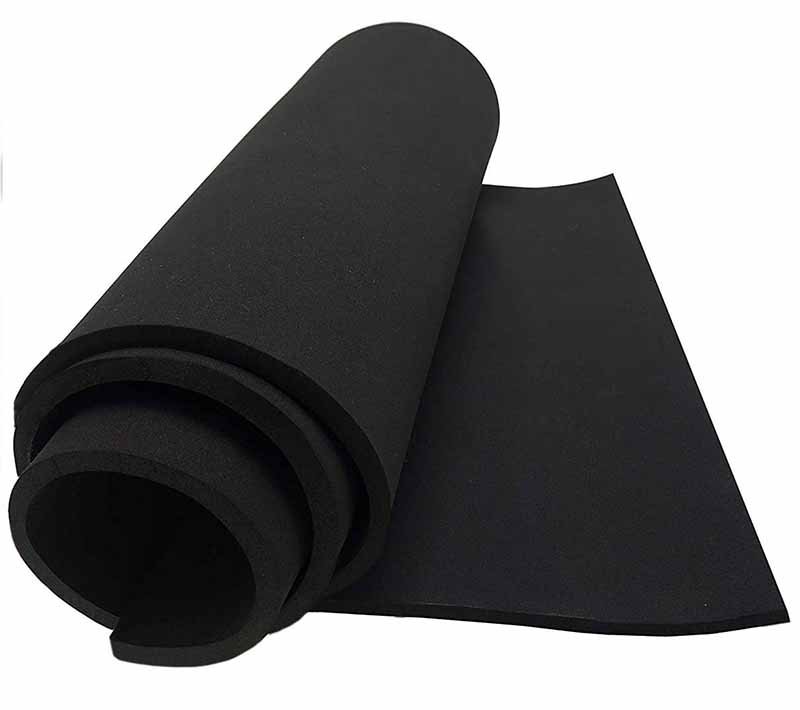
To prolong neoprene foam’s lifespan, avoid excessive heat, UV exposure, sharp objects, and chemical solvents. Clean with mild soap and water, air dry away from direct sunlight, and store flat or loosely rolled. Do not machine wash or wring out neoprene, as it may damage the foam structure. Proper care maintains elasticity, shape, and durability.
Customer experience doesn’t end at checkout; it continues through product use. Helping them maintain neoprene properly reduces returns and increases satisfaction.
1. Cleaning Guidelines
To clean neoprene:
- Use warm water
- Add mild soap
- Gently hand wash
- Rinse thoroughly
- Air dry in shade
Never:
- wring out neoprene
- iron it
- expose it to direct heat
- use harsh chemicals
2. Preventing UV & Heat Damage
While neoprene is UV-resistant, prolonged exposure weakens it.
- Store in cool, dry places
- Avoid leaving bags in hot cars
- Keep wetsuits out of sun when drying
This prevents brittleness and color fading.
3. Odor Control Tips
If neoprene begins to smell:
- soak in vinegar-water solution
- use wetsuit shampoo
- rinse thoroughly
- air dry fully
Proper curing at the factory reduces odor—but usage habits matter too.
4. How to Extend Product Life
A few small habits dramatically extend lifespan:
- avoid folding thick neoprene
- avoid storing heavy items inside neoprene bags
- trim frayed seams sooner
- keep away from sharp edges
With correct maintenance, neoprene products can last 3–7 years or more.
Conclusion — Why Neoprene Foam Matters & Why Your OEM/ODM Partner Matters Even More
By now, you’ve seen how complex, engineered, and customizable neoprene foam truly is. It’s not “just a material”—it’s a multifunctional system balancing flexibility, durability, comfort, insulation, and protection. And when you’re developing a product, the foam you choose directly impacts:
- customer reviews
- return rate
- usability
- comfort
- long-term durability
- brand reputation
That’s why choosing a trustworthy neoprene manufacturer is just as important as selecting the right grade of foam.
For over 18 years, neoprene-bag has supplied:
- premium CR & CR/SBR neoprene
- custom laminated neoprene sheets
- finished OEM/ODM products
- low-MOQ private label solutions
- fast sampling
- strict quality control
- global-compliance materials
Whether you’re creating a new product line or improving an existing one, we help brands build better products with safer materials, consistent performance, and beautiful craftsmanship.
Ready to Create Your Custom Neoprene Products?
If you need:
- custom neoprene bags
- drink koozies
- protective covers
- wetsuit-grade neoprene
- sports braces
- neoprene sheets
- Or any other neoprene OEM/ODM products
We welcome your inquiries at any time.
Contact neoprene-bag to get a free sample, free design, and a fast quotation.
Let’s turn your product idea into a market-ready success with high-quality neoprene.