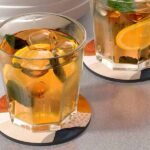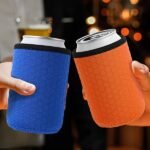
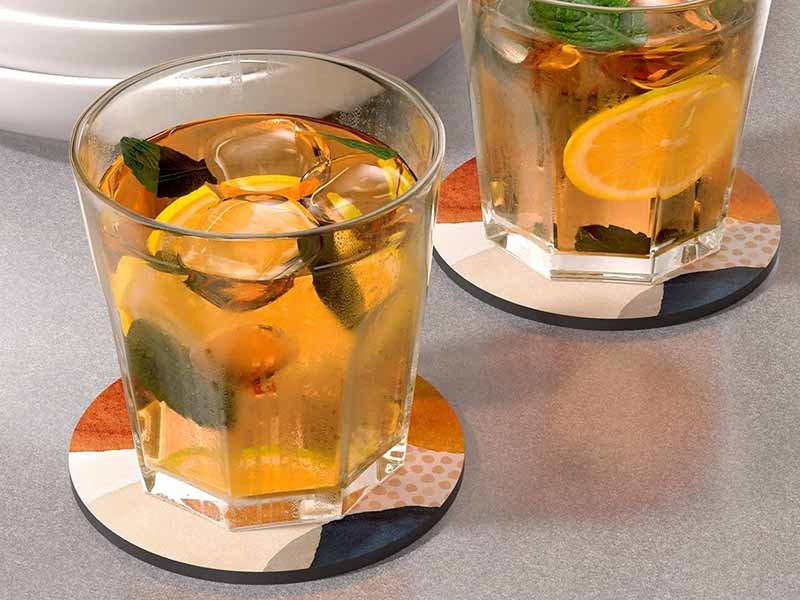
A neoprene bar coaster may look like a very simple product. It is small, flat, lightweight, and easy to hold in one hand. Because of that, many customers assume manufacturing it must also be simple. In real production, that is not the case. A good neoprene coaster depends on material density, lamination quality, print method, cutting accuracy, edge consistency, color fastness, and packaging control. If even one of these areas is poorly handled, the final product can curl, fade, peel, smell unpleasant, or lose shape after short-term use. That is why some custom coasters look sharp in the sample photo but disappoint badly after a few weeks in bars, restaurants, promotions, or retail settings.
A well-made neoprene bar coaster is produced by laminating neoprene foam with fabric, cutting it precisely into the required shape, applying the right printing method, and controlling thickness, density, edge finish, and color consistency throughout production. The result is a coaster that is soft, durable, reusable, water-resistant, easy to brand, and suitable for hospitality, events, promotions, and private label sales.
The difference between an average coaster and one that helps a brand look more professional usually comes down to factory experience. A coaster is small, but every production detail is visible. That is exactly why serious custom orders need a factory that understands neoprene deeply, not just a supplier that can print a logo and ship a carton.
What Is Neoprene Bar Coaster Manufacturing?
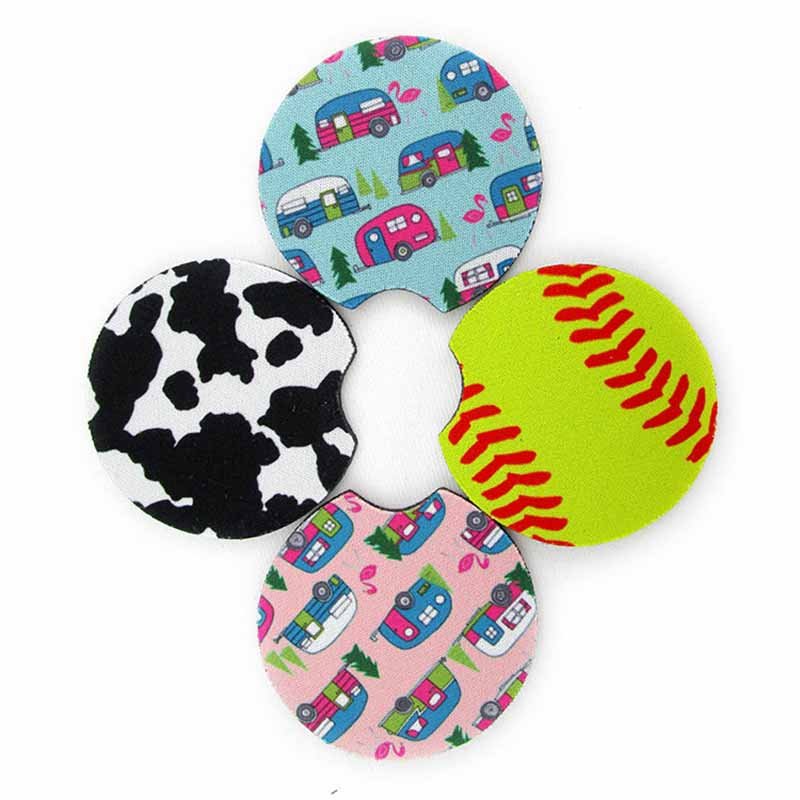
Neoprene bar coaster manufacturing is the process of turning neoprene foam sheets into finished coasters through lamination, cutting, printing, finishing, and inspection. The real value is not just making the coaster shape, but controlling consistency, print clarity, edge quality, and durability in every batch.
What Defines Neoprene Bar Coaster Manufacturing?
Neoprene bar coaster manufacturing is defined by how raw material is transformed into a commercial product that looks clean, performs well, and stays stable during repeated use. A finished coaster is expected to do more than sit under a glass. It needs to absorb or manage surface moisture, reduce slipping, carry branding clearly, keep its shape after many uses, and arrive with consistent quality across the whole order.
In manufacturing terms, five points define product quality most clearly.
1. Material structure
The coaster usually starts with neoprene foam combined with one or two fabric surfaces. The foam provides softness, elasticity, thickness, and cushioning. The fabric surface supports printing and gives the product a cleaner, more refined look.
2. Lamination quality
If the bond between foam and fabric is weak, the top layer may bubble, peel, or lift at the edge. This is one of the most common quality problems in low-cost coasters.
3. Dimensional consistency
For bulk orders, the diameter, thickness, and shape must stay uniform. Even a size difference of 1 to 2 mm becomes obvious when coasters are stacked, packed, or displayed together.
4. Surface decoration quality
A printed logo must look sharp, centered, and color-stable. This matters even more for restaurants, beverage brands, event organizers, and private label sellers.
5. Finishing control
The edge should be smooth, clean, and well cut. Rough edges make the product look cheap, even when the print itself is good.
For customers placing custom orders, these points affect the real business outcome:
- Whether the product feels premium or low-end
- Whether the logo presents the brand well
- Whether the coasters hold up in repeated use
- Whether reorder quality stays stable
A coaster is a small product, but it is often used in front of customers, guests, and end users. That means defects are easy to notice.
What Makes Neoprene Bar Coasters Popular?
Neoprene bar coasters have become a strong product category because they offer a useful mix of comfort, practicality, and branding value. Compared with paper, cardboard, or cork, neoprene gives a more durable and more commercial feel. It does not tear easily, it handles repeated use better, and it carries printed graphics with stronger visual impact.
The popularity of neoprene coasters comes from several clear advantages.
They are reusable
Paper coasters are disposable. Cork can break down over time. Neoprene can be used again and again, which is important for bars, hotels, clubs, breweries, promotional campaigns, and retail gift sets.
They resist moisture well
Neoprene itself is a closed-cell synthetic rubber foam. It handles condensation better than many low-cost materials. That makes it suitable for cold drinks, beer glasses, cans, tumblers, and bar service environments.
They feel better in hand
A soft-touch coaster often creates a stronger perceived value than a thin paper one. This is important for brand promotions. A better hand feel often means the product is kept longer instead of thrown away.
They support high-quality branding
When laminated with polyester fabric, neoprene coasters can support vivid sublimation prints, clean screen prints, or other decorative effects. That makes them ideal for logo exposure.
They work across many markets
Custom neoprene coasters are used in:
- Bars and pubs
- Breweries and beverage promotions
- Coffee shops and restaurants
- Trade shows and event giveaways
- Souvenir and gift shops
- Corporate branding campaigns
- E-commerce and private label accessory lines
The table below shows why neoprene often wins over other coaster materials in commercial orders.
| Coaster Material | Reusability | Water Resistance | Print Quality | Soft Touch | Durability | Commercial Appeal |
|---|---|---|---|---|---|---|
| Paper | Low | Low | Medium | Low | Low | Low |
| Cork | Medium | Medium | Low-Medium | Low | Medium | Medium |
| PVC/Plastic | High | High | Medium | Low | Medium | Medium |
| Silicone | High | High | Medium | Medium | High | Medium |
| Neoprene | High | High | High | High | High | High |
From a customer point of view, neoprene is often chosen not because it is the cheapest option, but because it creates a better balance between function, appearance, and perceived value.
What Types Exist in Neoprene Bar Coaster Manufacturing?
Neoprene bar coasters are available in far more variations than many customers expect. The product may look simple, but there are many choices in shape, thickness, surface treatment, edge style, print method, and packing format. Choosing the right type early can help control cost, improve branding results, and avoid unnecessary revisions.
The most common coaster types include the following.
Standard round coasters
These are the most widely used and usually the most efficient to produce. Standard round sizes such as 90 mm, 100 mm, or 105 mm are common in bars and promotional orders. This type offers the lowest cutting complexity and the most stable packing efficiency.
Square coasters
Square shapes look more structured and can provide more visible print area for logos, slogans, or artwork. They are widely used in cafés, restaurants, and promotional gift sets.
Custom die-cut coasters
These are made in unique shapes such as bottles, logos, mascots, badges, or brand icons. They are useful for strong visual identity, though they usually require extra die tooling and slightly higher scrap rates in production.
Single-side printed coasters
These are the most common format in bulk orders. One side is printed, and the back remains plain black or plain fabric. This helps reduce cost while keeping the logo visible.
Double-side printed coasters
These provide more design space and a stronger retail look, but the alignment and color consistency requirements are higher.
Embossed or debossed coasters
These can add texture and a more premium finish. They are less common than full-color printed styles but useful in certain branded collections.
Coasters in gift sets or bundles
Some customers order 4-piece, 6-piece, or 8-piece coaster sets with sleeves, boxes, belly bands, or retail-ready packaging. In those cases, consistency becomes even more important because the products are viewed side by side.
Below is a basic comparison of common product styles.
| Coaster Type | Tooling Need | Print Impact | Cost Level | Production Complexity | Best For |
|---|---|---|---|---|---|
| Standard round | Low | Medium-High | Low | Low | Bulk hospitality orders |
| Standard square | Low | High | Low-Medium | Low | Branding and cafés |
| Custom shape | Medium-High | Very High | Medium-High | Medium | Promotions and retail |
| Double-side print | Low | High | Medium | Medium | Premium branding |
| Embossed/debossed | Medium | Medium | Medium-High | Medium | Premium brand image |
| Set packaging | Low-Medium | High | Medium-High | Medium-High | Retail and gifts |
For many customers, the right choice depends on the business goal. If the priority is wide distribution at a controlled budget, standard round or square often makes sense. If the priority is visual recall and brand identity, a custom die-cut shape may deliver stronger results.
How Does Neoprene Bar Coaster Manufacturing Work?
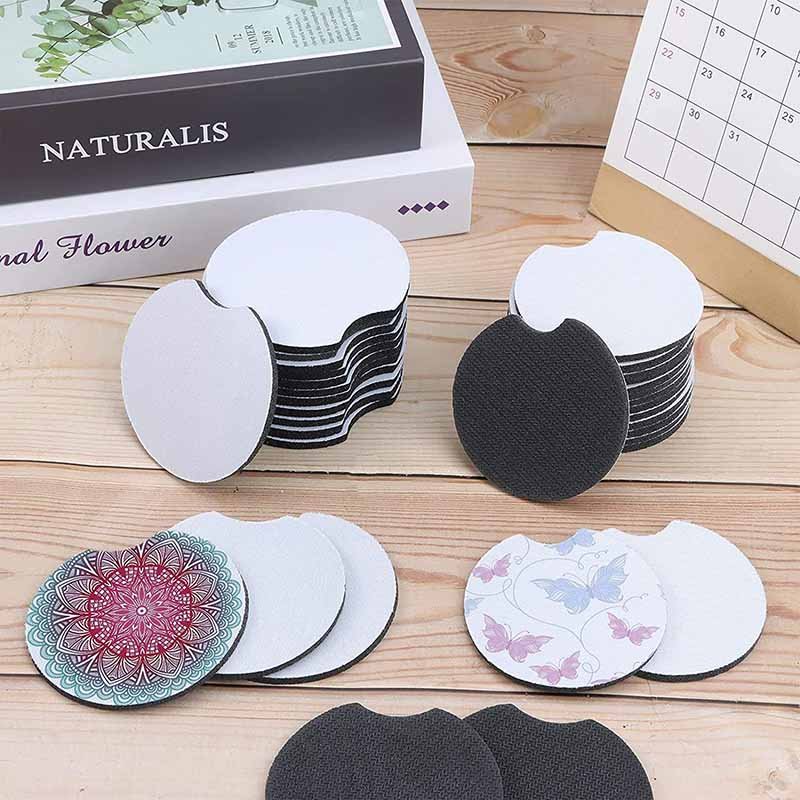
Neoprene bar coaster manufacturing works through a controlled sequence of material preparation, lamination, printing, cutting, finishing, and quality checking. Each step affects the final look, feel, durability, and consistency of the product. A strong sample alone is not enough; the factory must also reproduce that standard in bulk production.
How Is Neoprene Made for Coaster Manufacturing?
The starting point is neoprene sheet material. Neoprene is a synthetic rubber foam, often chosen because it offers flexibility, resilience, cushioning, and a stable soft-touch feel. For coaster production, the material is usually supplied in sheet form and then laminated with fabric before printing or die cutting.
Three material factors matter most here.
1. Thickness
Thickness affects the look, feel, weight, and use scenario of the coaster.
Common thickness ranges include:
| Thickness | Product Feel | Common Use |
|---|---|---|
| 2 mm | Light, flexible | Promotional giveaways, lower-cost orders |
| 3 mm | Balanced | Most standard custom coaster orders |
| 4 mm | Thicker, more premium | Gift sets, premium bars, stronger presence |
| 5 mm+ | Heavy and cushioned | Niche premium or specialty orders |
Among these, 3 mm is often the most practical balance between cost, softness, durability, and packing efficiency.
2. Density
Density affects how firm or soft the coaster feels and how well it returns to shape after use. Low-density foam may feel cheaper and may compress too easily. Higher-density neoprene usually feels more solid and more premium.
3. Surface compatibility
If the coaster will use sublimation printing, the neoprene usually needs a laminated polyester fabric surface that can receive the ink properly. If the surface layer is poor, print sharpness and color strength will suffer.
In commercial production, material quality influences more than feel. It also affects:
- Print clarity
- Edge cleanliness after cutting
- Curling behavior
- Long-term appearance
- Unit consistency across large orders
For customers, one practical point matters a lot: two factories may both offer “3 mm neoprene,” but the final product can still feel very different because foam density, lamination quality, and surface fabric grade are not the same.
How Are Coasters Cut in Manufacturing?
Cutting is one of the smallest-looking steps, but it has a big effect on product quality. A coaster with a beautiful print can still look poor if the edge is rough, the size is inconsistent, or the shape is slightly off-center.
The most common cutting method for mass production is die cutting. A steel die is made to the required shape and then pressed through laminated neoprene sheets to create uniform pieces. This method is widely used because it is fast, repeatable, and efficient for medium to large quantities.
The cutting process must control several details:
Shape accuracy
The die must match the approved dimensions exactly.
Cut edge cleanliness
A clean cut gives the coaster a more finished look. If the die is dull or pressure is not balanced, edges may appear fuzzy, jagged, or compressed.
Print-to-cut alignment
For custom printed coasters, the artwork must line up properly with the cut line. If alignment drifts, logos can look off-center, and the whole batch may appear unprofessional.
Material yield
For custom shapes, the layout of the die on the material sheet affects waste level. Complex shapes often increase scrap rate and raise cost slightly.
The table below shows how shape choice affects production.
| Shape Type | Cutting Speed | Tooling Cost | Material Waste | Visual Impact |
|---|---|---|---|---|
| Standard round | High | Low | Low | Medium |
| Standard square | High | Low | Low | Medium-High |
| Rounded square | High | Low-Medium | Low | High |
| Custom die-cut | Medium | Medium | Medium-High | Very High |
For customers building a brand, this is an important trade-off. A custom shape can create stronger visual identity, but it may increase tooling cost and production complexity. For high-volume promotional orders, standard shapes often provide better cost efficiency.
How Is Printing Done in Coaster Manufacturing?
Printing is where the coaster becomes a branding product rather than just a functional accessory. For many customers, this is the most important stage because logo quality, color performance, and image sharpness directly affect how the final product is perceived.
The main printing methods used in neoprene coaster manufacturing are listed below.
Sublimation printing
This is one of the most common methods for neoprene coasters with polyester fabric surfaces. The design is transferred into the fabric using heat. It allows vibrant full-color artwork, smooth gradients, photographic effects, and detailed patterns.
Main advantages:
- Strong color expression
- Good detail reproduction
- No heavy ink layer on top
- Suitable for full-surface printing
Screen printing
This method is often used for simpler logos or limited-color artwork. It is practical for solid-color brand marks and larger production runs.
Main advantages:
- Good efficiency for simple designs
- Lower unit cost on large volume
- Clean look for bold logos
Heat transfer printing
This can be useful for smaller runs or special graphics, though the long-term feel and durability depend heavily on process quality.
The comparison below helps show the practical difference.
| Printing Method | Image Detail | Color Range | Unit Cost | Best Order Type | Surface Feel |
|---|---|---|---|---|---|
| Sublimation | High | Very High | Medium | Full-color custom orders | Smooth |
| Screen printing | Medium | Low-Medium | Low-Medium | Simple logo bulk orders | Slight ink feel |
| Heat transfer | Medium-High | High | Medium | Small-medium custom runs | Varies |
From a customer perspective, the choice often comes down to artwork style.
- If the design includes gradients, photos, or many colors, sublimation is usually the strongest option.
- If the logo is simple and bold, screen printing may offer better cost control.
- If the order quantity is small and flexibility matters more than absolute efficiency, heat transfer may be considered.
Printing quality should also be judged by more than color alone. Customers should pay attention to:
- Color consistency across the batch
- Sharpness of fine text and lines
- Alignment with coaster shape
- Resistance to fading and rubbing
- Clean edge area without ink distortion
This is one of the reasons experienced neoprene factories matter. Good printing is not just about having a machine. It depends on material compatibility, temperature control, artwork setup, and process stability through the whole order.
At Oneier, where neoprene material development and related product manufacturing have been a core focus for over 18 years, these details matter because the customer is not only ordering a coaster. The customer is ordering a branded product that will represent their business in bars, cafés, events, gift boxes, and retail environments.
Which Materials Are Used in Neoprene Bar Coaster Manufacturing?
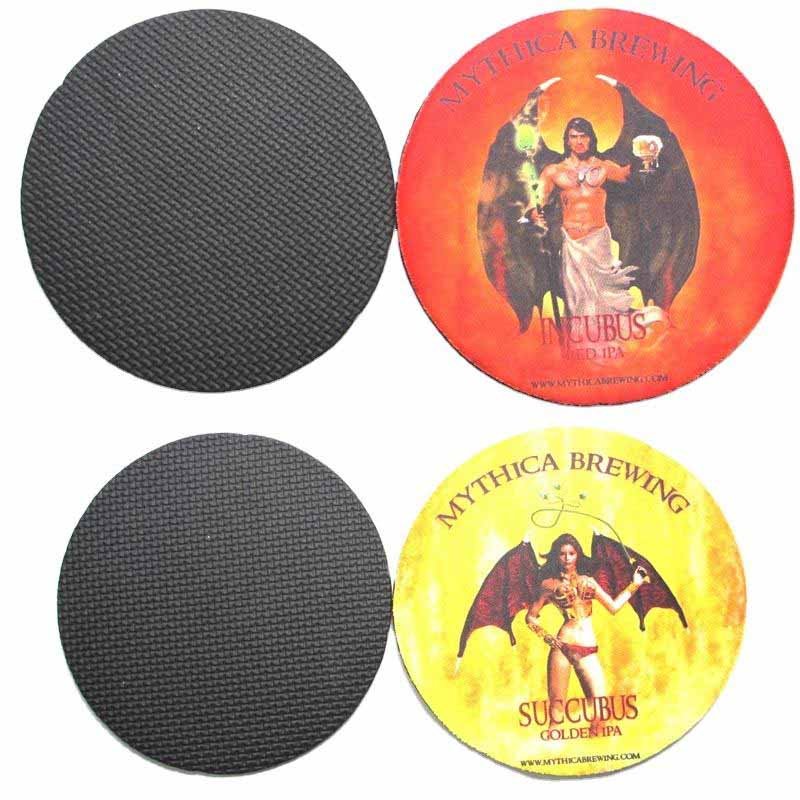
Neoprene bar coaster manufacturing uses a combination of neoprene foam, fabric layers, adhesives, printing materials, and optional backing structures. Each material affects durability, print quality, cost, and overall product feel. The final performance depends not only on material selection, but also on how these materials are combined and processed.
Which Neoprene Types Are Used in Manufacturing?
Neoprene is the core material, but there are different grades and structures used in production. Choosing the right type directly affects product quality and cost.
The most common neoprene types include:
Standard CR neoprene (chloroprene rubber)
- Most widely used
- Good balance of flexibility, durability, and cost
- Stable performance in different environments
- Suitable for most coaster applications
SBR neoprene (styrene-butadiene rubber blend)
- Lower cost alternative
- Slightly lower elasticity and durability
- Used in budget-oriented products
SCR neoprene (blend of CR and SBR)
- Mid-range option
- Balanced cost and performance
- Common in commercial bulk orders
Comparison below:
| Neoprene Type | Flexibility | Durability | Cost | Recommended Use |
|---|---|---|---|---|
| CR neoprene | High | High | Medium-High | Premium coasters |
| SBR neoprene | Medium | Medium | Low | Budget products |
| SCR neoprene | Medium-High | Medium-High | Medium | Standard orders |
From a customer perspective:
- If your product is used in bars or sold as branded merchandise, CR or SCR neoprene is usually the safer choice
- If cost is the main priority, SBR can work, but long-term performance may be lower
Which Fabric Layers Improve Manufacturing Quality?
Neoprene foam alone cannot deliver good print results. That is why most coasters are laminated with fabric layers, especially on the top surface.
The most common fabric options include:
Polyester fabric (most widely used)
- Ideal for sublimation printing
- Smooth surface for high-resolution graphics
- Good color absorption
- Cost-effective
Nylon fabric
- Slightly stronger and more durable
- More premium feel
- Less commonly used for full-color printing
Stretch fabric blends
- Used in some specialty products
- Provide flexibility and unique textures
Fabric quality affects:
- Print clarity
- Color brightness
- Resistance to fading
- Surface smoothness
Comparison:
| Fabric Type | Print Quality | Durability | Cost | Best Use |
|---|---|---|---|---|
| Polyester | High | Medium-High | Low | Most custom coasters |
| Nylon | Medium | High | Medium | Premium products |
| Stretch fabric | Medium | Medium | Medium | Specialty designs |
Important production detail:
The lamination between neoprene and fabric must be stable. If not, problems such as bubbling, peeling, or uneven surfaces can appear after production or during use.
Which Backing Materials Support Manufacturing?
The bottom side of a neoprene coaster is often overlooked, but it plays an important role in stability and usability.
Common backing options include:
Textured rubber backing
- Improves grip on tables
- Reduces slipping
- Common in bar environments
Smooth neoprene backing
- Standard option
- Clean appearance
- Lower cost
Fabric backing
- Used in double-sided designs
- Allows printing on both sides
- Requires better alignment control
Anti-slip coating (optional)
- Applied to improve grip
- Used in premium or specialty products
Comparison:
| Backing Type | Slip Resistance | Appearance | Cost | Recommended Use |
|---|---|---|---|---|
| Smooth neoprene | Medium | Clean | Low | Standard products |
| Textured rubber | High | Functional | Medium | Bars, restaurants |
| Fabric backing | Medium | Decorative | Medium | Double-sided print |
| Anti-slip coating | High | Premium | Medium-High | High-end products |
From a practical point of view, if coasters are used in busy environments like bars or cafés, anti-slip performance becomes more important than appearance alone.
How to Customize Neoprene Bar Coaster Manufacturing?
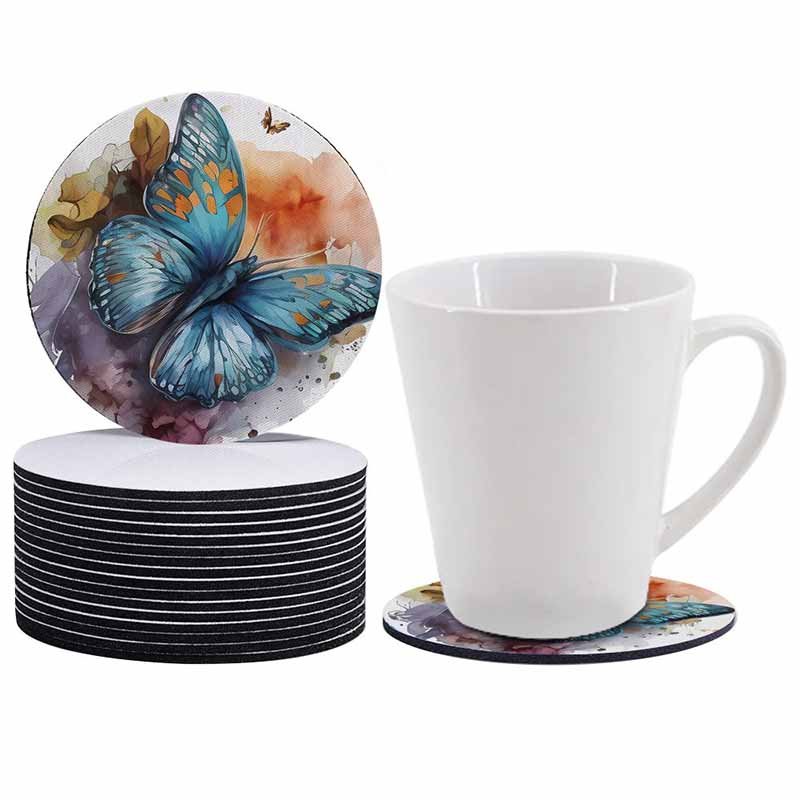
Customization is where neoprene coasters become valuable branding tools. A well-designed coaster can increase brand visibility, improve customer experience, and support product positioning in both retail and promotional markets.
How Are Logos Applied in Coaster Manufacturing?
Logo application is one of the most critical steps in customization. The method chosen affects not only appearance, but also durability and cost.
The main options include:
Sublimation printing (most popular)
- Full-color designs
- High resolution
- Long-lasting color
- Suitable for complex artwork
Screen printing
- Solid colors
- Clean and bold logos
- Cost-effective for large orders
Embossing or debossing
- Creates a textured logo
- More subtle visual effect
- Used for premium designs
Heat transfer printing
- Flexible for small orders
- Good detail
- Moderate durability
Comparison:
| Method | Visual Impact | Durability | Cost | Best For |
|---|---|---|---|---|
| Sublimation | Very High | High | Medium | Full-color branding |
| Screen printing | Medium | High | Low | Simple logos |
| Emboss/deboss | Medium | High | Medium | Premium branding |
| Heat transfer | High | Medium | Medium | Small runs |
For most custom projects, sublimation is preferred because it allows strong brand expression with consistent quality.
How Do Size and Thickness Affect Manufacturing?
Size and thickness are often underestimated, but they have a direct impact on cost, performance, and user experience.
Size considerations:
- Common sizes: 90mm, 100mm, 105mm
- Larger sizes increase material cost
- Custom shapes increase cutting complexity
Thickness considerations:
- 2mm → lightweight, lower cost
- 3mm → standard balance
- 4mm+ → premium feel and durability
Impact summary:
| Factor | Effect on Cost | Effect on Performance | Effect on Branding |
|---|---|---|---|
| Larger size | Higher | Better coverage | Stronger visibility |
| Thicker material | Higher | More durable | Premium feel |
| Custom shape | Higher | No major change | High differentiation |
For most brands, 3mm thickness with standard size offers the best balance between cost and performance.
How Does Oneier Handle Coaster Manufacturing?
Oneier approaches neoprene bar coaster manufacturing with a focus on material control, customization flexibility, and production efficiency.
With over 18 years of experience in neoprene product development, Oneier provides:
1. Flexible customization options
- Custom sizes and shapes
- Multiple printing methods
- Wide material selection
- Private label and OEM support
2. Low MOQ support
- Suitable for small and medium businesses
- Ideal for testing new designs
3. Fast sampling process
- Quick prototype development
- Free design support
- Sample adjustments based on feedback
4. Stable production capacity
- Consistent quality across bulk orders
- Reliable delivery timelines
5. Quality control system
- Material inspection
- Print accuracy checks
- Final product inspection before shipment
For customers, this means:
- Faster time to market
- Lower development risk
- More control over product design
- Better consistency for repeat orders
How to Choose Neoprene Bar Coaster Manufacturing Partner?
Choosing the right neoprene bar coaster manufacturing partner is not only about price. It is about consistency, communication, production capability, and long-term reliability. A good factory helps you reduce risk, control cost, and maintain stable quality across every order.
What to Check in Coaster Manufacturing Quality?
When evaluating a supplier, many customers focus only on samples. In reality, sample quality is only one part of the picture. The more important question is whether the factory can reproduce that quality consistently in bulk production.
Here are the most critical quality checkpoints to review:
1. Material consistency
- Is the neoprene thickness uniform across the batch?
- Does the density feel stable, or does it vary between pieces?
- Is the fabric surface smooth and properly laminated?
2. Print accuracy and color control
- Are colors consistent across multiple pieces?
- Is the logo sharp and correctly positioned?
- Are there any color shifts compared to the approved design?
3. Edge finishing quality
- Are edges clean and smooth?
- Is there any fraying or uneven cutting?
- Do all pieces have the same shape and size?
4. Adhesion strength
- Is there any sign of fabric peeling from the neoprene?
- Does the product stay stable after bending or stretching?
5. Packaging and presentation
- Are products packed neatly and consistently?
- Are there any visible defects before shipping?
Below is a simple inspection checklist:
| Quality Factor | What to Check | Common Issues |
|---|---|---|
| Material | Thickness, density | Uneven foam, soft spots |
| Printing | Color, alignment | Fading, off-center logos |
| Cutting | Shape, edges | Rough edges, size variation |
| Lamination | Bond strength | Peeling, bubbling |
| Packing | Cleanliness | Dust, deformation |
For serious custom orders, especially for resale or branding, these details directly affect customer reviews and reorder rates.
How Do MOQ and Lead Time Affect Manufacturing?
MOQ (minimum order quantity) and lead time are two factors that influence both cost and business planning.
MOQ (Minimum Order Quantity)
MOQ exists because of production setup costs such as:
- Material preparation
- Printing setup
- Cutting die usage
- Labor allocation
Typical MOQ ranges:
| Order Type | MOQ Range |
|---|---|
| Standard coasters | 100–300 pcs |
| Custom shape coasters | 300–500 pcs |
| Premium or complex designs | 500+ pcs |
Lower MOQ usually means:
- Higher cost per unit
- Less production efficiency
Higher MOQ usually means:
- Better pricing
- More stable production
Lead Time
Lead time depends on:
- Order quantity
- Design complexity
- Printing method
- Factory workload
Typical timeline:
| Stage | Time |
|---|---|
| Sampling | 3–7 days |
| Sample revision | 2–5 days |
| Mass production | 10–20 days |
| Shipping | Depends on destination |
For customers, planning ahead is important, especially for:
- Event deadlines
- Seasonal promotions
- Product launches
Working with a factory that offers fast sampling and stable lead time reduces delays and helps avoid missed opportunities.
How to Work with Oneier in Manufacturing?
Working with Oneier is designed to be a structured and efficient process, especially for international customers who need reliable communication and predictable results.
Here is how a typical project moves forward:
Step 1: Requirement Discussion
You share your idea, including:
- Size and shape
- Thickness
- Logo or artwork
- Quantity
- Target price
If details are not clear, Oneier can help refine the specification.
Step 2: Material and Structure Recommendation
Based on your needs, Oneier suggests:
- Suitable neoprene type
- Fabric and printing method
- Cost-effective structure
- Optional upgrades
This step helps avoid overdesign or unnecessary cost.
Step 3: Sample Development
- Fast sample production
- Free design support
- Adjustments based on feedback
This ensures the final product matches your expectation before mass production.
Step 4: Mass Production
- Controlled production process
- Quality checks at each stage
- Consistent batch output
Step 5: Final Inspection and Shipping
- Product inspection before packing
- Secure packaging
- On-time shipment
Cost Structure Breakdown
Understanding cost helps customers make better decisions. The total price of neoprene bar coasters is usually made up of several components:
| Cost Factor | Impact Level | Notes |
|---|---|---|
| Material (neoprene + fabric) | High | Main cost driver |
| Printing method | Medium | Depends on design complexity |
| Cutting/tooling | Low-Medium | One-time mold cost for custom shapes |
| Labor | Medium | Depends on order size |
| Packaging | Low-Medium | Depends on customization |
| Shipping | Variable | Based on location |
Small design changes can affect cost significantly. For example:
- Increasing thickness → higher material cost
- Using custom shapes → higher tooling cost
- Choosing double-side printing → higher production complexity
A good factory will help you balance cost and performance, instead of simply pushing the most expensive option.
Start Your Custom Neoprene Bar Coaster Project with Oneier
If you are planning to develop custom neoprene bar coasters, the most important step is choosing a manufacturing partner that understands both materials and production details.
Oneier offers:
- Over 18 years of neoprene manufacturing experience
- Strong capability in fabric lamination and product development
- Flexible MOQ for small and growing businesses
- Free design support to improve your product
- Fast sampling to speed up decision-making
- Stable production quality for repeat orders
- Short lead time to meet business deadlines
Whether you are creating promotional products, building a private label brand, or supplying hospitality clients, Oneier can help you turn your idea into a reliable, market-ready product.
Send your inquiry today with your design, quantity, and target price.
The team will help you choose the right materials, optimize the structure, and deliver a product that performs well in real use and represents your brand professionally.