
Putting on a wetsuit can be a daunting task for first-timers, but with the right steps, it can become second nature. The wetsuit, designed to keep you warm and protected in cold water, should fit snugly, but not feel overly tight. Here, we’ll guide you through the essential steps to make wearing your wetsuit an easier and more comfortable experience, ensuring you’re prepared to hit the water with confidence.
Why Is Proper Wetsuit Wear Important
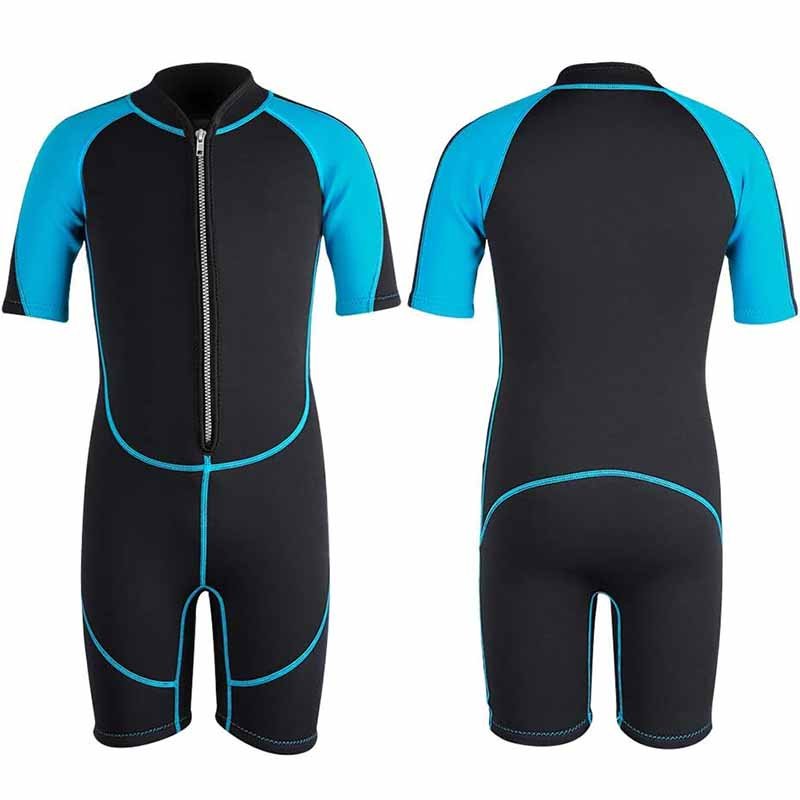
Proper wetsuit wear is crucial for comfort, safety, and performance in water activities. A well-fitted wetsuit provides thermal protection, allowing you to stay warm in cold waters. It also prevents chafing, abrasions, and offers flexibility for better movement. Wearing a wetsuit correctly ensures longer usage, better mobility, and more effective protection against the elements, improving both your safety and experience in the water.
How does a wetsuit protect you from cold water?
A wetsuit’s primary function is to keep you warm in cold water. Here’s how it works:
- Insulating Layer: Wetsuits are made from neoprene, a material that traps a thin layer of water between the suit and your body. The body heats this water, and the wetsuit insulates it, preventing heat loss.
- Thermal Protection: In cold water, heat loss can occur quickly, leading to hypothermia. A wetsuit reduces the risk of heat loss, keeping you warmer longer and allowing for extended periods in the water.
- Thickness for Temperature Regulation: The thickness of a wetsuit varies to suit different water temperatures. Thicker wetsuits provide more insulation, making them suitable for colder waters, while thinner wetsuits are designed for warmer environments.
Key Tip: If you feel too cold or start shivering after wearing your wetsuit, it may not be thick enough for the conditions, and you should consider a warmer wetsuit.
How does wearing a wetsuit correctly prevent discomfort and injuries?
Wearing a wetsuit properly doesn’t just keep you warm; it also prevents discomfort, abrasions, and injuries that can occur during water activities.
- Chafing Prevention: A wetsuit is designed to fit snugly against your skin to prevent cold water infiltration. If the wetsuit is too loose, it can chafe and cause skin irritation, especially in areas like the neck, armpits, and knees. A well-fitted wetsuit ensures the right seal and prevents such discomfort.
- Protection from Marine Life: A wetsuit also serves as a barrier against sharp objects or marine life such as jellyfish and coral. If you’re surfing or diving, a wetsuit can shield your skin from scratches or stings, ensuring safety while in the water.
- Reduced Risk of Injury: The snug fit of a wetsuit ensures that it moves with your body without impeding flexibility. It also provides extra support for muscles, especially in colder water where muscles can tighten and become more vulnerable to strain.
Why is a proper wetsuit fit essential for mobility?
A well-fitted wetsuit not only keeps you warm but also allows you to move freely in the water, improving your mobility and performance during water sports.
- Snug Fit for Flexibility: A properly fitted wetsuit allows for optimal movement and flexibility. The suit should fit snugly but still give you the ability to bend, stretch, and move without feeling restricted. A tight wetsuit prevents water from entering, but it should not be so tight that it restricts your movements.
- Comfort for Physical Activity: Whether you’re surfing, swimming, or diving, the wetsuit should support your body without causing tightness or discomfort. A proper fit ensures better balance and control, especially when performing physically demanding movements.
- Choice of Materials: High-quality wetsuits are made with stretchable neoprene, providing flexibility without compromising insulation. A wetsuit with more flexibility can help maintain your endurance and performance in water-based activities, like surfing or kiteboarding.
How does wearing a wetsuit correctly improve your safety?
Safety is a primary concern when participating in water activities, especially in cold water environments. Proper wetsuit wear ensures that you can stay safe and comfortable for longer durations.
- Protection Against Cold Water: Hypothermia is a serious concern in colder water temperatures, and wearing a wetsuit that fits correctly can help prevent heat loss. A wetsuit that fits too loosely will allow water to enter and cool the body faster, increasing the risk of hypothermia. A proper fit ensures the wetsuit works efficiently to keep you warm.
- Shield Against Sharp Objects: Whether you’re surfing or snorkeling, your wetsuit provides an extra layer of protection against the environment. It shields you from rocks, reefs, and sharp-edged marine life, preventing injury while you’re immersed in water.
- Enhancing Buoyancy: Many wetsuits are designed to enhance buoyancy, helping you stay afloat more easily. This is especially important for beginners or those in unfamiliar waters, as a wetsuit helps maintain stability while in the water.
- Improved Visibility and Confidence: A wetsuit adds an extra layer of confidence, knowing you are protected from the elements. This confidence enhances focus and performance, making you feel more in control while out on the water.
What are the consequences of wearing a poorly fitted wetsuit?
Wearing a poorly fitted wetsuit can have several negative consequences on your performance, comfort, and safety in the water.
- Overheating or Chilling: A wetsuit that’s too tight can lead to overheating, restricting your body’s ability to breathe and causing discomfort. A wetsuit that’s too loose won’t provide enough insulation, leading to heat loss and chill. Both of these extremes can make the wetsuit ineffective.
- Reduced Comfort and Mobility: A poorly fitting wetsuit can result in chafing, pinching, or restricting your movements, making water activities less enjoyable. It can also cause discomfort, which can hinder your performance, reducing your ability to swim or move freely in the water.
- Water Leakage: Loose-fitting wetsuits will allow water to enter, which can make you feel cold and uncomfortable. Proper wetsuit wear ensures that no water can leak in, maintaining warmth and comfort throughout your time in the water.
How to Choose the Right Wetsuit for Your Activity
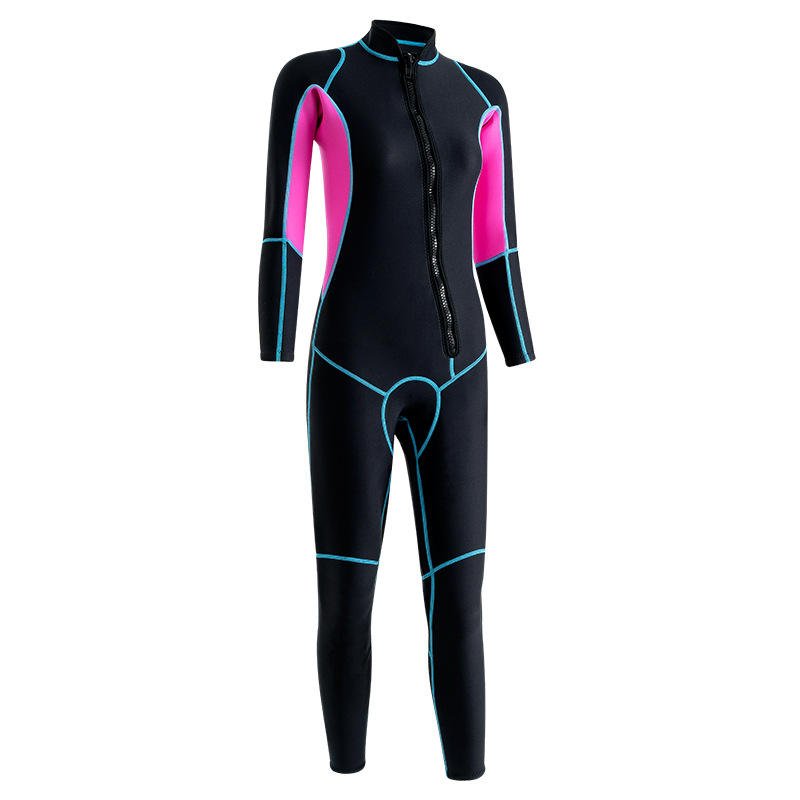
Choosing the right wetsuit depends on the activity and water temperature. For surfing, a full-body wetsuit made of thicker neoprene is ideal for cold waters, while thinner wetsuits are suitable for warmer conditions. For diving, drysuits are often preferred for extreme depths, while spring suits are perfect for warm-water activities. Consider fit, flexibility, and insulation for the best performance.
What are the different types of wetsuits?
There are several types of wetsuits designed to meet specific needs for different water activities. Here are the main types:
- Full Suits:
- These are full-body wetsuits that cover the body from neck to ankles. They are ideal for surfing, diving, and swimming in cold waters. Full suits offer the most thermal protection and are typically made from thicker neoprene for longer exposure to cold water.
- Spring Suits:
- A short-sleeve or long-sleeve wetsuit that covers the torso and often extends down to the thighs. These suits are perfect for warmer waters and shorter sessions. Spring suits are made from thinner neoprene and provide less insulation than full suits.
- Drysuits:
- These suits are used for cold-water diving and submerging in deeper waters where staying dry is essential. Drysuits are designed to keep water out completely, offering superior insulation and protection for those who need to stay dry at great depths.
- Shorty Wetsuits:
- A type of wetsuit that covers the torso and upper legs but leaves the arms and legs exposed. These suits are designed for warm-water activities, providing light insulation while allowing greater freedom of movement.
Which wetsuit thickness is ideal for different water temperatures?
The thickness of a wetsuit plays a crucial role in providing the right amount of insulation based on the water temperature. Choosing the correct thickness ensures you stay warm without overheating. Here’s a breakdown of wetsuit thickness options:
- 3mm Wetsuit:
- Best for warmer waters (around 60-70°F/15-21°C). A 3mm wetsuit offers enough thermal protection for activities like surfing and swimming in moderate climates.
- 5mm Wetsuit:
- Ideal for colder waters (around 50-60°F/10-15°C). This thicker wetsuit offers enhanced thermal insulation and is common for surfing in cold climates or for diving in cool waters.
- 7mm Wetsuit:
- Suitable for very cold waters (below 50°F/10°C). The thickest wetsuits provide maximum insulation and are typically used by divers and surf enthusiasts in extreme conditions.
- Drysuit:
- For extreme cold or deep diving, drysuits are ideal as they completely seal the body from water, keeping you dry and insulated even in frigid temperatures.
How to determine the best wetsuit fit for your activity?
The right wetsuit fit is critical to ensuring both comfort and performance. An ill-fitting wetsuit can hinder your movement, cause discomfort, and even affect the suit’s ability to insulate properly. Here’s how to determine the best fit for your activity:
- Snug but Not Tight: A wetsuit should fit snugly against your body, without restricting movement or causing discomfort. There should be no gaps or loose areas that allow water to enter, but the suit shouldn’t be so tight that it restricts circulation or breathing.
- Flexibility for Movement: If you’re using the wetsuit for surfing or swimming, look for a wetsuit that offers maximum flexibility in the arms, shoulders, and knees. Choose a stretchier material such as 4-way stretch neoprene for freedom of movement.
- Tight Seals at Neck, Wrists, and Ankles: Ensure the wetsuit has tight seals at the neck, wrists, and ankles to prevent water from entering and to maintain insulation. Seals that are too tight can be uncomfortable, but loose seals will allow cold water to flush in, reducing the wetsuit’s effectiveness.
- Chest and Torso Fit: The chest and torso areas should fit comfortably, with no excess space that might lead to water entering. If the suit is too loose, you won’t have adequate thermal protection, but it shouldn’t be too tight to restrict your breathing.
What are the best wetsuit options for specific water sports?
Each type of water sport has different requirements for wetsuit features. Here’s a guide on the best wetsuit types for different activities:
- Surfing:
- Full-body wetsuit with a thicker neoprene (4mm to 5mm) is ideal for cold-water surfing. A spring suit (2mm to 3mm) is perfect for warmer climates. Look for wetsuits with flexible arms for paddling and smooth back panels for comfort.
- Diving:
- For scuba diving, a drysuit or thicker wetsuit (7mm) is best for deep-water diving and colder conditions. If diving in warmer waters, a thinner full-body wetsuit (3mm to 5mm) will provide protection without overheating.
- Swimming:
- Shorty wetsuits or thin full-body suits (2mm to 3mm) are perfect for open-water swimming. They provide the necessary warmth and buoyancy without restricting movement.
- Kiteboarding & Windsurfing:
- For kiteboarding, a flexible wetsuit that offers good flexibility is essential. A 2mm to 4mm wetsuit with reinforced knees and elbows is ideal for movement and abrasion resistance.
What are the key considerations for wetsuit material?
The material used in wetsuit construction directly affects comfort, flexibility, and thermal insulation. Most wetsuits are made from neoprene, but there are variations in quality and performance:
- Neoprene:
- The majority of wetsuits are made from neoprene, a synthetic rubber that provides thermal insulation by trapping air bubbles. Look for wetsuits made from high-quality neoprene with 4-way stretch for improved flexibility and comfort.
- Thermal Linings:
- Some wetsuits include thermal linings made from fleece or other insulating materials, designed to add extra warmth without adding bulk. These are great for colder water and for those who spend extended periods in the water.
- Eco-friendly Neoprene:
- Many brands are adopting eco-friendly neoprene made from plant-based materials like Yulex or bio-based neoprene. This alternative reduces the environmental impact while providing the same insulation benefits as traditional neoprene.
Step-by-Step Guide: How to Put on a Wetsuit
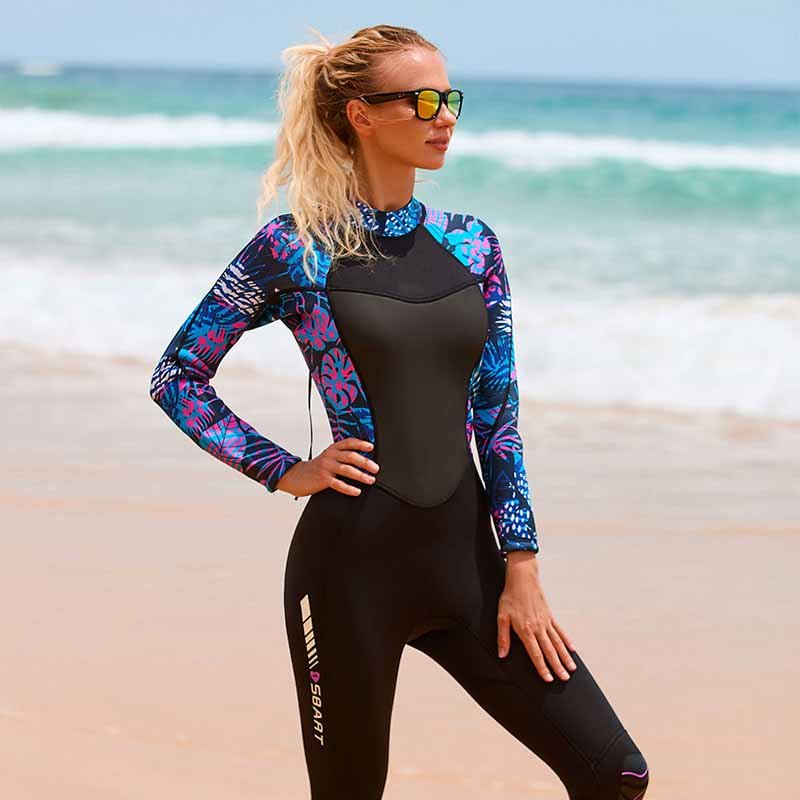
Putting on a wetsuit can be tricky, but with the right steps, it becomes a lot easier. Start by turning the wetsuit inside out to reduce friction. Then, slide into the legs, followed by the arms and torso. Ensure it fits snugly but comfortably, especially around the neck, wrists, and ankles. Once zipped up, adjust the fit for comfort and flexibility. A well-fitting wetsuit ensures warmth, comfort, and optimal performance in the water.
How to prepare your wetsuit before wearing it?
Before putting on your wetsuit, make sure it’s clean and dry. A properly prepared wetsuit makes the process easier and ensures it doesn’t get damaged during wear.
- Turn the wetsuit inside out: Turning the wetsuit inside out helps reduce friction when you’re putting it on. It also prevents stretching the neoprene unnecessarily, especially around the arms and shoulders.
- Check for any rips or tears: Make sure your wetsuit is in good condition before wearing it. Small tears or rips can lead to water leakage and decreased insulation.
- Use a wetsuit lubricant (optional): If you’re having trouble getting the wetsuit on, consider using a wetsuit-specific lubricant or baby powder on the inside. This helps to slide into the suit more easily and reduces wear and tear on the material.
- Inspect the zippers and seals: Ensure the zipper is working properly and that the neck, wrists, and ankles are clean and free from debris that might cause discomfort.
Step 1: Starting with the legs
Begin by sliding your feet into the wetsuit legs. It’s crucial that the suit fits snugly around your legs for maximum insulation. Here’s what to do:
- Insert one foot at a time: Gently slide your feet into the wetsuit legs. If the suit is too tight, try using a plastic bag over your feet to make the process easier. Smooth out any wrinkles in the legs to ensure a comfortable fit.
- Pull the wetsuit up to your thighs: Once your feet are securely in, start pulling the wetsuit up. Ensure that the legs fit snugly around your thighs and calves. Avoid tugging too hard, as this could stretch the neoprene or cause the suit to tear.
- Make sure there are no creases: As you pull the wetsuit up, check for any creases or folds that might create pressure points or affect the fit. Smooth the wetsuit out to ensure that the material lays flat.
Step 2: Putting on the torso and arms
Once the legs are secure, move on to the torso and arms. This part of the process can be a bit tricky, but the right technique will make it easier:
- Insert your arms one at a time: Carefully slide one arm into the wetsuit sleeve, ensuring that it’s snug but not restrictive. Then, repeat for the other arm. Pull the sleeves up toward the shoulders, making sure the arms are comfortably in place.
- Pull the torso section: Start pulling the torso portion of the wetsuit up, making sure the suit fits evenly around your waist. The wetsuit should feel firm but not so tight that it restricts your breathing or movement.
- Ensure a smooth fit around your chest: When you reach your chest, make sure the wetsuit fits comfortably around the bust area. If the wetsuit is too tight, it could restrict breathing, so ensure there is a little space for air.
Step 3: Zipping up and adjusting the fit
Once you’ve gotten the wetsuit into place, it’s time to zip it up and adjust for comfort. This is a crucial step to ensure that the wetsuit stays secure and functions properly in the water:
- Zip up the wetsuit: Gently pull the zipper up, making sure it’s aligned and free of snags. Zip it up completely, leaving no gaps. If you have a back zipper, ask someone to assist you or use a zipper puller to get the zipper fully closed.
- Check the neck, wrists, and ankles: Ensure that the neck and wrist seals are tight, but not painfully so. A snug fit will prevent water from entering the suit, keeping you warm and dry. Similarly, check the ankle seals for a good fit.
- Adjust for flexibility: After zipping up, perform some range-of-motion tests like squats or stretching your arms overhead. The wetsuit should fit snugly but should allow for natural movement without restriction. If you feel too tight, adjust the suit accordingly.
Step 4: Ensuring comfort and flexibility
Once the wetsuit is on and zipped up, the final step is to ensure that it feels comfortable and functional for your activity. Here’s how:
- Move around: Stand up and stretch your arms, bend your knees, and rotate your torso to ensure the wetsuit doesn’t restrict your mobility. You should be able to perform all your water movements without feeling any tightness or discomfort.
- Check for water leaks: Feel for any loose areas or gaps where water could get in. If you notice any, adjust the wetsuit to ensure a perfect seal at the neck, wrists, and ankles.
- Final adjustments: If the wetsuit feels too tight, or if you’re experiencing discomfort, carefully make small adjustments. For example, you can re-adjust the shoulder straps, move the leg seams, or reposition the wetsuit to relieve pressure points.
Are wetsuits supposed to be hard to put on?
Yes, wetsuits can feel tight and difficult to put on, especially if you’re wearing one for the first time. This tightness is normal and essential for insulating your body by trapping a thin layer of water that is heated by your body temperature. Here’s why:
- Snug Fit: A tight fit ensures that the wetsuit prevents water from entering, keeping you warm in cold conditions. However, the suit should never feel restrictive to the point where it affects breathing or movement.
- Getting Into a Tight Wetsuit: If you find it difficult to put on, try using a plastic bag over your feet or baby powder on the inner lining to reduce friction. This makes sliding into the suit much easier.
- It’s Normal for Wetsuits to Feel Tight: While it might feel uncomfortable initially, a snug wetsuit is necessary for effective insulation and performance in water activities.
Common Mistakes to Avoid When Putting on a Wetsuit

When putting on a wetsuit, avoid common mistakes like forcing it on too quickly, which can cause damage, or wearing it too loose or too tight, affecting both comfort and performance. Additionally, don’t neglect neck, wrist, and ankle seals, which can cause water leaks. Be mindful of the material and ensure the suit is clean and well-maintained to avoid damage and discomfort during use.
What mistakes to avoid when putting on a wetsuit?
Putting on a wetsuit seems like a simple task, but there are several common mistakes people make that can lead to discomfort, damage, or ineffectiveness. Avoid these common errors to ensure the wetsuit serves its purpose effectively:
- Forcing the wetsuit on too quickly: One of the most common mistakes is trying to put on a wetsuit too quickly or aggressively. This can cause the material to stretch and weaken. Always gently pull the wetsuit on slowly and make sure you’re not straining any of the seams.
- Wearing it too tight: While wetsuits should be snug, they shouldn’t be so tight that they restrict circulation or breathing. A suit that is too tight will create pressure points, leading to discomfort and even reduced performance. Ensure the wetsuit allows for proper mobility and flexibility.
- Wearing it too loose: Conversely, a wetsuit that’s too loose won’t provide adequate insulation or warmth. It can also lead to water leakage, which reduces the wetsuit’s effectiveness. Pay attention to areas like the wrists, ankles, and neck to ensure a secure fit.
- Neglecting to check for creases or folds: When putting on the wetsuit, ensure there are no creases or folds in the material, especially in areas like the shoulders and knees. Folds can create pressure points and can even cause damage to the neoprene over time.
How to prevent wetsuit damage during wear?
Improper use and handling can cause your wetsuit to deteriorate faster than necessary. To avoid damaging the wetsuit:
- Avoid sharp objects: Leather, metal, and other sharp objects can tear the neoprene material. Carefully check your surroundings to ensure there are no sharp edges or abrasive surfaces that could tear the wetsuit. When not in use, keep the wetsuit away from rough textures.
- Do not overstretch the wetsuit: While wetsuits need to fit snugly, overstretching the material when putting it on or taking it off can lead to permanent damage. Avoid pulling too hard on the wetsuit, especially around the shoulders and neck, as it can affect the integrity of the neoprene.
- Don’t use excessive force on the zipper: Zippers can get stuck if not aligned correctly. Never force a stuck zipper, as this can break it or cause irreparable damage to the suit. Always check that the zipper is free of debris before zipping it up.
- Avoid dragging it on the ground: Dragging your wetsuit on the ground or rough surfaces can cause the fabric to tear or wear down. Always ensure you have a clean, smooth surface to wear or remove the wetsuit.
Are there specific tips for different wetsuit materials?
Different wetsuit materials, such as neoprene and recycled materials, may require slightly different handling to ensure longevity. Here’s how to properly handle the most common wetsuit materials:
- Neoprene Wetsuits:
- Neoprene is the most common material used for wetsuits due to its insulation properties. However, it can lose its flexibility if subjected to extreme heat or sunlight. Avoid storing the wetsuit in direct sunlight or hot environments.
- Proper cleaning: After use, always rinse neoprene wetsuits with fresh water to remove saltwater and chlorine, as these can break down the material over time.
- Recycled Wetsuits:
- Wetsuits made from recycled materials (e.g., Yulex or eco-friendly neoprene) are more sensitive to damage than traditional neoprene. They need to be gently handled to preserve the integrity of the fibers. Avoid using harsh detergents or abrasive scrubbers when cleaning.
- Lined Wetsuits:
- Some wetsuits are lined with fleece or other soft materials for added warmth. These wetsuits should be handled with care to avoid damaging the lining. Rinse and dry the suit properly, and avoid using strong chemicals that may weaken the inner lining.
Are there specific tips for wetsuit care after use?
To ensure your wetsuit remains in top condition, proper care after use is just as important as how you put it on. Here are some tips for post-use wetsuit care:
- Rinse with fresh water: After every use, always rinse the wetsuit thoroughly with fresh water to remove any saltwater or chlorine. This helps prevent the material from breaking down prematurely. Make sure to rinse both inside and outside of the wetsuit.
- Dry it properly: Hang the wetsuit to dry in a cool, shaded area to avoid UV damage. Never dry the wetsuit in direct sunlight, as prolonged exposure can cause the material to crack and weaken. Ideally, use a wide hanger to avoid stretching the shoulders.
- Store it properly: Once dry, store the wetsuit in a cool, dry place away from heat sources. Avoid folding the wetsuit for long periods, as it can create creases that can damage the neoprene. Hang the wetsuit in a ventilated area for the best storage solution.
Tips for Making Wetsuit Wear More Comfortable
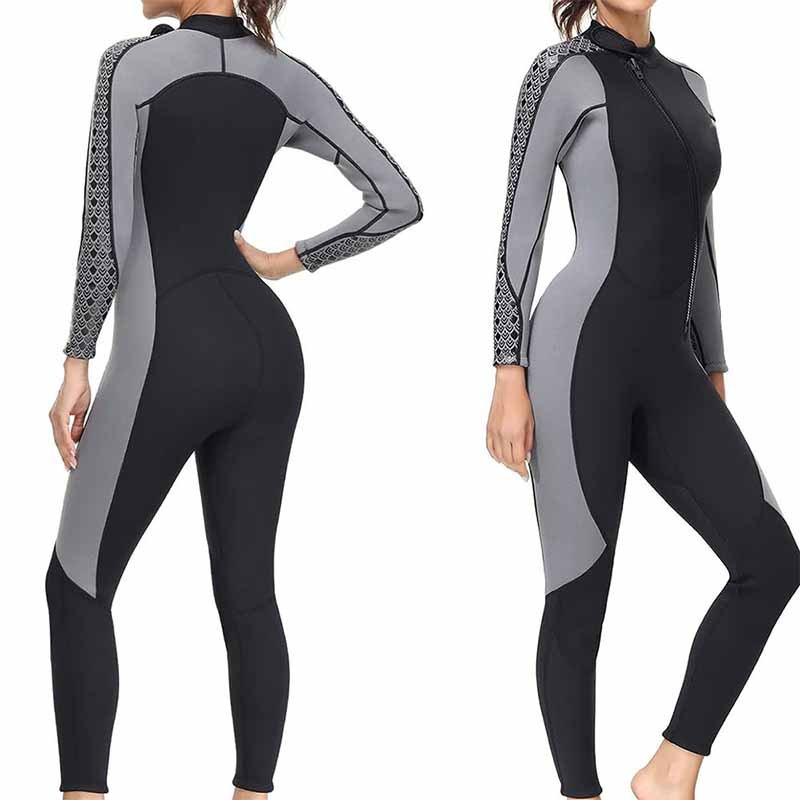
Making a wetsuit more comfortable involves ensuring a proper fit, using lubricants for easier wear, and adjusting the wetsuit to avoid tightness or chafing. Using baby powder or a wetsuit lubricant can help slide into the suit more easily. Additionally, stretching and adjusting the fit at the neck, wrists, and ankles ensures better comfort. Regular maintenance also ensures flexibility and keeps the wetsuit functional for long-term use.
How to use lubricants or wetsuit-specific products for easier wear?
One of the easiest ways to make wearing a wetsuit more comfortable is to reduce friction when putting it on. Here are some tips on using lubricants and wetsuit-specific products:
- Baby Powder or Cornstarch: Applying a light dusting of baby powder or cornstarch on the inside of the wetsuit, especially around the arms and legs, helps it slide on more easily. The powder reduces friction, making the wetsuit more comfortable to wear and preventing unnecessary wear on the neoprene.
- Wetsuit Lubricants: Specialized wetsuit lubricants or silicone-based sprays can also be used on the inside of the wetsuit to help reduce friction. These lubricants are designed specifically to make putting on and removing the wetsuit smoother and can protect the neoprene from deterioration.
- Conditioners for Flexibility: To maintain the flexibility of your wetsuit, especially around the arms, shoulders, and knees, use wetsuit conditioners. These conditioners keep the neoprene soft and pliable, ensuring that the wetsuit doesn’t feel stiff during physical activities like surfing or diving.
What to do if the wetsuit feels too tight?
If your wetsuit feels too tight, it can lead to discomfort and hinder your movement. Here’s what to do if your wetsuit feels like it’s restricting you:
- Check the Fit: A wetsuit should fit snugly, but not restrict your breathing or circulation. If it feels too tight, especially around the shoulders, neck, or chest, it may be the wrong size. Consider adjusting the suit by repositioning the straps or choosing a larger size.
- Use a Lubricant: If the wetsuit is difficult to put on because it’s too tight, using baby powder or a wetsuit-specific lubricant will make the material stretch more easily, allowing for a comfortable fit. Apply the lubricant to areas where the suit feels too restrictive.
- Try a Different Style: If the wetsuit is still uncomfortable, it may be too rigid for your body type. You may want to consider a more flexible wetsuit made from stretchier neoprene or a wetsuit with more panels designed for a better fit.
How to handle wetsuit discomfort in the water?
Once in the water, any discomfort from tightness or chafing may subside, but here’s how to ensure that the wetsuit stays comfortable during your time in the water:
- Adjust Fit in Water: If you start to feel discomfort while in the water, check the wetsuit’s neck, wrists, and ankles to see if the seals are too tight. A snug fit around these areas is necessary to keep water out, but they shouldn’t cause pressure points. Gently adjust if necessary.
- Chafing Prevention: If you experience chafing, particularly around the neck or armpits, consider wearing a rash guard underneath your wetsuit. This helps reduce skin irritation caused by friction. Additionally, applying anti-chafing cream can protect sensitive areas from rubbing against the wetsuit.
- Cool Down: If you’re in warm waters and the wetsuit is starting to feel too warm, you can try removing the wetsuit’s neck seal or open the zipper (if it’s a back zip wetsuit) to let out excess heat. Be mindful of the water temperature, as exposure to cold water can cause chills if the wetsuit isn’t sealed properly.
What to do if the wetsuit causes skin irritation?
Skin irritation is a common issue for some wetsuit wearers, especially if they are new to wearing them. Here’s how to prevent and deal with irritation:
- Rash Guards or Base Layers: Wearing a rash guard or base layer under the wetsuit can help protect sensitive skin from chafing. These thin, tight-fitting garments add a layer of protection between your skin and the wetsuit.
- Proper Lubrication: Applying a layer of anti-chafing balm or skin lubricant on areas that are prone to irritation, like the neck, armpits, and inner thighs, can prevent discomfort from friction.
- Clean the Wetsuit Regularly: Dirty wetsuits can trap salt and bacteria, which can irritate the skin. Always rinse your wetsuit with fresh water after use and keep it clean to avoid skin irritation.
How to avoid overheating in a wetsuit?
Wetsuits are designed to keep you warm in cold waters, but wearing a wetsuit in warmer conditions can lead to overheating. Here’s how to stay comfortable:
- Choose the Right Wetsuit Thickness: In warmer water, a thinner wetsuit (2mm to 3mm) is ideal. It provides adequate protection from the sun and light abrasions without causing overheating. Always check the water temperature before choosing your wetsuit thickness.
- Open the Zipper: If the water is warm and you’re feeling overheated, you can partially unzip your wetsuit to let out excess heat. This works especially well in spring suits or full-body wetsuits with a back zip.
- Opt for a Shorter Wetsuit: If the water temperature allows, consider a spring suit or shorty wetsuit, which covers the torso and upper legs but leaves the arms and legs exposed. This provides enough insulation while preventing overheating.
How to ensure flexibility in a wetsuit?
Flexibility is key when it comes to a comfortable wetsuit. Whether you’re surfing, diving, or swimming, the wetsuit should move with your body. Here are some tips to ensure maximum flexibility:
- Choose Stretchy Neoprene: The type of neoprene used in wetsuits affects its flexibility. 4-way stretch neoprene offers more flexibility and comfort than traditional neoprene, allowing for better movement and less restriction during physical activities.
- Look for Pre-Bent Knees and Elbows: Many high-end wetsuits have pre-bent panels at the knees, elbows, and shoulders to provide greater mobility during use. These anatomical cuts allow for more natural movement without affecting the fit.
- Consider the Wetsuit Design: Wetsuits designed for activities like surfing or scuba diving often feature flexible zones in high-movement areas like the arms and knees. Ensure your wetsuit has these features for enhanced comfort during active use.
How to Take Off a Wetsuit Properly
Taking off a wetsuit properly ensures the suit remains intact and lasts longer. Start by unzipping the wetsuit completely. Gently peel the suit off from the legs, then the arms. Avoid yanking or forcing the wetsuit off to prevent damaging the neoprene. If the suit gets stuck, use a lubricant or baby powder. Once removed, rinse it with fresh water, dry it carefully, and store it properly to maintain its shape and flexibility.
Step 1: Unzip the wetsuit completely
The first step in removing your wetsuit is to unzip it fully. Most wetsuits have a back zipper, though some have side or front zippers. Ensure the zipper is completely unzipped before proceeding to avoid damaging the suit.
- Proper zipper care: If the wetsuit has a back zipper, you might need help from a friend or use a zipper puller to ensure it slides open smoothly. Make sure that the zipper is free of debris to prevent it from getting stuck.
- Check the seals: After unzipping, make sure the neck, wrists, and ankles are free from any tightness or suction that might cause discomfort while removing the wetsuit. Adjust the wetsuit slightly to make sure water doesn’t enter during removal.
Step 2: Peel off from the legs
Once the wetsuit is unzipped, start from the legs and work your way up. This step prevents any pulling that could damage the neoprene.
- Remove the lower half of the wetsuit: Begin by pulling the wetsuit off the feet and calves. Gently slide the legs out one at a time, making sure to pull it off slowly and not cause any stretching or tearing of the material.
- Use a plastic bag if needed: If the wetsuit feels stuck, you can use a plastic bag over your feet to make it easier to slide your feet out of the wetsuit. This method reduces friction and helps you avoid damaging the neoprene.
- Pull carefully to avoid tears: As you work your way up the legs, smooth out the wetsuit to avoid creases or any stress points. These can lead to damage if pulled improperly.
Step 3: Peel off from the arms and torso
After the lower half is removed, move to the arms and torso. Start by pulling the arms out of the wetsuit sleeves.
- Slide the arms out slowly: Start with one arm, gently sliding it out of the wetsuit sleeve. Repeat the same for the other arm. Take your time, as rushing can cause damage to the suit or affect its stretchability.
- Remove the torso part: Once both arms are free, gently pull the torso of the wetsuit upward. This is the part of the wetsuit where you’ll want to be most cautious, as it contains more stretch due to the fit around the chest and shoulders. Avoid pulling hard on the suit to prevent stretching or tearing the material.
- Be mindful of the neck: The neck area can be particularly tricky due to the seal that prevents water from entering. When peeling the wetsuit over the neck, ensure you stretch the material gently, as the neck seal can be tight and may cause discomfort if rushed.
Step 4: What to do if the wetsuit gets stuck?
It’s common for wetsuits to get stuck at the ankles or wrists due to the tight fit. Here’s how to handle it:
- Don’t force it: Never pull forcefully on your wetsuit, as this can cause it to stretch or tear. Instead, gently wiggle and adjust the fit to loosen any areas that might be stuck.
- Use a lubricant or baby powder: If the wetsuit is particularly difficult to remove, apply a wetsuit lubricant or baby powder on the tight spots. This will help to loosen the material and make removal easier.
- Get help if needed: If you’re having trouble, ask a friend to help you with the shoulders or back of the wetsuit, especially if you have a back zip wetsuit that requires assistance for full removal.
Step 5: Rinse the wetsuit after removal
Properly rinsing your wetsuit after each use will keep it in good condition and prevent damage to the neoprene.
- Rinse with fresh water: After removing your wetsuit, immediately rinse it with fresh water to remove saltwater, chlorine, and any sand or debris. This will help preserve the neoprene and prevent it from deteriorating over time.
- Avoid hot water: Do not use hot water to rinse your wetsuit, as extreme temperatures can damage the material. Use cold or lukewarm water to clean the wetsuit effectively.
- Gently shake out excess water: Gently shake the wetsuit to remove any excess water before hanging it up to dry. Avoid wringing or twisting the wetsuit, as this can affect its shape and integrity.
Step 6: Drying and storing the wetsuit
Proper drying and storage are essential to keeping your wetsuit in top condition.
- Hang the wetsuit: Always hang your wetsuit using a wide hanger to preserve its shape. Never fold the wetsuit, as it can create creases that might damage the material. Hanging helps the wetsuit dry evenly.
- Avoid direct sunlight: Never dry your wetsuit in direct sunlight or place it near a heat source, as this can cause the neoprene to lose its elasticity and degrade the material. Instead, hang it in a cool, shaded area.
- Store it properly: Once the wetsuit is dry, store it in a cool, dry place away from direct sunlight. This ensures it remains in good condition and is ready for use when needed.
Conclusion
Ready to get a custom wetsuit tailored to your exact needs? At Oneier, we offer bespoke wetsuits crafted from high-quality neoprene for comfort, flexibility, and durability. Whether you need wetsuits for surfing, diving, or other water sports, we provide 100% quality assurance and fast turnaround times.
Contact Oneier today to start designing your custom wetsuit!