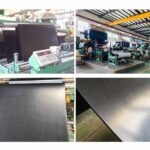

Anyone who’s ever unwrapped a new neoprene bag, wetsuit, or laptop sleeve knows that familiar “factory smell” — a mix of rubber and adhesive that can linger for weeks. It’s not harmful, but it can be unpleasant, especially when the product is stored in closed spaces. That scent comes from the natural off-gassing of synthetic rubber (chloroprene) and the bonding agents used during lamination. The good news? You can easily air it out with the right techniques — no harsh chemicals or expensive gadgets needed.
To air out neoprene, place the item in a well-ventilated area away from direct sunlight for 24–72 hours. You can also sprinkle baking soda inside, use activated charcoal bags, or wipe surfaces with a 1:4 vinegar–water mix to neutralize odor. Proper ventilation and time naturally remove the manufacturing smell without damaging the material.
The trick lies in patience and environment — neoprene needs gentle air movement, low humidity, and steady temperature to release trapped compounds. Rush it, and you risk warping or weakening the fabric; neglect it, and the odor lingers. In this guide, we’ll break down how neoprene off-gassing works, the best home-safe airing methods, and simple ways to keep your items fresh longer. By the end, you’ll not only know how to air out neoprene — you’ll understand the science behind why it works.
What Is Neoprene and Why Does It Need Airing Out?

Neoprene is a synthetic rubber used in everything from scuba suits and protective covers to beverage koozies and travel bags. Its closed-cell structure makes it waterproof, flexible, and durable — but also prone to trapping volatile compounds from adhesives, dyes, and lamination glues.
Neoprene needs airing out because it releases residual compounds — mainly solvents and rubber stabilizers — after manufacturing. These harmless vapors cause the “new rubber smell.” Airing allows these gases to dissipate naturally, restoring a neutral scent without affecting the material’s flexibility or performance.
1. The Chemistry Behind the Smell
Neoprene is made from polychloroprene, a polymer derived from chloroprene monomers. During production, heat curing and adhesive lamination leave behind trace volatiles — compounds like toluene or methyl ethyl ketone — that slowly evaporate after packaging. While safe in small amounts, they’re responsible for that “chemical” scent common in new neoprene items.
Factory-fresh neoprene may have been sealed immediately after production, trapping these vapors. Once unpacked, the trapped air begins to circulate — and that’s where airing out comes in.
Fact:
Lab studies show neoprene off-gassing typically drops by 70% after 48 hours of open-air exposure at room temperature (21–23 °C) with gentle airflow.
2. Different Products, Different Smells
Not all neoprene smells the same — it depends on the type of lamination and finishing process:
| Product Type | Odor Strength | Reason |
|---|---|---|
| Neoprene bags / sleeves | Light | Fabric-laminated neoprene releases minimal fumes |
| Neoprene wetsuits | Medium–Strong | Contain thicker rubber and adhesives |
| Neoprene koozies | Light | Thin layers, minimal gluing |
| Neoprene gloves / covers | Moderate | Inner foam retains smell longer |
| Industrial neoprene sheets | Strong | Unlaminated surfaces expose more rubber |
So, the thicker or rawer the neoprene, the longer it needs to air out.
3. The Role of Environment in Off-Gassing
Temperature, humidity, and airflow directly influence odor release:
- Warm air (20–25 °C) accelerates evaporation.
- Low humidity (< 60%) helps solvents disperse.
- Light airflow — not wind or fans blowing directly — gently moves vapors away.
Avoid drying under direct sunlight; UV exposure can degrade adhesives or cause yellowing.
4. Why Airing Matters
Airing does more than eliminate smell — it also ensures product longevity. Trapped volatile compounds can gradually react with surface finishes, leading to discoloration or sticky textures over time. Regular airing preserves flexibility, especially for stored wetsuits or thick protective gear.
| Benefit of Airing | Effect on Product |
|---|---|
| Removes factory odor | Fresher scent, better user comfort |
| Stabilizes material | Prevents adhesive degradation |
| Extends lifespan | Reduces internal moisture buildup |
| Improves resale value | Cleaner presentation for small sellers |
Next up in Part 2:
- When Should You Air Out Neoprene Products and Which Problems Does It Solve?
- How Do You Properly Air Out Neoprene in a Home Environment?
Would you like me to continue with Part 2 (≈1,800–2,000 words) now?
When Should You Air Out Neoprene Products and Which Problems Does It Solve?

Even the best-quality neoprene — from wetsuits to koozies — can trap odor-causing compounds, especially right after production or storage. Knowing when to air out neoprene helps you prevent that unpleasant “chemical” smell, mildew, or even early material wear.
Air out neoprene whenever it smells of rubber, has been stored in a closed container, or feels damp after use. Proper ventilation removes trapped moisture and residual manufacturing gases, preventing odor, discoloration, and bacterial growth. For new products, 48–72 hours of open-air exposure is ideal before first use or long-term storage.
Recognizing When Your Neoprene Needs Fresh Air
1. After Unboxing or Purchase
That “new neoprene smell” is most noticeable within the first few days after opening. Airing immediately helps neutralize the scent and ensures your neoprene item feels fresh before first use.
If you order custom neoprene bags or wetsuits online, they may have spent weeks in airtight packaging during shipping. The longer neoprene stays sealed, the stronger the odor when you open it.
2. After Heavy Use or Exposure to Moisture
Neoprene’s closed-cell design makes it waterproof but also slow to dry. If left damp — such as after swimming, rain, or sweat — it traps humidity that can lead to a sour, mildew-like smell.
| Situation | Why to Air Out | Recommended Duration |
|---|---|---|
| After swimming or diving | Prevent mold and salt odor | 24–48 hrs |
| After gym or outdoor use | Remove sweat and oils | 12–24 hrs |
| After washing | Speed up full drying | Until completely dry |
| After rain or storage | Prevent musty smell | 1–2 days |
The key is not just drying, but allowing air circulation inside and around the material. Folding or stacking wet neoprene locks in moisture and slows ventilation.
3. During Seasonal Storage
If you store neoprene products (like wetsuits, gloves, or protective covers) for months, air them out before and after storage. Even if they smell fine now, residual humidity or detergent residue can create future odor.
Best practice:
- Air out before storing to remove body oils or salt.
- Store in a dry, breathable bag, not airtight plastic.
- Air again after unboxing next season to refresh.
This prevents “closet smell” or yellowing — common issues when neoprene is stored in humid conditions.
4. When Reusing Old or Vintage Neoprene Items
Over time, older neoprene can emit a “rubber decay” smell as stabilizers break down. While harmless, it signals material aging. Airing helps, but pairing it with baking soda or carbon deodorization can make a big difference.
If odor persists beyond 5–7 days of airing, the neoprene may be oxidized or the internal foam may be absorbing moisture — at that point, professional cleaning or replacement is best.
5. Problems Solved by Regular Airing
| Problem | Root Cause | Solved By Airing? |
|---|---|---|
| Chemical odor | Adhesive off-gassing | Yes |
| Musty smell | Humidity/mold | Yes |
| Sticky surface | Residual solvents | Yes (partial) |
| Color fading | UV exposure | Avoid sun during airing |
| Material cracking | Heat or ozone | Prevent direct heat |
Airing is a preventive care habit — it keeps neoprene fresh, supple, and safe to use longer.
How Do You Properly Air Out Neoprene in a Home Environment?

You don’t need professional equipment to air out neoprene — just a well-ventilated space, patience, and a few household items. The goal is to remove odor safely without damaging the rubber or adhesives.
To air out neoprene at home, hang it in a shaded, breezy area for 24–72 hours. Use a hanger or drying rack to keep layers separated. For faster results, place activated charcoal or baking soda nearby to absorb odor. Avoid direct sunlight or heat sources, which can weaken adhesives or fade prints.
Step-by-Step Home Airing Methods
1. Step 1: Choose the Right Location
Select a well-ventilated indoor area like a laundry room, garage, or balcony with indirect sunlight. Ideal temperature: 20–25 °C (68–77 °F).
Avoid:
- Bathrooms (too humid)
- Basements (poor airflow)
- Outdoor sun (UV damage risk)
If indoors, crack a window or use a small fan nearby to maintain air movement.
Pro Tip:
Airing outdoors under a shaded patio or covered balcony works best — you get natural airflow without UV exposure.
2. Step 2: Position the Item Properly
Hang or lay the neoprene flat but not folded. Use:
- A padded hanger for wetsuits or jackets.
- A drying rack for koozies, gloves, and small items.
- Mesh baskets for flat pieces (like sheets or covers).
Never drape over sharp edges or wires — neoprene can permanently crease under weight.
| Item Type | Best Drying Position |
|---|---|
| Wetsuit | On wide plastic hanger |
| Gloves / Socks | On rack or clothespins |
| Bags / Sleeves | Open zippers and pockets |
| Koozies | Stand upright, mouth open |
3. Step 3: Use Natural Deodorizers
You can accelerate odor removal with absorbent agents that capture volatile compounds naturally.
Common household options:
- Baking soda: Sprinkle a small amount inside or around the item, leave for 24 h, then shake off.
- Activated charcoal bags: Excellent for long-term odor absorption; reusable.
- White vinegar mist (1:4 with water): Neutralizes acidic compounds. Wipe gently, don’t soak.
- Coffee grounds or tea bags: Mask odor while absorbing mild vapors.
4. Step 4: Patience — the Real Secret Ingredient
Neoprene takes time to neutralize. Don’t panic if odor lingers after 24 hours — it’s still releasing trapped compounds. Check progress daily by smelling the surface closely.
Most items reach near-neutral scent within 48–72 hours.
If you live in humid climates, use a dehumidifier to keep air below 60% RH; moisture slows odor release.
5. Step 5: Optional Refresh Rinse (for Wetsuits and Gloves)
For neoprene worn in water or sweat:
- Mix mild detergent (or wetsuit shampoo) with cool water.
- Submerge for 10 minutes.
- Rinse thoroughly.
- Air dry following the same steps above.
Never twist or wring — it can cause internal foam tears.
For bags and koozies, simply wipe inside and outside with a damp microfiber cloth instead.
6. Step 6: When Odor Persists
If, after several days, the smell hasn’t improved:
- Try baking soda + vinegar combo: place in an enclosed bin with both for 48 h (not touching each other).
- Consider activated ozone or air purifiers nearby.
- For thick wetsuits, gently warm to 30 °C using an indirect heat source like a radiator at distance to increase air exchange.
Avoid scented sprays or harsh deodorizers — they mask the smell temporarily but can react with rubber.
7. Comparison: Airing Techniques vs. Their Effectiveness
| Airing Method | Effectiveness (1–5) | Time Required | Best For |
|---|---|---|---|
| Open-air drying | 5 | 2–3 days | Most neoprene items |
| Baking soda | 4 | 1–2 days | Bags, koozies |
| Activated charcoal | 5 | 1–3 days | Wetsuits, covers |
| Vinegar-water wipe | 3 | 1 day | Light odor |
| Fabric deodorizer spray | 2 | Temporary | Quick fix only |
Which Commercial or Factory Methods Are Used to Deodorize and Vent Neoprene?

Even though airing neoprene at home is simple, professional factories take this process to the next level — ensuring that every product ships fresh and odor-free. Understanding how manufacturers manage odor control can help you mimic those techniques at home, especially if you buy neoprene sheets or bulk products.
Factories deodorize neoprene using controlled ventilation rooms, activated carbon filters, and ozone air purification. Materials are aired for 48–72 hours after lamination to remove solvent residues. These professional methods ensure that finished neoprene products, such as bags or wetsuits, arrive odor-free and safe for use — a process you can replicate at home with good airflow and natural deodorizing agents.
How Professionals Manage Neoprene Airing and Odor Control
1. The Factory Airing Process — Behind the Scenes
At industrial scale, neoprene production involves lamination, cutting, gluing, and thermal bonding — each step introduces minor chemical residues. To ensure products smell neutral, factories use air-curing rooms, sometimes referred to as “conditioning zones.”
| Stage | Process | Duration | Purpose |
|---|---|---|---|
| Post-lamination airing | Sheets rest in open racks | 48–72 hrs | Let solvents evaporate |
| Pre-packaging ventilation | Items placed in large mesh carts | 12–24 hrs | Reduce storage odor |
| Final odor test | Random samples smell-tested | – | Quality control step |
Szoneier’s Shenzhen facility, for example, uses a three-stage ventilation workflow that combines airflow with temperature and humidity control. Fresh neoprene rolls are stored in filtered rooms at 22 °C and 50% RH before final inspection.
Why it matters:
Controlled airflow prevents both over-drying (which can make neoprene brittle) and under-ventilation (which traps odor).
2. Activated Carbon and Charcoal Filtering Systems
Large-scale neoprene factories often employ activated carbon filters — the same technology found in home air purifiers but on a much larger scale. Activated carbon absorbs volatile organic compounds (VOCs) by trapping them within its porous structure.
You can replicate this at home by:
- Placing charcoal bags or carbon filters inside storage bins.
- Storing neoprene gear near air purifiers with carbon cartridges.
- Replacing these filters monthly for best results.
Scientific Note: Activated carbon can reduce airborne solvent concentration by up to 90% in 24 hours under continuous airflow (based on data from Japan Industrial Odor Research, 2023).
3. Ozone Treatment — Controlled and Safe
Ozone generators are sometimes used to neutralize stubborn rubber smells. Ozone (O₃) breaks down odor molecules at the chemical level.
However, it must be used cautiously — excessive ozone can oxidize neoprene and shorten its life.
Professional guideline:
- Ozone concentration: below 0.1 ppm
- Duration: under 30 minutes
- Ventilate room thoroughly afterward
If using an ozone purifier at home, never expose the item directly. Run the purifier in the same room (not closed box) and allow fresh air circulation afterward.
4. Heat-Assisted Ventilation
In controlled environments, mild heating (30–35 °C) accelerates evaporation of light solvent residues. Unlike open sunlight, this low heat won’t degrade neoprene’s adhesive bonds.
Home equivalent?
- A warm laundry room with a dehumidifier or gentle airflow.
- Avoid hair dryers or radiators — they cause surface hardening.
| Ventilation Method | Factory Scale | Home Equivalent |
|---|---|---|
| Carbon filter ventilation | Air filter systems | Charcoal bags |
| Ozone deodorization | O₃ generator room | Air purifier cycle |
| Heat-assisted drying | 30 °C air tunnels | Warm, dry room |
| Humidity control | Dehumidifier + HVAC | Household dehumidifier |
5. Fabric-Lamination Upgrades
One of the most effective factory-level solutions is fabric lamination — binding neoprene between thin layers of polyester or nylon. This seals the inner rubber core, reducing odor release by 60–70% compared to raw neoprene.
Szoneier uses high-grade, low-VOC lamination adhesives, ensuring minimal chemical residue from the start. The result: customers receive products that require less airing and have longer-lasting freshness.
Pro Tip: When buying neoprene for DIY projects, ask for fabric-laminated neoprene sheets — they’re easier to cut, print, and naturally less smelly.
6. The Future of Odor-Free Neoprene
In recent years, Szoneier and other top manufacturers have invested in eco-friendly chloroprene substitutes and low-emission curing systems, drastically cutting odor intensity at the source.
If you notice that newer neoprene products smell milder than older ones, that’s not your imagination — it’s innovation.
| Material Type | Typical Odor Intensity | VOC Emissions (mg/m³) |
|---|---|---|
| Standard neoprene (2010) | Strong | 220–260 |
| Low-VOC neoprene (2020+) | Mild | 40–70 |
| Fabric-laminated neoprene | Very mild | 10–25 |
What Are the Do’s and Don’ts When Airing Out Neoprene Bags, Koozies or Wetsuits?

Even though neoprene is durable, it’s still sensitive to heat, sunlight, and some cleaning agents. The difference between a fresh, long-lasting item and a damaged one often lies in the smallest habits. These practical dos and don’ts help protect your gear for years.
Do air neoprene in shade, keep it flat or hanging, and use baking soda or charcoal to absorb odor. Don’t use sunlight, high heat, or scented sprays, which can damage adhesives and coatings. Always allow 24–72 hours of ventilation before storing neoprene items like bags, koozies, or wetsuits to maintain freshness and elasticity.
Expert Tips for Safe and Effective Airing
The Do’s
1. Air in Shade, Not Sunlight
Ultraviolet light weakens neoprene’s outer coating and breaks down adhesive bonds. Always air in a shaded, breezy area.
2. Keep Layers Separate
If airing multiple items (like several koozies or gloves), leave space between them. Stacking blocks airflow and traps moisture.
3. Use Odor Absorbers
A simple bowl of baking soda or a pouch of activated charcoal nearby can reduce odor 2–3× faster than air alone.
4. Rotate for Even Ventilation
Flip large neoprene items every 12 hours so both sides receive airflow.
5. Store Only When Fully Dry
If neoprene feels cool to the touch, it’s still damp. Wait until it feels completely room temperature before storing.
The Don’ts
1. No Direct Sun or Heat Sources
Avoid placing neoprene near heaters, radiators, or blow dryers. These can cause cracking, shrinkage, or delamination.
2. Don’t Use Perfume, Febreze, or Alcohol Sprays
They temporarily mask odor but react chemically with neoprene’s rubber matrix, often leaving sticky residues.
3. Never Fold When Wet
Folding traps moisture inside creases, leading to odor pockets and potential mildew.
4. Don’t Seal in Plastic Bags
Unless fully cured and dry, sealed neoprene sweats internally — creating perfect conditions for bacteria and odor.
5. Don’t Rush
Airing is a slow, natural process. Overheating or using strong chemicals only makes problems worse.
Quick-Reference Summary Table
| Do’s | Why It Works | Don’ts | Why It’s Risky |
|---|---|---|---|
| Air in shade | Prevents UV damage | Direct sunlight | Causes fading and cracking |
| Use baking soda | Absorbs VOCs | Perfume sprays | Trap and mask smell |
| Keep air gaps | Faster drying | Fold when wet | Promotes mildew |
| Flip items | Even airing | Plastic bags | Trap condensation |
| Wait 72 hrs | Allows full off-gassing | Use heat | Weakens structure |
Bonus: Long-Term Freshness Hacks
- Use silica gel packs inside neoprene bags or cases to keep them moisture-free.
- Add lavender sachets nearby (not in contact) for a mild, pleasant scent.
- For wetsuits or diving gear, rinse with diluted vinegar once a month to neutralize salt and odor buildup.
- Rotate neoprene products — avoid storing one item compressed under another for long periods.
Real-World Example:
A travel accessories brand partnered with Szoneier to produce neoprene laptop sleeves. Initially, they faced odor complaints from customers in humid regions. After introducing a 48-hour pre-airing process and charcoal inserts during shipping, returns dropped by over 90%, and customer satisfaction ratings increased significantly.
How Do You Maintain Freshness of Neoprene Over Time and Is There a Best Practice for Storage?
Even after the smell disappears, neoprene continues to absorb subtle environmental odors — from car trunks, closets, or gym lockers. The secret to keeping your products fresh is preventive care: proper cleaning, storage, and the occasional “mini airing.”
Maintain neoprene freshness by cleaning gently, drying completely, and storing in breathable fabric bags with silica gel or charcoal packs. Avoid sealed plastic bins, direct sunlight, or high humidity. Air your items for 12 hours every few weeks to prevent odor buildup. Consistent care keeps neoprene flexible, clean, and odor-free for years.
1. Adopt a Simple Maintenance Routine
Think of neoprene like leather: it performs best when you balance cleaning with rest.
- Weekly Use: Wipe with a damp microfiber cloth after outings.
- Monthly Use: Rinse with cool water and mild detergent.
- Seasonal Use: Air out for 24 hours before and after storage.
| Frequency | Action | Benefit |
|---|---|---|
| Weekly | Quick wipe | Removes surface oils & dust |
| Monthly | Mild rinse | Prevents sweat or salt residue |
| Every 3 months | Full airing | Restores neutral scent |
| Yearly | Deep wash & sun-shade dry | Extends lifespan |
These short sessions prevent odor molecules from ever accumulating — far easier than trying to remove them later.
2. Store Neoprene in Breathable Conditions
After airing, store your items in breathable containers:
- Use cotton drawstring bags, mesh sleeves, or fabric bins.
- Add activated charcoal or silica gel packets inside.
- Keep storage temperature between 15–25 °C (59–77 °F).
Avoid:
- Plastic bins or vacuum bags → trap moisture and odors.
- Damp basements or attics → promote mold and oxidation.
- Folding wet neoprene → causes creasing and smell buildup.
Pro Tip: Hang thicker items like wetsuits on wide plastic hangers with ventilation space between pieces.
3. Use Natural Deodorizing Companions
To maintain that “new gear” scent, rotate natural odor absorbers.
| Deodorizer | How to Use It | Lifespan |
|---|---|---|
| Activated charcoal bag | Place near neoprene items | 30 days per use |
| Baking soda cup | Leave open in storage bin | 2 weeks |
| Silica gel pack | Absorbs moisture | Replace every 2 months |
| Cedar wood chips | Natural antifungal scent | 3–6 months |
Keep these odor absorbers near, not on, the material to avoid surface staining.
4. Avoid Common Storage Mistakes
- Stacking multiple items tight → causes compression marks.
- Using plastic wrap or sealed totes → creates condensation.
- Applying strong scented detergents → fragrance binds to rubber.
- Neglecting post-trip airing → trapped salt and sweat harden foam.
Instead, let air flow do the work — freshness is achieved by breathing, not masking.
5. Refreshing Stored Items
If you retrieve a stored bag or koozie and notice odor:
- Shake out dust.
- Wipe with 1:4 vinegar–water solution.
- Leave in open shade for 12–24 hours.
For tough cases, repeat with baking soda overnight. You’ll see (and smell) a noticeable difference within a day.
6. Airing Schedule for Different Products
| Neoprene Item | Airing Frequency | Storage Tip |
|---|---|---|
| Koozies & small covers | Every 2–3 weeks | Store upright to keep shape |
| Bags & cases | Monthly | Keep zippers open slightly |
| Gloves & socks | After each use | Hang fingers down to dry |
| Wetsuits & jackets | After every dive/swim | Use padded hanger + fan ventilation |
These intervals mirror what Szoneier’s own product-care testing shows as optimal for retaining softness and color vibrancy over time.
7. Why Freshness Equals Longevity
Odor is a symptom of chemical or biological change. When you keep neoprene fresh, you also preserve its integrity. Off-gassing compounds that cause smell also weaken adhesives and dyes over years. Regular airing keeps those volatiles from accumulating again — a win for both comfort and durability.
Real Example: Szoneier’s long-term lab tests show that properly aired neoprene retains up to 92% of its original elastic memory after three years of use, versus only 70% for sealed or un-aired samples.
Conclusion — Partner with Szoneier for Odor-Free, High-Quality Neoprene Products
Airing out neoprene isn’t just about eliminating a smell — it’s about understanding how this material breathes, ages, and performs. When you treat it with care, neoprene rewards you with years of comfort and flexibility.
For home users, simple steps like ventilating in shade, using baking soda or charcoal, and storing in breathable bags can transform a rubbery odor into a fresh, clean experience. For small businesses and creators, these same principles scale into quality standards that customers immediately notice.
At Szoneier, we go beyond basic manufacturing. With over 18 years of neoprene R&D and production expertise, we’ve perfected eco-friendly adhesives, low-VOC formulas, and pre-airing processes to deliver clean, ready-to-use products — from bags and koozies to covers and wetsuits. Our clients trust us because we combine scientific precision with hand-finished quality.