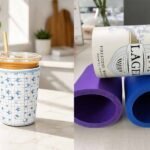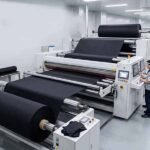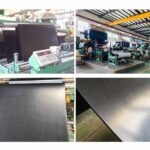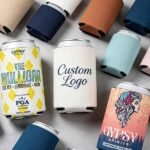
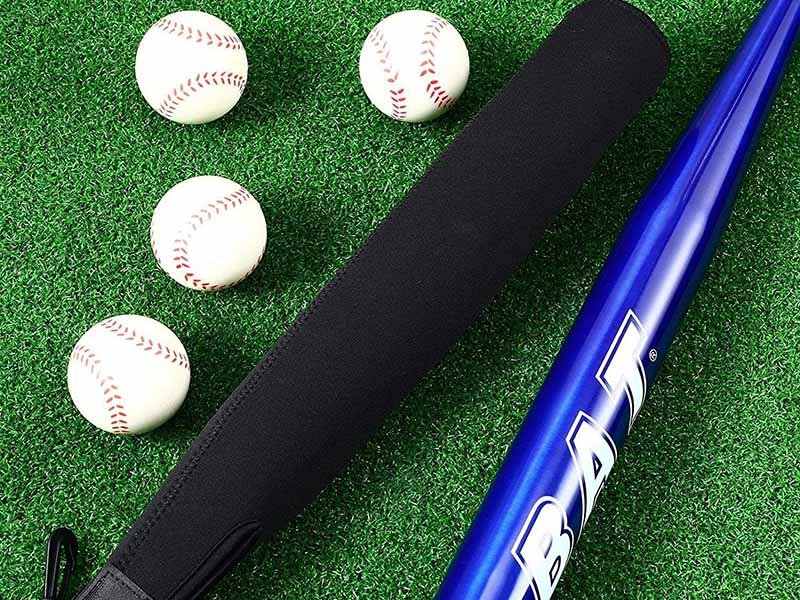
A lot of sports accessories look simple until you try to manufacture them at scale. Neoprene covers are a perfect example. On the surface, they seem straightforward: a soft protective layer, a clean shape, maybe a zipper or an opening, and a logo. But once a product enters real use, the hidden decisions start to matter. Does the cover fit tightly without being hard to remove? Does it protect against rubbing, impact, sweat, and repeated handling? Does the surface still look clean after shipping, storage, and regular use? Does the stitching hold when the cover is stretched every day? And perhaps most importantly for a brand, does the product feel like a cheap extra or like a well-developed accessory that adds value to the equipment itself?
The answer usually comes down to five things: the right neoprene grade, the right thickness, a stable lamination structure, accurate pattern development, and disciplined production control. In current manufacturing practice, neoprene thicknesses such as 1 mm, 3 mm, 5 mm, and 7 mm are commonly used for different product categories, and protective covers are often developed in the 3 mm to 5 mm range because that balance gives useful cushioning without making the product overly bulky. Material grade also matters. SBR is generally the lower-cost option, SCR sits in the middle, and CR is widely used when stronger weather resistance, flexibility, and higher-end performance are needed.
That is why experienced product teams do not treat a neoprene cover as a minor detail. They treat it as part of the customer experience. A poor cover can make even good equipment feel average. A good cover can improve protection, presentation, perceived value, and reorder potential. Once you look at the category through that lens, the topic becomes much more commercial, much more technical, and much more interesting.
What Is a Neoprene Cover?
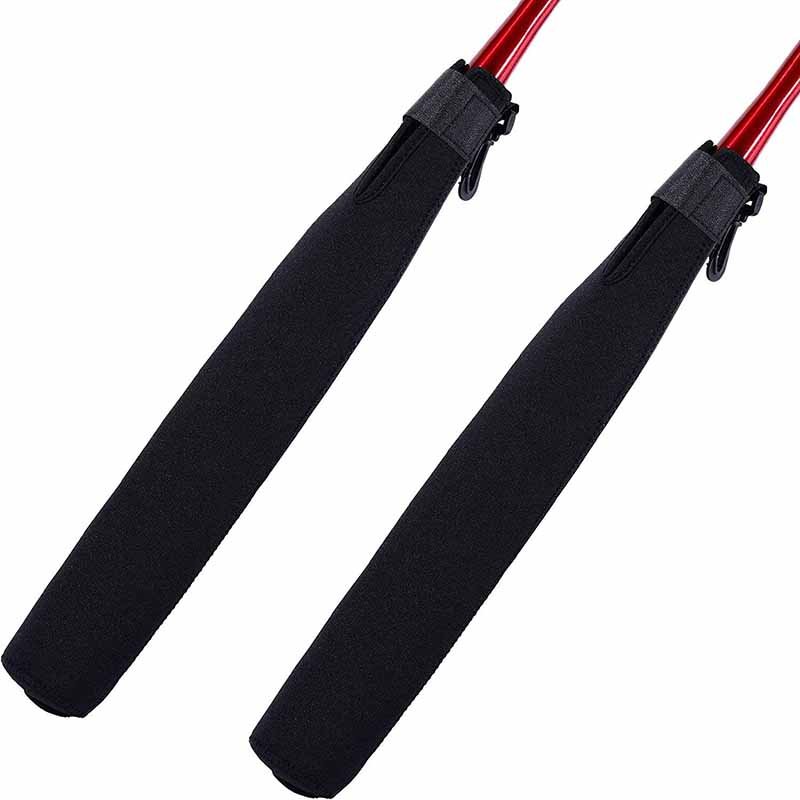
A neoprene cover is a protective component made from neoprene foam laminated with fabric, used to cushion, wrap, shield, and improve the usability of sports equipment. It helps reduce scratches, absorb light impact, improve grip, and create a more premium finished product.
Sports equipment covers made from neoprene are popular because they solve several problems at once. They protect the product, improve handling comfort, create branding space, and keep the accessory lightweight and flexible. They are easier to compress and ship than rigid cases, but they still provide a softer buffer than ordinary woven fabric sleeves. That middle position is exactly why neoprene remains so attractive for sports categories, training accessories, and private label product lines.
What is a Neoprene Cover?
A neoprene cover is usually not raw rubber by itself. In commercial manufacturing, it is most often a laminated composite material made from a neoprene foam core bonded with textile layers such as nylon or polyester jersey. That laminated construction affects surface feel, visual quality, stretch behavior, abrasion performance, and printing compatibility. In other words, when a client sources a neoprene cover, the real product decision is not only about foam. It is about the full material system. Sources focused on neoprene manufacturing and material conversion consistently describe neoprene products as layered structures in which foam, adhesive, and face fabric work together to determine durability, printability, and hand feel.
For sports equipment, this matters because the cover usually needs to do more than one job. It may need to protect painted or polished surfaces. It may need to prevent metal or plastic contact during transport. It may need to provide a cleaner grip area. It may need to compress slightly without losing shape. It may need to stretch around a curved product and then recover repeatedly. A simple-looking sleeve can therefore involve quite a few technical decisions.
A well-developed neoprene cover often includes several controlled features:
- a neoprene sponge grade chosen for the required balance of cost and performance
- a textile laminate chosen for touch, durability, and printing result
- a pattern shape that matches the equipment closely
- edge finishing or seam construction that reduces curling or early wear
- branding details that look clear without damaging the material feel
For clients, this is where many early sourcing mistakes happen. One cover may look almost identical to another in a supplier photo, but once it reaches the hand, the difference can be obvious. One may feel fuller and more protective. One may feel thinner and less stable. One may stretch well but lose recovery. One may print neatly while another shows surface distortion. The better product is rarely an accident. It usually comes from a factory that understands the material well before it starts sewing.
Why use a Neoprene Cover?
The first reason is protection, but protection is only the start. In the sports market, equipment is often carried, stacked, dropped, stored in bags, left in cars, exposed to damp conditions, or handled by multiple users. A neoprene cover helps reduce daily wear from those situations while staying soft, compact, and easy to use. It cushions contact without adding the weight and cost of a molded hard-shell solution.
The second reason is product value. When sports equipment is sold with a custom neoprene cover, the product immediately feels more complete. That is important for ecommerce, retail display, premium gift sets, club merchandise, and brand-extension accessories. Many overseas brands use neoprene covers not just as protective items, but as profit-supporting accessories that can be bundled, upsold, or sold separately.
The third reason is development flexibility. Compared with hard cases or rigid molded parts, neoprene covers are easier to prototype and easier to adjust. That gives clients more room to test shape changes, size refinements, logo placements, zipper options, and packaging ideas before mass production. For small and medium-sized brands, that flexibility is commercially useful.
A practical way to look at the benefits is this:
| Function | What the Cover Does | Why Clients Care |
|---|---|---|
| Surface protection | Reduces scratches and rubbing | Helps equipment stay cleaner longer |
| Light cushioning | Softens minor impact during transport | Improves user confidence |
| Better grip | Adds friction and comfort in hand | Makes handling easier |
| Brand display | Provides printable or stitchable surface | Supports private label selling |
| Product extension | Turns one item into a fuller set | Increases perceived value |
| Easier logistics | Compresses more easily than hard cases | Helps shipping and storage efficiency |
That is also why the product brief matters so much. A cover for a fitness accessory, a golf item, a racket, or a sports bottle may all use neoprene, but the real business goal can be very different. One may focus on price. Another may focus on premium feel. Another may focus on repeated use in wet conditions. The factory should understand that goal before suggesting material and construction.
Is a Neoprene Cover durable?
Yes, but only when the material grade, thickness, lamination quality, and seam construction match the way the product will actually be used. One of the biggest misconceptions in sourcing is the idea that all neoprene of the same thickness performs the same way. It does not. Material guides and neoprene manufacturing references repeatedly point out that two sheets described as “3 mm neoprene” can still perform very differently depending on whether the foam is SBR, SCR, or CR, and depending on density, fabric lamination, and resistance profile.
Durability should be judged in several dimensions, not just one:
- compression durability: does the cover recover after being squeezed or packed tightly?
- surface durability: does the face fabric resist rubbing and pilling?
- lamination stability: does the textile stay bonded to the foam over time?
- seam durability: do stitches or bonded joins hold under repeated stretching?
- environment durability: how does the material react to sweat, moisture, UV, heat, or storage conditions?
This is where grade selection becomes important. SBR is often chosen when cost control matters most. SCR is commonly used when the project needs a more balanced middle position. CR is preferred when the project asks for stronger resistance, better flexibility retention, and a more premium performance level. That general performance ladder is widely described across neoprene grade references.
For clients, the practical lesson is simple: do not ask only whether a neoprene cover is durable. Ask what kind of durability the product needs. A lightly used accessory stored indoors has different requirements from a sports cover exposed to outdoor transport, repeated friction, sweat, and frequent handling. A better factory will ask those questions early, because durability is engineered, not guessed.
Which Neoprene Cover Material Works Best?
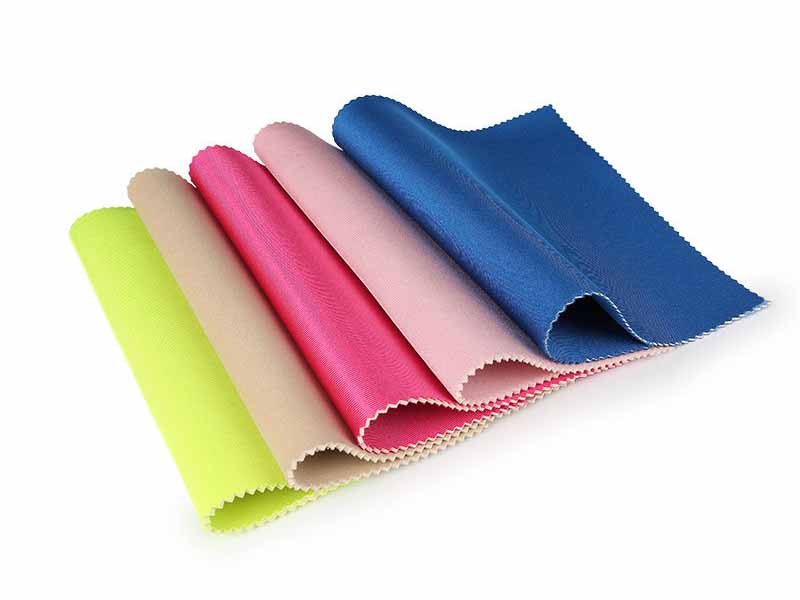
The best neoprene cover material is the one that matches the equipment shape, use environment, target selling price, and brand position. In most projects, material choice comes down to three linked decisions: neoprene grade, thickness, and laminate structure.
This is the stage where many product plans either become smooth or become expensive. If the material is too soft, the cover may feel weak or sloppy. If it is too stiff, fit and user comfort may suffer. If the thickness is too low, protection may not be enough. If it is too high, the product may become bulky, harder to sew, and less cost-efficient. If lamination is weak, the cover may look acceptable at the start but age poorly in transit or repeated use. Current manufacturing references on neoprene thickness and laminated construction repeatedly frame thickness and lamination as key tradeoffs between flexibility, cushioning, surface stability, and product lifespan.
For sports equipment covers, the smarter sourcing question is not “What is the best neoprene?” The better question is “What neoprene system is right for this product, this market, and this price level?”
Which Neoprene Cover type is better?
In real manufacturing, “type” usually refers to the foam grade. The three names clients see most often are SBR, SCR, and CR.
A simple comparison looks like this:
| Neoprene Grade | Main Position | Strengths | Limits |
|---|---|---|---|
| SBR | Cost-focused | Lower cost, workable for basic items | Lower resistance profile than higher grades |
| SCR | Mid-range | Better balance of cost and performance | Not as strong as full CR in demanding use |
| CR | Higher-performance | Better flexibility, weathering, and premium feel | Higher material cost |
This general hierarchy is consistent with current neoprene grade guides that describe SBR as the economical direction, SCR as the balanced middle option, and CR as the higher-grade choice for stronger performance and broader resistance demands.
But “better” always depends on the project.
Choose SBR when:
- the cover is simple
- the order is price-sensitive
- the target market is more promotional or entry-level
- the product will not face harsh conditions
Choose SCR when:
- you need a stronger middle-ground option
- the cover needs better feel and durability than basic SBR
- the product sits in mainstream commercial retail
- cost still matters, but quality complaints must be kept lower
Choose CR when:
- the brand wants a more premium cover
- the product may face more demanding use or outdoor handling
- flexibility, recovery, and resistance matter more
- the cover is part of a high-end equipment set or premium private label line
A useful mistake to avoid is over-specifying the grade too early. Some clients immediately ask for CR because they assume higher grade is always the safest path. Sometimes that is correct. Sometimes it only raises the cost without improving the product enough to justify the change. The better approach is to match the grade to the promise being made to the customer.
How thick should a Neoprene Cover be?
Thickness changes the product’s protection level, fit behavior, hand feel, seam bulk, and shipping profile. Current manufacturing references commonly discuss neoprene thicknesses such as 1 mm, 3 mm, 5 mm, and 7 mm, with thinner material used for lightweight sleeves and thicker constructions used when more cushioning or structure is needed. For many protective covers and gear-related products, 3 mm to 5 mm is a widely used working range.
A practical thickness guide for sports covers looks like this:
| Thickness | Product Feel | Best Use Direction |
|---|---|---|
| 1–2 mm | Light, slim, very flexible | Lightweight wraps, simple sleeves, low-bulk accessories |
| 3 mm | Balanced, easy to handle | Mainstream sports covers, bottle sleeves, accessory sleeves |
| 4–5 mm | Fuller, more protective, stronger shape | Premium covers, equipment protectors, higher-value accessories |
| 6–7 mm | Thick, high-cushion, bulky | Specialized protective products, support-oriented items |
Here is the commercial meaning behind those numbers:
- 1–2 mm works when appearance and flexibility matter more than cushioning
- 3 mm is often the safest starting point for many general protective covers
- 4–5 mm is stronger when the product needs a more substantial feel and better buffering
- 6–7 mm is usually too much for many everyday covers unless the product is truly impact-focused
Clients should also remember that thickness affects more than protection. It affects:
- how neatly the seams can be sewn
- how easily the cover can be folded or packed
- how snugly it fits around curved equipment
- how “premium” it feels in the hand
- how much the shipping volume increases
That is why thickness should not be chosen in isolation. A 5 mm cover may sound safer, but if the product becomes too bulky or difficult to fit, it may actually perform worse in the market. The most successful products usually choose the thinnest thickness that still delivers the required protection and feel.
Do Neoprene Cover laminates matter?
Yes. Lamination is one of the most important but most underestimated parts of neoprene product quality. It determines how the fabric face and foam core behave as one material. Good lamination improves surface stability, print clarity, feel, abrasion performance, and long-term reliability. Weak lamination can lead to bubbling, wrinkling, poor edge behavior, or early separation between the textile and the foam. Current lamination-focused references describe this stage as central to the final look, durability, and printability of neoprene products.
For clients, lamination affects several things they will notice quickly:
- how smooth the surface looks
- how clearly the logo prints
- how stable the material feels when stretched
- how clean the edges remain after cutting and sewing
- how well the product holds up after repeated use
A useful way to think about lamination is this:
| Lamination Choice | Main Effect | Best For |
|---|---|---|
| Single-face laminate | Lighter and simpler | Lower-cost covers, inner-use applications |
| Double-face laminate | More balanced structure and surface protection | Most commercial sports covers |
| Smoother jersey face | Better print and cleaner retail look | Branded retail and ecommerce products |
| Tougher outer face | Better rubbing resistance | Heavier-use or outdoor-related covers |
This stage matters even more for sports covers because many of them are bent, stretched, packed tightly, and rubbed against hard surfaces. A weak laminate may look acceptable in a first sample photo but start showing problems after shipping, storage, or repeated handling.
For that reason, clients should not only review color and shape during sampling. They should also look at:
- edge stability
- surface smoothness
- recovery after bending
- logo clarity
- whether the fabric face stays flat after light stretching
That kind of review often reveals quality differences much earlier, before the order moves into bulk production.
Material Selection Table for Sports Equipment Covers
| Project Goal | Suggested Grade Direction | Suggested Thickness | Material Focus |
|---|---|---|---|
| Entry-level accessory | SBR | 2–3 mm | Keep cost low and flexibility high |
| Mainstream retail cover | SCR or balanced blend | 3 mm | Balanced feel, cost, and protection |
| Premium sports accessory | CR or higher-performance structure | 4–5 mm | Better feel, stronger recovery, stronger image |
| More protective specialty cover | CR with stronger laminate | 5 mm or above | Cushioning, stability, longer use profile |
This table helps simplify one of the most confusing parts of development. The goal is not to choose the most expensive material. The goal is to choose the material system that fits the product’s job, sales channel, and target customer expectations.
How Is a Neoprene Cover Made?
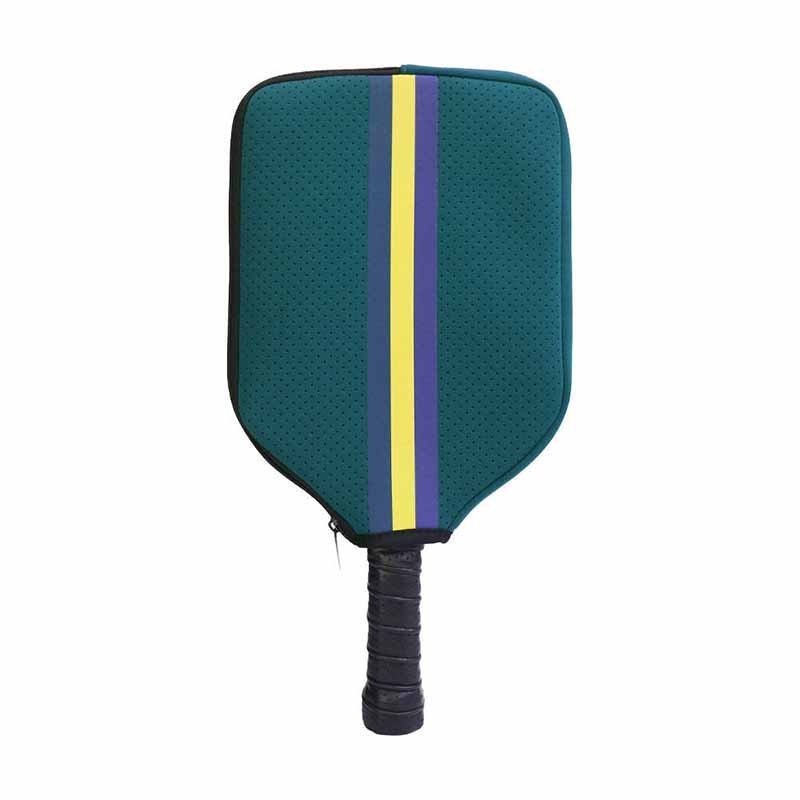
A neoprene cover is made through a chain of steps that starts with material confirmation and ends with inspection and packing. For sports equipment, the process usually includes laminated-material selection, pattern development, test fitting, cutting, logo application, panel assembly, stitching or bonding, edge finishing, quality checking, and final packaging. In current neoprene-product manufacturing guidance, common production methods include die-cutting, CNC or laser cutting, sewing with methods such as flatlock or blind stitch, adhesive bonding, and edge-finishing methods like binding or folded seams. Quality checks commonly focus on seam strength, peel strength, dimensions, and visible defects.
For clients, the most important thing to understand is that a neoprene cover is not “just sewn together.” The material stretches, compresses, rebounds, and reacts differently depending on thickness, grade, and textile laminate. That means the factory has to control not only shape, but also how the product behaves after repeated use. A cover that looks acceptable on the first day can still fail later if the pattern is too tight, if the seam allowance is wrong, if the logo process stiffens the surface too much, or if the laminate bond is weak. Lamination specialists consistently describe the bond between foam core and fabric face as one of the key factors behind final durability and surface stability.
In real sports-accessory development, manufacturing quality usually shows up in four places first. The first is fit. The second is seam quality. The third is edge cleanliness. The fourth is whether the cover still looks good after bending, stretching, packing, and repeated handling. That is why experienced factories like Oneier usually spend more effort on pre-production development than inexperienced suppliers do. When the pattern, cutting, stitching, and finishing are controlled properly, the finished cover feels clean, protective, and reliable rather than cheap or temporary.
How is a Neoprene Cover cut?
Cutting is one of the most important technical stages because neoprene is not a rigid material. It compresses, flexes, and can slightly distort if the tool choice, pressure, or template accuracy is poor. Current manufacturing references describe neoprene cutting as commonly done by automated cutting machines, die-cutting tools, CNC cutting, or laser cutting depending on the shape complexity, quantity, and precision needed. Precision matters because even a small cutting error can affect fit, seam alignment, and final appearance.
For sports equipment covers, cutting accuracy matters even more because many covers are shaped around curved, tapered, or asymmetrical products. A straight bottle sleeve is relatively forgiving. A racket-head cover, bike-frame protector, or shaped fitness-equipment wrap is not. If the cut panels are off, the final product may twist, pull, or fit loosely in one area and too tightly in another. That creates visible quality issues and can also reduce protection because the cover no longer sits correctly on the product.
Factories normally choose cutting methods based on volume and structure. Die-cutting works well for repeat shapes at scale. CNC cutting is useful when high consistency is needed across many units. Laser cutting may be useful for certain detailed patterns, but the factory still has to control edge behavior and downstream finishing. A practical comparison looks like this:
| Cutting Method | Best Use Situation | Main Advantage | Main Watch Point |
|---|---|---|---|
| Manual cutting | Early samples or simple small runs | Flexible for testing | Lower consistency |
| Die-cutting | Stable shape, medium to large volume | Fast and repeatable | Tooling must be accurate |
| CNC cutting | High-volume precision work | Strong dimensional consistency | Setup quality matters |
| Laser cutting | Detailed outlines or specialty panels | Fine control on complex shapes | Edge quality must be reviewed |
For clients, the real question is not just “how do you cut it?” but “how do you keep every unit consistent after cutting?” A strong factory should be able to explain how it controls tolerance, how it tests fit after cutting, and how it prevents distortion before sewing. That is especially important in OEM and private label projects, where product consistency directly affects customer confidence and reorder rates.
Which Neoprene Cover stitching works best?
The best stitching method depends on the cover’s purpose, thickness, stretch requirement, and visual target. In neoprene manufacturing guidance, common seam methods include flatlock stitching, blind stitching, overlock-type edge finishing, and bonded construction, with the right choice depending on whether the product needs flexibility, low bulk, clean appearance, or stronger sealing behavior.
Flatlock seams are often chosen when the client wants a flatter, more comfortable seam line with reduced bulk. This is useful when the cover will be handled often or where surface comfort matters. Blind-style stitching can create a more refined look and is often used where the seam should be less visible or less intrusive. In some projects, glued or bonded assistance is added before sewing, especially if the cover shape must stay very stable or if edge behavior is difficult to control. Edge finishing also matters. Clean binding, folded edges, or taped finishes can make a large visual difference in how premium the product feels. Edge-finishing references for neoprene repeatedly describe binding, folding, glue sealing, and related methods as major quality differentiators in finished neoprene goods.
For sports-equipment covers, seam choice should be made according to real use, not habit. A lightweight bottle sleeve and a thicker protective cover for structured equipment do not need the same seam logic. A seam that works well on 3 mm material may not look clean on 5 mm material without adjustment. A seam that looks neat on a straight sleeve may behave poorly on a tight curved cover. This is where sample development becomes extremely valuable.
A commercial comparison helps make the decision clearer:
| Stitching Direction | Best For | Main Benefit | Main Limitation |
|---|---|---|---|
| Flatlock-style seam | Flexible, comfort-focused covers | Flatter feel, cleaner profile | Not ideal for every heavy structure |
| Blind-style seam | More refined seam appearance | Cleaner look, controlled seam line | Setup and skill matter more |
| Standard stitched assembly | Simple functional covers | Efficient and cost-conscious | May look less premium |
| Bonded plus stitched structure | Higher-stability projects | Better control and support | Higher labor and process complexity |
For clients, the strongest answer is rarely one universal seam type. The strongest answer is the seam system that matches the product’s thickness, shape, use pattern, and market position. A good factory like Oneier should be able to advise on that based on sample results rather than using the same construction on every product.
How is a Neoprene Cover checked?
Quality checking should begin before bulk sewing and continue until final packing. For neoprene products, common quality points include dimensional accuracy, seam strength, peel strength of lamination, edge quality, logo result, visual cleanliness, and fit performance. Manufacturer references specifically note seam strength, peel strength, and dimensional tolerances among the important control points for neoprene products. Some suppliers also highlight testing such as tensile strength, elongation, waterproof performance, UV resistance, and related material-performance checks where relevant.
For sports-equipment covers, quality control should always include real-use thinking. A cover may pass a size check but still fail in use if it is too hard to put on, too loose in one area, or distorted after logo pressing. A smart inspection system therefore combines measurement with function. At minimum, a factory should review whether the cover fits the intended equipment correctly, whether seams stay even under normal stretch, whether the edge finish remains stable, and whether the logo remains clean without cracking, ghosting, or distortion.
A practical inspection table often looks like this:
| Quality Point | What Should Be Checked | Why It Matters |
|---|---|---|
| Size tolerance | Length, width, opening, key contour points | Controls fit and consistency |
| Lamination bond | No bubbling, peeling, or face instability | Protects long-term appearance |
| Seam quality | Even stitch, no skipped sections, stable tension | Affects life span and premium feel |
| Edge finishing | Clean cut, clean bind, no foam damage | Strong effect on first impression |
| Logo quality | Correct position, clear image, stable adhesion | Protects brand presentation |
| Fit test | Proper stretch and easy application/removal | Directly affects end-user satisfaction |
| Packing check | Correct count, labels, bagging, cartons | Prevents shipping and fulfillment errors |
For overseas clients, this stage is especially important because the product is often shipped long distances and may reach end users without the client ever seeing the bulk order in person first. A factory with a stronger quality-control habit reduces that risk considerably. That is one reason Oneier’s promise of quality-focused production matters so much in custom neoprene projects.
What does the full production process look like?
A full neoprene-cover production process usually follows a structured path from concept to shipment. First comes project briefing, where size, equipment type, thickness, logo method, and target market are confirmed. Second comes material selection, including neoprene grade, thickness, and face-laminate choice. Third comes pattern development and sample making, where fit and usability are tested. After that, the project moves into cutting, printing or logo application, panel assembly, seam construction, edge finishing, inspection, and packing. Neoprene-product process references describe very similar workflows centered on lamination, cutting, stitching, reinforcement, branding, and quality control.
For clients, the most important stage is often the sample and revision stage. This is where the cover stops being an idea and starts becoming a real product. A first sample may reveal that the zipper opening is too short, the thickness feels too bulky, the logo placement is too close to a seam, or the opening tolerance needs adjustment. These are not failures. They are exactly the type of refinements that create a better final product.
A clear production map looks like this:
| Stage | Main Work | What Clients Should Focus On |
|---|---|---|
| Product briefing | Confirm equipment type, size, use, logo, target cost | Be specific about function |
| Material confirmation | Grade, thickness, laminate, color | Match material to market position |
| Pattern development | Shape and fit planning | Review openings, curves, stretch areas |
| Sample making | Create first physical unit | Test real handling and protection |
| Revision | Improve fit, logo, seam, closure, finish | Fix usability before bulk |
| Bulk cutting | Repeat precise panel preparation | Protect consistency |
| Branding step | Apply print, emboss, or label details | Confirm clarity and placement |
| Sewing and assembly | Join panels, closures, and reinforcements | Controls strength and appearance |
| Inspection | Check fit, seams, logo, finish, count | Prevent shipment issues |
| Packing and shipment | Final labels, cartons, delivery prep | Support retail or distribution needs |
For sports-accessory brands, this is where a factory’s real value becomes visible. Oneier is not just producing neoprene covers. It is helping clients move through each of these steps with less trial-and-error, more practical advice, and better alignment between product idea and production reality.
What Neoprene Cover Options Matter?
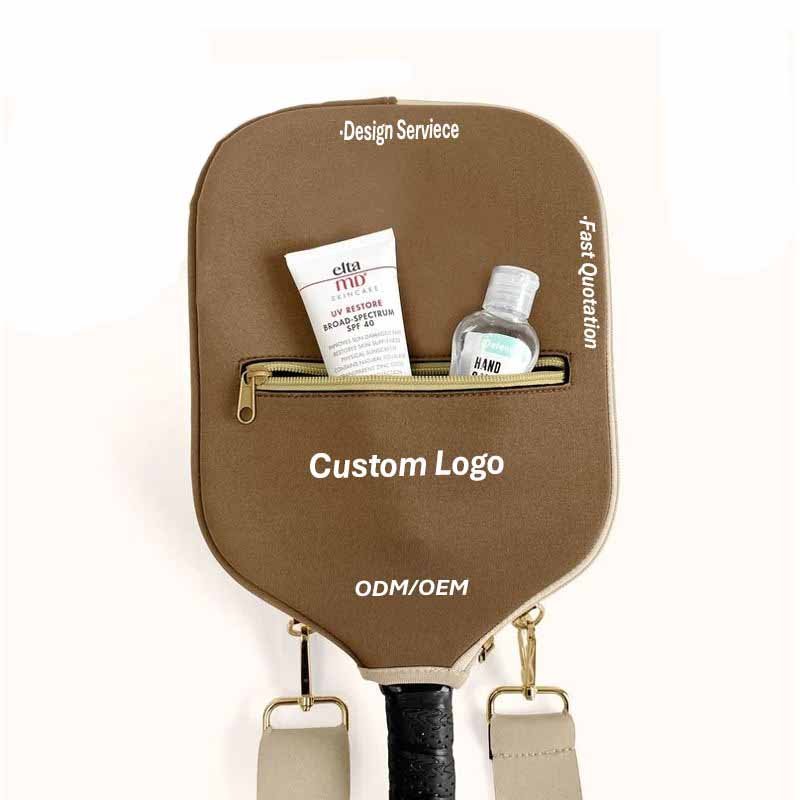
The most important options are the ones that improve protection, usability, and market appeal without making the cover unnecessarily expensive or overly complex. For most neoprene sports covers, the critical choices are logo method, closure style, custom size and shape, edge finish, and packaging presentation. Current neoprene-product references consistently show that neoprene supports a wide range of branding methods including screen printing, heat transfer, sublimation, embossing, debossing, sewn labels, and branded zipper details, which is one reason the material is so popular in private label and OEM work.
For clients, the key is prioritization. A good custom neoprene cover does not need every feature available. It needs the right combination of features for the product’s sales channel and target customer. A sports-club promotional item may need a straightforward print and simple closure. A premium retail accessory may need cleaner seams, embossed branding, and more refined packaging. A bundled cover sold with equipment may need strong fit and protection more than advanced decoration.
This is also where margin control matters. Some options add visible value quickly. Others add cost much faster than they add sales appeal. A strong manufacturer should help the client tell the difference. Oneier’s advantage here is that it can support free design input, flexible development, and low-MOQ customization, which gives clients more room to test the features that really matter.
Which Neoprene Cover logo works well?
The best logo method depends on artwork complexity, quantity, price level, and desired product image. Neoprene commonly supports screen printing, heat transfer, sublimation, embossing, debossing, sewn labels, and branded zipper or accessory details. Source material on custom neoprene printing consistently describes screen printing as a strong choice for clear, bold graphics, sublimation as useful for all-over or highly detailed artwork on suitable polyester-faced laminates, and embossing as a good choice for more premium tactile branding.
For sports-equipment covers, logo choice should follow product position. A simple club or promotional cover often works best with screen printing because the logo is clear and cost-efficient. A retail product with bold graphics or pattern-heavy design may benefit from sublimation if the laminate surface is appropriate. A premium brand may prefer embossing, debossing, or a more understated sewn label because the product should feel refined rather than loud.
A practical comparison looks like this:
| Logo Method | Best For | Main Strength | Main Watch Point |
|---|---|---|---|
| Screen printing | Bold logos, larger runs | Clear and cost-effective | Best for simpler graphics |
| Heat transfer | Detailed front logos | Flexible and vivid | Heat settings and durability must be controlled |
| Sublimation | Full-color patterns, all-over branding | Strong detail and color range | Needs suitable polyester-faced laminate |
| Emboss / deboss | Premium branding | Tactile and refined | Design depth and material thickness matter |
| Sewn label | Quiet private label branding | Clean and upscale look | Placement must feel intentional |
For clients, the biggest mistake is choosing a logo method only by appearance on screen. The right method should also fit the cover’s stretch behavior, surface texture, expected wear, and market story. A reliable factory should help compare not only visual effect but also durability, MOQ efficiency, and production suitability.
What Neoprene Cover closure should you choose?
Closure choice depends on how tightly the cover needs to fit, how often it will be opened and closed, and how much protection versus speed the end user expects. In neoprene cover development, common closure directions include zipper openings, slip-on sleeve construction, hook-and-loop fastening, fold-over flaps, elastic openings, and in some categories snap-assisted or bonded wraps. The right option is usually the one that makes the cover easy to use without weakening protection or making the product feel awkward.
A slip-on design works well when the product shape is simple and the neoprene’s stretch can do most of the fitting work. A zipper is stronger when the equipment is more structured, bulkier, or needs easier insertion and removal. Hook-and-loop can be useful when adjustability matters, though it should be chosen carefully because it affects both look and user experience. Fold-over flaps can work for certain compact accessories but are less suitable when a cleaner, more fitted retail look is required.
A decision table helps clarify this:
| Closure Type | Best Use Direction | Main Benefit | Main Tradeoff |
|---|---|---|---|
| Slip-on opening | Simple sleeves and stretch-fit covers | Clean look, low complexity | Fit tolerance must be right |
| Zipper closure | More structured or tighter-fitting covers | Easier access, secure enclosure | Adds labor and cost |
| Hook-and-loop | Adjustable wraps and flexible fit needs | Easy adjustment | Less refined look in some markets |
| Elastic opening | Quick-use covers and simple entry products | Fast handling | Long-term stretch control matters |
| Fold-over flap | Compact accessories | Easy and simple | Lower precision feel |
For sports-equipment covers, the closure should also be tested with real user behavior. Can the customer remove the cover quickly? Does the zipper scratch the equipment if used carelessly? Does the opening remain neat after repeated use? These questions are more important than the closure category itself. Oneier can help refine this during sampling so the final choice supports both function and product image.
Are custom Neoprene Cover sizes important?
Yes, very important. Fit is one of the first things the customer notices with a neoprene cover. If the cover is too loose, it looks cheap and moves around during use or transport. If it is too tight, it becomes frustrating to install and may strain the seams. In sports accessories, where products often have curves, handles, tapered ends, or uneven profiles, a small sizing mistake can change the whole user experience.
Custom sizing matters even more when brands want a cover that feels designed specifically for their equipment rather than copied from a generic sleeve. A shaped custom fit usually gives three commercial benefits. First, it improves protection because the cover stays in the right position. Second, it improves appearance because the product looks more intentional. Third, it supports stronger brand value because the accessory feels like part of the equipment system, not an afterthought.
A useful sizing framework looks like this:
| Sizing Direction | When It Works Best | Commercial Effect |
|---|---|---|
| Generic size | Commodity-style simple products | Lower development cost |
| Semi-custom fit | Products with limited size variation | Better balance of fit and efficiency |
| Full custom fit | Premium or equipment-specific covers | Strongest product identity and user experience |
For OEM and private label projects, custom size is often one of the most worthwhile investments because fit quality is visible immediately. It influences customer perception far more strongly than many decorative upgrades do. That is why Oneier’s fast sample support and custom-pattern ability are so valuable for sports-cover development.
Which extra options add the most value?
The options that usually add the most value are the ones customers notice during use: better fit, stronger edge finishing, a cleaner logo, easier closure, and more polished packaging. Not every project needs premium extras, but most projects benefit from at least a few functional upgrades that make the cover feel intentional rather than generic.
For many commercial projects, the highest-value additions are these: a more accurate fit pattern, a logo method that matches the market level, a closure that feels natural in use, cleaner edges, and private label packaging details that improve presentation. Neoprene-product references also point to sewn labels, zipper pull branding, embossing, and custom printing as common customization directions for OEM and retail projects.
A practical value table looks like this:
| Custom Option | Effect on User Experience | Effect on Sales Position |
|---|---|---|
| Better-fit pattern | Easier use, better protection | Makes the product feel purpose-built |
| Cleaner edge finish | Better first impression | Raises perceived quality |
| Upgraded logo process | Stronger visual identity | Supports premium pricing or clearer branding |
| More suitable closure | Faster and easier handling | Reduces user frustration |
| Custom packaging | Better unboxing and gifting value | Helps ecommerce and retail presentation |
| Sewn label / zipper detail | More refined branding | Strengthens private label image |
For clients, the smartest path is usually to invest first in the options that improve fit, function, and finish. Decorative upgrades should come after the product already works well. That is how a neoprene cover becomes not only attractive, but also commercially durable.
How Do You Choose a Neoprene Cover Manufacturer?
Choosing a neoprene cover manufacturer is not just about finding a factory that can cut foam and stitch fabric. It is about finding a production partner that understands material behavior, fit accuracy, protection needs, branding requirements, and bulk consistency. For sports equipment, this matters even more because the cover is usually handling real friction, repeated stretching, regular transport, and daily handling. If the factory only focuses on appearance, the final product may look fine in photos but disappoint the customer in real use.
A lot of clients compare factories mainly by price. That is understandable, especially in the early sourcing stage. But price alone rarely tells the full story. A lower quotation may come from cheaper grade material, thinner sponge, weaker lamination, less accurate cutting, simpler edge finishing, slower sampling, or weaker quality control. At the quotation stage, these differences are easy to miss. After production, they become much more expensive.
A stronger manufacturer helps reduce those risks before they turn into product complaints. That means asking the right questions, offering realistic material suggestions, improving the pattern when needed, supporting sample refinement, and keeping bulk production stable. For neoprene sports covers, the best factory is not simply the one that says yes the fastest. It is the one that can explain how the product will actually be made well.
What should you ask a Neoprene Cover factory?
The first questions should help you understand whether the factory really knows this category. Instead of asking only for price, it is much better to ask questions that reveal technical understanding, development ability, and production discipline.
A useful first-round checklist looks like this:
- What neoprene grades do you recommend for this product?
- What thickness do you suggest, and why?
- Can you support custom pattern development based on my equipment size?
- What logo methods work best on this laminate surface?
- What seam or edge finish would you recommend for this cover?
- Can you make a sample first and adjust fit if needed?
- What is your normal process for checking size and seam quality?
- Can you support low MOQ custom orders?
- Can you provide private label packaging and branding details?
- What is your typical sample lead time and bulk lead time?
These questions matter because they show how the factory thinks. A good factory usually gives answers with reasons. It may suggest changing from 5 mm to 3 mm because the product does not need extra bulk. It may recommend CR instead of SBR because the product will be used outdoors. It may move a zipper to prevent scratching. It may suggest a better logo method because the original idea would crack or distort.
That kind of feedback is valuable. It means the factory is working like a development partner, not just a production line. For custom sports covers, that difference can directly affect the final market result.
How do Neoprene Cover MOQ and samples work?
MOQ and sampling are two of the biggest practical concerns for custom projects, especially for overseas small and medium-sized brands. Many clients do not want to jump directly into a large order before they can touch the sample, test the fit, and review the finish quality. That is a smart approach, especially for neoprene covers, because fit and material feel are hard to judge perfectly from drawings alone.
MOQ is usually influenced by several factors:
- whether the material color is standard or custom
- whether the product uses common or special thickness
- whether custom printing, embossing, or private label trims are needed
- whether packaging is standard or custom
- whether the order includes one size or multiple sizes
A practical view looks like this:
| Project Factor | Effect on MOQ | Effect on Development |
|---|---|---|
| Standard black neoprene | Easier to keep MOQ lower | Faster project start |
| Custom color laminate | May increase MOQ | Better brand distinction |
| Simple logo print | Usually easier for low-volume entry | Faster sampling |
| Embossing or complex branding | May need more setup | Stronger premium image |
| One size only | Easier production control | Lower complexity |
| Several custom sizes | More setup work | Better fit across product range |
Sampling matters because it reveals what paper cannot. A first sample helps answer very practical questions:
- Is the fit too tight or too loose?
- Does the thickness feel right in the hand?
- Does the closure open and close naturally?
- Is the logo placed in the best position?
- Are the seams clean enough for the target market?
- Does the cover look like a budget accessory or a premium one?
For many projects, one sample round is not enough. Small adjustments can make a big difference. A zipper length may need to be extended. A curve may need to be softened. An edge finish may need to be cleaner. A logo may need to be reduced in size. These changes are part of smart development, not a waste of time.
This is where Oneier’s service model is especially helpful. With low MOQ customization, fast sample support, free design assistance, and short lead times, clients have more room to improve the product before committing to bulk.
Why does Neoprene Cover experience matter?
Experience matters because neoprene is not a normal woven fabric. It stretches, compresses, rebounds, and behaves differently depending on thickness, grade, laminate, and seam method. A factory without real neoprene experience may still be able to copy the outer shape of a cover, but it often struggles with the details that actually decide product quality.
These details include:
- how much pattern allowance should be added for stretch
- how to keep curved covers symmetrical
- how to choose a seam that works with the sponge thickness
- how to avoid edge distortion
- how to place the logo so it stays clean on a flexible surface
- how to keep fit stable across a full bulk order
Inexperience usually shows up in very predictable ways. The cover may fit one sample unit but not production units consistently. The seam may feel too hard. The edge may wave. The zipper may pull the material unevenly. The logo may look good before shipping and poor after repeated use. None of these problems are dramatic during quotation. They become dramatic after delivery.
An experienced neoprene factory normally gives clients more confidence in four areas:
| Experience Area | What It Improves | Why It Matters |
|---|---|---|
| Material selection | Better match between use and grade | Reduces overbuilding or underbuilding |
| Pattern development | Better fit and shape recovery | Improves user satisfaction |
| Construction choice | Better seam, edge, and closure performance | Extends product life |
| Bulk control | Better consistency across shipment | Protects brand reputation |
For sports-equipment covers, factory experience is especially important because many products are not simple rectangles. They have curves, tapered ends, handles, protrusions, or structured shapes. A factory that works with neoprene products regularly is much better prepared to deal with those realities.
How can you compare manufacturers more clearly?
When several factories all claim good quality, fast delivery, and customization support, the easiest way to compare them is to use the same set of evaluation points. This helps move the decision away from guesswork.
A simple comparison framework looks like this:
| Comparison Point | Strong Manufacturer Signs | Weak Manufacturer Signs |
|---|---|---|
| Material advice | Gives reasons for grade and thickness choice | Only repeats your request without guidance |
| Sample quality | Good fit, clean seams, thoughtful details | Looks rushed or generic |
| Communication | Clear, specific, and responsive | Slow, vague, or inconsistent |
| Problem-solving | Suggests practical improvements | Avoids technical discussion |
| Branding support | Can explain logo options honestly | Promises everything without caution |
| QC explanation | Gives clear checkpoints and standards | Says only “we do QC” |
| MOQ flexibility | Can offer workable entry path | Pushes only large standard runs |
| Lead time discipline | Gives realistic timeline | Gives overly optimistic promises |
This kind of comparison is especially useful for growing brands. A supplier that is slightly more expensive but much better in communication, sample quality, and consistency often creates better long-term value than the lowest quotation on the list.
Why Oneier Fits This Kind of Project
For neoprene cover manufacturing, clients usually need more than basic sewing support. They need a factory that understands neoprene material behavior, laminated construction, sports-product use cases, and custom development. That is where Oneier fits well.
Oneier has more than 18 years of experience in neoprene fabric R&D and neoprene-related product manufacturing. The company can customize a wide range of neoprene products, including bags, koozies, sports supports, medical supports, wetsuits, and many other sewn neoprene items. That product background matters because it means the factory is already familiar with the performance logic behind foam thickness, lamination, sewing methods, fit control, and product durability.
For clients developing sports-equipment covers, this experience creates several practical advantages:
- better material recommendations
- more accurate pattern development
- faster movement from idea to sample
- more confidence in custom branding
- stronger control over finish quality
- easier support for OEM, ODM, and private label projects
Oneier’s service model is also a strong match for many overseas clients because it includes:
- free design support
- low MOQ customization
- quick sample development
- free samples for suitable projects
- short lead times
- 100% quality-focused production
- support for custom logos and private label details
This is especially attractive for clients who are still developing a product line step by step. They may not want huge quantities at the beginning, but they still want a cover that looks professional and feels reliable. Oneier gives them more room to test, refine, and launch.
Which kinds of clients benefit most from this model?
Not every client has the same goal, so the value of a factory also depends on the business model behind the order.
Here is where Oneier’s approach fits especially well:
| Client Type | Main Need | Why This Model Helps |
|---|---|---|
| Ecommerce brand | Fast testing and lower launch risk | Low MOQ and quick samples support faster decisions |
| Sports accessory brand | Better fit and cleaner branding | Custom development helps create more complete products |
| Importer or distributor | Stable bulk quality | Stronger process control reduces risk |
| Club merchandise supplier | Flexible logos and practical pricing | Easy to adapt for team or event use |
| Premium label | Better material feel and finish | More refined development and private label support |
| New product startup | Guidance plus manufacturing | Free design help and sample support reduce mistakes |
This is important because a neoprene cover is often part of a bigger business plan. It may be an add-on, a product-line extension, a bundle item, a retail accessory, or a premium upgrade. The factory should understand that commercial role, not just the physical shape of the product.
Final Thoughts
A neoprene cover for sports equipment may look like a small product, but it carries a lot of responsibility. It protects the item, supports the brand image, affects the customer’s first impression, and often determines whether the accessory feels useful or forgettable. The difference between an average cover and a strong one usually comes down to a few specific decisions: the right material grade, the right thickness, a stable laminate, a well-developed pattern, a suitable seam system, and a factory that knows how to keep quality consistent.
The strongest products in this category are rarely the most complicated ones. They are the ones that fit well, feel right, protect the equipment properly, and look clean in the customer’s hand. That is what makes them sell better, review better, and reorder more easily.
For brands, importers, and private label clients, the smartest next step is not to guess. It is to develop the product with a factory that understands both the material and the market.
Send Your Inquiry to Oneier
If you are planning a custom Neoprene Cover for Sports Equipment, Oneier is ready to support your project from concept to sample to bulk production.
Even if your idea is still rough, that is enough to begin the discussion. A good development process starts with a clear conversation. From there, Oneier can help refine the material, shape, construction, and branding details so the final product works better for your market.
A better neoprene cover starts with better development.
Send your inquiry to Oneier and start building a custom sports-equipment cover that protects well, looks professional, and gives your customers a stronger product experience.