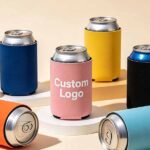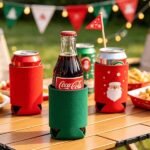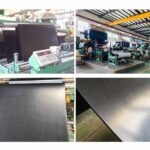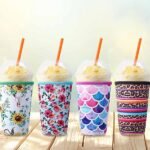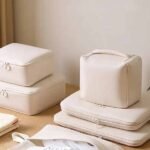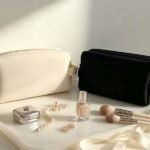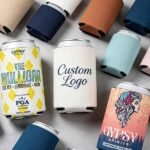
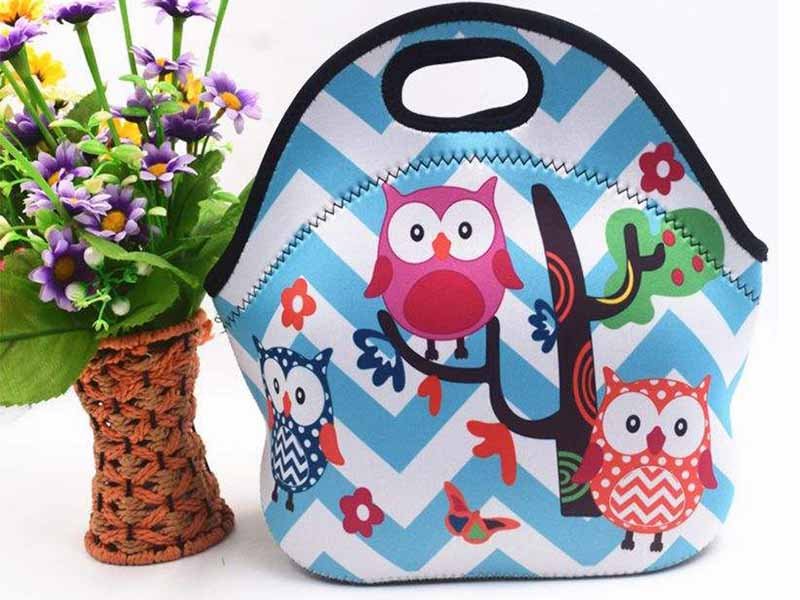
A neoprene lunch bag looks simple when it is sitting on a desk or hanging from a stroller handle. It feels soft, folds easily, and often carries a bright custom print that makes the product look modern and retail-ready. But once a customer starts developing one for actual sales, the questions quickly become more practical. Will the print stay sharp after repeated daily use? Will the neoprene smell too strong when the bag is first opened? Is 3mm thickness enough, or should the bag use 5mm material? Will the zipper area distort after sewing? Can the bag hold a lunch box, fruit cup, drink bottle, and ice pack without losing shape? These are the real issues that determine whether a neoprene lunch bag becomes a repeat-order product or a one-time trial item.
Neoprene lunch bag manufacturing with printed designs is the full process of developing, printing, cutting, sewing, assembling, and inspecting an insulated lunch bag made from neoprene sheet material. The goal is to combine practical thermal performance with strong visual presentation, so the finished product is not only useful for everyday meals, but also suitable for private label, retail, gifting, school, office, travel, and promotional markets.
For many importers, brand owners, Amazon sellers, and promotional product companies, neoprene lunch bags are attractive because they sit in a very useful middle space. They feel more premium than low-cost nonwoven lunch bags, but they are still lighter, softer, and easier to ship than bulky hard lunch boxes. They also support colorful printed designs very well, which is important in a market where appearance often influences the first purchase. Yet the real difference is not in the mockup. It is in how the material is chosen, how the print is applied, how the panels are cut, and how the bag is built to handle daily use. A lunch bag that looks great in a design file but wrinkles, smells, fades, or tears after a few weeks can quickly damage product reviews and customer trust. That is why understanding the manufacturing side matters so much before a project moves into sampling and bulk production.
What Is Neoprene Lunch Bag Manufacturing with Printed Designs?
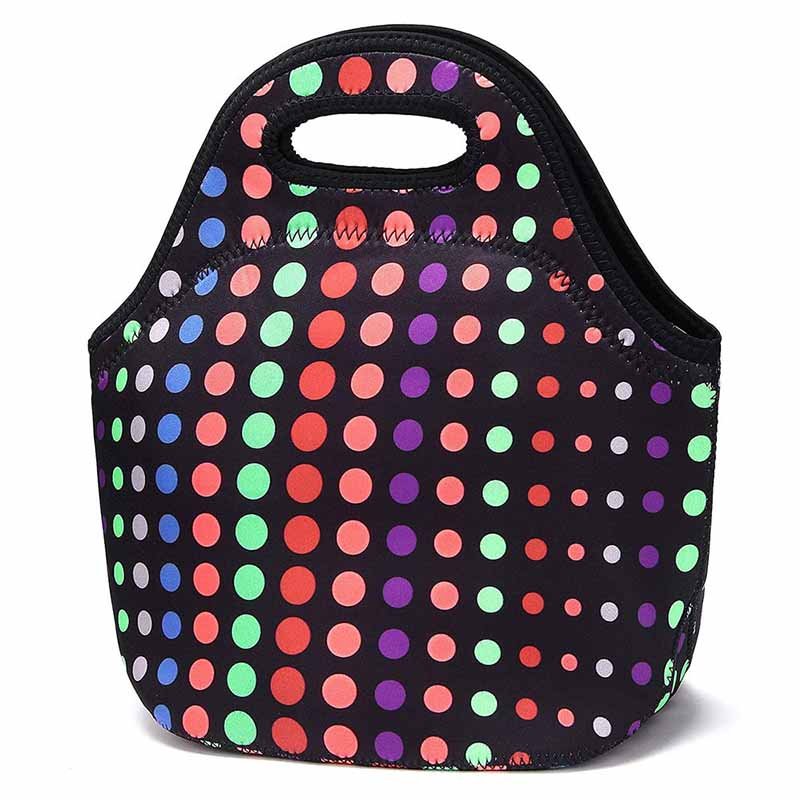
Neoprene lunch bag manufacturing with printed designs is the process of producing insulated lunch bags from neoprene material and decorating them with custom graphics, logos, patterns, or full-surface artwork. It includes material selection, print preparation, panel cutting, sewing, handle construction, zipper assembly, and quality inspection, with the goal of creating a lunch bag that is attractive, functional, durable, and suitable for repeat production.
What Is a Neoprene Lunch Bag in Neoprene Lunch Bag Manufacturing with Printed Designs?
A neoprene lunch bag is a soft insulated bag made from foam-based neoprene sheet material, often laminated with fabric on one or both sides. The same base material is widely used in wetsuits, sports supports, protective sleeves, bottle koozies, and other products that need cushioning, flexibility, and some thermal resistance. In lunch bag manufacturing, neoprene is valued because it combines several useful product advantages in one material structure.
First, neoprene has a naturally cushioned body. This helps protect containers, drink bottles, glass jars, and food boxes inside the bag. Second, it has flexibility. The bag can stretch slightly, adapt to different shapes, and fold down when not in use. Third, it offers basic insulation. While it is not meant to replace a hard cooler, it helps slow heat transfer, which is useful for everyday lunch carrying. Fourth, it gives the product a more refined feel than many low-cost insulated bags made only from woven fabric and foil.
In commercial production, most neoprene lunch bags are developed in thicknesses around 3mm to 5mm. That range is popular because it balances softness, structure, and cost. A 3mm bag usually feels lighter and easier to fold. A 5mm bag feels fuller, more protective, and slightly more premium. The right choice depends on the intended product direction.
The table below shows how thickness selection often affects product development:
| Neoprene Thickness | Product Feel | Weight | Common Use Direction |
|---|---|---|---|
| 2mm | Very light and flexible | Lower | Budget promotional styles |
| 3mm | Balanced, easy to carry | Moderate | Mainstream lunch bags |
| 4mm | Better body shape | Moderate-high | Mid-range retail products |
| 5mm | Fuller and more protective | Higher | Premium lunch totes |
Another important point is capacity. Customers often focus on the printed design first, but capacity drives satisfaction in daily use. A bag that looks nice but cannot hold a standard lunch box, snack container, fruit, and drink bottle will struggle in the market. Many practical neoprene lunch bags are designed around these daily-carry realities, not just external appearance.
Here is a simple capacity reference:
| Bag Size Direction | Approximate Capacity | Common Use |
|---|---|---|
| Small | 4–6 liters | Kids’ lunch, snack pack, short office use |
| Medium | 6–9 liters | Daily lunch box + drink + fruit |
| Large | 9–12 liters | Full meal prep, workday carry, family outing |
Handle structure also matters more than many customers expect. A lunch bag may look light when empty, but once loaded with containers and bottles, total weight often reaches 2–4 kg. If the handle webbing is too thin, too soft, or poorly stitched, the bag becomes uncomfortable to carry. If the handle position is off-balance, the bag leans awkwardly. These details are easy to miss in a quick sample review, but they directly affect end-user experience.
This is why a professionally made neoprene lunch bag is not simply “a printed pouch with a zipper.” It is a daily-use product that has to feel right in the hand, carry the right volume, hold up under routine use, and still keep its printed design clean and attractive over time.
How Does Neoprene Lunch Bag Manufacturing with Printed Designs Work?
The manufacturing process starts long before the first panel is cut. A factory first needs to understand what kind of lunch bag is being developed. Is it a simple fold-flat lunch tote for promotions? Is it a structured retail lunch bag with zipper closure and reinforced handles? Is it intended for children, office workers, outdoor use, or gift programs? These questions shape material choice, print method, panel structure, accessories, and production cost.
In practical production, the workflow usually moves through several controlled stages. Each stage has a direct effect on the finished product.
| Production Stage | What Happens | Why It Matters |
|---|---|---|
| Product planning | Confirm size, shape, closure, handle style | Prevents design mismatch |
| Material confirmation | Select neoprene thickness, fabric lamination, zipper, webbing | Controls feel, function, and price |
| Artwork preparation | Adjust print file for size, seams, and panel placement | Protects print quality |
| Printing | Apply artwork to neoprene-facing fabric or laminated sheet | Determines visual result |
| Cutting | Cut front, back, gusset, base, and handle parts | Affects symmetry and fit |
| Sewing & assembly | Join panels, attach zipper and handles, form bag | Controls durability and shape |
| Finishing | Trim threads, inspect seams, clean surfaces | Improves presentation |
| Inspection | Check print, size, sewing, function, packaging | Reduces complaint risk |
One of the most important points in neoprene bag production is the relationship between printing and cutting. When a product uses all-over printed artwork, the design often needs to be positioned before cutting so the final visual balance remains correct. If the artwork placement is not well planned, logos may land too close to seams, patterns may appear uneven on the front panel, or printed motifs may be partially hidden by zipper binding and edge folds.
Cutting accuracy is another big issue. Because neoprene has softness and slight stretch, poor cutting control can create uneven panel sizes. That leads to sewing distortion, crooked zippers, wrinkled edges, and bag bodies that lean to one side. In retail products, even a small alignment problem can make the item look lower quality immediately.
The sewing stage is also more technical than many customers assume. Neoprene is thicker than many regular fashion fabrics, so needle choice, stitch density, seam allowance, and edge treatment all matter. If stitch tension is too tight, the seam may pucker. If it is too loose, strength suffers. If the zipper is added without correct support, the top opening may wave or deform.
At Oneier, this stage is especially important because neoprene products require balance between appearance and performance. A good-looking bag that is uncomfortable to carry is not enough. A durable bag with poor print placement is not enough either. The production process has to support both function and design consistency from sample to bulk order.
Why Is Neoprene Lunch Bag Manufacturing with Printed Designs Different from Regular Lunch Bag Production?
Neoprene lunch bag manufacturing differs from general lunch bag production because neoprene itself changes the behavior of the product. A woven lunch bag made from polyester or Oxford fabric often depends on extra insulation layers, inner foil, and external structure to create performance. Neoprene already brings softness, body, cushioning, and basic insulation into the material system. That creates opportunities, but it also creates new production challenges.
One major difference is how the product is judged. A low-cost fabric lunch bag is often compared mainly on price, print, and simple usability. A neoprene lunch bag is judged more closely on feel, shape, softness, edge finish, and print richness. Customers notice immediately if the material feels too thin, the surface print looks dull, the zipper line ripples, or the handle stitching looks rough. Because neoprene products are often positioned a bit higher than entry-level lunch bags, product details become more visible.
Another difference is printing expectation. Many customers choose neoprene specifically because they want stronger design expression. They want bold patterns, full-surface printing, children’s artwork, floral designs, branded graphics, sports themes, seasonal prints, or clean private-label visuals. That means the printing standard has to be higher, not lower. A plain fabric lunch bag can sometimes hide small imperfections. A printed neoprene lunch bag cannot.
The comparison below shows the difference more clearly:
| Item | Standard Fabric Lunch Bag | Neoprene Lunch Bag |
|---|---|---|
| Main body feel | Fabric-like | Soft, cushioned, stretchy |
| Basic insulation source | Added foam/foil layers | Neoprene body + optional lining |
| Print potential | Moderate | Strong, especially for full graphics |
| Product positioning | Budget to mid-level | Mid-level to premium |
| Edge finish sensitivity | Moderate | High |
| Shape control during sewing | Easier | More demanding |
| Customer expectation | Functional | Functional + visual quality |
There is also an important logistics and market angle. Neoprene lunch bags are soft, compressible, and easier to pack than rigid lunch containers. That helps with shipping efficiency. At the same time, they usually offer better perceived value than very low-cost reusable lunch sacks. This makes them appealing to customers who want a product that is practical, giftable, and visually distinctive without becoming too heavy or too expensive.
For companies building a private label line, this difference matters. A neoprene lunch bag is not just another bag. It is a product where material feel, graphic impact, portability, and daily convenience all work together. When the manufacturing is controlled well, that combination becomes a strong selling point.
What Are the Key Production Decisions in Neoprene Lunch Bag Manufacturing with Printed Designs?
The success of a neoprene lunch bag project usually comes down to a handful of production decisions made early in development. These choices affect cost, appearance, comfort, durability, and reorder potential. Customers who understand these decisions usually make better samples, avoid more mistakes, and move into production with more confidence.
The first decision is thickness. A thinner bag reduces cost and weight, but can feel less substantial. A thicker bag feels more protective and premium, but increases material consumption and sewing difficulty. The second decision is print direction. A simple logo print is easier and cheaper. A full-surface printed design creates stronger shelf appeal but needs better artwork planning and tighter process control. The third decision is bag shape. A boxy lunch tote may hold containers better. A softer tote may look more casual and fashionable. The fourth decision is closure system. Zippered tops are popular because they help maintain temperature and keep contents secure. Open-top or hook-and-loop structures reduce cost but offer a less complete use experience.
Accessories also play a bigger role than many customers expect. Zipper quality affects the first touch impression. Webbing width affects carrying comfort. Binding tape affects the edge appearance. Woven labels, rubber patches, or printed care labels influence the branding feel. Even the packaging can shape customer perception, especially for retail and e-commerce products.
This table shows how a few common decisions change the product direction:
| Decision Point | Lower-Cost Direction | Higher-Value Direction |
|---|---|---|
| Thickness | 2–3mm | 4–5mm |
| Printing | Small logo | Full-surface custom print |
| Closure | Hook-and-loop or simple zip | Smooth zip with cleaner finish |
| Handles | Standard webbing | Softer or reinforced handle style |
| Interior | Basic open interior | Cleaner lining and better finish |
| Packaging | Polybag only | Hangtag, insert card, retail-ready pack |
The most important thing is that these decisions should match the real sales channel. A product for school lunch promotions does not need the same build as a premium boutique retail item. A giveaway bag does not need the same print depth as a private label collection. That is why good factories do more than quote a price. They help connect the product structure to the customer’s actual market.
For Oneier, this matters because customers often come with a visual idea first. The factory’s role is to turn that idea into something manufacturable, cost-appropriate, and stable enough for repeat orders. That is where real product development happens.
How to Print in Neoprene Lunch Bag Manufacturing with Printed Designs?
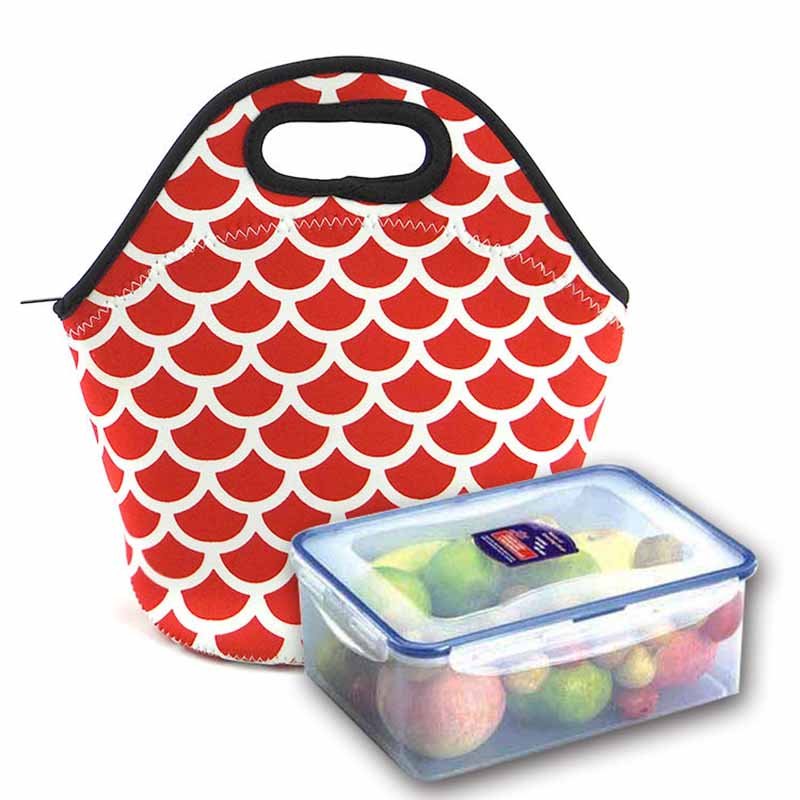
Printing is one of the most critical parts of neoprene lunch bag manufacturing with printed designs. It directly affects how the product looks, how long the design lasts, and how customers perceive quality. A well-made bag with poor printing will still be rejected by the market, while strong printing can significantly increase product value and brand recognition.
In neoprene production, printing is not just a decorative step—it must be planned together with material, cutting, and assembly.
Which Printing Methods in Neoprene Lunch Bag Manufacturing with Printed Designs?
There are three main printing methods used in neoprene lunch bag production. Each method has its own advantages, limitations, and suitable use scenarios.
| Printing Method | Key Features | Best Use | Limitations |
|---|---|---|---|
| Sublimation printing | Full-color, high detail, embedded into material | All-over designs, complex patterns | Requires polyester-based surface |
| Heat transfer printing | Flexible, good for small runs | Medium quantity, detailed logos | May peel over time if low quality |
| Screen printing | Simple, cost-effective | Large volume, simple logos | Limited color and detail |
Sublimation printing is the most widely used method for neoprene lunch bags with printed designs. It allows:
- Full surface coverage
- Gradient colors
- Complex artwork
- Clean and smooth finish
The color becomes part of the material surface, rather than sitting on top of it. This reduces fading and cracking over time.
Heat transfer printing is often used for:
- Smaller production runs
- Multi-color logos on limited areas
However, if not properly controlled, the print may:
- Crack after repeated folding
- Lose adhesion after washing or heavy use
Screen printing is still used for very simple designs, especially when:
- Order quantity is large
- Design has only 1–2 colors
But it is not suitable for detailed or photo-style designs.
How Does Sublimation in Neoprene Lunch Bag Manufacturing with Printed Designs Work?
Sublimation printing is a controlled heat-transfer process that allows ink to penetrate the material surface. For neoprene lunch bags, this process usually happens before cutting, ensuring the design aligns correctly with the final product.
The process typically follows these steps:
- Design is printed onto transfer paper
- Paper is placed on neoprene sheet
- Heat and pressure are applied (usually 180–200°C)
- Ink turns into gas and bonds with material surface
- Paper is removed, leaving permanent print
This process creates several advantages:
- No raised ink layer → smooth surface
- High color accuracy → suitable for branding
- Strong durability → resistant to cracking
However, there are also technical requirements:
- The neoprene surface must support sublimation (polyester laminated)
- Temperature and pressure must be controlled precisely
- Design must account for seam allowance and cutting layout
If printing is not well controlled, problems may include:
- Color deviation
- Blurred edges
- Uneven saturation
Below is a comparison of printing durability:
| Printing Method | Durability | Visual Quality | Cost |
|---|---|---|---|
| Sublimation | High | Very high | Medium |
| Heat transfer | Medium | High | Medium |
| Screen printing | High (simple designs) | Medium | Low |
At Oneier, sublimation is widely used for neoprene products because it provides stable results across large production runs, especially for custom designs.
How to Customize Neoprene Lunch Bag Manufacturing with Printed Designs?
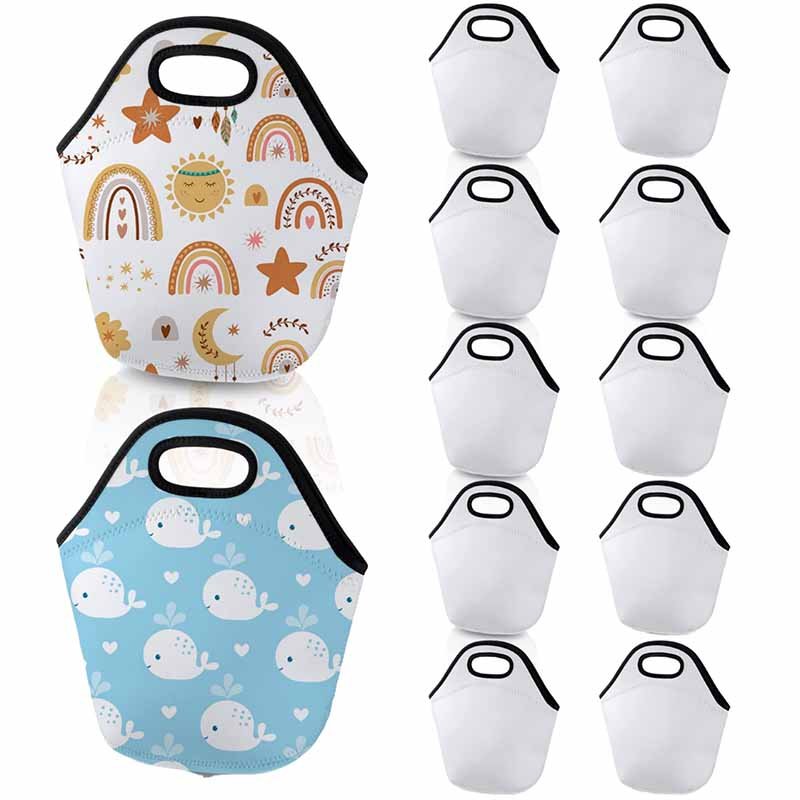
Customization is where a neoprene lunch bag becomes a unique product rather than a generic item. Almost every part of the bag can be adjusted, including size, shape, structure, print, and accessories.
What Options in Neoprene Lunch Bag Manufacturing with Printed Designs?
Customers can customize multiple elements to match their market and brand positioning.
Common customization options include:
- Size and capacity Small lunch bag vs large meal prep bag
- Shape design Box shape, tote shape, foldable design
- Closure type Zipper, Velcro, fold-over
- Handle style Short handles, long shoulder straps, padded handles
- Printing coverage Full print vs partial logo
- Interior structure With or without lining, additional pockets
- Accessories Zipper pullers, woven labels, rubber patches
Below is a practical comparison:
| Feature | Basic Version | Upgraded Version |
|---|---|---|
| Shape | Simple flat | Structured box |
| Printing | Logo only | Full-surface design |
| Handle | Standard webbing | Reinforced or padded |
| Interior | No lining | Easy-clean lining |
| Closure | Basic zipper | Smooth branded zipper |
These upgrades often increase product value significantly without a large cost increase.
How Does OEM in Neoprene Lunch Bag Manufacturing with Printed Designs Work?
OEM development follows a structured process. Understanding this process helps reduce delays and avoid misunderstandings.
Standard workflow:
- Idea or reference provided
- Material and structure discussion
- Design confirmation
- Sample production
- Sample revision
- Bulk production
- Inspection and shipment
Typical timeline:
| Stage | Time |
|---|---|
| Design confirmation | 3–5 days |
| Sampling | 5–10 days |
| Revisions | 3–7 days |
| Bulk production | 20–35 days |
The sampling stage is where most adjustments happen. Customers should pay attention to:
- Size accuracy
- Print quality
- Handle comfort
- Overall structure
Skipping careful sample review often leads to problems in bulk production.
Oneier supports:
- Low MOQ for new projects
- Fast sampling
- Free design assistance
- Stable production scheduling
This is especially useful for:
- Small brands testing new products
- E-commerce sellers
- Promotional product companies
What Custom Details Improve Product Competitiveness?
Small details often make the biggest difference in market performance. Many successful products are not completely different—they are simply better executed.
Examples of value-added details:
- Reinforced bottom panel → better load stability
- Smooth zipper track → better user experience
- Clean edge binding → more premium appearance
- Odor-controlled materials → better first impression
- Foldable design → easier storage
These details directly affect:
- Customer satisfaction
- Product reviews
- Repeat purchase rate
For example, a lunch bag with strong odor may receive negative feedback even if the design looks good. Similarly, a weak zipper can quickly lead to product returns.
At Oneier, customization focuses not only on appearance but also on real usage performance, which is critical for long-term product success.
How to Choose Neoprene Lunch Bag Manufacturing with Printed Designs Supplier?
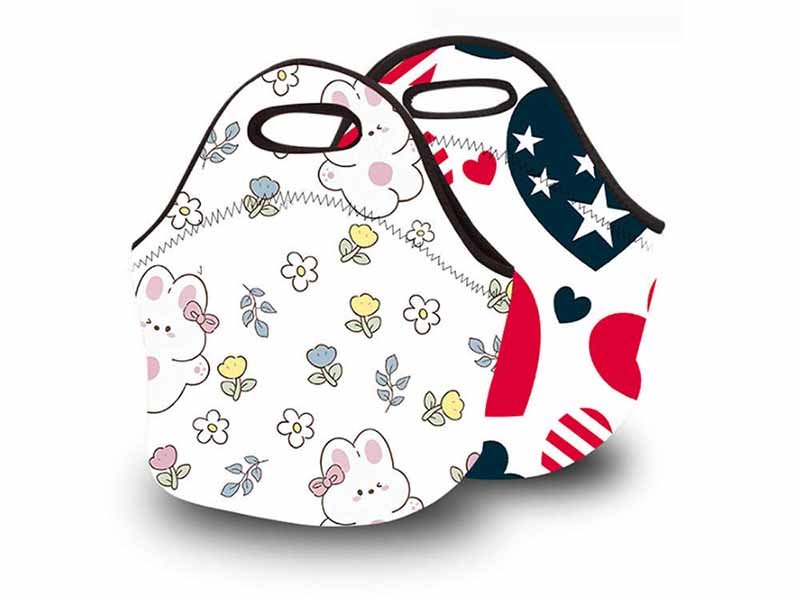
Choosing the right supplier for neoprene lunch bag manufacturing with printed designs is not just about getting a competitive price. It is about finding a factory that can consistently deliver the same quality from sample to bulk production, handle printing accurately, and support your product development over time.
A good supplier helps you avoid delays, reduce product defects, and build a product line that can scale. A poor supplier may deliver a good-looking sample but fail in mass production.
What to Check in Neoprene Lunch Bag Manufacturing with Printed Designs Factory?
When evaluating a factory, it is important to look beyond catalogs and focus on real production capability.
1. Material Control and Consistency
The factory should clearly explain:
- Neoprene thickness options (2mm, 3mm, 5mm)
- Surface types for printing
- Lining materials and quality levels
Material inconsistency often leads to:
- Color differences
- Odor problems
- Uneven product feel
2. Printing Capability and Stability
Since printed design is a key feature, the factory must:
- Control color accuracy across batches
- Handle full-surface designs without misalignment
- Avoid issues like fading or blurred edges
Ask for:
- Previous production samples
- Print durability test results
3. Sampling Speed and Accuracy
Sampling reflects the factory’s real working efficiency.
A reliable factory should:
- Deliver samples within 5–10 days
- Provide clear feedback and suggestions
- Adjust quickly based on revisions
Slow or inaccurate sampling often leads to production delays later.
4. MOQ and Flexibility
Many customers need flexibility, especially in early stages.
A good supplier should:
- Support low MOQ for testing
- Scale production smoothly
This is especially important for:
- New product launches
- E-commerce sellers
- Seasonal products
5. Production Capacity and Lead Time
Typical production timelines:
| Order Size | Lead Time |
|---|---|
| Small batch (500–1000 pcs) | 20–25 days |
| Medium batch (1000–5000 pcs) | 25–30 days |
| Large batch (5000+ pcs) | 30–40 days |
Unrealistically short lead times often mean:
- Rushed production
- Lower quality control
6. Quality Control System
A professional factory should include:
- Incoming material inspection
- In-line production checks
- Final inspection before shipment
Without these steps, defects may only be discovered after delivery.
Why Choose Oneier for Neoprene Lunch Bag Manufacturing with Printed Designs?
Oneier has over 18 years of experience in neoprene material development and product manufacturing. This experience allows the company to control both material quality and production processes more effectively.
Key advantages:
1. Strong Material Expertise
- Deep knowledge of neoprene performance
- Stable material sourcing
- Ability to match material with product positioning
2. Advanced Printing Capability
- Stable sublimation printing process
- Consistent color output
- Support for complex designs
3. Flexible Customization
- Wide range of product styles
- Full OEM and private label support
- Low MOQ for new projects
4. Fast Sampling and Short Lead Time
- Sample development within 5–10 days
- Efficient production scheduling
5. Reliable Quality Control
- Standardized production process
- Multiple inspection stages
- Consistent bulk production quality
6. Full-Service Support
- Free design assistance
- Packaging customization
- Logistics coordination
These capabilities make Oneier a suitable partner for both:
- Small and medium buyers
- Established brands
Common Problems in Neoprene Lunch Bag Manufacturing with Printed Designs
Even well-planned projects can encounter issues if production details are not carefully controlled. Understanding common problems helps prevent costly mistakes.
Print Quality Problems
Common issues:
- Color mismatch
- Blurred edges
- Fading after use
Causes:
- Incorrect temperature during printing
- Low-quality ink or material
- Poor file preparation
Solution:
- Confirm color samples before production
- Use high-quality sublimation process
- Work with experienced printing teams
Strong Material Odor
Common issues:
- Unpleasant smell when opening the bag
Causes:
- Low-quality neoprene
- Poor storage conditions
Solution:
- Use higher-grade neoprene
- Ensure proper ventilation during production
Shape Deformation
Common issues:
- Bag loses shape when loaded
Causes:
- Thin material
- Weak structure
Solution:
- Use 3–5mm neoprene
- Add reinforced bottom structure
Stitching and Handle Failure
Common issues:
- Handles break under weight
Causes:
- Weak stitching
- Poor reinforcement
Solution:
- Use cross-stitch reinforcement
- Test load capacity (2–5 kg for lunch bags)
Inconsistent Bulk Production
Common issues:
- Differences between sample and bulk order
Causes:
- Lack of process control
- Material inconsistency
Solution:
- Standardize production process
- Use quality inspection checkpoints
Below is a quick reference:
| Problem | Impact | Prevention |
|---|---|---|
| Poor print quality | Weak brand image | Controlled printing process |
| Odor issues | Negative reviews | High-quality materials |
| Shape deformation | Poor usability | Proper structure design |
| Handle failure | Safety risk | Reinforced stitching |
| Inconsistent batches | Customer complaints | Strong QC system |
Final Thoughts: Start Your Neoprene Lunch Bag Project with Oneier
Neoprene lunch bag manufacturing with printed designs is not just about producing a product—it is about creating something that customers will use every day and trust over time.
A successful product combines:
- Strong material selection
- Accurate printing
- Reliable structure
- Consistent production quality
Whether you are:
- Launching a new brand
- Expanding your product line
- Developing promotional items
- Looking for a long-term OEM partner
Working with the right factory can save time, reduce risk, and improve product success.
If you are planning to develop neoprene lunch bags with printed designs, now is the right time to move forward.
Contact Oneier today to request a quote, get design support, and start your custom lunch bag project.