
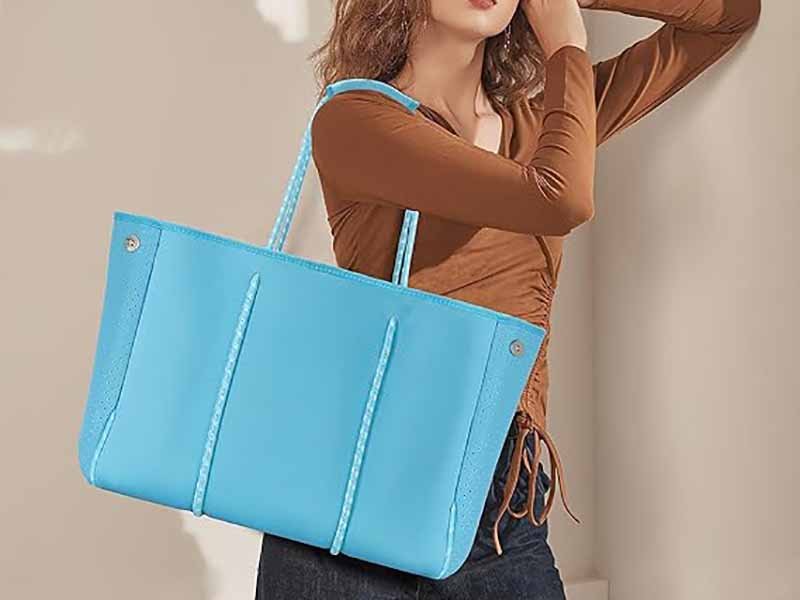
When people talk about neoprene bags, they often focus first on color, shape, logo, and style. Those things matter, but they are not what decides whether the bag feels soft or structured, light or bulky, flexible or protective. In most cases, the real difference starts with thickness. A 2mm neoprene pouch and a 5mm neoprene cooler bag can be made from the same base material, yet the way they perform in daily use is completely different. One folds easily into a suitcase or handbag. The other stands up better, cushions the contents more effectively, and feels more substantial in the hand.
The best neoprene thickness for bags is usually between 2mm and 5mm, depending on the product purpose. In most custom bag projects, 3mm is the most balanced option because it offers a good mix of flexibility, comfort, durability, and cost. Thinner 2mm neoprene works better for lightweight pouches and slim sleeves, while 4mm to 5mm neoprene is often used for protective, insulated, or more structured bag designs.
That is why experienced product developers do not ask only, “How thick is the neoprene?” They also ask, “What does the customer expect this bag to do?” A lunch bag, a bottle tote, a laptop sleeve, and a cosmetic pouch may all be made from neoprene, but they should not all be made the same way. Thickness changes the product story before the customer even starts using it. Pick the wrong thickness, and the bag can feel too weak, too heavy, or simply wrong for the market. Pick the right one, and the product immediately feels more convincing.
What Is Neoprene Thickness for Bags?
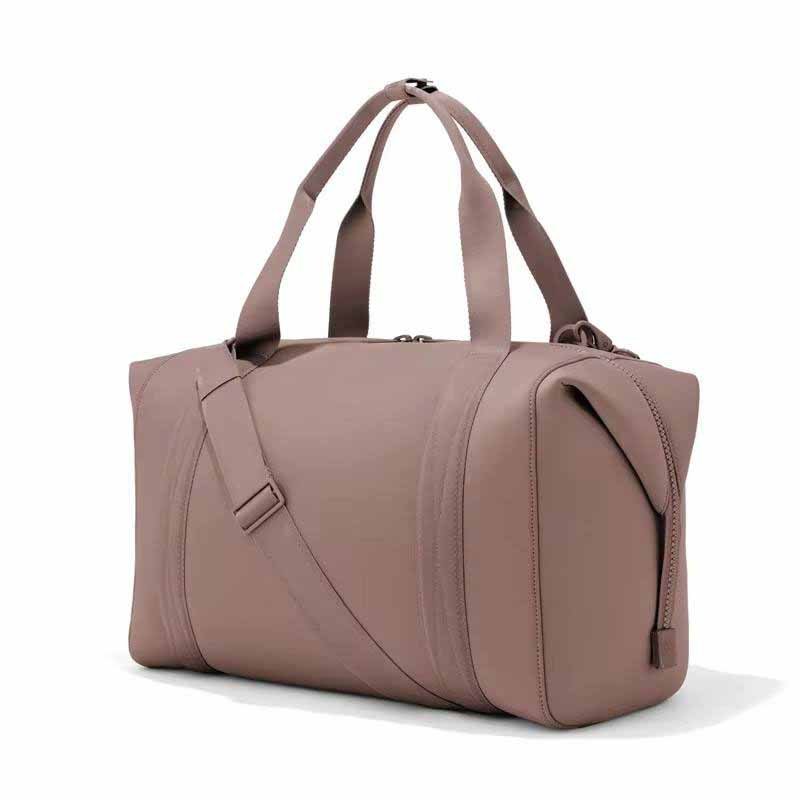
Neoprene thickness for bags refers to the thickness of the neoprene foam layer inside the material. It is usually measured in millimeters, and it directly affects how the bag feels, bends, protects, and holds shape. In most custom projects, thickness is one of the first material decisions because it influences product weight, structure, insulation, sewing behavior, and cost.
What is neoprene thickness for bags?
Neoprene used for bags is not just a plain sheet of rubber. In most production, it is a laminated material made of a neoprene foam core with fabric on one or both sides. The outer fabric may be polyester, nylon, jersey, or another textile surface, while the middle foam layer creates the softness, stretch, cushioning, and body of the material. When factories and customers talk about neoprene thickness, they are mainly referring to that foam core.
A simple way to understand it is to think of neoprene as a material with two jobs at the same time. First, it gives the bag a soft, cushioned feel. Second, it helps control how much the bag can support, protect, and recover its shape. Thickness affects both.
Common neoprene thickness ranges used in bag development include:
| Thickness | Material Feel | Compression Feel | Common Product Direction |
|---|---|---|---|
| 2mm | Light, soft, flexible | Easy to compress | Slim pouches, light sleeves |
| 3mm | Balanced, slightly padded | Moderate compression | Daily-use bags, cosmetic bags, lunch totes |
| 4mm | Firmer, more supportive | Lower compression | Structured bags, premium totes |
| 5mm | Thick, protective, bulky | Strong cushioning | Cooler bags, tech sleeves, heavy-duty cases |
From a product development standpoint, thickness is not just a technical specification. It changes how the bag is perceived in the hand. A thinner bag often feels lighter, simpler, and easier to carry. A thicker bag often feels more substantial and protective, but it can also feel bulkier and heavier.
Customers sometimes assume that thickness only affects protection. In reality, it also affects sewing difficulty, logo presentation, edge finishing, zipper installation, packaging size, and freight cost. For example, a bag made in 5mm neoprene may need a slightly different construction approach than one made in 2mm neoprene because the material folds differently, stretches differently, and takes up more volume during sewing and packing.
This is why material thickness should be decided early in the sampling stage. Changing from 3mm to 5mm later can alter the pattern size, seam behavior, and overall look of the product. For brands developing custom neoprene bags, thickness is not a minor adjustment. It is a foundation decision.
Which neoprene thickness for bags is most common?
In actual bag manufacturing, 3mm neoprene is the most commonly used thickness for many mainstream bag categories. It sits in the middle of the performance range, which makes it suitable for a wide variety of daily-use products.
Factories often see the following pattern in demand:
| Thickness | Approximate Use Frequency in Bag Projects | Main Reason |
|---|---|---|
| 2mm | Lower to medium | Chosen for lightweight, low-bulk products |
| 3mm | Highest | Best balance of flexibility, durability, and cost |
| 4mm | Medium | Chosen for added structure and support |
| 5mm | Lower | Used when insulation or protection is prioritized |
The reason 3mm is so popular is simple. It solves many problems at the same time without creating too many new ones.
It is thick enough to:
- provide visible cushioning
- improve shape compared with thin fabric bags
- create a premium hand feel compared with 2mm
- support daily carry use without feeling too soft
At the same time, it is still manageable in terms of:
- sewing
- folding
- shipping volume
- carry comfort
- material cost
This makes 3mm a strong choice for products such as:
- neoprene tote bags
- cosmetic bags
- lunch bags
- bottle bags
- sleeve-style pouches
- promotional retail bags
That said, “most common” should never be confused with “always best.” A product that needs stronger insulation or more impact protection may perform better in 4mm or 5mm. A lightweight giveaway pouch may work more efficiently in 2mm. Customers should treat 3mm as a starting benchmark, not an automatic final answer.
For Oneier and similar specialized neoprene manufacturers, one of the most useful parts of product consultation is helping customers understand whether their design goal really fits 3mm, or whether another thickness would create a better result. That conversation often saves time, sampling cost, and revision cycles later.
How does neoprene thickness for bags affect use?
Thickness affects the real-life behavior of a bag in several ways that customers can feel immediately. It changes how the bag bends, how much it protects, how much weight it adds, how well it stands up, and how comfortable it feels during use.
The table below shows the most important performance differences:
| Performance Factor | 2mm | 3mm | 4mm | 5mm |
|---|---|---|---|---|
| Flexibility | Very high | High | Moderate | Lower |
| Cushioning | Light | Moderate | Good | Strong |
| Structure | Soft | Balanced | Firmer | Stronger |
| Weight | Lightest | Light | Medium | Heaviest |
| Packing volume | Small | Moderate | Larger | Largest |
| Daily carry comfort | Very easy | Easy | Acceptable | Heavier feel |
| Protection level | Basic | Medium | Medium-high | High |
A few practical examples make this easier to understand.
A 2mm neoprene bag is usually better when the product needs to stay light and easy to fold. This works well for simple pouches, slim cosmetic bags, or promotional sleeves where portability matters more than structure.
A 3mm bag often feels the most versatile. It is soft enough for comfort and flexible use, but still padded enough to create a more finished, better-quality impression. That is one reason 3mm is widely used across retail neoprene bag programs.
A 4mm or 5mm bag gives a very different impression. It feels thicker, stronger, and more protective. That can be an advantage for lunch bags, bottle carriers, laptop sleeves, or products expected to hold shape better. But there is a trade-off. The bag becomes heavier, bulkier, and less compact for storage.
Thickness also affects how users emotionally judge a bag. A bag that is too thin for its purpose may feel cheap or under-engineered. A bag that is too thick for a casual use scenario may feel awkward, oversized, or inconvenient. So the best thickness is not the thickest one. It is the one that matches the product promise.
Which Neoprene Thickness for Bags Should You Choose?
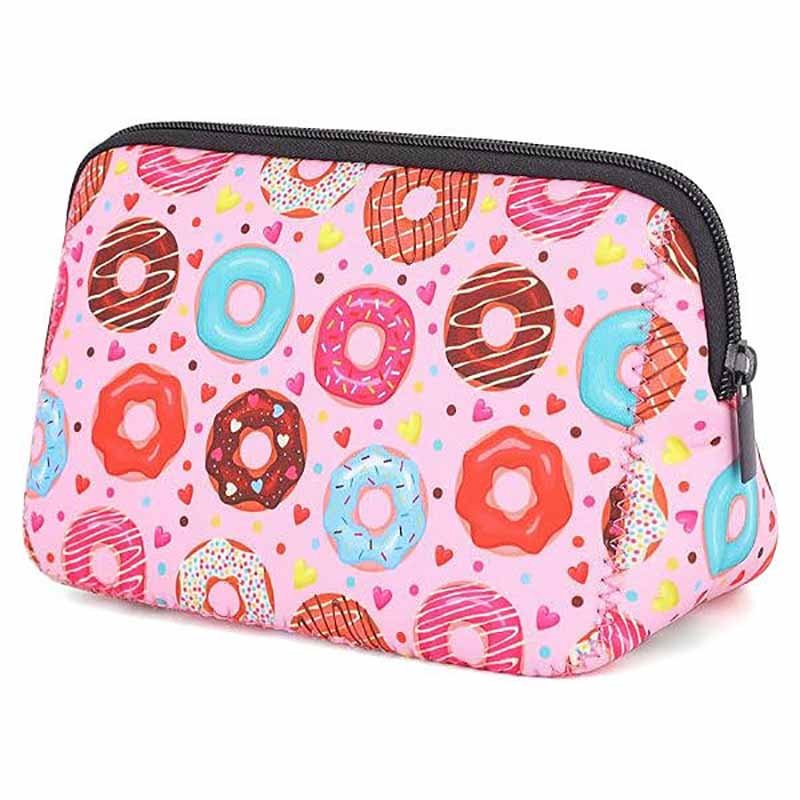
The right neoprene thickness for bags depends on the product type, the target customer, the use scenario, and the price level you want to reach. There is no single answer for every bag project. A product designed for commuting, gifting, travel, sports, or insulation will have different thickness needs, even if the bag shapes look similar.
Which neoprene thickness for bags fits daily use?
For most daily-use bag projects, 3mm neoprene is the strongest all-around choice. It offers enough body to make the bag feel substantial, but it does not become too heavy or stiff for everyday carrying.
Daily-use products usually need to meet several conditions at once:
- comfortable to hold
- easy to open and close
- soft enough to store or pack
- durable enough for repeated use
- affordable enough for target retail pricing
That is where 3mm performs well. It often gives the best balance between function and usability.
Products that commonly work well in 3mm include:
| Product Type | Why 3mm Works Well |
|---|---|
| Cosmetic bags | Enough structure without excess bulk |
| Lunch totes | Balanced insulation and carry comfort |
| Daily tote bags | Good shape and stretch recovery |
| Bottle sleeves | Suitable protection with manageable flexibility |
| Small travel pouches | Better than 2mm for durability, easier than 5mm for packing |
From a customer point of view, 3mm feels “safe.” It usually does not create extreme advantages or extreme disadvantages. It performs well enough in most common situations, which makes it a good first choice for brands entering the neoprene bag market.
Still, daily use is a broad category. A slim daily-use cosmetics pouch for light makeup tools may not need the same thickness as a lunch tote used for containers and drink bottles. So even within the “daily use” category, thickness should be refined based on actual carry load and product expectations.
A good factory will normally ask follow-up questions such as:
- What will the bag carry?
- Does it need to hold a clear shape?
- Will it be packed flat for shipping?
- Is weight a concern for the end user?
- Does the customer expect a softer or firmer hand feel?
These questions matter because daily use is about behavior, not just category name.
What neoprene thickness for bags protects best?
When protection is a top priority, 4mm to 5mm neoprene usually performs better than thinner options. The added foam depth provides more cushioning and better impact absorption, while also improving the feeling of support and substance.
This is especially useful in products such as:
- laptop sleeves
- camera pouches
- insulated lunch bags
- bottle carriers
- medical support bags
- sports accessory cases
A simplified comparison looks like this:
| Thickness | Protection Level | Best Protection Use |
|---|---|---|
| 2mm | Basic | Light scratch prevention |
| 3mm | Moderate | General everyday cushioning |
| 4mm | Good | Better shape and stronger padding |
| 5mm | Strong | Heavy-duty protection or insulation |
But customers should look at protection in a practical way. More thickness helps, but protection is never created by thickness alone. It also depends on:
- bag construction
- seam design
- zipper quality
- lining choice
- reinforcement
- whether the item inside has sharp corners or heavy weight
For example, a poorly made 5mm sleeve can still perform worse than a well-constructed 3mm sleeve if the pattern is loose, the seams stretch too much, or the zipper area is weak.
Another thing customers often overlook is that thicker neoprene can improve thermal insulation in lunch bags and bottle totes. That does not mean it turns the bag into a hard cooler, but it does help slow down temperature change better than thin neoprene. In many casual food and beverage applications, this added thickness is a practical advantage.
So if the product goal is to protect rather than simply carry, 4mm or 5mm deserves serious consideration. It will usually add material cost and shipping volume, but in the right product category, the performance gain can justify it.
Is thicker neoprene thickness for bags better?
Not always. Thicker neoprene solves some problems, but it can create others. This is one of the most important points customers should understand before starting sampling.
A thicker bag can offer:
- more padding
- stronger visual body
- better structure
- better insulation
- a more premium hand feel in some categories
At the same time, it can also bring:
- more weight
- more bulk
- less flexibility
- higher material consumption
- larger carton volume
- higher shipping cost
The practical comparison below helps explain the trade-off:
| Question | Thinner Neoprene | Thicker Neoprene |
|---|---|---|
| Easier to fold? | Yes | No |
| Lighter to carry? | Yes | No |
| Better impact cushioning? | No | Yes |
| Better shape retention? | Lower | Higher |
| Lower freight cost? | Usually yes | Usually no |
| More suitable for insulation? | Lower | Better |
This is why the phrase “thicker is better” often causes mistakes in product development. If the product is meant to be lightweight, convenient, and easy to store, too much thickness can reduce the user experience. A small cosmetic bag made in 5mm neoprene may feel clumsy. A large casual tote in very thick neoprene may feel unnecessarily heavy before anything is even placed inside.
On the other hand, if the product carries glass bottles, electronics, meal containers, or sports accessories, a thicker construction may be exactly what the market expects.
The smarter way to choose is to ask:
- What does the user need most: flexibility or protection?
- Will the bag be hand-carried for long periods?
- Is shipping efficiency important?
- Is the bag positioned as casual, premium, protective, or insulated?
- Will the product be sold online, in retail, or as a promotional item?
The best thickness is the one that supports the product purpose without adding unnecessary cost or inconvenience. That is the real standard customers should use.
How Neoprene Thickness for Bags Changes Performance?
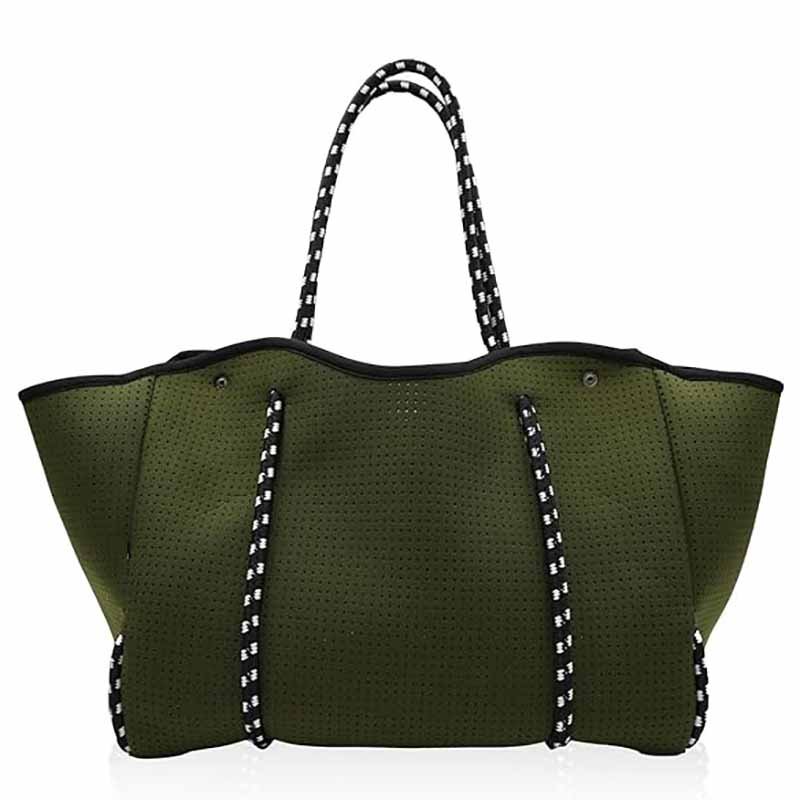
Neoprene thickness for bags directly affects durability, structure, weight, and user experience. Thicker neoprene provides better cushioning and shape support, while thinner neoprene offers flexibility and lighter weight. The right balance depends on how the bag is used and what performance the product needs to deliver.
How does neoprene thickness for bags affect durability?
Durability in neoprene bags is not just about how strong the material is—it is about how well the material performs under repeated use, pressure, and stretching. Thickness plays a major role in this.
Thicker neoprene generally improves durability in three key ways:
- better resistance to compression
- improved ability to absorb impact
- slower wear at stress points
Here is a practical comparison:
| Durability Factor | 2mm | 3mm | 4mm | 5mm |
|---|---|---|---|---|
| Compression resistance | Low | Medium | High | Very high |
| Impact absorption | Low | Medium | High | Very high |
| Surface wear resistance | Medium | Medium | High | High |
| Long-term shape recovery | Low | Medium | High | High |
For example, a 2mm cosmetic pouch may perform well for light daily use, but if it is frequently overfilled or compressed inside luggage, it may lose shape faster. A 4mm or 5mm bag, on the other hand, can better absorb pressure and maintain its structure over time.
However, durability is not only about thickness. It also depends on:
- seam construction
- stitching quality
- material lamination quality
- zipper strength
A poorly constructed 5mm bag can still fail earlier than a well-made 3mm bag. Thickness improves the potential for durability, but the final result depends on how the product is built.
From a customer perspective, this means thickness should be considered together with construction—not as a standalone solution.
Which neoprene thickness for bags holds shape better?
Shape retention is one of the most noticeable differences between neoprene thickness options.
Thicker neoprene naturally provides more structure because the foam layer is less flexible and more resistant to deformation.
| Thickness | Shape Behavior | Best Use Case |
|---|---|---|
| 2mm | Soft, collapsible | Flat pouches, sleeves |
| 3mm | Semi-structured | Daily-use bags |
| 4mm | Structured | Tote bags, lunch bags |
| 5mm | Strong structure | Cooler bags, protective cases |
A 2mm bag will usually collapse when empty and follow the shape of its contents when filled. This is useful for compact storage but does not give a strong “premium structure” feel.
A 3mm bag starts to hold its shape better while still being flexible. This is why it is widely used in retail products—it gives a balanced appearance.
A 4mm or 5mm bag can stand more firmly, especially when combined with proper pattern design. This is important for:
- lunch bags that need to stay upright
- tote bags that should not collapse easily
- structured cosmetic organizers
However, stronger structure also means reduced flexibility. A thick neoprene bag is harder to fold and takes up more space in storage and shipping.
Customers should decide early whether they want:
- a soft, foldable bag
- a semi-structured everyday bag
- a firm, shape-retaining bag
Because thickness directly determines this outcome.
How does neoprene thickness for bags affect weight and comfort?
Weight is one of the most overlooked factors when choosing neoprene thickness.
Even though neoprene feels soft and lightweight, increasing thickness adds noticeable weight, especially in larger bags.
Below is a simplified comparison:
| Thickness | Relative Weight | User Feeling |
|---|---|---|
| 2mm | Lightest | Easy to carry, minimal burden |
| 3mm | Light | Comfortable for daily use |
| 4mm | Medium | Noticeable weight increase |
| 5mm | Heavier | More effort to carry |
For small pouches, the difference may not be significant. But for larger bags such as tote bags or lunch bags, the added weight becomes more obvious.
Example:
- A large tote bag in 3mm neoprene may feel comfortable even when empty
- The same bag in 5mm neoprene may already feel heavier before adding contents
This directly affects user experience:
- daily commuters may prefer lighter bags
- travel users may want a balance between weight and protection
- outdoor or sports users may accept more weight for better durability
Another factor is comfort during long use. Thicker neoprene can feel bulkier, especially when carried by hand or shoulder for extended periods.
So while thicker neoprene improves protection and structure, it can reduce portability. This is why thickness selection should consider not just performance, but also how the user interacts with the bag.
Key Trade-Offs in Neoprene Thickness for Bags
Choosing thickness is always about balancing trade-offs. There is no perfect option that maximizes all benefits at once.
Below is a clear comparison of trade-offs:
| Factor | Thin (2–3mm) | Thick (4–5mm) |
|---|---|---|
| Flexibility | High | Lower |
| Weight | Light | Heavier |
| Protection | Moderate | High |
| Structure | Soft | Firm |
| Shipping cost | Lower | Higher |
| Storage convenience | Easy | Bulkier |
Customers should decide which factors matter most for their product.
How Thickness Affects Product Positioning
Thickness also plays a role in how the product is perceived in the market.
| Thickness | Market Positioning |
|---|---|
| 2mm | Entry-level, lightweight, promotional |
| 3mm | Mainstream retail, balanced performance |
| 4mm | Premium feel, structured products |
| 5mm | High-performance, protective, functional |
For example:
- A 3mm cosmetic bag fits well in mid-range retail
- A 5mm cooler bag can be positioned as a more functional, performance-focused product
Customers should align thickness with their target price and branding strategy.
Common Mistakes When Choosing Neoprene Thickness
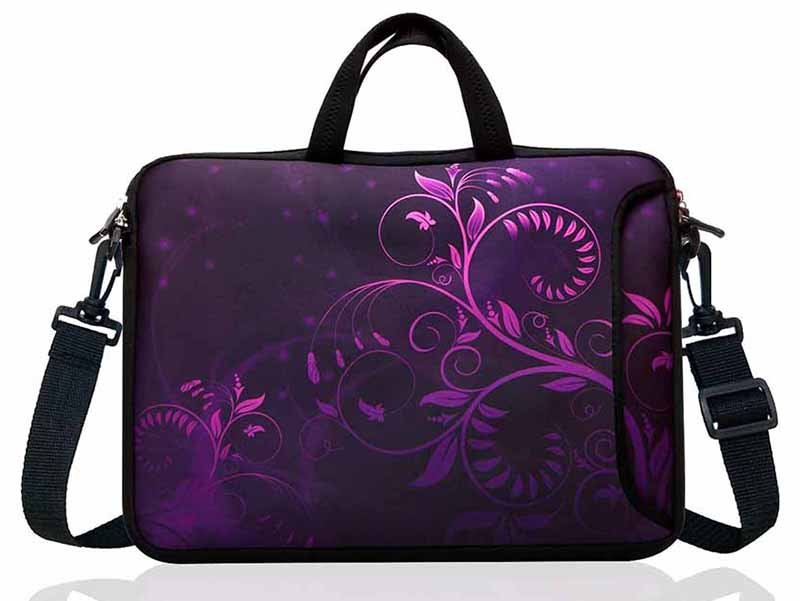
Many product issues come from incorrect thickness selection. Here are common mistakes:
Choosing thickness based only on appearance
A thicker sample may look more “premium,” but may not match actual use needs.
Ignoring weight impact
Heavier bags can reduce customer satisfaction, especially in daily-use products.
Over-specifying thickness
Using 5mm when 3mm is enough increases cost without real benefit.
Underestimating protection needs
Choosing 2mm for products that carry heavy or fragile items leads to performance issues.
Not testing real use scenarios
Thickness should be tested with actual product use, not just visual inspection.
How Oneier Optimizes Neoprene Thickness in Production
Oneier approaches thickness selection from a practical manufacturing and product perspective.
Material + Product Matching
Instead of offering only standard thickness options, Oneier evaluates:
- product type
- usage scenario
- load requirements
- target market
Then recommends the most suitable thickness.
Sampling with Different Thickness Options
For many projects, Oneier can provide:
- multiple thickness samples (e.g., 3mm vs 5mm)
- side-by-side comparison
- real-use testing suggestions
This helps customers make decisions based on actual feel and performance.
Production Experience Across Categories
With experience in:
- neoprene bags
- koozies
- sports supports
- medical supports
- wetsuits
Oneier understands how neoprene behaves in different applications, allowing better thickness recommendations.
How to Pick the Right Neoprene Thickness for Bags?
The right neoprene thickness for bags is chosen by evaluating real usage needs, product positioning, and cost structure—not just by selecting the thickest option. A good decision balances protection, weight, flexibility, and price to match how the bag will actually be used.
What should you check for neoprene thickness for bags?
Before confirming a thickness for production, it is important to check how the material performs in real conditions, not just how it looks on a sample table.
A practical evaluation checklist:
| Checkpoint | What to Do | What to Observe |
|---|---|---|
| Hand feel | Hold and press the bag | Is it too soft or too stiff? |
| Weight test | Carry empty and loaded bag | Does it feel too heavy? |
| Compression test | Press corners and panels | Does it recover shape well? |
| Zipper use | Open/close repeatedly | Does thickness affect smoothness? |
| Storage test | Fold or pack the bag | Is it easy to store? |
These checks help identify whether the thickness matches the intended use.
For example:
- If the bag feels too bulky before adding any contents, the thickness may be too high
- If the bag collapses too easily when filled, the thickness may be too low
Customers should always test thickness with realistic load conditions, not just empty samples.
Which neoprene thickness for bags fits your market?
Thickness selection should align with your target market and product positioning.
Different markets have different expectations:
| Market Type | Preferred Thickness | Reason |
|---|---|---|
| Promotional products | 2–3mm | Lower cost, lightweight |
| Mid-range retail | 3mm | Balanced performance |
| Premium retail | 3–4mm | Better structure and feel |
| Functional / outdoor | 4–5mm | Protection and durability |
| Insulated products | 4–5mm | Better thermal performance |
For example:
- A fashion brand cosmetic bag usually works best with 3mm, focusing on comfort and appearance
- A sports or outdoor brand may prefer 4mm or 5mm for stronger performance
- A corporate giveaway bag may use 2mm or 3mm to control cost
Thickness is part of how the product communicates value. A bag that feels too thin may not meet expectations in premium markets. A bag that feels too thick may not suit casual or lightweight use.
How to customize neoprene thickness for bags?
Customization goes beyond choosing a standard thickness. It involves adjusting thickness together with other design elements.
Key customization factors:
| Factor | How It Affects Thickness Choice |
|---|---|
| Bag size | Larger bags may need thicker neoprene |
| Load weight | Heavier items require more support |
| Structure design | Box shapes need more thickness |
| Lining / reinforcement | Can reduce or support thickness needs |
| Target price | Limits material and thickness options |
For example:
- A large tote bag in 2mm neoprene may feel too soft and lose shape
- The same bag in 4mm neoprene may hold structure better but increase cost and weight
- A smart solution may combine 3mm neoprene + reinforced structure, achieving balance
Experienced manufacturers often suggest optimized combinations, not just thickness upgrades.
How to Evaluate Neoprene Thickness Before Mass Production
Choosing thickness is only part of the process. Verifying it before mass production is equally important.
What sample comparisons should you request?
Instead of approving a single sample, it is better to compare multiple thickness options.
Recommended approach:
| Sample Type | Purpose |
|---|---|
| 2mm sample | Evaluate flexibility and weight |
| 3mm sample | Evaluate balance |
| 4mm/5mm sample | Evaluate structure and protection |
Comparing samples side by side helps identify differences more clearly.
Customers often realize:
- the difference between 3mm and 5mm is more significant than expected
- the “best-looking” sample is not always the best-performing one
How to simulate real use conditions?
Testing should reflect actual usage, not just visual inspection.
Simple simulation methods:
- fill the bag with real items (bottles, cosmetics, devices)
- carry the bag for several minutes
- place it inside another bag or suitcase
- open and close the zipper repeatedly
- press and release corners
These actions reveal how thickness performs under real conditions.
What production risks should you avoid?
Thickness-related risks often appear during mass production if not addressed early.
Common risks:
| Risk | Cause | Result |
|---|---|---|
| Material inconsistency | Different thickness batches | Uneven product quality |
| Sewing difficulty | Thickness too high | Poor seam quality |
| Shape distortion | Thickness too low | Weak structure |
| Cost overrun | Over-spec thickness | Reduced margin |
Working with a factory that controls material consistency and production standards helps reduce these risks.
How to Compare Manufacturers for Neoprene Thickness Expertise
Not all factories handle neoprene thickness the same way. Some simply follow instructions, while others provide guidance based on experience.
What separates strong suppliers from weak ones?
| Evaluation Factor | Weak Supplier | Strong Supplier |
|---|---|---|
| Thickness recommendation | Only follows request | Suggests optimized options |
| Sampling support | Limited | Multiple thickness comparisons |
| Material knowledge | Basic | Deep understanding |
| Production control | Inconsistent | Standardized process |
| Problem solving | Reactive | Preventive |
A strong supplier will ask detailed questions about usage before recommending thickness.
Why material expertise matters
Neoprene is not just one material. It behaves differently depending on:
- density
- lamination method
- fabric surface
- elasticity
- production process
Factories with deeper experience understand how these factors interact with thickness.
How Oneier Supports Neoprene Thickness Optimization
Oneier specializes in neoprene material development and finished product manufacturing, which allows better control over thickness selection and performance.
Integrated Material + Product System
Because Oneier develops both neoprene materials and finished products, thickness decisions are aligned with:
- material density
- fabric lamination
- product structure
- usage requirements
This reduces mismatch between material and design.
Flexible Custom Sampling
Oneier supports:
- multiple thickness sampling
- real-use testing recommendations
- design adjustments based on feedback
This helps customers make confident decisions before mass production.
Experience Across Applications
With experience in:
- neoprene bags
- koozies
- sports supports
- medical supports
- wetsuits
Oneier understands how thickness performs across different product categories.
Final Thoughts — Turning Thickness Into Product Advantage
Neoprene thickness is not just a technical detail. It is a key factor that shapes how a bag performs, feels, and is perceived by customers.
The right thickness:
- improves product usability
- supports brand positioning
- reduces complaints and returns
- increases long-term value
The wrong thickness:
- creates mismatch between design and use
- increases cost without benefit
- reduces customer satisfaction
For custom bag projects, thickness should be treated as a strategic decision, not an afterthought.
Start Your Custom Neoprene Bag Project with Oneier
If you are developing custom neoprene bags and want to choose the right thickness from the beginning, Oneier can support your project with practical guidance and real production experience.
With over 18 years of expertise in neoprene materials and product manufacturing, Oneier helps you:
- select the most suitable thickness for your product
- balance performance, cost, and user experience
- develop samples that reflect real use conditions
- produce consistent quality at scale
You can start by sharing:
- your product idea or reference design
- intended use and target market
- size and expected load
- budget and quantity
The team will provide clear recommendations and help you move forward efficiently.
Send your inquiry today and build neoprene bags that feel right, perform well, and stand out in your market.