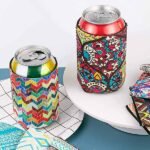
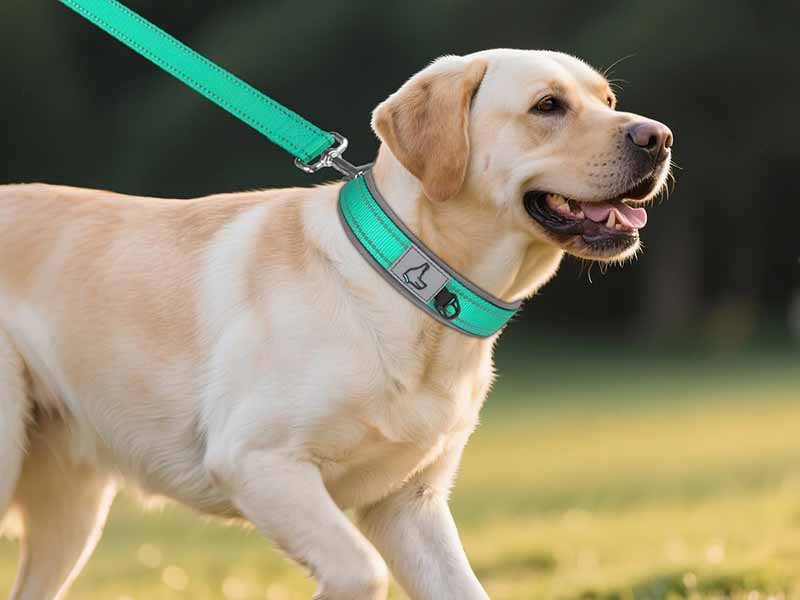
A dog collar is one of the most frequently used pet products in daily life, yet it is often underestimated during product development. For pet owners, it must feel soft on the dog’s neck, dry quickly after outdoor use, hold up during pulling, and still look clean after weeks or months of wear. For brands and sellers, it has to do even more. It must control complaint rates, reduce size and quality problems, support repeat orders, and create a product people are willing to recommend. This is why manufacturing matters far more than many people first assume.
Neoprene Dog Collar Manufacturing is the process of combining neoprene padding, strong webbing, suitable fabric layers, and reliable hardware into a collar that is comfortable, durable, water-resistant, and safe for daily use. A well-made neoprene collar gives dogs better wearing comfort while giving brands a stronger product with better long-term performance.
In the pet market, many low-cost collars fail in the same ways: rough edges, weak stitching, hardware breakage, fading, poor fit adjustment, and padding that looks soft at first but flattens quickly. Oneier has spent more than 18 years working with neoprene materials and neoprene product development, helping overseas small and mid-sized buyers as well as higher-end brand customers create custom, private label, OEM, and ODM products. Once you look closely at how a neoprene dog collar is actually made, the gap between an ordinary product and a reliable one becomes very obvious.
What Is Neoprene Dog Collar Manufacturing?
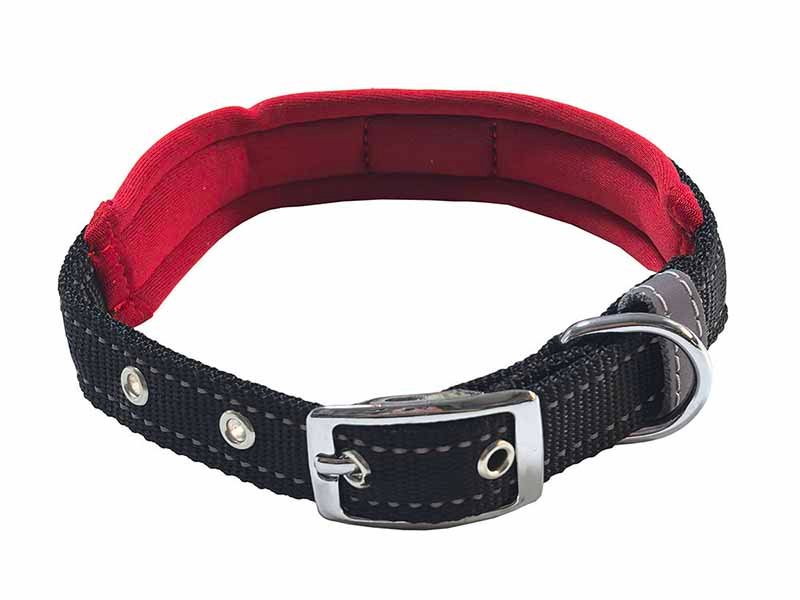
Neoprene Dog Collar Manufacturing is the full process of designing, selecting materials, cutting, laminating, sewing, assembling, and inspecting a dog collar made with neoprene and supporting components. The goal is to create a collar that feels soft, carries pulling force safely, resists water, and keeps its appearance and structure through repeated use.
What is Neoprene Dog Collar Manufacturing?
Neoprene Dog Collar Manufacturing is not simply sewing a strip of neoprene onto a collar shape. A good neoprene collar is a layered product. Each layer has a different job, and the final performance depends on how those layers work together.
Most neoprene dog collars are built from four main parts:
- neoprene foam layer for softness and cushioning
- webbing core for load-bearing strength
- outer fabric or laminated surface for appearance and surface protection
- hardware such as buckle, D-ring, adjuster, and label components
A collar can look soft and attractive in photos but still fail in real use if the inside structure is weak. For example, a soft collar with low-strength webbing may stretch or break under pulling force. A collar with good webbing but poor edge construction may rub the dog’s neck or create early wear points. A collar with decent materials but low-grade hardware may become a safety risk.
A practical manufacturing structure looks like this:
| Collar Part | Main Function | Why It Matters |
|---|---|---|
| Neoprene layer | Soft touch, cushioning, comfort | Helps reduce pressure and rubbing |
| Webbing core | Pull strength and structural support | Carries most of the load |
| Outer surface | Color, pattern, wear resistance | Affects appearance and service life |
| Stitching | Holds the layers together | Controls durability and neatness |
| Hardware | Closure, leash connection, adjustment | Directly affects safety and usability |
From a factory point of view, neoprene dog collar manufacturing is a coordination job. Material thickness, stitching density, cutting accuracy, hardware fit, and size tolerance must all match. If one part is wrong, the whole product suffers.
This is why experienced factories pay close attention to manufacturing balance, not just individual materials. Oneier’s advantage comes from long-term neoprene experience and the ability to customize many neoprene-based products, including bags, koozies, sports supports, medical supports, wetsuits, and pet products. That wider experience often helps when solving structure and material problems that smaller workshops miss.
Why choose Neoprene Dog Collar Manufacturing?
Neoprene collars have become popular because they solve several common problems found in standard collars. Many pet owners today are not only looking for control and safety. They also care about comfort, water resistance, skin friendliness, washability, and a more premium product feel.
Compared with many traditional single-layer collars, neoprene collars usually perform better in several areas:
| Product Factor | Neoprene Collar | Ordinary Basic Collar |
|---|---|---|
| Wearing comfort | Softer and more padded | Can feel hard or rough |
| Water handling | Better for wet use | Can absorb water or dry slowly |
| Neck contact | More cushioned | Often less forgiving |
| Product feel | More premium | More basic |
| Outdoor use | Better suited | Depends heavily on construction |
The biggest reason customers choose neoprene dog collar manufacturing is that it gives a better balance between comfort and function. Leather can look premium, but it is usually heavier, slower to dry, and may not suit active or water-loving dogs. Plain webbing collars can be strong and affordable, but some feel too stiff, especially for dogs with sensitive skin or shorter fur around the neck area.
From real product development experience, neoprene collars are often chosen for these reasons:
- dogs that swim, hike, or play outdoors often
- pet owners who want a softer daily-wear collar
- brands moving into a more premium product position
- e-commerce sellers trying to reduce complaints about stiffness or rubbing
- private label customers who want a more valuable-looking product without jumping to very high material cost
For brands, this choice is not only about material preference. It is also about market positioning. A collar that looks soft, feels better in hand, and performs better outdoors usually supports higher perceived value. That can improve conversion, reduce refund pressure, and create stronger repeat purchase potential.
What makes Neoprene Dog Collar Manufacturing different?
What makes neoprene dog collar manufacturing different is the combination of softness and structure. It is easy to make a collar soft. It is harder to make it soft, strong, durable, and consistent in large production at the same time.
A neoprene collar has more manufacturing variables than a plain woven collar. These usually include:
- neoprene thickness
- neoprene density
- lamination method
- webbing width and tensile strength
- edge construction
- stitch count and seam placement
- hardware quality and fit
- logo application method
Every one of these choices changes the final product.
A simple example can show the difference:
| Manufacturing Choice | Low-Level Result | Better Result |
|---|---|---|
| Neoprene thickness too thin | Poor cushioning | Better comfort support |
| Weak lamination | Surface separation risk | More stable structure |
| Cheap buckle | Early breakage | Better security |
| Rough edge finish | Skin friction | Smoother wear experience |
| Poor sewing alignment | Twisting and uneven look | Cleaner shape and fit |
Another major difference is production control. Neoprene is not handled exactly the same way as ordinary fabric. It has stretch, compression, and thickness characteristics that affect cutting and sewing accuracy. If production staff do not understand how neoprene behaves, size consistency can become a problem, especially across different collar sizes or color batches.
This is why a neoprene specialist has an advantage. Oneier has more than 18 years of experience in neoprene material development and manufacturing. That means the factory is not learning neoprene through trial and error on customer orders. It already understands the material across many product categories, which makes collar development faster and more stable.
Which Materials in Neoprene Dog Collar Manufacturing?
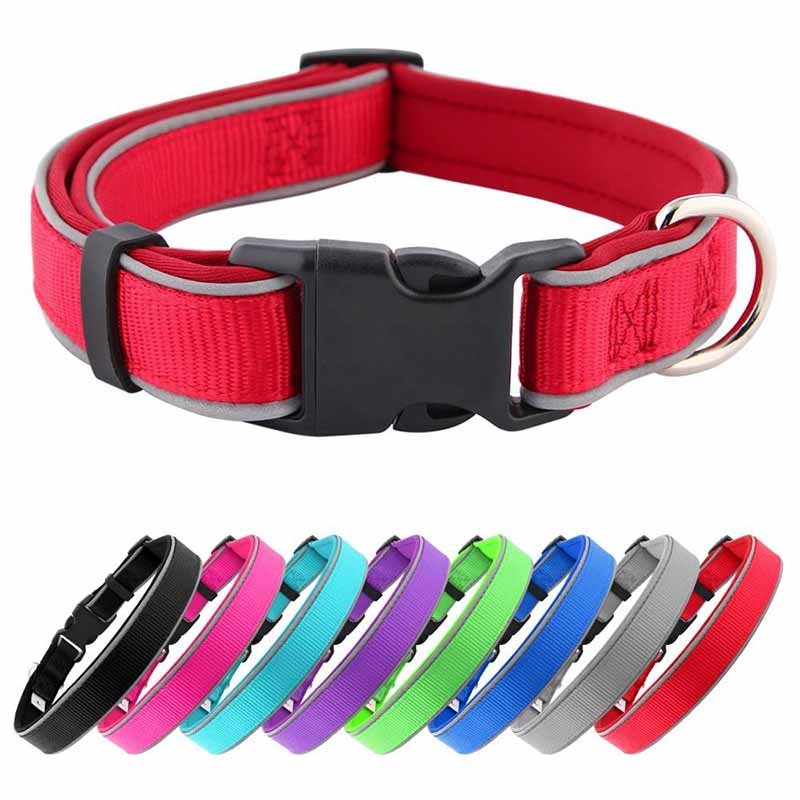
The materials used in Neoprene Dog Collar Manufacturing determine whether a collar feels soft, carries weight safely, resists daily wear, and stays attractive after repeated use. A strong collar does not depend on neoprene alone. It depends on the right combination of neoprene, webbing, outer layer, hardware, thread, and finishing details.
Which neoprene is used in Neoprene Dog Collar Manufacturing?
Not all neoprene used in collars is the same. Thickness, density, elasticity, and surface treatment all affect the final product. Choosing neoprene only by price often causes performance problems later.
In dog collar production, common neoprene thickness levels are often selected according to product positioning and dog size:
| Neoprene Thickness | Common Use | Main Effect |
|---|---|---|
| 2 mm | Small collars, lighter products | Lower bulk, lighter feel |
| 3 mm | Daily-use collars | Balanced comfort and cost |
| 4 mm | Mid to premium collars | Stronger padding feel |
| 5 mm | Heavy-duty or larger dog collars | More cushioning, more thickness |
Thickness is only one part of the decision. Density also matters. Low-density neoprene may feel soft in a sample, but can compress too quickly after use. High-density neoprene usually gives better structure retention, but if it is too stiff, the collar may lose some softness. The goal is to choose a level that feels comfortable while still holding shape.
For practical development, customers usually need to think about:
- target dog size
- daily use or outdoor use
- desired collar thickness
- target retail price
- overall product image
For example, a collar for a smaller fashion-focused pet brand may need a slimmer profile and softer touch. A collar designed for medium to large active dogs may need thicker neoprene and stronger internal support. Oneier helps customers match neoprene selection to the actual use case rather than choosing material blindly.
What materials support Neoprene Dog Collar Manufacturing?
Neoprene is important, but it cannot work alone. The supporting materials are what turn padded material into a functional collar. In many cases, customer complaints come from these supporting materials rather than the neoprene itself.
The most important support materials include:
- webbing
- outer fabric or printed surface
- thread
- hardware
- label and branding parts
- edge finishing materials when required
Among these, webbing is one of the most critical. It usually carries most of the pulling force. Even when a collar feels soft because of neoprene, the real strength often comes from the webbing running through or under the neoprene layer.
A standard material structure may look like this:
| Layer or Part | Common Material | Main Role |
|---|---|---|
| Surface layer | Polyester fabric or printed laminated layer | Appearance and surface wear resistance |
| Padding layer | Neoprene | Comfort and softness |
| Strength layer | Polyester or nylon webbing | Pull strength and stability |
| Hardware | Plastic buckle, metal D-ring, metal adjuster | Safety and function |
| Sewing thread | Polyester high-strength thread | Durability at seams |
The choice between nylon and polyester webbing also matters. Nylon webbing often has stronger feel and good load performance, while polyester webbing often offers good color stability and cost balance. Hardware decisions matter just as much. A collar for small dogs may use strong plastic hardware to save weight. A more rugged outdoor collar may use selected metal parts for greater confidence and visual value.
Oneier’s strength in neoprene product manufacturing helps here because a collar is not judged by padding alone. It is judged by the total system. Customers need the whole product to work together.
How materials affect Neoprene Dog Collar Manufacturing?
Material selection directly affects performance, look, cost, and customer feedback. It is one of the biggest reasons why two collars that look similar in photos can perform very differently after a month of real use.
Here is how material decisions change outcomes:
| Material Decision | Positive Result | Common Failure When Chosen Poorly |
|---|---|---|
| Better neoprene density | More stable comfort | Padding flattens too fast |
| Stronger webbing | Better pull resistance | Stretching or breakage risk |
| Better hardware plating or resin quality | Longer service life | Cracking, rust, deformation |
| Better thread | Cleaner durable seams | Loose or broken stitches |
| Better outer surface | Improved appearance and wear resistance | Fading or surface wear |
From a customer’s point of view, these technical choices show up in simple ways:
- the collar feels good or feels cheap
- the buckle works smoothly or becomes hard to trust
- the collar keeps shape or starts looking worn quickly
- the surface stays neat or fades after washing and sun exposure
- the dog wears it comfortably or scratches at it more often
For brands, these material choices affect more than product quality. They also affect margin control and complaint rate. A slightly better material mix can often reduce return pressure significantly. In many cases, the cost increase at factory level is far smaller than the commercial loss caused by weak product performance.
This is why many successful pet brands no longer ask only one question, which is “What is the cheapest collar I can make?” A better question is “What material combination gives me stable quality at the right market level?” That is the question that leads to stronger long-term results.
How should customers choose materials for different collar levels?
The best material choice depends on target product level. Not every collar needs the highest-cost specification, but every collar should be honest to its market promise. A low-cost collar pretending to be premium often creates the most complaints.
A useful way to plan material strategy is to separate products into three common levels:
| Product Level | Material Direction | Main Goal |
|---|---|---|
| Entry level | 2–3 mm neoprene, polyester webbing, standard plastic buckle | Cost control and everyday function |
| Mid-range | 3–4 mm neoprene, stronger webbing, improved outer fabric, better hardware | Better comfort and durability |
| Premium | Higher density neoprene, refined webbing, upgraded hardware, stronger branding details | Better feel, longer life, stronger brand value |
Customers should also think about the dog category and sales channel.
- Small dog collars often need lighter weight and softer edge feel
- Medium to large dog collars need stronger structure and better load confidence
- E-commerce products need stable appearance because product photos drive expectation
- Retail or boutique products often need stronger visual finish and cleaner branding details
Oneier works with overseas small and medium-sized buyers and higher-end brand clients, so these product levels are not treated as theory. They are part of real manufacturing discussions. The goal is to help customers choose a structure and material mix that fits their market, price point, and brand direction.
Material Comparison Table for Custom Development
| Product Area | Better Entry-Level Choice | Better Mid/High-Level Choice |
|---|---|---|
| Padding | 2–3 mm neoprene | 3–5 mm higher-density neoprene |
| Strength layer | Polyester webbing | Strong polyester or nylon webbing |
| Buckle | Standard plastic buckle | Higher-grade plastic or selected metal option |
| D-ring | Basic metal ring | Stronger coated or stainless option |
| Surface finish | Plain color laminated fabric | Printed, embossed, or richer texture finish |
| Branding | Woven label or simple print | Rubber patch, woven label, heat transfer, embossed mark |
Why Material Planning Changes Product Results
A large share of collar problems begin at the material stage, even if the final complaint sounds simple. When customers say:
- “The collar looks old too fast.”
- “The buckle feels weak.”
- “The padding is not as soft as expected.”
- “The collar feels rough after use.”
- “The product does not match the price.”
these are often material system problems, not just workmanship issues.
That is why Neoprene Dog Collar Manufacturing should begin with real product planning. The right neoprene thickness, the right webbing width, the right buckle grade, the right edge finish, and the right branding method all need to work together.
Oneier’s long experience with neoprene product manufacturing gives customers a more reliable development path. The factory can customize a wide range of neoprene products, offers free design support, low MOQ customization, fast sampling, free samples, short lead times, and 100% quality assurance. For pet brands that want to launch or upgrade neoprene dog collars with better comfort, better durability, and more dependable quality, that kind of manufacturing support makes a real difference.
How Does Neoprene Dog Collar Manufacturing Work?
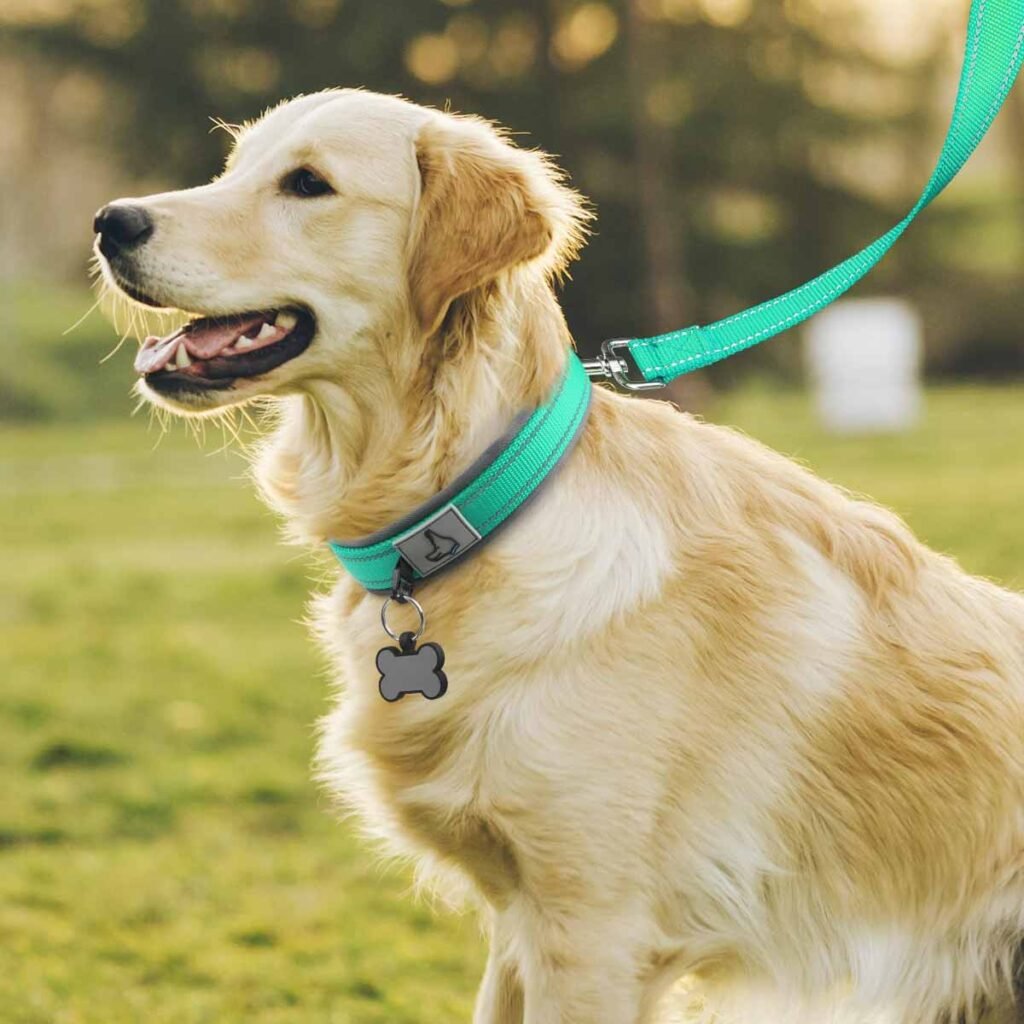
Neoprene Dog Collar Manufacturing is a step-by-step process that includes material preparation, cutting, lamination, sewing, hardware assembly, and final inspection. Each stage affects the collar’s comfort, strength, appearance, and consistency in bulk production.
How is Neoprene Dog Collar Manufacturing processed?
The process begins with material preparation. Before production starts, all materials must be selected and tested:
- neoprene sheets (confirmed thickness and density)
- webbing (tested for tensile strength)
- outer fabric or printed layer
- hardware components (buckles, D-rings, adjusters)
Once materials are approved, the first key step is cutting.
Neoprene cutting is different from normal fabric cutting because:
- neoprene has thickness and elasticity
- inaccurate cutting causes size inconsistency
- uneven edges affect final stitching quality
Factories usually use:
- die-cutting machines for high consistency
- laser cutting for precision in complex shapes
After cutting, the next step is lamination or bonding, where neoprene is combined with outer fabric.
Common bonding methods:
| Method | Advantage | Limitation |
|---|---|---|
| Glue lamination | Cost-effective | May weaken over time if poor quality glue |
| Heat lamination | Strong bonding | Requires better equipment |
| Composite lamination | More stable | Higher cost |
A weak lamination process often leads to:
- surface separation
- bubbling or wrinkling
- reduced product lifespan
At Oneier, lamination is carefully controlled to ensure that the neoprene and outer layer remain stable even after repeated use and washing.
How is Neoprene Dog Collar Manufacturing assembled?
After lamination, the collar enters the assembly stage, where structure is formed.
Main assembly steps:
- Webbing insertion or alignment
- Folding and shaping the collar body
- Stitching layers together
- Installing hardware components
The most critical step here is stitching. Stitching must balance:
- strength
- flexibility
- clean appearance
Key stitching techniques:
| Stitch Type | Use | Benefit |
|---|---|---|
| Straight stitch | Basic seams | Clean and efficient |
| Box stitch | Stress areas (D-ring, buckle) | High strength |
| Bartack stitch | Reinforcement points | Prevents tearing |
Weak stitching often leads to:
- seam opening
- hardware detachment
- reduced load capacity
Another important detail is hardware positioning. If the D-ring or buckle is not aligned properly, it affects both comfort and safety.
Oneier uses reinforced stitching and controlled positioning to ensure:
- even tension distribution
- stable hardware attachment
- consistent product shape
How is Neoprene Dog Collar Manufacturing finished?
The finishing stage is where the product becomes market-ready.
Key finishing steps include:
- trimming excess threads
- edge inspection and smoothing
- logo application (printing, embroidery, patch)
- size adjustment testing
- cleaning and packaging
Logo application methods:
| Method | Effect | Best Use |
|---|---|---|
| Screen printing | Cost-effective | Simple designs |
| Embroidery | Premium look | Mid to high-end |
| Rubber patch | Strong branding | Outdoor style |
| Heat transfer | Detailed graphics | Custom designs |
Final inspection is critical. At this stage, each collar is checked for:
- size accuracy
- stitching quality
- hardware functionality
- surface defects
Oneier applies 100% quality inspection, which helps reduce defective products reaching customers.
How long does Neoprene Dog Collar Manufacturing take?
Production time depends on order size and customization level.
Typical timeline:
| Stage | Time |
|---|---|
| Design & confirmation | 1–3 days |
| Sampling | 5–7 days |
| Bulk production | 15–30 days |
| Quality inspection & packing | 2–5 days |
For urgent projects, faster timelines are possible with material readiness.
Manufacturing control and product consistency
Manufacturing is not only about making one good sample. It is about making thousands of consistent products.
First, sampling accuracy is critical. Many problems in bulk orders come from unclear sample standards. A good sample should define:
- exact dimensions
- material specifications
- stitching method
- hardware type
Second, process control affects consistency. Even small variations in cutting or stitching can cause:
- size differences
- uneven shape
- inconsistent appearance
This becomes more visible in large orders.
Third, worker experience matters. Neoprene behaves differently from regular fabric. Skilled workers understand:
- how much tension to apply
- how to prevent stretching during sewing
- how to keep edges clean
Fourth, quality control should be continuous, not only at the end. Effective production includes:
- in-line inspection during sewing
- mid-process checks
- final inspection
Fifth, hardware sourcing is often overlooked. Many collar failures come from low-quality buckles or rings. Reliable hardware is essential for safety.
What Improves Neoprene Dog Collar Manufacturing?
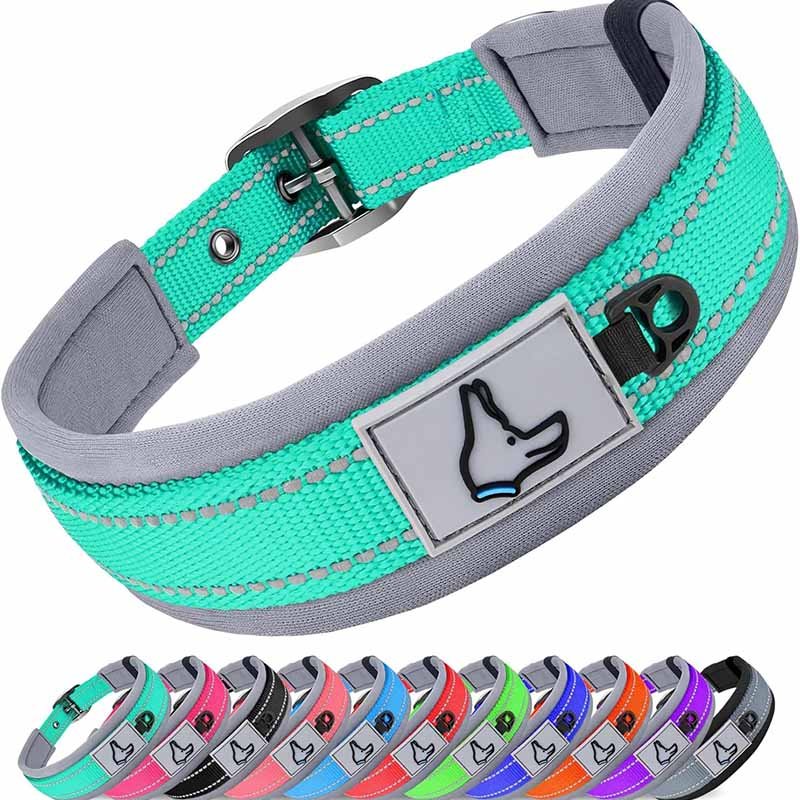
Improving Neoprene Dog Collar Manufacturing means enhancing durability, comfort, safety, and overall product performance. Small upgrades in materials and construction can significantly reduce complaints and increase customer satisfaction.
What makes Neoprene Dog Collar Manufacturing durable?
Durability comes from a combination of materials and structure.
Key durability factors:
- strong webbing core
- reinforced stitching
- high-quality hardware
- abrasion-resistant outer layer
A comparison:
| Feature | Basic Product | Upgraded Product |
|---|---|---|
| Webbing | Standard | High-density |
| Stitching | Single layer | Reinforced |
| Hardware | Basic plastic | Strong plastic or metal |
| Surface | Simple fabric | Durable coated fabric |
How to upgrade Neoprene Dog Collar Manufacturing quality?
Quality upgrades often come from small changes:
- using thicker neoprene for better comfort
- improving stitching density
- upgrading hardware grade
- adding better edge finishing
These changes usually have low cost impact but high performance improvement.
Are safety features needed in Neoprene Dog Collar Manufacturing?
Safety is one of the most important aspects.
Important safety features:
- strong D-ring for leash attachment
- secure buckle locking system
- smooth edges to prevent skin damage
- reflective elements for visibility
Poor safety design can lead to:
- collar breakage
- dog escape risk
- injury
How to improve comfort in Neoprene Dog Collar Manufacturing?
Comfort improvements include:
- soft neoprene padding
- smooth edge finishing
- breathable design where possible
- proper width for pressure distribution
Comfort directly affects:
- how long dogs wear the collar
- customer satisfaction
- repeat purchases
How to Customize Neoprene Dog Collar Manufacturing?
Custom Neoprene Dog Collar Manufacturing is about building a product that matches your target market, price level, and brand identity. The right customization approach helps you stand out, control costs, and create a product customers trust and reorder.
How to design Neoprene Dog Collar Manufacturing products?
Design starts with clear product positioning. Many products fail because they try to serve too many purposes at once.
A practical design process includes:
- defining target dog size (small, medium, large)
- setting target price range
- deciding main use (daily, outdoor, premium, fashion)
- choosing material level
- confirming collar width and thickness
Standard collar sizing reference:
| Dog Size | Collar Width | Neck Range |
|---|---|---|
| Small | 1.0–1.5 cm | 20–35 cm |
| Medium | 2.0–2.5 cm | 30–50 cm |
| Large | 2.5–4.0 cm | 40–70 cm |
A well-designed collar must balance:
- comfort (not too stiff or too thin)
- strength (able to handle pulling force)
- appearance (fits brand style)
Oneier supports customers with free design assistance, helping translate ideas into production-ready specifications.
Which styles fit Neoprene Dog Collar Manufacturing?
Different styles meet different customer needs. Choosing the right style is critical for market success.
Main collar styles:
| Style | Features | Best Market |
|---|---|---|
| Flat collar | Standard structure | Mass market |
| Padded collar | Extra comfort | Mid to premium |
| Reflective collar | Added visibility | Outdoor users |
| Printed collar | Custom patterns | Fashion brands |
| Heavy-duty collar | Reinforced structure | Large dogs |
Style selection should match:
- target customers
- selling platform (Amazon, retail, brand site)
- brand positioning
For example:
- Amazon products often focus on value + function
- Boutique brands focus more on design and premium feel
How to brand Neoprene Dog Collar Manufacturing?
Branding is what turns a product into a recognizable item.
Common branding methods:
| Method | Effect | Cost Level |
|---|---|---|
| Woven label | Clean, durable | Low |
| Screen print | Simple logo | Low |
| Embroidery | Premium look | Medium |
| Rubber patch | Strong identity | Medium to high |
| Heat transfer | Detailed graphics | Medium |
Strong branding includes:
- consistent color system
- recognizable logo placement
- matching packaging
Oneier helps customers develop branding that is both visually strong and production-friendly.
How to control cost in Neoprene Dog Collar Manufacturing?
Cost control is not about reducing everything. It is about optimizing key areas.
Effective cost strategy:
| Component | Strategy |
|---|---|
| Neoprene | Use appropriate thickness |
| Webbing | Maintain strength, avoid over-spec |
| Hardware | Upgrade only critical parts |
| Branding | Focus on visible areas |
| Packaging | Keep simple but clean |
Smart cost control ensures:
- competitive pricing
- stable profit margins
- consistent product quality
How to ensure stable bulk production in Neoprene Dog Collar Manufacturing?
Scaling production requires consistency.
Key factors:
- stable material sourcing
- standardized production process
- clear quality standards
- reliable factory capability
Oneier ensures stability through:
- in-house neoprene expertise
- controlled production workflow
- 100% quality inspection
- experienced production team
Customization strategy for long-term success
Customization is not just about making a different product. It is about building a product that can succeed in the market over time.
First, clear positioning is more important than adding features. A focused product performs better than a complicated one.
Second, consistency builds trust. Customers expect the same quality in every order.
Third, speed gives competitive advantage. Faster sampling allows quicker market testing.
Fourth, quality reduces hidden costs. Better products lead to fewer returns and better reviews.
Fifth, product line expansion increases value. A successful collar can expand into:
- multiple sizes
- color variations
- matching leashes and harnesses
This creates more opportunities for brand growth.
Why Brands Choose Oneier for Neoprene Dog Collar Manufacturing
Oneier is not just a manufacturer. It is a specialized neoprene product factory with over 18 years of experience.
Key capabilities:
- Neoprene material R&D and production
- Custom product development (bags, koozies, supports, wetsuits, pet products)
- OEM, ODM, and private label services
What customers value most:
- Free design support
- Low MOQ for small and growing brands
- Fast sampling (5–7 days)
- Free samples available
- Short production lead time
- 100% quality inspection
This combination helps customers:
- launch products faster
- reduce development risk
- maintain stable product quality
Start Your Custom Neoprene Dog Collar Project
A well-made neoprene dog collar is not just a product—it is a long-term asset for your brand. It improves customer satisfaction, strengthens your market position, and supports repeat business.
If you are planning to:
- launch a new dog collar line
- upgrade an existing product
- build a private label brand
- improve quality and reduce complaints
Oneier can support you from concept to production.
Send your design idea, reference product, or target price today.The Oneier team will help you develop a neoprene dog collar that is comfortable, durable, and ready to succeed in your market.