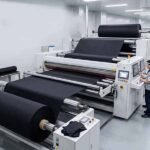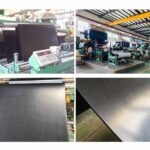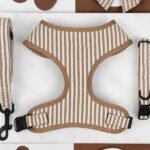

“Faux neoprene” is one of those terms that sounds familiar—but often means very different things depending on who you ask. Designers use it. Buyers request it. Factories manufacture it. Yet confusion remains: Is faux neoprene the same as neoprene? Is it plastic or rubber? Is it just a cheaper version? Or is it something else entirely?
As more brands look for cost-efficient, lightweight, or design-flexible alternatives to traditional neoprene, faux neoprene has quietly become a common solution in bags, accessories, apparel, and promotional products. At the same time, search trends show growing curiosity around questions like “Is neoprene faux leather?”, “Is neoprene a plastic or rubber?”, and “Is neoprene a cheap material?”—all pointing to a need for clearer, factory-level explanations rather than marketing buzzwords.
Faux neoprene refers to synthetic materials designed to mimic the look, feel, or flexibility of real neoprene without using traditional chloroprene rubber. It is typically made from polyester or nylon fabrics combined with synthetic foams or laminated layers. Faux neoprene is lighter and more affordable than real neoprene but offers lower insulation and elasticity. It is widely used in bags, accessories, and fashion-focused applications.
Behind the term lies an important sourcing decision. Choosing faux neoprene instead of real neoprene affects performance, durability, cost, branding, and manufacturing methods. In this guide, we’ll break down what faux neoprene really is, how it’s made, where it works best—and when real neoprene is still the better choice.
What Is Faux Neoprene
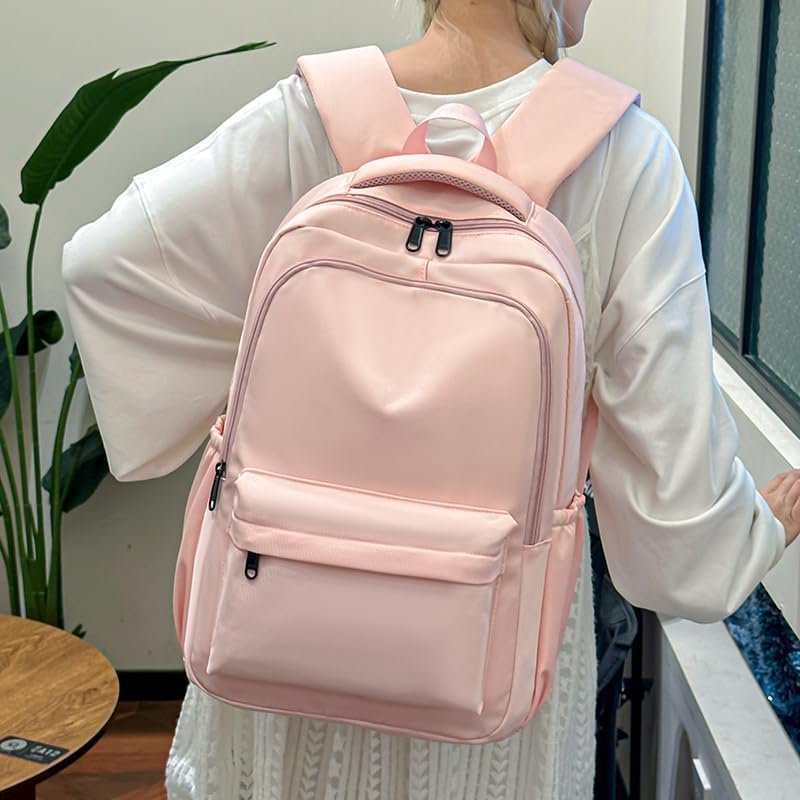
Faux neoprene refers to synthetic materials designed to imitate the appearance, softness, or flexibility of real neoprene without using chloroprene rubber. It is usually made by laminating textile fabrics such as polyester or nylon with lightweight synthetic foams. Faux neoprene is not rubber-based and offers lower insulation and elasticity than real neoprene, but it is lighter, more affordable, and easier to customize for fashion and promotional products.
What does “faux neoprene” actually mean in practice?
In real manufacturing terms, faux neoprene is not a single standardized material. It is a commercial umbrella term used to describe various fabric–foam composite materials that look or feel similar to neoprene but are chemically and structurally different.
The word “faux” simply means imitation. In sourcing conversations, buyers often use “faux neoprene” to express one of the following intentions:
- Lower cost than real neoprene
- Lighter weight
- Better printability
- Softer, more fashion-oriented hand feel
This is why factories always clarify what the buyer actually means before recommending a material.
Is faux neoprene the same as real neoprene?
No—and this distinction is critical.
Real neoprene is a synthetic rubber made from chloroprene, with a closed-cell structure that provides insulation, elasticity, and resistance to water, oils, and aging.
Faux neoprene, by contrast:
- Is not rubber
- Does not use chloroprene
- Relies on textile + synthetic foam lamination
- Behaves more like a flexible fabric than a technical rubber
| Aspect | Real Neoprene | Faux Neoprene |
|---|---|---|
| Chemical base | Synthetic rubber | Textile + foam |
| Elastic recovery | High | Medium |
| Thermal insulation | High | Moderate |
| Long-term durability | Excellent | Moderate |
| Typical cost | Higher | Lower |
Understanding this difference prevents costly material mismatches later in production.
Is neoprene a plastic or rubber?
This is one of the most common user questions.
Neoprene is a synthetic rubber, not a plastic.
It is produced through polymerization of chloroprene, giving it rubber-like properties such as elasticity, resilience, and thermal insulation. Faux neoprene materials, however, are often plastic-based foams (EVA, PU, PE) combined with fabrics—this is where confusion usually arises.
What is neoprene an artificial substitute for—and what is faux neoprene a substitute for?
Historically:
- Neoprene was developed as an artificial substitute for natural rubber, especially in applications requiring oil, weather, and temperature resistance.
In modern product development:
- Faux neoprene is an artificial substitute for neoprene itself, created to reduce cost, weight, or improve aesthetic flexibility in non-technical products.
This distinction explains why faux neoprene is rarely used in wetsuits or medical supports, but is common in bags and accessories.
Is faux neoprene the same as faux leather?
No—this is another frequent misunderstanding.
- Faux leather imitates the appearance of leather (grain, texture, stiffness)
- Faux neoprene imitates the structure and softness of neoprene
They use different materials, serve different design goals, and perform very differently. The similarity lies only in the word “faux”, not in function or composition.
Why do brands and buyers choose faux neoprene instead of real neoprene?
Faux neoprene is typically chosen when:
- The product does not require thermal insulation
- Lightweight feel is preferred
- Cost control is a priority
- Visual design and print quality matter more than performance
- The product lifecycle is short or seasonal
For fashion bags, laptop sleeves, cosmetic pouches, and promotional koozies, faux neoprene can be a reasonable compromise. For performance-driven products, it is usually not.
How does faux neoprene feel compared to real neoprene?
At first touch, faux neoprene may feel:
- Softer
- Lighter
- More fabric-like
However, over time it tends to:
- Compress permanently
- Lose structure
- Show wrinkles or delamination
- Offer weaker rebound after stretching
This difference becomes obvious after repeated use—one of the reasons experienced manufacturers carefully guide buyers during material selection.
Which Materials Are Used in Faux Neoprene
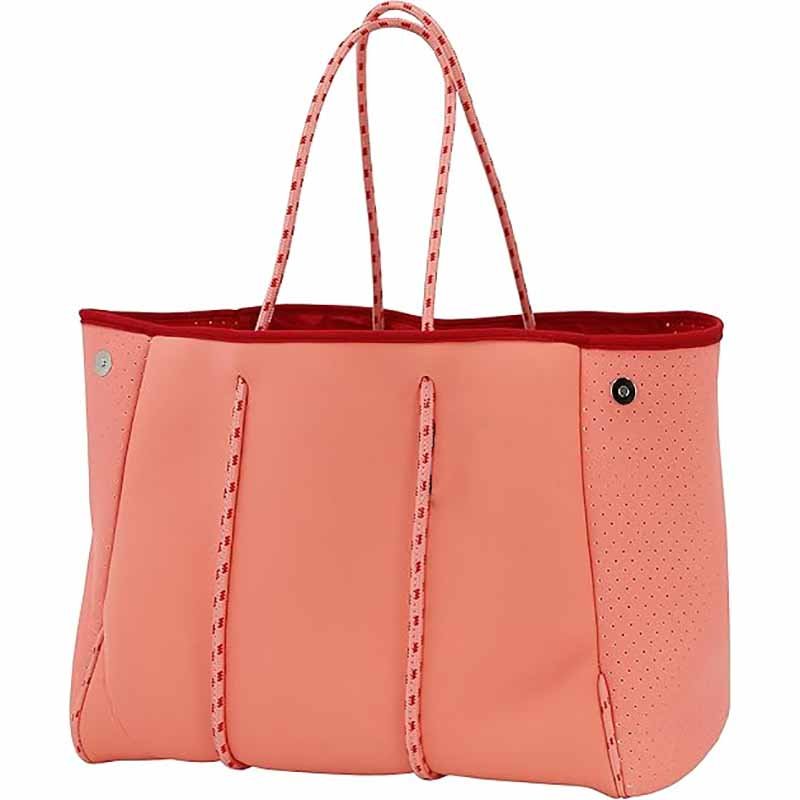
Faux neoprene is typically made by combining textile fabrics such as polyester or nylon with lightweight synthetic foams like EVA, PU, or PE through lamination or bonding. The fabric layers provide appearance and sewing stability, while the foam core creates thickness and softness. Unlike real neoprene, faux neoprene does not contain chloroprene rubber, resulting in lower insulation, elasticity, and durability.
What are the main structural layers in faux neoprene?
Most faux neoprene materials are multi-layer composites, not single materials. A standard structure includes:
- Outer fabric layer – visual surface and strength
- Synthetic foam core – thickness and cushioning
- Optional inner lining – comfort and stability
This layered construction allows manufacturers to mimic the look and feel of neoprene while using textile-based processes instead of rubber foaming.
What base fabrics are commonly used in faux neoprene?
The outer fabric layer determines much of the final product’s appearance and sewing performance.
Common options include:
| Fabric Type | Why It’s Used | Typical Applications |
|---|---|---|
| Polyester | Low cost, easy printing | Promotional & fashion items |
| Nylon | Smooth, durable surface | Bags, sleeves, accessories |
| Spandex blends | Added stretch & softness | Apparel-style products |
Polyester is the most widely used due to cost efficiency, while nylon is chosen when abrasion resistance and a premium feel are required.
Which foams are used to replace neoprene rubber?
Instead of chloroprene rubber, faux neoprene relies on plastic-based foams:
| Foam Type | Key Traits | Limitations |
|---|---|---|
| EVA foam | Lightweight, stable | Low elasticity |
| PU foam | Soft, flexible | Poor moisture resistance |
| PE foam | Low cost | Weak durability |
These foams provide bulk without true rubber resilience, which explains why faux neoprene compresses more easily over time.
How are fabric and foam layers bonded together?
Layer bonding defines the quality of faux neoprene.
Common bonding methods include:
- Hot-melt lamination (clean, cost-effective)
- Flame lamination (strong bond, heat sensitive)
- Adhesive lamination (flexible, but delamination risk)
Poor bonding leads to peeling, bubbling, or wrinkling after repeated use. Professional factories carefully control bonding temperature and pressure to minimize these risks.
Is faux neoprene ever blended with real neoprene?
In some hybrid constructions, a thin neoprene layer may be combined with fabric and foam to reduce cost while retaining limited performance benefits. However, once rubber content is reduced significantly, performance drops closer to faux neoprene than real neoprene.
Buyers should always ask:
- Is this 100% neoprene?
- Is it hybrid?
- What is the rubber content?
Clear material disclosure prevents sourcing misunderstandings.
How does material composition affect performance and lifespan?
Material choice directly impacts:
- Elastic recovery
- Resistance to compression
- Moisture behavior
- Long-term appearance
| Property | Real Neoprene | Faux Neoprene |
|---|---|---|
| Elastic recovery | High | Medium–Low |
| Moisture resistance | Excellent | Variable |
| Shape retention | Strong | Moderate |
| Typical lifespan | Long | Shorter |
This explains why faux neoprene is avoided in wetsuits and medical supports but common in bags and accessories.
Why does faux neoprene feel “soft” but age faster?
Faux neoprene foams are open-cell or semi-closed-cell, unlike neoprene’s closed-cell rubber. They feel soft initially but collapse under repeated stress, leading to flattening and loss of structure—something real neoprene resists much better.
Faux neoprene is a fabric-foam composite, not a rubber material. Its performance depends entirely on the quality of fabrics, foam type, and lamination method. Understanding these layers helps buyers choose the right material for the right application—and avoid using faux neoprene where real neoprene is required.
How Is Faux Neoprene Made
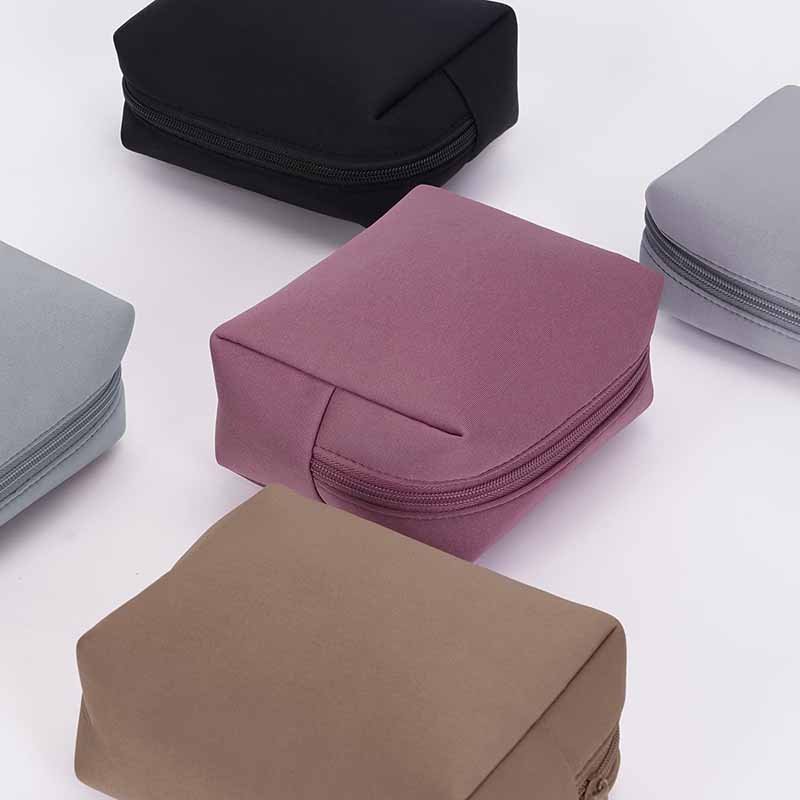
Faux neoprene is made by laminating or bonding synthetic fabrics, such as polyester or nylon, with foam layers like EVA, PU, or PE. The bonding process is typically done using heat, adhesives, or flame lamination. This creates a flexible, neoprene-like material that is lighter, easier to print, and more affordable than real neoprene, but it lacks the insulation and elasticity of the rubber-based original.
How is faux neoprene laminated or bonded?
The process of making faux neoprene typically involves layering materials in a precise order to create the final product. Here’s how it works:
- Fabric layer preparation: Polyester, nylon, or other textile fabrics are first treated to improve surface properties, such as moisture resistance or printability. This ensures the outer layer will perform well during printing or embossing.
- Foam layer selection: Synthetic foam materials like EVA (Ethylene Vinyl Acetate), PU (Polyurethane), or PE (Polyethylene) are chosen based on the desired thickness, density, and softness. These foams serve as the core material providing the softness and flexibility similar to real neoprene.
- Lamination process: The fabric and foam layers are bonded using one of the following methods:
- Heat lamination: Both fabric and foam are heated, and the layers are pressed together to form a solid bond. This is the most common method used.
- Flame lamination: A heat source is applied to one layer, causing it to melt and adhere to the other. This method is often used to create stronger bonds for heavier-duty products.
- Adhesive lamination: An adhesive is applied to the foam and fabric, and the layers are pressed together. This method is often used for lighter products and when flexibility in the bonding process is required.
The bonding technique selected affects the flexibility, durability, and finish of the final product. Faux neoprene created with adhesive or heat lamination tends to be softer but may lose some structural integrity over time.
What is the role of the fabric layer in faux neoprene?
The fabric layer in faux neoprene serves several key functions:
- Aesthetic appearance: It provides the color, texture, and finish that give faux neoprene its visual appeal.
- Stability: The fabric layer helps strengthen the material, preventing it from being too soft or flimsy.
- Printability: Fabrics such as polyester or nylon are ideal for customization through screen printing, UV printing, or embossing.
The fabric also affects how easy it is to cut, sew, and handle the material during the manufacturing process. For example, Nylon-based faux neoprene tends to have a smooth texture that is ideal for fashion bags and accessories, while polyester fabrics are more commonly used for promotional items and lower-cost applications.
What types of foam are used in faux neoprene production?
The core foam layer in faux neoprene determines its softness, flexibility, and insulation properties. The most common types of foam used are:
| Foam Type | Key Characteristics | Best Use |
|---|---|---|
| EVA (Ethylene Vinyl Acetate) | Soft, flexible, lightweight | Fashion bags, backpacks, soft accessories |
| PU (Polyurethane) | Durable, stable, higher density | Premium products, performance-oriented items |
| PE (Polyethylene) | Low-cost, lightweight | Promotional products, simple koozies |
Each foam type has different density, flexibility, and compression resistance, which influences the feel and performance of the final product. EVA is typically preferred for lightweight products, while PU offers greater durability and structure for higher-end applications.
How do manufacturers control the thickness and density of faux neoprene?
The thickness and density of faux neoprene can be controlled during the foam production process. Foam manufacturers adjust the following factors:
- Blending ratio: The mix of base chemicals used in foam production can create different densities and thicknesses.
- Expansion level: The degree to which foam “expands” during manufacturing determines its softness or rigidity.
- Layer compression: During lamination, foam may be compressed or left thicker, depending on the desired properties of the final product (e.g., increased comfort vs durability).
For instance, a 4 mm faux neoprene used in a fashion bag will likely have a lighter foam core than a 5 mm koozie designed for insulation purposes.
What are the key differences between faux neoprene and real neoprene production?
The production processes for real and faux neoprene are quite different:
| Aspect | Real Neoprene | Faux Neoprene |
|---|---|---|
| Material composition | Chloroprene rubber | Textile + synthetic foam |
| Manufacturing process | Rubber foaming, vulcanization | Fabric lamination, foam bonding |
| Elasticity | High | Medium |
| Durability | Very high | Moderate |
| Cost | Higher | Lower |
While real neoprene undergoes a rubber foaming process that creates closed cells for high insulation and elasticity, faux neoprene uses foam-based composites and fabric lamination, which means it’s lighter and easier to handle but lacks the insulation properties of real neoprene.
How does faux neoprene perform in different applications?
Faux neoprene excels in non-technical applications where flexibility, comfort, and cost are prioritized over long-term durability and insulation. It’s ideal for products like:
- Fashion accessories (bags, pouches, and wallets)
- Promotional items (koozies, tablet covers)
- Simple clothing items (casual jackets, fashion pads)
For products requiring heavy-duty insulation (e.g., wetsuits or medical supports), real neoprene is still the superior choice.
The production of faux neoprene is a combination of textile lamination and synthetic foam bonding, which makes it a versatile material for fashion, promotional, and lightweight applications. While it can mimic the look and feel of real neoprene, it lacks some of the thermal insulation, durability, and elasticity that real neoprene provides. When choosing between the two, buyers should carefully consider product requirements and long-term use.
What Are the Benefits of Faux Neoprene
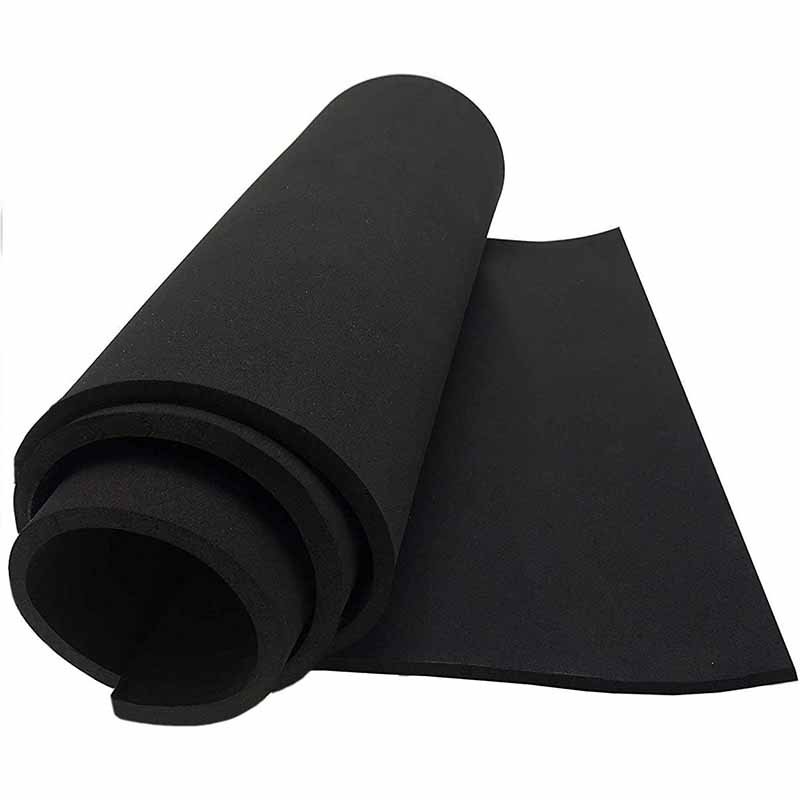
Faux neoprene offers significant benefits, including cost-effectiveness, lightweight design, and easier customization compared to real neoprene. It is ideal for fashion items, promotional products, and short-term applications where insulation and durability are not critical. Faux neoprene is softer, more flexible, and easier to print, cut, and sew, making it a popular choice for brands looking for a budget-friendly alternative to real neoprene.
Is faux neoprene lighter than real neoprene?
Yes—faux neoprene is generally 20–40% lighter than real neoprene, depending on the specific material used. This makes it especially appealing for applications where weight is a critical factor:
- Fashion bags and accessories (lightweight yet durable)
- Promotional products (cost-effective and easy to handle)
- Casual apparel (comfort with flexibility)
While faux neoprene is not as durable or insulating as real neoprene, its lightweight nature makes it an ideal choice when performance is secondary to design flexibility and weight control.
Is faux neoprene cheaper than real neoprene?
Yes—faux neoprene is significantly cheaper than real neoprene. This price advantage is mainly due to:
- Lower raw material costs (polyester, nylon, foam)
- Simpler manufacturing processes (no rubber foaming or vulcanization)
- Reduced labor and energy costs during production
This makes faux neoprene a popular choice for manufacturers focused on cost efficiency and for budget-conscious brands that still want to achieve a neoprene-like feel and appearance.
How does faux neoprene balance cost and performance?
Faux neoprene strikes a balance between performance and cost:
- It’s ideal for fashion and promotional items where durability and long-term insulation aren’t top priorities.
- Faux neoprene’s cost-effective production allows businesses to create products with a premium look at a lower cost.
This is why faux neoprene is often used in fashion accessories, cosmetic pouches, bags, and simple drink koozies where aesthetic appeal is the most important factor.
How does faux neoprene improve design flexibility?
Faux neoprene provides greater design flexibility than real neoprene. Its softer, more fabric-like feel means it can be:
- Easily printed with complex logos and patterns
- Sewn or cut into shapes and structures that real neoprene might resist
- More comfortable to wear or carry in everyday applications
This makes faux neoprene a go-to material for fashion brands, personalized products, and promotional giveaways that require vibrant, multi-colored designs.
Does faux neoprene offer easier customization than real neoprene?
Absolutely. Customization is one of the key benefits of faux neoprene:
- Printing: Faux neoprene can be printed with high-definition images (screen printing, heat transfer, UV printing), which is difficult on real neoprene due to its rubber surface.
- Embossing & Debossing: Faux neoprene is easier to emboss or deboss without compromising its structure.
- Cutting & Sewing: Faux neoprene is much easier to cut into intricate designs and sew compared to real neoprene, which requires more specialized equipment and care.
This ease of customization makes it ideal for promotional and custom-branded products like bags, pouches, koozies, and even fashion items.
How does faux neoprene perform in short-term applications?
Faux neoprene is excellent for short-term applications such as:
- Promotional giveaways
- Seasonal collections
- Event-specific products
Its affordable cost and decent performance make it perfect for products that don’t need to withstand harsh conditions or long-term wear. For short-term promotional products, faux neoprene performs just as well as more expensive materials, allowing businesses to keep their marketing budgets under control.
Is faux neoprene a sustainable material?
While real neoprene has been criticized for its environmental impact (due to the use of chloroprene), faux neoprene may offer certain environmental benefits:
- Faux neoprene can sometimes be made with recycled fabrics like recycled polyester, making it more sustainable than new neoprene.
- Less chemical processing is required during production, reducing the environmental footprint.
However, faux neoprene’s foam core materials like EVA or PU may still pose environmental challenges, particularly when not recycled or disposed of properly.
If sustainability is a key concern, buyers should inquire about eco-friendly faux neoprene alternatives.
Faux neoprene offers multiple benefits: lower cost, lighter weight, easier customization, and a softer, more comfortable feel. It is an ideal material for:
- Fashion and promotional items
- Short-term applications
- Products where aesthetics matter more than long-term performance
While faux neoprene doesn’t offer the same insulation, durability, or elasticity as real neoprene, its versatility and cost-effectiveness make it the preferred choice for a wide range of products.
What Are the Limitations of Faux Neoprene
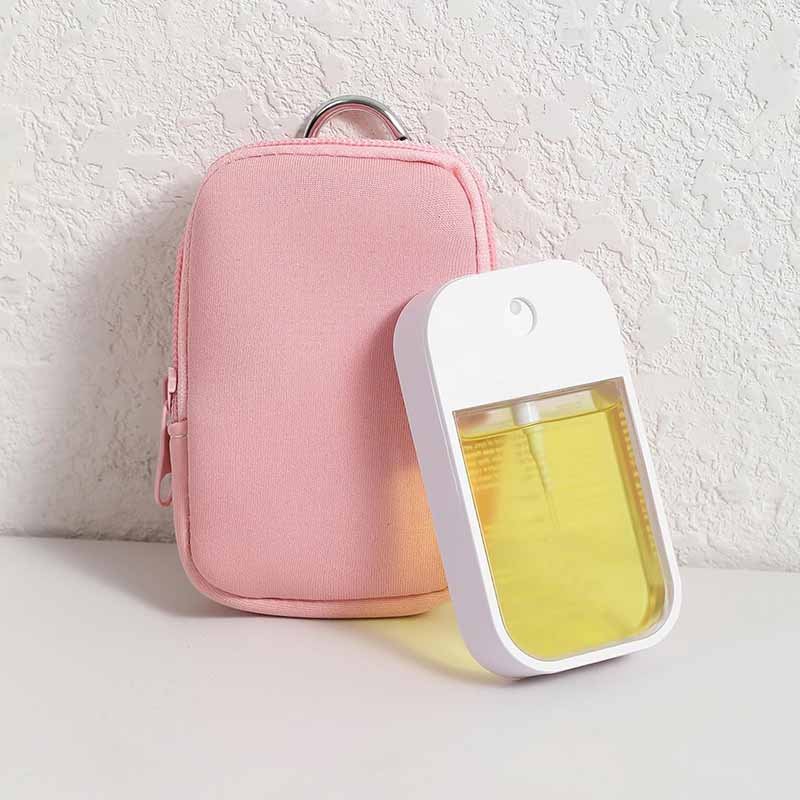
Faux neoprene has several limitations, including lower insulation properties, reduced durability, and limited elasticity compared to real neoprene. It is also more prone to compression over time, leading to a loss of shape and structure. While it is cost-effective and lightweight, faux neoprene is unsuitable for high-performance applications where long-term durability and insulation are critical, such as wetsuits, medical supports, or heavy-duty gear.
How does insulation compare to real neoprene?
One of the most significant limitations of faux neoprene is its poor insulation performance compared to real neoprene. Real neoprene’s closed-cell structure traps air, providing exceptional thermal insulation. Faux neoprene, however, typically has an open-cell foam structure that does not retain heat as effectively. This makes faux neoprene unsuitable for applications requiring temperature regulation, such as:
- Wetsuits
- Medical supports
- Thermal insulation in outdoor gear
Although faux neoprene offers comfort and flexibility, it lacks the cold- or heat-resistance necessary for high-performance environments.
| Property | Real Neoprene | Faux Neoprene |
|---|---|---|
| Thermal insulation | Excellent | Moderate |
| Compression resistance | High | Medium |
| Cold weather performance | Superior | Poor |
Faux neoprene will not provide adequate protection in extreme temperatures. Therefore, it is not ideal for water sports, extreme climates, or insulation-focused products.
Are durability and elasticity lower than neoprene?
Yes. Faux neoprene offers moderate elasticity, but it lacks the high stretch-and-recovery performance of real neoprene. Over time, faux neoprene can:
- Compress under pressure, losing its original shape
- Tear or crack more easily than real neoprene
- Show signs of aging more quickly
The lack of elastic recovery means that faux neoprene items, especially in high-stress areas (like seams or edges), are more likely to show wear and tear sooner than their neoprene counterparts.
| Property | Real Neoprene | Faux Neoprene |
|---|---|---|
| Elasticity | High (excellent stretch and recovery) | Moderate |
| Tear resistance | High | Medium |
| Compression resistance | Excellent | Low |
For example, fashion accessories like bags made from faux neoprene may develop flattens or wrinkles over time due to poor compression recovery.
How does faux neoprene perform under wet conditions?
Moisture resistance is another area where faux neoprene falls short. While real neoprene is highly resistant to water absorption and maintains its performance even when wet, faux neoprene’s foam core absorbs water more easily.
- Water exposure weakens its structure
- Moisture can lead to peeling or delamination at the fabric-foam bond
- Reduced comfort when used in wet conditions
This makes faux neoprene unsuitable for wetsuits, waterproof gear, or any application that requires consistent performance under moisture.
What use-cases are not suitable for faux neoprene?
Because of its insulation and durability limitations, faux neoprene is not suited for:
- Wetsuits and water sports gear (requires insulation)
- Medical braces or orthopedic supports (requires compression resistance)
- Heavy-duty bags or tools (needs durability under stress)
For these types of products, real neoprene or other high-performance materials like TPU (thermoplastic polyurethane) or rubber are better suited due to their superior resistance to wear, tear, and extreme conditions.
Faux neoprene’s cost and flexibility make it a good choice for fashion items or promotional products, but it is not suitable for functional or long-term applications that demand heavy-duty performance.
Is faux neoprene a cheap material?
While faux neoprene is cheaper than real neoprene, it is not without its costs. When you choose faux neoprene, you’re saving on material costs, but in return, you compromise on:
- Insulation: Faux neoprene does not perform well in extreme conditions.
- Durability: Faux neoprene items tend to wear out faster.
- Long-term usability: Faux neoprene doesn’t have the lifespan of real neoprene.
For short-term promotional use or fashion-focused items, faux neoprene’s affordability is a great advantage. But for performance-critical applications, the material falls short.
What other materials should I consider instead of faux neoprene?
For applications requiring high durability, insulation, or long-lasting performance, consider these alternatives:
- Real neoprene: Best for wetsuits, medical supports, and insulation products
- TPU (Thermoplastic Polyurethane): Offers good durability and flexibility with better water resistance than faux neoprene
- PVC (Polyvinyl Chloride): Stronger than faux neoprene and can be used in outdoor gear, work bags, or protective covers
- EVA foam: Lighter than real neoprene but more durable than faux neoprene
Each material has its own strengths, so your choice depends on your product’s performance requirements.
Where Is Faux Neoprene Used
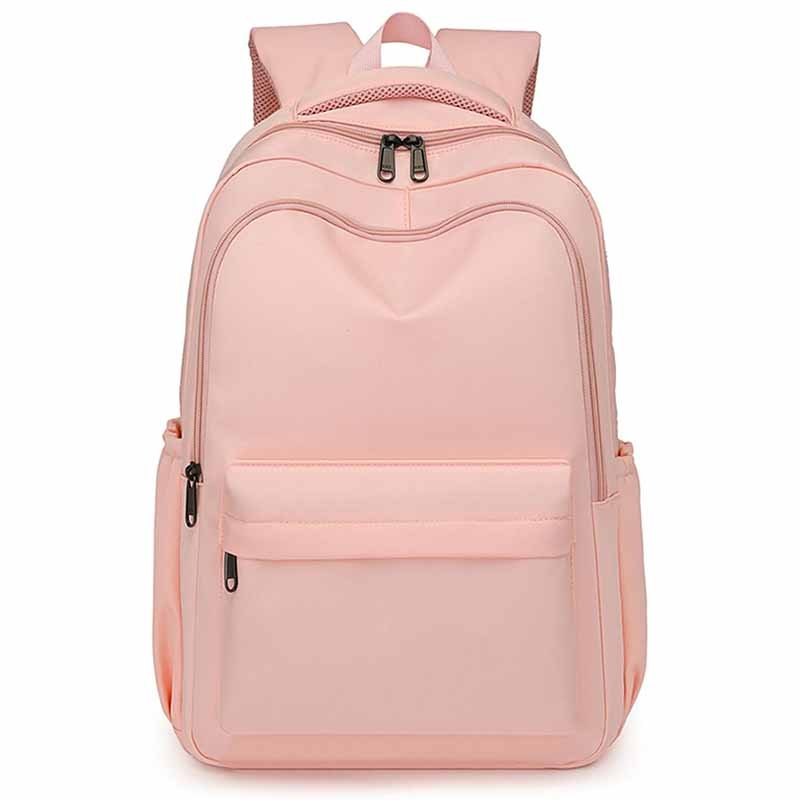
Faux neoprene is commonly used in fashion accessories, promotional products, and lightweight bags. It is ideal for products like pouches, tablet sleeves, drink koozies, and fashion totes due to its soft feel, lightweight nature, and cost-effectiveness. Faux neoprene is popular in markets where aesthetic appeal is more important than thermal insulation or long-term durability.
What products commonly use faux neoprene?
Faux neoprene is widely used in fashion, lifestyle, and promotional products where aesthetic design and lightweight comfort are the priority. Some common products include:
- Fashion accessories:
- Bags (totes, cosmetic pouches, handbags)
- Laptop and tablet sleeves
- Smartphone cases
- Wallets and clutches
- Promotional products:
- Custom drink koozies
- Event giveaways
- Branded gift bags
- Pouches for corporate gifts
- Apparel and lifestyle items:
- Casual jackets
- Cushioned pads (knee pads, wrist rests)
- Fitness accessories (fitness bands, small accessories)
These products benefit from faux neoprene’s softness, ability to be easily cut and sewn, and good printability, making it a great choice for designs that require vibrant colors or multiple logos.
Are faux neoprene bags and accessories widely used?
Yes. Faux neoprene has become a mainstay in the fashion accessories industry, especially for lightweight bags and fashion totes. Its soft, flexible texture mimics the comfort of real neoprene without the higher cost.
- Handbags and tote bags: Faux neoprene offers affordable and easy-to-customize options for trendy brands, especially in fast fashion. Its smooth feel and color options make it a fashion-forward material.
- Laptop sleeves and pouches: Faux neoprene is commonly used for light protection in tech accessories like tablet cases or laptop covers. While it doesn’t offer the same thermal insulation as real neoprene, it provides enough cushion and flexibility to meet everyday needs.
Faux neoprene’s flexibility and aesthetic versatility make it a top choice for fashion-focused consumers and small businesses needing affordable and customizable solutions.
How are faux neoprene products used in the promotional market?
Faux neoprene is especially popular in the promotional product market for events, corporate giveaways, and brand marketing. Its low cost, ease of customization, and durability for short-term use make it perfect for items like:
- Promotional drink koozies: Faux neoprene koozies are ideal for corporate giveaways, trade shows, and seasonal events, where brands want to provide functional yet affordable branded products.
- Gift bags and pouches: Faux neoprene is used to create custom branded gift bags, pouches, and cosmetic bags for retail or special events. Their ability to be printed with logos and designs makes them a popular choice.
- Branded tech accessories: Faux neoprene’s lightweight and printable surface make it an excellent choice for customized laptop cases, tablet sleeves, or smartphone covers.
Because of its affordable pricing and customization possibilities, faux neoprene has become a top pick for brands looking to create promotional merchandise that’s both stylish and functional.
What industries benefit from faux neoprene?
Faux neoprene is used across several industries, including:
- Fashion and Accessories: Faux neoprene allows fashion designers to offer high-quality designs without the cost of real neoprene. It is frequently used for fashion bags, clutches, and small accessories.
- Tech and Gadgets: Faux neoprene’s softness and flexibility make it a great choice for laptop sleeves, tablet cases, and camera bags. It protects devices from scratches and minor impacts.
- Promotional Products: Event organizers, corporate gift providers, and marketing teams regularly choose faux neoprene for affordable custom products like branded koozies, tote bags, and accessory pouches.
- Sports & Fitness: Faux neoprene is used in fitness accessories like knee pads, elbow pads, and wrist supports. It provides a lightweight alternative to real neoprene, which can be too stiff for some casual applications.
- Outdoor & Leisure: In products like beach bags, cooler bags, and outdoor gear, faux neoprene offers water-resistant properties while being affordable and visually appealing.
Are faux neoprene products suitable for medical or performance-related applications?
No, faux neoprene is not ideal for medical or high-performance applications. Although it provides comfort and light cushioning, faux neoprene does not offer the compression resistance, elasticity, or durability needed for:
- Medical supports (knee braces, wrist braces)
- Wetsuits and diving gear
- Heavy-duty gear for sports
For these purposes, real neoprene or other high-performance materials like TPU (thermoplastic polyurethane) are preferred, as they provide the required insulation and structural integrity.
What are the advantages of using faux neoprene for these products?
- Lower cost: Faux neoprene is much cheaper than real neoprene, which makes it ideal for budget-conscious products or promotional giveaways.
- Lighter weight: Faux neoprene is significantly lighter, making it easier to use in fashion accessories and travel gear.
- Customization: Faux neoprene is easier to print on and sew, which makes it a great choice for personalized products.
- Flexibility: It offers a softer, more comfortable feel compared to the more rigid real neoprene.
Faux neoprene’s low cost, lightweight design, and easy customization are the main reasons it’s used widely in promotional products, fashion accessories, and event gear.
Faux neoprene is a versatile material used in fashion accessories, promotional products, and lightweight tech gear. While it is cost-effective and easily customizable, it is not suitable for applications requiring high insulation, extreme durability, or compression resistance.
How to Choose Between Faux Neoprene and Real Neoprene
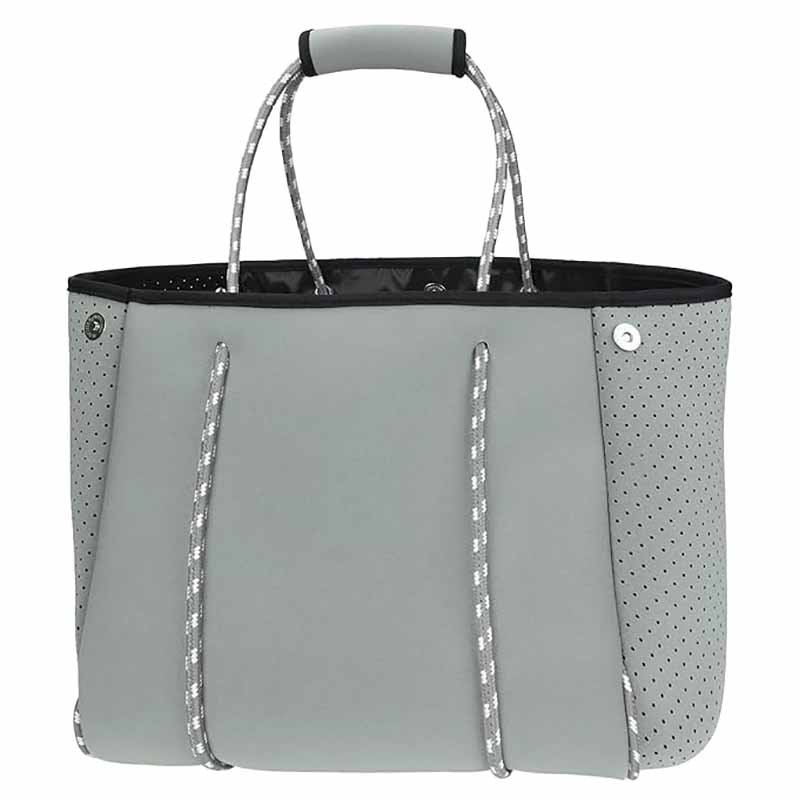
Choosing between faux neoprene and real neoprene depends on your product needs. Faux neoprene is cost-effective, lightweight, and easier to customize, making it ideal for fashion accessories, promotional products, and short-term applications. Real neoprene, on the other hand, is better suited for performance-driven products that require durability, insulation, and compression resistance, such as wetsuits, medical supports, and heavy-duty bags.
What is the primary consideration when choosing between faux and real neoprene?
The most important factor when choosing between faux neoprene and real neoprene is intended application. Here’s a breakdown of how the two materials differ in key areas:
- Performance Requirements
- Real neoprene excels in high-performance applications where insulation, compression resistance, and durability are essential.
- Faux neoprene is better for cosmetic or aesthetic-focused applications, such as fashion accessories or promotional products, where cost and design flexibility matter more than thermal insulation or strength.
- Cost Constraints
- Faux neoprene is significantly more affordable than real neoprene, making it an excellent choice for budget-sensitive markets or promotional items.
- Real neoprene is more expensive due to its complex manufacturing process, material costs, and performance characteristics.
- Durability and Lifespan
- Real neoprene offers long-term durability and resilience, making it perfect for products that experience repeated use, such as wetsuits, sports gear, and medical supports.
- Faux neoprene tends to wear out softer and less resistant to compression, making it better suited for short-term products where long-term performance is not a concern.
How do insulation and elasticity compare?
| Feature | Real Neoprene | Faux Neoprene |
|---|---|---|
| Elasticity | High (great stretch and recovery) | Moderate (less recovery) |
| Thermal Insulation | Excellent (closed-cell structure) | Moderate (open-cell foam) |
| Compression Resistance | High (keeps shape) | Moderate (compresses over time) |
Real neoprene’s closed-cell structure traps air, providing superior insulation and elasticity. Faux neoprene, on the other hand, often uses open-cell foam, leading to lower insulation and less elasticity, which makes it unsuitable for products that need to retain shape or thermal performance.
Which applications are best for faux neoprene?
Faux neoprene shines in applications where aesthetics and cost matter more than insulation and durability. Here’s a breakdown of ideal uses for faux neoprene:
- Fashion accessories: Faux neoprene is lightweight, easy to customize, and comes in vibrant colors, making it a popular choice for fashion bags, cosmetic pouches, totes, and clutches.
- Promotional products: Faux neoprene’s low cost, printability, and flexibility make it perfect for custom koozies, event giveaways, and gift bags.
- Short-term use: Faux neoprene is great for seasonal collections or special edition products that do not need to endure extreme conditions or frequent use.
For example, a promotional koozie made from faux neoprene can serve its purpose at an event or giveaway without needing to provide thermal insulation over extended periods.
Which applications require real neoprene?
Real neoprene is the go-to material for products that require long-term durability, thermal protection, or high performance. It is ideal for:
- Wetsuits: Real neoprene is essential for thermal insulation in water sports. Its closed-cell structure traps air and keeps the body warm.
- Medical supports: Neoprene is used in braces, sleeves, and supports because of its elasticity, compression resistance, and comfort.
- Heavy-duty bags: When durability and insulation matter (such as in cooler bags or tool bags), real neoprene offers superior protection and long-lasting performance.
Products that are exposed to moisture, sunlight, or extreme physical activity typically require real neoprene’s resilience and strength.
How do the material’s physical properties influence product design?
Thickness, density, and surface finish are key factors when deciding between faux and real neoprene.
- Faux neoprene typically ranges from 2–5 mm in thickness and can be laminated with textiles to create various colors, patterns, and textures. It is easy to print, cut, and sew, which makes it ideal for custom designs.
- Real neoprene is available in thicker forms (usually 3–7 mm) and requires special machinery for cutting, sewing, and sealing. It’s better suited for rugged applications where product shape retention and thermal protection are essential.
Real neoprene’s thicker, more rigid structure makes it difficult to work with in products where flexibility and lightweight properties are preferred. This is why faux neoprene is a better choice for fashion bags, cosmetic cases, and promotional products.
What are the environmental impacts of faux vs. real neoprene?
While real neoprene has higher environmental concerns due to chloroprene (which is harmful to the environment in large quantities), faux neoprene can sometimes be produced using recycled polyester or other more sustainable materials.
However, faux neoprene is still not 100% eco-friendly. Most faux neoprene products use foam bases like EVA and PU, which are not biodegradable and may not be easily recyclable.
Real neoprene’s manufacturing has come under scrutiny for its chemical processes and limited recycling pathways. Thus, when sustainability is a top priority, choosing materials with better eco-certifications or natural rubber alternatives could be necessary.
Why Brands Choose Oneier for Neoprene & Faux Neoprene Products
Brands choose Oneier for neoprene and faux neoprene products because of our 18+ years of expertise, low MOQ customization, and free design support. We provide cost-effective, high-quality materials for fashion bags, promotional products, sports gear, and more. With fast sampling, fast turnaround times, and 100% quality assurance, Oneier ensures that every product meets your brand’s performance and aesthetic standards.
Why does Oneier stand out from other suppliers?
Oneier is not just a supplier—we are a full-service manufacturing partner. Here’s why brands choose us for their neoprene and faux neoprene product needs:
- Industry Expertise: With 18+ years of experience, Oneier has deep knowledge in neoprene R&D, manufacturing processes, and material science. This expertise allows us to provide high-quality products that meet the specific needs of industries ranging from fashion to medical and promotional products.
- Material Knowledge: Unlike many other suppliers, Oneier is not just a “trading company.” We have in-house production facilities and extensive material expertise in both real neoprene and faux neoprene. This means you get access to expert guidance on material selection, performance trade-offs, and customized solutions tailored to your product specifications.
- Quality Control: Quality assurance is central to our manufacturing process. We perform rigorous quality checks at every stage of production, ensuring that every batch meets our strict standards. This ensures consistency across your product line, even at higher volumes.
What are the advantages of working with Oneier?
Here are several reasons why brands choose Oneier over other neoprene manufacturers:
- Low MOQ Customization: We understand that many brands, especially startups or small to mid-sized businesses, need to order in smaller quantities without sacrificing product quality. Oneier offers low MOQ customization, making it easier for brands to develop prototypes, test markets, and expand their offerings without large upfront investments.
- Free Design Support: Our team provides free design consultations, helping brands optimize product design, materials, and performance. From helping you choose between faux neoprene and real neoprene to ensuring your logo is printed perfectly, Oneier works with you from concept to production.
- Fast Sampling and Quick Turnaround: At Oneier, we understand the fast-paced nature of product development. Our rapid sampling process allows brands to see prototypes quickly—often within 5–7 business days—enabling you to test products before committing to large production runs. We ensure fast lead times, so you don’t have to worry about delays.
- Custom OEM / ODM Solutions: Whether you need a custom product design, private-label branding, or OEM/ODM solutions, Oneier delivers exactly what you need. We can help design products specifically for your brand’s market and create products in small batches or large orders to scale as your business grows.
- 100% Quality Assurance: Quality is at the heart of everything we do. We stand behind every product with a 100% quality guarantee, ensuring that your products meet the highest standards. Our rigorous testing includes checks for compression resistance, seam durability, insulation performance, and color consistency.
What industries benefit from Oneier’s neoprene and faux neoprene products?
Oneier works with a wide range of industries, providing tailored solutions that meet each sector’s unique demands. Our expertise in neoprene and faux neoprene spans the following industries:
- Fashion & Accessories: Faux neoprene is perfect for fashion accessories like bags, wallets, and totes. It is also used in promotional giveaways like drink koozies and laptop sleeves, where design flexibility and printability are key.
- Sports & Fitness: Real neoprene is ideal for products requiring compression resistance and insulation, such as knee braces, elbow sleeves, and sports protective gear. Faux neoprene is used for lightweight items like fitness bands and activewear accessories.
- Medical & Orthopedic: Real neoprene is widely used in medical supports, orthopedic braces, and wrist supports because of its elasticity, compression properties, and durability. Faux neoprene can serve in lightweight supports but cannot match the long-term performance of real neoprene.
- Promotional Products: Faux neoprene is perfect for custom koozies, event gift bags, tote bags, and brand-specific giveaways. Its affordability and customization options make it a staple for trade shows, corporate promotions, and seasonal marketing.
- Consumer Goods: Whether it’s a cooler bag, cosmetic pouch, or travel accessories, Oneier’s custom neoprene products offer great solutions for everyday consumer products. Faux neoprene provides a cost-effective way to offer functional and stylish products.
How does Oneier’s process differ from traditional neoprene manufacturers?
Oneier stands apart in several key areas:
- Material Transparency: We provide clear material specifications for both faux neoprene and real neoprene, allowing brands to make informed choices based on product performance needs.
- End-to-End Manufacturing: Unlike other suppliers, we handle everything in-house—from material R&D and design to manufacturing and packaging. This vertical integration allows us to offer faster lead times, better quality control, and more direct communication with our clients.
- Customization Flexibility: Oneier excels in custom solutions for brands, whether they are creating a unique design, private-label products, or low-volume orders for specialty markets.
- Sustainability and Innovation: We are constantly investing in sustainable material options and production techniques to meet the growing demand for eco-friendly products without compromising on quality or performance.
Conclusion
Choosing between faux neoprene and real neoprene is not just a material question—it’s a product strategy decision. The wrong choice can lead to performance issues, higher return rates, or a mismatch between your product and your market. The right choice, however, can significantly improve durability, user experience, and long-term brand value. That’s where Oneier comes in. With over 18 years of hands-on experience in neoprene material R&D and manufacturing, Oneier doesn’t simply sell materials—we help brands and buyers make informed, technically sound decisions before production begins. Whether you need faux neoprene, real neoprene, or a hybrid engineered solution, we help you choose what actually works—not what merely sounds good. Choosing the right manufacturing partner builds successful products. If you’re ready to move from research to action, Request a material consultation or custom quote from Oneier today. Our team will help you transform your idea into a well-engineered, market-ready product—with clarity, efficiency, and confidence.