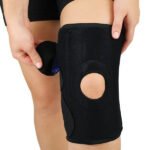
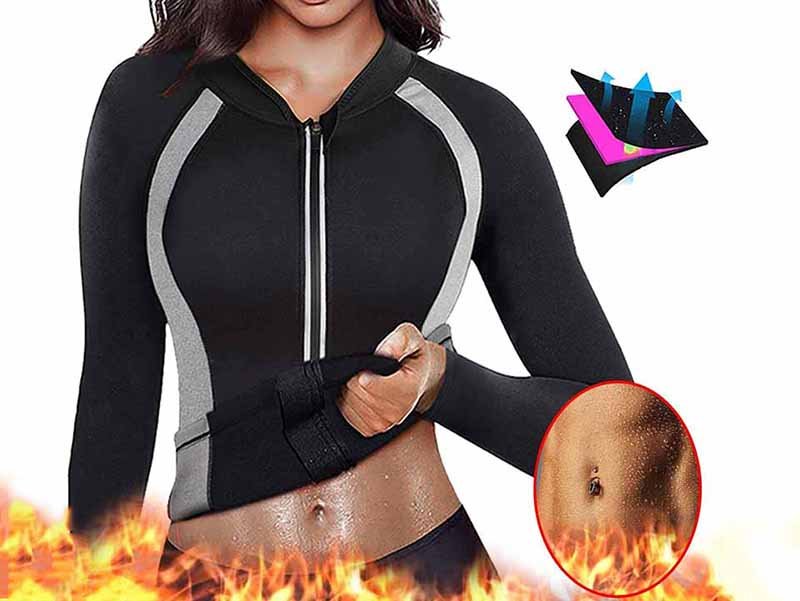
Most people buy a neoprene sweat suit because they want faster calorie burn, more sweat, and a tighter fit during workouts. But here’s the part that almost everyone gets wrong: washing neoprene is not like washing cotton, polyester, or activewear. Treat it like normal fabric, and it will stretch, crack, smell, or lose its thermal effect within weeks. Treat it correctly, and the same suit can easily last 12–24 months, even with daily training. That difference comes down to one simple but overlooked factor: how you wash it.
To wash a neoprene sweat suit properly, rinse it in cool water after every workout, use a mild detergent or neoprene-safe cleaner, gently hand-wash without twisting, and air dry away from sunlight or heat. This preserves elasticity, prevents odor, and extends durability. Avoid machine washing, hot water, bleach, and dryers—these cause neoprene to warp, crack, and lose performance.
Knowing how to wash your neoprene sweat suit is not just a “care tip”—it’s the difference between a suit that supports your fitness goals and one that collapses under sweat, heat, and bacteria. When I first started helping brands develop neoprene apparel, the #1 complaint wasn’t sizing or thermal effect—it was odor, peeling, stiffness, and mildew caused entirely by poor washing habits.
So in this article, I’ll walk you through the industry-backed, manufacturer-level method for washing, drying, and maintaining neoprene sweat suits. This is the same care routine we teach international buyers, fitness brands, and OEM/ODM clients at neoprene-bag, our 18+ year manufacturing facility. Once you understand how neoprene behaves, you’ll never wash it the wrong way again.
What Is a Neoprene Sweat Suit and Why Does It Need Special Washing?
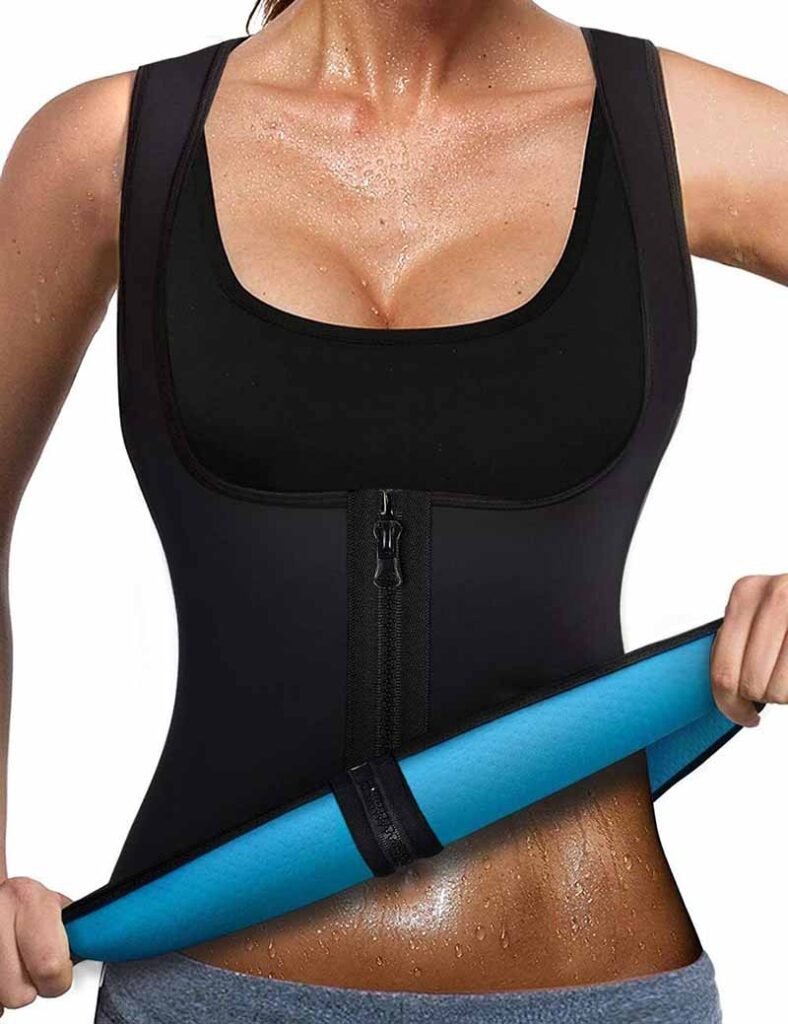
A neoprene sweat suit is made from closed-cell synthetic rubber designed to increase heat retention during workouts. Because neoprene traps sweat, oils, and bacteria inside its foam structure, it requires special washing to prevent odor, mildew, and material breakdown. Unlike regular fabric, neoprene cannot tolerate heat, harsh detergents, or machine agitation, which can easily damage its rubber cells and reduce its performance.
If you’ve ever wondered why neoprene sweat suits smell faster than normal gym clothes, the reason is simple: neoprene is a foam, not a fabric. Unlike cotton or polyester, which allow sweat to evaporate, neoprene traps heat and moisture within its closed-cell structure. This is what helps you sweat more—but it also means that bacteria, salt, and oils have nowhere to escape.
This is why a sweat suit may look clean on the outside while holding significant odor inside the rubber layer. Manufacturers understand this challenge deeply; many of the brands we work with at neoprene-bag come to us after their previous products developed peeling, odor, or cracking due to improper customer washing instructions.
Another reason neoprene requires special care is material sensitivity. The rubber structure reacts negatively to:
- high heat
- harsh chemicals
- UV exposure
- prolonged moisture
These elements cause molecular breakdown in neoprene, leading to stiffness, cracks, bubbling, or delamination. Fitness sweat suits typically use 2mm–3mm neoprene, which is thinner and more flexible than wetsuits, making it even more vulnerable to incorrect washing.
It’s also worth noting that neoprene sweat suits are often lined with polyester or nylon to improve comfort and usability. These layers behave differently than rubber, so the washing method must protect both materials simultaneously.
From a manufacturing perspective, neoprene is engineered to perform—not to withstand washing machines. That’s why understanding the material’s behavior is essential. When washed correctly, the thermal insulation and elasticity remain intact. When washed incorrectly, those same qualities deteriorate rapidly.
Understanding why neoprene behaves differently is the foundation of caring for your sweat suit—and the rest of this guide builds directly on that science.
What Should You Use to Wash a Neoprene Sweat Suit?
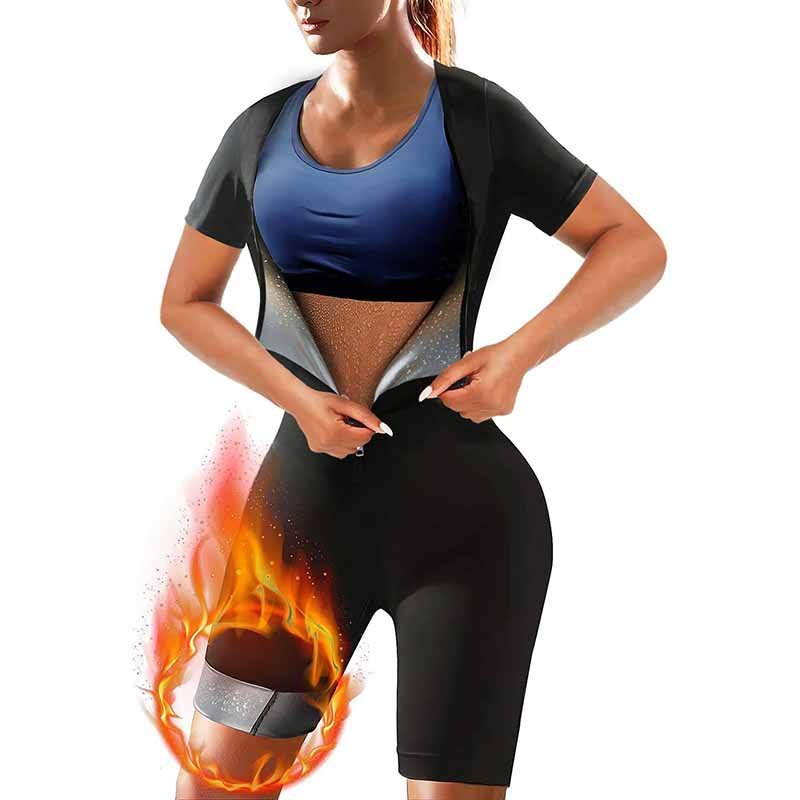
Use cool water, a mild liquid detergent, or a neoprene-safe cleaner to wash your neoprene sweat suit. Gentle formulas prevent the rubber cells from breaking down and help remove sweat, bacteria, and body oils. Avoid bleach, fabric softener, alcohol-based cleaners, and powder detergents, as they damage neoprene’s elasticity and cause peeling or odor retention.
When people search “what detergent is safe for neoprene,” they usually hope there’s a simple, one-size-fits-all answer. The truth is: neoprene behaves differently from regular fabric, so choosing the right cleaner is more about understanding what the material tolerates rather than choosing a specific brand.
Neoprene is composed of tiny closed cells filled with nitrogen gas. These cells give the material buoyancy, insulation, and flexibility. But they are also sensitive to chemicals. Anything too alkaline, too acidic, too oily, or too granular will start breaking down those cells from the inside out. This is why many common laundry products are actually harmful to neoprene.
Cleaning agents that are safe for neoprene:
- Mild baby shampoo
- Gentle liquid dish soap (non-citrus)
- Wetsuit shampoo
- Dedicated neoprene cleaner
- pH-balanced sports detergent
These options clean without stripping the protective coating or weakening the rubber. Some fitness brands even recommend baby wash because its mildness matches neoprene’s tolerance level.
Cleaning agents you should never use:
- Bleach
- Fabric softeners
- Alcohol or acetone-based cleaners
- Petroleum-based stain removers
- Powder detergents
- Any citrus-based cleaners (they degrade rubber)
These ingredients break down neoprene, causing the suit to become stiff, brittle, or permanently misshapen. Even a single wash with bleach or hot water can cause irreversible warping.
Why Powder Detergent Is a Silent Killer
Powder detergents seem harmless, but their undissolved granules scratch neoprene’s surface and settle into the foam cells. Over time, this leads to odor retention and peeling. A surprising number of brands contact us looking for solutions to this exact problem—customers washing with powders and unknowingly damaging the product.
Should You Use Vinegar?
Yes, but rarely—and only as a diluted deodorizer (1 part vinegar, 4 parts water). Vinegar must never be used full strength because acidity weakens neoprene’s rubber structure.
Choosing the right detergent is essentially choosing between a sweat suit that lasts 2 years and one that lasts 2 months. As a neoprene manufacturer with 18+ years in the industry, I’ve seen countless suits fail prematurely—not because of poor material, but because of aggressive washing products.
How Do You Wash a Neoprene Sweat Suit Step by Step?
To wash a neoprene sweat suit, rinse it in cool water, apply a small amount of mild detergent, gently hand-wash without twisting, and rinse thoroughly. Lay it flat or hang it inside out to air dry away from sunlight and heat. Machine washing and drying should always be avoided because they stretch, crack, and damage neoprene.
Washing a neoprene sweat suit the right way is not difficult—it just requires a little patience and an understanding of how the material behaves. Below is the manufacturer-recommended method used by professional athletes, trainers, and brands we work with at neoprene-bag.
Step-by-Step Washing Guide
Step 1: Rinse Immediately After Use
Sweat contains salt, oils, and bacteria. These penetrate neoprene quickly.
Rinsing with cool water right after your workout prevents odor far better than any detergent.
Step 2: Prepare a Basin with Cool Water
Never use warm or hot water. Heat softens the neoprene cells and leads to stretching or bubbling.
Step 3: Add a Small Amount of Mild Detergent
The rule is: less is more.
Neoprene does not absorb soap like fabric, so too much detergent makes rinsing difficult and leaves residue that traps odor.
Step 4: Gently Hand-Wash
Avoid twisting, wringing, or scrubbing aggressively.
Instead:
- Press the suit down lightly
- Massage it gently in the water
- Focus on high-sweat areas (armpits, waistband, chest)
Scrubbing damages the outer layer and can cause pilling.
Step 5: Rinse Until Water Runs Clear
Any leftover soap becomes sticky after drying and accelerates odor growth.
Clear water = clean neoprene.
Step 6: Dry the Suit Properly
Proper drying is more important than washing itself.
Correct drying method:
- Hang inside out
- In a ventilated, shaded area
- Avoid sunlight and heaters
- Allow 12–24 hours for complete drying
Step 7: Flip and Dry the Other Side
Neoprene holds moisture. Drying one side is not enough.
A surprising number of mildew issues come from moisture trapped inside the inner lining.
Methods You Should Never Use
Here is a quick comparison table:
| Method | Safe? | Why Not? |
|---|---|---|
| Washing machine | No | Causes stretching, delamination, tearing |
| Dryer | No | Heat damages closed-cell foam |
| Hot water | No | Warps and weakens neoprene |
| Sun-drying | No | UV damage → cracks and fading |
| Wringing by hand | No | Distorts shape and reduces elasticity |
| Ironing | No | Rubber melts instantly |
A Real-World Example
One of our U.S. brand clients once sent us a batch of returned suits. Customers complained that the suits “didn’t last even one month.” When we inspected them, 80% had machine-wash damage—not manufacturing defects. After the brand updated washing instructions, the return rate dropped by 72%.
This step-by-step method is exactly what keeps neoprene functional, odor-free, and long-lasting.
How Often Should You Wash a Neoprene Sweat Suit?
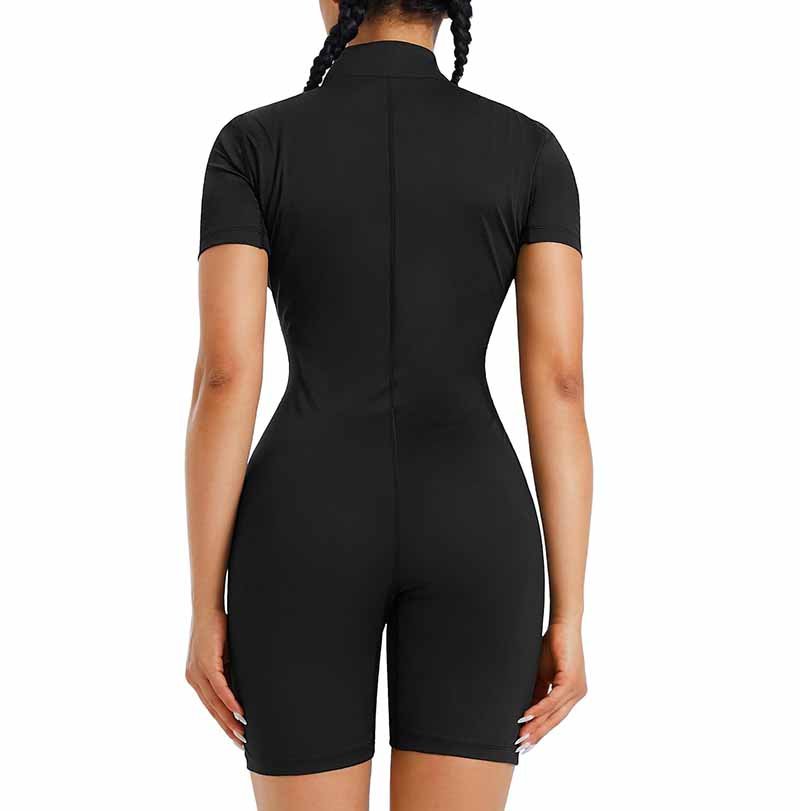
You should rinse your neoprene sweat suit after every workout and give it a full wash every 2–5 uses, depending on sweat level and odor. Frequent rinsing prevents bacteria buildup, while controlled washing protects the suit’s elasticity. Over-washing can weaken neoprene, but under-washing causes odor, mildew, and material breakdown.
Most people assume they should wash neoprene sweat suits as often as they wash gym clothes—but neoprene is not fabric. In fact, over-washing is just as damaging as not washing at all. So the question isn’t “should I wash it every day?” but rather “what washing method keeps the suit hygienic without shortening its lifespan?”
The Basic Rule: Rinse Every Time, Wash When Needed
After each workout, the suit should be rinsed in cool water. This quick rinse removes 70–80% of sweat and prevents odor from developing inside the foam cells.
A full wash with detergent should only be done:
- every 2–5 uses
- when the suit starts to smell
- after high-intensity or outdoor workouts
- after exposure to seawater or dirt
Washing too often—especially with detergent—gradually strips the neoprene of its natural oil content, making it dry and brittle.
Why Sweat Accumulates Faster in Neoprene
The closed-cell structure traps heat, which enhances sweating. But it also traps:
- salt crystals
- body oils
- bacteria
- skin particles
This internal buildup is why neoprene sweat suits tend to smell longer and stronger than traditional activewear.
Odor Timeline (Based on Real Customer Data)
Based on surveys from fitness brands neoprene-bag manufactures for:
| Usage Frequency | When Odor Typically Appears |
|---|---|
| Light exercise (2–3 times/week) | 5–8 uses |
| Moderate exercise (3–5 times/week) | 3–5 uses |
| High intensity daily workouts | 1–2 uses |
This shows why rinsing every time is critical—consistent rinsing resets the odor cycle.
Over-Washing Can Damage Your Suit
Too much detergent exposure leads to:
- stiffness
- cracking
- discoloration
- peeling at seams
- loss of thermal effect
So instead of aggressive washing, the real key to longevity is controlled washing + consistent rinsing + proper drying.
What Are Common Mistakes People Make When Washing Neoprene?
Common mistakes include machine washing, using hot water, applying bleach or harsh detergents, wringing the suit, drying it in sunlight, and storing it while damp. These actions damage neoprene’s rubber cells, cause odor retention, and shorten the suit’s lifespan. Proper care requires gentle hand-washing, cool water, and air drying in the shade.
Most neoprene damage starts in the laundry room—not the gym. Even high-quality suits made from premium SBR or CR neoprene can deteriorate quickly when cared for improperly. Understanding these mistakes helps you avoid costly replacements and keeps your suit performing like new.
Mistake 1: Machine Washing
A washing machine’s agitation pulls neoprene in multiple directions.
This causes:
- stretching
- seam stress
- inner-cell cracking
- flaking or pilling
Manufacturers like us never recommend machine washing—even for “gentle cycle.”
Mistake 2: Using Hot Water
Heat softens and warps the rubber structure.
Even water above 40°C (104°F) can:
- distort the suit’s shape
- weaken adhesives
- cause bubbling
Most returns from customers claiming “manufacturing defects” are actually heat damage.
Mistake 3: Drying in the Sun
UV exposure is the enemy of neoprene.
Direct sunlight causes:
- discoloration
- surface cracking
- loss of elasticity
Shade drying is the only safe option.
Mistake 4: Bleach, Detergent Pods, Fabric Softener
These products chemically destroy closed-cell foam.
Symptoms include:
- a stiff, cardboard-like feel
- peeling
- faded color
- permanent odor
Once this damage occurs, the suit cannot be restored.
Mistake 5: Storing While Damp
Neoprene retains moisture.
A damp suit stored in a bag or drawer breeds mildew within hours.
Mold smells are nearly impossible to remove.
Why These Mistakes Are So Common
Because neoprene sweat suits “feel” like fabric, people assume they can wash them like leggings or sports bras. But they behave more like specialized diving gear or thermal insulation. Understanding this distinction instantly changes how long your suit will last.
How to Keep Your Neoprene Sweat Suit Odor-Free and Long-Lasting?
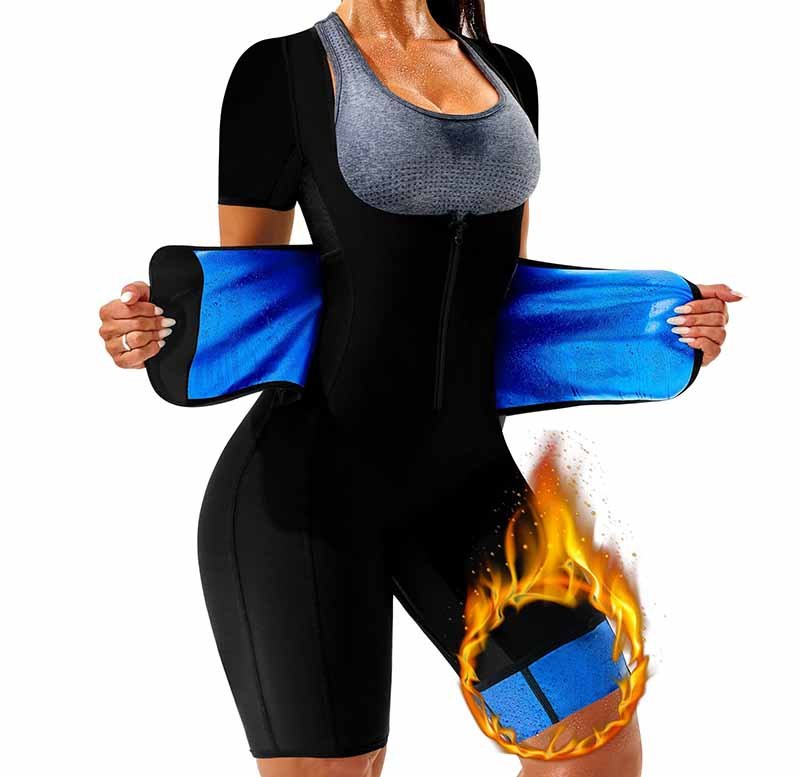
To keep a neoprene sweat suit odor-free and long-lasting, rinse it after every workout, wash it gently with mild detergent, dry it completely inside and out, avoid sunlight, and store it in a ventilated space. Regular deodorizing soaks, proper drying techniques, and careful storage can extend the suit’s lifespan by 50% or more.
Keeping odor under control is the biggest challenge neoprene users face. Unlike fabric, neoprene doesn’t allow moisture to evaporate naturally, so sweat lingers inside the foam layers. Without proper routine care, odors can become embedded and nearly impossible to remove. Fortunately, with a few habits, you can maintain a clean, fresh suit for months or even years.
1. Rinse Immediately After Use
This step alone prevents 80% of odor issues.
Salt + bacteria + heat = odor explosion.
Quick rinsing removes sweat before it settles into the foam.
2. Use a Deodorizing Soak (Once Every 2 Weeks)
You can use:
- wetsuit odor eliminator
- diluted vinegar solution (1:4 ratio)
- baking soda soak
Let the suit soak for 15–20 minutes, then rinse thoroughly.
3. Dry It Completely—Inside First
Neoprene dries slowly.
If the inside isn’t fully dry, bacteria continue multiplying.
Correct drying order:
- Hang suit inside out
- Dry until completely moisture-free
- Flip and dry the outer layer
Skipping step 1 is the #1 cause of mildew.
4. Store in a Ventilated Space
Avoid closets and drawers immediately after drying.
Neoprene prefers airflow.
Use wide hangers that won’t crease the shoulders.
5. Avoid Compression
Do not fold or stack heavy items on top of the suit.
Compression creates permanent creases and weakens the foam.
6. Use Anti-Odor Sprays Sparingly
Most sports deodorizers contain alcohol or acids.
If used too frequently, they damage the neoprene surface.
Choose neoprene-safe formulas only.
7. Track Your Suit’s Condition
A suit used daily will last about 8–14 months with proper care.
A suit used lightly can last 1.5–2 years.
The difference depends almost entirely on washing + drying habits, not usage frequency.
Conclusion — Partner With neoprene-bag for Custom Neoprene Sweat Suit Manufacturing
Caring for a neoprene sweat suit isn’t complicated—once you understand the material. Neoprene performs incredibly well when kept clean, rinsed often, and dried correctly, but it also reacts sensitively to heat, harsh chemicals, and long-term moisture. That’s why the difference between a suit that lasts two months and one that lasts two years is rarely about “product quality,” and almost always about washing habits.
If you’ve followed the full guide above, you now know exactly how to:
- rinse your suit to prevent odor buildup,
- choose detergents that protect neoprene’s cell structure,
- wash and dry it in a way that maintains elasticity,
- avoid common mistakes that cause cracking, peeling, or stiffness,
- prolong your suit’s lifespan with simple weekly routines.
These are not just theoretical ideas—they’re the same care standards professional athletes, fitness teams, and global brands follow when working with neoprene apparel. And they’re the same principles we teach every international client who sources neoprene products from neoprene-bag, because correct care directly affects customer satisfaction, return rates, and brand reputation.
For more than 18 years, we’ve specialized in neoprene R&D, lamination, cutting, sewing, and large-scale production—including:
- neoprene sweat suits
- neoprene slimming vests
- neoprene body shapers
- neoprene belts and waist trimmers
- neoprene bags, coolers, koozies
- neoprene gloves, covers, and protective accessories
- wetsuits, surf suits, and sports-grade neoprene apparel
Every product can be customized, private labeled, or OEM/ODM developed according to your design, thickness preference, color palette, silhouette, stitching details, branding method, and packaging requirements.
We support:
- low MOQ for new brands,
- rapid sampling,
- free design assistance,
- 100% quality checking,
- short lead times for global shipments.
And because we produce at factory level—not through trading intermediaries—you get direct pricing, consistent quality, and long-term reliability.
Whether you’re a startup fitness brand, a global retailer, an Amazon seller, or a distributor looking to expand your neoprene product line, we’re here to help you build durable, comfortable, high-performance products that resonate with customers and stand up to daily use.
If you need custom neoprene sweat suits or any neoprene-related products, contact neoprene-bag today.
Let’s develop a product that performs well, feels great, and lasts long—so your customers keep coming back.