Neoprene tops have quietly moved from niche technical gear into mainstream sportswear, workwear, and even lifestyle apparel. Once known almost exclusively for wetsuits, neoprene is now used in compression tops, training shirts, protective garments, and fashion-forward designs. Yet many buyers—both consumers and brands—still struggle to answer a simple question: what exactly is a neoprene top, and why would someone choose it over traditional fabrics?
Part of the confusion comes from neoprene’s unique behavior. It doesn’t act like cotton, polyester, or nylon. It insulates, compresses, cushions, and protects—but it also breathes differently and feels different on the body. These characteristics make neoprene powerful when used correctly, and problematic when misapplied.
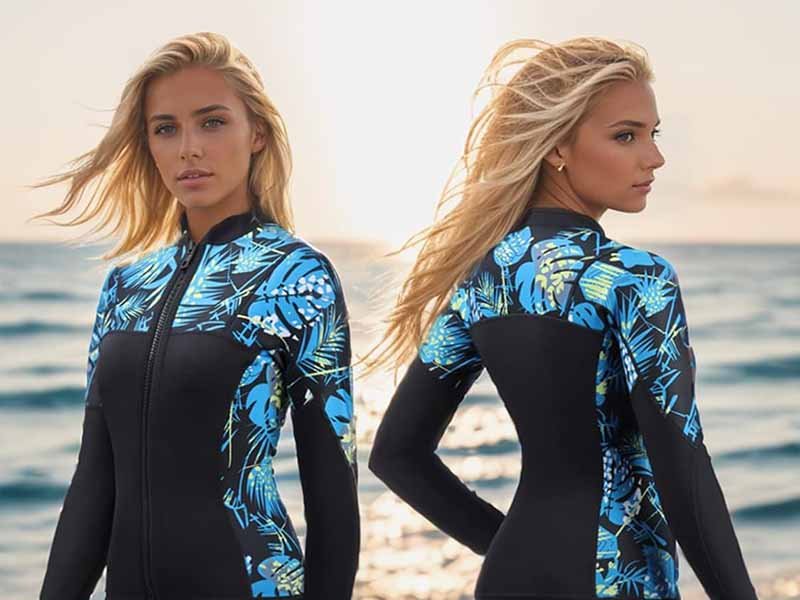
A neoprene top is a garment made primarily from neoprene fabric, a synthetic rubber foam laminated with textile layers. It is designed to provide thermal insulation, compression, flexibility, and protection. Neoprene tops are commonly used in sports, water activities, medical support, and performance apparel where warmth, support, or impact resistance is required rather than maximum breathability.
The real value of a neoprene top lies in matching the material to the right use case. When done correctly, it becomes a high-performance solution. When done poorly, it becomes uncomfortable. In the sections below, we’ll break down what neoprene tops are, how they’re made, where they work best—and where they don’t—so you can make informed decisions, whether you’re buying, designing, or developing custom neoprene products.
What Is a Neoprene Top
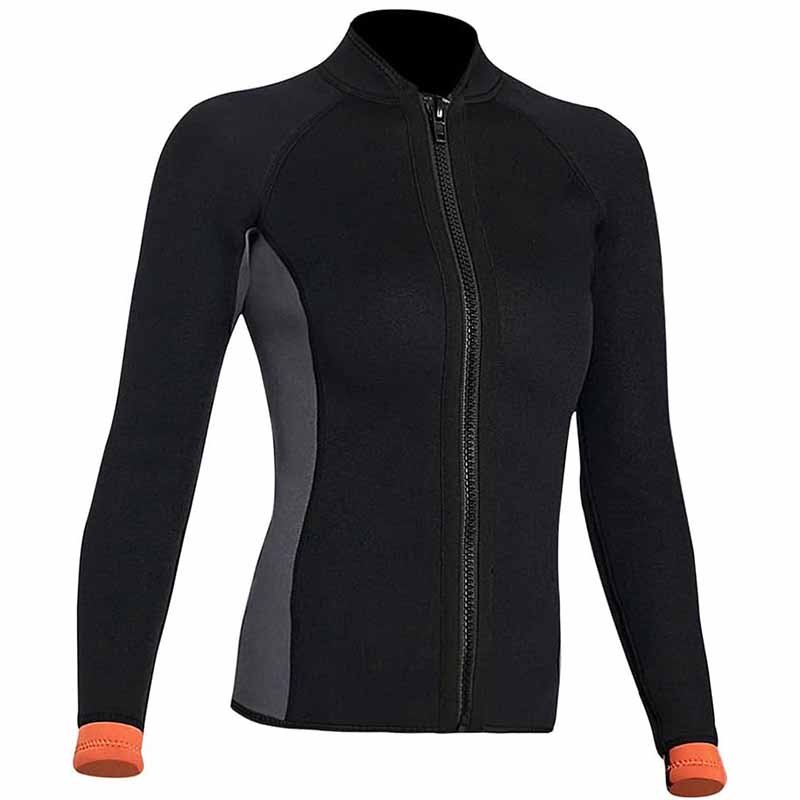
A neoprene top is a functional garment made primarily from neoprene fabric—a closed-cell synthetic rubber foam laminated with textile layers. It is designed to provide thermal insulation, compression, flexibility, and light protection rather than maximum breathability. Neoprene tops are commonly used in sports training, water activities, medical support, and performance wear where warmth, muscle support, or structure is required.
What does the term “neoprene top” actually mean?
In practical terms, a neoprene top refers to any upper-body garment where neoprene is the core functional material, not just a surface fabric. Unlike ordinary shirts made from woven or knitted textiles, neoprene tops are engineered products that combine material science and garment construction.
The word “top” describes the garment category (upper-body wear), while “neoprene” defines its function. This means neoprene tops are designed to do something specific: retain heat, apply compression, stabilize muscles, or protect the body from cold, friction, or impact. They are not intended to behave like everyday T-shirts or sweatshirts.
What is a neoprene shirt, and how is it different from regular shirts?
A neoprene shirt is a common subtype of neoprene top, shaped like a shirt but performing very differently from cotton or polyester alternatives.
| Aspect | Neoprene Shirt | Regular Shirt |
|---|---|---|
| Core material | Rubber foam composite | Textile fibers |
| Thermal insulation | High | Low |
| Compression | Moderate | Minimal |
| Breathability | Limited | High |
| Water resistance | High | Low |
| Structure retention | Strong | Weak |
Because of these differences, neoprene shirts are used for training, recovery, water sports, or protection, not for casual all-day wear unless specifically designed with ventilation or hybrid fabrics.
What materials make up a neoprene top?
A neoprene top is not a single material—it is a layered material system. A typical construction includes:
- Neoprene foam core (usually 1–5 mm thick)
- Outer fabric layer (nylon, polyester, or spandex blends)
- Inner lining for skin comfort
- Bonding adhesives or lamination films
The foam provides insulation and compression. The fabric layers add durability, stretch, and abrasion resistance. The way these layers are combined determines how the neoprene top feels, stretches, and performs in real use.
How does a neoprene top function on the body?
Neoprene tops work by trapping a thin layer of air and heat close to the body. This reduces heat loss and keeps muscles warm. At the same time, the elastic nature of neoprene applies uniform pressure, which many users find supportive during movement or recovery.
This functional behavior explains why neoprene tops are popular in:
- cold or windy training environments
- water-related activities
- muscle support and rehabilitation
- protective workwear
They are designed for performance conditions, not airflow-driven comfort.
Who typically uses neoprene tops?
Neoprene tops are used by:
- athletes and fitness enthusiasts
- surfers, divers, and water-sport participants
- workers in cold or wet environments
- medical and rehabilitation users
- niche fashion and techwear brands
For brands and buyers, neoprene tops are attractive because they deliver clear functional value, making them easier to position and differentiate in the market compared to standard apparel.
What a neoprene top is not
Understanding what a neoprene top is not is just as important:
- it is not designed for high breathability
- it is not ideal for hot, humid all-day wear
- it is not a replacement for lightweight athletic shirts
When neoprene is used outside its functional purpose, discomfort and dissatisfaction occur. Most negative opinions about neoprene come from misapplication, not material failure.
Which Types of Neoprene Tops Are Available
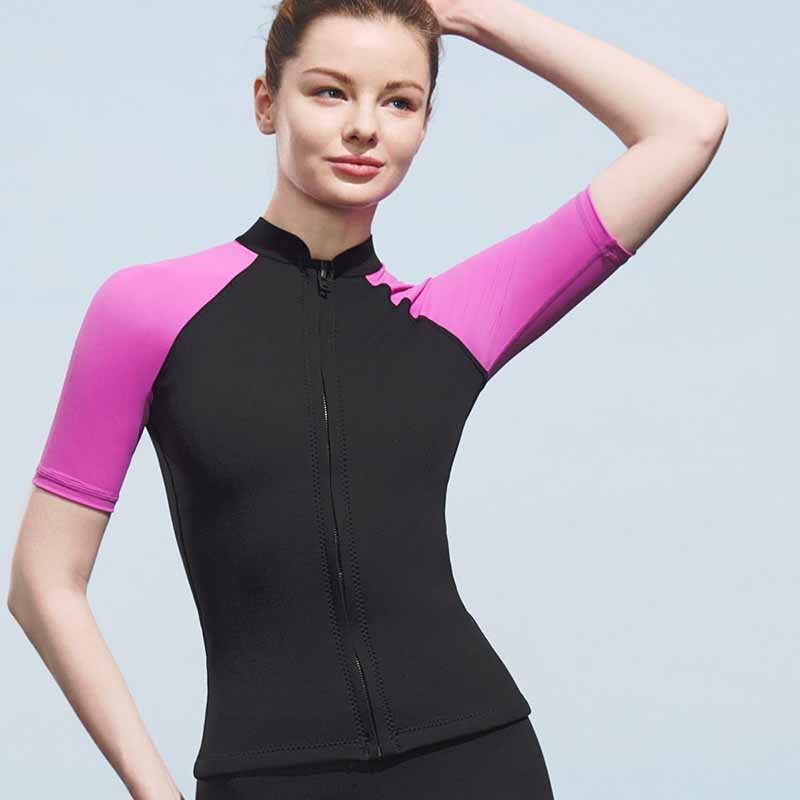
Neoprene tops are available in several types based on application, thickness, and functional purpose. The main categories include sports and performance neoprene tops, water-activity neoprene tops, medical and protective neoprene tops, casual or fashion neoprene tops, and hybrid neoprene tops that combine neoprene with breathable fabrics. Each type is designed to balance insulation, compression, flexibility, and comfort for specific use scenarios.
Which neoprene tops are designed for sports and performance use?
Sports and performance neoprene tops focus on muscle support, warmth, and controlled compression. These are commonly used in gym training, CrossFit, cycling warm-ups, outdoor workouts, and recovery routines.
Typical characteristics include:
- thinner neoprene foam (1–2.5 mm)
- high-stretch outer fabrics (nylon/spandex blends)
- body-contoured patterning
- flatlock or blind stitching for comfort
These neoprene tops are not meant to maximize insulation, but to keep muscles warm and supported during activity. Athletes often use them during warm-up or low-intensity training rather than prolonged high-intensity sessions.
Which neoprene tops are used for water activities and wetsuit layering?
Water-activity neoprene tops are designed to perform in wet environments. They are commonly used for surfing, diving, snorkeling, paddleboarding, and as upper-body layers in wetsuit systems.
Key features include:
- thicker neoprene (2–4 mm) for thermal insulation
- water-resistant or water-sealed seams
- snug fit to reduce water flushing
- smooth-skin or coated outer surfaces
These tops prioritize heat retention even when submerged. Compared to performance gym tops, they are less breathable but far more effective in cold or windy water conditions.
Which neoprene tops are used for medical and protective applications?
Medical and protective neoprene tops are designed for support, stabilization, and controlled compression, rather than athletic performance.
They are often used in:
- rehabilitation and physical therapy
- posture correction garments
- industrial or cold-environment workwear
Design characteristics include:
- moderate neoprene thickness (1.5–3 mm)
- adjustable closures or wrap designs
- softer inner linings for skin comfort
These neoprene tops focus on long-term wear comfort and safety rather than aesthetics.
Which neoprene tops are made for casual or fashion wear?
Casual and fashion neoprene tops leverage neoprene’s structural and sculpting properties rather than pure performance.
Common features:
- thinner foam layers (1–2 mm)
- smooth, matte, or textured outer fabrics
- structured silhouettes that hold shape
- design-driven seams and panels
Fashion neoprene tops appear in streetwear, techwear, and athleisure collections. Breathability is often improved through hybrid panels, perforations, or partial neoprene usage to enhance comfort.
What are hybrid neoprene tops, and why are they popular?
Hybrid neoprene tops combine neoprene with breathable fabrics such as mesh, polyester knits, or spandex textiles. This design reduces heat buildup while maintaining support where needed.
Hybrid designs typically:
- place neoprene at core or joint areas
- use breathable fabrics at high-heat zones
- improve comfort for extended wear
These tops are increasingly popular for summer training, lifestyle use, and multi-purpose garments.
How does neoprene thickness affect different types of tops?
Thickness plays a central role in classification:
| Thickness | Typical Use |
|---|---|
| 1–1.5 mm | Light support, fashion, hybrid tops |
| 2–3 mm | Training, water sports, medical use |
| 4–5 mm | Cold water or extreme conditions |
Selecting the wrong thickness often results in overheating or insufficient insulation. Professional manufacturers help brands choose thickness based on climate and activity.
How Is a Neoprene Top Made
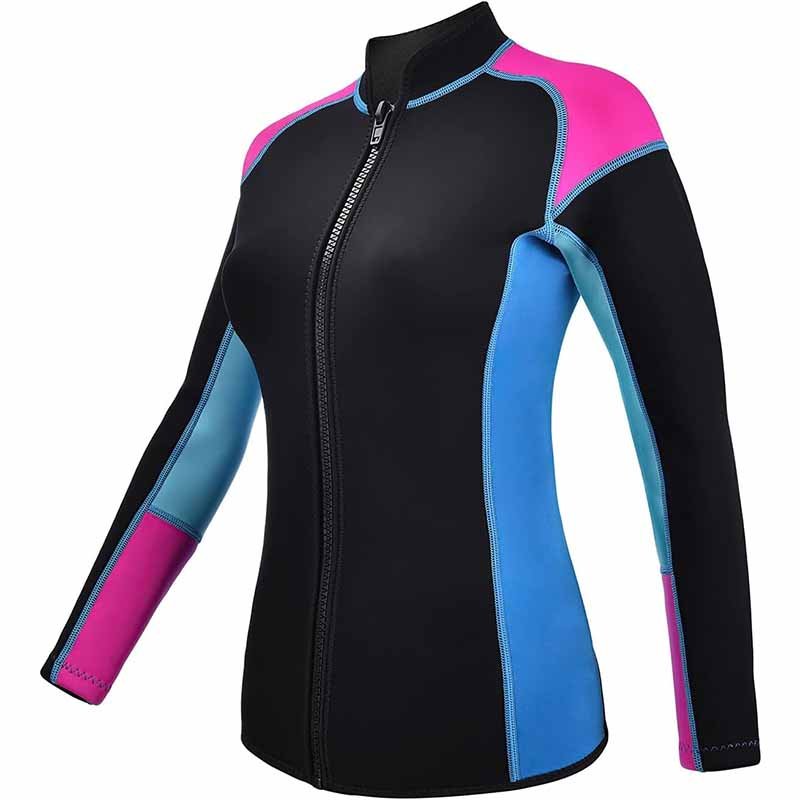
A neoprene top is made through a structured manufacturing process that includes neoprene foam production, fabric lamination, material inspection, precision cutting, panel assembly, stitching or bonding, finishing, and quality control. Each step is carefully controlled to balance insulation, stretch, comfort, and durability. Professional factories focus on thickness consistency, seam strength, and material stability to ensure reliable performance at scale.
How is neoprene foam produced in the first place?
Neoprene foam starts as synthetic rubber that is chemically expanded into a closed-cell structure. During foaming, gas bubbles are trapped inside the rubber, creating insulation, buoyancy, and cushioning.
Key variables controlled at this stage include:
- foam density
- cell uniformity
- thickness tolerance (commonly 1–5 mm)
- elasticity and recovery
The quality of the foam core determines how warm, flexible, and durable the final neoprene top will be. Poorly foamed neoprene leads to uneven thickness, weak compression, and early material breakdown.
How is neoprene laminated with fabric layers?
Bare neoprene foam is fragile and uncomfortable on its own, so it is laminated with textile layers on one or both sides. This creates the neoprene fabric used for tops.
Common lamination options include:
- nylon (durable, abrasion-resistant)
- polyester (cost-effective, color-stable)
- spandex blends (high stretch)
The lamination process uses specialized adhesives and controlled pressure and curing time. Proper lamination prevents peeling, stiffness, and delamination during use and washing—one of the most common neoprene quality issues.
How is neoprene material inspected and prepared before cutting?
Before cutting begins, laminated neoprene sheets are inspected for:
- thickness consistency
- surface defects
- bonding quality
- stretch behavior
Sheets are rested to release internal stress from lamination. This step improves dimensional stability and prevents distortion after cutting. Skipping proper inspection often leads to fit inconsistency and high defect rates later in production.
How are neoprene tops cut accurately?
Neoprene cutting requires precision. Unlike woven fabrics, neoprene stretches and compresses, so cutting direction and pattern alignment matter.
Cutting methods include:
- manual cutting for small runs or complex shapes
- die cutting for repeatability
- CNC cutting for high accuracy and efficiency
Panels are oriented to control stretch direction, ensuring balanced fit and movement. Incorrect cutting orientation leads to twisting, uneven compression, and discomfort when worn.
How are panels assembled and stitched or bonded?
After cutting, panels are assembled using techniques such as:
- flatlock stitching (comfortable, flexible)
- blind stitching (water resistance)
- glued-and-stitched seams (maximum strength)
Seam choice depends on the top’s purpose. Sports tops prioritize flexibility, while water-use tops prioritize sealing. Seam failure is a common neoprene problem, so professional factories test seam stretch and recovery before approval.
How are edges, openings, and details finished?
Necklines, cuffs, and hems are finished using binding, folded edges, or raw-edge sealing. Zippers, logos, and reinforcements are added at this stage.
Finishing details affect:
- comfort against the skin
- durability at high-wear zones
- visual quality
Poor finishing causes irritation, tearing, and premature wear—even if the core material is good.
How is fit, shape, and comfort validated?
Neoprene tops are tried on mannequins or test users to evaluate:
- compression level
- range of motion
- pressure points
- thermal comfort
This validation often leads to pattern adjustments. Professional neoprene tops usually require multiple sample iterations to achieve the right balance between support and comfort.
How is quality controlled during neoprene top production?
Quality control happens at multiple stages:
- incoming foam and fabric inspection
- lamination bond testing
- in-process seam checks
- final fit and appearance inspection
Factories that rely only on final inspection often miss root problems. Process-based QC is critical for consistent neoprene garment production.
How is factory production different from handmade neoprene tops?
Handmade neoprene tops allow flexibility but lack consistency. Factory production emphasizes:
- standardized thickness and stretch
- repeatable seam construction
- stable quality across batches
Professional manufacturing does not remove craftsmanship—it systematizes it so every unit performs the same way.
What Are the Benefits of Wearing a Neoprene Top
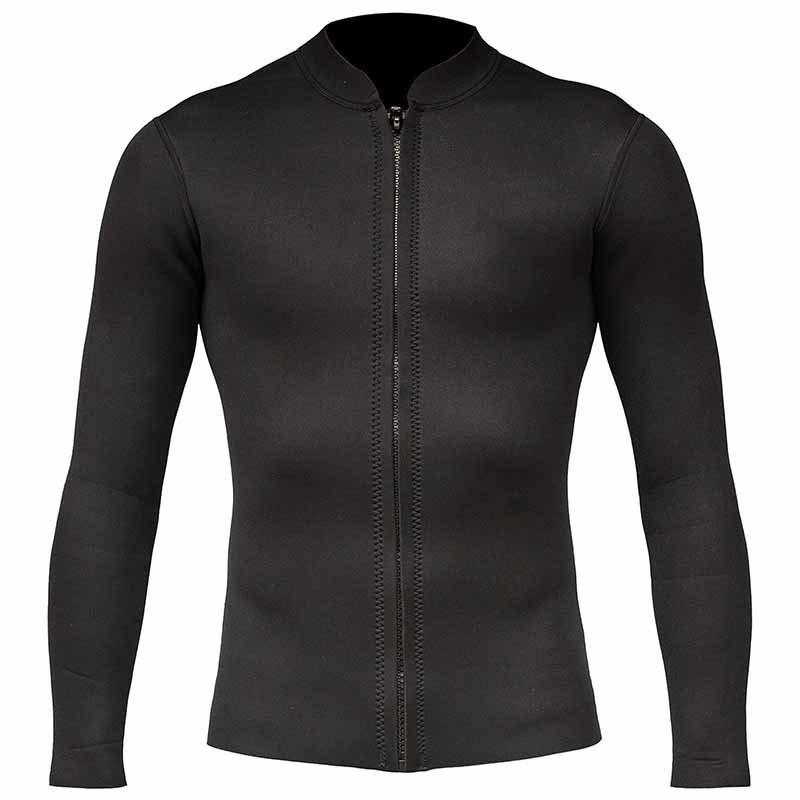
Wearing a neoprene top offers benefits such as thermal insulation, muscle compression, flexibility, light impact protection, and water resistance. Thanks to its closed-cell foam structure, neoprene retains body heat, supports muscles, and cushions the body during movement. These advantages make neoprene tops ideal for sports training, water activities, rehabilitation, and performance-focused environments where warmth and support matter more than breathability.
What makes neoprene tops better at thermal insulation?
Neoprene’s closed-cell foam structure traps tiny air pockets within the material. These air pockets act as an insulating barrier, reducing heat loss from the body. Unlike woven fabrics that rely on layering for warmth, neoprene creates insulation within a single layer.
This is why neoprene tops:
- keep the body warm even in cold or windy conditions
- retain heat when exposed to water or moisture
- reduce rapid temperature fluctuations during activity
For users training outdoors, in cold gyms, or near water, this insulation provides consistent comfort that standard athletic tops cannot deliver.
How does a neoprene top support muscles and joints?
Neoprene naturally stretches and rebounds, creating uniform compression across the upper body. This compression helps stabilize muscles and joints, which many users find beneficial during training or recovery.
Key support-related benefits include:
- reduced muscle vibration during movement
- increased body awareness and posture support
- improved comfort during repetitive motion
Because the compression is distributed evenly rather than tightly focused, neoprene tops feel supportive without restricting movement when designed correctly.
Why are neoprene tops effective for water and wet environments?
Unlike cotton or many synthetics, neoprene does not absorb water. Instead, it resists water penetration and maintains insulation even when wet.
This makes neoprene tops especially useful for:
- surfing, diving, and paddle sports
- waterside work or training
- transitional environments where clothing gets wet and dry repeatedly
The ability to stay warm when wet is one of the defining advantages of neoprene and a major reason it is widely used beyond everyday apparel.
How do neoprene tops provide light protection and cushioning?
The foam core in neoprene acts as a shock-absorbing layer, offering light protection against bumps, abrasion, and pressure. While neoprene tops are not armor, they reduce discomfort from contact and repetitive friction.
This is particularly useful in:
- functional training and gym workouts
- industrial or technical workwear
- medical or orthopedic support garments
This cushioning effect improves comfort over long periods of wear, especially in physically demanding environments.
Why do neoprene tops maintain shape better than regular tops?
Neoprene has inherent structural memory, meaning it holds its shape better than most fabrics. This allows neoprene tops to maintain a clean silhouette even after repeated use.
Benefits include:
- less sagging or stretching out of shape
- consistent fit over time
- a more “structured” feel on the body
For brands, this shape retention translates into better perceived quality and longer product lifespan.
How do neoprene tops improve training and recovery routines?
Many users wear neoprene tops not only during activity but also during warm-up and recovery phases. The combination of warmth and compression helps muscles stay relaxed and ready.
Common use cases include:
- pre-training warm-up
- post-training recovery
- rehabilitation exercises
While neoprene tops are not medical devices, their supportive properties make them popular in recovery-focused apparel and light medical applications.
Who benefits most from wearing a neoprene top?
Neoprene tops are especially beneficial for:
- athletes training in cool or variable climates
- water sports participants
- workers exposed to cold, wind, or moisture
- users needing light compression or support
They are less suitable for people seeking maximum breathability or all-day wear in hot conditions, which highlights the importance of choosing the right product for the right scenario.
How Do You Choose the Right Neoprene Top
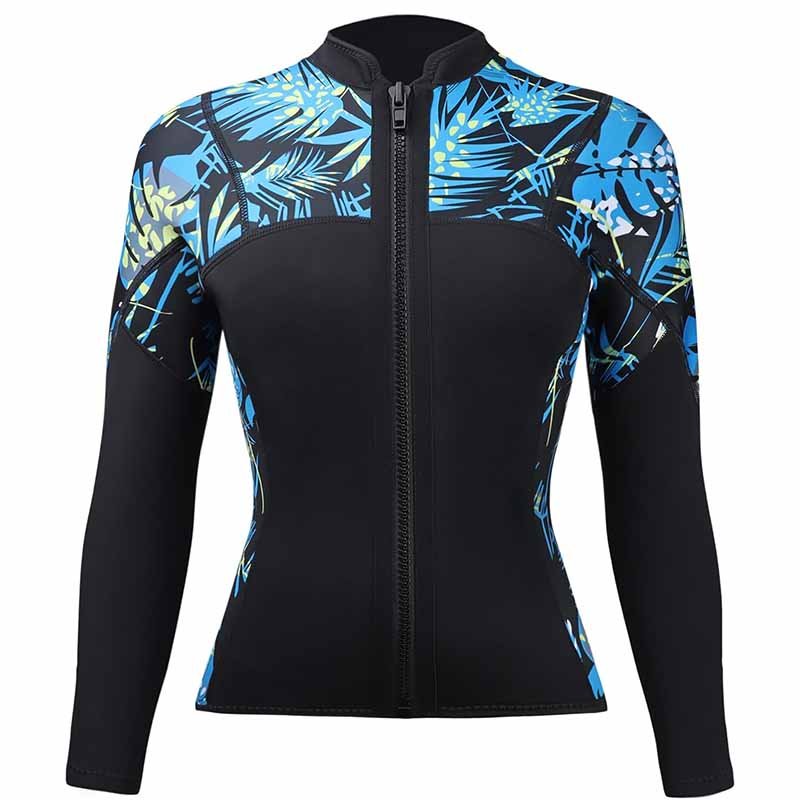
To choose the right neoprene top, you should consider the intended activity, climate, required warmth, neoprene thickness, stretch level, lining material, and seam construction. Thinner neoprene suits active movement and warmer conditions, while thicker neoprene provides insulation for cold or wet environments. A well-chosen neoprene top balances comfort, support, and performance without causing overheating or restriction.
What activity will the neoprene top be used for?
The first and most important question is use case. Neoprene tops perform very differently depending on activity intensity and environment.
Ask yourself:
- Is it for sports training, water activities, workwear, or medical support?
- Will it be worn during high movement or low-intensity activity?
- Is the environment dry, wet, windy, or cold?
For example, a neoprene top for gym warm-ups needs flexibility and moderate compression, while a neoprene top for water sports prioritizes insulation and water resistance. Choosing without defining the activity often results in discomfort or poor performance.
Is neoprene fabric good for summer or warm climates?
Standard neoprene is not naturally suitable for hot summer conditions because it traps heat and has limited breathability. However, this does not mean neoprene cannot be used in warm climates at all.
Neoprene can work in summer when:
- thickness is reduced to 1–1.5 mm
- perforated or ventilated panels are added
- hybrid designs combine neoprene with breathable fabrics
For brands, summer-friendly neoprene tops require intentional design. Without these adjustments, users are likely to overheat and abandon the product.
How do you choose the correct neoprene thickness?
Thickness is the single most influential factor in neoprene top performance.
| Neoprene Thickness | Best Use Case |
|---|---|
| 1–1.5 mm | Light support, warm climates, hybrid tops |
| 2–3 mm | Training, water sports, moderate cold |
| 3–5 mm | Cold water, wind exposure, insulation focus |
Too thin → insufficient warmth and support
Too thick → restricted movement and overheating
Professional manufacturers help balance thickness with flexibility through material selection and pattern design.
How important is stretch and flexibility in neoprene tops?
Neoprene stretch varies widely depending on foam formulation and fabric lamination. For active use, stretch is critical.
High-stretch neoprene:
- improves range of motion
- reduces pressure points
- increases long-term comfort
Low-stretch neoprene may feel supportive at first but quickly becomes restrictive. For sports and daily movement, stretch panels or spandex-laminated neoprene significantly improve wearability.
What lining materials affect comfort and skin feel?
The inner lining determines how the neoprene top feels against the skin. Common options include:
- nylon lining (durable, smooth)
- spandex blends (soft, elastic)
- brushed or microfiber linings (warm, skin-friendly)
Poor lining choice leads to irritation, sweating discomfort, or chafing. For long wear or medical use, lining quality is just as important as the neoprene itself.
How do seam construction and stitching influence performance?
Seams are stress points. The wrong seam type can cause irritation or failure.
Common seam options:
- Flatlock seams → comfort and flexibility
- Blind stitching → water resistance
- Glued + stitched seams → maximum strength
For active tops, flatlock seams are usually preferred. For water-use tops, sealed or blind-stitched seams perform better. Seam choice should always match usage.
How should sizing and fit be evaluated?
Neoprene tops should fit snug but not restrictive. Overly tight neoprene limits circulation and movement; loose neoprene reduces insulation and support.
Key fit checks:
- no pinching at shoulders or neck
- full arm mobility
- even compression without pressure hotspots
Brands often underestimate sizing complexity. Sampling on real users is essential to achieve the right balance.
What should brands and buyers consider when choosing a manufacturer?
Beyond the product itself, choosing the right manufacturer matters. Look for:
- experience with neoprene materials
- ability to customize thickness and lamination
- sampling and prototyping support
- consistent quality control
Factories like Oneier, with in-house neoprene material R&D and production experience, can help brands avoid costly design and material mistakes early.
Are Neoprene Tops Profitable to Manufacture
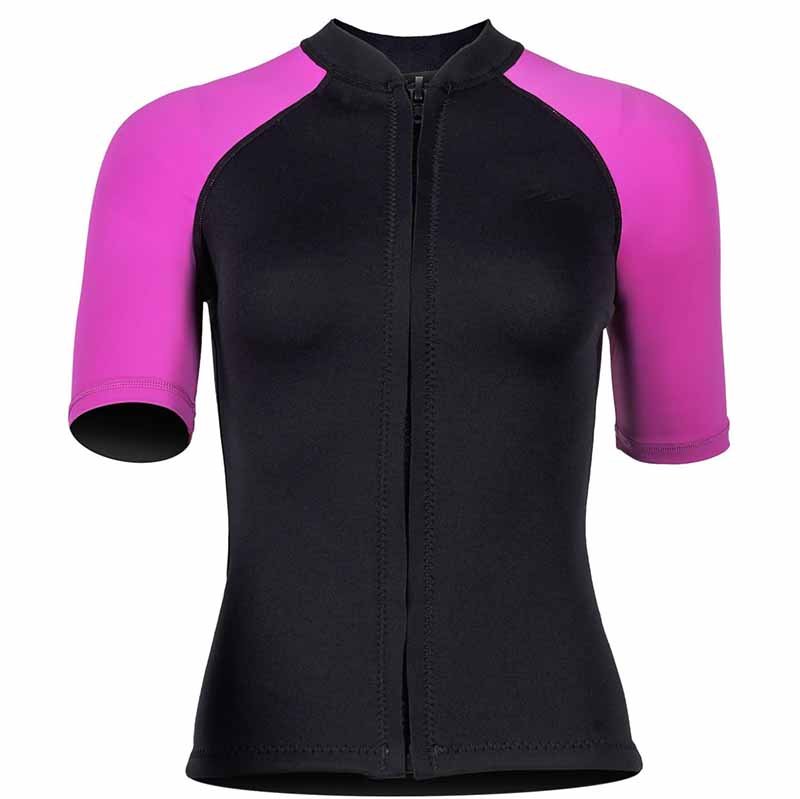
Yes, neoprene tops can be profitable to manufacture when material selection, design efficiency, production control, and order volume are well managed. Their functional value allows higher perceived pricing than standard apparel. Profitability depends on neoprene quality, thickness optimization, labor efficiency, defect rates, and customization strategy. Brands working with experienced neoprene manufacturers typically achieve more stable margins.
Why do neoprene tops have higher perceived value than regular apparel?
Neoprene tops are function-driven products, not basic clothing. They offer insulation, compression, protection, and structure—features that standard cotton or polyester tops cannot provide.
Because of this:
- customers are willing to pay for performance
- pricing is less comparison-driven than basic apparel
- brands can position products in niche or premium segments
This functional differentiation reduces direct price competition and improves margin potential, especially in sports, medical, and professional markets.
What are the main cost components in neoprene top manufacturing?
Profitability starts with understanding cost structure. The main cost drivers include:
| Cost Component | Impact on Profit |
|---|---|
| Neoprene foam quality & thickness | Very High |
| Lamination process | High |
| Labor & seam construction | High |
| Design complexity | Medium–High |
| Order volume | Medium |
| Defect & return rate | Critical |
Lower-cost neoprene often leads to delamination, poor stretch recovery, and early wear—resulting in higher returns and warranty costs that quickly erase savings.
How does neoprene thickness affect margin and scalability?
Thickness directly impacts material cost and labor efficiency. Thicker neoprene:
- costs more per square meter
- is harder to cut and stitch
- increases seam stress and defect risk
Optimizing thickness—rather than defaulting to “thicker is better”—is one of the most effective ways to improve profitability while maintaining performance. Experienced manufacturers help brands identify the minimum thickness required for the intended use.
How does design-for-manufacturing influence profitability?
Design has a major impact on margin. Neoprene tops with:
- fewer panels
- standardized seam types
- scalable thickness options
are faster to produce and more consistent in quality. Overdesigned products increase labor time, defect rates, and sampling cycles.
Design-for-manufacturing (DFM) ensures that a neoprene top not only looks good but can be produced repeatedly at stable cost and quality.
How does order volume affect unit cost and profit?
Neoprene top manufacturing benefits from economies of scale, but only after the design is validated.
Typical pattern:
- Low volume → higher unit cost, learning phase
- Medium volume → stabilized quality, improving margin
- Large volume → optimized material yield, strong profitability
Many brands start with smaller MOQs to test the market, then scale once demand is proven. Manufacturers like Oneier support this progression by offering flexible MOQs and fast sampling.
How does customization impact profitability?
Customization increases perceived value but also adds complexity. Logos, color variations, special lamination, or unique seam designs all affect cost.
Customization remains profitable when:
- options are standardized
- materials are scalable
- changes are planned early
Uncontrolled customization leads to frequent revisions, longer lead times, and production instability—reducing overall margin.
Why do defect rates and returns matter more than unit price?
Many buyers focus on unit cost, but defects and returns are the real profit killers. Seam failure, delamination, or poor fit leads to:
- rework costs
- replacement shipments
- brand damage
Professional manufacturers prioritize process control and early testing to minimize these risks. A slightly higher production cost often results in higher net profit due to lower failure rates.
Is manufacturing neoprene tops in China still profitable?
China remains competitive in neoprene top manufacturing due to:
- mature neoprene supply chains
- skilled labor
- integrated material R&D and production
Factories like Oneier combine neoprene material development, lamination, cutting, sewing, and QC under one system. This integration reduces coordination cost and improves efficiency—key drivers of profitability for global brands.
When does neoprene top manufacturing become unprofitable?
Neoprene tops become unprofitable when:
- material selection is mismatched to use case
- designs are not production-ready
- volumes are too low for the complexity involved
- quality issues lead to high return rates
Most failures are planning and execution failures, not market failures.
What Are Common Neoprene Top Design Mistakes
Common neoprene top design mistakes include choosing incorrect neoprene thickness, ignoring breathability needs, poor sizing and fit planning, weak seam construction, and misusing neoprene in unsuitable climates or activities. These mistakes often lead to overheating, restricted movement, seam failure, and user discomfort. Most issues can be avoided through proper material selection, ergonomic patterning, and early prototyping with experienced manufacturers.
Why is choosing the wrong neoprene thickness such a common mistake?
Thickness is the most misunderstood factor in neoprene design. Many designers assume “thicker means better**”**, but excessive thickness quickly creates problems.
Common thickness-related issues include:
- restricted range of motion
- excessive heat retention
- increased seam stress and failure
For example, using 3–4 mm neoprene for gym or daily wear almost always leads to overheating and discomfort. Thickness must match activity level, climate, and wear duration. Experienced manufacturers typically optimize thickness to the minimum required for performance, not the maximum possible.
How does ignoring breathability lead to user dissatisfaction?
Neoprene is inherently low in breathability. Treating it like standard sports fabric is a major mistake.
Designers often fail to:
- add ventilation zones
- use hybrid fabric panels
- reduce coverage in high-heat areas
As a result, users feel trapped heat and moisture, especially in warm environments. Smart neoprene top designs intentionally manage heat through perforation, mesh integration, or strategic panel placement.
Why is poor sizing and fit planning a critical error?
Neoprene tops must fit snugly but comfortably. Poor sizing causes:
- excessive pressure and circulation issues
- limited mobility at shoulders and chest
- inconsistent compression across the body
Unlike stretch fabrics, neoprene has limited recovery once overstretched. This makes accurate patterning and real-user fitting tests essential. Skipping fit validation leads to high return rates.
How do weak seam designs cause early product failure?
Seams are the most common failure points in neoprene tops. Common seam-related mistakes include:
- using incorrect stitch types
- insufficient seam overlap
- neglecting seam stress testing
For active or water-use tops, seams must stretch and recover without tearing. Poor seam design leads to splitting, peeling, or water leakage. Professional factories test seam elasticity before approving production.
Why is using neoprene in the wrong climate or activity a mistake?
Neoprene excels in cold, wet, or controlled environments—but performs poorly when misapplied.
Typical misuses include:
- all-day wear in hot climates
- high-intensity aerobic exercise without ventilation
- casual summer apparel without hybrid design
These mistakes often result in negative reviews, even though the material itself is not defective. Correct positioning is as important as correct design.
How does overcomplicated design increase production risk?
Excessive paneling, decorative seams, and unnecessary thickness transitions increase:
- labor time
- defect rates
- inconsistency between units
Neoprene already demands careful handling. Overdesign amplifies risk and reduces scalability. Design-for-manufacturing focuses on simplicity without sacrificing function.
Why is skipping proper prototyping a costly mistake?
Many neoprene issues—heat retention, pressure points, seam stress—only appear when the product is worn.
Skipping prototyping leads to:
- comfort complaints after launch
- expensive post-production changes
- damaged brand trust
Professional neoprene tops usually require multiple sample rounds, especially for new designs or new markets.
How can brands and buyers avoid these mistakes early?
The most effective prevention strategies include:
- clearly defining use case and climate
- selecting thickness and materials intentionally
- validating fit with real users
- working with experienced neoprene manufacturers
Factories like Oneier, with in-house neoprene R&D and manufacturing experience, help identify risks before they become expensive problems.
Conclusion
A neoprene top is not just clothing—it is a performance product built around material science. When designed and manufactured correctly, it delivers value that ordinary fabrics cannot match.
With over 18 years of experience, Oneier specializes in neoprene material development and custom neoprene product manufacturing, including neoprene tops, bags, koozies, sports supports, medical braces, and wetsuits. We offer free design support, low MOQs, fast sampling, and strict quality control for global brands and professional buyers.
Contact Oneier today to discuss your custom neoprene top project and receive a tailored quotation.