
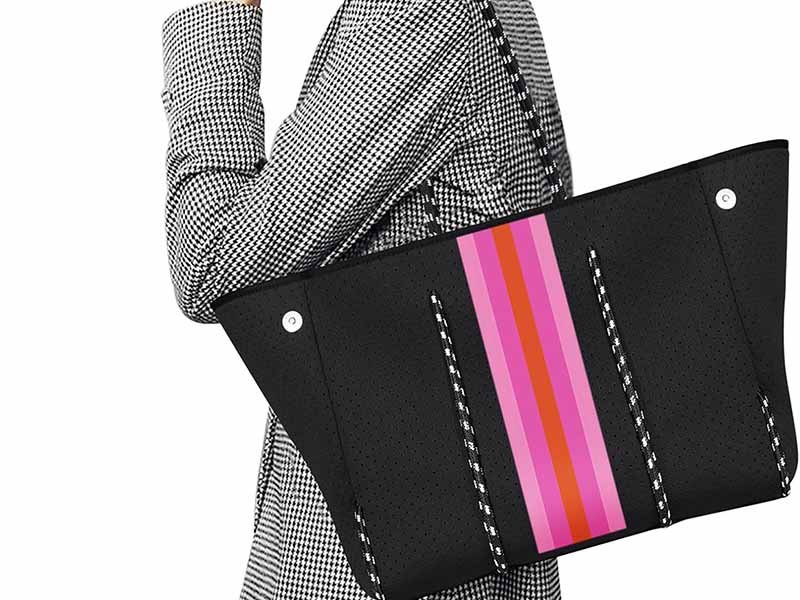
Neoprene bags are renowned for their waterproof, durable, and stylish qualities. From fashionable totes to high-performance sports bags, neoprene is the material of choice for products that require both functionality and aesthetics. The process of manufacturing these bags is meticulous, involving several stages—from selecting the right neoprene fabric to adding custom branding. Understanding each step helps ensure the final product meets quality standards and aligns with customer preferences.
Neoprene bag manufacturing involves several critical steps, including fabric preparation, cutting, assembly, and customization. Each stage is essential to create bags that are both durable and stylish, ensuring they serve their intended function while appealing to consumers.
Ever wondered how that neoprene bag you’ve seen online goes from a raw piece of fabric to a high-end, custom product? In this article, we’ll walk you through the step-by-step process of neoprene bag manufacturing. Whether you’re looking to create your custom-branded bags or understand how these bags are produced for optimal durability, this guide will break down the entire process in detail.
What Is a Neoprene Bag?
Neoprene bags are made from neoprene fabric, a synthetic rubber known for its flexibility, water resistance, and durability. Neoprene is commonly used for wetsuits, sports gear, and fashion accessories. These bags are designed to offer long-lasting performance while maintaining a sleek appearance, making them ideal for everyday use as well as more specialized functions.
What materials make neoprene bags durable?
The durability of a neoprene bag comes from the properties of neoprene fabric itself. Here’s a breakdown of the key material features that contribute to its strength and longevity:
| Material Feature | Description |
|---|---|
| Closed-Cell Foam | Neoprene’s structure traps air, making it shock-resistant and insulating. |
| Flexibility | The material stretches and returns to its original shape, offering comfort and flexibility. |
| Water Resistance | Neoprene repels water, making it ideal for outdoor or water-related activities. |
| UV Resistance | Neoprene is resistant to UV rays, preventing fading or damage from the sun. |
The combination of these features makes neoprene bags long-lasting, weatherproof, and easy to maintain. For example, laptop sleeves made from neoprene protect against impacts while also providing waterproofing to shield electronics.
What products use neoprene bags today?
Neoprene bags are used in a variety of applications, including:
- Laptop Sleeves: Offering excellent protection against scratches and moisture.
- Fashion Bags: Lightweight yet durable, making them perfect for modern designs.
- Sports Bags: Ideal for carrying equipment and activewear due to their flexibility and abrasion resistance.
- Eco-Friendly Bags: With growing concerns about sustainability, neoprene offers an alternative to traditional plastics.
These products combine functionality with style, and manufacturers are continuously experimenting with neoprene to create bags that meet specific consumer needs.
How Is Neoprene Fabric Prepared?
Once neoprene fabric is produced, the next step in manufacturing neoprene bags is fabric preparation. The process of preparing the fabric ensures that it is suitable for the bag’s design and intended use. This stage involves selecting the appropriate neoprene thickness, adding finishes for added durability, and ensuring the fabric is free from imperfections.
How are neoprene sheets produced?
Neoprene sheets are produced through the calendering process, where raw neoprene is passed through rollers that apply heat and pressure to flatten and stretch the material into sheets. The sheets are available in various thicknesses, which directly affect the final product’s structure, weight, and durability.
- Thicker neoprene: Ideal for more structured bags such as luggage or sports bags. It offers rigidity and durability.
- Thinner neoprene: Best suited for lightweight products, like fashion bags and slim pouches.
Neoprene Thickness Breakdown for Bags:
| Thickness | Best for | Advantages |
|---|---|---|
| 2-3mm | Fashion bags, laptop sleeves | Lightweight, flexible, easy to handle |
| 4-5mm | Sports bags, travel bags | Offers durability and impact resistance |
| 6mm+ | Tool bags, heavy-duty gear | High durability, enhanced structure |
The thickness selection plays a key role in how durable and flexible the final product will be. Thicker neoprene allows for better protection, while thinner material is more comfortable and easier to maneuver.
How is neoprene cut and treated for bag use?
Once the sheets are prepared, the next step is cutting the neoprene into specific pieces needed to assemble the bag. Cutting precision is essential to ensure that all components align perfectly during the assembly phase. Here’s a deeper look at the cutting process:
Cutting Methods:
| Method | Benefits | Ideal Use |
|---|---|---|
| Die-Cutting | Consistent, high-volume cutting, precise shapes | Mass production of simple shapes |
| Laser Cutting | Precise, intricate cuts, clean edges | Custom designs or small batches |
After cutting, neoprene may undergo treatment to enhance its resistance to UV rays, moisture, and abrasion. For instance, adding a waterproof coating ensures that the bag remains resilient even when exposed to the elements.
What Are the Key Manufacturing Steps?
The manufacturing process is where raw neoprene is transformed into a functional and stylish bag. This step requires attention to detail, precision, and a combination of traditional craftsmanship and modern technology. Let’s explore the critical stages that bring a neoprene bag design to life.
How to design a neoprene bag pattern?
Designing the pattern for a neoprene bag is a creative and technical process. A well-designed pattern serves as the blueprint for all components of the bag, ensuring they fit together perfectly. The design process begins by defining the bag’s purpose (e.g., fashion, sports, travel) and translating that into a pattern that maximizes comfort, functionality, and aesthetic appeal.
- Custom Features: In this stage, brands can specify extra compartments, handles, zippers, or custom branding features.
- Measuring: Patterns are designed using precise measurements to ensure consistency across the production run.
How are pieces cut with precision?
After the pattern is created, the next step is to cut the neoprene into specific pieces that will be sewn or welded together. Precision is essential to guarantee that each piece fits perfectly when assembled. High-quality cutting equipment, such as laser cutters or die-cutting machines, is often used to achieve this.
- Laser Cutting: Ensures precise and intricate designs with clean edges, ideal for custom branding or detailed designs.
- Die-Cutting: Often used for high-volume production, this method ensures that large quantities of pieces are cut uniformly.
How are layers laminated or bonded?
For added strength and structure, multiple layers of neoprene may be laminated together. Lamination is a process where different layers of neoprene fabric are bonded using heat, pressure, or adhesives. This is particularly important for areas that require extra durability, such as the bag bottom, straps, or side panels.
Types of Lamination:
| Lamination Type | Benefits | Ideal for |
|---|---|---|
| Heat Bonding | Uses heat to fuse the layers, no glue required | Increased strength and durability |
| Adhesive Bonding | Bonds fabric layers using adhesives | Flexible, cost-effective for lightweight bags |
Laminating neoprene layers ensures that the final product maintains its shape and resilience while being both functional and stylish.
How are seams sewn or welded?
The final step in assembling the bag involves sewing or welding the neoprene pieces together. Both methods ensure that the bag is secure and can withstand regular use.
Sewing:
In traditional bag production, sewing is used to join the neoprene pieces. Strong nylon threads are used for stitching, and the seams are often reinforced for durability. This method is cost-effective and suitable for simpler designs.
Welding:
For waterproof or heavy-duty bags, welding is preferred. This technique fuses the edges of the neoprene together using heat without the use of threads, resulting in airtight, watertight seams. Welding is particularly important for products such as cooler bags or sports bags that need to be exposed to moisture and abrasion.
- Benefits of Welding:
- Stronger, more durable seams
- Waterproof and airtight
- Ideal for products requiring extra durability
Which Finishing Processes Are Crucial?
The finishing process is where the final touches are added, ensuring that the neoprene bag not only looks great but also performs well. This step includes surface finishing, adding accessories, and performing quality checks.
Which surface finishing options exist?
The surface of the neoprene can be smooth or textured, depending on the intended look and functionality of the bag.
| Surface Type | Ideal For | Benefits |
|---|---|---|
| Smooth Neoprene | Fashion bags, accessories | Sleek, polished finish, great for branding |
| Textured Neoprene | Sports bags, protective cases | Extra grip, abrasion resistance, and durability |
Smooth neoprene is generally used for fashion bags or items where a clean, sleek design is needed, while textured neoprene is used for functional items that require more durability and grip.
Which trims, zippers, and accessories are added?
The next step in the finishing process involves selecting and adding trims, zippers, handles, and other accessories. These elements affect the overall functionality and aesthetic appeal of the final bag. The choice of accessories depends on the product’s intended use and market.
| Accessory | Ideal Use | Benefits |
|---|---|---|
| Zippers | Used for bags and sports gear | Water-resistant zippers for outdoor use |
| Handles | Fashion bags or luggage | Comfortable grip, adjustable lengths |
| Trims | Fashion bags or premium bags | Adds a luxurious look to the bag |
Quality control checks are also performed at this stage to ensure that each bag meets the required specifications for durability, functionality, and appearance.
How Is Custom Branding Applied?
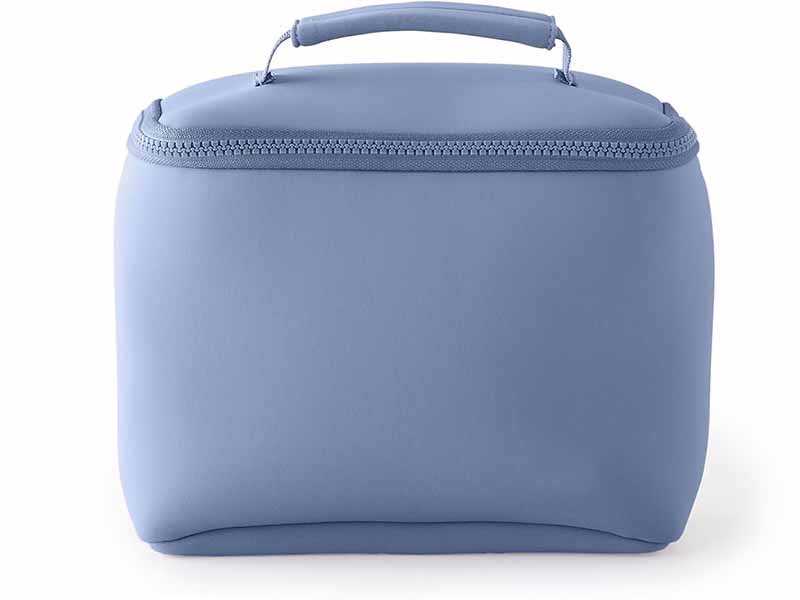
One of the most important aspects of neoprene bag manufacturing, especially for businesses looking to establish their brand presence, is the customization and branding of the final product. Custom branding options help differentiate a bag from the competition and communicate the brand’s identity to customers.
How are logos printed or embroidered?
When it comes to branding neoprene bags, there are two primary methods: printing and embroidery. Both methods offer distinct advantages based on the desired outcome and the bag’s functionality.
Printing Neoprene Bags:
Printing is the most common method used for adding logos, text, or graphics to neoprene bags. The most common printing techniques include screen printing, sublimation, and heat transfer.
| Printing Method | Ideal For | Advantages |
|---|---|---|
| Screen Printing | Large orders, simple designs | Durable, cost-effective for bulk printing |
| Sublimation | Detailed, vibrant designs | Long-lasting colors, works best on smooth neoprene |
| Heat Transfer | Multi-color logos or intricate designs | Suitable for both smooth and textured neoprene |
- Screen Printing: Best for bulk orders where simple designs are required. It is cost-effective and produces durable results, especially for logos that don’t need fine detail.
- Sublimation: Ideal for detailed designs with vibrant colors. The ink becomes part of the fabric, ensuring that the design lasts through wear and tear. This method is mostly used on smooth neoprene.
- Heat Transfer: Perfect for intricate or multi-colored logos. Heat transfer printing works on both smooth and textured neoprene and is an ideal solution for small batches.
Embroidery on Neoprene Bags:
Embroidery involves stitching the logo directly onto the neoprene fabric. It is often used for premium products and provides a high-end look. However, embroidery may not be suitable for intricate designs, as it requires thread to create the logo or text.
- Benefits of Embroidery: Adds texture to the design, enhancing the luxury appeal of the bag. It also works well on both smooth and textured neoprene surfaces, especially for smaller logos or text.
How is private label packaging handled?
For businesses that want to create a distinct identity for their products, private label packaging is a critical part of the branding process. Custom packaging for neoprene bags involves designing box inserts, tags, and labels that are consistent with the company’s brand image.
- Custom Tags: Printed labels or woven labels that include the company logo and care instructions are attached to each bag.
- Packaging: Neoprene bags are often packaged in eco-friendly materials to maintain the sustainability of the brand. Reusable pouches or kraft paper boxes are commonly used for packaging high-end bags.
Are There Sustainable or Quality Enhancements?
As sustainability continues to be a major concern in the fashion and manufacturing industries, many brands are looking to incorporate eco-friendly materials and sustainable practices in their product lines. Neoprene, traditionally seen as a synthetic material, is now being produced in more environmentally responsible ways, offering brands the opportunity to align their products with growing consumer demand for sustainability.
Are there eco-friendly materials or processes?
In response to the demand for sustainable alternatives, manufacturers have started to produce eco-friendly neoprene made from recycled materials or biodegradable fabrics. Here’s a closer look at how sustainability is being integrated into the neoprene bag manufacturing process:
| Sustainable Option | Description | Benefits |
|---|---|---|
| Recycled Neoprene | Made from discarded neoprene materials or wetsuits | Reduces waste, eco-friendly, retains durability |
| Eco-Friendly Coatings | Coatings made from natural or non-toxic substances | Reduces environmental impact and increases longevity |
| Biodegradable Neoprene | Neoprene designed to degrade naturally over time | Helps reduce plastic waste in the long term |
Recycled Neoprene:
Recycling old neoprene wetsuits or excess neoprene fabric into new products has become a common practice. This approach helps reduce waste and provides a second life for materials that would otherwise end up in landfills. Brands that choose recycled neoprene can market their products as eco-friendly while maintaining high durability and performance.
Biodegradable Neoprene:
Some manufacturers are also developing biodegradable neoprene options, which break down over time in natural environments. This type of neoprene is still in development but is expected to become a major innovation in eco-friendly product manufacturing.
Are advanced features (waterproofing/anti-odor) added?
Many customers are looking for products that go beyond basic functionality. In the neoprene bag manufacturing process, additional features such as waterproofing and anti-odor properties are added to enhance the bag’s performance and appeal.
Waterproofing:
While neoprene is naturally water-resistant, additional coatings can be applied to further increase its waterproof properties. These coatings are especially useful for bags intended for outdoor use, such as beach bags or sports bags, where exposure to water is inevitable.
Anti-Odor Treatment:
To keep neoprene bags fresh, especially in sports gear or gym bags, anti-odor treatments can be applied to the fabric. These treatments prevent the build-up of bacteria and eliminate odors caused by sweat or moisture.
Custom Neoprene Bags for Your Brand
At Oneier, we understand that every detail matters when it comes to manufacturing high-quality, custom neoprene bags. Whether you’re designing for fashion, sports, or professional use, we offer custom solutions that meet your specific needs. From eco-friendly materials to advanced features and custom branding, we ensure that your bags stand out in the market and perform flawlessly.
Contact us today to explore how we can help you create the perfect custom neoprene bags for your brand. We offer free samples, low MOQ, and quick turnarounds for all our custom products.