 Skip to content
What Does a Neoprene Sleeve Do for a Water Bottle?
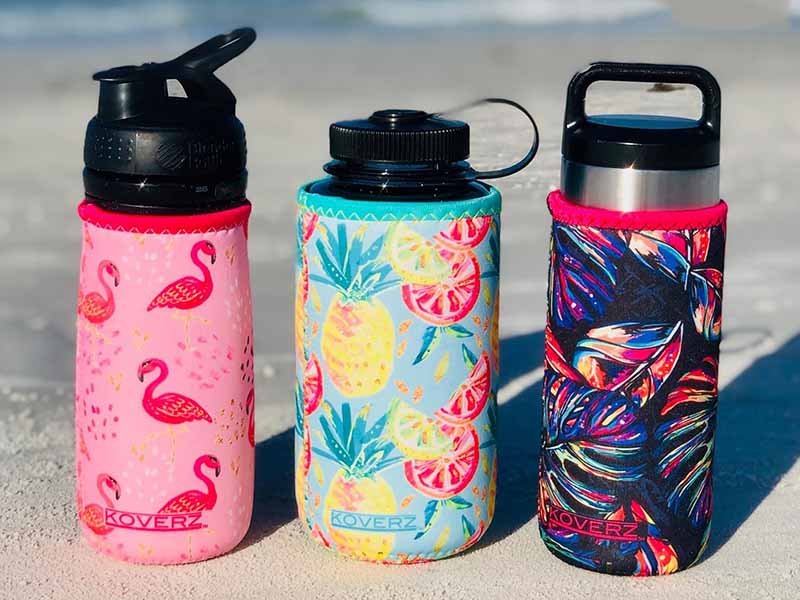
In today’s world of reusable water bottles, functionality meets lifestyle branding. Whether you’re a fitness enthusiast, a corporate marketer, or a boutique beverage brand, you’ve likely seen neoprene bottle sleeves on everything from Hydro Flasks to Yeti tumblers. These covers are more than just accessories—they’re practical tools for insulation, protection, and even marketing.
A neoprene sleeve keeps drinks hot or cold longer, prevents bottle sweating, protects against scratches, offers a comfortable grip, and provides a customizable surface for branding. Its closed-cell rubber structure insulates efficiently while staying lightweight and flexible. Brands use neoprene sleeves for promotions, retail merchandise, and corporate gifts because they deliver functionality + visibility at low cost with high user appeal.
But beyond these quick benefits, how do they actually work? Let’s break it down.
What is a Neoprene Sleeve and How Does It Work?
A neoprene sleeve is a form-fitting cover made from closed-cell synthetic rubber that insulates bottles by trapping air inside micro-cells, slowing heat transfer. It works like a wetsuit for your drink—keeping cold drinks cold, hot drinks hot, while reducing surface condensation and preventing bottle scratches.
The Science Behind Neoprene Sleeves
Neoprene, chemically known as polychloroprene, was developed in the 1930s and quickly found applications in wetsuits, industrial gaskets, and thermal gear because of its unique properties:
- Closed-cell structure → Tiny nitrogen-filled cells trap air, creating thermal barriers.
- Elasticity → Allows tight-fitting sleeves that conform to bottle shapes.
- Water resistance → Prevents absorption, keeping surfaces dry.
- Durability → Withstands wear, UV exposure, and daily handling.
Comparison with Other Materials
| Property | Neoprene Sleeve | Fabric Sleeve | Silicone Sleeve |
|---|---|---|---|
| Insulation (Hot/Cold) | ★★★★★ | ★★ | ★★★★ |
| Grip & Comfort | ★★★★ | ★★★ | ★★★★★ |
| Durability | 3–5 Years | 1–2 Years | 2–3 Years |
| Branding Potential | Full-color Printing | Embroidery Only | Limited Print Options |
| Water Resistance | 100% | Low | High |
Where fabric sleeves lack insulation and silicone lacks printability, neoprene balances performance, branding, and cost-effectiveness—making it the preferred material for bottle sleeves worldwide.
Which Benefits Do Neoprene Sleeves Provide for Water Bottles?
Neoprene sleeves insulate drinks to maintain temperature, reduce bottle sweating, protect against scratches, provide a comfortable grip, and offer a customizable surface for branding. They improve both practical performance and visual appeal, making them ideal for outdoor enthusiasts, retail brands, and corporate giveaways seeking functionality plus marketing impact in a single product solution.
Neoprene sleeves transform ordinary water bottles into multi-functional lifestyle accessories. Here’s a detailed look at the five main benefits that make them so popular with both consumers and brands:
1. Temperature Insulation
Neoprene’s closed-cell structure traps air, slowing heat transfer between the bottle and external environment.
- Cold Drinks: Stay cool 40–50% longer compared to bottles without sleeves.
- Hot Beverages: Maintain warmth while keeping the bottle exterior safe to touch.
Example:
- A 500ml stainless-steel bottle at 4°C stays cold for 40–50 minutes longer when covered with a 3–5mm neoprene sleeve in 25°C ambient temperature.
2. Condensation & Moisture Control
On hot days, bottles sweat as cold liquid inside meets warm air outside. Neoprene sleeves prevent this:
- Keeps hands and bags dry.
- Avoids slippery grips and moisture damage to electronics or notebooks carried in the same bag.
This makes them especially useful for commuters, gym-goers, and hikers carrying water bottles inside backpacks.
3. Physical Protection
Neoprene sleeves act like a soft armor:
- Scratch Prevention: Protects against keys or metal objects in bags.
- Shock Absorption: Minimizes dents and paint chipping from minor drops.
- UV Protection: Reduces fading on printed bottle designs.
For brands selling custom-printed bottles, this extends product life and preserves visual appeal.
4. Enhanced Grip & Comfort
Neoprene offers a soft-touch, non-slip surface:
- Ideal for sweaty hands during workouts.
- Easier to hold for children and elderly users.
- Comfortable even with hot beverages, unlike bare metal bottles.
This ergonomics-focused feature often boosts user satisfaction, reducing complaints in retail and promotional campaigns.
5. Branding & Customization
From a marketing perspective, neoprene sleeves offer a high-resolution printing surface:
- Sublimation Printing: Full-color logos and gradients.
- Silkscreen Printing: Bold, single-color designs.
- Heat Transfer Printing: Durable, long-lasting branding.
Brands use this space for logos, slogans, event graphics, or QR codes, turning every bottle into a miniature billboard for brand visibility.
Performance Comparison Table
| Feature | With Neoprene Sleeve | Without Sleeve |
|---|---|---|
| Cold Retention (25°C Room) | 40–50 min longer | Baseline Only |
| Surface Dryness | Always Dry | Sweating Present |
| Scratch Protection | High | Low |
| Branding Options | Full-Color, Multi-Method | Limited |
| User Comfort | High (Grip + Temperature) | Moderate |
How Do Neoprene Sleeves Compare to Other Materials?
Neoprene sleeves outperform fabric, plastic, and even silicone alternatives in insulation, durability, and branding flexibility. Fabric covers are cheap but lack insulation; silicone grips well but offers limited printing options; plastic wraps provide minimal protection. Neoprene balances temperature retention, customization potential, and long-term durability, making it the preferred choice for brands and outdoor users needing both functional performance and visual appeal in one product.
When choosing a bottle sleeve material, buyers often face cost vs. performance trade-offs. Let’s analyze how neoprene stacks up against other common materials.
1. Neoprene vs. Fabric Sleeves
- Fabric sleeves (polyester, cotton) are lightweight and inexpensive.
- They offer basic scratch protection but no thermal insulation.
- Printing options are limited to embroidery or simple transfers, while neoprene allows full-color sublimation for brand logos.
- Fabric absorbs water, leading to odor retention after repeated use.
Bottom Line: Fabric wins on cost but fails on performance and branding flexibility.
2. Neoprene vs. Silicone Sleeves
- Silicone sleeves excel at grip and heat resistance—great for coffee tumblers.
- They offer minimal insulation because heat transfers through silicone quickly.
- Branding is limited to laser etching or embossing rather than full-color prints.
- Silicone tends to cost more per unit and has shorter product lifespans than neoprene in outdoor conditions.
Bottom Line: Silicone suits premium coffee brands needing heat-proof grips, but not marketing-heavy campaigns.
3. Neoprene vs. Plastic Wraps
- Plastic sleeves or PVC wraps are purely for decorative labeling.
- They offer zero insulation, scratch protection, or reusability.
- Cheap for mass promotions but environmentally unfriendly and single-use only.
Bottom Line: Plastic wraps fit low-budget, disposable campaigns but lack brand longevity.
4. Side-by-Side Material Comparison Table
| Feature | Neoprene Sleeve | Silicone Sleeve | Fabric Sleeve | Plastic Wrap |
|---|---|---|---|---|
| Insulation Efficiency | ★★★★★ | ★★ | ★ | ★ |
| Branding Options | Full-Color Sublimation | Limited (Laser Etching) | Embroidery/Transfers | Basic Printing Only |
| Durability (Years) | 3–5 | 2–3 | 1–2 | Single Use |
| Water Resistance | 100% | 100% | Low (Absorbs Moisture) | 100% |
| Grip Comfort | High | Very High | Moderate | Low |
| Cost (Bulk, per unit) | $0.50–$1.50 | $1.00–$2.00 | $0.30–$0.80 | $0.10–$0.30 |
| Eco-Friendliness | Reusable, Recyclable | Reusable | Reusable | Disposable, Non-Reusable |
5. Buyer Insights
- Outdoor brands: Choose neoprene for insulation + branding durability.
- Corporate campaigns: Prefer neoprene for ROI on logo visibility over years of use.
- Coffee brands: Use silicone for grip + heat resistance on hot beverages.
- Budget promos: Plastic wraps fit single-use, low-cost marketing campaigns.
Do Neoprene Sleeves Affect Taste, Safety, or Eco-Friendliness?
No, neoprene sleeves do not affect water taste when manufactured under food-safe standards like OEKO-TEX® and REACH. They are BPA-free, non-toxic, and reusable for up to 3–5 years, reducing single-use plastic waste. High-quality neoprene sleeves are washable, recyclable, and designed for eco-conscious brands seeking both functionality and sustainability without compromising beverage safety or consumer health.
Taste, Safety & Sustainability Factors
For buyers sourcing custom water bottle sleeves, concerns often include taste neutrality, chemical safety, and environmental impact. Here’s how neoprene performs across all three dimensions:
1. Taste Neutrality
Neoprene sleeves act as external covers, never in direct contact with water or other beverages. When made under certified manufacturing standards:
- No Chemical Leaching: Materials meet FDA food-contact safety guidelines and REACH regulations for absence of harmful substances like phthalates or heavy metals.
- No Odor Transfer: Quality neoprene is odorless after initial airing, unlike cheap PVC wraps that release plastic smells when heated.
- User Experience: Bottled water tastes unaffected even after hours inside a neoprene sleeve on a hot day.
Key Certifications:
- OEKO-TEX® Standard 100 → Ensures textile components contain no harmful chemicals.
- REACH (EU) → Restricts hazardous substances for consumer safety.
2. Safety for Consumers & Brands
Brand buyers in Europe and North America often demand third-party testing from labs like SGS or Intertek to verify:
- Material safety under high-temperature exposure (e.g., hot beverages).
- Absence of restricted chemicals under Prop 65 (California) standards.
- Colorfastness & print safety for food/beverage promotional items.
| Safety Factor | Neoprene Sleeve | Low-Grade PVC Wraps |
|---|---|---|
| BPA-Free & Phthalate-Free | Yes | Often No |
| FDA Food Contact Compliance | Yes | Not Guaranteed |
| OEKO-TEX & REACH Certified | Yes | Rarely |
| Odor Resistance | High | Low |
3. Environmental Impact & Reusability
- Lifespan: Neoprene sleeves last 3–5 years, replacing hundreds of single-use plastic wraps.
- Washability: Machine-washable, reducing bacterial growth and odors.
- Recyclability: End-of-life sleeves can be processed into industrial rubber mats or playground flooring, supporting circular economy efforts.
Some suppliers also offer recycled neoprene blends (e.g., from post-consumer wetsuits) for eco-focused brands targeting sustainability certifications like GRS (Global Recycled Standard).
How to Choose the Right Neoprene Sleeve for Your Bottle?
Choose the right neoprene sleeve by matching bottle size, thickness (3mm vs 5mm), printing needs, and end-use scenario. Thicker sleeves offer better insulation for outdoor brands, while slimmer, collapsible designs suit commuters or corporate giveaways. Always check MOQ, customization options, and certifications like OEKO-TEX® to ensure durability, safety, and branding flexibility for retail or promotional campaigns.
Buyer Checklist for Selecting Neoprene Sleeves
When sourcing custom neoprene sleeves for water bottles, buyers face multiple variables affecting cost, performance, and branding impact. Here’s how to choose wisely:
1. Determine Bottle Size & Compatibility
- Standard Sizes: 12oz, 16oz, 20oz, 24oz bottles
- Custom Fit: Collapsible designs for varied diameters
- Branded Bottles: Confirm tight-fit measurements with your supplier to avoid loose sleeves affecting grip or insulation.
| Bottle Size | Recommended Sleeve Type | Typical Use Case |
|---|---|---|
| 12–16 oz | Slim Neoprene Sleeve (3mm) | Coffee, Small Water Bottles |
| 20–24 oz | Thick Neoprene Sleeve (5mm) | Sports, Outdoor Bottles |
| 32–40 oz | Full-Cover Bottle Sleeve | Hiking, Travel Use |
2. Choose Thickness Based on Application
- 3mm Neoprene:
- Lightweight, foldable, cost-effective
- Ideal for promotional campaigns & commuters
- 5mm Neoprene:
- Better insulation & protection
- Preferred for outdoor brands & premium retail
Example: A 5mm sleeve keeps a cold drink insulated 40–50 min longer than a 3mm sleeve in 25°C conditions.
3. Select Printing & Branding Options
Neoprene supports multiple branding methods:
- Sublimation Printing: Full-color, photo-quality designs.
- Silkscreen Printing: Budget-friendly, single-color logos.
- Heat Transfer Printing: Durable branding for outdoor use.
- Embroidery: Premium look for retail merchandise.
| Printing Method | Visual Quality | Durability | Cost Efficiency |
|---|---|---|---|
| Sublimation | ★★★★★ | High | Moderate |
| Silkscreen | ★★★ | Medium | Low (Bulk Friendly) |
| Heat Transfer | ★★★★ | High | Moderate |
| Embroidery | ★★★★ | Very High | Higher (Premium Retail) |
4. Review MOQ, Lead Times & Logistics
For startups or small brands, low MOQs (100–300 units) allow cost-effective test runs before scaling to thousands of units.
- Sampling Time: 3–7 days for prototypes
- Bulk Lead Time: 20–25 days standard, 10–15 days rush
Suppliers like Szoneier also offer door-to-door shipping and Amazon FBA prep for seamless logistics.
5. Confirm Safety & Quality Certifications
Look for:
- OEKO-TEX® Standard 100 → Chemical safety for textiles
- REACH Compliance → European environmental standards
- QC Reports → Thickness, colorfastness, seam strength checks
These certifications matter for brands selling in North America, EU, or eco-conscious markets.
6. Match Sleeve Style to Target Market
| Market Segment | Sleeve Type | Branding Priority |
|---|---|---|
| Outdoor Adventure | 5mm Thick Sleeve | Durability + Full Logo |
| Corporate Promotions | Collapsible 3mm Sleeve | Cost-Effective Bulk Orders |
| Retail Merchandise | Embroidered Premium | High-End Brand Image |
| Fitness & Sports Brands | Sublimation Full-Color | Visual Appeal + Insulation |
7. Factor in User Experience
Beyond branding, buyers should consider:
- Grip Comfort: Non-slip for workouts & travel
- Washability: Machine-wash safe for hygiene
- Portability: Foldable options for commuters
A good sleeve improves daily usability, encouraging customers to reuse bottles longer and increase brand impressions over time.
Are Neoprene Sleeves Worth It for Brand Promotions & Retail?
Yes. Neoprene sleeves deliver long-term brand exposure, high customer reuse rates, and low cost-per-impression compared to traditional promotional items. Their insulation, durability, and full-color customization turn ordinary water bottles into functional marketing tools customers actually use, boosting brand visibility at trade shows, corporate events, retail shelves, and e-commerce stores.
ROI Analysis for Brand Promotions & Retail
For businesses weighing cost vs. impact, neoprene sleeves consistently outperform many promotional items because they combine practical utility with marketing visibility. Here’s why they make sense for brand campaigns:
1. Low Cost-Per-Impression vs. Digital Ads
Unlike brochures or single-use giveaways, neoprene sleeves last 3–5 years, generating thousands of brand impressions:
- Unit Cost: $0.50–$1.50 in bulk orders
- Average Reuse Rate: 200+ uses per customer
- Cost per Impression (CPI): Less than $0.01 per view over product lifespan
Compare this to digital ads, where average CPC (Cost Per Click) ranges from $0.50–$2.00, with zero guarantee of customer retention.
2. Event Marketing & Corporate Promotions
- Trade Shows: Neoprene sleeves outperform flyers or tote bags because they combine functional utility + brand visibility.
- Corporate Gifts: Clients appreciate reusable, eco-friendly items over traditional pens or mugs.
- Sponsorship Giveaways: Sports events and marathons favor sleeves because users keep them long after the event ends.
3. Retail Merchandising Potential
For retail brands, branded bottle sleeves offer:
- Impulse Purchase Appeal: Low price point encourages add-on sales.
- Customization Options: Seasonal graphics, brand collaborations, or eco-campaign messaging.
- Higher Margins: Low production cost + perceived value = better profitability.
| Metric | Neoprene Sleeve | Standard Promo Item |
|---|---|---|
| Average Reuse Rate | 200–300 Times | 1–5 Times |
| Lifespan | 3–5 Years | Weeks–Months |
| Branding Visibility (Years) | ★★★★★ | ★★ |
| Cost-Per-Impression (CPI) | <$0.01 | $0.10–$0.50 |
4. Real-World Case Study
A U.S. fitness brand gave away 5,000 custom neoprene sleeves at a triathlon event. After 12 months:
- Reuse Rate: 78% of recipients still using the sleeves weekly
- Social Mentions: 320+ tagged photos on Instagram featuring the branded bottles
- Sales Impact: 15% increase in e-commerce orders for associated product lines
This proved tangible ROI compared to paper flyers or digital banner ads with short lifespans.
5. Environmental & CSR Benefits
Companies promoting eco-friendly branding love neoprene sleeves because:
- Reusable products reduce single-use waste.
- OEKO-TEX® & REACH compliance align with sustainability goals.
- Brands can promote “Go Green” campaigns with every bottle sleeve.
6. Buyer Takeaways
- For B2C retail brands: Neoprene sleeves = low-cost, high-margin accessories.
- For B2B corporate buyers: Perfect for trade shows, client gifting, or employee wellness kits.
- For E-commerce sellers: Easy to ship, low weight, high visual impact on product pages.
Conclusion: Partner with Szoneier for Custom Neoprene Sleeves
From insulation and branding to eco-friendliness and durability, neoprene sleeves transform ordinary bottles into premium lifestyle products.
With over 18 years of experience, Szoneier delivers:
- Free design & samples
- Low MOQs for startups & global brands
- Fast lead times (3–7 day samples, 20–25 day bulk orders)
- Full certifications for export markets
Contact Szoneier today at www.neoprene-bag.com or email manager@neoprene-bag.com to request free samples and start your custom neoprene sleeve project today.
What Can I Do For You?
Here, developing your OEM/ODM private label leather goods collection is no longer a challenge,it’s an excellent opportunity to bring your creative vision to life.
