
What Is the Purpose of a Wetsuit? Full Guide
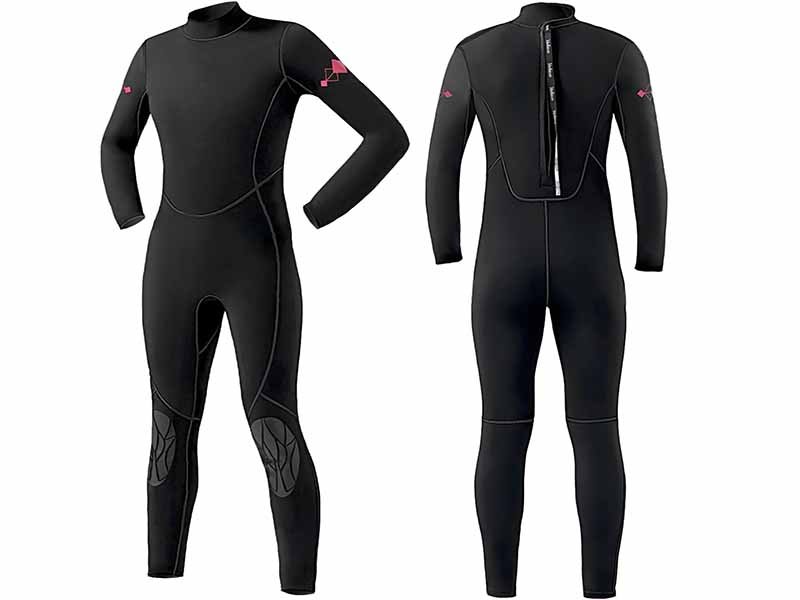
When someone first hears “wetsuit,” they might imagine the sleek black full-bodied dive suit or the chunky surf suit, and think: isn’t it just for scuba divers or surfers? But a wetsuit is far more than a fashion statement or a novelty piece of gear. It serves as a critical piece of protective equipment, combining insulation, buoyancy, abrasion protection, and even UV shielding under water or in cold, wet environments. People who try it for the first time often say: “Wow, I feel warmer instantly,” or “I float more easily than I expected.” That reaction hints at the clever engineering beneath the skin of every wetsuit.
A wetsuit’s primary purpose is to trap a thin layer of water between your body and the suit, which is warmed by your body heat, while the neoprene material reduces heat loss. It also provides buoyancy, abrasion protection, and UV shielding, making it indispensable for water sports in cool conditions.
Imagine you’re gliding just beneath the surface, cold water all around you, and suddenly that suit you’re wearing seems to form a warm cocoon—insulating your core even though your limbs feel chilled. That sensation is exactly how a properly designed wetsuit works. In the next sections, we’ll break down the “What, Why, How, Which, Do, Are” questions many users search on Google — from why the suit helps you stay warm to which thickness you need and how depth affects performance. By the end, you’ll see not just what a wetsuit does, but why custom design and high-quality neoprene (such as what Szoneier can supply) truly matter. Let’s dive in.
What Is a Wetsuit?
A wetsuit is a flexible insulating garment often made of foamed neoprene, worn snugly to trap water between skin and suit. Types include full suits, shorty, semi-dry, and hybrid designs.
At its core, a wetsuit is a suit made of foam neoprene (or similar insulating elastomeric rubber), sometimes with fabric linings, sealed seams, and strategic panels. The foam neoprene contains countless tiny gas bubbles (usually nitrogen) that reduce thermal conductivity. This makes the suit relatively insulating compared to plain water.
Types/Styles of Wetsuits
- Full wetsuit (or “steamer”): covers full arms and legs; typical thickness 3/2 mm, 4/3 mm, or even 5/4/3 mm depending on temperature.
- Shorty / short suit: short sleeves and legs, ideal for warmer water.
- Semi-dry / “semi-dry suit”: features extra seals or design tweaks to reduce water flushing, bridging gap between wetsuit and drysuit.
- Hybrid / split style: e.g. neoprene torso with stretchy sleeves or a zippered jacket over a short bottom.
- Hooded, sleeveless, skins, wetsuit accessories: extension pieces or derivative styles.
A wetsuit’s effectiveness depends on its construction quality: seam type (flatlock, glued & blind-stitched, taped, liquid seal), cut and panel layout, stretch linings, and thickness gradation across key zones (torso vs limbs).
Additionally, advanced wetsuits may use crushed neoprene (pre-compressed foam) or low-compression materials to mitigate performance loss at depth.
Understanding what a wetsuit is—and the variety available—sets the stage for exploring why it’s used and how it operates under different conditions.
Why Do People Wear Wetsuits?
People wear wetsuits to stay warm (by trapping warmed water), gain buoyancy, protect from abrasions/UV, and shield from marine stings or contact hazards—especially in cooler or unpredictable water.
Wetsuits are not just stylish gear — their design serves multiple critical functions in aquatic environments. Let’s examine each:
1. Thermal Insulation & Heat Retention
Your body is always losing heat when immersed in water, even if the water seems warm. Wetsuits slow that process. They trap a thin layer of water next to your skin; your body warms that water, and then the neoprene foam layer resists further heat escape into the surrounding cold water.
Because water is a much better conductor of heat than air, without a wetsuit you lose body heat rapidly. A wetsuit effectively increases the thermal resistance around your body. The greater the neoprene thickness (and better seals), the slower the thermal loss—hence why colder waters require 5 mm, 6 mm or more.
Critically, the fit matters: if the suit is too loose and allows “flushing” (cold water entering and leaving), you’ll lose the insulating effect. Seals at neck, wrists, ankles, and proper cut all reduce flushing and maintain stable internal water layer.
However, there are limits. Under deep pressure (e.g. diving), neoprene compresses, reducing its insulating capacity. At depth, the suit becomes thinner, letting heat escape more quickly.
2. Buoyancy Aid
Foamed neoprene is inherently buoyant because of its gas bubbles. When you wear a wetsuit, you get extra upward force, which helps you float more easily. This is why swimmers wearing wetsuits often “sit higher” in the water and feel less drag.
That said, buoyancy is not constant: under pressure (as you descend), gas bubbles compress, reducing buoyancy. For example, by 10 meters depth, a wetsuit can lose ~30% of its volume (and thus buoyancy loss).
For scuba divers, this buoyancy shift must be managed (via weights or buoyancy compensators) so that neutral buoyancy is achieved.
3. Physical Protection
Beyond warmth and floatation, a wetsuit offers barrier protection:
- Abrasion & impact: from contact with surfboards, underwater rocks, coral, or shells.
- Stings & marine hazards: jellyfish, sea lice, barnacles.
- UV protection: neoprene naturally blocks a fair amount of ultraviolet (UVA/UVB) thanks to its dense structure over covered skin.
Therefore, wearing a wetsuit reduces the chance of scrapes, sunburn, or stings while in water.
4. Streamlining / Hydrodynamics (to some extent)
When well-designed, wetsuits can reduce drag by smoothing your skin boundary, though thick or bulky suits may add resistance. The extra buoyancy can help you maintain a higher, more streamlined posture in water.
A Balanced View — Limits & Tradeoffs
- Too thick a suit reduces mobility — especially in arms/shoulders for paddling or swimming.
- Buoyancy shifts with depth create complexity for divers.
- Compression at pressure reduces insulation and buoyancy.
- Overheating can occur in warmer water.
- Maintenance and durability: seams may fail, neoprene can degrade with sun/chemicals.
Thus, wetsuits are purpose-built to strike a balance: maximize warmth, buoyancy, and protection while minimizing drag and preserving flexibility.
How Does a Wetsuit Work to Keep You Warm?
A wetsuit works by trapping a thin film of water between your skin and the suit; your body warms that water, while neoprene’s foam bubbles insulate against further heat loss.
This is where the science behind wetsuits gets fascinating. How exactly does that slim layer of water, sandwiched between you and the suit, become your thermal ally?
Principle: Water Layer + Neoprene Insulation
- Water layer formation: When you don a wetsuit and enter water, a thin layer of water seeps between your skin and the inner surface of the suit.
- Warming the layer: Your body heat warms that trapped water. Because the layer is thin and slow-moving, it becomes nearly as warm as your skin.
- Neoprene foam barrier: Outside that water film lies the neoprene foam, made of closed cell bubbles (gas trapped inside). This foam is a poor conductor of heat, so it resists heat flow from the warm interior to the colder external water.
The overall mechanism is somewhat like wearing a sweater over a thin film of warm water — the film keeps your skin from touching the cold, and the sweater traps heat.
Details & Physics
- Thermal conductivity: The gas in neoprene bubbles is a much poorer conductor than liquid water, so heat flow is suppressed.
- Thickness gradient: Many wetsuits use variable thickness—thicker panels over the torso, thinner on arms/legs—so your core stays warm while limbs stay flexible.
- Seals and flush control: Neck, wrists, ankles, and well-fitted seams prevent cold water from flushing through, which would disrupt the stable warmed water film.
- Compression effects: As you dive deeper, water pressure compresses the gas bubbles, shrinking their volume and lowering insulation. In effect, the suit gets thinner (less insulating) at depth.
- Pre-compression / crushed neoprene: Some wetsuits use pre-compressed or “crushed” neoprene to reduce the differential compression under depth, sacrificing some maximum insulation for more stable performance.
Why Fit & Seal Matter
If your wetsuit is loose or wrongly sized, warm water can be flushed out and replaced with cold water continuously — defeating the insulation. A good fit ensures the trapped water remains mostly static and warms effectively. Furthermore, the design of seams (glued, blind-stitched, taped) affects how much water seeps through; higher-end suits use more advanced seam techniques to reduce leakage.
Pressure & Depth Limitations
The compression effect is more significant in deep diving. According to measurements, about 30% of neoprene’s volume (and thus buoyancy) may be lost in the first 10 m of depth, another ~30% by 60 m, stabilizing around ~65% total loss at ~100 m.
With decreasing thickness, insulation also drops, meaning a suit that keeps you warm near the surface may perform poorly deeper down. This is why deep divers sometimes prefer semi-dry or dry suits.
In sum: a wetsuit works via a clever combination of trapping warmed water and leveraging the insulating properties of neoprene foam, but its performance is heavily dependent on fit, material quality, thickness, and usage depth.
Which Wetsuit Is Right for a Given Condition? (How to Choose?)
Choose a wetsuit based on water temperature, type of activity, desired flexibility, and thickness. Full suits for cold water, shorties for warm, semi-dry for mixed conditions; custom fit ensures best performance.
Selecting the right wetsuit is more than picking a “good brand.” To get optimal performance, especially if you plan to order OEM/ODM from a factory like Szoneier, you need to weigh variables like water temperature, mobility, buoyancy, and intended use.
Here are key factors and guidelines:
1. Matching Suit Thickness to Water Temperature
| Water Temp (°C / °F) | Recommended Thickness | Suit Style |
|---|---|---|
| > 25 °C / 77 °F | 1–2 mm / thin | Neoprene skin / shorty / rash guard |
| 20–25 °C / 68–77 °F | 2–3 mm | Shorty or 3/2 mm full |
| 15–20 °C / 59–68 °F | 3–4 mm | Full suit (3/2 or 4/3) |
| 10–15 °C / 50–59 °F | 4–5 mm | Full wetsuit (4/3 or 5/4) |
| 5–10 °C / 41–50 °F | 5–6 mm or thicker | Thick full suit, possibly hood + gloves |
| < 5 °C / 41 °F | Dry suit or heavy wetsuit (7+ mm) | Dry suit usually recommended |
Those are general ranges; individual tolerance varies. Always factor in wind chill, activity level, and exposure time.
2. Full vs Short vs Semi-Dry
- Short / shorty / skin: Ideal in warm, tropical waters. Offers maximum flexibility but minimal insulation.
- Full suit: Versatile, covers full limbs, best balance for temperate to cold waters.
- Semi-dry / “semi-dry”: Incorporates extra seals, flush reduction features, or dry-like components to improve warmth retention while preserving some wet suit flexibility.
- Hybrid designs: You might see suits that mix materials (e.g. neoprene torso + stretch sleeves) to optimize warmth where needed and mobility where needed.
3. Flexibility vs Warmth Tradeoff
Thicker neoprene gives more warmth but at a cost: it’s less flexible, heavier, and might restrict movement, especially in arms/shoulders for paddlers or surfers. Many premium suits use gradient thickness (thicker in torso, thinner in limbs) and stretch linings to balance warmth and flexibility.
If your primary use is surfing, snorkeling, or freediving with lots of motion, you might choose a slightly thinner suit for better mobility even if it sacrifices some warmth.
4. Fit, Seal, & Customization
Fit is critical. A wetsuit should feel snug but not restrictive. Gaps or folds allow flushing. In many markets, standard sizes may not provide perfect fit, which is why custom sizing (OEM/ODM) ensures better performance.
Seals at neck, wrists, ankles—plus the quality of seam construction (glued & blind-stitched, taped, liquid sealed)—enhance insulation and reduce water intrusion.
Factories like Szoneier can offer custom panel layout, bespoke sizing, optimized seam techniques, and even branded color/print options. That level of customization ensures the suit you deliver to your customer outshines off-the-shelf competitors.
5. Special Considerations by Activity
- Scuba diving: Buoyancy management becomes critical with deeper dives. Suits with low compression or semi-dry designs are preferred.
- Surfing / paddling / snorkeling: Mobility, quick don/doff, flexibility matter more.
- Watersports in cold climates: You might add hood, gloves, boots, or consider a dry suit.
- Usage duration: Longer immersion in cold water pushes you to thicker suits or even dry suits.
6. Material Enhancements & Innovations
Modern wetsuits may use:
- Superstretch / high-stretch linings for better mobility.
- Ultrathin panels in joints for flexibility.
- Crushed neoprene / pre-compressed foam for reduced compression at depth.
- Laminated outer skins (nylon, X-span, dope dyed) for durability, UV resistance, aesthetics.
- Seam reinforcement / taped seams / zipper innovations for longer life.
By carefully balancing these factors and leveraging a neoprene OEM/ODM partner like Szoneier, you can deliver a wetsuit tailored to your customer’s water conditions, movements, and branding needs.
Do Wetsuits Have Drawbacks or Limitations?
Yes — wetsuits can limit mobility, suffer insulation loss under pressure, degrade over time, cause overheating in warm water, and demand careful maintenance. These tradeoffs matter in design and material choice.
While wetsuits offer many benefits, it’s important to recognize their inherent limitations and trade-offs—especially when designing or customizing them.
1. Reduced Mobility / Bulk
Very thick wetsuits provide more insulation but can hamper movement, particularly in arms and shoulders. For surfers, paddlers, or swimmers, excessive thickness can feel like wearing weights or drag.
In some aggressive water sports, a slightly thinner but more flexible suit yields better performance. This is a classic tradeoff: more warmth vs freedom of movement.
2. Insulation & Buoyancy Loss Under Pressure
As depth increases, the gas bubbles in neoprene compress, reducing both volume (buoyancy) and thermal resistance. This means a suit works best near the surface; deeper dives may expose you to colder conditions.
If you descend quickly or stay deep for long periods, insulation decreases and the risk of cold stress increases. That’s why deep divers often prefer semi-dry or dry suits in very cold waters or below certain depths.
3. Flushing & Water Intrusion
Poor fit or low-quality seals can allow cold water to flush through the suit, undermining insulation. Even the best designs still allow minimal seepage; the goal is to minimize and slow that exchange.
Seam failure, poorly glued areas, or damaged seals worsen this issue. That’s why seam quality and construction are critical for wetsuit longevity.
4. Overheating in Warm Water
In moderate or warm conditions, a wetsuit can trap too much heat, making you sweaty and uncomfortable. Some users even partially unzip or roll down parts to vent. Ideally, you choose a thinner suit or a shorty in those cases.
5. Wear, Tear & Degradation
Neoprene degrades in sunlight (UV), oils, chlorine, and repeated flexing. Joints, seams, and zippers are common failure points. Over time, neoprene loses elasticity, becomes stiff or brittle, or compresses permanently.
Moreover, as foam gas slowly escapes over years, buoyancy decreases, and the suit fits more loosely, shortening its effective life.
6. Cost & Maintenance Burden
High-quality wetsuits (with better linings, seams, custom fit) cost more. Also, users must rinse, dry properly, repair tears, avoid sharp objects, store correctly, and sometimes replace parts. Poor care can halve lifespan.
7. Environmental / Sustainability Concerns
Neoprene is a synthetic rubber, traditionally derived from petrochemicals. Disposal is a concern. Some newer “eco-neoprene” materials or alternatives (Yulex, limestone neoprene) aim to reduce environmental impact. But in many markets, recycling remains a challenge.
Are Wetsuits Different from Dry Suits — Which Should You Use?
Yes — wetsuits trap water and rely on body heat; dry suits keep you dry and rely on air and undergarments. Use wetsuits in moderate cold, dry suits in very cold or deep environments.
Because many divers or cold-water users wonder whether a wetsuit or dry suit is better, let’s compare and see when each is more appropriate.
Fundamental Differences
- Wetsuit: purposely allows a small amount of water to enter, warming it via body heat; neoprene foam insulates.
- Dry suit: keeps water out completely (ideally), using dry seals at wrist, neck, and zipper; insulation is via air (and insulating undergarments) rather than water.
Dry suits often have inflation and dump valves to manage internal pressure and buoyancy at depth.
Which to Choose: Scenarios
- Cold water / prolonged immersion / deep dives: Dry suits are generally safer because they prevent water ingress and maintain insulation regardless of depth.
- Temperate to slightly cold water, shallower activity (surf, snorkel, freedive): Wetsuits are lighter, simpler, more comfortable, and often sufficient.
- Variable conditions or transitions: Some use hybrid systems or semi-dry designs to bridge both.
- Budget & complexity constraints: Wetsuits are simpler (no valves, fewer parts), easier to don/doff, and often less expensive.
- Mobility vs insulation tradeoff: Dry suits may limit mobility somewhat, require more skill in buoyancy control, and require undergarment selection.
- Overhead environments (cave diving, cold deep diving): Dry suits are strongly preferred for thermal consistency and redundancy.
Hybrid / Semi-Dry Options
Many wetsuit manufacturers now produce semi-dry leashes, with extra seals, tighter cut, and reduced flushing. These provide some of dry suit benefits while maintaining wet suit flexibility. For many sports, that’s the best compromise.
How Should You Care for and Prolong the Life of a Wetsuit?
Rinse wetsuit in fresh water, hang dry inside out in shade, avoid UV, store flat or hanging (not folded), repair minor tears early, and use wetsuit cleaner — these steps extend its life substantially.
A properly built wetsuit from a reliable neoprene factory can last many seasons — but only if treated well. Below are best practices.
1. Rinsing Immediately After Use
After every use (especially in saltwater or chlorine), rinse thoroughly with fresh water. Salt, sand, chlorine accelerate degradation and damage seams.
2. Use Mild Cleaners / Wetsuit Shampoo
Occasional washes with a gentle wetsuit or neoprene cleaner help remove oils, microbes, and residues that degrade neoprene. Avoid harsh detergents or bleach.
3. Drying Techniques
- First, turn the suit inside out to dry the interior, then reverse to dry the exterior.
- Dry in the shade, away from direct sunlight (UV rays damage neoprene).
- Hang on a wide, supportive hanger (not thin wire) or lay flat.
- Do not wring it harshly, leave zips partially open to allow airflow.
4. Storage
Store in a cool, dry place. Avoid tight folding (which creases the foam). Hanging is ideal. Some users use a “suit sling” for minimal stress.
5. Repairs & Seam Care
Small cuts, seam separations, or delaminations should be repaired quickly — use neoprene glue, patches, or seam tape. Many wetsuit owners keep a small repair kit.
Check zippers, seals, and stress points annually. Reinforce or re-tape as needed.
6. Avoid Harsh Conditions
- Prolonged UV / sun exposure
- Contact with sharp rocks, shells, or abrasive surfaces
- Leaving in hot vehicles or near heaters
- Chemicals, oils, sunscreen, gasoline, or cleaning solvents
7. Retirement / Recycling
Once performance degrades, consider repurposing (cut to booties, gloves) or recycling. Some makers explore eco-neoprene materials or take-back programs.
By following proper care steps, many premium wetsuits last 3–5 years or more before serious degradation. And when working with a trusted neoprene factory, the materials and craftsmanship give that lifespan a healthy head start.
Conclusion
In summary, a wetsuit is not just a trendy piece of gear — it’s a precision tool. Its purpose is multifaceted: trapping warmed water for insulation, providing buoyancy, protecting your body from physical hazards and UV, and helping streamline your movements in water. But its performance depends heavily on design choices: material quality, seal integrity, fit, thickness gradation, and depth behavior.
If you’re a brand, retailer, or water-sports operator looking to source custom wetsuits (or related neoprene items) with private-label branding, Szoneier is your ideal partner. With over 18 years in neoprene R&D and manufacturing, Szoneier can deliver:
- Tailored design & panels suited to water conditions and movement
- Custom sizing & fit to minimize flushing and maximize performance
- Premium seam construction & lamination for durability and comfort
- Private label / OEM / ODM solutions to showcase your brand
- Rapid prototyping, sample supply, low MOQ, and short lead times
Let Szoneier help you bring unbeatable wetsuits (or other neoprene items) to your market. Contact us today to discuss your design, material preferences, or to request a quote and sample. Your customers will feel the difference under the surface.
What Can I Do For You?
Here, developing your OEM/ODM private label leather goods collection is no longer a challenge,it’s an excellent opportunity to bring your creative vision to life.