
What Are Neoprene Swim Sleeves: A Comprehensive Guide
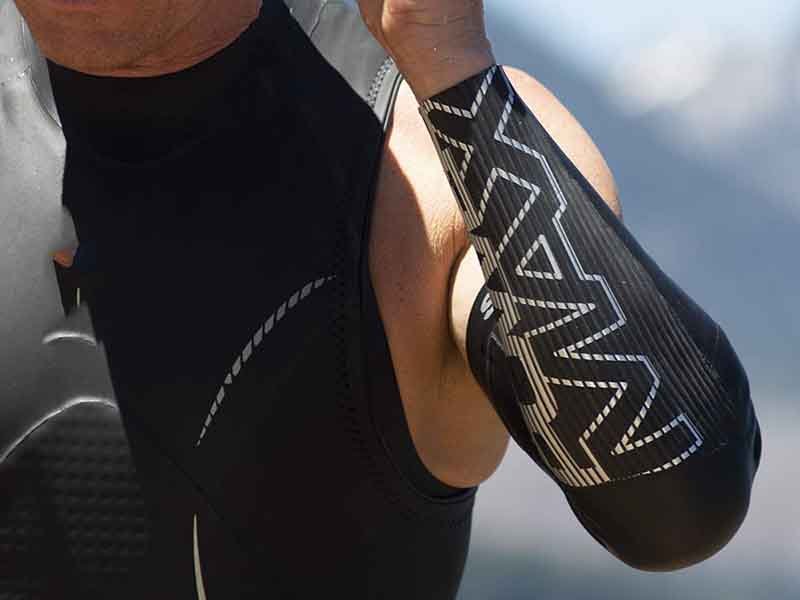
You’ve seen them on dawn patrols and pre-race warmups—sleek black sleeves pulled over the biceps and forearms, paired with jammers or a sleeveless wetsuit. Neoprene swim sleeves look simple, but they solve a bundle of everyday problems in open water: chilly starts, wind chill during sighting, stinging jellyfish, and sun exposure. They add a thin thermal layer without fully committing to a long-sleeve wetsuit, and they come off in seconds when temperatures or rules change.
Neoprene swim sleeves are detachable arm warmers made from closed-cell neoprene that add warmth, reduce wind chill, and protect skin in open water. They’re used by triathletes, open-water swimmers, surfers, and coaches when a full wetsuit is too warm or not allowed. Choose 1.5–3 mm for mobility and 3–5 mm for colder water, with grippers or tapered cuffs to prevent slipping. Fit should be snug but not restrictive to breathing or stroke mechanics.
A quick story: one of our brand partners tested sleeves for spring training when their lake hovered at 16–18 °C (60–64 °F). Full suits were overkill; no suit was too cold. Sleeves plus a 2 mm vest hit the sweet spot—faster entries, warmer shoulders, easier sighting, and less arm fatigue. The punchline: sleeves kept their team in the water longer, and that consistency, not gimmicks, lifted performance.
What are Neoprene Swim Sleeves? How are They Made?
Neoprene swim sleeves are arm-only wetsuit components that slide from bicep to wrist to provide targeted warmth and protection. They’re constructed from closed-cell neoprene foam laminated to nylon or polyester jerseys, then cut, shaped, and stitched into tapered tubes with bonded hems or silicone grippers. Premium builds use CR or SCR neoprene, pre-curved elbow panels, and glued-and-blindstitched (GBS) seams for durability and comfort.
Materials:
- Neoprene Foam: Closed-cell structure traps air for insulation and buoyancy.
- CR (Chloroprene): Best rebound, lower odor, longer life.
- SCR (CR/SBR blend): Balanced cost/performance for most brands.
- SBR: Value option for casual or promo lines.
- Jersey Linings:
- Nylon outer: Abrasion-resistant, smooth glide in water.
- Polyester inner: Softer hand, sublimation-ready for graphics or team prints.
Manufacturing Flow:
- Lamination: Foam is bonded to jersey on one or both sides using water-borne or low-VOC adhesives for lower odor and better skin comfort.
- Panel Cutting: Die-cut or CNC-cut patterns maximize yield and maintain consistent sizing. Pre-curved elbow shapes and graded bicep openings are cut here.
- Seam Tech:
- Flatlock for thin (1.5–2 mm) sleeves—low bulk, breathable, ideal for higher-tempo training.
- GBS (Glued & Blindstitched) for thicker (3–4+ mm) sleeves—warmer and more water-resistant seams.
- Cuff Engineering: Bonded hems for clean edges; silicone grippers or inside elastics to prevent creep without constricting blood flow.
- Finishing: Reflective transfers for visibility, size marks, and optional textured forearm panels (surfers/foilers).
- QC: Dimensional checks, seam integrity, gripper peel strength, and colorfastness/odor thresholds.
Why Build Them This Way?
Arms move through large ranges every stroke; seams must stretch, recover, and avoid hotspots. Pre-curved patterns reduce bunching at the elbow, while higher-rebound foams keep the sleeve snug in chop without over-compressing the forearm.
Key Benefits of Neoprene Swim Sleeves
Core benefits: thermal protection (less chill at shoulders/forearms), comfort and skin protection, slight hydrodynamic smoothing, and modular layering without overheating. Indirect gains include longer practice time, easier warm-ups, and confidence in rough water. They are not a fat-loss or medical device.
Thermal moderation: The closed cells of neoprene trap air, limiting conductive heat loss. Shoulders and forearms are highly exposed during recovery and sighting; sleeves cut the bite from wind and spray, especially between 14–20 °C (57–68 °F).
Comfort & skin protection: Sleeves help against surface irritants (jellyfish, sea lice), UV exposure, and board rash on prone paddling days. A smooth jersey and flat seams prevent chafe at the bicep and inner elbow.
Hydrodynamics (modest): A snug sleeve can tidy loose skin or apparel layers and reduce flutter. The effect is smaller than a full-sleeve suit but noticeable to some athletes in chop or when exiting/entering.
Modular control: Remove or roll down between sets. Combine with a 2 mm vest or thermal cap to tune total warmth without the drag/heat of a full suit.
Performance through consistency: The real “speed” benefit is more consistent time in the water because you’re simply more comfortable. Warm shoulders = better mechanics and longer quality sets.
Benefit → Spec Mapping
| Goal | Recommended Spec |
|---|---|
| Cut wind chill at 16–20 °C | 2–3 mm SCR/CR, bonded cuffs |
| Shoulder warmth in 12–16 °C | 3–4 mm CR, silicone bicep gripper |
| Jellyfish season | Smooth nylon outer, full-length wrist coverage |
| Surf paddling | 2 mm with stretch panels at elbow crease |
| Night/low-vis safety | Reflective piping/prints at upper arm |
Who Should Use Neoprene Swim Sleeves?
Best for open-water swimmers and triathletes training in cool water where full suits overheat; surfers/SUP on variable days; coaches/lifeguards stationed in water; and new or return-to-water swimmers needing comfort. Avoid if you overheat easily, have latex/neoprene sensitivities, or your event rules prohibit them.
Ideal profiles:
- Temperature tweakers: If your water is rarely cold enough for a full suit but too brisk for skins, sleeves extend your season.
- Mixed-discipline days: Paddle, swim, and run on the beach? Keep the torso free and heat where you need it.
- Coaching & rehab: A thin thermal buffer keeps arms functional without adding bulk.
Cautionary notes:
- Overheating risk: In warm water or long pool sets, sleeves may trap heat; monitor for dizziness or unusual fatigue.
- Skin compatibility: True latex allergy is separate from neoprene, but adhesives/dyes can irritate some users. Choose skin-safe, low-odor builds and wash before first use.
- Rules: Events vary. Some triathlons allow accessory sleeves; others consider any neoprene a wetsuit component. Always check the race packet.
Edge cases:
- Technique work: Some coaches prefer athletes in skins for pure feedback. Compromise by wearing sleeves in warm-ups and removing for drill sets.
- Very cold water (<10–12 °C / 50–54 °F): Sleeves alone won’t suffice—use a proper full suit, gloves, and cap.
How to Choose the Right Neoprene Swim Sleeves
Match thickness to water temp (1.5–2 mm for mild; 2–3 mm for cool; 3–5 mm for cold), pick CR/SCR for rebound and longevity, and ensure snug bicep fit with silicone grippers or bonded cuffs. Prioritize flat seams, stretch at the elbow, and proper length to the wrist. Size from bicep circumference and upper-arm length.
A. Thickness vs. Temperature (Guideline)
| Water Temp | Thickness | Notes |
|---|---|---|
| 20–22 °C (68–72 °F) | 1.5–2 mm | Light thermal touch; max mobility |
| 16–20 °C (60–68 °F) | 2–3 mm | All-round choice for OWS/tri |
| 12–16 °C (54–60 °F) | 3–4 mm | Noticeable warmth; ensure elbow stretch |
| 10–12 °C (50–54 °F) | 4–5 mm | For short exposures; consider full suit |
B. Foam & Lining
- CR (chloroprene): Premium rebound, lower odor, better longevity—ideal for frequent swimmers.
- SCR (CR/SBR blend): Balanced performance/value for most brands.
- SBR: Budget builds; fine for casual use.
- Nylon jersey outer: abrasion-resistant, glides through water.
- Polyester jersey inner: softer feel and sublimation-friendly for graphics.
C. Patterning & Construction
- Elbow articulation: Pre-curved or multi-panel elbows reduce crease pressure.
- Seams: Glued & blindstitched for thicker sleeves; flatlock for thinner (1.5–2 mm) with minimal bulk.
- Cuffs: Bonded hems or silicone grippers to prevent creep without constriction.
D. Sizing
Measure at peak bicep (relaxed, not flexed), then match to size chart. If between sizes, choose the tighter fit only if your forearm isn’t compressed to numbness. The sleeve should not balloon at the elbow or slide when wet.
Indicative Size Guide (brand-dependent)
| Bicep Circ. (in) | Bicep Circ. (cm) | Suggested Size |
|---|---|---|
| 9–10.5 | 23–27 | XS |
| 10.5–12 | 27–31 | S |
| 12–13.5 | 31–34 | M |
| 13.5–15 | 34–38 | L |
| 15–16.5 | 38–42 | XL |
| 16.5–18 | 42–46 | 2XL |
E. Features to Consider
- Reflective accents for visibility.
- Grip textures on forearms if you also surf/foil.
- Eco options: recycled jerseys, water-borne adhesives.
Custom OEM Neoprene Swim Sleeves: Branding Opportunities
Brands can customize thickness, foam grade, paneling, grippers, and lengths, with logos via screen print, heat-transfer, silicone badges, or sublimation. Typical MOQ starts 200–500 pairs/SKU; samples in 7–10 days and production in 20–30 days after approval. Add reflective prints, size runs, and retail packaging for sell-through.
Branding Methods
| Method | Look | Durability | Notes |
|---|---|---|---|
| Screen Print | Bold, solid colors | High | Cost-effective logos/icons |
| Heat-Transfer Film | Crisp edges | High | Great for small details & sizing marks |
| Sublimation (poly jersey) | Photo-quality | High | All-over patterns, teams/clubs |
| Silicone/PVC Badge | Premium, tactile | High | Sewn or bonded + stitch secure |
Spec Menu (popular combos)
- 2 mm SCR + flatlock + bonded cuffs → training/light warmth, value price.
- 3 mm CR + GBS seams + silicone gripper → performance warmth, long life.
- Reflective inks at upper arm for safety; textured forearms for multisport.
Retail & DTC Ready
- Packaging: recycled poly or kraft band with size window; include care card.
- Barcodes & size stickers standard.
- Compliance: material and print meet REACH; component textiles can be OEKO-TEX® on request.
Illustrative OEM Pricing (EXW, indicative)
| Spec | MOQ | Range (USD / pair) |
|---|---|---|
| 2 mm SCR, flatlock, print logo | 300 | $5.20–$7.40 |
| 3 mm SCR, GBS, heat-transfer | 300 | $7.60–$10.20 |
| 3 mm CR, GBS, silicone gripper | 300 | $9.80–$13.50 |
| 4 mm CR, GBS, reflective + badge | 300 | $12.50–$16.90 |
Lead Time Playbook
- Faster: stock foam colors, standard cuffs, print logos.
- Slower: custom dyed jerseys, large sublimation coverage, complex badges.
Neoprene Swim Sleeves vs. Alternatives
Compared with Lycra/compression sleeves, neoprene offers far more warmth and wind protection; vs full wetsuits, sleeves give modularity and less heat. Thermal fleece arm warmers (cycling) insulate when wet poorly and can drag. For open water, neoprene wins on warmth-to-mobility; for pool drills or hot days, thin Lycra is cooler and legal more often.
| Option | Warmth (Wet) | Drag | Mobility | Notes |
|---|---|---|---|---|
| Neoprene sleeves | High | Low-modest | High | Best for cool OWS, modular with vests |
| Full wetsuit sleeves | Very high | Low | Medium | Max warmth but hotter, rule-limited |
| Lycra/compression sleeves | Low | Very low | Very high | Pool-friendly, sun protection only |
| Thermal fleece warmers | Medium (dry), low (wet) | Medium | High | Good for deck/boat, not for swim |
| Rash guard long sleeve | Low-medium | Medium | Medium | Skin protection; warmth limited when wet |
Decision Tips
- Choose neoprene for chilly open water where you don’t want a full suit.
- Choose Lycra for pool legality, UV, and minimal heat.
- Choose full suit when water < 14–16 °C for long exposures.
Care & Maintenance Tips for Longevity
Rinse in fresh, cool water after use, hand-wash with mild detergent, then air-dry flat in shade. Avoid sun baking, radiators, and tumble dryers. Store flat or gently rolled; keep away from sharp fins/zip teeth. With normal use, quality sleeves last 1–3 seasons; CR foam and GBS seams last longer.
Routine (post-session):
- Rinse sleeves inside/out to remove salt/chlorine.
- Hand-wash weekly with mild detergent; no bleach/softeners.
- Optional 1:10 vinegar rinse to control odor.
- Dry flat in shade; avoid pegging by cuffs (distortion risk).
- Store flat or rolled; avoid folded creases.
Do/Don’t Table
| Do | Don’t |
|---|---|
| Rinse after every use | Dry in direct sun or on heaters |
| Air-dry completely | Tumble dry |
| Inspect seams monthly | Stuff wet in a closed bag |
| Trim loose threads | Pull on by the cuff only (stretch) |
Repair & Lifespan
- Small nicks: neoprene contact cement.
- Peeling cuffs: re-bond with adhesive and clamp.
- Expect 1–3 seasons depending on frequency, thickness, and UV; CR extends life.
Why Partner with Szoneier for Custom Swim Sleeves?
With 18+ years in neoprene R&D and manufacturing, Szoneier delivers fit-engineered sleeves, low MOQ, fast sampling, and reliable QC. Choose CR/SCR foams, GBS or flatlock seams, grippers, and reflective branding. We support OEM/ODM, retail packaging, and compliance documentation for global markets.
What we build: neoprene swim sleeves, vests, caps, gloves, bags, and wetsuits for global brands—from value training lines to pro-grade race kits.
Engineering focus:
- Patterning for stroke mechanics (pre-curved elbows, tapered cuffs).
- Material choice (CR/SCR foams from 1.5–5 mm; recycled jerseys on request).
- Seam tech (GBS for warmth, flatlock for breathability/comfort).
- Grip systems (silicone bands, bonded hems) tested on wet skin.
- Branding (screen/transfer/sublimation, reflective inks, silicone badges).
Quality & compliance:
- Visual AQL checks, seam integrity, gripper peel strength, dimensional tolerances.
- Chemical compliance support (REACH, RoHS on trims; OEKO-TEX® components available).
- Packaging ready for retail (barcodes, care cards, QR manuals).
Typical timeline:
- 7–10 days sampling & strike-offs
- 20–30 days production after approval
- Optimized carton packs to reduce freight
Ready to Design Your Swim Sleeves?
Whether you want value-driven training sleeves or a premium CR line with reflective branding, we’ll turn your brief into a product swimmers actually reach for—season after season.
- Website: www.neoprene-bag.com
- Email: info@neoprene-bag.com
- Phone/WhatsApp: +86 13823134897
Send your spec (thickness, foam grade, seam, cuffs, sizes, branding, packaging, target price). We’ll return mockups, a BOM-based quote, and a sampling plan—so you can launch on time, on brand, and with confidence.
What Can I Do For You?
Here, developing your OEM/ODM private label leather goods collection is no longer a challenge,it’s an excellent opportunity to bring your creative vision to life.