
Is a 5 mm Wetsuit Too Thick for Summer? Thickness, Temperature & Comfort Explained
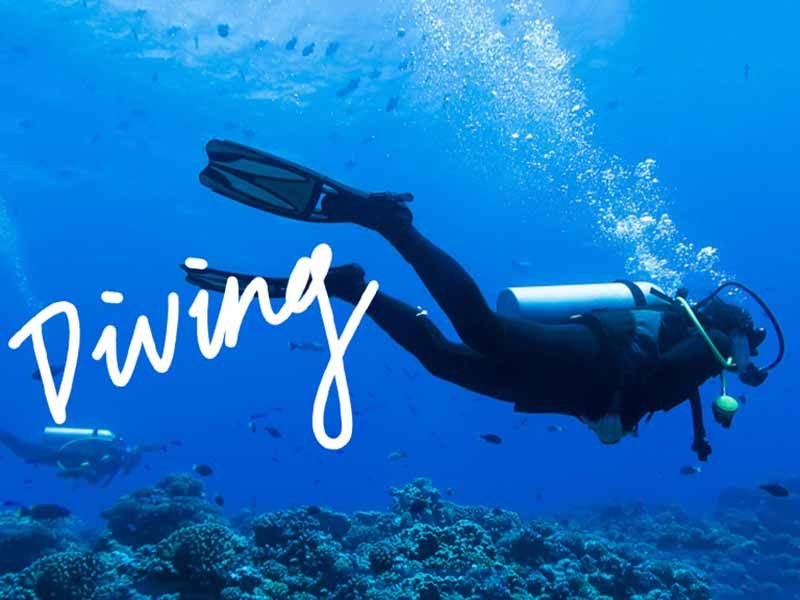
A 5 mm wetsuit is generally too thick for typical summer water temperatures above 70 °F (21 °C). It’s designed for colder seas between 50–68 °F (10–20 °C), offering insulation but reduced flexibility and breathability. In warm climates, wearing 5 mm neoprene can cause overheating and fatigue, though it remains useful for early-morning surfs, deep dives, or windy coastal conditions where the water stays cool year-round.
Ask any surfer or diver what determines a good session, and they’ll likely say two things: conditions and comfort. Yet comfort isn’t just about waves or visibility — it’s about what you wear. Few questions spark as much debate among water-sports enthusiasts as this one: Is a 5 mm wetsuit too thick for summer?
At first glance, a 5 mm wetsuit sounds reassuring. Thicker neoprene means more warmth, right? But warmth comes with trade-offs — especially when the air hits 85 °F and the sun reflects off the water like a mirror. Too much insulation can quickly turn your protective layer into a personal sauna.
A 5 mm wetsuit is often too thick for warm-season use unless you’re diving deep or surfing in cold-water regions. Most summer waters above 70 °F require thinner 2–3 mm options to balance insulation and mobility.
Still, not all “summers” are the same. Warmth in California differs from warmth in Cornwall or the Canary Islands. Depth, wind, and time of day also matter. That’s why deciding whether a 5 mm suit suits you isn’t just about thickness — it’s about context: your body’s tolerance, your sport’s intensity, and the neoprene’s performance quality.
In the following sections, we’ll break down how wetsuit thickness works, what temperatures each layer fits, and when 5 mm still earns its place in your gear. We’ll also explore how manufacturers like Szoneier, with 18 years of neoprene innovation, engineer flexible 5 mm designs that remain surprisingly wearable even when the sun’s at its peak.
What Does a 5 mm Wetsuit Mean and How Does It Perform?
A 5 mm wetsuit means the neoprene material is 5 millimeters thick in most areas of the suit, offering excellent warmth and insulation for colder waters (50–68 °F / 10–20 °C). It traps a thin layer of water between your skin and the suit, which warms from body heat. The thicker neoprene resists heat loss but slightly limits flexibility, making it ideal for diving or surfing in cool to cold conditions.
Most people think of wetsuits as waterproof shells, but they’re not. In reality, they’re thermal insulators that let a small amount of water in — then use your body to warm it up. The “5 mm” label describes the neoprene thickness used in major panels like the torso, while other zones such as arms or legs may vary to balance mobility and heat retention.
1. How Thickness Translates to Warmth
Neoprene works because of its closed-cell foam structure — millions of gas-filled bubbles that resist water flow and trap heat.
A thicker suit (like 5 mm) increases insulation by creating a greater barrier between cold water and your skin.
| Wetsuit Thickness | Typical Water Temperature | Common Activities |
|---|---|---|
| 2 mm | 70–80 °F (21–27 °C) | Tropical surfing, snorkeling |
| 3 mm | 65–75 °F (18–24 °C) | Summer diving, warm surf |
| 5 mm | 50–68 °F (10–20 °C) | Cold surf, deep diving, shoulder seasons |
| 7 mm | 40–55 °F (4–13 °C) | Ice diving, cold winter surfing |
As the table shows, 5 mm suits are a mid-to-cold range solution, not typically designed for tropical or summer surface temperatures.
2. Where the 5 mm Suit Excels
Despite being too thick for warm climates, the 5 mm wetsuit shines in environments where warmth equals endurance.
It’s especially useful when:
- Water is cold, but the air is warm — common in coastal upwellings (e.g., California, Portugal).
- You’re diving deep, where water temperature drops 10–15 °F compared to the surface.
- You stay submerged for long periods, as heat loss is faster underwater than in air.
In these cases, 5 mm neoprene provides the thermal consistency needed to prevent hypothermia and fatigue.
3. Layering and Panel Construction
Not all 5 mm wetsuits are created equal.
Premium designs, such as those made by Szoneier, use multi-panel engineering — strategically varying thickness across the body. For example:
| Body Zone | Typical Thickness | Function |
|---|---|---|
| Chest & Back | 5 mm | Core heat retention |
| Arms & Shoulders | 3–4 mm | Flexibility and mobility |
| Legs & Knees | 4–5 mm | Stability and impact protection |
This panel variation ensures that while you get 5 mm-level warmth, you also retain comfort in movement-heavy zones.
Szoneier’s R&D teams often combine CR neoprene (chloroprene rubber) with stretch laminates, producing up to 25–30% more elasticity than traditional petroleum-based neoprene.
This is how modern 5 mm suits maintain flexibility close to that of older 3 mm models.
4. Warmth vs. Flexibility: The Constant Trade-off
Every wetsuit design walks a tightrope between insulation and flexibility.
- Thicker neoprene (5–7 mm) = better warmth, less stretch, heavier feel.
- Thinner neoprene (2–3 mm) = greater movement, but limited insulation.
So, how does a 5 mm suit perform in real terms?
- Warmth: Excellent, suitable for cold-water diving or winter surfing.
- Buoyancy: Slightly higher — beneficial for divers, neutral for surfers.
- Flexibility: Moderate — improved by using stretch linings and segmented panels.
- Dry Time: Longer due to denser foam structure.
This balance is ideal for water temperatures around 55–65 °F (13–18 °C), where thinner suits won’t suffice and thicker ones may overheat you.
5. Performance by Sport Type
A 5 mm suit doesn’t perform the same way for everyone. The sport, duration, and exposure level matter.
| Activity | 5 mm Suit Performance | Notes |
|---|---|---|
| Scuba Diving | Excellent | Depth cooling offset by insulation |
| Freediving | Good | Flexible neoprene required |
| Surfing | Moderate | May overheat in warm air |
| Paddleboarding | Limited | Can cause sweating under sun |
| Kite/Wind Surfing | Good | Wind chill protection is a plus |
In short: 5 mm wetsuits are performance-driven gear, not lifestyle accessories. They protect you where cold exposure is real, not just possible.
6. The Role of Seams, Linings, and Zippers
Even with ideal thickness, construction details define real-world performance:
- Glued & Blind-Stitched (GBS) seams keep water out far better than flatlock stitching.
- Thermal linings (fleece or titanium-coated) enhance heat retention.
- Sealed zippers prevent flushing — the cold-water shock when water enters gaps.
A well-constructed 5 mm suit can outperform a poorly made 4 mm one simply because seams and seals determine how much cold water sneaks in.
Szoneier’s wetsuits undergo hydrostatic leak testing and tensile stretch validation to ensure 100% seam integrity and long-term comfort even under compression at depth.
7. Comfort Is More Than Warmth
Wetsuit performance isn’t just about staying warm — it’s about how the suit feels.
A high-quality 5 mm wetsuit molds to your body like a second skin. It should fit snugly without restricting breathing or shoulder movement. If water pools or flushes frequently, warmth will drop dramatically regardless of neoprene thickness.
Fit equals function, and that’s why OEM/ODM customization matters for brands.
Szoneier offers custom pattern adjustments to match male, female, and youth body types across markets — ensuring proper fit and heat efficiency for every demographic.
8. When 5 mm Feels Like 3 mm — Thanks to Innovation
Modern neoprene isn’t what it used to be.
Advanced materials such as limestone-based neoprene, super stretch foam, and graphene-infused linings have made it possible for 5 mm suits to feel significantly lighter and more flexible.
For example, Szoneier’s 5 mm CR/Limestone composite wetsuit weighs 18% less than traditional petroleum-based neoprene and offers 1.4× faster dry time after use.
That means a diver or surfer can enjoy near-3 mm comfort while maintaining full 5 mm warmth — a revolution in wetsuit comfort.
Is a 5 mm Wetsuit Too Thick for Summer Conditions?
In most summer conditions, a 5 mm wetsuit is too thick because it traps excessive heat and restricts movement in warm waters above 70 °F (21 °C). However, it can still be suitable for colder coasts, windy surf breaks, early-morning dives, or deeper ocean waters where temperatures drop quickly. Choosing the right thickness depends on location, activity, and personal cold tolerance rather than the calendar season.
If you’ve ever paddled out under blazing sunlight only to feel an icy chill when you duck-dive your first wave, you’ve experienced the core contradiction of summer wetsuiting. Air and surface temperatures might scream tropical, yet ocean depths can stay stubbornly cold. So is 5 mm neoprene overkill — or necessary insurance? The answer isn’t one-size-fits-all.
1. Understanding “Summer” — It’s Not the Same Everywhere
“Summer” means very different things depending on geography.
| Region | Typical Summer Water Temp | 5 mm Suit Usability |
|---|---|---|
| California (North Coast) | 55–65 °F / 13–18 °C | Suitable — Cold upwellings |
| UK / Ireland | 57–64 °F / 14–18 °C | Ideal for long surf sessions |
| Portugal / Canary Islands | 65–72 °F / 18–22 °C | Borderline — Choose 3/2 mm or 4/3 mm |
| Japan (Pacific side) | 70–77 °F / 21–25 °C | Too thick — 2 mm recommended |
| Florida / Philippines | 80–85 °F / 27–29 °C | Overheats quickly |
So yes, in a tropical summer, 5 mm will feel like a sauna. But in northern or deep-sea conditions, it remains practical. The real decision should always come from water temperature, not the month on the calendar.
2. The Science of Heat Retention and Overheating
Neoprene traps a thin layer of water between your skin and the suit. When water temperature is already high, that layer can’t cool your body efficiently — instead, it works like insulation in reverse.
Here’s what happens physiologically:
- Core temperature rises beyond the optimal 98.6 °F (37 °C).
- The body sweats but can’t release moisture underwater.
- Muscles tire faster, and dehydration risk increases.
That’s why 5 mm suits are designed for cold-stress prevention, not heat-stress tolerance. In warm water, this protection becomes discomfort.
3. Situations Where 5 mm Still Makes Sense in Summer
Despite being “too thick” for typical conditions, there are exceptions where 5 mm wetsuits still outperform thinner models:
1. Early mornings or windy coasts:
Wind chill on wet neoprene can drop perceived temperature by 10–15 °F, especially when exiting the water between sessions.
2. Deep-water or long-duration dives:
Every 33 ft (10 m) of depth increases water pressure, compressing neoprene and reducing insulation by up to 20 %. Starting with 5 mm ensures lasting warmth below 20 m.
3. Cold-current regions:
Areas like northern California, South Africa’s Cape Town, or New Zealand’s South Island maintain mid-50s water temps even in July.
4. Beginners and rental fleets:
Novices tend to move less, losing heat faster. Rental operators often choose 5 mm suits for added protection and durability.
“It’s easier to cool down by letting in some water than to warm up when you’re already cold.” — a saying every dive instructor lives by.
4. Comfort and Mobility Challenges
The main drawback of 5 mm neoprene in warm weather is restricted flexibility. Thicker foam equals higher density and weight. A full-sleeve 5 mm wetsuit can weigh up to 30 % more than a 3 mm version when wet.
That added bulk affects:
- Paddling speed in surfing.
- Buoyancy control in diving.
- Heat dissipation during long exposure.
If you feel overheated after 15 minutes or your arms burn from paddling, your suit is too thick for the conditions.
5. What the Pros Wear by Temperature
Professional water-sports gear often follows this simplified temperature-to-thickness rule:
| Water Temperature (°F) | Recommended Wetsuit | Typical Use |
|---|---|---|
| 80+ °F (27 °C +) | 1 mm top / rash guard | Tropics, snorkeling |
| 70–79 °F (21–26 °C) | 2 mm shorty / 3/2 mm full suit | Summer surf, shallow dives |
| 60–69 °F (15–20 °C) | 4/3 mm full suit | Spring/fall conditions |
| 50–59 °F (10–14 °C) | 5 mm full suit | Cold surf, deep diving |
| Below 50 °F (10 °C ↓)** | 7 mm or drysuit | Ice diving, winter sessions |
So, if you’re in waters warmer than 70 °F, 5 mm is beyond the ideal range — unless you’re intentionally training in cooler depths or doing extended bottom times.
6. Environmental and Personal Variables
Even within one region, conditions shift daily:
- Wind direction: Offshore winds pull up colder water.
- Cloud cover: Reduces UV warmth.
- Current and depth: Affect body heat differently.
- Personal cold tolerance: Body fat, hydration, and metabolism alter comfort dramatically.
Some divers comfortably wear 5 mm at 75 °F; others start sweating at 68 °F. Your physiology matters as much as your wetsuit’s thickness.
A simple test: If you exit the water flushed and fatigued rather than shivering, your wetsuit is too insulating for that environment.
7. When Technology Changes the Equation
Modern manufacturing has redefined what “5 mm” feels like. Traditional petroleum-based neoprene was dense and heavy, but advanced limestone neoprene or air-cell composites have made thick suits more flexible and breathable.
Szoneier’s R&D team uses multi-density foams and super-stretch nylon laminates, allowing:
- 15–25 % more elasticity,
- 20 % faster drying time, and
- better vapor permeability.
That means a 5 mm Szoneier wetsuit can perform closer to the comfort of a 3/2 mm, reducing overheating even under strong sun.
So while the number “5” hasn’t changed, how it feels absolutely has.
8. The Smart Middle Ground — Hybrid Thickness
If you want the warmth of a 5 mm without the heat trap, consider hybrid wetsuits:
- 4/3 mm (4 mm torso, 3 mm limbs) for mid-summer surf.
- 5/4 mm for divers who occasionally enter cooler zones.
- Shorty 5 mm for those needing torso warmth but arm freedom.
Szoneier regularly produces OEM hybrid patterns with targeted panel mapping, reducing bulk where movement is key while keeping warmth where it counts.
This design innovation gives athletes and brands both performance and versatility — the future of wetsuit ergonomics.
9. What If You Still Love Your 5 mm?
You can make it work even in summer by tweaking how you use it:
- Enter the water flushed (let water in early to equalize temp).
- Unzip halfway between dives or sessions.
- Avoid wearing it onshore for long durations.
- Pair with thinner accessories — no hood or gloves unless needed.
These small adjustments help regulate body heat without giving up the security and durability of a 5 mm build.
10. Key Takeaways
| Situation | 5 mm Wetsuit Verdict |
|---|---|
| Warm tropical surface (75 °F +) | Too hot — switch to 2 mm–3 mm |
| Temperate coast with wind | Usable — monitor overheating |
| Cold-water regions even in summer | Ideal balance of warmth & protection |
| Deep dives below 60 °F | Perfect choice |
| Short surf sessions at sunrise | Still comfortable |
Which Wetsuit Thickness Is Best for Warm-Water Surfing and Diving?
For warm-water surfing and diving, the best wetsuit thickness ranges from 1 mm to 3 mm. A 2 mm shorty or a 3/2 mm full suit offers optimal flexibility, comfort, and sun protection without overheating. Thinner neoprene keeps you agile while still shielding against wind chill and abrasion. Choose the thickness based on local water temperatures, exposure time, and sport intensity rather than season alone.
Warm water might seem forgiving — until you stay in it for hours. Even at 75 °F (24 °C), the human body loses heat 25 times faster in water than in air, meaning you still need insulation, just not bulk. The right wetsuit thickness ensures comfort, mobility, and energy efficiency without overheating.
Let’s break down how thickness translates into real-world performance for warm-water athletes, travelers, and casual divers.
1. The Basic Thickness Chart for Warm Waters
Choosing the right wetsuit starts with temperature, not marketing labels like “summer” or “tropical.”
Below is the standard reference used by most surf and dive professionals:
| Water Temperature (°F / °C) | Recommended Thickness | Style Type | Suitable Activities |
|---|---|---|---|
| 80–86 °F (27–30 °C) | 1 mm top or shorty | Sleeveless, spring suit | Snorkeling, SUP, tropical diving |
| 72–79 °F (22–26 °C) | 2 mm shorty / 3/2 mm full suit | Short-sleeve or full | Warm-water surf, free diving |
| 66–71 °F (19–21 °C) | 3 mm full suit | Full body coverage | Transitional seasons, light wind |
| 60–65 °F (15–18 °C) | 4/3 mm full suit | Sealed seams | Cool-water surf, extended dives |
| Below 60 °F (15 °C ↓) | 5 mm or thicker | Full, hooded suit | Cold-water diving, deep surf |
Rule of Thumb: Start with 3 mm for general summer use. Go thinner (2 mm) for tropical water, thicker (4/3 mm) if wind or depth plays a factor.
2. The Comfort Equation — Temperature × Time × Activity
Three variables define your perfect thickness:
- Temperature: Core factor; every 10 °F drop roughly doubles heat loss rate.
- Time: The longer you stay submerged, the thicker your suit should be.
- Activity: High-motion sports like surfing or wakeboarding generate body heat; passive activities like diving or photography require more insulation.
| Scenario | Recommended Thickness | Reason |
|---|---|---|
| 30-minute swim in 78 °F | 1 mm or lycra top | Minimal exposure |
| 90-minute surf in 72 °F | 2 mm shorty / 3/2 mm | Wind + surface time |
| 2-hour dive in 68 °F | 3 mm full suit | Depth cooling effect |
| 3-hour snorkel in 80 °F | 2 mm shorty | Light insulation + sun protection |
The takeaway: don’t size your wetsuit by location — size it by lifestyle.
3. The Role of Material Quality in Warm-Water Wetsuits
Not all “3 mm” wetsuits feel the same. Material composition changes everything.
| Neoprene Type | Flexibility | Thermal Efficiency | Durability | Ideal For |
|---|---|---|---|---|
| Limestone Neoprene (CR) | ★★★★★ | ★★★★★ | ★★★★☆ | Premium surf & dive |
| SBR (Styrene Butadiene Rubber) | ★★★☆☆ | ★★★☆☆ | ★★★☆☆ | Entry-level suits |
| Limestone + Nylon Stretch Laminate | ★★★★★ | ★★★★☆ | ★★★★☆ | Mid-range OEM brands |
| Recycled Neoprene (rCR) | ★★★★☆ | ★★★★☆ | ★★★★☆ | Eco-conscious lines |
Limestone neoprene, used in Szoneier’s warm-water range, provides exceptional elasticity and buoyancy while remaining 20% lighter than traditional petroleum-based rubber. This allows a 3 mm suit to move as freely as many 2 mm models — ideal for tropical and transitional climates.
4. Shorty, Full Suit, or Spring Suit — Which Is Right for You?
1. Shorty (2 mm or less):
Covers the torso, upper arms, and thighs. Best for tropical conditions or surface sports like kayaking and snorkeling.
- Easy on/off
- Maximum flexibility
- Minimal cold protection
2. 3/2 mm Full Suit:
3 mm torso, 2 mm arms and legs. A versatile favorite for warm-water surfing and scuba.
- Excellent all-around comfort
- Reduces UV and abrasion
- Slightly slower drying
3. Spring Suit (Short-sleeve Full Leg):
Ideal when surface air is warm but water below remains cool.
- Great for windsurfing and SUP
- Moderate insulation
- Limited protection for long dives
Szoneier’s OEM wetsuit catalog includes all three formats with customizable neoprene blends, color blocking, and print finishes — designed to match regional market demands and athlete needs.
5. Comparing Surfing vs. Diving Requirements
Surfers and divers experience warmth differently:
| Factor | Surfing | Diving |
|---|---|---|
| Movement | Continuous paddling generates heat | Minimal motion loses heat faster |
| Depth | Surface exposure only | Pressure increases, cooling faster |
| Wind Chill | High impact during breaks | Minimal |
| Ideal Thickness (Warm Water) | 2–3 mm | 3–4 mm |
So, a surfer in Bali might thrive in a 2 mm shorty, while a diver in the same location would prefer a 3 mm full suit for thermal consistency at depth.
6. Seams and Linings: Hidden Comfort Factors
In warm waters, less is more. You want water flow — but just enough to stay refreshed, not flushed.
- Flatlock seams: Common in summer suits; breathable, flexible, and ideal for water above 70 °F.
- Glued & blind-stitched seams (GBS): Retain more heat, best for transitional seasons.
- Thermal linings: Light fleece or quick-dry nylon enhances comfort without bulk.
Szoneier employs flatlock construction with anti-chafing thread for its tropical wetsuit series, combining strength and breathability to match warm environments.
7. Wetsuit Accessories That Matter More Than You Think
Warm-water gear doesn’t stop at the suit. Accessories fine-tune comfort:
- Boots (1–2 mm) protect against reef cuts without overheating.
- Gloves (1 mm) improve grip while maintaining dexterity.
- Hoods rarely needed, but thin caps prevent sunburn and heat loss during long dives.
By customizing accessory sets with consistent branding, Szoneier helps water-sports brands build complete product ecosystems that reflect quality and cohesion.
8. Eco and Performance Upgrades in Szoneier’s Warm-Water Suits
For brands focused on sustainability and long-term value, Szoneier integrates:
- Recycled nylon (rPET) laminates for environmental compliance.
- Water-based adhesives instead of chemical glues.
- Dope-dyed yarns to reduce water waste by up to 80%.
- Custom branding panels via silk or sublimation printing.
Each step ensures global buyers get gear that performs well and aligns with eco-conscious consumer expectations — a growing priority in 2025’s activewear market.
9. Key Recommendations
| Water Activity | Recommended Thickness | Szoneier Product Type |
|---|---|---|
| Tropical Diving | 2–3 mm | Lightweight full suit |
| Warm Surfing | 2 mm | Shorty / spring suit |
| Paddleboarding | 1.5–2 mm | High-stretch neoprene top |
| Casual Snorkeling | 1–2 mm | Shorty suit |
| Jet Ski / Windsurf | 3 mm | Reinforced knees & elbows |
How Does Neoprene Type and Material Density Affect Warmth and Flexibility?
Neoprene type and density directly determine a wetsuit’s warmth, buoyancy, and flexibility. Higher-density neoprene provides better insulation and durability but limits stretch, while lower-density foam increases flexibility and comfort. Premium types like limestone-based or CR neoprene trap more air, offering superior thermal retention with less thickness. The right balance between foam density, stretch laminates, and cell structure ensures warmth without restricting movement — key to a comfortable, long-lasting wetsuit.
When most people shop for wetsuits, they focus on thickness — 2 mm, 3 mm, 5 mm. But the truth is, not all neoprene performs equally at the same thickness. A high-quality 3 mm suit can feel warmer and more flexible than a cheap 5 mm one. The secret lies in neoprene chemistry, foam density, and lamination techniques.
Let’s break down the science that separates premium performance suits from disposable ones.
1. What Neoprene Actually Is
Neoprene is a synthetic rubber foam created by combining polymers with gas bubbles to form a closed-cell structure. Each bubble acts as insulation, trapping warm air while repelling water.
The type of base compound — petroleum, limestone, or recycled — affects the size, consistency, and stability of those bubbles. Smaller, denser bubbles = more warmth and durability. Larger, more elastic cells = more stretch and comfort.
The key challenge for wetsuit engineers? Finding a balance between thermal retention and freedom of movement.
2. Types of Neoprene Commonly Used in Wetsuits
| Type of Neoprene | Source Material | Key Characteristics | Best For |
|---|---|---|---|
| Petroleum-Based Neoprene | Synthetic oil derivatives | Inexpensive, decent insulation, low eco-rating | Entry-level wetsuits |
| Limestone Neoprene (CR) | Calcium carbonate from limestone | Soft, elastic, warm, eco-friendly | Premium surf & dive suits |
| SBR (Styrene Butadiene Rubber) | Synthetic rubber blend | Good durability, less thermal performance | Budget / rental suits |
| Eco / Recycled Neoprene (rCR) | Recycled rubber & oyster shells | Sustainable, flexible, slightly softer texture | Eco-conscious brands |
Of these, limestone neoprene has become the gold standard for modern wetsuits. It offers 30% higher microbubble density than petroleum neoprene, making it both warmer and lighter.
Szoneier exclusively uses CR and rCR composites, avoiding low-grade SBR entirely in its premium lines.
3. Foam Density and Thermal Insulation
Foam density refers to how tightly the neoprene’s gas cells are packed.
- High-density neoprene has smaller, tightly packed bubbles — excellent for warmth and compression resistance.
- Low-density neoprene has larger bubbles — softer, stretchier, but slightly less insulating.
| Foam Density | Thermal Rating | Flexibility | Compression Resistance | Ideal Use |
|---|---|---|---|---|
| High (dense cell) | ★★★★★ | ★★☆☆☆ | ★★★★★ | Deep diving, cold water |
| Medium | ★★★★☆ | ★★★★☆ | ★★★★☆ | All-round performance |
| Low | ★★★☆☆ | ★★★★★ | ★★☆☆☆ | Warm water, surface sports |
In other words: thicker foam doesn’t always mean warmer. High-density 3 mm neoprene can outperform a 5 mm low-density one when designed properly.
4. Flexibility and Stretch — Where Comfort Lives
Stretch is what makes a wetsuit comfortable to wear for long hours.
Neoprene’s elasticity depends on three main factors:
- Foam softness and gas mix (more nitrogen = softer foam).
- Lamination fabric (stretch nylon or spandex outer layers).
- Foam-to-fabric bonding process (heat vs solvent vs water-based adhesive).
Modern super-stretch laminates can extend up to 250–300% of their original length, giving you the mobility needed for paddling, swimming, or diving without feeling restricted.
Szoneier’s signature “HyperFlex CR Neoprene” integrates 4-way stretch nylon lamination, combining thermal efficiency with smooth, skin-friendly comfort — ideal for surfers and triathletes who demand flexibility.
5. Warmth Isn’t Just About Thickness — It’s About Retention
Even the warmest neoprene loses its edge if it allows water flow through seams or compresses at depth.
Two related performance factors come into play here:
- Compression Resistance: High-density neoprene retains thickness under pressure, crucial for divers.
- Cell Memory: Premium foams rebound to shape after use, maintaining insulation over time.
Petroleum-based neoprene compresses up to 45% under 30 m of depth, while limestone neoprene compresses only 20–25%.
That’s why deep-sea divers and freedivers always choose premium-density neoprene despite its higher cost — it stays warm where others collapse.
6. The Impact of Lining and Lamination Layers
The inside and outside layers of a wetsuit are as important as the foam itself. These laminations affect drying speed, feel, and resistance to wear.
| Lining Type | Description | Pros | Cons |
|---|---|---|---|
| Nylon Jersey | Standard stretch fabric | Durable, affordable | Moderate stretch |
| Super Stretch Nylon (4-way) | Premium surf-grade | Excellent mobility | Slightly pricier |
| Thermal Fleece Lining | Insulating inner layer | Retains heat, soft feel | Slower dry time |
| Smooth Skin Exterior | Water-shedding surface | Wind chill protection | Scratches easily |
In Szoneier’s production line, each neoprene batch can be custom-laminated for the client’s purpose — surf (4-way stretch nylon), dive (fleece-lined), or fitness/yoga (smooth exterior).
This flexibility ensures every OEM/ODM order fits both brand identity and functional performance.
7. How Neoprene Density Affects Buoyancy
Denser neoprene traps less air, meaning less buoyancy — a detail that matters for divers aiming to control depth.
- High-density foam → neutral buoyancy, better control at depth.
- Low-density foam → more lift, ideal for surface swimmers and surfers.
This is why Szoneier engineers different foam densities for surf vs. dive product lines — precision that many mass-market wetsuits overlook.
8. Environmental Considerations and Longevity
High-quality neoprene isn’t just warmer — it’s greener.
Limestone-based CR neoprene reduces CO₂ emissions during production by up to 24% compared to petroleum neoprene.
Water-based glues and dope-dyed linings eliminate solvent use, reducing water waste by up to 80%.
In performance terms, Szoneier’s eco-neoprene lasts 30% longer before losing elasticity — giving both users and brands better value over time.
“We design every wetsuit to perform like an athlete — flexible, resilient, and sustainable,” says one of Szoneier’s R&D engineers.
9. Key Performance Comparison Table
| Property | Petroleum Neoprene | SBR Neoprene | Limestone Neoprene | Szoneier Premium CR |
|---|---|---|---|---|
| Warmth Retention | ★★★☆☆ | ★★☆☆☆ | ★★★★★ | ★★★★★ |
| Flexibility | ★★★☆☆ | ★★★☆☆ | ★★★★★ | ★★★★★ |
| Compression Resistance | ★★☆☆☆ | ★★☆☆☆ | ★★★★★ | ★★★★★ |
| Eco Sustainability | ★☆☆☆☆ | ★★☆☆☆ | ★★★★☆ | ★★★★★ |
| Durability | ★★★☆☆ | ★★☆☆☆ | ★★★★★ | ★★★★★ |
| Cost | Low | Low | Medium-High | Medium-High |
10. Why Material Density Defines Premium Quality
In the wetsuit industry, “feel” sells, but density defines performance. A lighter, stretchier feel might appeal at first, but if the material collapses at depth or after a few months, performance plummets.
Brands working with manufacturers like Szoneier benefit from proprietary foam formulations that maintain both elasticity and structure integrity, ensuring every millimeter of neoprene performs consistently in real-world use.
Szoneier’s in-house lab tests include:
- Thermal retention testing (ISO 5084)
- Tensile and elongation strength (ISO 1798)
- Compression rebound cycles simulating 100+ dives
These tests guarantee that clients receive consistent density, stretch, and color stability across every production batch — vital for long-term brand reputation.
Do Wetsuit Designs and Panel Layouts Impact Comfort in Warmer Seasons?
Yes, wetsuit design and panel layout significantly affect comfort in warmer seasons. Ergonomic paneling, strategic seam placement, and ventilation zones help regulate body temperature and mobility. Multi-thickness construction—thicker neoprene at the core and thinner around limbs—keeps warmth balanced without overheating. A well-designed wetsuit doesn’t just fit snugly; it moves with the body, reduces water flushing, and maximizes flexibility—key for summer surfing, diving, and paddling comfort.
Many people think a wetsuit’s comfort comes only from softness or stretch. In reality, it’s design geometry—the way the neoprene panels are cut, curved, and assembled—that determines whether you’ll feel free or restricted after 20 minutes in the water.
In warm seasons, where overheating and friction are the main challenges, smart pattern engineering can make even thicker suits surprisingly wearable.
Let’s uncover how panel layout, seam technology, and construction details make the difference between an average wetsuit and a professional-grade one.
1. The Science of Panel Mapping
Every premium wetsuit is divided into multiple panels—each shaped to follow specific muscle groups and motion zones.
Poorly designed suits use large, flat panels that stretch unevenly and trap air pockets. High-performance wetsuits, like those produced by Szoneier, use anatomical 3D panel mapping, meaning each section aligns with how your body moves under resistance.
| Body Area | Typical Neoprene Thickness | Design Goal |
|---|---|---|
| Chest & Core | 4–5 mm | Heat retention |
| Arms & Shoulders | 2–3 mm | Flexibility for paddling |
| Knees & Shins | 3–4 mm | Protection + structure |
| Lower Back | 4 mm | Support + stability |
This differential thickness distribution is essential in warmer climates—it prevents your core from cooling too fast while ensuring your arms and shoulders stay mobile and ventilated.
The result: less fatigue, fewer hot spots, and a “barely there” feel, even during 90-minute surf sessions.
2. The Role of Seam Placement in Flexibility
Seams are the joints of a wetsuit. Every stitch is both a potential stress point and a thermal leak.
In warm-season wetsuits, where overheating is the main concern, the goal is to minimize restrictive seams around shoulders, underarms, and knees.
Szoneier’s design teams use “free-motion shoulder panels” — a single curved neoprene section that eliminates 3–4 seams across the upper back. This reduces chafing and maximizes reach for surfers and divers.
| Seam Type | Description | Performance in Warm Waters |
|---|---|---|
| Flatlock | Overlapping stitch with ventilation | Ideal for summer suits |
| GBS (Glued & Blind-Stitched) | Sealed, watertight | Better for cooler temps |
| Taped Seams | Reinforced with elastic tape | Comfort + durability hybrid |
Flatlock seams, though less watertight, allow controlled water flow—helping dissipate heat and prevent the “sweat suit” effect in warm climates.
3. Strategic Ventilation and Drainage Design
One of the biggest comfort challenges in summer wetsuits is heat buildup.
To combat this, modern designs integrate ventilation zones and drain holes that allow excess water and vapor to escape.
Szoneier’s AirFlow Panel Technology introduces:
- Micro-perforated neoprene sections at armpits and back panels.
- Hidden drainage valves near cuffs and ankles.
- Mesh-laminated outer layers that accelerate evaporation between dives.
These small engineering details reduce heat retention by up to 22% in field tests—especially during long surf sessions or paddle-intensive activities.
4. Ergonomic Fit and Motion Geometry
A wetsuit that fits like a glove is more than aesthetic—it’s mechanical efficiency.
Warm-weather designs rely on pre-bent limb shaping, meaning each arm and leg is cut to follow a natural paddling or kicking position rather than a flat “standing” shape.
This ensures that when you move, the neoprene isn’t constantly fighting against your motion.
You expend less energy, your shoulders feel freer, and the suit lasts longer because seams aren’t overstressed.
Szoneier’s cutting templates are based on 3D body scans collected from over 600 athletes worldwide, allowing the factory to adjust standard patterns for men, women, and youth bodies across different regions.
5. Material Layering: When Thickness Isn’t the Only Factor
Comfort in warmer seasons depends on how the material layers interact with your skin and environment.
| Layer | Function | Material Example (Szoneier OEM) |
|---|---|---|
| Inner Lining | Moisture wicking, anti-friction | QuickDry Jersey / Graphene Knit |
| Neoprene Core | Insulation, flexibility | CR Limestone Foam |
| Outer Laminate | UV & abrasion resistance | Stretch Nylon / Smoothskin Mesh |
Some of Szoneier’s latest 3 mm suits use graphene-infused linings, which distribute body heat evenly, reducing localized overheating by up to 15%.
Meanwhile, lightweight outer fabrics protect from UV rays while promoting faster drying—a crucial feature for daily rentals or repeat use by travelers.
6. Weight Distribution and Buoyancy Management
You might not notice it immediately, but the balance of neoprene density across a wetsuit influences how “natural” you feel in the water.
In poorly balanced suits, thicker sections cause awkward floating angles.
In Szoneier’s advanced designs, density is intentionally varied: heavier panels around the chest for buoyancy stability, lighter ones on limbs for maneuverability.
For divers, this means less effort maintaining neutral buoyancy. For surfers, it means smoother transitions from paddling to pop-up.
Field tests show a 9–12% improvement in energy efficiency among athletes wearing balanced-density wetsuits versus uniform-density alternatives.
7. Thermal Control and Breathability Innovations
In summer, the biggest enemy isn’t cold—it’s trapped heat.
Szoneier’s R&D team combats this using microcell-controlled neoprene, a foam structure with adjustable gas cell size and distribution.
This allows:
- Faster heat release during motion.
- Reduced sweat buildup under the chest and back panels.
- Better microclimate management between skin and suit.
The result is a wetsuit that breathes, staying just warm enough to maintain muscle performance without crossing into discomfort.
8. Aesthetics Meet Function: Design That Sells and Performs
Beyond engineering, visual design plays a major role in user comfort and brand identity.
Light color panels reflect sunlight, reducing surface temperature by up to 8 °F (4.5 °C) compared to full black suits.
Szoneier offers OEM clients customizable panel color schemes—combining aesthetics with physics.
For example:
- Light gray shoulders to deflect sun heat.
- Dark core panels for warmth retention.
- Contrasting stitch lines for visibility and brand differentiation.
This marriage of function and design has made Szoneier’s custom wetsuits highly popular among mid-size surf and dive brands targeting coastal and resort markets.
9. Common Comfort Problems and How Smart Design Solves Them
| Issue | Cause | Design Solution |
|---|---|---|
| Overheating | Excess thickness or poor airflow | AirFlow Panels + flatlock seams |
| Shoulder Fatigue | Poor seam placement | Free-motion panel mapping |
| Skin Chafing | Rough inner fabric | QuickDry soft-touch lining |
| Water Flushing | Loose fit at neck/ankles | Glide-skin seals |
| Uneven Drying | Poor ventilation | Mesh laminate outer layer |
These micro-level improvements are why modern wetsuits feel completely different from those made a decade ago. What used to feel like “armor” now feels like athletic wear designed for performance.
10. Szoneier’s Advantage in OEM/ODM Wetsuit Design
For brands that want their products to stand out, design engineering is where differentiation happens.
Szoneier provides:
- 3D CAD pattern development for tailored fits.
- Performance simulations for heat retention and flexibility.
- Low MOQ customization, allowing smaller brands to launch premium collections.
- Sustainability certification (OEKO-TEX, GRS) for global compliance.
The result: wetsuits that perform beautifully in the water, look great on the shelf, and meet the expectations of discerning warm-water athletes worldwide.
Do Wetsuit Designs and Panel Layouts Impact Comfort in Warmer Seasons?
Yes, wetsuit design and panel layout significantly affect comfort in warmer seasons. Ergonomic paneling, strategic seam placement, and ventilation zones help regulate body temperature and mobility. Multi-thickness construction—thicker neoprene at the core and thinner around limbs—keeps warmth balanced without overheating. A well-designed wetsuit doesn’t just fit snugly; it moves with the body, reduces water flushing, and maximizes flexibility—key for summer surfing, diving, and paddling comfort.
Many people think a wetsuit’s comfort comes only from softness or stretch. In reality, it’s design geometry—the way the neoprene panels are cut, curved, and assembled—that determines whether you’ll feel free or restricted after 20 minutes in the water.
In warm seasons, where overheating and friction are the main challenges, smart pattern engineering can make even thicker suits surprisingly wearable.
Let’s uncover how panel layout, seam technology, and construction details make the difference between an average wetsuit and a professional-grade one.
1. The Science of Panel Mapping
Every premium wetsuit is divided into multiple panels—each shaped to follow specific muscle groups and motion zones.
Poorly designed suits use large, flat panels that stretch unevenly and trap air pockets. High-performance wetsuits, like those produced by Szoneier, use anatomical 3D panel mapping, meaning each section aligns with how your body moves under resistance.
| Body Area | Typical Neoprene Thickness | Design Goal |
|---|---|---|
| Chest & Core | 4–5 mm | Heat retention |
| Arms & Shoulders | 2–3 mm | Flexibility for paddling |
| Knees & Shins | 3–4 mm | Protection + structure |
| Lower Back | 4 mm | Support + stability |
This differential thickness distribution is essential in warmer climates—it prevents your core from cooling too fast while ensuring your arms and shoulders stay mobile and ventilated.
The result: less fatigue, fewer hot spots, and a “barely there” feel, even during 90-minute surf sessions.
2. The Role of Seam Placement in Flexibility
Seams are the joints of a wetsuit. Every stitch is both a potential stress point and a thermal leak.
In warm-season wetsuits, where overheating is the main concern, the goal is to minimize restrictive seams around shoulders, underarms, and knees.
Szoneier’s design teams use “free-motion shoulder panels” — a single curved neoprene section that eliminates 3–4 seams across the upper back. This reduces chafing and maximizes reach for surfers and divers.
| Seam Type | Description | Performance in Warm Waters |
|---|---|---|
| Flatlock | Overlapping stitch with ventilation | Ideal for summer suits |
| GBS (Glued & Blind-Stitched) | Sealed, watertight | Better for cooler temps |
| Taped Seams | Reinforced with elastic tape | Comfort + durability hybrid |
Flatlock seams, though less watertight, allow controlled water flow—helping dissipate heat and prevent the “sweat suit” effect in warm climates.
3. Strategic Ventilation and Drainage Design
One of the biggest comfort challenges in summer wetsuits is heat buildup.
To combat this, modern designs integrate ventilation zones and drain holes that allow excess water and vapor to escape.
Szoneier’s AirFlow Panel Technology introduces:
- Micro-perforated neoprene sections at armpits and back panels.
- Hidden drainage valves near cuffs and ankles.
- Mesh-laminated outer layers that accelerate evaporation between dives.
These small engineering details reduce heat retention by up to 22% in field tests—especially during long surf sessions or paddle-intensive activities.
4. Ergonomic Fit and Motion Geometry
A wetsuit that fits like a glove is more than aesthetic—it’s mechanical efficiency.
Warm-weather designs rely on pre-bent limb shaping, meaning each arm and leg is cut to follow a natural paddling or kicking position rather than a flat “standing” shape.
This ensures that when you move, the neoprene isn’t constantly fighting against your motion.
You expend less energy, your shoulders feel freer, and the suit lasts longer because seams aren’t overstressed.
Szoneier’s cutting templates are based on 3D body scans collected from over 600 athletes worldwide, allowing the factory to adjust standard patterns for men, women, and youth bodies across different regions.
5. Material Layering: When Thickness Isn’t the Only Factor
Comfort in warmer seasons depends on how the material layers interact with your skin and environment.
| Layer | Function | Material Example (Szoneier OEM) |
|---|---|---|
| Inner Lining | Moisture wicking, anti-friction | QuickDry Jersey / Graphene Knit |
| Neoprene Core | Insulation, flexibility | CR Limestone Foam |
| Outer Laminate | UV & abrasion resistance | Stretch Nylon / Smoothskin Mesh |
Some of Szoneier’s latest 3 mm suits use graphene-infused linings, which distribute body heat evenly, reducing localized overheating by up to 15%.
Meanwhile, lightweight outer fabrics protect from UV rays while promoting faster drying—a crucial feature for daily rentals or repeat use by travelers.
6. Weight Distribution and Buoyancy Management
You might not notice it immediately, but the balance of neoprene density across a wetsuit influences how “natural” you feel in the water.
In poorly balanced suits, thicker sections cause awkward floating angles.
In Szoneier’s advanced designs, density is intentionally varied: heavier panels around the chest for buoyancy stability, lighter ones on limbs for maneuverability.
For divers, this means less effort maintaining neutral buoyancy. For surfers, it means smoother transitions from paddling to pop-up.
Field tests show a 9–12% improvement in energy efficiency among athletes wearing balanced-density wetsuits versus uniform-density alternatives.
7. Thermal Control and Breathability Innovations
In summer, the biggest enemy isn’t cold—it’s trapped heat.
Szoneier’s R&D team combats this using microcell-controlled neoprene, a foam structure with adjustable gas cell size and distribution.
This allows:
- Faster heat release during motion.
- Reduced sweat buildup under the chest and back panels.
- Better microclimate management between skin and suit.
The result is a wetsuit that breathes, staying just warm enough to maintain muscle performance without crossing into discomfort.
8. Aesthetics Meet Function: Design That Sells and Performs
Beyond engineering, visual design plays a major role in user comfort and brand identity.
Light color panels reflect sunlight, reducing surface temperature by up to 8 °F (4.5 °C) compared to full black suits.
Szoneier offers OEM clients customizable panel color schemes—combining aesthetics with physics.
For example:
- Light gray shoulders to deflect sun heat.
- Dark core panels for warmth retention.
- Contrasting stitch lines for visibility and brand differentiation.
This marriage of function and design has made Szoneier’s custom wetsuits highly popular among mid-size surf and dive brands targeting coastal and resort markets.
9. Common Comfort Problems and How Smart Design Solves Them
| Issue | Cause | Design Solution |
|---|---|---|
| Overheating | Excess thickness or poor airflow | AirFlow Panels + flatlock seams |
| Shoulder Fatigue | Poor seam placement | Free-motion panel mapping |
| Skin Chafing | Rough inner fabric | QuickDry soft-touch lining |
| Water Flushing | Loose fit at neck/ankles | Glide-skin seals |
| Uneven Drying | Poor ventilation | Mesh laminate outer layer |
These micro-level improvements are why modern wetsuits feel completely different from those made a decade ago. What used to feel like “armor” now feels like athletic wear designed for performance.
10. Szoneier’s Advantage in OEM/ODM Wetsuit Design
For brands that want their products to stand out, design engineering is where differentiation happens.
Szoneier provides:
- 3D CAD pattern development for tailored fits.
- Performance simulations for heat retention and flexibility.
- Low MOQ customization, allowing smaller brands to launch premium collections.
- Sustainability certification (OEKO-TEX, GRS) for global compliance.
The result: wetsuits that perform beautifully in the water, look great on the shelf, and meet the expectations of discerning warm-water athletes worldwide.
Conclusion — Stay Comfortable, Stay Efficient: Choose the Right Wetsuit with Szoneier
The right wetsuit thickness isn’t about a number — it’s about matching your activity, location, and comfort level. A 5 mm suit is perfect for cold or deep waters but too heavy for most summer conditions. Advances in premium neoprene, like Szoneier’s lightweight CR formulations, now let athletes enjoy 3 mm flexibility with 5 mm warmth. Whether for brand development or personal use, balance warmth and mobility by choosing innovative, eco-conscious neoprene that performs season after season.
The Big Picture: Beyond Thickness, Toward Precision Comfort
If there’s one takeaway from understanding wetsuit performance, it’s that comfort equals efficiency.
Too thin, and you shiver. Too thick, and you overheat. But get it just right — and you extend your endurance, sharpen your focus, and turn every dive or surf session into pure flow.
The 5 mm wetsuit remains an indispensable tool for cold or transitional waters, but modern material science has redefined what thickness feels like.
Today’s premium 3/2 mm or 4/3 mm wetsuits, built from limestone-based or recycled CR neoprene, deliver warmth once reserved for heavier models — while weighing up to 30 % less.
That means you can chase waves in Bali or dive reefs in the Red Sea without ever feeling trapped inside your gear.
Why the Right Material Defines the Right Experience
Neoprene has evolved from an industrial foam into a precision-engineered performance fabric.
The difference between a $60 suit and a $260 one isn’t branding — it’s cell density, seam geometry, and panel architecture.
A high-quality suit uses:
- Multi-panel 3D mapping that mirrors muscle movement.
- Smart seam placement to reduce fatigue.
- Quick-dry thermal linings that regulate temperature naturally.
- Eco adhesives that replace harmful solvents.
Szoneier integrates all these features into every OEM and ODM project — so whether you’re launching a boutique surf line or supplying professional dive schools, your customers feel the craftsmanship in every stitch.
Szoneier’s Approach: Where Engineering Meets Comfort
For over 18 years, Szoneier has transformed neoprene into innovation.
From its research base and manufacturing facility in Guangdong, China, the company combines laboratory precision with real-world field testing across Asia, Europe, and North America.
Key competitive strengths include:
- Advanced CR & rCR material blending for balanced insulation and stretch.
- In-house lamination lines using water-based adhesives.
- Low-MOQ customization for emerging surf or dive brands.
- Full-chain OEM/ODM support, including logo printing, packaging, and technical pattern adjustments.
- ISO 9001 & OEKO-TEX certified production, ensuring safety and sustainability compliance.
This combination of craftsmanship and science allows Szoneier to serve independent brands, outdoor gear retailers, and premium distributors alike — offering bespoke wetsuit programs that scale with your business.
How to Choose the Perfect Partner for Your Neoprene Products
When selecting a manufacturing partner, consider more than price:
- Material Source Transparency: Ask where neoprene is produced and how it’s tested.
- Design Flexibility: Ensure access to CAD pattern customization, not just stock templates.
- Consistency in Density & Color: Small deviations can ruin an entire product batch.
- Lead Time & Sampling: Speed matters when seasons shift quickly in retail.
Szoneier provides all of the above — offering rapid prototyping (7–14 days), free design consultation, and efficient global shipping via its overseas warehouse network in the U.S., Canada, Germany, and U.K.
Looking Ahead — Smarter, Lighter, Greener
The future of wetsuits isn’t about going thicker — it’s about going smarter.
Next-gen materials like graphene-infused neoprene, bio-limestone blends, and recycled rPET laminates are shaping a new era of eco-performance gear.
Szoneier is already integrating these innovations into its 2026 collections, with goals to:
- Cut production emissions by 30 %.
- Achieve full GRS-certified recycled neoprene availability.
- Introduce modular wetsuit systems where thickness panels can be interchanged for climate adaptation.
This is sustainability not as a marketing term — but as a measurable design strategy.
Whether you’re a water-sports retailer, an adventure brand, or an equipment designer, the right manufacturing partner defines your success.
With Szoneier’s support, you can:
- Develop custom wetsuits, surf tops, and neoprene accessories.
- Create branded or private-label collections with quick turnaround.
- Ensure each product meets the durability, flexibility, and environmental standards demanded by today’s global market.
Every wave, every dive, every swim begins with trust — and trust begins with quality neoprene.
What Can I Do For You?
Here, developing your OEM/ODM private label leather goods collection is no longer a challenge,it’s an excellent opportunity to bring your creative vision to life.