
How to Stretch Neoprene Boots: A Complete Guide
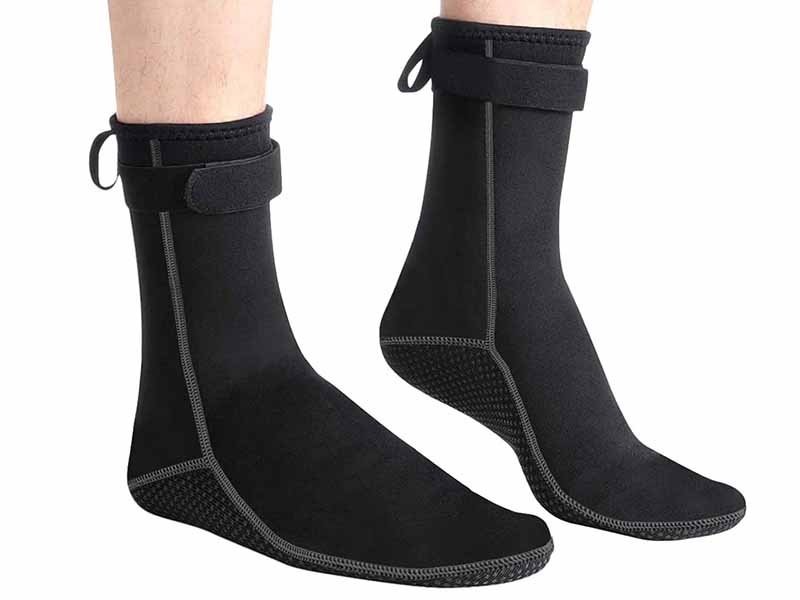
Neoprene boots are a must-have for surfers, divers, anglers, and outdoor enthusiasts. They keep your feet warm, protected, and supported in cold or rough conditions. Yet, one of the most common frustrations new buyers face is that neoprene boots often feel uncomfortably tight when first worn. Unlike sneakers or leather shoes that break in naturally, neoprene boots need careful handling if you want to adjust their fit without damaging the material.
Yes, neoprene boots can be stretched slightly to improve comfort. Common safe methods include wearing them in warm water, using boot stretchers, applying controlled heat, or stuffing with materials. However, overstretching can weaken seams and insulation. If boots feel painfully tight, replacing them with the correct size or ordering custom-fit neoprene footwear from manufacturers like Szoneier is often the smarter long-term solution.
Imagine this: you’ve bought a brand-new pair of 5mm diving boots. They look perfect, but when you try them on, your toes are crushed, circulation feels restricted, and walking is a struggle. Do you return them, or risk stretching them? In this guide, we’ll explore exactly what neoprene boots are, why they feel tight, which stretching methods are safest, whether professional services work, and how brands can order custom neoprene boots that fit like a glove.
What Are Neoprene Boots and Why Do They Feel Tight?
Neoprene boots are water sports footwear made from insulating synthetic rubber. They keep feet warm, dry, and protected in cold or wet conditions. They often feel tight because neoprene is designed to fit snugly, minimizing water flow inside the boot. New boots may also feel stiff due to thick neoprene layers, incorrect sizing, or reinforced seams—but a snug fit is intentional for warmth and performance.
Neoprene boots are crafted from closed-cell neoprene, the same stretchy rubber used in wetsuits. The material’s micro-bubble structure locks in heat while staying flexible enough for movement. These boots are used widely in surfing, diving, kayaking, fishing, and paddleboarding because they:
- Provide thermal insulation in cold waters.
- Offer grip and protection on rocky or slippery surfaces.
- Act as a barrier against cuts, stings, or abrasions.
Why they feel tight:
- Purposeful snugness – Unlike sneakers, neoprene boots should hug your feet to prevent “flushing” (cold water entering and circulating).
- Material stiffness – New neoprene hasn’t yet conformed to your foot’s shape. After several wears, it relaxes slightly.
- Sizing differences – Boot sizing varies by brand; a “10” in one brand might fit like a “9.5” elsewhere.
- Thickness factor – A 7mm boot will always feel tighter than a 3mm because of its added insulation layers.
Critical Perspective:
Tightness is functional, but pain is not. A well-fitting neoprene boot should feel like a snug glove—supportive but not cutting off circulation. If you’re losing feeling in your toes, the boot is too small and stretching or resizing is necessary.
Which Methods Are Commonly Used to Stretch Neoprene Boots?
Common neoprene boot stretching methods include wearing them wet, soaking in warm water, using boot stretch sprays, inserting boot stretchers, stuffing with towels or bottles, and applying careful heat with a dryer or hot towel.
Here’s a breakdown of methods users try:
| Method | How It Works | Risk Level | Effectiveness |
|---|---|---|---|
| Wearing wet | Warm water softens neoprene, expands with foot pressure | Low | Moderate |
| Stretch spray | Chemically relaxes fibers | Medium | Moderate |
| Boot stretcher | Mechanical tension expands material | Low–Medium | High |
| Stuffing with bottles | Gradual stretching overnight | Low | Low–Moderate |
| Controlled heat | Hair dryer/hot towel softens neoprene | Medium–High | High if careful |
| Professional service | Specialized tools & experience | Low | Very High |
Analysis:
- Safe DIY methods = warm water wear + boot stretcher.
- High-risk methods = aggressive heat or chemical sprays.
- If boots are off by more than half a size, stretching won’t solve it—you’ll compromise durability.
Buyer Perspective: For surfers or divers investing $50–$100+ in boots, it’s not worth destroying them with risky DIY hacks. Professional stretching or buying custom sizing is safer.
How Do You Stretch Neoprene Boots at Home Without Damaging Them?
You can safely stretch neoprene boots at home by soaking them in warm (not boiling) water, wearing them until they dry, inserting boot stretchers, or stuffing them with towels or bottles overnight. Always avoid extreme heat or harsh chemicals, as these can crack the neoprene, weaken glued seams, and reduce insulation. Stretching only works for slight adjustments—about half a size.
Safe DIY Methods That Actually Work
Neoprene is flexible but not indestructible. Unlike leather, it doesn’t naturally “break in” over time. Instead, you have to carefully coax it to relax without compromising performance. Here are the most effective at-home methods:
1. Warm Water Wearing (Most Popular Method)
- Fill a tub with warm water (around 95–105°F / 35–40°C).
- Submerge your neoprene boots for 10–15 minutes until softened.
- Put them on while damp—your body heat and foot shape will stretch the neoprene naturally.
- Walk around or flex your feet for 20–30 minutes.
- Let them air-dry while still on or stuffed.
Why it works: Warm water temporarily softens the neoprene cells, making them more pliable. Your foot acts as the perfect natural stretcher.
2. Boot Stretchers or Shoe Trees
- Insert a boot stretcher or adjustable shoe tree inside the neoprene boot.
- Expand it slightly—don’t over-tighten.
- Leave overnight for gradual stretching.
Best for: Toe box expansion and width adjustments.
3. Stuffing with Towels or Bottles
- Roll up a towel or use a water bottle to fill the boot.
- Ensure it’s snug but not overstretched.
- Leave for 24–48 hours.
Pros: Gentle and risk-free.
Cons: Works slowly and only provides minor expansion.
What NOT to Do
- No boiling water → damages glue and makes neoprene brittle.
- No direct heat guns or ovens → causes cracks and shrinkage.
- No chemical solvents → can melt neoprene linings and adhesives.
Critical Insight
Neoprene can only be stretched about 5–10% of its size safely. If your boots are more than half a size too small, forcing them will ruin insulation, loosen seams, and shorten lifespan. At that point, replacement or custom sizing is smarter.
Pro tip for brands: Retailers often face customer returns due to sizing complaints. Offering half sizes or adjustable strap models reduces returns. OEM manufacturers like Szoneier can produce custom neoprene boots with precise sizing, minimizing the need for DIY stretching altogether.
Do Professional Stretching Tools or Services Work Better?
Yes, professional stretching services are safer and more effective. Cobblers and dive shops use mechanical expanders and heat systems that adjust neoprene gradually, minimizing seam damage.
Professional boot services exist for leather, but many diving and surfing shops also offer neoprene adjustments. They use:
- Hydraulic boot stretchers with precise tension.
- Controlled steam or heat chambers that soften neoprene without damaging it.
- Experience—knowing where stretching won’t compromise performance.
Pros: Reliable, extends boot lifespan, tailored adjustments.
Cons: Cost ($20–40), limited availability outside coastal cities.
For buyers who’ve invested in premium dive boots, professional adjustment makes sense. For low-cost neoprene footwear, replacement may be more economical.
Is It Better to Stretch Neoprene Boots or Buy the Right Size?
It’s usually better to buy the correct size. Stretching works only for slight adjustments. Neoprene boots are designed to fit snug, and excessive stretching reduces insulation, shortens lifespan, and risks seam failure.
Neoprene vs Leather: Leather stretches naturally with wear; neoprene doesn’t. It can only be coaxed to expand slightly.
Risks of Overstretching:
- Thinner insulation.
- Weak seams = water leaks.
- Reduced longevity.
Guideline:
- Tight but wearable? → Stretch.
- Painful or numb? → Replace.
From a brand perspective, returns due to fit issues are common. Offering half sizes or adjustable strap models can reduce returns and improve customer satisfaction.
Are There Alternatives if Neoprene Boots Don’t Fit Properly?
Yes. Alternatives include wearing thin neoprene socks underneath, choosing split-toe designs for flexibility, or ordering custom neoprene boots that fit better than standard sizing.
- Neoprene socks: Add comfort, reduce friction.
- Split-toe boots: Give more toe freedom and stability for surfers.
- Velcro/strap models: Allow slight adjustments for width.
- Custom-fit boots: Ideal for unique foot shapes or high-performance users.
For professional divers and athletes, custom solutions are worth the investment, especially when combined with OEM/ODM manufacturing.
How Can Brands and Buyers Customize Neoprene Footwear with OEM/ODM?
Manufacturers like Szoneier provide OEM/ODM neoprene boots with customizable thickness, linings, soles, and branding. This ensures proper fit, function, and market differentiation.
With over 18 years in neoprene R&D and manufacturing, Szoneier supplies:
- Thickness options: 3mm, 5mm, 7mm.
- Lining choices: thermal fleece, nylon, anti-slip.
- Outsoles: reinforced rubber, split-toe, adjustable straps.
- Branding: printed, embossed, or embroidered logos.
- Fast sampling: 7–10 days.
- Low MOQ: 100 pairs.
Critical View: Instead of stretching ill-fitting boots, retailers and brands should source custom OEM neoprene boots tailored to their target audience—reducing returns and building customer loyalty.
Conclusion: Stretching vs Custom Solutions
Stretching neoprene boots is possible, but limited. Safe methods—like warm water wear and boot stretchers—offer modest results, while professional services can help fine-tune fit. However, when boots are too small, it’s smarter to invest in properly sized or custom neoprene boots.
That’s where Szoneier comes in. With nearly two decades of experience, Szoneier helps global brands create OEM/ODM neoprene footwear and accessories—from surf boots to diving socks—with precision fit, premium quality, and flexible MOQs.
Ready to source neoprene boots that fit perfectly from day one?
Contact Szoneier today:
- Website: www.neoprene-bag.com
- Email: info@neoprene-bag.com
- Phone: +86 13823134897
Stop stretching mistakes—start with custom neoprene boots from Szoneier.
What Can I Do For You?
Here, developing your OEM/ODM private label leather goods collection is no longer a challenge,it’s an excellent opportunity to bring your creative vision to life.