
Neoprene vs Silicone Swim Caps: A Complete Comparison Guide
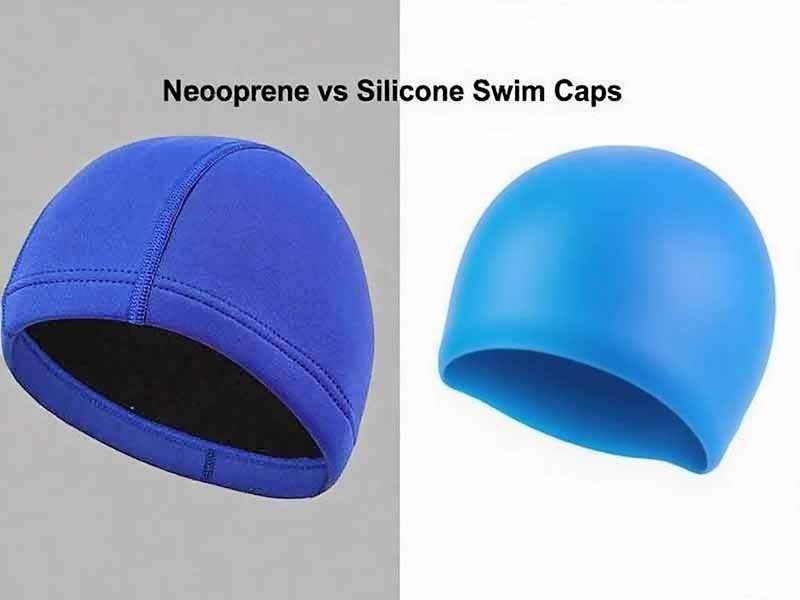
If you’ve ever stood at the edge of a pool or the shoreline of a lake, cap in hand, you’ve probably asked yourself a deceptively simple question: Which swim cap is actually better—neoprene or silicone?
For professional athletes, weekend triathletes, and casual swimmers alike, this isn’t just a fashion choice. It’s about comfort, performance, safety, and sometimes even survival. Swim caps are more than just head covers—they’re tools that affect how warm you stay, how fast you swim, and how long your gear lasts.
- Neoprene swim caps: thick, insulating, like putting a wetsuit on your head. They keep you warm in icy waters, making them essential for triathlons and winter swims.
- Silicone swim caps: lightweight, stretchy, and aerodynamic. They shine in pools and competitions, where comfort and low drag are the top priorities.
Neoprene swim caps are made of thick closed-cell rubber that traps heat, making them ideal for open-water and cold swims. Silicone swim caps are soft, flexible, and chlorine-resistant, perfect for pool training and competitions. Neoprene offers warmth and durability, while silicone excels in comfort and affordability. The best choice depends on your swim goals: neoprene for insulation, silicone for everyday use.
But here’s the kicker: the real answer isn’t about one being “better.” It’s about choosing the right tool for the right swim environment. Let’s break it down in detail.
What Are Neoprene and Silicone Swim Caps Made Of?
Neoprene swim caps are made of synthetic rubber (polychloroprene) with a closed-cell structure laminated with fabric for strength and insulation. Silicone swim caps are molded from 100% silicone polymer, offering softness, flexibility, and chemical resistance. Both are waterproof, but neoprene emphasizes thermal insulation, while silicone prioritizes comfort and drag reduction.
The Science of Each Material
Neoprene
- Origin: Invented by DuPont in the 1930s as a substitute for natural rubber.
- Composition: Polychloroprene, a synthetic rubber with closed-cell foam filled with nitrogen gas.
- Properties:
- Traps air, making it highly insulating.
- Buoyant, slightly rigid.
- Resistant to water, UV, and chemicals.
- Commonly used in wetsuits, gloves, and dive gear.
- Swim Cap Application: Laminated with nylon or Lycra for stretch, cut into panels, stitched or glued into cap form.
Think of neoprene as a wetsuit for your head—perfect for cold or open water.
Silicone
- Origin: A polymer derived from silica (sand), refined into flexible elastomers.
- Properties:
- Smooth, elastic, and soft.
- Resistant to chlorine and salt.
- Hypoallergenic—safe for sensitive skin.
- Easy to mold and mass-produce.
- Swim Cap Application: Injection-molded into thin, flexible caps that hug the head.
Think of silicone as a second skin—snug, comfortable, and hydrodynamic.
Material Comparison Table
| Feature | Neoprene | Silicone |
|---|---|---|
| Composition | Polychloroprene closed-cell rubber | Synthetic polymer elastomer |
| Thickness | 2–5 mm | 0.5–1 mm |
| Key Advantage | Warmth & insulation | Comfort & flexibility |
| Drawback | Bulkier, more expensive | Less warmth in cold water |
| Common Use | Triathlons, open-water, winter swims | Pool training, races, daily use |
Which Material Provides Better Insulation in Cold Water?
Neoprene provides superior insulation compared to silicone, thanks to its thick closed-cell foam structure that traps heat and reduces water circulation. Silicone caps block water but don’t insulate significantly, making them suitable for warmer pools or races. For cold-water training, triathlons, or winter swimming, neoprene is the better choice.
The single most important factor in cold-water swimming is heat loss. The human body loses heat 25 times faster in water than in air of the same temperature. This makes a swim cap not just a comfort item, but a potential safety device.
Neoprene’s Insulating Power
- Closed-Cell Foam: Each bubble of nitrogen gas inside neoprene acts as a thermal barrier.
- Thickness Matters: A 3–5mm neoprene cap can reduce heat loss by 30–40%.
- Performance: Keeps the head (a major heat-loss point) warm, helping stabilize body temperature.
In triathlons where water dips below 65°F (18°C), neoprene is a game-changer.
Silicone’s Limitations
- Silicone caps are waterproof but thin (0.5–1mm).
- They keep hair dry and streamline the head, but provide minimal insulation.
- In cold water, they may actually feel colder because they cling tightly without adding warmth.
Temperature Suitability
| Water Temperature | Best Cap Choice |
|---|---|
| Above 70°F (21°C) | Silicone |
| 60–70°F (16–21°C) | Neoprene |
| Below 60°F (16°C) | Neoprene only |
Critical Thinking
But it’s not always so black-and-white. Consider:
- Warm climates: Silicone suffices, and neoprene would feel stifling.
- Mixed training (pool + lake): Some swimmers own both, choosing based on conditions.
- Layering Technique: Some triathletes wear a neoprene cap under a silicone race cap for warmth + hydrodynamics.
Insulation = Neoprene wins. But practicality = situational.
How Do Comfort and Fit Compare Between Neoprene and Silicone?
Silicone swim caps are softer, thinner, and more flexible, offering superior comfort and hydrodynamics in training and competition. Neoprene swim caps, while warmer, feel thicker and more rigid, which some swimmers find restrictive. For lap swimming and long sessions, silicone wins on comfort, while neoprene prioritizes insulation and safety in cold conditions.
Comfort is highly subjective, but we can break it down into fit, feel, and function.
Silicone Swim Caps
- Elasticity: Stretch easily over the head, accommodating different hair types.
- Hydrodynamic Fit: Smooth surface reduces drag, ideal for racing.
- Comfort: Less pressure on temples and scalp.
- Hair-Friendly: Won’t snag or pull hair when putting on/taking off.
Most swimmers describe silicone as “barely noticeable” once in the water—exactly what competitive athletes want.
Neoprene Swim Caps
- Thickness: Typically 2–5mm, which feels bulkier.
- Rigidity: More structured fit, sometimes presses tightly around ears.
- Warmth vs Comfort Trade-Off: Warmer but not as flexible.
- Practicality: Some swimmers cut or adjust straps for better comfort.
Comfort Ratings (Average Swimmer Feedback)
| Feature | Neoprene | Silicone |
|---|---|---|
| Softness | ★★★ | ★★★★★ |
| Flexibility | ★★ | ★★★★★ |
| Hair Protection | ★★★★ | ★★★★★ |
| Hydrodynamics | ★★★ | ★★★★★ |
| Warmth | ★★★★★ | ★★ |
Verdict: Silicone = comfort, Neoprene = warmth. Many swimmers keep both in their bag.
Do Neoprene and Silicone Swim Caps Differ in Durability?
Yes. Neoprene is more durable against tears, abrasion, and outdoor use, while silicone resists chlorine and chemicals better. Neoprene caps can last 2–4 years with care, especially for open-water conditions, while silicone caps typically last 6–24 months depending on frequency and chlorine exposure. The right choice depends on whether you prioritize rugged outdoor durability (neoprene) or daily pool reliability (silicone).
Lifespan and Resistance Factors
Durability depends on material strength, chemical exposure, and handling care.
Neoprene Durability
- Strength: Tear-resistant, tough against rocks, saltwater, and gear bags.
- Weakness: UV degradation—sunlight slowly stiffens neoprene.
- Lifespan: 2–4 years (open-water use with care).
- Care Tips: Rinse with fresh water, air-dry away from sunlight.
Silicone Durability
- Strength: Excellent chemical resistance; chlorine does not degrade silicone quickly.
- Weakness: Tears if overstretched or punctured with nails/jewelry.
- Lifespan: 6 months to 2 years.
- Care Tips: Store flat, avoid sharp objects, rinse after chlorine pools.
Durability Matrix
| Factor | Neoprene | Silicone |
|---|---|---|
| Chlorine Resistance | ★★ | ★★★★★ |
| Tear Resistance | ★★★★★ | ★★★ |
| Sun/UV Resistance | ★★ | ★★★★ |
| Lifespan (Average) | 2–4 years | 0.5–2 years |
In short: Neoprene wins outdoors, Silicone wins in pools.
Are Neoprene Swim Caps or Silicone Swim Caps Better for Triathlons?
Neoprene swim caps are better for cold-water triathlons, as they provide thermal protection and safety. Silicone swim caps are lightweight, hydrodynamic, and ideal for warmer races or pool-based tri training. Many triathletes wear a neoprene cap underneath a silicone race cap to combine insulation with race regulation compliance.
Triathlon races often take place in unpredictable open-water environments. Swim caps here aren’t just comfort items—they are performance gear and safety essentials.
Neoprene in Triathlons
- Warmth: Critical for races under 65°F (18°C).
- Safety: Helps prevent hypothermia.
- Endurance Boost: Less heat loss = more energy for bike/run legs.
Silicone in Triathlons
- Hydrodynamics: Low drag, smooth fit.
- Mandatory Use: Many race organizers require official silicone caps for visibility.
- Layering Strategy: Athletes often wear neoprene underneath the issued silicone cap.
Triathlon Use Case Table
| Condition | Recommended Cap |
|---|---|
| Warm race (>70°F / 21°C) | Silicone |
| Cold race (<65°F / 18°C) | Neoprene + Silicone |
| Moderate temp (65–70°F) | Either, depends on personal tolerance |
Pro Tip: Many Ironman athletes train with neoprene and race with both neoprene + silicone for the best of both worlds.
How Do Price and Value Compare Between Neoprene and Silicone Swim Caps?
Silicone swim caps are affordable, ranging $5–15, making them ideal for casual and competitive pool swimmers. Neoprene caps are premium, costing $25–50+, reflecting their thicker materials and insulation benefits. Silicone delivers better value for everyday swimmers, while neoprene is worth the investment for cold-water athletes and triathletes where warmth and safety are critical.
Price isn’t just about the tag—it’s about return on investment (ROI) for performance and safety.
Silicone Caps
- Price Range: $5–15.
- Value: Low cost, widely available, easily replaced.
- ROI: Best for pool swimmers who need regular replacements.
Neoprene Caps
- Price Range: $25–50+.
- Value: Higher initial investment but long-lasting.
- ROI: Safety and insulation for open-water training and races.
Price & Value Comparison
| Type | Avg. Price | Best For | ROI Focus |
|---|---|---|---|
| Silicone | $5–15 | Pool training, competitions | Affordable, replace often |
| Neoprene | $25–50+ | Triathlons, open-water, cold use | Long-term safety & warmth |
Verdict: Silicone = budget-friendly, Neoprene = performance investment.
Which Type Should You Choose for Your Swim Goals?
Choose silicone swim caps if you mainly swim in pools, warm water, or races where comfort and low drag matter most. Choose neoprene swim caps if you swim in cold open water, triathlons, or winter conditions where insulation and safety are critical. Many swimmers own both, using silicone for training and neoprene for cold-water or outdoor sessions.
Dive Deeper: Matching Cap to Purpose
Every swimmer has different priorities. Let’s break it down by goals:
Pool Training & Fitness
- Best Choice: Silicone
- Why: Comfortable, affordable, chlorine-resistant.
- Added Value: Protects hair from chemicals, reduces drag.
Competitive Racing (Pool)
- Best Choice: Silicone
- Why: Streamlined fit, low drag.
- Note: Official competitions typically supply silicone caps.
Open-Water (Warm Conditions)
- Best Choice: Silicone
- Why: Flexible, breathable.
- Tip: Some swimmers layer two silicone caps for a tighter fit.
Open-Water (Cold Conditions)
- Best Choice: Neoprene
- Why: Insulation, protection from hypothermia.
- Pro Tip: Layer neoprene under a bright silicone cap for visibility and safety.
Triathlons & Endurance Races
- Best Choice: Neoprene + Silicone Combo
- Why: Warmth + drag reduction + compliance with race rules.
Decision Table: Swim Goals vs Best Cap
| Swim Goal | Recommended Cap | Why? |
|---|---|---|
| Pool training | Silicone | Comfort, chlorine resistant |
| Competitive pool races | Silicone | Low drag, race-approved |
| Open-water warm climates | Silicone | Light & breathable |
| Open-water cold climates | Neoprene | Insulation, safety |
| Triathlon (cold race) | Neoprene + Silicone | Warmth + regulation |
Verdict: Silicone = daily training. Neoprene = performance & safety.
Extended Buyer’s Guide: Step-by-Step Decision Flow
To simplify things, here’s a flowchart-style guide:
- Where do you swim most often?
- Pool → Go with Silicone
- Open-water → Continue
- What’s the typical water temperature?
- Warm (>70°F / 21°C) → Silicone
- Cold (<65°F / 18°C) → Neoprene
- Are you training for triathlons?
- Yes → Use Neoprene under Silicone race cap
- No → Choose based on comfort vs insulation.
- What’s your budget?
- Lower budget → Silicone ($5–15)
- Higher budget (safety priority) → Neoprene ($25–50+)
This ensures you buy the right cap for your exact needs, not just based on popularity.
Environmental & Sustainability Considerations
Silicone swim caps are more eco-friendly long-term than neoprene because they are recyclable and longer-lasting in pools. Neoprene is synthetic rubber, not biodegradable, but its reusability in cold water reduces single-use alternatives. Both are more sustainable than latex caps, which degrade quickly. Choosing durable products and proper care extends lifespan, reducing waste.
Silicone:
- Non-toxic, recyclable in specialized facilities.
- Longer-lasting than latex, reducing frequent replacements.
Neoprene:
- Petroleum-based, not biodegradable.
- But highly reusable, reducing reliance on disposable gear in cold swims.
- Eco alternatives (limestone neoprene, plant-based neoprene) are emerging.
Latex (Comparison):
- Cheap and biodegradable, but wears out quickly.
- Requires frequent replacements = more waste.
From a sustainability standpoint, silicone is the greener choice for pools, while neoprene’s durability justifies its use in cold open-water contexts.
Conclusion: Why Source Custom Swim Caps with Szoneier?
The neoprene vs silicone swim cap debate isn’t about one being “better”—it’s about choosing the right tool for the right environment.
- Silicone wins for daily training, pool use, comfort, and affordability.
- Neoprene dominates cold-water swims, triathlons, and open-water safety.
- Many serious athletes own both, switching based on conditions.
At Szoneier, with 18+ years of neoprene expertise and strong OEM/ODM capabilities, we help global clients create custom swim caps tailored to their market needs:
- OEM/ODM Private Label for neoprene & silicone caps
- Free Samples & Design Support
- Low MOQs & Fast Sampling (3–7 days)
- Certified Quality (ISO, RoHS, REACH)
- Global Export Experience with short lead times
Whether you’re a swim brand, sports retailer, or event organizer, Szoneier can manufacture swim caps that deliver performance, branding impact, and customer satisfaction.
What Can I Do For You?
Here, developing your OEM/ODM private label leather goods collection is no longer a challenge,it’s an excellent opportunity to bring your creative vision to life.