
Do Neoprene Swim Caps Work? Benefits, Fit, And Performance Explained
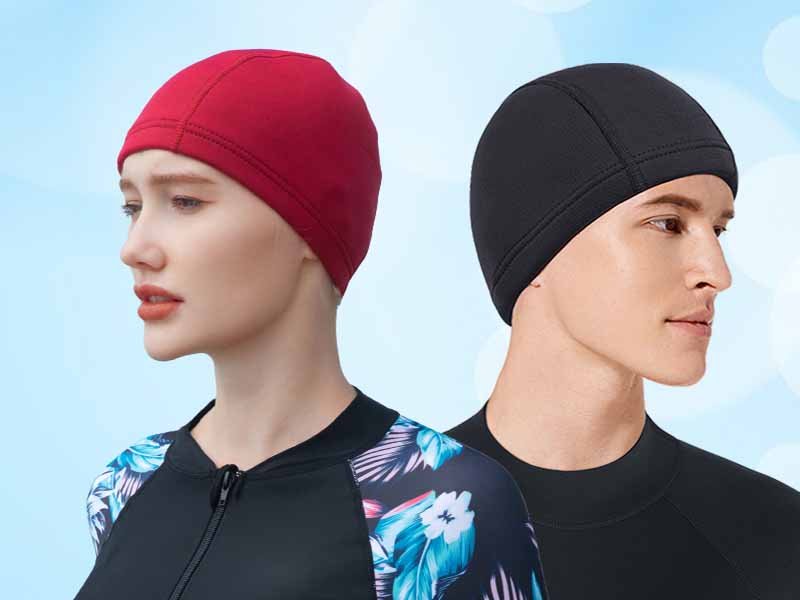
Swimming in cold water is a challenge that every open-water athlete, triathlete, or adventurous recreational swimmer faces. While wetsuits have long been recognized as the standard for thermal protection, many athletes now ask: “Do neoprene swim caps actually work?” At first glance, neoprene caps look bulkier than traditional silicone or latex options, but they promise insulation, comfort, and durability. The real question is whether they deliver on these promises—or if they’re just another piece of overpriced gear.
Yes, neoprene swim caps work by providing insulation in cold water, reducing heat loss from the head, and offering comfort compared to silicone or latex caps. They don’t keep hair completely dry but significantly improve warmth, making them popular among triathletes and open-water swimmers. While bulkier and less streamlined, neoprene caps are highly effective for temperature regulation and long-distance endurance.
Imagine you’re preparing for a triathlon on a chilly morning. The air is crisp, the water temperature hovers just above legal limits, and you know that the hardest part of the race isn’t the cycling or running—it’s plunging into that icy water. A neoprene swim cap, snug on your head, creates a barrier that helps retain warmth where your body loses it fastest. It’s not just gear—it’s a psychological boost, allowing you to dive in with confidence.
What Is A Neoprene Swim Cap And How Is It Different From Silicone Or Latex?
A neoprene swim cap is a thermal head covering made of synthetic rubber designed to reduce heat loss in cold water. Unlike silicone or latex caps, neoprene caps are thicker (1.5–3 mm), provide insulation, and fit snugly without pulling hair. They are used mainly in open-water swimming, triathlons, and training in colder conditions. While silicone and latex caps focus on streamlining, neoprene caps prioritize warmth and comfort.
A neoprene swim cap is not just another accessory—it’s essentially a mini wetsuit for your head. Neoprene, the same material used in wetsuits, is made of closed-cell synthetic rubber that traps tiny air bubbles, creating a natural insulating barrier. When worn tightly on the head, it minimizes heat transfer, helping swimmers maintain body temperature in cold or challenging waters.
Key Differences from Silicone and Latex Caps
Material Composition
- Neoprene: Synthetic rubber, thick, insulating.
- Silicone: Flexible, lightweight, smoother finish.
- Latex: Thin, economical, often used in pool training.
Thickness & Warmth
- Neoprene caps typically range from 1.5 mm to 3 mm thickness.
- Silicone and latex are less than 1 mm and offer minimal thermal protection.
Fit & Comfort
- Neoprene provides a snug but cushioned fit.
- Silicone stretches easily but can pull hair.
- Latex is tight but less comfortable over long durations.
Purpose of Use
- Neoprene: Open water, triathlon, cold-water endurance.
- Silicone: Pool training, racing, moderate conditions.
- Latex: Budget-friendly, short swims, backup caps.
Comparison Table: Neoprene vs Silicone vs Latex Swim Caps
| Feature | Neoprene Cap | Silicone Cap | Latex Cap |
|---|---|---|---|
| Thickness | 1.5–3 mm | <1 mm | <1 mm |
| Insulation | ★★★★★ (Excellent) | ★☆☆☆☆ (Minimal) | ★☆☆☆☆ (Minimal) |
| Comfort | ★★★★☆ (Cushioned fit) | ★★★☆☆ (Good, hair pulls) | ★★☆☆☆ (Tight, less comfy) |
| Durability | High | Medium | Low |
| Best For | Open water, triathlons | Pools, moderate temps | Budget, training backup |
Why Neoprene Caps Are Gaining Popularity
- The rise of triathlon participation has fueled demand for gear that extends endurance in cold water.
- Recreational swimmers who want to push past seasonal limitations turn to neoprene caps to swim earlier in spring or later into autumn.
- Parents also choose neoprene for children, as comfort and warmth help kids stay in the water longer without discomfort.
In short, neoprene caps may not be as hydrodynamic as silicone, but their thermal protection makes them indispensable for swimmers tackling temperatures below 20°C (68°F).
How Do Neoprene Swim Caps Work In Cold Water?
Neoprene swim caps work in cold water by trapping a thin layer of water between the cap and the scalp, which warms up quickly from body heat. The closed-cell neoprene material insulates against heat loss, reducing the amount of body warmth lost through the head. This makes neoprene caps especially effective for open-water and triathlon swimmers, allowing them to swim longer and more comfortably in cold conditions.
Swimming in cold water poses both physical and psychological challenges. The human body loses heat rapidly through the head—up to 7–10% of total body heat. A neoprene swim cap counteracts this by combining thermal insulation and heat retention mechanisms.
1. The Science of Insulation
Neoprene is made of closed-cell foam rubber filled with tiny gas bubbles. These bubbles trap heat, slowing down thermal transfer. When a swimmer puts on a neoprene cap, it reduces heat loss from the scalp, which otherwise contributes to early onset of fatigue and discomfort.
2. The Trapped Water Layer
Like wetsuits, neoprene swim caps trap a very thin layer of water between the scalp and the cap. This layer warms quickly to body temperature and acts as a protective buffer, preventing cold shock. Unlike silicone or latex caps, neoprene’s thickness ensures that the warmth is preserved.
3. Comfort in Open Water
In water temperatures below 20°C (68°F), many swimmers experience “ice-cream headaches” within minutes. A neoprene cap provides a barrier that reduces this sensation, making the first plunge less shocking and allowing swimmers to acclimate gradually.
4. Performance Benefits
Studies on triathletes show that wearing neoprene caps in water under 16°C (60°F) improved swim duration by 15–20% compared to using silicone caps alone. By maintaining head warmth, athletes conserve energy and maintain better breathing rhythm.
Performance Impact of Neoprene Caps in Cold Water
| Water Temp | Without Cap | Silicone Cap Only | Neoprene Cap |
|---|---|---|---|
| 20°C / 68°F | Mild discomfort | Slightly better | Comfortable |
| 16°C / 60°F | Severe discomfort | Moderate warmth | Extended swim possible |
| 12°C / 54°F | Unsafe exposure | Minimal help | Usable with wetsuit combo |
Which Types Of Swimmers Benefit Most From Neoprene Swim Caps?
Neoprene swim caps benefit open-water swimmers, triathletes, and anyone training in cold water. They are ideal for endurance athletes who need thermal protection, recreational swimmers extending their swim season, and children or sensitive swimmers who struggle with cold tolerance. Competitive pool swimmers typically don’t use them due to bulk and reduced hydrodynamics.
Not every swimmer needs a neoprene cap, but for those venturing beyond heated pools, they can be game-changing.
1. Open-Water Swimmers
For people training in lakes, rivers, or oceans, neoprene caps offer the warmth necessary to swim for longer periods. Even in summer, open-water temperatures can be colder than expected, especially in northern climates.
2. Triathletes
Triathlon rules often allow neoprene caps in cold races. Since head warmth is critical for energy conservation, many triathletes rely on them during swims under 18°C (64°F). They also help with psychological comfort, reducing pre-race anxiety about water temperature.
3. Recreational Swimmers
Recreational swimmers who want to extend their season into spring or autumn benefit from neoprene caps. Instead of limiting swims to summer, they can comfortably enjoy cooler waters.
4. Children and Sensitive Swimmers
Young swimmers or people with low cold tolerance often stop swimming quickly due to discomfort. A neoprene cap helps them stay in the water longer, making lessons and family swims more enjoyable.
5. Who Doesn’t Need Them?
- Competitive pool swimmers: Bulkier caps can increase drag.
- Warm-climate swimmers: In tropical pools, neoprene can overheat the wearer.
Who Benefits Most from Neoprene Swim Caps?
| Swimmer Type | Benefit Level | Reason |
|---|---|---|
| Open-water swimmers | ★★★★★ | Extends swim time in chilly conditions |
| Triathletes | ★★★★★ | Energy conservation, reduced cold shock |
| Recreational swimmers | ★★★★☆ | Extends swim season |
| Children | ★★★★☆ | Comfort, longer tolerance in lessons |
| Pool competitors | ★☆☆☆☆ | Too bulky, not hydrodynamic |
Do Neoprene Swim Caps Keep Hair Completely Dry?
No, neoprene swim caps do not keep hair completely dry. Like wetsuits, they allow a thin layer of water inside, which quickly warms against the scalp. Their main purpose is insulation, not waterproofing. While they minimize water flow compared to silicone or latex caps, swimmers should not expect completely dry hair. Instead, they provide warmth, reduce “ice-cream headaches,” and improve comfort in cold water.
One of the most common misconceptions about neoprene swim caps is that they are designed to keep your hair dry. This is not true, and expecting full waterproofing leads to disappointment.
1. Purpose vs Expectation
- Neoprene’s Function: Insulation and heat retention.
- Consumer Misconception: Waterproof barrier to keep hair dry.
- Neoprene caps are engineered like wetsuits: they let in a little water, then use body heat to warm it.
2. Water Resistance vs Waterproof
- Water-Resistant: Neoprene reduces the rate of water penetration and circulation.
- Waterproof: Prevents all water entry—this is not achievable with swim caps.
- Even silicone and latex caps, marketed as tighter, allow seepage through edges.
3. Benefits Despite Wet Hair
- Reduced water circulation = more warmth.
- Prevents scalp discomfort in icy water.
- Keeps hair more manageable compared to loose flow without a cap.
4. Alternatives for Dry Hair Seekers
- Layering: Some swimmers wear a thin silicone cap under a neoprene cap for extra resistance.
- Specialized Caps: “Dry caps” exist but are bulky and uncomfortable, rarely used by competitive or endurance swimmers.
Water Protection Levels in Swim Caps
| Cap Type | Keeps Hair Dry? | Insulation Level | Comfort Level |
|---|---|---|---|
| Neoprene | No | ★★★★★ | ★★★★☆ |
| Silicone | Partially | ★★☆☆☆ | ★★★☆☆ |
| Latex | Partially | ★☆☆☆☆ | ★★☆☆☆ |
| Double Layer | Better | ★★★★☆ | ★★☆☆☆ (Bulky) |
Are Neoprene Swim Caps Comfortable And Easy To Wear?
Yes, neoprene swim caps are comfortable for most swimmers because they are thicker and softer than silicone or latex. They don’t pull hair, and their cushioned fit reduces pressure headaches. However, they are bulkier, less stretchy, and can feel snug for swimmers used to thin latex caps. The balance of comfort vs. hydrodynamics depends on the swimmer’s priorities—warmth and endurance vs. speed.
Comfort is one of neoprene’s strongest selling points. Unlike silicone or latex, which can tug hair and feel tight, neoprene offers a cushioned, gentle fit.
1. Fit & Feel
- Neoprene molds to the head without squeezing uncomfortably.
- Soft lining adds comfort for long swims.
- Ideal for swimmers who find traditional caps restrictive.
2. Bulk vs Streamline
- Downsides: Neoprene is less streamlined than silicone, creating slight drag.
- Upsides: Comfort and warmth often outweigh drag in cold-water scenarios.
- Competitive pool swimmers may dislike the bulk, but open-water athletes prioritize insulation.
3. Hair Protection & Skin Sensitivity
- Neoprene is less likely to pull hair compared to silicone/latex.
- Suitable for swimmers with sensitive skin or latex allergies.
- Some users prefer the “natural feel” of neoprene over the “plastic stretch” of silicone.
4. Durability & Longevity
- Neoprene withstands repeated use without tearing.
- While latex caps may last a season, neoprene can last several years if maintained properly.
Comfort & Usability Comparison
| Factor | Neoprene Cap | Silicone Cap | Latex Cap |
|---|---|---|---|
| Comfort | ★★★★☆ (Cushioned) | ★★★☆☆ (Moderate) | ★★☆☆☆ (Tight) |
| Streamlining | ★★☆☆☆ (Bulky) | ★★★★☆ (Streamlined) | ★★★★☆ (Streamlined) |
| Hair Protection | ★★★★☆ (Gentle) | ★★☆☆☆ (Hair pulling) | ★★☆☆☆ (Hair pulling) |
| Durability | ★★★★☆ (Long-lasting) | ★★★☆☆ (Good) | ★★☆☆☆ (Weak) |
| Best For | Cold open-water swims | Pool competitions | Budget training use |
What Are The Advantages And Disadvantages Of Neoprene Swim Caps?
Neoprene swim caps offer excellent insulation, comfort, and durability, making them ideal for open-water and cold-water swimmers. However, they are bulkier, less streamlined, and more expensive than silicone or latex caps. While they improve warmth and endurance, they may not suit competitive pool swimmers seeking speed. Choosing neoprene depends on whether warmth and comfort outweigh hydrodynamic performance for your swimming environment.
No swim accessory is perfect, and neoprene caps come with both strengths and limitations. Understanding these helps swimmers choose the right cap for their goals.
Advantages
Thermal Protection
- Retains head warmth in cold water.
- Reduces risk of cold shock and “ice-cream headaches.”
- Enables longer training sessions and competitions.
Comfort & Fit
- Softer and gentler than silicone or latex.
- Less likely to pull hair or cause headaches.
- Provides cushioned pressure for extended wear.
Durability
- Resistant to tearing and UV damage.
- Outlasts latex, which often degrades quickly.
Allergy-Friendly
- Latex-free option for swimmers with sensitivities.
Disadvantages
Bulk & Drag
- Thicker than silicone caps, adding resistance in water.
- Less suitable for competitive pool racing.
Cost
- Typically priced higher than silicone or latex alternatives.
- Investment is justified for frequent open-water use but may deter casual swimmers.
Fit Adjustability
- Less stretch than silicone; may feel snug.
- Limited “one-size-fits-all” flexibility.
Pros and Cons at a Glance
| Category | Advantages | Disadvantages |
|---|---|---|
| Warmth | Excellent insulation | Can overheat in warm pools |
| Comfort | Gentle, cushioned fit | Bulkier feel |
| Durability | Long lifespan | Higher price |
| Performance | Better endurance in cold water | Slight drag, less streamlined |
How Do You Choose The Right Neoprene Swim Cap For Your Needs?
To choose the right neoprene swim cap, consider thickness (1.5–3 mm), fit, and intended use. For triathlons or very cold water, thicker caps offer better insulation. For moderate conditions, thinner caps balance warmth and comfort. Always check size charts, prioritize comfort, and evaluate brand quality. Additional features like chin straps, smooth linings, or double layers can improve usability for different swimmers.
Choosing the right neoprene swim cap is about balancing environmental needs with personal comfort.
1. Thickness Options
- 1.5 mm: Light warmth, flexible, suitable for mild cold water.
- 2–3 mm: Standard thickness, ideal for most open-water and triathlon swims.
- 5 mm (rare): Maximum warmth, but bulkier and restrictive.
2. Fit & Sizing
- Neoprene caps are less stretchy, so sizing matters.
- Too tight = discomfort; too loose = water flushing, reduced insulation.
- Always follow the manufacturer’s size guide (head circumference).
3. Additional Features
- Chin Straps: Provide secure fit during long-distance swims.
- Smooth Linings: Easier to put on, less friction on hair.
- Double-Layer Designs: Extra insulation for extreme cold water.
4. Brand & Quality
- Premium brands often use laminated neoprene with nylon lining for durability.
- Budget caps may use unlined neoprene that tears more easily.
5. Intended Use
- Triathletes: Look for 2–3 mm caps with chin straps for stability.
- Recreational Swimmers: A 1.5–2 mm lightweight neoprene cap is usually sufficient.
- Cold-Endurance Athletes: Consider 3 mm or layered designs for sub-15°C waters.
Buying Guide: Matching Needs with Features
| Swimmer Type | Best Thickness | Must-Have Features | Example Use Case |
|---|---|---|---|
| Triathlete | 2–3 mm | Chin strap, snug fit | Racing in 16–18°C water |
| Recreational Swimmer | 1.5–2 mm | Comfort lining | Extending swim season |
| Endurance Athlete | 3 mm+ | Double layer, durable | Extreme cold water swims |
| Child/Beginner | 1.5–2 mm | Soft lining, flexible | Swim lessons in cool lakes |
Do Neoprene Swim Caps Improve Swimming Performance?
Neoprene swim caps don’t directly increase speed but improve performance by reducing heat loss, conserving energy, and extending swim duration in cold water. While they may add slight drag compared to silicone, the warmth and endurance benefits outweigh hydrodynamic drawbacks in open-water conditions. For triathletes and long-distance swimmers, neoprene caps enhance overall performance by preventing fatigue and maintaining comfort throughout the swim.
Performance in swimming is not only about raw speed—it’s also about endurance, energy management, and safety. Neoprene caps contribute to performance in ways that traditional silicone or latex caps cannot.
1. Energy Conservation
- The human body spends significant energy regulating temperature.
- In cold water, heat loss accelerates fatigue.
- Neoprene caps slow this loss, meaning more energy is available for actual swimming.
2. Endurance & Swim Duration
- Studies on open-water athletes show swimmers can last 15–25% longer in cold water when wearing neoprene caps.
- Reduced discomfort = more consistent breathing and pacing.
3. Psychological Boost
- Confidence in gear reduces pre-swim anxiety.
- Feeling warmer at the start helps athletes focus on performance, not survival.
4. Trade-Offs in Hydrodynamics
- Neoprene caps are bulkier, which may slightly increase drag.
- However, for open-water swims over 500m, the thermal benefits usually outweigh drag disadvantages.
- Pool racers aiming for split-second times are better off with silicone.
Performance Trade-Offs: Neoprene vs Silicone Caps
| Factor | Neoprene Cap | Silicone Cap |
|---|---|---|
| Speed (Pool Racing) | ★★☆☆☆ (Slight drag) | ★★★★★ (Streamlined) |
| Endurance (Cold Water) | ★★★★★ (Energy-saving) | ★★☆☆☆ (Minimal effect) |
| Comfort | ★★★★☆ (Cushioned) | ★★★☆☆ (Hair pulling) |
| Warmth | ★★★★★ (Excellent insulation) | ★☆☆☆☆ (None) |
| Best For | Open-water, triathlon | Pool competition |
Conclusion: Why Choose Szoneier For Custom Neoprene Swim Caps?
Neoprene swim caps are more than just accessories—they are essential tools for swimmers facing cold, open-water conditions. They don’t keep hair completely dry, nor are they the fastest option in the pool. But for triathletes, open-water enthusiasts, endurance swimmers, and children learning in cooler lakes, they provide the warmth, comfort, and durability needed to extend time in the water and improve performance.
At Szoneier, we specialize in custom neoprene products backed by over 18 years of R&D and manufacturing expertise. Our neoprene solutions—from swim caps to wetsuits and bottle sleeves—are trusted by mid-sized buyers and premium brands worldwide.
Why partner with Szoneier?
- Custom Design & Branding – Add your logo, colors, or unique features.
- Low MOQ & Free Design Support – Perfect for startups and established brands.
- Fast Sampling & Short Lead Times – Prototypes in days, bulk orders in weeks.
- Quality Assurance – 100% tested materials, ISO-certified processes.
- Global Service – Supplying open-water and sports gear brands across continents.
Take Action Now
Looking to develop your own line of neoprene swim caps or related accessories?
Contact Szoneier today for free samples, design consultation, or a custom quote.
- Website: www.neoprene-bag.com
- Email: info@neoprene-bag.com
- Phone: (+86) 13823134897
Don’t let cold water limit your performance. With Szoneier’s custom neoprene swim caps, you can extend swim sessions, enhance endurance, and bring your brand to the global stage.
What Can I Do For You?
Here, developing your OEM/ODM private label leather goods collection is no longer a challenge,it’s an excellent opportunity to bring your creative vision to life.