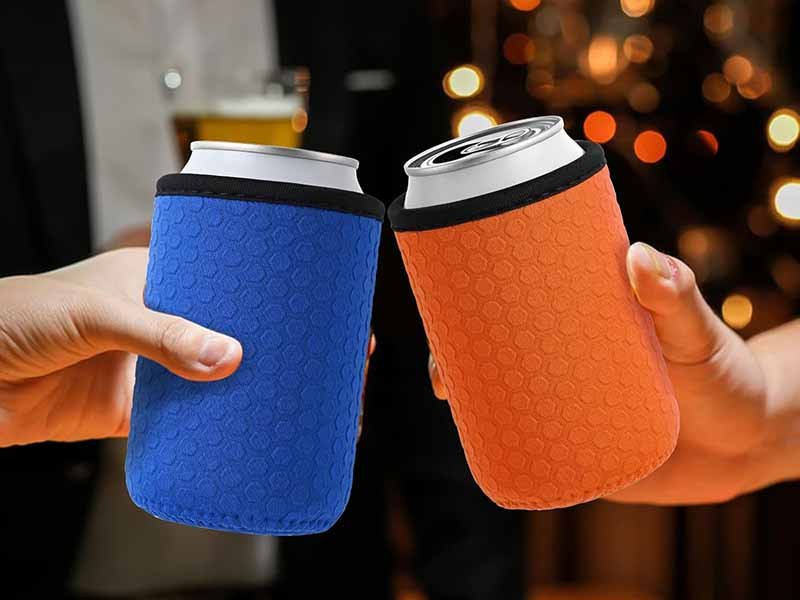
A soda can cooler looks like a simple product, but the difference between a cheap giveaway and a product customers actually keep using often comes down to manufacturing details. Two can coolers may look similar in a photo, yet one feels thin, prints poorly, loses shape after a few uses, and does little to slow down warming. The other feels firm in hand, fits the can properly, keeps the drink colder for longer, and presents the brand clearly. That gap is not luck. It comes from material selection, lamination quality, printing method, cutting accuracy, and assembly control.
Neoprene soda can cooler manufacturing is the process of producing insulated drink sleeves from laminated neoprene sheets, then printing, cutting, bonding or stitching, and finishing them into reusable can coolers for promotional, retail, event, and private-label use. A good manufacturing process helps brands control insulation performance, printing clarity, shape consistency, durability, and landed cost.
For many brands, this product is attractive because it is small, practical, easy to customize, and fast to test in the market. It works for breweries, beverage brands, outdoor companies, sports events, souvenir programs, gift campaigns, and e-commerce sellers. But getting a strong result is not just about choosing neoprene. It is about choosing the right neoprene, the right thickness, the right print surface, and the right construction method. In some projects, a change as small as moving from 2mm material to 3mm laminated neoprene, or improving print and stitching accuracy, can completely change customer perception and reorder rate. That is why serious brands do not ask only how to make a can cooler. They ask how to make one that sells better, lasts longer, and represents the brand properly.
What Is Neoprene Soda Can Cooler Manufacturing?
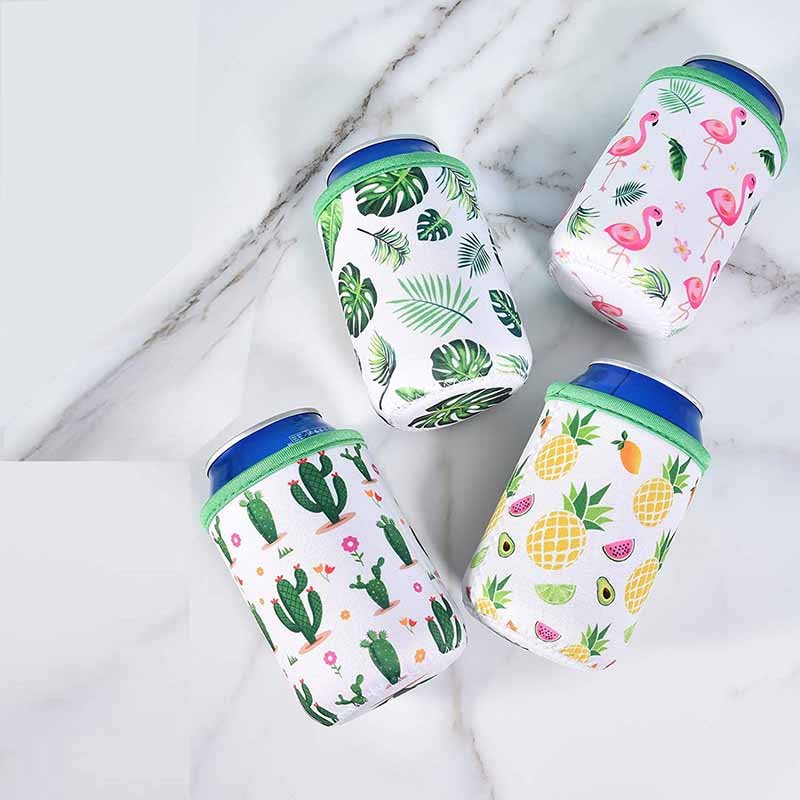
Neoprene soda can cooler manufacturing is the process of turning laminated neoprene foam into custom insulated sleeves for beverage cans. It includes neoprene selection, fabric lamination, logo printing, die cutting, stitching or gluing, quality inspection, and packaging. The goal is to create a cooler that fits well, insulates effectively, looks sharp, and holds up through repeated use.
Neoprene Soda Can Cooler Basics
A neoprene soda can cooler is usually built from a laminated sheet rather than a single raw material. That matters because the product has to do several jobs at the same time. It needs to insulate, flex, recover its shape, accept printing, resist tearing, and feel comfortable in the hand. Neoprene works well because it provides a balanced combination of cushioning, elasticity, and insulation.
A standard neoprene can cooler structure usually includes:
- Foam core for insulation and body
- Fabric outer layer for printing and abrasion resistance
- Optional inner fabric layer for structure and finish
- Side seam construction for shape stability
- Bottom panel or collapsible base depending on style
The foam core is the real working material. It slows heat transfer and gives the cooler its soft, padded feel. The laminated fabric surface is what makes branding possible. Without a stable laminated surface, printed colors can look uneven, details may blur, and the product may wear badly after folding and repeated use.
A useful way to understand the product is to break it into performance areas:
| Product Element | Main Purpose | What Brands Should Watch |
|---|---|---|
| Neoprene foam | Insulation and flexibility | Density, thickness, rebound |
| Outer fabric | Printing surface | Smoothness, color holding, stretch |
| Lamination | Bonds foam and fabric | Peeling risk, flatness, stability |
| Side seam | Holds body shape | Stitch strength, neatness |
| Bottom/base | Supports fit | Stability, folding behavior |
For promotional use, many brands focus first on logo size and color. That is understandable, but in the actual market the feel of the material matters just as much. If the sleeve feels too soft, too thin, or too loose on the can, customers often see it as low value even if the print is bright. If the cooler feels compact, resilient, and well-shaped, it usually performs better as a reusable branded product.
Why Neoprene Soda Can Cooler Manufacturing Matters
Manufacturing quality matters because the can cooler category is highly visual, highly competitive, and surprisingly sensitive to small differences. This is not a product customers buy for technical specs alone. They judge it fast by touch, appearance, fit, and real-life usefulness. If the cooler feels weak or looks rough, the brand message weakens with it.
The manufacturing process directly influences several commercial results:
- How well the cooler fits standard 330ml or 355ml cans
- How long it helps maintain a colder drink feel in normal use
- Whether the logo looks crisp on curved surfaces
- Whether the sleeve stands up to repeated folding and storage
- Whether the product looks like a disposable freebie or a real retail item
A practical comparison shows why production quality matters:
| Manufacturing Factor | Lower-Control Result | Better-Control Result |
|---|---|---|
| Material thickness | Feels flimsy | Feels stable and substantial |
| Lamination quality | Surface bubbles or peeling risk | Smooth and consistent surface |
| Print registration | Blurred or misaligned artwork | Clean, vivid branding |
| Cutting accuracy | Loose or uneven fit | Better can grip and uniform sizing |
| Stitching/gluing | Uneven seam, early failure | Cleaner finish and stronger use life |
In many projects, the price gap between a weak product and a better product is smaller than expected. A modest increase in material quality or print control may add only a limited amount to unit cost, while improving retail presentation and reorder potential significantly. This is especially important for brands using can coolers as part of larger campaigns. A poor cooler does not just underperform as a product. It can make the brand look careless.
For event organizers and promotional clients, durability may matter because the item is handed out in large numbers and becomes part of the brand experience. For e-commerce and retail brands, consistency matters even more because low visual quality leads to bad reviews, lower repeat orders, and weaker perceived value. Good manufacturing is what turns a low-cost product into a strong branded item.
Are Neoprene Soda Can Coolers Better
In many cases, yes. Neoprene soda can coolers are often a better option than basic foam sleeves when the goal is stronger product feel, better print quality, longer use life, and a more premium branded impression. That does not mean they are the cheapest option. It means they often provide better overall value.
The main alternatives in the market are usually:
- Low-cost foam coolers
- Fabric-only sleeves
- Neoprene coolers
- Hybrid soft coolers with extra panels or base features
Here is a practical comparison:
| Material Type | Insulation Feel | Print Quality | Durability | Product Feel | Cost Level |
|---|---|---|---|---|---|
| Basic foam | Basic | Limited | Low | Light and disposable | Low |
| Fabric-only sleeve | Low | Moderate | Medium | Soft but less insulated | Low |
| Neoprene | Good | Strong | High | Padded and reusable | Medium |
| Premium hybrid style | Good to high | Strong | High | More structured | Medium to high |
Why many brands prefer neoprene:
- It holds shape better than cheap foam
- It feels thicker and more reusable in hand
- It supports better full-color printing when laminated properly
- It performs well for both promotional and retail uses
- It can be stitched, glued, folded, and customized in multiple ways
That said, neoprene is not automatically the best choice for every project. If the client’s only goal is the lowest possible giveaway cost for a one-time campaign, basic foam may still be selected. But when a brand wants a can cooler people will actually keep, reuse, and associate with better quality, neoprene usually has a clear advantage.
For Oneier, this is where manufacturing experience becomes important. A neoprene cooler is only as good as its foam quality, lamination stability, printing method, and finishing control. The material has potential, but the factory decides whether that potential turns into a product that performs well in the market.
Which Materials Fit Neoprene Soda Can Cooler Manufacturing?
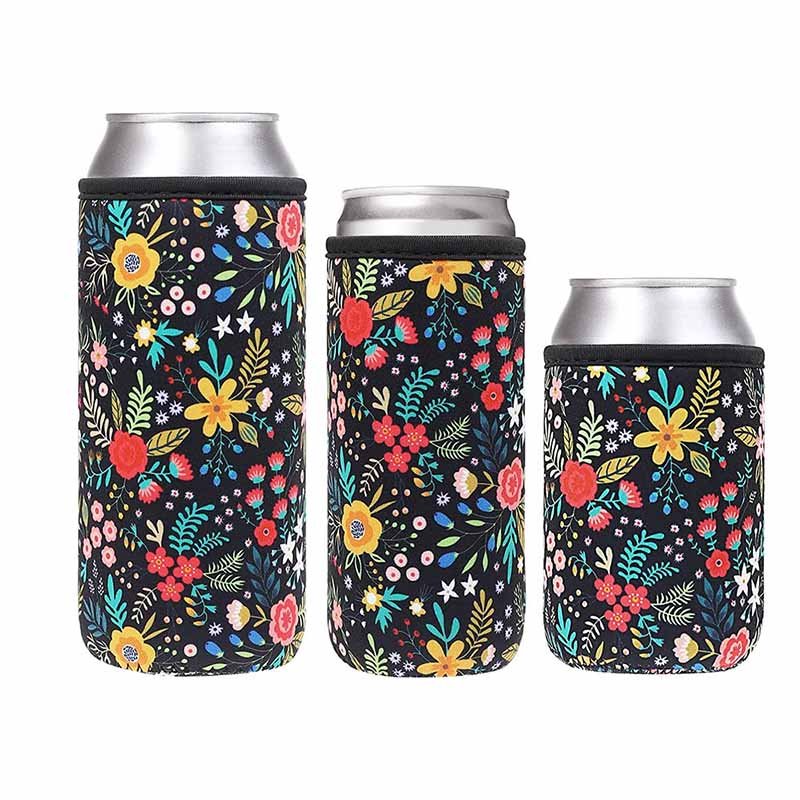
The main materials used in neoprene soda can cooler manufacturing are laminated neoprene foam, polyester or nylon fabric, sewing thread or adhesive, and optional finishing materials such as edge tape, overlock thread, base inserts, or packaging film. The right combination affects insulation, print clarity, flexibility, seam strength, and total product cost.
Neoprene Types for Soda Can Coolers
Not all neoprene used for can coolers performs the same. In production, brands often treat “neoprene” as one material, but factories know there can be major differences in density, rebound, surface stability, smell level, and long-term performance. A soda can cooler does not need the same construction as a wetsuit or medical brace, but it still needs the right material grade for its market.
The most common options include:
- Standard neoprene foam for general promotional use
- Higher-density neoprene for better body and feel
- Eco-oriented alternatives for sustainability-driven projects
- SBR or neoprene blend options where cost control is a priority
From a product standpoint, what matters most is not the label alone, but how the sheet behaves during manufacturing and use.
Important material characteristics include:
- Density: affects firmness and grip
- Elastic recovery: affects how well the sleeve returns to shape
- Surface stability: affects printing and cutting quality
- Odor control: important for retail perception
- Compression resistance: important during shipping and storage
A practical comparison:
| Material Option | Hand Feel | Shape Recovery | Print Surface Stability | Cost Position |
|---|---|---|---|---|
| Standard neoprene | Balanced | Good | Good | Entry to mid |
| Higher-density neoprene | Firmer | Better | Better | Mid |
| Eco alternative | Varies by formula | Good | Good | Mid to high |
| Lower-cost blend | Softer | More variable | More variable | Budget |
For brands selling online or into retail channels, a firmer, cleaner neoprene sheet usually gives a better first impression. For event promotions where the product is ordered in very high volume, material balance becomes more cost-sensitive, but going too cheap often hurts the result. The product may wrinkle more easily, lose shape faster, or feel less substantial than customers expect.
Oneier’s advantage in neoprene product development is that material selection can be discussed at the beginning based on the real use scenario, not guessed after sampling. That helps brands avoid a common mistake: approving a design based on artwork before making sure the underlying material is strong enough for the intended market.
Neoprene Thickness for Soda Can Coolers
Thickness is one of the most important decisions in the entire product. It influences insulation, fit, product feel, printing behavior, folding performance, carton packing, and unit cost. In the market, the most common thickness range is 2mm to 5mm, but not every thickness makes sense for every project.
A practical thickness guide looks like this:
| Thickness | Common Positioning | Product Effect |
|---|---|---|
| 2mm | Budget promotion | Lighter, cheaper, less structured |
| 3mm | Mainstream market | Balanced insulation and cost |
| 4mm | Premium promo / retail | Firmer feel, stronger body |
| 5mm | Heavier-duty styles | Strong structure, higher cost, more bulk |
Why 3mm is often preferred:
- Good balance of flexibility and body
- Works well for standard can sizes
- Supports solid print appearance
- Easier to fold and pack than thicker options
- Usually offers the best cost-performance balance
Why some brands move thicker:
- They want a more premium hand feel
- They want the sleeve to look more substantial on shelves
- They want stronger body retention after repeated use
- They are targeting outdoor, sports, or gift markets
But thicker is not always better. A 5mm cooler may feel premium, yet it can also create challenges:
- Higher freight cost due to more carton volume
- Tighter sewing or bonding control needed
- Less compact folding
- Higher raw material cost
- Possible overbuilt feel for simple promo use
Thickness also affects fit. If the foam is too thick and the pattern is not adjusted, the cooler may become too tight and hard to put on the can. If it is too thin, it may slip and feel cheap. That is why thickness and pattern size should always be developed together, not separately.
Neoprene Fabric Lamination
Lamination is one of the most overlooked steps in neoprene can cooler manufacturing, but it strongly affects final quality. The neoprene foam and fabric need to be bonded evenly so the material stays flat, prints cleanly, cuts accurately, and holds together during use. Weak lamination can ruin an otherwise good product.
The most common laminated surfaces for can coolers are:
- Polyester fabric for sublimation printing
- Nylon fabric for a smoother or slightly different surface effect
- Specialty fabrics when a unique texture or finish is required
Polyester is often preferred for full-color custom artwork because it supports sharper sublimation results. Nylon can work in certain product styles, but brands focused on vivid graphics usually lean toward polyester-laminated neoprene.
Lamination quality affects:
- Surface flatness
- Print clarity
- Color consistency
- Flex behavior after folding
- Resistance to peeling or bubbling
- Long-term appearance after repeated use
A useful production view:
| Lamination Condition | Result in Production | Result in Market |
|---|---|---|
| Flat and stable | Easier printing and clean cutting | Better appearance and durability |
| Uneven bonding | Surface distortion | Lower perceived quality |
| Weak bonding | Peeling risk | Product complaints and returns |
| Overstretched fabric | Print misalignment risk | Inconsistent finished look |
For larger bulk orders, lamination consistency becomes even more important. If sheet tension changes between batches, print registration and finished sizing can drift. That creates avoidable waste and inconsistency. Oneier’s in-house experience with neoprene materials helps reduce that risk because the material is not treated as a generic input. It is treated as the core of the product.
For brands, the key point is simple: good artwork cannot save bad lamination. If the surface is unstable, the final product will look unstable too.
How Does Neoprene Soda Can Cooler Manufacturing Work?
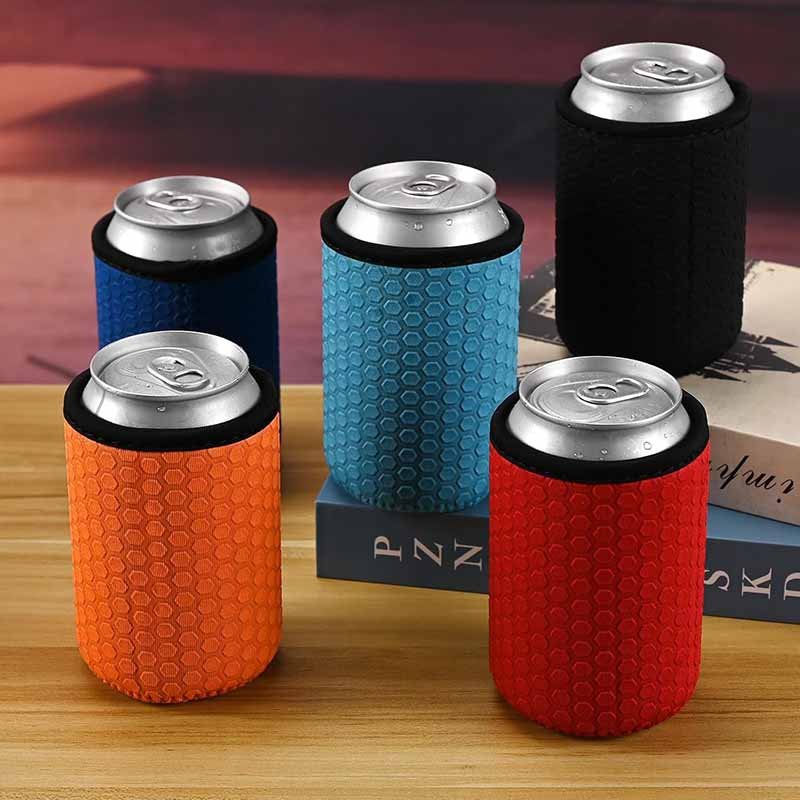
Neoprene soda can cooler manufacturing is a step-by-step process that transforms laminated neoprene sheets into finished products through printing, cutting, assembly, and inspection. Each step affects product quality, cost, consistency, and delivery time, so understanding the full workflow helps brands avoid delays and control results.
Neoprene Soda Can Cooler Production Steps
The production process is not complicated, but it must be controlled carefully. Small errors at early stages often create bigger problems later.
A standard production workflow looks like this:
| Step | Process | Key Control Point |
|---|---|---|
| 1 | Material preparation | Correct thickness, flat lamination |
| 2 | Printing | Color accuracy, registration |
| 3 | Cutting | Size precision, edge quality |
| 4 | Stitching or gluing | Seam strength and alignment |
| 5 | Shaping | Proper cylinder form |
| 6 | Inspection | Appearance and function check |
| 7 | Packaging | Folding and protection |
Each stage connects to the next. If the printing is misaligned, cutting becomes difficult. If cutting is inaccurate, stitching will not align properly. That is why experienced factories control each step tightly instead of treating them as separate tasks.
From a timing perspective:
| Order Size | Production Time |
|---|---|
| Sample (1–3 pcs) | 3–7 days |
| Small batch (50–200 pcs) | 10–20 days |
| Bulk order (5000+ pcs) | 20–30 days |
Production speed depends on artwork complexity, printing method, and construction style.
Neoprene Soda Can Cooler Printing Methods
Printing is one of the most important steps because it defines how the brand appears on the final product. Even a well-constructed cooler can fail commercially if the print quality is weak.
The most common printing methods are:
Sublimation printing
- Best for full-color designs
- Ink penetrates fabric surface
- No cracking or peeling
- Ideal for gradients and detailed artwork
Screen printing
- Suitable for simple logos
- Lower cost for large quantities
- Limited color range
- Slightly thicker ink layer
Heat transfer printing
- Used for special designs
- Works for smaller runs
- Can produce strong colors
A comparison:
| Method | Best Use | Quality Level | Cost Efficiency |
|---|---|---|---|
| Sublimation | Complex artwork | High | Medium |
| Screen print | Simple logos | Medium | High |
| Heat transfer | Small runs | Medium–High | Medium |
From a product perspective:
- Sublimation is the most widely used for custom branded can coolers
- Screen printing is often chosen for promotional giveaways
- Heat transfer is used for flexible production needs
Key printing control points:
- Color consistency across batches
- Alignment with cutting pattern
- Ink penetration depth
- Resistance to fading after use
Poor printing control leads to:
- Blurry logos
- Color mismatch
- Cracking after folding
- Uneven surfaces
At Oneier, printing is aligned with cutting templates to reduce misalignment and ensure consistent visual output.
Neoprene Soda Can Cooler Cutting and Sewing
After printing, the material is cut into the correct shape. This step determines product fit and appearance.
Cutting methods:
- Die cutting (most common for bulk orders)
- Laser cutting (for precision or small runs)
Cutting accuracy affects:
- Fit on the can
- Seam alignment
- Product consistency
Once cut, the cooler is assembled. Two main methods are used:
Stitching (overlock or flatlock)
- Strong and durable
- Visible seam
- Common in most products
Gluing (seam bonding)
- Seamless appearance
- Cleaner look
- Requires precise control
Comparison:
| Method | Strength | Appearance | Cost |
|---|---|---|---|
| Stitching | High | Visible seam | Lower |
| Gluing | Medium–High | Clean edge | Higher |
In most commercial products, stitching is preferred because it offers reliable strength and cost control.
Important sewing factors:
- Thread quality
- Stitch density
- Edge alignment
- Seam reinforcement
Poor sewing leads to:
- Open seams
- Uneven edges
- Weak structure
Factories often reinforce stress points, especially near the bottom and side seams, to improve durability.
Quality Control in Neoprene Soda Can Cooler Manufacturing
Quality control ensures that every piece meets the required standard before shipment. Without proper QC, even a good design can fail in the market.
A practical QC system includes:
Incoming material check
- Confirm thickness and density
- Check lamination stability
- Verify color consistency
In-line inspection
- Monitor printing alignment
- Check cutting accuracy
- Inspect stitching quality
Final inspection
| Check Item | Requirement |
|---|---|
| Print quality | Clear, no blur |
| Size accuracy | Within tolerance |
| Seam strength | No loose stitching |
| Shape | Proper cylinder form |
| Surface | No defects |
For higher-end products, additional tests may include:
- Repeated folding test
- Compression recovery test
- Color fastness test
- Fit test on standard cans
A simple performance reference:
| Test | Expected Result |
|---|---|
| Folding 50+ times | No cracking or peeling |
| Compression | Returns to original shape |
| Print rubbing | No fading |
Clear QC standards reduce defects and ensure consistency across large orders.
Which Designs Fit Neoprene Soda Can Cooler Manufacturing?
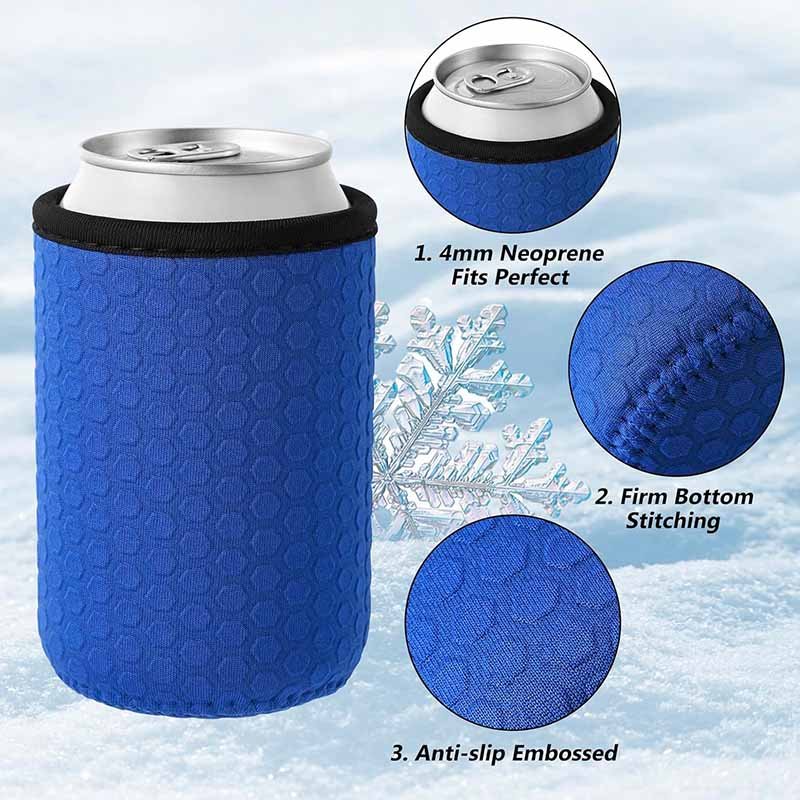
Neoprene soda can coolers may look simple, but design choices directly affect usability, cost, packing efficiency, and brand impact. The right design depends on how the product will be used, who the target audience is, and how the brand wants to position itself.
Neoprene Soda Can Cooler Standard Designs
Standard sleeve designs are the most widely used in the market. They are cylindrical, flexible, and easy to produce in large quantities.
Key characteristics:
- Simple tube shape
- Flat or slightly curved side seam
- Open top and bottom or closed bottom
- Fits standard 330ml / 355ml cans
Advantages:
- Lowest production cost
- Fastest production speed
- Easy to print full-wrap graphics
- Efficient packing and shipping
Typical dimensions:
| Can Size | Cooler Height | Diameter |
|---|---|---|
| 330ml | 10–11 cm | 6.5–7 cm |
| 355ml | 11–12 cm | 6.5–7 cm |
Standard designs are ideal for:
- Promotional giveaways
- Event branding
- Bulk wholesale orders
However, the downside is that they are common. To stand out, brands often rely on stronger graphics, better materials, or upgraded stitching.
Neoprene Soda Can Cooler Collapsible Styles
Collapsible coolers are designed to fold flat when not in use. This makes them easier to store, ship, and distribute.
Key features:
- Foldable bottom or no base
- Lightweight structure
- Easy stacking in bulk packaging
Advantages:
- Lower shipping cost
- More compact packaging
- Convenient for end users
Comparison:
| Feature | Standard Cooler | Collapsible Cooler |
|---|---|---|
| Structure | Fixed | Flexible |
| Packing efficiency | Medium | High |
| User convenience | Medium | High |
Collapsible designs are widely used in:
- Large promotional campaigns
- Sports events
- Beer brand marketing
One important consideration is structure. If the material is too thin, the cooler may lose shape after folding. That is why 3mm neoprene is often preferred for collapsible styles.
Neoprene Soda Can Cooler Custom Shapes
Custom shapes allow brands to create more distinctive products. Instead of a simple cylinder, the cooler can be designed to match a theme, product identity, or marketing concept.
Examples:
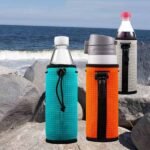
- Bottle-shaped coolers
- Character or mascot shapes
- Sleeve with handles or straps
- Multi-panel structured designs
Advantages:
- Strong visual differentiation
- Higher perceived value
- Better for retail and gift markets
Challenges:
- Higher production cost
- Longer sampling time
- More complex cutting and sewing
A comparison:
| Design Type | Cost | Complexity | Brand Impact |
|---|---|---|---|
| Standard | Low | Low | Medium |
| Collapsible | Low–Medium | Medium | Medium |
| Custom shape | Medium–High | High | High |
Custom designs work best when:
- The brand wants to stand out in retail
- The product is part of a themed campaign
- The order volume justifies higher development cost
At Oneier, custom shapes are developed with pattern engineering to ensure they still fit cans properly while maintaining visual creativity.
How to Choose Neoprene Soda Can Cooler Manufacturing Partner?
Choosing the right manufacturer is one of the most important decisions in the entire process. A good supplier helps improve product quality, reduce risk, and shorten development time. A poor supplier creates delays, inconsistency, and unexpected costs.
Neoprene Soda Can Cooler MOQ and Lead Time
MOQ and lead time directly affect how quickly a brand can test and scale products.
Typical industry ranges:
| Order Type | MOQ | Lead Time |
|---|---|---|
| Sample | 1–3 pcs | 3–7 days |
| Trial order | 50–100 pcs | 10–20 days |
| Bulk order | 1000+ pcs | 20–30 days |
Low MOQ is important for:
- New product testing
- Small brands
- Seasonal promotions
Fast sampling allows brands to:
- Validate design quickly
- Adjust artwork or size
- Launch products faster
Oneier supports low MOQ (50 pcs) and fast sampling (5–7 days), which helps clients reduce risk and move quickly.
Neoprene Soda Can Cooler Cost Factors
Cost is influenced by several variables, not just material.
Main cost drivers:
| Factor | Impact |
|---|---|
| Neoprene thickness | Higher thickness = higher cost |
| Printing method | Sublimation vs screen print |
| Design complexity | Custom shapes cost more |
| Order quantity | Larger orders reduce unit cost |
| Packaging | Custom packaging increases cost |
A simple cost reference:
| Product Type | Estimated Unit Cost |
|---|---|
| Basic standard cooler | $0.30 – $0.80 |
| Printed sublimation cooler | $0.50 – $1.20 |
| Custom shape cooler | $1.00 – $2.50+ |
Important insight:
Reducing cost too aggressively often leads to:
- Poor print quality
- Weak material
- Lower durability
Instead, brands should aim for cost-performance balance.
Neoprene Soda Can Cooler Quality Control
Quality control ensures consistency across orders and protects brand reputation.
Key QC points:
Material inspection
- Thickness consistency
- Lamination strength
- Surface quality
Production monitoring
- Print alignment
- Cutting accuracy
- Stitching quality
Final inspection
| Check | Standard |
|---|---|
| Print clarity | Sharp and consistent |
| Size | Within tolerance |
| Seam | Strong and even |
| Shape | Proper fit |
Additional tests:
- Folding test (multiple cycles)
- Compression recovery test
- Color fastness test
A strong QC system reduces defects and ensures repeatable quality for future orders.
Start Your Neoprene Soda Can Cooler Project with Oneier
A neoprene soda can cooler may be a small product, but it represents your brand in a very direct way. Customers hold it, use it, and associate its quality with your business. That is why choosing the right materials, design, and manufacturing partner matters.
Whether you need a simple promotional cooler or a fully customized product line, the team can help you develop a product that fits your market and budget.
Send your design, logo, or idea today. Get a fast quotation and practical recommendations to improve your neoprene soda can cooler design, cost, and production plan.
A better product starts with better manufacturing decisions—and the right partner makes all the difference.