
How Are Neoprene Socks Supposed to Fit?
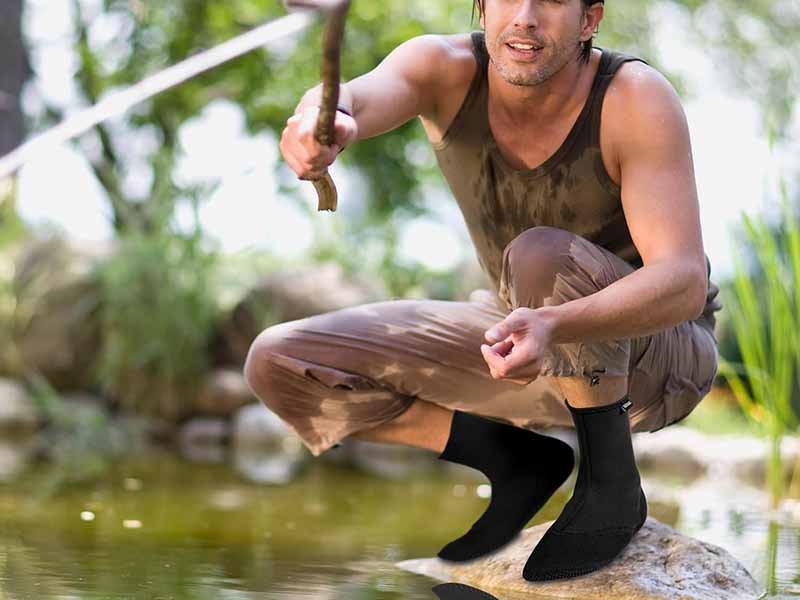
For anyone stepping into the world of water sports, cold-weather hiking, or outdoor adventures, neoprene socks often appear as a recommended piece of gear. But one question dominates forums, search engines, and product reviews alike: how should neoprene socks actually fit? Too tight, and you risk discomfort or even reduced circulation. Too loose, and water seeps in, warmth escapes, and blisters appear.
Neoprene socks should fit snugly but not restrictively, forming a close seal around your feet and ankles without cutting off circulation. A proper fit prevents excess water entry, maintains warmth, and ensures comfort whether worn alone or inside boots or fins.
Last summer, I met a diver in Bali who bought “medium” neoprene socks online, assuming they’d fit like regular cotton socks. On his first dive, cold water flooded his boots because the socks gaped at the ankles. He switched to a tighter-fitting pair the next day and instantly noticed more warmth, better comfort, and improved fin control. That small sizing detail changed his entire diving experience — proof that fit truly matters. Let’s break down exactly how to get it right.
What Are Neoprene Socks and Why Does Fit Matter?
Neoprene socks are insulated, water-resistant socks made from closed-cell neoprene material, designed to keep feet warm, dry, and protected during water sports or cold-weather activities. Proper fit matters because it ensures thermal insulation, prevents water flushing, enhances comfort, and allows better performance when worn alone or with boots and fins.
Understanding Neoprene Socks and the Importance of Fit
Neoprene socks aren’t like regular cotton or wool socks. They are crafted from neoprene foam, the same material used in wetsuits, renowned for its thermal insulation, water resistance, and flexibility. Their primary function is to protect feet in wet or cold environments, making them popular for diving, surfing, kayaking, fishing, hiking, and even winter sports.
But why does fit matter so much? Let’s break it down:
Warmth and Thermal Insulation
A correctly fitting neoprene sock forms a snug layer around your foot. Instead of letting cold water flow in and out (known as “flushing”), it traps a thin layer of water between the sock and your skin. Your body then warms this layer, creating an insulating barrier. If socks are too loose, water enters freely, defeating the purpose of insulation.
Comfort and Circulation
Tight socks restrict blood flow, leading to discomfort or numbness. Loose socks wrinkle or shift inside boots, causing blisters or pressure points. A second-skin fit strikes the perfect balance between comfort and performance.
Performance and Footwear Integration
Many users wear neoprene socks inside dive boots, fins, waders, or hiking shoes. An improper fit creates bulk, folds, or gaps, reducing control and efficiency in the water or on land. A good fit enhances mobility, stability, and comfort across activities.
| Factor | Too Tight Socks | Too Loose Socks | Perfect Fit Socks |
|---|---|---|---|
| Warmth | Restricted blood flow → Cold feet | Water flushing → Heat loss | Thin warm water layer retained |
| Comfort | Numbness, blisters | Friction, slippage | Snug, irritation-free wear |
| Performance in Boots | Reduced mobility | Poor control, shifting inside boot | Optimal control and stability |
A proper fit ensures that your neoprene socks deliver warmth, comfort, and durability in all conditions.
How Tight Should Neoprene Socks Be for Comfort and Performance?
Neoprene socks should fit snugly like a second skin—tight enough to minimize water entry and maintain warmth but not so tight that they restrict circulation or cause discomfort. You should be able to wiggle your toes freely, walk comfortably, and wear them with fins, boots, or waders without feeling pinched or numb.
Finding the Perfect Fit for Neoprene Socks
Getting the right tightness is essential because neoprene socks are designed for water insulation, comfort, and protection in activities like diving, surfing, kayaking, fishing, and hiking. Too loose or too tight can ruin the experience, so here’s what to consider:
1. The “Second-Skin” Principle
Neoprene socks should hug your foot contours without leaving excess space around the heel, arch, or ankle. This minimizes water flushing—the process where cold water enters and exits the sock, pulling heat away from your foot. A proper fit traps a thin water layer inside, which your body warms to create insulation.
2. Circulation and Comfort Balance
Tight neoprene socks can restrict blood flow, causing cold feet or numbness, especially during longer activities. Loose socks, on the other hand, bunch up or slide inside boots, creating friction and blisters. The ideal fit balances:
- Warmth: Preventing excess water movement.
- Comfort: Allowing free toe movement and normal circulation.
3. Activity-Specific Preferences
- Divers & Surfers: Often prefer a snugger fit to prevent water movement in cold conditions.
- Hikers & Kayakers: May allow a bit more room for layering thin liner socks underneath for extra comfort on long treks.
4. Thickness Matters
- 1–2 mm neoprene: Feels more flexible and forgiving; fits closer to true shoe size.
- 3–5 mm neoprene: Provides more insulation but less stretch; you may need to size up if wearing inside tight boots or fins.
5. Testing Fit Before Use
Before heading out, wear the socks with the actual gear—boots, waders, or fins—to ensure the combined tightness feels right. Walk, flex, and mimic real movements to check for circulation or comfort issues.
| Neoprene Thickness | Fit Level | Best Use Case |
|---|---|---|
| 1–2 mm | Moderate snugness | Warm water, surfing, snorkeling |
| 3 mm | Snug, moderate flex | Diving, kayaking, hiking in cool temps |
| 5 mm | Slight looseness ok | Cold water diving, winter conditions |
Which Factors Determine the Right Neoprene Sock Size?
Correct neoprene sock sizing depends on foot measurements, brand-specific charts, thickness choice, and intended activity.
Unlike standard shoes, neoprene socks often come in S/M/L or numerical sizes, and each manufacturer may vary. Key factors:
Foot Length & Width
Measure heel-to-toe length and widest foot point. Match to size charts; if between sizes, consider activity (tight for diving, relaxed for hiking).
Thickness Impact
- 1–2 mm: Light, flexible, warmer climates
- 3 mm: Standard for most water sports
- 5 mm: Cold water, max insulation, reduced flexibility
Brand Variability
A “Medium” in one brand may equal “Small” elsewhere. Always check brand-specific charts rather than guessing.
Shoe Integration
If socks go inside dive boots or fins, account for total thickness. Some buyers size up boots to accommodate 3–5 mm socks.
| Thickness | Temp Range | Typical Use | Fit Suggestion |
|---|---|---|---|
| 1–2 mm | Warm water >22°C | Surfing, snorkeling | Close fit, max flexibility |
| 3 mm | 15–22°C | Diving, kayaking, hiking | Snug fit, all-purpose |
| 5 mm | <15°C | Cold water diving, winter | Slightly looser for circulation |
Correct sizing prevents both flushing (too big) and circulation cut-off (too small).
Do Neoprene Socks Stretch Over Time or Shrink After Use?
Neoprene socks may stretch slightly with regular use, especially around high-stress areas like the ankles, but they do not typically shrink unless exposed to excessive heat or improper care. With proper rinsing, drying, and storage, quality neoprene socks maintain their shape and fit for a long time.
How Neoprene Socks Change Over Time
Neoprene, the same material used in wetsuits, is a closed-cell synthetic rubber with tiny nitrogen bubbles trapped inside, giving it flexibility, insulation, and buoyancy. Like any performance material, it can change characteristics over time depending on usage, environment, and care practices. Let’s break it down:
1. Why Neoprene Socks May Stretch
- Repeated Flexing: Constant movement during diving, hiking, or surfing slowly relaxes the material fibers, especially at the cuff and toe areas.
- Water Absorption Cycles: Though neoprene itself resists water, inner fabric linings (nylon, polyester) expand slightly when wet, contributing to minor stretching over time.
- Pressure from Footwear: Wearing neoprene socks inside tight boots, waders, or fins compresses the material. After multiple uses, some areas may permanently conform to your foot shape.
In most cases, stretching remains minimal (5–10%) and does not affect performance if socks are well-made and reinforced with strong seams.
2. Do Neoprene Socks Shrink?
Neoprene rarely shrinks under normal use. However, improper care can cause:
- Heat Damage: Direct sunlight, hot dryers, or heaters break down rubber cells, making them brittle and less elastic.
- Chemical Exposure: Harsh detergents or solvents damage the lining and adhesive layers, reducing flexibility and fit quality.
Shrinking typically appears as stiffness or hardening rather than actual size reduction.
3. How to Maintain Shape and Fit Longer
- Rinse After Use: Salt, chlorine, and sand degrade fabric linings and seams.
- Air-Dry in Shade: Avoid direct sunlight and high-heat sources.
- Store Flat or Hanging: Prevent folding or compression creases that weaken material memory.
- Rotate Pairs for Heavy Use: Extends the life cycle by reducing stress on a single pair.
4. Practical Lifespan Expectation
High-quality neoprene socks used moderately (2–3 times/week) and cared for properly last 1–2 years before noticeable stretching or performance loss appears. Heavy users (daily diving, surfing) may replace them sooner, while occasional hikers or kayakers often keep them longer.
| Factor | Impact on Stretch/Shrink | Maintenance Tip |
|---|---|---|
| Frequency of Use | Higher use → More stretching | Rotate pairs for longer lifespan |
| Heat & Sun Exposure | Can cause stiffening/shrinkage | Air-dry in shade, avoid heaters |
| Chemical Contact | Degrades adhesives & fabrics | Rinse after salt/chlorine exposure |
| Footwear Fit Pressure | Conforms shape to foot/boot | Use correct sizing, avoid overtight |
Is There a Difference in Fit Between Neoprene Socks and Regular Socks?
Yes, there is a significant difference. Neoprene socks fit much snugger than cotton or wool socks because they’re designed to keep water out, provide insulation, and work seamlessly with fins, boots, or waders. Regular socks focus on breathability and comfort, while neoprene socks prioritize warmth, water sealing, and performance in demanding conditions.
Comparing Neoprene Socks vs. Regular Socks
At first glance, neoprene socks and regular socks might seem similar—they both cover your feet, come in various sizes, and offer some level of comfort. But in reality, their materials, fit, and purpose are fundamentally different. Let’s break down why:
1. Material Differences Affecting Fit
- Neoprene Socks: Made from closed-cell neoprene rubber laminated with nylon or polyester linings, giving them water resistance, insulation, and flexibility.
- Regular Socks: Typically cotton, wool, or synthetic blends focused on breathability, moisture-wicking, and cushioning for everyday use.
Because neoprene is thicker and less breathable, a snug fit ensures proper thermal regulation and minimal water movement.
2. Fit Requirements for Water and Outdoor Activities
- Neoprene Socks: Must fit tightly enough to prevent flushing (water entering and escaping), which causes heat loss in cold water.
- Regular Socks: Designed for air circulation and sweat management, so they usually fit more loosely without affecting performance.
For divers, surfers, or hikers using waders, loose neoprene socks would lead to cold feet, blisters, or reduced control inside fins or boots.
3. Performance vs. Comfort Priorities
| Feature | Neoprene Socks | Regular Socks |
|---|---|---|
| Fit | Snug, second-skin feel | Relaxed, comfort-oriented |
| Purpose | Thermal insulation, water resistance | Breathability, everyday comfort |
| Activity Use | Diving, surfing, hiking, kayaking | Casual wear, running, general sports |
| Footwear Use | Worn with fins, boots, or waders | Worn with shoes or sneakers |
Neoprene socks demand precise sizing because fit directly impacts warmth, comfort, and performance. Regular socks allow broader sizing tolerances since they serve less specialized purposes.
4. Why This Matters for Buyers and Brands
For brands sourcing custom neoprene socks, understanding fit differences ensures correct sizing charts, fewer returns, and higher customer satisfaction. Many OEM manufacturers like Szoneier offer pre-production samples so buyers can test fit with actual footwear before bulk manufacturing.
Are Neoprene Socks Meant to Be Worn Alone or with Footwear?
Neoprene socks can be worn both alone and with footwear depending on the activity and environment. Worn alone, they protect against cold, abrasion, and rough surfaces. Paired with boots, fins, or waders, they provide extra insulation, comfort, and a water-resistant layer for demanding outdoor or water sports.
How to Wear Neoprene Socks for Different Activities
One of the most common questions people have before buying neoprene socks is whether they should wear them on their own or pair them with other footwear. The answer depends on how you plan to use them, the environment, and the type of neoprene sock you choose. Let’s break it down:
1. Wearing Neoprene Socks Alone
When worn alone, neoprene socks act as a protective barrier against:
- Cold water: They trap a thin layer of water close to the skin that warms up, keeping your feet comfortable.
- Rough surfaces: On beaches, boats, or rocky riverbeds, they prevent cuts, abrasions, and blisters.
- Sand & debris: They keep sand or small particles from rubbing your skin raw during water activities.
Best for:
- Snorkeling in warm waters
- Stand-up paddleboarding
- Beach walking or boat decks
- Light kayaking without hiking boots
Some brands make reinforced sole neoprene socks for people who prefer to wear them without additional footwear, providing durability and better grip on slippery surfaces.
2. Wearing Neoprene Socks with Footwear
For colder environments or high-impact activities, neoprene socks are most effective when layered under footwear:
- Diving Boots & Fins: Provide thermal insulation while ensuring fins fit snugly and comfortably.
- Fishing Waders: Keep feet warm and prevent chafing inside rubber or PVC waders.
- Hiking or Outdoor Boots: Add insulation in cold or wet conditions without bulk from multiple layers of wool socks.
Benefits of Pairing with Footwear:
- Reduced friction and hotspots inside boots or fins
- Extended boot life by keeping sweat and debris out
- Improved warmth in freezing water conditions
3. Choosing the Right Thickness for Each Use
| Neoprene Thickness | Worn Alone: Best For | Worn With Footwear: Best For |
|---|---|---|
| 1–2 mm | Warm-water snorkeling, beach | Mild-weather kayaking, fishing boots |
| 3 mm | Cooler-water paddleboarding | Standard diving boots, waders, hiking |
| 5 mm | Cold-water activities | Ice diving, winter fishing, extreme cold |
Thinner socks give better flexibility when worn alone, while thicker socks combined with boots provide maximum warmth and durability.
4. OEM Customization Options for Brands
Manufacturers like Szoneier often customize neoprene socks for specific uses:
- Extra-grip soles for barefoot wear
- Seamless designs for waders and diving boots
- Branded finishes for outdoor gear retailers
This ensures the final product matches the end user’s activity requirements, reducing sizing issues and enhancing customer satisfaction.
How to Test and Adjust Neoprene Sock Fit Before Buying in Bulk?
Before committing to a bulk order, brands and retailers should request samples, test in real-world conditions, and adjust sizing, thickness, or design features based on performance feedback. This process ensures optimal comfort, durability, and customer satisfaction for OEM or private label neoprene socks.
Steps to Ensure Perfect Neoprene Sock Fit Before Mass Production
When sourcing neoprene socks for resale or brand customization, fit testing is critical. Poorly fitting products lead to higher return rates, negative reviews, and wasted investment. Testing and adjustment before full-scale production minimize these risks and ensure the final product meets market expectations.
1. Request Pre-Production Samples
Before signing a purchase order, request physical samples in all intended sizes and thickness options (1mm, 3mm, 5mm). This helps you:
- Assess material quality, seam strength, and elasticity.
- Check how thickness affects warmth, flexibility, and compatibility with boots or fins.
- Identify potential sizing discrepancies across different foot shapes and activities.
Manufacturers like Szoneier often provide free or low-cost sample programs with fast turnaround times, letting brands evaluate before committing to a large order.
2. Simulate Real-World Conditions
Testing in controlled environments isn’t enough; field testing ensures accurate results:
- Divers should test socks in cold water with fins and boots to check warmth retention and water flushing.
- Hikers can evaluate breathability and blister prevention in wet, muddy conditions.
- Kayakers or paddleboarders can test grip and flexibility while moving between wet and dry surfaces.
Collect feedback on:
- Tightness vs. comfort over several hours
- Ankle sealing and water entry
- Compatibility with footwear and activity-specific gear
3. Analyze and Adjust Sizing Charts
Different markets have varying foot sizes, so rely on actual testing data rather than assumptions. For example:
- European sizes often differ from US/UK charts.
- Asian markets may require narrower width profiles.
Brands should create custom size charts based on testing feedback and regional requirements, especially for private label orders.
| Region | Typical Size Range (Men) | Notes for Adjustment |
|---|---|---|
| US/Canada | 7–13 | Standard width, mid-range sizes |
| Europe | 40–46 | Slightly longer foot profiles |
| Asia-Pacific | 38–44 | Narrower width, smaller sizes |
4. Modify Design Features if Needed
Testing often reveals small but important design improvements:
- Reinforced cuffs to prevent stretching over time
- Seamless toes for blister prevention
- Non-slip soles for barefoot or boat use
- Eco-friendly materials for sustainability-focused brands
Szoneier frequently collaborates with brands to integrate these features into final production without significantly increasing cost or lead time.
5. Confirm Bulk Production Standards
Once adjustments are complete, confirm that the bulk order matches approved samples:
- Use QC checklists for random inspections.
- Verify thickness, size consistency, stitching, and branding quality.
- Request pre-shipment photos or videos for added assurance.
This step reduces surprises upon delivery and protects brand reputation.
6. Typical Sampling & Production Timeline
| Stage | Duration (Approx.) | Key Activities |
|---|---|---|
| Sample Request | 5–7 days | Size chart review, initial prototypes |
| Field Testing & Feedback | 2–3 weeks | Real-world trials, data collection |
| Design Adjustments | 1–2 weeks | Sizing, materials, branding refinements |
| Bulk Production | 4–6 weeks | Full-scale manufacturing, quality inspections |
| Shipping & Delivery | Depends on region | Sea: 4–6 weeks, Air: 1–2 weeks |
Conclusion: Partner with Szoneier for Custom Neoprene Socks
Getting the right fit transforms neoprene socks from ordinary gear into essential equipment for warmth, comfort, and performance. Whether for diving, surfing, hiking, or fishing, proper sizing, testing, and OEM customization ensure your products meet customer expectations.
With 18+ years of manufacturing expertise, Szoneier provides:
- Low MOQ custom production
- Fast sampling & free design services
- Private label branding & global shipping
Contact Szoneier today to request samples, discuss customization, and launch your own line of premium neoprene socks tailored for your market.
What Can I Do For You?
Here, developing your OEM/ODM private label leather goods collection is no longer a challenge,it’s an excellent opportunity to bring your creative vision to life.