
What Are the Best Neoprene Socks for Swimming? A Comprehensive Guide
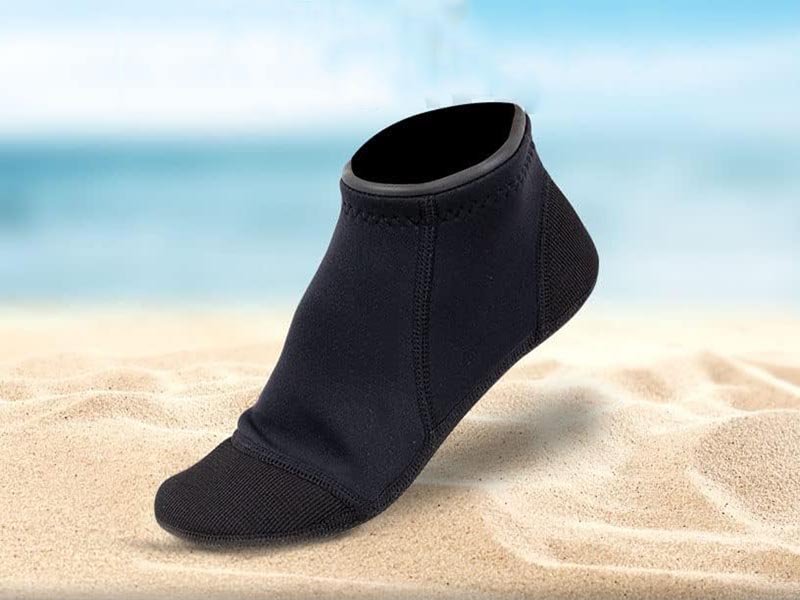
When the water temperature drops and your toes start to tingle from the cold, you realize that a simple pair of swim fins or bare feet isn’t enough. Whether you’re training for an early-season triathlon, snorkeling off rocky shores, or just enjoying a cold-water dip, neoprene socks can make the difference between an exhilarating swim and one cut short by discomfort. Over the past decade, neoprene technology has evolved—socks are now lighter, warmer, and more eco-friendly than ever before.
The best neoprene socks for swimming are 2–3 mm thick for flexibility and warmth, with a snug fit to reduce water flushing, grippy soles for rocky entry points, and durable seams for longevity. Models like Zone3 Heat-Tech, Huub Swim Socks, and Finisterre Yulex combine comfort, insulation, and sustainability. Your choice should match water temperature, swimming style, and personal fit preferences for optimal performance.
In this in-depth guide, we’ll explore what neoprene socks are, how they work, which ones rank best in 2025, and how to care for them so they last. We’ll also share industry insights from Szoneier—one of China’s most experienced neoprene product manufacturers—so you can make a confident purchase decision or even explore custom OEM/ODM production for your brand.
What Are Neoprene Socks and Why Do Swimmers Need Them?
Neoprene socks are insulating swim accessories made from synthetic rubber designed to trap a thin layer of water around your feet, using your body heat to warm it. Swimmers use them to protect against cold temperatures, sharp surfaces, and chafing from swim fins. They’re especially useful in open-water conditions, where extended exposure can cause discomfort or injury.
Neoprene socks aren’t just another piece of swim gear—they’re engineered thermal barriers. The core material, neoprene, contains nitrogen bubbles within its rubber structure, providing excellent insulation while remaining flexible. When you slip on a pair, a small amount of water enters, but instead of flushing through, it stays trapped and is warmed by your body heat.
The main reasons swimmers need them include:
- Thermal Protection: In water below 18°C (64°F), your feet lose heat rapidly. Neoprene socks slow this loss, allowing you to stay in the water longer without discomfort.
- Physical Protection: Open-water swimmers often face hazards like rocks, shells, or coral. A reinforced sole can prevent cuts and abrasions.
- Friction Reduction: For swimmers who use fins, neoprene socks act as a cushion, reducing chafing and blisters.
- Extended Season Swimming: With proper thermal gear, including neoprene socks, you can swim earlier in spring and later in autumn.
A key detail many overlook is thickness. While thicker socks (5 mm) are great for freezing waters, they can restrict ankle flexibility, affecting your kick technique. Conversely, thin socks (1–2 mm) provide more freedom of movement but less insulation.
For swimmers considering custom OEM/ODM solutions, Szoneier offers a range of design options—from varying neoprene grades to eco-friendly Yulex alternatives—ensuring the socks match your brand’s target market and performance requirements.
How Do Neoprene Socks Work to Keep Your Feet Warm?
Neoprene socks insulate by trapping a thin layer of water inside the sock. Your body heat warms this layer, creating a barrier between your skin and the colder water outside. The neoprene’s nitrogen-filled cells also limit heat transfer, keeping your feet warmer for longer periods.
The thermal mechanics of neoprene socks are similar to those of wetsuits. The key is heat retention through two mechanisms:
- Trapped Water Layer: When you first enter the water, a thin layer of water seeps into the sock. Rather than continuously flushing out, this layer stays in place, quickly warming to your body temperature and acting as a thermal shield.
- Material Insulation: Neoprene contains microbubbles of nitrogen, a poor conductor of heat. This slows the rate at which body warmth escapes into the surrounding water.
A good neoprene sock balances thickness and flexibility. Here’s a quick reference:
| Water Temperature | Recommended Thickness |
|---|---|
| 24°C+ (75°F+) | 1–2 mm |
| 18–23°C (64–74°F) | 2–3 mm |
| <18°C (<64°F) | 3–5 mm |
Other warmth-retention features include:
- Glide-skin cuffs to minimize water flushing.
- Blind-stitched seams for improved sealing.
- Ankle height to overlap with wetsuit legs for a continuous thermal barrier.
From an OEM perspective, Szoneier can engineer socks with targeted panel thicknesses, ensuring maximum warmth in critical areas while maintaining flexibility in others—a customization valued by triathlon and diving brands.
Which Neoprene Socks Are the Most Effective for Cold-Water Swimming?
Top-performing neoprene socks for cold-water swimming in 2025 include Zone3 Heat-Tech for maximum insulation, Huub Swim Socks for fit and grip, Orca Hydro Booties for easy wear, and Lomo Neoprene Open Water Socks for affordability. Eco-conscious swimmers may prefer Finisterre Yulex, made from natural rubber.
Through user reviews, industry testing, and product comparisons, the following models stand out:
| Model | Thickness | Key Features | Ideal For |
|---|---|---|---|
| Zone3 Heat-Tech | 3.5 mm | Waterproof lining, grippy sole | Winter open-water swimmers |
| Huub Swim Socks | 3 mm | Velcro closure, snug fit | Triathletes in cold lakes |
| Orca Hydro Booties | 3 mm | Easy don/doff, flexible sole | Casual swimmers |
| Lomo Open Water Socks | 3 mm | Budget-friendly, reinforced seams | Beginners |
| Finisterre Yulex | 2.5 mm | Sustainable Yulex rubber | Eco-conscious athletes |
Szoneier’s manufacturing capabilities allow brands to replicate or improve upon these designs—integrating features like reinforced toe caps, custom sole tread patterns, and branded embossing. This flexibility means brands can target specific niches—surf schools, dive shops, triathlon teams—each requiring slightly different performance characteristics.
Are There Eco-Friendly or Innovative Alternatives Available?
Yes. Eco-friendly neoprene sock options, like those made from Yulex natural rubber or recycled neoprene, offer similar thermal performance with reduced environmental impact. Innovations also include anti-flush ankle seals, hydrophobic coatings, and variable-thickness panels for optimized flexibility and warmth.
Traditional neoprene production has environmental drawbacks due to petroleum-based materials and energy-intensive manufacturing. Recent innovations include:
- Yulex® Natural Rubber: Derived from sustainably grown hevea trees, offering comparable stretch and warmth without petrochemicals.
- Recycled Neoprene: Repurposes production scraps and post-consumer waste, reducing landfill impact.
- Advanced Seam Technology: Glued and blind-stitched seams now use water-based adhesives instead of solvent-based, lowering VOC emissions.
- Hydrophobic Surface Coatings: Repel water to reduce weight and drying time.
Brands aiming for sustainability credentials can partner with manufacturers like Szoneier to create custom eco-lines, tapping into the growing consumer segment willing to pay more for environmentally responsible gear.
How Should You Choose the Right Neoprene Socks?
To choose the right neoprene socks, match thickness to water temperature (1–2 mm for warm, 3–5 mm for cold), ensure a snug fit to prevent water flushing, and select the right sole type for your activity—smooth for minimal drag, textured for rocky or slippery surfaces. Consider cuff seals, seam construction, and ease of donning/removal for comfort and durability.
Choosing neoprene socks isn’t about grabbing the first pair you see—it’s about matching environment, activity, and personal comfort. The wrong choice can mean freezing toes, reduced swim efficiency, or even safety hazards. Here’s a detailed breakdown:
1. Match Thickness to Water Temperature
Thickness directly affects warmth, flexibility, and buoyancy.
Here’s a quick guide:
| Water Temperature | Thickness Recommendation | Best For |
|---|---|---|
| 24°C+ (75°F+) | 1–2 mm | Warm seas, pool training, snorkeling |
| 18–23°C (64–74°F) | 2–3 mm | Mild open water, temperate coastlines |
| <18°C (<64°F) | 3–5 mm | Cold lakes, winter ocean swims, ice swimming |
Why it matters:
- Too thin: You’ll lose heat quickly, limiting swim time.
- Too thick: You might feel stiff at the ankle, hurting your kick efficiency.
2. Get the Right Fit
A proper fit is snug but not constricting:
- Loose socks let in water, causing flushing and cold feet.
- Overly tight socks can restrict circulation, ironically making your feet colder.
Pro tip: Try them on with your wetsuit or fins, as these change how the socks sit on your ankle.
3. Choose the Correct Sole Type
Your swimming environment dictates sole choice:
- Smooth soles → Minimal drag in pool/lake racing.
- Textured/grippy soles → Better traction on rocky beaches, docks, or boat decks.
- Reinforced soles → Needed for entry over coral or sharp shells.
4. Check the Cuff Seal & Seam Construction
- Glide-skin cuffs create a watertight seal under wetsuit legs.
- Blind-stitched seams reduce water penetration.
- Glued seams add reinforcement for high-use gear.
5. Consider Special Activity Needs
- Triathletes → Lightweight, quick-dry, easy to remove in transition.
- Divers → Thicker insulation, robust soles for shore entry.
- Surfers → Split-toe design for board control.
6. Think About Longevity & Care
Premium socks last longer if:
- Made with high-grade neoprene.
- Include abrasion-resistant outer layers.
- Use eco-friendly, stretch-retaining rubber (like Yulex).
OEM/ODM Tip from Szoneier:
If you’re a retailer or brand, you can have neoprene socks designed with dual-thickness panels—thicker under the sole for warmth and durability, thinner at the ankle for flexibility. Branding options like embossed logos or printed designs can also enhance retail appeal.
Do Neoprene Socks Help More Than Just Keep Your Feet Warm?
Yes. Neoprene socks do more than provide warmth—they protect against cuts, abrasions, and marine hazards, improve traction on slippery surfaces, reduce chafing from fins, and can slightly enhance buoyancy for better body positioning in the water. They also improve comfort during long swims, diving, or water sports, making them a multifunctional accessory for open-water and recreational activities.
Most people think neoprene socks are only about heat retention—but their secondary benefits often make the difference between a safe, enjoyable swim and a frustrating or hazardous one. Let’s look at the broader value they offer.
1. Protection Against Physical Hazards
- Sharp terrain: Coral reefs, shells, sea urchins, and barnacle-covered rocks can cause deep cuts. Neoprene socks with reinforced soles act as a flexible shield.
- Marine stings: They offer a barrier against jellyfish tentacles and other stinging organisms.
- Urban swims: In harbors or lakes, they protect from debris like broken glass or rusted metal.
| Hazard | Risk Without Socks | Benefit of Neoprene Socks |
|---|---|---|
| Coral reefs | Deep cuts, infection | Puncture resistance, abrasion shield |
| Barnacle rocks | Foot lacerations | Smooth or grippy sole prevents slips & cuts |
| Urban debris | Tetanus risk | Physical barrier against sharp objects |
2. Improved Grip & Traction
Many neoprene socks have textured rubberized soles. This:
- Prevents slipping on wet boat decks or piers.
- Provides stability when wading into rocky surf zones.
- Helps swimmers in triathlon transition zones move faster without bare-foot discomfort.
3. Reduced Friction from Swim Fins
For divers and snorkelers, fin straps and foot pockets can cause:
- Heel blisters.
- Toe chafing.
- Arch soreness.
Neoprene socks add a cushioned layer, reducing hot spots during long sessions.
Example: Freedivers often use 1.5–2 mm thin socks for fin comfort without sacrificing flexibility.
4. Slight Buoyancy Boost
Neoprene’s nitrogen-cell structure adds mild buoyancy.
- This can help keep feet higher in the water, improving streamline position in freestyle swimming.
- Particularly useful for beginner open-water swimmers who struggle with sinking legs.
5. Comfort & Endurance
By combining warmth, protection, and cushioning:
- Swimmers can stay in the water 30–50% longer in colder conditions.
- Divers report less post-dive foot fatigue.
These benefits make them valuable not just for swimmers, but for surfers, divers, and kayakers—anyone spending time in or near the water.
What Care Tips Ensure Longevity of Your Neoprene Socks?
Rinse neoprene socks in fresh water after each use, air-dry away from sunlight, and store flat or loosely rolled. Avoid machine washing and prolonged heat exposure to prevent material breakdown.
Proper care extends lifespan:
- Rinse After Every Use: Salt, chlorine, and organic matter degrade neoprene over time.
- Dry Correctly: Hang in a shaded, ventilated area; avoid wringing.
- Avoid Compression: Long-term folding can create permanent creases.
- Check Seams: Small splits can be repaired with neoprene glue before they grow.
Szoneier’s premium neoprene products use high-grade adhesives and seam constructions that inherently last longer, reducing warranty claims for buyers.
Conclusion
The right neoprene socks can extend your swim sessions, improve comfort, and protect your feet in various aquatic environments. From budget-friendly beginner models to high-tech eco-friendly designs, there’s a pair for every swimmer’s needs.
Szoneier, with over 18 years of expertise in neoprene product development and manufacturing, offers OEM/ODM solutions for brands worldwide—customizing thickness, materials, sole patterns, branding, and packaging. Whether you’re sourcing for retail, events, or professional teams, we can deliver high-quality, market-ready neoprene socks at competitive MOQs with short lead times.
Contact us today to discuss your custom neoprene socks project and get a tailored quote from our experienced team.
Categories
What Can I Do For You?
Here, developing your OEM/ODM private label leather goods collection is no longer a challenge,it’s an excellent opportunity to bring your creative vision to life.