
Which Features Should You Look for in a High-Quality Neoprene Shoulder Brace?
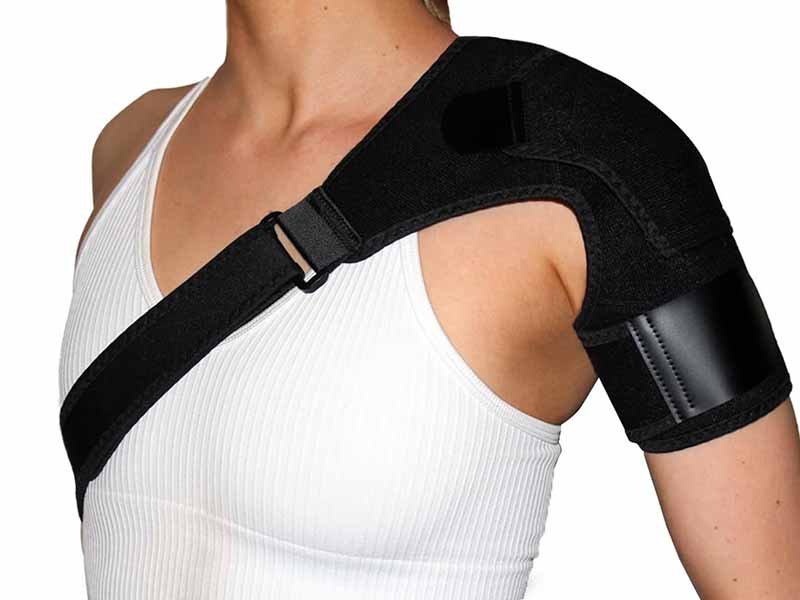
A sore shoulder doesn’t just hurt — it limits movement, affects sleep, and can even steal confidence in everyday actions. For athletes, office workers, or post-surgery patients, the right shoulder brace can make the difference between a slow recovery and a fast, comfortable comeback. But with hundreds of designs on the market, how can you tell which brace truly supports healing rather than just restricting motion?
That’s where material science meets human anatomy, and neoprene takes center stage.
A high-quality neoprene shoulder brace should combine durable elastic neoprene, ergonomic design, adjustable compression, and breathability. Key features include reinforced stitching, smooth lamination, heat retention for therapy, and moisture control for comfort. The best braces balance flexibility and stability to support joints without limiting motion — ideal for pain relief, muscle recovery, and athletic use.
Neoprene shoulder braces have evolved from simple wraps to precision-engineered supports that regulate warmth, pressure, and movement. And behind this evolution are experienced manufacturers like Szoneier, who have spent over 18 years refining neoprene performance fabrics for sports, medical, and lifestyle applications.
In this guide, we’ll explore the critical features that define a premium neoprene shoulder brace — from the materials and design to compression levels and advanced thermal control — helping you choose confidently whether you’re a buyer, athlete, or rehab professional.
What Is a Neoprene Shoulder Brace and How Does It Work?
A neoprene shoulder brace stabilizes and compresses the shoulder joint to reduce pain, swelling, and strain. Made from elastic neoprene foam laminated with fabric, it supports injured muscles and ligaments while retaining body heat to improve circulation and recovery. The brace’s adjustable straps ensure a snug yet flexible fit, enhancing posture and preventing overextension during activity or rehabilitation.
The Anatomy of Support
The shoulder joint is incredibly mobile — it moves in multiple directions but is also prone to instability. Conditions such as rotator cuff strain, bursitis, or tendonitis often stem from overuse or sudden impact. A neoprene shoulder brace provides controlled compression, which stabilizes the joint and keeps soft tissues aligned during movement.
Neoprene’s foam structure acts like a flexible cushion, adapting to the shoulder’s contour while evenly distributing pressure. Unlike rigid braces, neoprene supports dynamic stability — allowing movement without re-injury.
How Compression Promotes Recovery
Compression isn’t just about tightness. By gently pressing against the skin, neoprene improves blood microcirculation and helps drain excess fluid from inflamed tissues. This process, known as lymphatic stimulation, reduces swelling and accelerates recovery.
Moreover, the slight warmth generated by neoprene’s closed-cell insulation relaxes muscles and increases elasticity — crucial for preventing stiffness after injury.
The Role of Heat Retention
Neoprene’s unique thermal properties make it ideal for therapeutic use. The material traps body heat, maintaining a localized temperature of 1–2°C higher than ambient. This controlled warmth helps relieve chronic pain by increasing oxygen flow to muscles and joints.
That’s why neoprene braces are popular in both sports recovery and orthopedic rehabilitation — they blend compression therapy and thermal therapy into one wearable solution.
Everyday and Athletic Applications
- Athletes use neoprene braces for training stability and to prevent overextension during contact sports.
- Workers rely on them for posture correction or repetitive strain prevention.
- Rehabilitation patients wear them post-surgery to reduce inflammation and speed healing.
Whether it’s for prevention, performance, or recovery, a well-made neoprene shoulder brace adapts to each purpose — lightweight, flexible, and breathable, yet firm enough to guide proper movement.
Which Material Qualities Define a Premium Neoprene Shoulder Brace?
Premium neoprene shoulder braces use high-density closed-cell neoprene foam, laminated with breathable fabric such as nylon or polyester. They offer balanced elasticity, 3–5 mm thickness, skin-safe adhesives, and odor-resistant coatings. The best braces feel soft but structured, resisting wear while maintaining warmth and flexibility over time.
Understanding Neoprene Composition
Neoprene is a synthetic rubber (polychloroprene) known for its elasticity, insulation, and water resistance. In shoulder braces, it’s used in foam sheet form, usually laminated on both sides with fabric. This structure combines mechanical strength with soft comfort.
| Layer | Material | Function |
|---|---|---|
| Outer Fabric | Nylon or polyester knit | Stretch & durability |
| Core | Neoprene foam (closed-cell) | Cushion, insulation |
| Inner Fabric | Brushed polyester or elastic cloth | Comfort & sweat absorption |
The foam’s closed-cell design traps micro air pockets, giving the material its signature warmth and flexibility.
Thickness and Density
The ideal thickness for shoulder braces ranges from 3 mm to 5 mm — thick enough for compression and support, thin enough for flexibility. High-density neoprene offers better rebound and longevity, resisting compression collapse even after months of wear.
- Thin neoprene (2–3 mm): best for lightweight, breathable designs.
- Medium neoprene (3–4 mm): balances warmth and structure — most common.
- Thick neoprene (5+ mm): heavy-duty therapeutic or cold-weather braces.
The best manufacturers, like Szoneier, use precision foaming techniques to control density across different areas — firmer around the shoulder joint, softer around the underarm for comfort.
Fabric Lamination: The Unsung Hero
Neoprene itself doesn’t breathe, so lamination determines comfort.
- Nylon lining: durable, abrasion-resistant, slightly glossy — perfect for active use.
- Polyester lining: softer, cost-efficient, ideal for everyday braces.
- Elastic blend fabrics: stretchier and more breathable, often used in premium sports models.
The bonding adhesive between layers must also be non-toxic and flexible. Inferior glue can emit odors or delaminate under sweat. Szoneier’s advanced lamination lines use eco-friendly water-based adhesives, ensuring stability without VOC emissions.
Breathability and Moisture Management
Even the best compression brace fails if it traps sweat. High-quality neoprene should allow air exchange and moisture wicking through micro-perforations or ventilated side panels.
Modern designs integrate laser-cut perforations or mesh fabric zones to prevent overheating while maintaining structural integrity. This innovation is especially important for athletes who wear braces for hours.
Surface Finishing and Skin Compatibility
Prolonged contact with skin demands hypoallergenic surfaces. Premium neoprene shoulder braces include:
- Anti-bacterial treatment to prevent odor build-up.
- Smooth binding edges that don’t rub or irritate.
- Flatlock stitching that reduces friction.
Some brands also add titanium or carbon fiber film layers to enhance warmth retention — a feature gaining traction in high-end sports therapy gear.
Real-World Performance Indicators
Buyers can quickly spot quality differences through touch and flexibility:
- The brace should rebound quickly when stretched.
- The foam should not crumble or crease after bending.
- Edges should remain sealed without glue residue.
These details, though subtle, determine the brace’s comfort and lifespan — a hallmark of experienced manufacturing.
What Design Features Enhance Comfort and Stability?
A high-quality neoprene shoulder brace should offer adjustable straps, ergonomic shaping, and balanced compression that conforms to the body’s contours. Look for features like universal left/right wear, lightweight construction, and reinforced seams. These elements improve both comfort and stability by preventing slippage, irritation, and restricted blood flow, allowing the brace to move naturally with your shoulder through daily activity or rehabilitation.
Why Fit and Adjustability Matter
The shoulder joint is complex — it’s not a simple hinge like the elbow. That’s why a brace must move with the shoulder, not against it. A poorly designed brace can dig into the armpit, restrict motion, or cause uneven compression.
Premium neoprene braces solve this by including multi-point adjustability:
- Velcro straps let users fine-tune tightness.
- Elastic edging ensures grip without pressure marks.
- Anatomically curved panels follow the shoulder’s slope.
These small design details create stability without stiffness — ideal for long wear during work, exercise, or physical therapy.
Ergonomic Panel Construction
Top-tier shoulder braces use 3D-cut neoprene panels that mirror natural anatomy. Instead of a single sheet wrap, multiple panels are stitched or bonded to create zones of flexibility and reinforcement.
| Design Element | Function | Benefit |
|---|---|---|
| Curved seams | Follow shoulder shape | Prevent bunching |
| Dual tension zones | Firm at joint, soft at edge | Balanced compression |
| Reinforced stitching | Maintains structure | Extends brace lifespan |
This tailoring-like approach is what separates generic braces from performance-grade designs.
Left/Right Universal Design
Universal braces simplify inventory and user selection, but custom left/right options often offer superior precision. Advanced manufacturers like Szoneier use CAD patterning to cut mirrored templates that follow shoulder rotation angles, giving a closer fit and better load distribution.
Lightweight Construction for Mobility
Every gram counts when supporting an injured shoulder. Lightweight neoprene (around 3 mm) provides support without fatigue. Extra features like laser-perforated neoprene or mesh inserts around the armpit improve ventilation while maintaining compression.
Real-World Comfort Insights
Long-term brace users often report two issues: heat buildup and slipping. Premium braces counter these with:
- Anti-slip silicone inner lines that keep the brace in place.
- Soft Lycra edging that prevents skin irritation.
- Cross-body anchor straps for stable hold during activity.
The goal is to make the brace feel like a second skin — secure, breathable, and supportive without constant adjustment.
How Does Compression Level Affect Recovery and Performance?
The ideal compression level in a neoprene shoulder brace depends on injury type and activity. Light compression aids circulation and comfort, medium compression supports mild sprains or tendonitis, and firm compression stabilizes the joint post-injury or surgery. Balanced compression improves muscle oxygenation, reduces inflammation, and prevents overloading during movement, promoting faster and safer recovery.
The Science of Compression
Compression therapy works by applying gentle, even pressure across muscles and ligaments. It reduces swelling, enhances venous return, and stimulates proprioception — the body’s sense of position and balance.
For shoulders, controlled compression keeps the humeral head (upper arm bone) properly aligned in the socket while limiting excessive range of motion that could strain the rotator cuff.
Compression Levels Explained
| Compression Level | Pressure Feel | Ideal For | Benefit |
|---|---|---|---|
| Light (Low) | Soft, comfortable | Daily wear, posture correction | Gentle warmth, muscle relief |
| Medium | Firm but flexible | Sports activity, mild injuries | Joint stabilization, improved circulation |
| High (Firm) | Tight and structured | Post-injury, chronic instability | Maximum support, motion limitation |
High-compression braces usually include adjustable straps or dual layers to maintain stability without cutting circulation.
Flexible vs. Reinforced Support
Flexible braces made purely of neoprene prioritize comfort and heat therapy. Reinforced versions include elastic bands, molded pads, or compression pockets for more targeted stabilization. The best braces integrate both — soft neoprene for comfort, reinforced zones for performance.
Athletes recovering from rotator cuff strain often prefer medium compression to allow movement while preventing hyperextension. Post-operative users may require higher compression for immobilization during the healing phase.
The Importance of Gradient Compression
Some premium designs use gradient compression, where pressure decreases from shoulder center to edge. This design mimics the body’s vascular flow, encouraging blood to circulate naturally rather than pooling at compression points.
Balancing Compression and Comfort
Excessive pressure can cause numbness or discomfort, while loose fits render the brace ineffective. To find the sweet spot:
- Start with a medium-tight fit; adjust gradually.
- Ensure no red marks after 30 minutes of wear.
- Choose models with dual Velcro zones for micro-adjustment.
Pro tip: the brace should feel “hugging,” not constricting — a sign of healthy compression that promotes recovery rather than restricting it.
Are Heat Retention and Moisture Control Important for Shoulder Support?
Yes. Heat retention is crucial for pain relief and muscle flexibility, while moisture control prevents discomfort during extended use. Neoprene’s closed-cell foam structure retains body heat, enhancing blood flow to injured tissues. However, modern designs integrate ventilation zones, perforations, or moisture-wicking linings to balance warmth with breathability — ensuring comfort even during workouts or long rehabilitation sessions.
Why Heat Matters
Warmth isn’t just about comfort — it’s therapeutic. Neoprene braces naturally raise local skin temperature by 1–2°C, which promotes vasodilation (widening of blood vessels) and helps reduce muscle stiffness. This localized heat can speed healing for conditions like bursitis, arthritis, or tendon inflammation.
That’s why neoprene is used in both sports medicine and orthopedic therapy — it provides “active warmth,” meaning it retains heat without external sources.
Risks of Overheating
While heat aids recovery, too much trapped warmth causes sweating, itchiness, and bacterial growth. A poorly ventilated brace can feel uncomfortable after just an hour. Manufacturers now counter this with:
- Micro-perforated neoprene for airflow.
- Moisture-wicking fabric liners that draw sweat away.
- Ventilated mesh zones near armpits and shoulder blades.
This hybrid approach preserves warmth where needed (over the shoulder joint) while releasing excess heat elsewhere.
Moisture Management Techniques
Good braces use dual-fabric lamination: an inner absorbent fabric for skin contact and an outer layer for durability. Advanced finishes may include anti-bacterial coatings or silver-ion treatments that prevent odor from sweat.
| Feature | Function | Benefit |
|---|---|---|
| Perforated Neoprene | Air circulation | Reduces overheating |
| Wicking Liner | Moves moisture outward | Keeps skin dry |
| Anti-bacterial finish | Prevents odor | Enhances hygiene |
| Mesh ventilation | Improves breathability | Comfortable long wear |
These material innovations make modern neoprene braces far superior to older, sweat-trapping designs.
Targeted Heat Retention Zones
Some high-performance braces use zoned construction: thicker neoprene over the deltoid and rotator cuff for warmth, thinner panels at the chest or underarm for airflow. This design ensures therapy without discomfort.
The Thermal Balance Principle
Think of it like smart insulation — you want just enough heat to loosen muscles and stimulate recovery, not so much that it feels sticky or suffocating. The best neoprene braces strike this balance naturally through material engineering and ergonomic ventilation placement.
Which Additional Features Add Real Value for Users?
Valuable neoprene shoulder braces include reinforced stitching, durable Velcro straps, removable hot/cold packs, and anatomical shaping. Features like compression pockets, reflective accents, and compatibility with physical therapy devices add functionality and comfort. A high-quality brace should be user-friendly, easy to adjust, and built to last — turning it from a medical accessory into a long-term recovery and training tool.
Stitching and Edge Reinforcement
Durability begins with construction. Continuous stretching and body heat place stress on every seam. That’s why high-quality braces feature:
- Flatlock stitching — reduces friction and increases flexibility.
- Reinforced edging — prevents unraveling.
- Double or zigzag seams — add resilience where pressure is highest.
Cheaper products often fail here. A single broken seam can compromise compression consistency. Professional-grade braces use industrial elastic thread with strong rebound memory, maintaining shape even after hundreds of wear cycles.
High-Tension Velcro Systems
Velcro closures determine whether your brace stays snug or slips during movement. Look for:
- Medical-grade microhook Velcro that grips without damaging fabric.
- Soft loop backing for silent adjustment.
- Large overlap zones that allow fine-tuning of compression.
A good brace can be adjusted one-handed and still feel secure. High-end versions integrate heat-welded Velcro pads, ensuring they don’t peel off even under sweat or repeated washing.
Integrated Hot/Cold Therapy Pockets
This is a game-changer for rehabilitation. Some neoprene braces include built-in pockets that hold gel packs for cryotherapy (cold) or thermotherapy (heat).
- Cold therapy reduces swelling and inflammation post-injury.
- Heat therapy promotes flexibility and circulation for chronic conditions.
These dual-function braces eliminate the need for separate wraps, making them ideal for home therapy or on-the-go recovery.
Elastic Support Bands and Tension Adjusters
Modern neoprene braces sometimes feature elastic cross-bands or tension regulators to fine-tune compression zones. This is particularly useful for athletes who need dynamic support — tighter during exercise, looser during rest.
Additional Comfort Enhancements
| Feature | Description | Benefit |
|---|---|---|
| Reflective trim | Adds visibility for outdoor activity | Safety at night |
| Removable pads | Adjustable cushioning | Personalized comfort |
| Quick-dry fabric lining | Evaporates sweat faster | All-day wear |
| Ergonomic arm cutout | Prevents chafing | Freedom of movement |
All these add up to one principle: real comfort equals consistent use. The more wearable and adaptable a brace is, the more effective it becomes in recovery and prevention.
How to Choose the Right Neoprene Shoulder Brace for Your Needs
Choose a neoprene shoulder brace based on injury type, compression level, fit, and intended use. For mild pain or posture correction, pick a light, breathable design. For sports recovery, select medium compression with ergonomic straps. For post-surgery or chronic instability, choose reinforced braces with firm compression and thermal control. Always ensure proper sizing, secure fastening, and skin-safe materials for lasting comfort.
Match the Brace to Your Purpose
| Use Case | Recommended Brace Type | Key Features |
|---|---|---|
| Posture correction | Lightweight, thin neoprene | Breathable, mild compression |
| Sports recovery | Medium-thickness neoprene (3–4 mm) | Adjustable straps, heat retention |
| Chronic pain relief | Thermal neoprene with firm compression | Retains warmth, consistent pressure |
| Post-surgical support | Heavy-duty neoprene with reinforcement | Dual straps, immobilization capacity |
| Cold-weather protection | Insulated neoprene brace | Windproof lamination |
A single product can’t do it all. Professional buyers or end-users should clearly define how and where the brace will be used before choosing model thickness, strap design, and lining type.
Understand Sizing and Fit
Improper sizing ruins performance.
- Too tight → restricts blood flow and may cause tingling.
- Too loose → fails to support and slips easily.
Always check the manufacturer’s size chart based on chest circumference and arm length. Adjustable straps should allow ±3–5 cm flexibility. For best results, measure while standing naturally, not flexing muscles.
Consider Material Certifications
Look for braces that meet international safety standards:
- OEKO-TEX® Standard 100 — ensures fabric is skin-safe.
- REACH Compliance — regulates chemical safety for exports.
- ISO 9001-certified manufacturing — guarantees consistent quality.
Szoneier, for instance, integrates all three into their neoprene line, ensuring global buyers can sell products confidently in the U.S., EU, and Asia.
Evaluate Real-World Feedback
Before bulk purchasing, request sample units for wear testing. Evaluate:
- Ease of donning/doffing (putting on/off).
- Comfort during 30+ minutes of wear.
- Stitch resilience after light stretching.
- Odor or skin reaction after sweating.
Feedback from physiotherapists or athletes can help refine specifications before mass production — reducing return rates and ensuring customer satisfaction.
Red Flags to Avoid
Avoid products with:
- Unfinished seams or exposed glue.
- Rubbery odor (sign of low-grade neoprene).
- Non-adjustable straps (no flexibility for different builds).
- Overly thick foam (causes overheating).
High-quality neoprene should have a neutral scent, consistent texture, and spring-like rebound when pressed.
Practical Buying Tip for Business Clients
If you’re a brand or distributor sourcing shoulder braces, test multiple lamination combinations (e.g., nylon+polyester vs. double nylon). Also compare compression elasticity using a stretch ratio test — a 20% stretch should recover fully with no visible creasing. Reliable manufacturers can provide compression test data, tensile strength results, and lamination adhesion reports for professional validation.
Conclusion — Discover Reliable Shoulder Support Crafted by Szoneier
A shoulder brace may look simple, but behind every effective design lies a deep understanding of biomechanics, material behavior, and precision manufacturing. Neoprene — with its rare combination of warmth, elasticity, and resilience — remains the gold standard for professional shoulder supports when engineered correctly.
From the foam density that cushions each movement to the breathable fabric that touches the skin, every element determines whether a brace will support or simply compress. The best products feel like an extension of the body — stable, soft, and reassuringly firm where it matters most.
That level of precision doesn’t happen by accident. It’s achieved through years of iterative R&D and consistent production control — something Szoneier has mastered over its 18+ years of neoprene innovation.
Why Szoneier?
- Complete in-house production: from neoprene foaming to lamination, cutting, and sewing.
- Advanced customization: thickness, elasticity, fabric type, and color can all be tailored.
- Quality assurance: 100% inspection, REACH and OEKO-TEX® certified.
- Global clients: serving both small buyers and premium sports-health brands worldwide.
Whether you’re developing a new shoulder brace line or upgrading an existing model, Szoneier’s expertise ensures every detail — from compression ratio to stitch type — reflects professional-grade quality.
Ready to elevate your shoulder support designs?
Reach out to Szoneier for consultation, sampling, or a tailored production quote.
Experience what happens when precision engineering meets comfort innovation — because every movement deserves reliable support.
What Can I Do For You?
Here, developing your OEM/ODM private label leather goods collection is no longer a challenge,it’s an excellent opportunity to bring your creative vision to life.