
What Are Neoprene Shorts—and How Do You Choose the Right Pair?
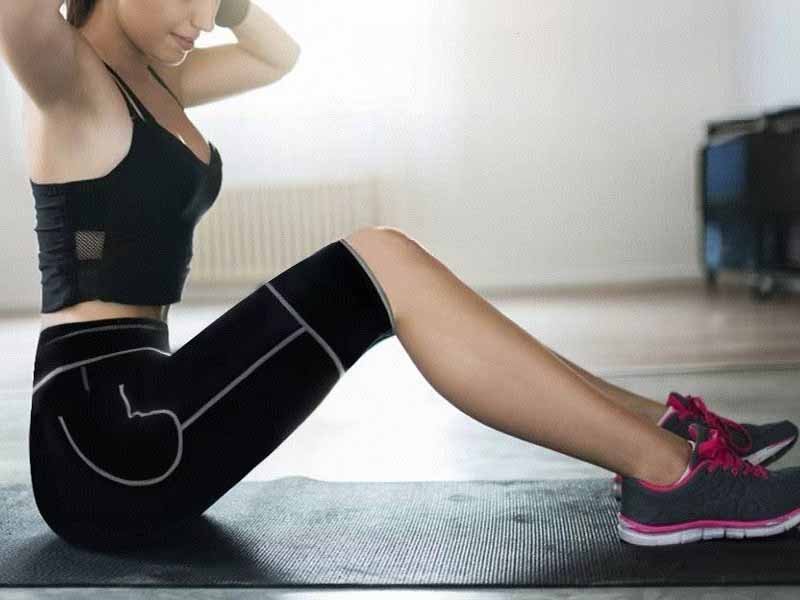
Imagine standing on the deck of a surfboard, the cold breeze whipping off an autumn lake, your legs already starting to shiver before you even plunge in. Then you slip on a pair of neoprene shorts—suddenly your lower body feels supported, warmer, more buoyant, and ready to tackle the water rather than brace against it. That simple piece of gear can transform the feel of your session: whether you’re surfing, paddle-boarding, training, or just going for a cold-water dip.
In short: neoprene shorts are specialized garments made from foam-rubber neoprene (often laminated with fabric) designed to provide insulation, buoyancy, compression or protection depending on the use-case. They bring together warmth, fit, mobility and versatility in one piece.
Let’s say you’re designing a new line of custom-logo neoprene shorts for a boutique water-sports brand. You’ll want to understand what they are, which types exist, how they differ by thickness and design, what materials and linings matter, how to find the right size and fit, and how to care for them. In this article we’ll dive into all those questions—giving you the depth and detail you need if you’re sourcing or manufacturing neoprene shorts (which is something we at Szoneier, with 18 years of neoprene R&D, do for global clients). So instead of just another generic overview, we’ll dig into actual fit-data, performance metrics, manufacturing considerations, and what your customers will actually ask—and expect. Stick with me through the next sections, and you’ll be ready to brief a custom neoprene short project with confidence.
What Are Neoprene Shorts and Which Uses Do They Serve?
Neoprene shorts are garments made from neoprene foam, typically 1–5 mm thick, often laminated with fabric, which offer insulation, buoyancy, compression and protection depending on design. They serve multiple uses—from water sports (surfing, triathlon, SUP) to gym training (sauna effect, muscle warmth) to tactical/industrial wear (hip/back support). Because neoprene is flexible, durable and insulating, these shorts suit environments where warmth, body-position, or muscle support matter.
Let’s explore the full scope of what neoprene shorts are—and then critically examine which uses make sense and where trade-offs exist.
1. Material & structure basics
Neoprene is a synthetic rubber (polychloroprene or similar) that in foam form has closed‐cell bubbles, giving it insulation, buoyancy and elasticity. When made into shorts, the foam is typically laminated with outer and/or inner fabrics (nylon jersey, spandex, thermal lining) to improve durability, comfort, printability and fit.
From a manufacturing viewpoint (like at Szoneier), the key parameters include: foam thickness (1–5 mm), fabric weight/backing, stretch direction, seam type, and finishing (edge binding, hem seal). These determine performance: warmth, buoyancy, compression, and aesthetic finish.
2. Uses in water sports
Arguably the most common location for neoprene shorts is in water sports: surfing, paddle-boarding, kiteboarding, open-water swimming, triathlon training. For example, one brand says the shorts “offer essential thermal protection … by trapping a thin layer of water between the fabric and your skin” for moderate to cool conditions. Another notes benefits: improved buoyancy, better body position, reduced drag, making them a training aid for swimmers.
From a manufacturing/marketing angle: if you supply neoprene shorts for water use, your clients will expect quick-dry backing, heat-sealed or flat-lock seams, strong waistband, and dimensional stability in wet conditions.
3. Uses in fitness/training/sauna effect
Beyond water, neoprene shorts are also used for gym training or “sweat” gear: the foam keeps muscles warm, provides compression, and helps hip/upper-leg support. One retailer describes them as “designed to give you warmth and help prevent injuries, strains and inflammation in the groin, hips, upper legs and lumbar spine.” That opens up a different set of design demands: moisture‐wicking liners, comfortable hems (to avoid chafing), and a fit that allows squats/lunges without restricting movement.
4. Specialized uses: tactical/industrial, medical/therapy
While less common, neoprene shorts may appear in protective workwear (hip/back support in manual labour), or therapeutic use (supporting hips/lower back with warmth/compression). The heat and compression properties of neoprene make it suitable for these applications as well.
From a sourcing viewpoint: when offering custom production for these niches, you must clarify additional requirements (fire retardancy, padding, reinforcing, special seam patterns, certification etc).
5. Trade-offs & critical considerations
While neoprene shorts offer many advantages, there are trade-offs to understand:
- Thickness = more warmth/buoyancy but less breathability and greater weight.
- Foam + fabric = less flexibility than lighter Lycra/nylon shorts in some cases; may feel “bulkier”.
- Good seams and edge finishing cost more, so custom manufacturing needs clear specification.
- Some uses (e.g., triathlon racing) may restrict neoprene thickness or buoyancy, so design must match regulatory requirements.
In summary: neoprene shorts are a versatile product category sitting at the intersection of material science, apparel design and function. Whether you’re targeting water sports or gym training, understanding what they are and which uses they serve is the foundation of specification and sourcing.
Which Types of Neoprene Shorts Exist Today?
Neoprene shorts come in distinct categories: water-sport/ buoyancy shorts (surf, SUP, triathlon), gym/sauna or compression shorts (strength training, sweat garments), tactical/industrial or therapeutic shorts (support/back hip wear), and lifestyle/fashion variants (biker-style, streetwear neoprene thickness). Within each category you’ll find men’s, women’s/unisex versions, differing rise/inseam, and specialized panel design. Choice depends on activity, thickness/backing, seam construction and branding detail.
Here we examine each major type of neoprene short in-depth, evaluate their design features, user needs, and implications for manufacturing & sourcing.
1. Water-sport / buoyancy shorts
These are typically designed for surfing, paddle-boarding, open-water swim training, and triathlon. Attributes: relatively short inseam (mid-thigh), flexible neoprene (2–3 mm), smoothskin or nylon jersey outer, sealed seams (blind-stitch, glued/taped). They often include thermal layer or smoothskin inside for insulation.
For example: the brand Orca describes its “Neoprene Shorts” as providing even more buoyancy than prior designs thanks to Aerodome panels. A user comment from r/triathlon explains:
“It keeps my hips and legs up so I drag less and honestly don’t even need to kick.” Reddit
Manufacturing note: when you at Szoneier produce for this category, you’ll specify: 2.5–3 mm foam, nylon jersey back, minimal bulk waistband, durable flatlock seams, and print/branding compatible surface. MOQ may be moderate, and sampling shows fit must work for swimming motion.
2. Gym/sauna/compression shorts
This is a fast-growing segment: users want neoprene shorts to raise body temperature, boost sweat, provide hip/leg/lower-back compression during squats/deadlifts. A supplier note: “designed to give you warmth and help prevent injuries … groin, hips, upper legs and lumbar spine.” Here we see slightly heavier foam (maybe 3–4 mm), perhaps shorter cut, wider hem for gym adherence, and maybe mesh or liner for sweat management.
From a sourcing point: branding may be more aggressive (bold prints, metallic zips, contrast hems), and you may need to consider sizing differently (athletic fit), patch pocket options, or even integrated loop for gym tags.
3. Tactical/industrial and therapeutic shorts
Less glamorous but important: neoprene shorts for support/back/hip use in environments where warmth, compression and durability matter (industrial workers, manual labour, rehabilitation). These shorts may use heavier foam (4–5 mm), reinforced panels, thicker fabric backing, high-visibility trims, protective pockets, and must meet durability or safety standards. Manufacturing implications: reinforcement, compliance testing, possibly higher minimums or extended lead-time.
4. Lifestyle/fashion variants
In recent years neoprene has entered fashion: bike-style neoprene shorts (e.g., “neoprene biker shorts”), casual streetwear layered over tights or used as outerwear. These may use thinner foam or even neoprene-look fabric (less foam). As a custom manufacturer, Szoneier could offer neoprene lounge/travel shorts, with branded logos, custom color blocking, and finish details (binding, zipper pockets). Here the priorities lean more on aesthetics and branding than pure function.
5. Men’s vs. Women’s vs. Unisex designs
While many neoprene shorts are unisex, differences in cut/fit matter: for women, rise, hip contour, inseam length, waistband width may vary. For men, perhaps a longer inseam or relaxed thigh width. Also size grading may differ (XS–XXL for lifestyle/gym; waist sizes for water-sport). When you provide custom manufacturing, having separate size charts for each gender helps avoid fit returns.
6. Manufacturing/ sourcing considerations across types
- Foam thickness/grade affects tooling, cost, and cutting method (thicker foam may need special die).
- Backing fabric specified per use: nylon jersey for water, heavier knit for gym.
- Seams: water sports may require taped/glued seams for waterproofing; gym shorts may favour flatlock with high comfort.
- Branding/finishing: water sports clients emphasise minimal print and streamlined fit; fashion clients emphasise bold logos and more stylized finishes.
- MOQ & sampling: smaller brands want low MOQ; Szoneier’s “low MOQ custom” promise fits well especially for lifestyle/fitness categories where runs are small.
In summary: recognising the type of neoprene short you’re dealing with—from surf to gym to fashion—is essential before specifying material, cut, finishing, branding, cost and lead-time. For your brand or sourcing project, clarify the type early, which informs all downstream decisions.
How Do Thickness, Stretch, and Panel Design Affect Fit and Performance?
Thickness, stretch/backing and panel design directly influence a neoprene short’s warmth, buoyancy, mobility and fit. Thinner foam (1–2 mm) gives high mobility, less insulation; medium (3–4 mm) balances; thicker (4–5+ mm) gives more warmth and buoyancy but less flexibility. Stretch/backing fabric controls recovery, fit and comfort. Panel design (number, shape, seams, gussets, inseam length) determines how the short moves with the body and how well it supports specific activities.
Let’s dig into the three core technical variables—thickness, stretch/backing and panel design—and examine how they shape performance, fit, manufacturing challenges, and how you might discuss them with your clients at Szoneier.
Thickness of foam core
A 1–2 mm foam is extremely flexible, lightweight, and ideal for warm water, lifestyle use or fashion neoprene shorts. The minimal foam means less insulation and less buoyancy, but high freedom of movement.
A 3–4 mm foam is a “sweet spot” for many water-sport neoprene shorts: offering enough insulation or buoyancy without overly restricting mobility. Many manufacturers use this thickness for multisport.
- A 4–5 mm or even layered foam (5+ mm) is reserved for colder water, heavy duty training or ballistic use (e.g., strongman gym garments). It provides the highest warmth/buoyancy/compression but the heaviest feel, slowest drying, and may require advanced manufacturing (die-cutting, special seams).
- From a sourcing/production vantage: foam thickness impacts cost (higher material cost, heavier shipping), cutting method (thicker foam may need dedicated tools), drying/shrinkage behaviour (thicker foam may trap water longer), and package volume/weight (shipping cost for finished product).
Stretch and backing fabric
The foam core alone has limited dimensional stability; the backing fabric adds stretch, comfort, printability and abrasion resistance. Fabrics could be nylon jersey, spandex composite, smoothskin, fleece liner, etc.
For example, yoga/fitness neoprene shorts may use spandex-rich backing for snug compression; water-sport shorts might use smoothskin backed with nylon jersey for slide and minimal drag.
Stretch direction matters: longitudinal vs. lateral stretch influences how the garment fits legs, hips and supports movement. For custom manufacturing, you need to specify “4-way stretch, recovery > 60% after 50 cycles” or similar metric to ensure durability and fit. Sell-sheet detail helps prevent mis-fit complaints.
From an asset viewpoint: backings affect print quality, handle temperature, and feel against skin. If clients want inside thermal fleece, that adds weight, alters fit, and may raise MOQ.
Panel design and seam construction
The number of panels, their shape, and seam types materially affect fit and performance. Fewer panels = simpler manufacturing, lower cost—but may yield less contoured fit or higher bulk at hips. Many high-end water-sport neoprene garments use 6–8 panels per leg to wrap around thighs/hips with ergonomic seams.
Gussets (e.g., crotch panel addition) improve mobility, especially for paddle-board, surfing or yoga movements. For gym/sauna shorts, a simpler inseam/crotch may suffice.
Seam types: flatlock (comfortable but water may seep), blind-stitch with glue/tape (better water performance but higher cost), welded seams or taped edges (premium). For neoprene shorts designed for open water, you may want taped seams; for gym use, flatlock is often adequate and more cost-efficient.
Inseam length, rise, waistband height—all contribute to fit. A low-rise fashion short will differ wildly from a high-rise surf short with waist-cinch. Custom manufacturing must give the size chart, pattern spec, prototype fit check, and reflect final shrinkage behaviour.
Fit & performance trade-offs
More foam = more insulation/buoyancy but heavier and may restrict movement; less foam = lighter but less warmth/buoyancy.
Tighter fit/backing stretch = better compression and sleek look but maybe less comfort for long sessions.
More panels & advanced seams = better fit but higher cost, longer sample time and often higher MOQ.
- Brands need to decide: is the priority mobility (gym/sauna), warmth/buoyancy (water sport), or fashion/branding (streetwear)?
Conclusion on this section
Thickness, stretch/backing fabric and panel/seam design are the core technical levers that determine how a neoprene short performs, feels and costs. When your client wants “custom neoprene shorts”, you must walk them through these variables—help them understand the trade-offs and decide what matters for their end-user. For Szoneier’s custom manufacturing model, this clarity builds trust: we deliver what the brand needs, not just “another neoprene short”.
Which Materials, Linings, and Coatings Should You Consider?
Materials (foam grade, fabric backing), linings (thermal fleece, smoothskin interior), and coatings (PU, DWR, anti-odor treatments) all affect comfort, durability, printing/branding and performance of neoprene shorts. Selecting the right combination depends on activity (water vs gym), branding goals (printability vs minimal look), and cost/lead time constraints.
Material selection is one of the most critical yet often under-specified parts of the custom neoprene short project. Let’s break down what to ask, what the trade-offs are, and how Szoneier guides clients through this.
1. Foam core material
Typically CR (chloroprene) or SBR (styrene-butadiene rubber) blends. CR tends to have better UV/resistance and durability, SBR is more cost-effective.
Density and durometer (i.e., foam stiffness) influence feel and performance: soft foam gives comfort, stiffer foam gives more structure/buoyancy. If clients want “spring effect” for gym training (e.g., for deadlifts), foam choice matters. One brand says their 2.5 mm gym neoprene shorts boost performance thanks to a spring-like effect.
For water sports, foam should resist compression, water absorption (<1 %), and maintain fit when wet.
From a factory perspective: ordering the correct foam roll, verifying lamination quality (foam-to-fabric bonding), and checking for delamination are all part of quality control (which you at Szoneier emphasise with “100% quality guarantee”).
2. Fabric backing and lining
- Outer/backing fabrics: nylon jersey, polyester, spandex blends, smoothskin (for wetsuit feel) are common. The choice affects comfort, printability, durability.
- Inner linings: Many water-sport neoprene shorts use smoothskin or thermal fleece inside to trap heat; gym shorts may use mesh or moisture-wick liners for sweat. For example, the “Avantopool neoprene shorts” are 2 mm with nylon jersey covering both sides for cold-water use.
- Print compatibility: If the brand wants bold logos/prints, ensure the backing fabric supports screen print, silicone print, heat transfer, or sublimation. Some smoothskins resist ink adhesion if not pre-treated.
- Comfort/breathability: A thick thermal fleece liner may be plush but increases weight & drying time. For gym use, a thinner liner with good moisture evaporation might be preferable.
3. Coatings and surface treatments
DWR (durable water repellent) coatings: useful for water extensions (reduces surface wet-cling).
Anti-odor/antibacterial treatments: gym clients may want these to resist sweat smell.
PU or laminated overlay (for branding or durability): fashion/lifestyle shorts may feature PU panels or glossy finishes, which raise cost and complexity.
- Edge coatings: For example, hem/binding edges might be heat-sealed or coated to avoid fraying.
4. Trade-off analysis for brands & manufacturers
Cost vs performance: High-end foil-laminated neoprene with thermal lining and PU prints costs significantly more than basic 1.5 mm jersey-back neoprene. Brands must decide which tier they target.
Lead-time and tooling: Some coatings/linings may require longer curing or special processing; may cause longer sample/production timelines.
Durability and warranty: If claiming “100% quality guarantee”, you must ensure material combinations pass durability tests (seam pull, flex fatigue, delamination).
- Sustainability: Some brands care about eco credentials—foam with less VOC, recycled lining, water-based coatings. As a factory, you can highlight your options for eco-friendly neoprene or low-odor adhesives.
5. Best-practice checklist for specification
When briefing a custom neoprene short, it’s wise to include:
Foam specification: thickness, density, closed-cell %, durometer
Fabric backing: composition, weight (gsm), stretch %, recovery %, color fastness
Liner requirement: fleece/mesh/smoothskin, properties (antibacterial, quick-dry)
Coatings: type (DWR, PU, anti-odor), AATCC or equivalent test spec
Print/branding compatibility: acceptable print methods, location, ink adhesion tests
Seam & edge treatment: flatlock/blind stitch, taped seams, binding, hem width
- In essence: selecting materials, linings and coatings is far more than “pick what looks good” — it influences function, cost, branding, supply chain and user experience. Getting this right keeps your clients happy, reduces rework and enhances your reputation for quality and speed.
How Do You Select the Right Size and Fit for Different Activities?
To select the right size and fit for neoprene shorts you must measure waist/hip/thigh, account for neoprene’s stretch and recovery, match fit to activity (e.g., tighter for gym, more relaxed for surf), and perform movement tests (squat, lunge, paddle stance). Specs should include size chart (in cm/inches), rise/inseam, panel width, waistband width, and tolerance for shrinkage/wet-state behaviour.
Fit and sizing are often where custom neoprene products either win over clients or generate returns and complaints. Let’s break down what you need to consider—and how Szoneier’s manufacturing process supports correct sizing.
1. Understanding neoprene’s stretch and recovery
Unlike standard woven fabrics, neoprene foam backing has inherent elasticity and recovery behaviour. The fabric laminate may have 4-way stretch, but over time the foam may compress or sag if poorly specified. Therefore:
Specify stretch % (e.g., 40% longitudinal, 30% lateral) and recovery after X cycles.
Consider “wet state shrinkage” or “wet creep” – many water-sport shorts will go in water, so post-wet dimensions matter.
For gym/sauna shorts, compression fit is key: the garment must hold shape under movement, not loosen after a few sessions.
Sizing must reflect that you may need one size down compared to regular shorts due to snug fit of neoprene. Provide measurement instructions: e.g., measure waist at navel, hips at widest point, thigh at 5 cm below crotch.
2. Size chart and grading
- Provide size chart in both cm and inches, specifying waist/hip/thigh/inseam. Example:
| Size | Waist (cm) | Hip (cm) | Thigh (cm) | Inseam (cm) |
|---|---|---|---|---|
| S | 71–76 | 94–99 | 55–57 | 18 |
| M | 76–81 | 99–104 | 57–60 | 18 |
| L | 81–86 | 104–109 | 60–63 | 18 |
- Clearly state tolerance (e.g., ± 0.5 cm) and whether size is measured dry or wet.
- Grading table: for custom production you must decide how incrementally sizes increase (e.g., small to medium add +5 cm waist, +4 cm hip). Communicate this early in spec sheet.
3. Fit targets by activity
- For surf/water sports: fit should be snug but not restrictive; waistband must stay in place during paddling; leg openings should avoid “ride up” when prone. Try-on test: squat on board, do paddle motion—does short stay flush?
- For gym/sauna: fit may be tighter, with emphasis on compression and minimal bulk. Try-on test: squat/lunge with weights, check if waistband rolls down, if fabric bunches, or seams pull.
- For lifestyle/fashion: fit might mimic bike shorts – higher rise, shorter inseam, perhaps loop-pocket or zip detail. Comfort and mobility still matter since consumer will wear casually.
4. Movement & performance testing
- Sample garments should be put through movement tests: squat to 90°, bend forward 45°, lunge sideways. Inspect for seam strain, waistband slipping, foam bulge, and hem movement.
- Water for surf models: wet test – do 10 paddle strokes, 10 surf pop-ups, and observe if short shifts, waistband digs, water gets trapped, or buoyancy affects posture oddly.
- Gym test: 5 heavy squats, 3 clean-and-jerks, check silent ride-up, hem pressure, waistband comfort.
- Collect feedback from test users (e.g., 10 male/10 female) and include feedback in spec sheet.
5. Fit tolerance, shrinkage and final size
- Neoprene may shrink slightly on first use or after washing. Provide care instructions (rinse, hang to dry, avoid heat) and factor in first-wash shrinkage (~1–2 %).
- Provide pre-wash dimensions in spec, and post-wash expected change. Ensuring clients know this reduces surprise returns.
- For custom production at Szoneier: include in the tech-pack a “fit confirmation step” at first pre-production sample: measure waist/hip/inseam post-wash, sign-off before full run.
In summary: selecting the right size and fit for neoprene shorts is a multi-step process involving initial measurement, activity-specific fit target, movement/wear testing, and clear communication of shrinkage/tolerance. For custom‐manufacturing clients, your guidance here can make the difference between a successful product launch or a fit problem return.
Are Neoprene Shorts Safe and Comfortable—And What Care Do They Need?
Neoprene shorts are safe and comfortable when properly specified: they provide warmth and compression but must balance breathability, mobility and correct fit to avoid chafing or overheating. Care involves rinsing after use, avoiding high heat drying, storing flat or hung, and avoiding sharp edges or chemicals that degrade foam. Lifespan depends on foam thickness, use frequency and care—brands should clarify expected usage cycles (e.g., 50 wet sessions, 100 gym sessions).
Let’s explore safety, comfort and care in detail—especially because end-users often assume “neoprene = water suit” and forget maintenance or fit issues.
1. Safety and comfort concerns
Fit too tight = reduced circulation, overheating, discomfort; fit too loose = ride-up, poor support, chafing. Good waistband design, smooth lining, and proper sizing mitigate this.
Thermal load: In gym use, neoprene will trap heat and may lead to excessively high core or skin temperature. Ensure fabric backing has moisture-wicking liner or venting if used for “sweat” training. In water use, too much insulation in warm water may cause overheating or fatigue. Choose thickness accordingly.
Skin-contact fabric: backs may irritate skin if not soft enough or if seams are rough. For example, smoothskin inside may feel less comfortable on bare skin than jersey-lined foam. Evaluate lining.
Movement and seams: Seams must be smooth and positioned to avoid abrasion at hips/inner thighs. Edge binding must be flat and well-finished. Poor seam can cause blistering or discomfort during movement.
Safety standards: For tactical or industrial neoprene shorts, ensure compliance with relevant standards (e.g., abrasion resistance, flame resistance if needed). For water sports, ensure buoyancy claims are tested and labelled properly.
2. Comfort features and design choices
Waistband design: wide elastic, often laminated to neoprene, with draw-cord or secure fit. For brands: specify waistband width (e.g., 40 mm), elastic strength (N/mm), comfort finish (soft knit outside).
Hem/leg opening: should lie flat, not roll or dig; some water-sport shorts use smoothskin leg cuffs for seal, gym shorts may use wider hem with silicone gripper.
Liner comfort: fleece inside adds warmth and plush feel; mesh liner adds airflow and comfort for gym use. Choose lining per use case.
Compression vs mobility balance: gym shorts may prioritise compression; water-sports prioritise mobility with minimal restriction. Define target (e.g., thigh circumference reduction of 5 % in compression version).
3. Care & maintenance
Rinse immediately after use in fresh water; especially after pool (chlorine) or salt water. Foam and backing can degrade with chemicals.
Hang to dry in shade; avoid direct sunlight for extended periods (UV can degrade neoprene foam) or high-heat (dryer).
Store flat or hung: folding for long periods may cause crease or collapse of foam cells.
Avoid contact with oils, solvents, sharp surfaces: neoprene can be cut or damaged by sharp pool edges, rough concrete, Velcro.
Inspect seams regularly: if you observe delamination (backing lifting), foam cracking, or binding loosening—consider taking out of service.
- Lifespan: depends on thickness, use frequency and conditions. For example: a 3 mm water-sport short used weekly in salt water may last 2–3 seasons; a gym short used daily may compress faster but get heavy use. Brands can set user expectations accordingly.
4. Comfort & safety for different uses
Water use: ensure fit prevents water flushing (cold water entering leg openings) and that waistband doesn’t ride down when paddling. Good fit and seam sealing improve thermal safety.
Gym use: ensure waistband and hem don’t dig during heavy lifts; ensure liner doesn’t bunch or trap sweat leading to chafe. Compression comfort matters.
Lifestyle use: comfort for extended wear; ensure breathable liner if used casually; make sure fit does not restrict movement while walking/sitting.
Also: Differentiation. Many poor-quality neoprene shorts enter market with thin foam and weak seams, and users complain of ride-up, foam compression, or discomfort. By emphasising safety & comfort—and giving end-users care guidance—you can reduce return rates, enhance brand loyalty for your clients, and position Szoneier’s custom manufacturing as premium.
In essence: neoprene shorts can be safe and comfortable—but only if the design, materials, fit, seams and user care are all aligned. As a manufacturer you’re selling not just the product, but the experience and lifespan behind it.
Conclusion
Throughout this guide we’ve covered what neoprene shorts are, which types exist, how thickness, stretch and panel design affect performance, what materials/linings/coatings to consider, how to get the right size and fit, and how to ensure safety, comfort and care. For brands, sports teams, gym apparel lines or custom outfitting, understanding these details is not optional—it’s what separates a premium product from a mediocre one.
At Szoneier, with more than 18 years of experience in neoprene R&D, manufacturing and global export, we specialise in custom / private-label / OEM/ODM neoprene shorts (and a full suite of neoprene products: bags, koozies, gloves, covers, wetsuits etc). We offer free design assistance, low MOQ, fast sampling, and 100% quality assurance—with short lead times and the ability to work with both smaller niche brands and high-end global clients.
If you’re considering launching a line of neoprene shorts and want a partner who understands the material, fit, manufacturing constraints, branding requirements, and shipping/logistics—reach out to us at Szoneier today. Let’s take your idea from concept to production with clarity, precision and quality. Your custom neoprene shorts—designed for your brand’s performance, look and market—are only one specification conversation away.
What Can I Do For You?
Here, developing your OEM/ODM private label leather goods collection is no longer a challenge,it’s an excellent opportunity to bring your creative vision to life.