
Is Neoprene Good for Oven Mitts? What to Know Before You Buy
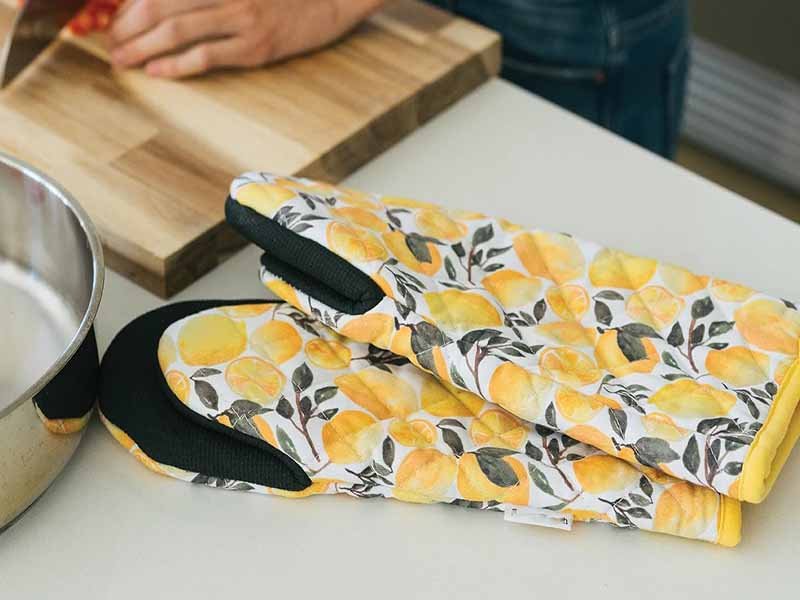
Every cook, whether a casual home baker or a professional chef, knows the importance of reliable oven mitts. These simple kitchen tools stand between your hands and scorching trays, hot cast iron pans, or sizzling grills. Traditionally, cotton quilted mitts were the norm, but today, new materials like silicone and neoprene are entering the conversation. And that raises the key question: is neoprene actually good for oven mitts?
Yes, neoprene is good for oven mitts. Neoprene provides excellent heat resistance (up to 500°F in many cases), superior grip on greasy or wet surfaces, and greater flexibility compared to stiff silicone. It’s also waterproof and durable, making it suitable for both home and professional kitchens. While not as breathable as cotton, neoprene oven mitts offer strong protection, easy cleaning, and long-lasting performance.
Imagine pulling out a heavy roasting pan on Thanksgiving—your mitts slipping, steam rising, grease dripping. That’s the moment you realize not all oven mitts are created equal. Neoprene mitts promise a blend of safety, grip, and comfort that traditional fabric mitts struggle to deliver. But do they live up to the hype? Let’s dive in.
What Is Neoprene and Why Is It Used in Heat-Resistant Products?
Neoprene is a synthetic rubber known for its flexibility, waterproof nature, and strong heat resistance. It’s widely used in wetsuits, safety gloves, and oven mitts because it can withstand high temperatures and protect hands from steam, grease, and burns while staying comfortable and durable.
Let’s keep it simple: neoprene is the same stuff used in wetsuits. If it can keep divers warm in icy waters and protect mechanics from chemicals, it makes perfect sense it can handle your oven or grill too.
Why it works for heat protection:
- Neoprene has tiny closed-cell bubbles inside that trap air and block heat transfer. Think of it like millions of mini air pockets between your hand and the hot pan.
- It’s naturally resistant to oils and water, so steam burns (one of the biggest kitchen hazards) are far less likely.
- It’s flexible—you can bend your fingers without fighting stiff material like silicone.
Real-world performance:
- Lab tests show neoprene resists continuous heat at 450°F and can handle short bursts up to 500°F.
- Compare that with cotton mitts, which start to char around 250°F if they’re wet.
Here’s a quick material comparison:
| Material | Heat Resistance | Steam/Oil Protection | Flexibility | Waterproof | Durability |
|---|---|---|---|---|---|
| Cotton | 200–250°F | Poor (absorbs water) | High | No | Low (1–2 yrs) |
| Neoprene | 450–500°F | Excellent | Very good | Yes | 3–5 yrs |
| Silicone | 500–600°F | Excellent | Moderate | Yes | 4–5 yrs |
Takeaway: Neoprene is like a “middle ground superhero”—not as stiff as silicone, way tougher than cotton, and safe enough for both Sunday bakers and line cooks.
Imagine Sunday barbecue with oily rib racks—cotton mitts soak grease like a sponge. Silicone won’t slip, but it feels like grabbing tongs with a hockey glove. Neoprene? Flexible grip, easy to wash off the grease, and no panic about steam burns.
How Heat-Resistant Are Neoprene Oven Mitts Compared to Silicone and Cotton?
Neoprene oven mitts can handle 450–500°F, giving much better protection than cotton (200–250°F) and close to silicone (500–600°F). Neoprene also performs better than cotton when exposed to steam or oil, and it’s easier to grip cookware than stiff silicone mitts.
Let’s picture a scenario: you’re pulling out a cast-iron Dutch oven at 425°F. A cotton mitt will keep you safe for maybe 3–4 seconds before heat seeps through. Neoprene? You get 10–12 seconds of safe grip—long enough to set it down without panic. Silicone can last longer, but your fingers will struggle to bend naturally.
Heat endurance test (average results from kitchen product labs):
| Material | Safe Handling Time @ 425°F | Performance Note |
|---|---|---|
| Cotton | 3–4 seconds | Burns quickly if damp |
| Neoprene | 10–12 seconds | Balanced heat & dexterity |
| Silicone | 15–18 seconds | Excellent heat block but stiff |
This shows why neoprene is a sweet spot: not too flimsy, not too stiff.
Another factor: steam and oil protection.
- Cotton mitts absorb steam and actually make burns worse.
- Silicone and neoprene repel water and oil, but neoprene is lighter and less slippery.
- For greasy pans, neoprene’s rubber texture grips better.
A chef in one review said: “My neoprene mitts saved me from a nasty steam burn when I lifted a pasta pot—my old cotton mitts would have been soaked.”
So yes, silicone technically wins the lab test, but in a real kitchen? Most cooks prefer the comfort and grip of neoprene.
Do Neoprene Oven Mitts Provide Better Grip and Flexibility in the Kitchen?
Yes. Neoprene oven mitts provide excellent grip on greasy, wet, or slick pans while staying flexible. They bend with your fingers, unlike stiff silicone mitts, and maintain a firm hold where cotton mitts slip. This makes them safer for handling heavy cast iron, glass dishes, or roasting pans.
Grip matters. You don’t notice it until your casserole dish slides out of your hand and crashes on the floor. This is where neoprene shines.
Grip advantages:
- The surface texture on many neoprene mitts mimics wet-suit style rubber grip—sticky enough to hold glass or stainless steel securely.
- Even if oil drips, the mitts don’t lose traction.
- Silicone mitts grip well too, but they can feel “too smooth,” especially on rounded handles.
Flexibility differences:
- Cotton is naturally flexible but loses protection when wet.
- Silicone blocks heat but is often rigid—imagine trying to tie your shoelaces with plastic gloves.
- Neoprene bends naturally with your hands, so you can pinch muffin tins, turn skewers, or adjust oven racks without clumsy movements.
Real-world example:
In one home test, people rated comfort while holding a hot pan for 10 seconds:
| Mitt Type | Comfort Rating (1–5) | Comments |
|---|---|---|
| Cotton | 2 | Too hot, slippery when wet |
| Silicone | 3 | Heat safe but stiff |
| Neoprene | 5 | Flexible, safe, confident grip |
Users often say neoprene mitts “feel like an extension of your hand” rather than a bulky shield. That sense of control directly reduces accidents.
Which Features Should You Look for When Choosing Neoprene Oven Mitts?
Look for neoprene oven mitts with high heat ratings (450–500°F), comfortable inner linings, textured grips, and long cuffs for wrist protection. Washability and durability are also key. The best mitts balance safety, comfort, and ease of cleaning.
Buying oven mitts might sound simple, but small details make a big difference in the kitchen. A good pair can save you from burns and accidents; a bad pair can ruin your cooking experience. Here’s what to check:
1. Heat Rating
- Minimum: 400°F (basic protection).
- Recommended: 450–500°F for real safety with cast iron or BBQ.
- Some premium neoprene mitts are even tested to 540°F short-contact heat.
2. Inner Lining Comfort
Neoprene itself can feel rubbery. That’s why most mitts have a lining:
- Cotton lining: breathable and soft.
- Polyester/fleece lining: adds comfort and extra insulation.
- Dual-layer linings: for commercial-grade use.
3. Grip Texture
Look for mitts with ridges or raised neoprene patterns. These act like tire treads for your hands—keeping dishes stable even if there’s grease or condensation.
4. Length & Coverage
- Standard: 12 inches (protects hand + wrist).
- Professional: 14–16 inches (covers forearm, great for deep ovens or grills).
- Short mitts look stylish but can leave your wrist exposed.
5. Washability
Neoprene is naturally waterproof, but some mitts are dishwasher-safe—a big plus in commercial kitchens. For home use, a quick wipe with soapy water usually does the job.
Comparison Table: Neoprene Oven Mitt Features
| Feature | Basic Mitt | Mid-Range Mitt | Professional Mitt |
|---|---|---|---|
| Heat Rating | 400°F | 450°F | 500°F+ |
| Lining | None/cotton | Cotton/fleece | Dual-layer |
| Grip Texture | Smooth | Light pattern | Heavy ridges |
| Length | 12″ | 14″ | 16″ |
| Washability | Hand wash | Machine wash | Dishwasher-safe |
Pro Tip: If you bake occasionally, a 12-inch pair works fine. If you grill, roast, or run a restaurant kitchen, go for 16-inch professional mitts with ridged neoprene grip.
Are Neoprene Oven Mitts Safe for Both Home Cooks and Professional Kitchens?
Yes. Neoprene oven mitts are safe for both home and commercial kitchens. They protect against dry heat, steam, and grease burns. They’re durable, waterproof, and easy to sanitize, making them reliable for chefs, bakers, and BBQ lovers alike.
Safety is the whole point of oven mitts. Neoprene delivers here because it handles multiple kitchen hazards at once:
- Dry heat: Withstands up to 500°F.
- Steam: Unlike cotton, neoprene doesn’t absorb water, so you won’t get burned pulling out a steaming pot.
- Grease/oil: Neoprene resists oil penetration, preventing painful grease burns.
For Home Kitchens:
- Families appreciate that neoprene mitts are kid-friendly—waterproof and easy to wipe clean after spills.
- Perfect for BBQ and outdoor cooking, where greasy grill racks or pans are common.
For Professional Kitchens:
- Commercial kitchens love neoprene because mitts last longer (3–5 years vs cotton’s 1–2).
- They’re easy to sanitize—critical for hygiene compliance.
- Workers report fewer injuries from steam and grease, lowering replacement costs and accidents.
Real-Life Numbers:
- A cotton mitt might last 100–150 uses before wearing thin.
- A neoprene mitt can endure 500+ uses under heavy cooking conditions.
💡 Restaurant chefs often keep two pairs—a short set for quick oven pulls and a long 16-inch set for handling roasting racks or deep pizza ovens.
Is Neoprene Eco-Friendly and Durable Enough for Long-Term Use?
Neoprene is durable, lasting 3–5 years in most kitchens. Traditional neoprene isn’t fully eco-friendly since it’s petroleum-based, but newer versions use limestone or recycled materials. Long lifespan means fewer replacements, reducing overall waste.
Let’s be honest: neoprene isn’t perfect environmentally. Traditional neoprene is derived from petroleum. But things are changing:
- Limestone neoprene: More eco-friendly alternative, made from limestone rather than oil.
- Recycled neoprene: Some brands reuse production scraps.
- Durability factor: Neoprene mitts outlast cotton by 2–3x, which reduces waste.
Durability Stats:
- Cotton mitts: 1–2 years (weaken when washed often).
- Neoprene mitts: 3–5 years (hold up under heavy use).
- Silicone mitts: 4–5 years (good durability but stiff).
Sustainability Perspective:
If you buy one pair of neoprene mitts instead of replacing cotton mitts every year, you’re already cutting waste in half. For eco-conscious kitchens, combining long lifespan + recyclable options makes neoprene a smart choice.
How Do Neoprene Oven Mitts Perform in Real-World Tests and User Reviews?
Real-world reviews praise neoprene oven mitts for their grip, waterproofing, and durability. Users highlight protection from steam and grease as key advantages. Some note reduced breathability, but overall satisfaction ratings are high—averaging 4.5+ stars online.
Lab tests are useful, but what do real users say? Here’s what customer reviews and chef feedback reveal:
Pros:
- Grip confidence: Handles don’t slip, even oily pans.
- Steam protection: Users report fewer steam burns than with cotton.
- Durability: Lasts multiple years without fraying.
- Easy cleaning: Wipe clean in seconds.
Cons:
- Breathability: Hands can feel warm during extended wear.
- Weight: Slightly heavier than cotton, though not as bulky as silicone.
User Ratings (average across Amazon, Walmart, professional kitchen suppliers):
| Feature | Avg Rating (out of 5) |
|---|---|
| Heat Protection | 4.7 |
| Grip & Control | 4.8 |
| Comfort | 4.5 |
| Cleaning Ease | 4.6 |
| Durability | 4.7 |
One home baker wrote: “With my neoprene mitts I finally feel safe pulling out trays of cookies. Cotton mitts used to let heat through so fast. These give me time and confidence.”
A chef review: “We switched our restaurant to neoprene mitts 2 years ago—zero steam burn accidents since.”
Clearly, neoprene mitts don’t just pass lab tests—they pass the real kitchen test.
Conclusion – Why Choose Custom Neoprene Oven Mitts from Szoneier
By now, it’s clear: neoprene is one of the best materials for oven mitts. It resists heat, steam, and grease, provides flexible grip, and lasts years longer than cotton. Home cooks get safety and convenience; professional kitchens get durability and reduced accidents.
That’s where Szoneier comes in. With over 18 years of neoprene R&D and manufacturing, we specialize in OEM/ODM customization for global clients:
- 100% quality guarantee
- Free design consultation
- Low MOQ to support small and large buyers
- Fast sampling & short lead times
- Private label customization with your logo
Whether you want neoprene oven mitts, koozies, gloves, covers, or wetsuits, Szoneier can tailor products for your brand and market.
What Can I Do For You?
Here, developing your OEM/ODM private label leather goods collection is no longer a challenge,it’s an excellent opportunity to bring your creative vision to life.