 Skip to content
Are Neoprene Laptop Sleeves Good: A Complete Guide
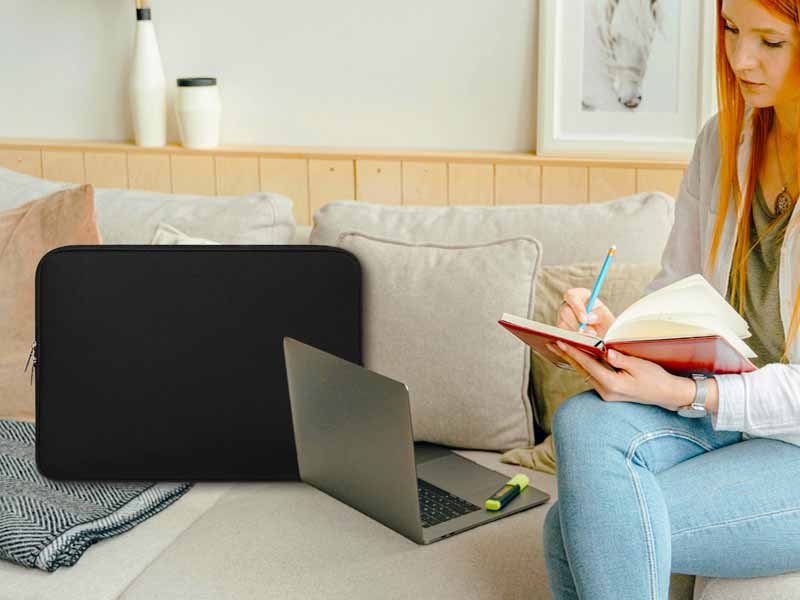
If you’ve shopped for laptop accessories recently, you’ve probably seen neoprene laptop sleeves everywhere — from Amazon listings to Apple store shelves to corporate gifting catalogs. But here’s the real question buyers ask: Are they actually any good for protecting your expensive tech, or are they just another trendy accessory?
Yes, neoprene laptop sleeves are good for shock absorption, water resistance, and portability at a reasonable price. They protect devices from scratches, light impacts, and spills while staying lightweight and stylish. However, they’re not designed for heavy-duty impact protection like hard-shell cases.
Now picture this: a startup orders 5,000 branded neoprene sleeves for a product launch. Three months later, their marketing team reports zero complaints about sleeve quality, plus social media buzz from customers sharing photos. Why? Because the sleeves were practical, protective, and customizable. That’s the power of choosing the right material — and in this guide, we’ll break it all down so you can make the best decision for your business or personal needs.
What Is Neoprene and Why Is It Used for Laptop Sleeves?
Neoprene is a synthetic rubber known for its flexibility, water resistance, and cushioning properties. These qualities make it ideal for laptop sleeves that need to be lightweight yet protective against scratches, minor bumps, and everyday spills.
Neoprene was first developed in the 1930s as an oil-resistant rubber alternative. Today, it’s widely used in wetsuits, medical supports, and protective gear because it combines elasticity, insulation, and durability.
Key Properties of Neoprene Relevant to Laptop Sleeves
| Property | Why It Matters for Laptop Protection | Comparison vs. Fabric & Leather |
|---|---|---|
| Water Resistance | Resists rain, coffee spills, and splashes | Better than cotton/fabric, similar to PU |
| Shock Absorption | Closed-cell foam cushions against minor drops | Better than polyester, less than hard shells |
| Flexibility & Weight | Stretches to fit snugly, remains lightweight | Lighter than leather or rigid shells |
| Custom Printing | Supports heat transfer, sublimation, and screen printing | More options than canvas or leather |
| Cost Efficiency | Affordable for bulk orders & giveaways | Cheaper than leather, mid-range vs polyester |
Why Neoprene Became the Go-To for Laptop Sleeves
- Protection vs. Portability Balance:
- Unlike bulky hard-shell cases, neoprene sleeves offer moderate protection without adding weight or rigidity.
- Perfect for students, professionals, and travelers carrying laptops in backpacks or briefcases.
- Water Resistance:
- Spilled coffee? Light rain? Neoprene’s closed-cell structure prevents liquid penetration better than woven fabrics like polyester or cotton.
- Cost-Effectiveness:
- Mass production + simple stitching methods = lower cost per unit for businesses ordering promotional sleeves.
- Customization Potential:
- Corporate logos, school mascots, or retail branding all work well on neoprene surfaces through heat transfer or sublimation printing.
Are Neoprene Laptop Sleeves Good for Shock and Impact Protection?
Yes. Neoprene laptop sleeves provide moderate shock and impact protection thanks to their closed-cell foam structure, which cushions laptops from minor bumps, scratches, and everyday handling risks. However, for extreme drops or rugged environments, hard-shell or hybrid cases offer better impact resistance.
Understanding Impact Protection with Neoprene
Laptop owners care about one thing above all: protection against damage. Neoprene’s unique physical properties make it well-suited for shielding laptops from light shocks, surface scratches, and bag collisions — but it’s not indestructible.
Key Protection Features: Neoprene vs. Other Materials
| Feature | Neoprene Sleeves | Polyester Sleeves | Hard-Shell EVA Cases | Leather Sleeves |
|---|---|---|---|---|
| Shock Absorption | Good (soft foam absorbs light impacts) | Low (minimal padding) | Excellent (rigid structure) | Moderate (depends on lining) |
| Scratch Protection | Excellent (soft inner lining) | Moderate (fabric interiors) | Excellent | Excellent |
| Drop Resistance | Limited (2–3 ft accidental drops) | Very Limited | High (5–6 ft tested) | Limited |
| Weight & Bulk | Lightweight, flexible | Very lightweight | Heavier, less portable | Moderate weight |
| Price Range | $$ Affordable | $ Budget-friendly | $$$ Higher-end | $$$ Premium |
How Neoprene Absorbs Shock
- Closed-Cell Foam Structure
- Acts like a cushion: compresses under pressure, then returns to shape.
- Prevents direct impact forces from transferring to the laptop surface.
- Soft Lining Materials
- Many neoprene sleeves have microfiber or fleece linings, reducing scratches from zippers or small debris inside bags.
- Edge-to-Edge Coverage
- Unlike backpack compartments, sleeves provide 360° protection, including corners — the most vulnerable points during accidental drops.
Pro Tip for Bulk Buyers
- Thicker neoprene (5 mm vs. 3 mm) → Better shock absorption but slightly heavier.
- Stitched edges instead of glued seams → Longer-lasting under frequent use and cleaning.
Szoneier advises bulk customers on material thickness, stitching methods, and lining fabrics to balance protection, weight, and cost efficiency.
Do Neoprene Sleeves Provide Water Resistance and Weather Protection?
Yes. Neoprene laptop sleeves offer excellent water resistance against light rain, spills, and humidity because of their closed-cell structure. However, they are not 100% waterproof, so laptops should be removed during heavy downpours or full submersion scenarios.
Neoprene and Water Resistance for Laptop Protection
One reason neoprene gained popularity for laptop sleeves is its hydrophobic closed-cell foam structure, meaning water cannot easily penetrate. Unlike woven fabrics, neoprene does not absorb moisture, making it ideal for commuters, students, and travelers.
Water Resistance Comparison Table
| Feature | Neoprene Sleeves | Polyester Sleeves | Hard-Shell EVA Cases | Leather Sleeves |
|---|---|---|---|---|
| Rain & Spill Protection | High (closed-cell structure) | Moderate (needs coating) | Excellent (rigid shell + coating) | Moderate (treated leather only) |
| Humidity Resistance | Excellent (no fabric absorption) | Low (absorbs moisture) | Excellent | Moderate (prone to mildew) |
| Full Waterproofing | No (zippers & seams leak under water) | No | Some models with seals available | No |
| Drying Speed | Fast (non-absorbent) | Slow (retains water in fibers) | N/A (water runs off surface) | Slow if untreated |
| Maintenance Effort | Low | Moderate (requires DWR coating) | Low | High (conditioning needed) |
Why Neoprene Excels in Weather Protection
Closed-Cell Foam Design:
Each cell in neoprene is sealed and independent, so water can’t spread through the material.
Quick-Drying Surface:
Even after spills, neoprene dries fast because liquid sits on the surface rather than soaking in.
Temperature Resistance:
Neoprene provides insulation, keeping laptops safe from sudden temperature changes like cold rain followed by indoor heating.
How Does Neoprene Compare to Other Materials in Weight, Style, and Cost?
Neoprene laptop sleeves balance affordability, durability, and style flexibility better than most alternatives. They’re lighter than leather cases, more water-resistant than polyester, and cheaper than hard-shell EVA or leather options—making them ideal for mid-range protection with branding potential.
Laptop sleeve buyers usually juggle three factors: cost, performance, and aesthetics. Neoprene sits comfortably in the mid-range of all three, which explains its dominance in the custom laptop sleeve market.
Material Comparison Table: Weight, Cost & Style Options
| Material | Avg. Weight (13” Sleeve) | Cost Range (Bulk Orders) | Water Resistance | Style Options | Ideal Use Case |
|---|---|---|---|---|---|
| Neoprene | 180–250 g | $3–$8 per unit | High | Full-color prints, logos, patterns | Corporate gifts, retail mid-range sleeves |
| Polyester | 150–200 g | $2–$6 per unit | Moderate (coated) | Sublimation prints, budget styles | Low-cost retail, student markets |
| Hard-Shell EVA | 350–450 g | $7–$15 per unit | Excellent | Limited prints, embossing | Premium retail, rugged travel cases |
| Leather | 400–600 g | $15–$50 per unit | Moderate (treated) | Luxury embossing, minimal prints | High-end executive accessories |
| Canvas/Cotton | 250–300 g | $4–$10 per unit | Low (non-treated) | Screen printing, basic patterns | Eco-friendly or artisanal product lines |
Key Takeaways for Bulk Buyers
- Weight:
- Neoprene offers light portability for daily commuting.
- Hard-shell EVA provides better protection but adds bulk and weight.
- Leather sleeves, while stylish, are heavier and costlier to ship in bulk.
- Cost:
- Polyester wins on price, but lacks the premium feel and water resistance of neoprene.
- Neoprene delivers mid-range pricing with high functionality—perfect for companies needing quality without luxury costs.
- Style Options:
- Neoprene supports heat-transfer, sublimation, and silk-screen printing for full-color branding.
- Leather only allows embossing or foil stamping, limiting vibrant brand expression.
Are Neoprene Laptop Sleeves Safe for Device Heat and Ventilation?
Yes, neoprene laptop sleeves are safe for everyday use, but they should not be used while the laptop is charging or under heavy load. Neoprene insulates heat, so laptops should be removed during extended operation to avoid trapped heat buildup.
Heat & Ventilation Considerations for Neoprene Sleeves
One common myth about neoprene laptop sleeves is that they cause overheating. The truth is no sleeve—neoprene or otherwise—provides active cooling. But because neoprene has insulating properties, users need to follow simple best practices to keep devices safe.
Material Heat Retention Comparison Table
| Material | Heat Insulation Level | Risk if Used While Charging | Cooling Vent Access | Recommended Usage Practice |
|---|---|---|---|---|
| Neoprene | Moderate (closed-cell foam) | Possible heat buildup if zipped | None (sleeve fully enclosed) | Remove laptop while charging or gaming |
| Polyester | Low (woven fabric) | Less insulation, cooler airflow | Some airflow through fabric | Safe for light charging, not for heavy use |
| Hard-Shell EVA | Moderate–High (rigid shell) | Can trap heat if tightly sealed | Limited ventilation | Open case during charging sessions |
| Leather | Moderate (non-breathable) | Similar to neoprene | No vent openings | Remove laptop during prolonged use |
Why Heat Buildup Happens in Any Sleeve
- Insulating Properties:
- Neoprene’s closed-cell foam locks in air pockets, great for impact absorption but not ideal for cooling.
- Enclosed Designs:
- Most sleeves fully wrap laptops for protection, leaving no room for ventilation fans to work effectively.
- Device Operating Heat:
- Modern laptops throttle performance or trigger thermal shutdowns if temperatures get too high, regardless of sleeve material.
Best Practices for Safe Use
- Remove Laptops During Charging: Prevents unnecessary heat accumulation inside sleeves.
- Allow Cooldown Before Storage: After gaming or video editing, wait a few minutes before zipping up the sleeve.
- Choose Sleeve Thickness Wisely: Thinner neoprene (3 mm) insulates less than 5 mm premium sleeves—fine for most office users.
- Dual-Zipper Designs: Some Szoneier sleeves offer partial-open modes, allowing laptops to cool while stored.
Do Neoprene Sleeves Support Custom Printing and Branding?
Yes, neoprene laptop sleeves are ideal for custom printing and branding. They support techniques like screen printing, heat transfer, and sublimation for logos, patterns, and promotional graphics, making them popular for corporate gifts, retail products, and event merchandise.
Branding Potential of Neoprene Laptop Sleeves
One major reason neoprene sleeves dominate the corporate gifting and retail promotional markets is their smooth, printable surface. Unlike woven fabrics, neoprene allows for high-resolution graphics and vivid colors, offering brands multiple customization options.
Branding Technique Comparison Table
| Branding Method | Suitability for Neoprene | Visual Quality | Cost Efficiency (Bulk Orders) | Durability (Wash Resistance) | Typical Use Cases |
|---|---|---|---|---|---|
| Screen Printing | Excellent for simple logos | 1–2 colors, sharp edges | High (low setup cost) | Good (mild washing only) | Budget promotional events, startups |
| Heat Transfer Vinyl | Excellent for small batches | Full-color, bright finish | Moderate (per-piece cost higher) | Very Good (if air-dried) | Limited edition products, corporate gifting |
| Sublimation Printing | Excellent for full-color designs | Photorealistic patterns | High (bulk-friendly) | Excellent (colors resist fading) | Retail product lines, fashion markets |
| Embroidery | Limited (thicker material) | Premium, tactile finish | Higher cost per piece | Excellent (long-lasting) | Luxury lines, executive gifting |
Why Neoprene Works So Well for Branding
- Smooth, Even Surface:
- No fabric weave interruptions → perfect for sharp logos and detailed graphics.
- Heat-Resistant Properties:
- Withstands heat transfer processes without melting or warping when used correctly.
- Color Retention:
- Sublimation printing embeds color into the material → no cracking or peeling after repeated use.
- Cost-Efficiency for Bulk Orders:
- Setup costs amortize over large volumes, making branded neoprene sleeves affordable for events or retail launches.
Pro Tips from Szoneier for Buyers
- Request digital mockups before mass production for accurate color matching.
- Add zipper pulls or packaging customization for added brand visibility.
- Combine logo placement with functional features like front pockets or pen holders to increase product utility.
How to Choose the Right Neoprene Laptop Sleeve for Your Needs
To choose the right neoprene laptop sleeve, consider laptop size, sleeve thickness, closure type, water resistance level, and branding options. Buyers should balance protection, weight, cost, and style to fit their specific usage—whether for corporate gifts, retail sales, or personal commuting needs.
Decision Factors for Laptop Sleeve Buyers
Not all neoprene sleeves are created equal. Buyers—whether corporate procurement managers, retail store owners, or end consumers—need to match sleeve features with use cases, budgets, and target users.
Key Selection Factors Table
| Factor | Available Options | Impact on Usage | Szoneier Recommendation |
|---|---|---|---|
| Laptop Size | 11”, 13”, 15”, 17” | Wrong size = loose fit or difficult closure | Offer full size range for bulk orders |
| Material Thickness | 3mm, 5mm, dual-layer | Thicker = better protection, heavier weight | 3mm for commuters, 5mm for rugged handling |
| Closure Type | Zipper, flap, magnetic | Zippers protect better, flaps = quick access | Waterproof zippers for premium product lines |
| Internal Lining | Plain neoprene, microfiber | Microfiber prevents scratches, adds comfort | Always include microfiber lining in bulk orders |
| External Add-ons | Pockets, handles, shoulder straps | More features = heavier & higher cost | Offer optional add-ons for retail SKUs |
| Branding Method | Screen print, sublimation, embroidery | Impacts cost & style visibility | Sublimation for retail, embroidery for premium |
Step-by-Step Buying Checklist
- Measure Device Size Accurately:
- A snug fit prevents laptop movement inside the sleeve, reducing impact damage risks.
- Decide on Protection Level:
- Light commuting → 3mm neoprene is fine.
- Frequent travel → 5mm or dual-layer construction for extra padding.
- Select Closure & Add-Ons:
- Waterproof zippers for outdoor users.
- Extra pockets for chargers, pens, or small accessories.
- Choose Branding Strategy:
- Corporate giveaways: Screen printing for logos.
- Retail fashion lines: Sublimation for all-over patterns.
- Luxury executive gifts: Embroidery + premium packaging.
- Confirm Compliance & Certifications:
- For global markets, ensure materials meet OEKO-TEX, REACH, or CPSIA standards.
Are There Eco-Friendly or Recycled Neoprene Options Available?
Yes. Eco-friendly neoprene options include limestone-based neoprene, plant-oil neoprene, and recycled rubber blends, offering reduced environmental impact compared to petroleum-based neoprene. Many manufacturers, including Szoneier, also comply with OEKO-TEX and REACH standards for safer, greener production.
Sustainable Alternatives in the Neoprene Industry
Traditional neoprene is made from petrochemicals, raising concerns about carbon emissions and recyclability. Over the last decade, several eco-friendly innovations have emerged to help brands meet sustainability goals while keeping the performance benefits of neoprene intact.
Eco-Friendly Neoprene Options Table
| Material Type | Source Material | Environmental Benefit | Performance vs. Traditional Neoprene | Cost Impact |
|---|---|---|---|---|
| Limestone Neoprene | Calcium carbonate rock | Lower CO₂ emissions during production | Same insulation & durability | +10–15% cost |
| Plant-Oil Neoprene | Natural rubber + oils | Renewable raw materials, less petroleum use | Slightly softer texture, good flexibility | +15–20% cost |
| Recycled Neoprene Blends | Post-industrial waste | Reduces landfill waste, circular economy | Performance depends on blend ratio | Cost-neutral to +10% |
| rPET Neoprene Laminates | Recycled PET bottles | Lowers plastic waste, meets GRS standards | Similar outer durability, eco inner lining | +5–10% cost |
Key Sustainability Certifications for Buyers
- OEKO-TEX Standard 100: Ensures materials are free from harmful substances.
- REACH Compliance (EU): Regulates chemicals for safety and environmental impact.
- GRS (Global Recycled Standard): Tracks recycled content across the supply chain.
Corporate Trends in Sustainable Procurement
Green Gifting Programs:
Companies align corporate gifting with ESG (Environmental, Social, Governance) goals by choosing eco-certified materials.
Eco-Labeling for Retail:
Retailers highlight sustainably sourced materials on packaging, influencing eco-conscious consumers.
Government & NGO Buyers:
Public sector tenders increasingly require eco-compliance documents before awarding supply contracts.
Conclusion: Partner with Szoneier for Custom Neoprene Laptop Sleeves
After exploring protection performance, water resistance, cost efficiency, branding potential, eco-friendly options, and practical buying tips, it’s clear that neoprene laptop sleeves remain one of the most versatile and cost-effective solutions for both businesses and end consumers in 2025.
- For corporate gifting programs, neoprene sleeves deliver professional branding opportunities with low MOQ production and fast lead times.
- For retailers and e-commerce brands, they provide high consumer appeal thanks to vivid customization, portability, and mid-range pricing that attracts students, commuters, and professionals alike.
- For eco-conscious companies, sustainable material choices like limestone neoprene or recycled polyester laminates help align accessories with corporate ESG initiatives.
Szoneier Advantage at a Glance:
| Szoneier Capability | Buyer Benefit |
|---|---|
| 18+ Years Manufacturing Experience | Proven expertise in global markets |
| Low MOQ Customization | Flexible for startups & corporate projects |
| Multiple Printing Options | Screen printing, sublimation, embroidery |
| Fast Sampling (5–7 Days) | Quick product development cycles |
| Eco-Friendly Materials | Supports sustainability & compliance goals |
| Global Shipping Support | Reliable logistics for international buyers |
Why Work with Szoneier?
- Full Customization Support
- Logo printing, packaging design, zipper pulls, and custom lining options available for OEM & ODM projects.
- Quality Control & Certifications
- Products meet OEKO-TEX, REACH, and ISO standards for global compliance.
- Competitive Lead Times
- Fast sampling within 5–7 days, bulk production completed in as little as 20–25 days depending on order size.
- One-Stop Manufacturing Partner
- From material sourcing to printing, stitching, packaging, and shipping, Szoneier manages the entire supply chain for buyers.
Get Started Today
Whether you need 1,000 sleeves for a tech conference or 10,000 units for retail distribution, Szoneier offers cost-effective, high-quality, and eco-friendly neoprene laptop sleeves tailored to your brand.
- Request a Free Sample: Test material quality, printing clarity, and fit before committing to large orders.
- Get a Custom Quote: Provide your size, design, and branding requirements for fast, accurate pricing.
- Consult with Our Team: Our experts guide you through material selection, packaging design, and shipping logistics for smooth project execution.
Contact Szoneier today to create custom neoprene laptop sleeves that blend protection, style, and brand visibility — all at competitive prices and with industry-leading manufacturing support.
What Can I Do For You?
Here, developing your OEM/ODM private label leather goods collection is no longer a challenge,it’s an excellent opportunity to bring your creative vision to life.
