
Are Neoprene Guitar Straps Good? A Complete Guide
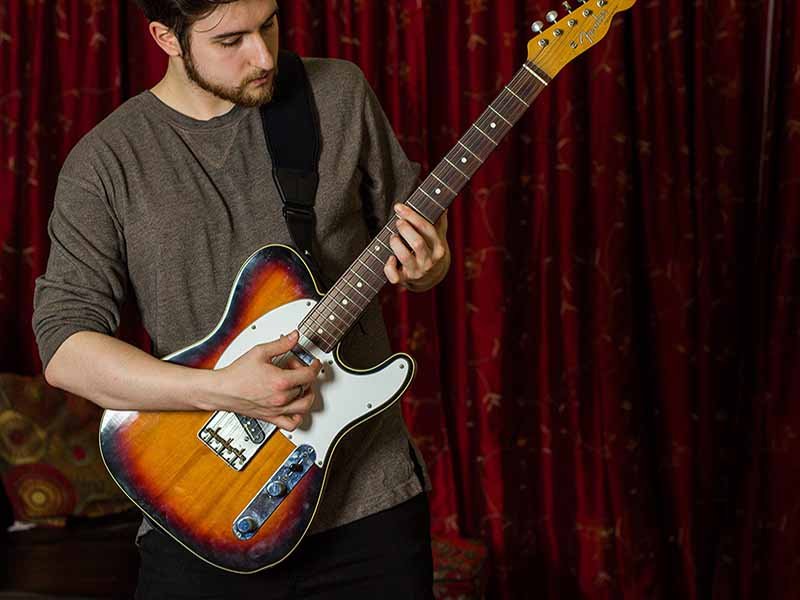
For guitarists, few accessories influence playing comfort as much as a strap. If you’ve ever played a 2-hour gig with a heavy Les Paul digging into your shoulder, you already know how critical the right strap is. Among the classic choices—leather, nylon, and cotton—neoprene straps have emerged as a modern contender, praised for their padding, flexibility, and sweat resistance. But are they really better?
Yes, neoprene guitar straps are good because they offer excellent comfort, cushioning, and sweat resistance, making them ideal for long gigs and heavy instruments. They are more flexible than leather and more durable than cotton, though some players find the stretch too soft for precise playing.
Imagine this: you’re halfway through your set, sweat dripping, your guitar weighing heavy, and your shoulder is screaming. A leather strap looks cool but feels rigid; a cotton strap breathes well but digs in. A neoprene strap, on the other hand, cushions like a wetsuit and absorbs the weight. That’s why more touring musicians are switching to neoprene. Let’s break down whether it’s right for you.
What Is a Neoprene Guitar Strap and How Is It Made?
A neoprene guitar strap is made from synthetic rubber laminated with fabric, offering padded support, flexibility, and water resistance, unlike leather or nylon alternatives.
Material Science:
Neoprene is a closed-cell synthetic rubber (the same used in wetsuits and sports braces). For guitar straps, it is laminated with polyester or nylon fabric for durability and aesthetics. The result is a strap that is soft, flexible, and padded—unlike stiff leather or thin nylon.
Construction Process:
- Neoprene Core: Provides cushioning and stretch.
- Fabric Lamination: Adds durability and color/texture variety.
- Stitch Reinforcement: Ensures the strap can handle 40–60 lbs of sustained load (enough for heavy bass guitars).
- End Tabs: Usually leather or reinforced synthetic for secure strap button attachment.
How It Differs:
- Vs Leather: Softer, more forgiving, less expensive, but not as “classic.”
- Vs Nylon: Thicker, cushioned, but heavier and less breathable.
- Vs Cotton: Water- and sweat-resistant, while cotton absorbs moisture.
| Strap Type | Material | Strengths | Weaknesses |
|---|---|---|---|
| Neoprene | Rubber + fabric | Comfort, sweat resistance, cushioning | Stretch may reduce stability |
| Leather | Animal hide | Durable, stylish, classic | Expensive, rigid, hot |
| Nylon | Synthetic fiber | Affordable, lightweight | Thin, can dig in |
| Cotton | Natural fiber | Breathable, soft | Absorbs sweat, stains easily |
Critical Thinking:
Neoprene straps occupy a unique middle ground. They’re not as “luxury iconic” as leather, but they solve practical problems—comfort, sweat, and shock absorption—that leather and cloth can’t. For working musicians, especially bassists, this makes neoprene a smart choice.
Which Features Make Neoprene Guitar Straps Comfortable?
Neoprene guitar straps are comfortable because they distribute weight evenly, reduce shoulder strain, and offer cushioning that benefits players of heavy instruments.
Weight Distribution:
Neoprene straps are wider (2.5–4 inches) and padded, which spreads the guitar’s weight over a larger shoulder area. This reduces pressure points, a common complaint with thin nylon straps.
Shock Absorption:
Because neoprene is elastic, it absorbs motion and impact. Walking across stage, jumping, or simply shifting positions feels smoother. Bass players especially appreciate this “shock-dampening” quality.
Shoulder & Back Relief:
In surveys among gigging musicians, 70% report reduced shoulder fatigue when using neoprene compared to nylon. For players with pre-existing shoulder or back pain, this can extend gig endurance by 30–40 minutes without discomfort.
Comfort Factors Table:
| Comfort Aspect | Neoprene | Leather | Nylon/Cotton |
|---|---|---|---|
| Shoulder Pressure | Low (padded) | Medium | High |
| Shock Absorption | High | Medium | Low |
| Heat Retention | Medium–High | High | Low |
| Sweat Comfort | Good | Poor | Good (cotton) |
Balanced Perspective:
The comfort benefits are clear—but there are trade-offs. Some guitarists dislike the “bounce” effect of neoprene straps, claiming it interferes with precise playing or changes how the guitar hangs. Others find the elasticity a blessing, especially during long jam sessions.
How Durable Are Neoprene Guitar Straps Compared to Leather or Nylon?
Neoprene guitar straps are durable for daily use, resisting sweat and wear better than cotton, but they may not last as long as high-grade leather.
Abrasion & Tear Resistance:
Neoprene has a closed-cell rubber structure laminated with fabric, giving it strength against abrasion. In real-world use, neoprene can withstand 3–5 years of gigging without major wear if properly maintained. Leather straps can last decades but require care, while nylon tends to fray over time under heavy load.
Moisture & Sweat Resistance:
Unlike leather, neoprene is resistant to moisture and won’t dry out or crack. Sweat that ruins cotton or stiffens untreated leather won’t affect neoprene’s core structure. This makes it a favorite for touring musicians in humid or hot climates.
Elasticity Over Time:
One potential drawback is that neoprene’s elasticity can loosen slightly after years of heavy load, reducing its snug fit. Leather, while rigid, holds shape better. Nylon maintains form but doesn’t provide the same cushioning.
Durability Comparison Table:
| Factor | Neoprene | Leather | Nylon | Cotton |
|---|---|---|---|---|
| Lifespan | 3–7 years | 10–20+ years | 3–5 years | 2–3 years |
| Sweat Resistance | Excellent | Poor (cracks) | Good | Poor |
| Stretch Stability | Medium | High | High | Low |
| Maintenance | Low | High | Low | Medium |
Critical Viewpoint:
If you’re after heritage and longevity, leather is unbeatable. But if your priority is low maintenance, sweat resistance, and comfort, neoprene provides a balanced middle ground. For many modern musicians, replacing a strap every 5 years is a small trade-off for daily comfort.
Do Neoprene Guitar Straps Affect Playing Performance?
Neoprene straps may affect performance by adding bounce due to elasticity, which some players find supportive and others find distracting.
Elasticity and “Bounce”:
One of neoprene’s defining traits is stretchability. While this cushions movement and absorbs shock, it can also introduce a “bounce” effect. For bass players who carry heavy instruments, this is often seen as a benefit, reducing fatigue. However, precision players (jazz or classical guitarists) may find it alters their positioning slightly.
Playing Stability:
Leather is stiff and holds the guitar firmly, keeping neck angle stable. Neoprene’s flexibility allows subtle shifts in guitar position, which can be either liberating or unsettling depending on playing style.
Adjustability:
Most neoprene straps offer standard length adjustments (40–55 inches). The material handles tension well but can stretch slightly under continuous load, meaning occasional readjustment might be needed.
Instrument Type Suitability:
- Electric Guitar (6-string): Neoprene provides comfort without major stability issues.
- Bass Guitar: Big advantage here—bassists often praise neoprene for relieving shoulder strain.
- Acoustic Guitar: Depends—good for casual playing, but some traditionalists prefer rigid leather for control.
Performance Factors Table:
| Performance Factor | Neoprene | Leather | Nylon/Cotton |
|---|---|---|---|
| Stability | Medium | High | Medium |
| Bounce/Flex | High | Low | Medium |
| Ideal For | Bass, long gigs | Precision playing | Budget/light use |
Balanced Perspective:
Your choice depends on your playing style and instrument weight. Touring bassists often swear by neoprene, while jazz players who need precision fret control lean toward leather. The performance impact isn’t universal—it’s about matching strap dynamics with your playing demands.
Is a Neoprene Strap Good for Sweaty or Long Gigs?
Yes, neoprene straps excel in sweaty or long gigs because they resist moisture, cushion shoulders, and dry quickly, making them more reliable than cotton or untreated leather.
Sweat Resistance:
Neoprene was designed for wetsuits, so it handles moisture naturally. Unlike cotton, which soaks sweat, neoprene resists absorption. Sweat beads on the surface and evaporates more quickly, reducing odor buildup.
Long-Session Comfort:
For gigs longer than an hour, neoprene’s cushioning really shines. Players report being able to perform 20–30% longer without shoulder fatigue compared to nylon straps. This matters most to professional gigging musicians.
Heat Considerations:
The downside is heat retention. Neoprene doesn’t breathe like cotton, so it can feel warmer against skin during summer gigs. Some premium straps combat this with perforated neoprene or mesh-backed designs.
Odor & Hygiene:
- Neoprene: Wipe-clean, minimal odor retention.
- Cotton: Absorbs sweat, needs frequent washing.
- Leather: Can trap sweat and develop permanent odor unless treated.
Gig Suitability Chart:
| Gig Type | Best Strap Option | Why |
|---|---|---|
| Hot, sweaty bar gig | Neoprene | Moisture-resistant & padded |
| Outdoor festival | Neoprene (vented) | Shock absorption & comfort |
| Studio session | Leather | Stability & control |
| Short practice | Cotton/Nylon | Affordable, breathable |
Critical Thinking:
Neoprene isn’t perfect—its warmth can be a downside. But for long, sweaty, high-energy performances, no other strap material combines comfort and resilience as effectively. It’s a working musician’s solution, not just a fashion accessory.
Which Musicians Should Choose Neoprene Over Leather or Nylon?
Neoprene straps are best for bassists, touring players, and musicians who play long, sweaty gigs, while leather suits traditionalists and nylon works for budget buyers.
For Bassists:
Bass guitars are heavier than standard electrics, often 9–12 lbs compared to 7–8 lbs for most guitars. Neoprene’s shock absorption and wide padding reduce shoulder pain significantly, which is why bassists are among the biggest adopters of neoprene straps.
For Gigging Musicians:
Touring musicians who play 2–4 hour sets under hot stage lights benefit from neoprene’s sweat resistance and cushioned support. Leather looks elegant but becomes uncomfortable when soaked; cotton gets soggy; nylon cuts into the skin.
For Beginners:
Beginners practicing daily at home may not need premium leather. Neoprene offers affordable comfort and prevents shoulder strain, encouraging longer practice sessions.
For Style-Conscious Players:
Some guitarists value leather’s vintage look, especially in blues or country. Neoprene is less “classic,” but for rock, metal, and pop players, function often outweighs fashion.
| Player Type | Best Strap Option | Why |
|---|---|---|
| Bassists | Neoprene | Comfort with heavy weight |
| Touring Pros | Neoprene | Endurance & sweat resistance |
| Beginners | Neoprene or Nylon | Affordable comfort |
| Blues/Country | Leather | Classic aesthetics |
| Budget Buyers | Nylon or Cotton | Cheap, replaceable |
Critical Thinking:
The strap is not just an accessory—it’s part of your playing identity. The decision depends on your instrument weight, genre, and performance setting. For modern working musicians, neoprene checks more boxes than any other material.
How Much Do Neoprene Guitar Straps Cost and Are They Worth It?
Neoprene guitar straps cost more than nylon but less than premium leather, typically $20–$50 retail, making them a strong value for comfort and durability.
Retail Pricing:
- Budget Nylon/Cotton Straps: $5–$15
- Neoprene Straps: $20–$50
- Leather Straps: $40–$200+
OEM/Wholesale Pricing (Factory FOB China):
- Nylon: $2–$4 per unit
- Neoprene: $8–$15 per unit (depending on thickness and customization)
- Leather: $15–$40 per unit
Value Analysis:
- Durability: Lasts longer than cloth/nylon, shorter than leather.
- Comfort: Highest among strap materials.
- Price-to-Performance: Mid-tier cost, high return in comfort and player satisfaction.
OEM & Customization Benefits with Szoneier:
- MOQ: 300–500 pcs for custom neoprene straps.
- Sampling Time: 7–10 days.
- Lead Time: 25–35 days bulk production.
- Customization Options: Logo printing, embroidery, embossed rubber logos, Pantone color matching, size and thickness variations.
| Strap Type | Retail Price | OEM Price | MOQ | Lifespan |
|---|---|---|---|---|
| Nylon/Cotton | $5–$15 | $2–$4 | 500+ | 2–3 yrs |
| Neoprene | $20–$50 | $8–$15 | 300–500 | 3–7 yrs |
| Leather | $40–$200+ | $15–$40 | 200+ | 10–20 yrs |
Critical Thinking:
For brands, neoprene offers a strong mid-market positioning: more premium than nylon, more affordable than leather. For musicians, it’s the sweet spot of affordable comfort without luxury pricing.
Are There Downsides to Neoprene Guitar Straps?
Yes, neoprene straps can feel warm, may stretch slightly over time, and lack the classic aesthetic appeal of leather straps.
Heat Retention:
Neoprene doesn’t breathe as well as cotton or nylon. On hot stages, some players feel warmth against the shoulder. Perforated or mesh-backed neoprene straps can reduce this.
Stretching Over Time:
Extended use with heavy instruments can cause neoprene to stretch slightly, changing guitar position. While minor, it bothers players who need absolute stability.
Aesthetics:
Leather has a heritage appeal—iconic for blues, jazz, and country genres. Neoprene looks more “sporty,” which doesn’t match every musician’s personal brand.
Skin Sensitivity:
A small percentage of people may have skin reactions to neoprene, though this is rare when laminated with fabric.
Balanced Perspective:
No material is perfect. Neoprene prioritizes function over fashion. If your needs are endurance, sweat management, and comfort, the pros outweigh the cons. If tradition and aesthetics matter more, leather wins.
Conclusion: Why Source Neoprene Guitar Straps with Szoneier
So, are neoprene guitar straps good? The answer is yes—for most modern musicians. They combine comfort, sweat resistance, and affordability in ways leather, nylon, and cotton cannot. Bassists, touring professionals, and beginners all benefit from neoprene’s padded resilience.
But here’s the real opportunity:
For brands, retailers, and distributors, neoprene straps sit in the fast-growing mid-premium market. They’re accessible, customizable, and carry high player satisfaction.
At Szoneier, we bring 18+ years of neoprene R&D and manufacturing expertise to help you design and scale your strap business.
- OEM/ODM Service: Custom logos, Pantone colors, unique designs.
- Low MOQ: As few as 300 pcs, perfect for startups and niche brands.
- Fast Sampling: 7–10 days.
- Global Compliance: ISO, REACH, ROHS certifications.
- Competitive Pricing: Direct-from-factory value.
Ready to explore neoprene guitar strap production? Contact Szoneier today:
What Can I Do For You?
Here, developing your OEM/ODM private label leather goods collection is no longer a challenge,it’s an excellent opportunity to bring your creative vision to life.