
What Are Neoprene Gloves Good For? Uses, Benefits & Buying Guide
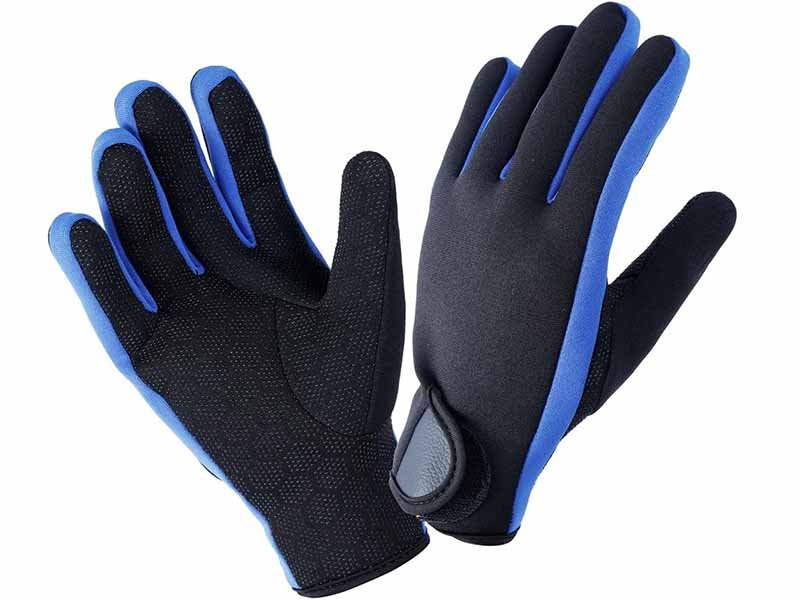
When was the last time you picked up something freezing cold or dipped your hands into icy water—and wished your gloves didn’t betray you? This is where neoprene gloves come to the rescue. Imagine a glove that locks in warmth, resists chemicals and water, and still lets you wiggle your fingers. That reliability makes neoprene gloves a hidden superstar in safety gear, water sports, industrial jobs, and everyday tasks.
Neoprene gloves excel because they combine waterproof insulation, strong chemical resistance, abrasion protection, and flexibility—making them versatile for cold‑water activities, harsh industrial environments, and prolonged use with comfort.
Whether you’re diving into chilly ocean depths or handling solvents in the factory, neoprene gloves adapt like a trusty sidekick. Stick around—I’ll walk you through exactly how they work, where they shine, and how you, as a buyer, can customize your ideal pair with Szoneier’s expertise and fast sampling.
What Are Neoprene Gloves and How Are They Made?
Neoprene gloves are made from synthetic rubber (polychloroprene) known for flexibility and resilience. The material is either foamed (for thermal protection) or solid, then optionally lined or flocked for comfort. This manufacturing process ensures chemical and weather resistance while maintaining dexterity.
Neoprene, also known as polychloroprene, was first developed by DuPont in the 1930s as an oil-resistant alternative to natural rubber. In glove manufacturing, you’ll typically find two types of neoprene used:
- Foamed Closed-cell Neoprene – Contains tiny nitrogen gas bubbles, providing insulation and buoyancy. This is what keeps you warm in cold water conditions (think diving, fishing, waders)
- Solid or Standard (Unfoamed) Neoprene – Primarily used for industrial or medical gloves where insulation isn’t the main goal.
From a factory standpoint (like Szoneier’s), neoprene is cut, shaped, and stitched—or even bonded—depending on product type (glove, mitten, layered, lined, etc.). Linings such as cotton or flocking are often added for moisture absorption and comfort .
Critically, the manufacturing choices—foamed vs. solid, lining yes/no, thickness—directly affect flexibility, thermal performance, and chemical resistance. For example:
| Construction Type | Thermal Insulation | Chemical Resistance | Flexibility |
|---|---|---|---|
| Foamed, lined | High | High | Moderate |
| Solid, unlined | Low | High | Excellent |
| Foamed, unlined | High | Medium | Moderate |
When customizing via Szoneier, you can choose the structure, thickness, lining, logos (private label/OEM/ODM), minimum order quantity, and fast sampling—it’s about total control over the final glove specs. This freedom ensures product fit, performance, and brand alignment for both small buyers and high-end brands.
Which Key Features Make Neoprene Gloves Stand Out?
Neoprene gloves stand out because they are waterproof, chemically resistant, abrasion-resistant, flexible, and often insulated. These combined traits create highly versatile gloves for demanding environments.
Neoprene’s durability goes beyond casual wear—its resistance to water, sunlight, oxidation, ozone, and general weathering makes it a go-to in extreme conditions. Unlike latex or vinyl, neoprene maintains performance where exposure to oils, solvents, or UV radiation is common .
Consider these standout features:
- Chemical Resistance: Neoprene resists a wide range of substances, including mild acids, oils, solvents, and caustic detergents . In regulated industries (chemical, aerospace, agriculture), top-tier gloves even meet CAT III PPE standards for maximum protection .
- Thermal Insulation: Foam neoprene traps heat, making gloves warm in cold water activities or industrial cold setups. Even in frigid wet environments, they outperform non-insulated materials by trapping a thin layer of body-warmed water .
- Abrasion and UV Resistance: Neoprene stands firm against physical wear and sun exposure—great for work in outdoor or coastal settings.
- Flexibility & Comfort: The rubber-like nature of neoprene offers dexterity superior to rigid rubbers. When flocked or lined, sweat is absorbed and hand fatigue minimized over long use.
While other materials like nitrile handle punctures better, they often compromise flexibility or environmental resistance. Neoprene provides a well-rounded solution in versatility—not overwhelming in one direction, but well-equipped in many .
How Are Neoprene Gloves Used Across Different Industries?
Neoprene gloves are used in chemical handling, industrial maintenance, water sports, medical/laboratory settings, and food processing—thanks to their unique combination of protection and comfort.
Neoprene’s reach extends across various domains:
- Chemical & Industrial: Thanks to high chemical resistance, these gloves protect against solvents, acids, oils—common in chemical processing, aerospace, manufacturing, and agriculture. Their durability also makes them ideal for maintenance and servicing heavy equipment.
- Medical & Lab: Though nitrile and latex are commonplace, neoprene offers allergen-free alternatives with strong pathogen resistant properties—used in certain medical or lab scenarios .
- Food Processing: Neoprene resists fats and oils while still offering manageable flexibility—ideal for hygienic food handling environments.
- Water Sports & Diving: For cold-water activities like diving, kayaking, open-water swimming, neoprene’s insulation and waterproof nature is critical. However, caution is needed—not to overstay because gloves may dull cold perception .
- Outdoor Work & Cycling: Some outdoor workers rely on neoprene gloves for insulation when hands are regularly exposed to cold water or weather. Still, as found, neoprene cycling gloves have decreased in popularity due to fit and environmental concerns .
Real quotes from users illustrate their value:
“Neoprene keeps my hands toasty warm while switching them between cold water all day.” Singletrack World Magazine
“Neoprene gloves helped fix my cold fingers during open‑water swims—but be mindful, they can prolong exposure past comfort.” Yachting World
Across industries, the adaptability of neoprene—insulation, protection, comfort—explains why it remains a staple material in diverse settings. And with Szoneier, you can tailor thickness, lining, grip, sizing, and branding to fit your industry application perfectly.
Do Neoprene Gloves Offer Better Protection for Extreme Conditions?
Yes—neoprene gloves provide enhanced thermal insulation in cold environments and resist many chemicals, oils, and abrasion—proving valuable in harsh or demanding conditions.
In extreme cold settings—like sub‑freezing surfaces, icy waters, or handling frozen goods—neoprene’s closed-cell foam traps body‑warmed layers, reducing heat loss dramatically. They keep hands cozy far longer than ordinary rubber or cloth alternatives.
But protection isn’t just thermal. Neoprene resists oil, grease, solvents, and mild acids, making it critical in hazardous environments like chemical processing, refinery work, or automotive maintenance.
Consider mechanical hazards: While thicker gloves may reduce dexterity, neoprene ergonomically balances protection and movement. Still, fit is essential—gloves that are too tight fatigue quickly, too loose flush cold water and reduce insulation
Environmental resilience is another plus. Neoprene outperforms nitrile and latex in resisting sunlight, ozone, and oxidation—making it ideal for prolonged outdoor use.
However, it’s not invincible:
- Deep-water diving: Increased pressure compresses neoprene, reducing insulation and buoyancy with depth .
- Chemical limitations: Not all substances are blocked—strong acids or unusual solvents may penetrate.
- Environmental impact: Neoprene is petroleum-based and less eco-friendly—something to weigh if sustainability is a key concern.
In summary, neoprene gloves shine in extreme conditions when chosen and fit smartly—offering impressive cold protection, chemical resistance, abrasion durability, and consistent dexterity.
How Do You Choose the Right Neoprene Gloves for Your Needs?
Choose based on application—waterproof vs chemical use, thickness (e.g., 1 mm to 5 mm), lining for comfort, grip enhancements, and labeling. Custom technologies like private label or OEM from Szoneier make this easy.
Choosing neoprene gloves starts with identifying the primary function:
1. Purpose (water sports vs chemical handling vs general protection)
- For diving/swimming: go for foamed 3–5 mm neoprene, snug fit, grippy palms.
- For chemical resistance: solid or foamed neoprene, lined or flocked for comfort, possibly CAT III certified .
2.Thickness
- Thin (1–2 mm): better dexterity, light warmth.
- Medium (3–4 mm): good compromise between flexibility and warmth.
- Thick (5 mm+): for very cold exposure, but bulk hampers dexterity.
3.Lining / Flocking
- Cotton-lined or flocked interior improves sweat absorption and comfort during extended wear.
4.Grip & Texture
- Smooth vs textured palms—use depends on grip requirement. Swimmers may prefer printed palms (e.g., Fourth Element’s Octo-print) .
5.Fit
- Measurements and fitting charts matter—too loose = water flushes, too tight = cramps & heat loss.
6.Certifications & Durability
- For industrial use: CAT III, EN 388/407, etc., offer assurance.
7.Branding & Custom Options
- With Szoneier, you can specify custom logo, private label, ODM/OEM, low MOQ, fast sampling—aligning final product with your brand identity and buyer volume.
By following these steps—and using Szoneier’s 18+ years of neoprene manufacturing experience—you get gloves tailored exactly to your use case, combining performance, comfort, and cost-efficiency.
Are Neoprene Gloves Eco-Friendly and Durable Enough for Reuse?
Neoprene gloves are durable and reusable in most settings, although they have environmental drawbacks due to being petroleum-based and less biodegradable.
On durability, neoprene excels. It’s resistant to wear, abrasion, UV, and environmental breakdown—so well‑made neoprene gloves outlast many alternatives in industrial or outdoor use. Care instructions (gentle wash, air dry) extend lifespan further.
However, neoprene is derived from chloroprene, a synthetic rubber requiring fossil-based feedstocks. It’s not biodegradable, and manufacturing involves chemicals like ethylene thiourea, which have environmental and health concerns.
Environmental considerations:
- Sustainability: Not the biggest plus for neoprene. For eco-conscientious buyers, reducing waste through durability or exploring more sustainable alternatives (e.g., recycled neoprene, limestone-based neoprene) may matter.
- Long Lifespan: Good durability means fewer replacements and less waste per use cycle.
- Recycling & Disposal: Recycling options are limited, but some industrial programs exist.
Critically, when clients choose Szoneier—and order only what they need (low MOQ, fast sampling)—waste is reduced. Plus, they can design longer-lasting, higher-quality gloves that don’t need frequent replacement. That’s a more sustainable business model than cheap, single-use substitutes.
Conclusion
Neoprene gloves are powerful workhorses—combining thermal protection, chemical resistance, durability, and flexibility. From water sports to industrial work, lab handling to food processing, their benefits are multi-faceted. They shine especially when selected with care—balancing thickness, lining, grip, fit, and certifications.
If you’re looking to source custom neoprene gloves—private label, OEM, ODM—with fast sampling, low MOQ, and professional branding, Szoneier is your ideal manufacturing partner. With 18+ years of neoprene R&D, production, design, and sales expertise, Szoneier delivers quality, trust, and personalization in every batch.
What Can I Do For You?
Here, developing your OEM/ODM private label leather goods collection is no longer a challenge,it’s an excellent opportunity to bring your creative vision to life.