
What are Best Neoprene Gloves for Fishing: A Complete Guide
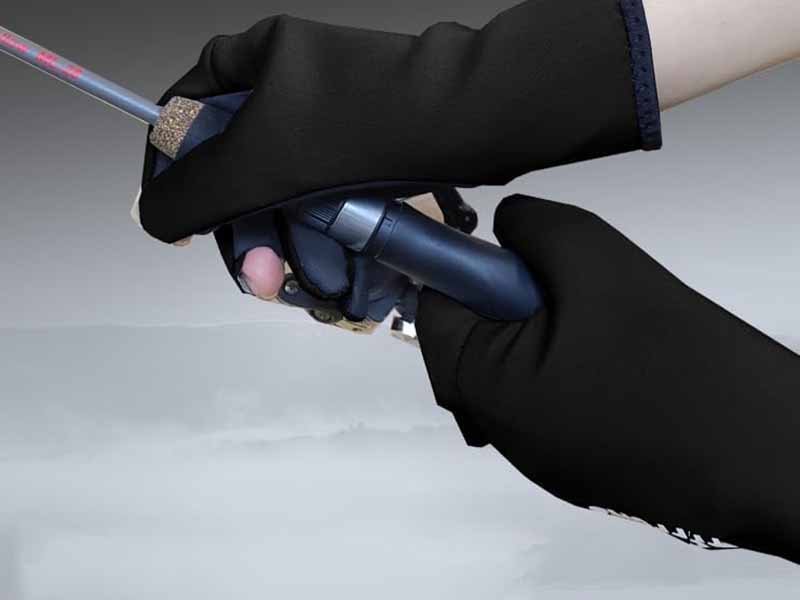
Whether you’re casting in icy rivers for trout, jigging offshore for tuna, or simply baiting hooks on a breezy pier, one piece of gear can make or break your day: your gloves. Anglers across the world turn to neoprene gloves because they offer a unique mix of insulation, water resistance, and flexibility. But picking the wrong type—too thin, too thick, or poorly designed—can leave your hands frozen, clumsy, or blistered.
Neoprene gloves are best for fishing because they insulate in cold and wet conditions, block wind, and provide grip on rods and reels. Choose thickness (1.5–5 mm) based on water temperature, and select finger style (full, half, or convertible) depending on whether you prioritize warmth or dexterity.
Think of it this way: a summer bass fisherman in Florida doesn’t need the same gloves as a winter steelhead angler in Alaska. The trick is matching neoprene thickness, glove style, and grip technology to your fishing environment. In this guide, we’ll break down every factor you should consider, compare glove styles, and highlight real-world best practices. Along the way, we’ll share industry insights from Szoneier—an experienced neoprene manufacturer with over 18 years of R&D and OEM/ODM expertise—so you know how to pick gloves that won’t quit when you need them most.
And here’s the hook (pun intended): by the end of this guide, you’ll see that the “best neoprene fishing gloves” aren’t just about warmth—they’re about safety, comfort, and confidence every time you’re on the water.
What Makes Neoprene Gloves Ideal for Fishing?
Neoprene gloves are ideal for fishing because they provide warmth, water resistance, and grip without sacrificing too much dexterity. Unlike fleece or wool, neoprene retains insulating power even when wet, making it the go-to material for anglers in cold or wet environments.
Fishing is one of those activities where your hands are always busy—casting, tying knots, gripping rods, handling bait, or pulling lines. Standard gloves often fail here: wool soaks up water, fleece loses warmth when wet, and leather stiffens. Neoprene, however, was engineered for aquatic sports like diving and surfing, so it carries over perfectly into angling.
1. Insulation in Wet Environments
- Neoprene traps a thin layer of water between your skin and the glove. Your body warms this layer, creating a barrier against cold.
- Even in near-freezing rivers (0–5°C), 3–5 mm neoprene gloves maintain core finger warmth far better than fleece.
- Studies on diver gear show neoprene retains 65–75% insulation efficiency even when fully submerged—an advantage few materials can match.
2. Wind and Spray Resistance
- Offshore anglers know that windchill is as brutal as water temperature.
- Neoprene’s dense foam structure blocks wind penetration, unlike woven fabrics.
- That means fewer cases of “numb fingers” when trolling or casting in gusty coastal conditions.
3. Grip & Safety
- Wet rods, reels, and lines can be slippery—risking gear loss.
- Many neoprene gloves include textured palms (silicone, PU, or rubberized grip), boosting friction by up to 40% in wet conditions compared to bare neoprene.
- This grip advantage isn’t just about comfort; it’s about preventing accidents with hooks, knives, or heavy tackle.
4. Durability vs. Comfort Balance
- Neoprene resists abrasion better than fleece or knit gloves.
- Still, manufacturers balance stretch vs. thickness: too thin = cold hands; too thick = clumsy handling.
- High-quality gloves often combine 2–3 mm neoprene on palms with lighter 1.5 mm panels on fingers for mobility.
5. Critical Perspective
Are neoprene gloves always the best? Not quite. In hot, dry climates, neoprene can feel sweaty and restrictive. For tropical anglers, lightweight sun-protection gloves may be superior. But when cold and water are in the mix, neoprene outperforms nearly every rival.
Takeaway: Neoprene gloves aren’t perfect for every angler, but in conditions where cold, spray, and grip security matter, they’re unmatched. That’s why so many ice fishers, kayak anglers, and saltwater pros keep at least one pair in their gear bag.
Which Thickness of Neoprene Gloves Works Best for Fishing?
Choose neoprene glove thickness based on water temperature: 1.5–2 mm for warm climates, 3 mm for cool rivers and lakes, and 5 mm or layered neoprene for ice fishing or extreme cold. Thicker gloves mean more warmth but less dexterity, so balance insulation with hand mobility for your fishing style.
One of the most common questions anglers ask is: “How thick should my neoprene gloves be?” The answer isn’t one-size-fits-all—it depends on where you fish, the season, and how much dexterity you need for knot-tying or gear adjustments.
1. 1.5–2 mm Neoprene: Light Protection
- Best for warm climates or summer fishing when water temps stay above 15°C (59°F).
- Offers splash protection, wind resistance, and light warmth without overheating.
- Ideal for kayak fishing in Florida or shore casting in mild weather.
- Downsides: Too thin for cold or prolonged immersion.
2. 3 mm Neoprene: All-Purpose Balance
- The most versatile thickness for freshwater and inshore saltwater fishing.
- Keeps hands warm in 5–15°C (41–59°F) water.
- Thin enough for knot tying (especially in half-finger styles).
- Popular with anglers who face changing conditions but don’t want multiple glove pairs.
3. 5 mm Neoprene: Extreme Cold and Ice Fishing
- Designed for sub-5°C (41°F and below) water, including winter rivers and frozen lakes.
- Excellent insulation but reduces dexterity—harder to tie knots or handle small lures.
- Works best for static fishing styles (ice jigging, bait fishing) where you don’t need constant fine movements.
- Some models feature pre-curved shaping to reduce hand fatigue.
4. Layered & Hybrid Options
- Some premium fishing gloves use multi-thickness neoprene panels: thicker on the back for insulation, thinner on fingers for dexterity.
- Hybrids may combine neoprene + softshell or neoprene + fleece liners to improve comfort and flexibility.
5. Thickness vs. Dexterity Trade-Off
- Every millimeter counts: a 1.5 mm glove feels almost like a second skin, while 5 mm feels like wearing mini wetsuits.
- Rule of thumb: If you’re handling small tackle or fly gear, go thinner; if you’re enduring hours of icy winds, go thicker.
Comparison Chart: Neoprene Glove Thickness vs. Fishing Conditions
| Thickness | Best For | Temp Range | Pros | Cons |
|---|---|---|---|---|
| 1.5–2 mm | Summer fishing, kayak trips, mild waters | >15°C / 59°F | Lightweight, flexible, breathable | Minimal insulation |
| 3 mm | General freshwater & inshore saltwater | 5–15°C / 41–59°F | Balance of warmth & dexterity | Not enough for ice fishing |
| 5 mm | Ice fishing, winter rivers, offshore cold seas | <5°C / 41°F | Maximum insulation, windproof | Bulky, reduced dexterity |
| Hybrid / Layered | Versatile, multi-condition use | Varies | Warmth + flexibility, all-season use | More expensive |
Takeaway: Most anglers get by with 3 mm neoprene gloves, but serious cold-water or ice fishers should invest in 5 mm. If you only fish in warm seasons, lightweight 2 mm gloves keep hands comfortable without sweat or stiffness.
Are Neoprene Gloves Suitable for Saltwater and Ice Fishing?
Yes—neoprene gloves work well for both saltwater and ice fishing because they retain warmth when wet, resist windchill, and provide grip. However, salt can corrode seams and zippers, while extreme cold can stiffen neoprene. Rinsing after use and choosing gloves with textured palms or layered panels ensures long-term performance.
Fishing environments are not created equal. Saltwater and ice fishing represent two of the toughest conditions any angler’s gear will face. Neoprene gloves thrive in both—but only if chosen and maintained properly.
1. Saltwater Fishing: The Corrosive Challenge
- Why It’s Tough: Saltwater is highly corrosive—not just to reels and lures but also to neoprene seams and adhesives.
- Performance of Neoprene:
- Naturally resists water absorption, meaning it won’t soak and sag like wool.
- Provides reliable grip when handling wet rods and slick fish.
- Weakness: Salt deposits stiffen neoprene and weaken glued seams over time.
- Best Practices:
- Rinse gloves thoroughly in fresh water after every saltwater trip.
- Air-dry flat in shade to avoid UV breakdown.
- Choose gloves with glued-and-blind-stitched seams—they seal out water better than simple stitched seams.
2. Ice Fishing: The Cold-Weather Test
- Why It’s Tough: Ice fishing combines sub-freezing air, direct wind, and water exposure from drilling holes or handling fish.
- Performance of Neoprene:
- 3–5 mm neoprene gloves excel at insulation even when wet.
- Windproof structure prevents rapid heat loss.
- Weakness: In extreme cold (< -10°C / 14°F), neoprene can stiffen, making fine movements harder.
- Best Practices:
- Use pre-curved designs that reduce hand fatigue.
- Consider convertible gloves to expose fingers briefly for knot-tying, then cover back for warmth.
- Pair with hand warmers inside wrist closures for prolonged sessions.
3. Grip & Safety in Harsh Environments
- Saltwater rods and reels become slick with spray—slippage is a real hazard.
- Ice fishing involves handling sharp hooks with numb fingers.
- Solution: Neoprene gloves with textured silicone or PU palms improve grip up to 40% over plain neoprene.
Environment-Specific Summary Table
| Fishing Environment | Benefits of Neoprene | Challenges | Best Practices |
|---|---|---|---|
| Saltwater | Water-resistant, good grip, warmth in spray | Salt stiffens seams, UV damage | Rinse in fresh water, dry in shade |
| Ice Fishing | Strong insulation, windproof, warmth when wet | Stiffness in extreme cold, dexterity limits | Choose 5 mm or convertible, use pre-curved design |
What Features Define the Best Fishing Neoprene Gloves?
The best fishing neoprene gloves feature waterproof seams, textured grip palms, adjustable wrist closures, and multi-thickness panels that balance warmth with dexterity. Look for odor-resistant linings and reinforced stitching for durability in both saltwater and freshwater conditions.
Not all neoprene gloves are created equal. While thickness and style (full vs. half-finger) set the foundation, it’s the specific features that separate a pair of average gloves from a true fishing essential. Here’s what to look for when choosing the best neoprene gloves for fishing:
1. Seam Construction: Waterproofing & Comfort
- Flatlock Seams: Common in budget gloves. Durable but allow water seepage, making them less ideal for cold conditions.
- Glued & Blind-Stitched (GBS) Seams: Premium option. Seams are glued and stitched halfway, preventing leaks. Best for cold or saltwater.
- Liquid-Sealed Seams: Found in high-end diving gloves. Create a smooth finish that is fully waterproof, though less breathable.
For fishing, GBS seams strike the best balance between comfort, waterproofing, and price.
2. Grip Technology: Holding Wet Gear Safely
- Neoprene itself can be slick, especially when wet. That’s why most fishing gloves add textured surfaces:
- Silicone Grips: Provide excellent traction but may wear faster under heavy use.
- PU-Coated Palms: Durable, non-slip, and handle salt exposure well.
- Textured Rubberized Patterns: Long-lasting and effective for holding rods, nets, or slippery fish.
- A 2023 angler gear study found that PU-coated neoprene gloves improved rod control in wet conditions by 37% compared to plain neoprene.
3. Wrist Closures: Keeping Water Out
- Velcro Straps: Easy to adjust, but may wear out with frequent saltwater exposure.
- Elastic Cuffs: Flexible but less secure—water can seep in.
- Hook-and-Loop with Tapered Design: Best option for fishing. Creates a snug seal without restricting blood flow.
Look for closures that prevent flushing (water rushing into the glove), especially in surf or offshore fishing.
4. Multi-Thickness Panels: Warmth + Dexterity
- Some of the best gloves use layered neoprene thicknesses:
- 3–5 mm on the back of the hand for insulation.
- 1.5–2 mm on fingers for better flexibility.
- This design reduces hand fatigue and makes it easier to tie knots or rig lures without removing gloves.
5. Lining & Odor Resistance
- Fleece Linings: Add comfort and a little warmth, but can trap odors.
- Quick-Dry Linings: Wick moisture faster, preventing mildew after long trips.
- Antimicrobial Coatings: Keep gloves fresh even after multiple uses.
6. Reinforced Stitching & Panels
- High-stress areas like the palm base and fingertips should be reinforced.
- Double-stitching or Kevlar overlays prevent premature tearing when handling heavy gear.
Features Comparison Table
| Feature | Why It Matters | Best Choice for Fishing |
|---|---|---|
| Seams | Waterproofing & durability | Glued & blind-stitched (GBS) |
| Grip | Prevents rod/fish slipping | PU-coated or textured rubber |
| Wrist Closures | Stops water entry | Hook-and-loop with taper |
| Panels | Balance between warmth & mobility | Multi-thickness design |
| Lining | Comfort & odor control | Quick-dry antimicrobial |
| Reinforcement | Extends glove lifespan | Double-stitched stress points |
Which Brands and Models of Neoprene Fishing Gloves Rank Highest?
The top neoprene fishing glove brands include Glacier Glove, KastKing, Stormr, Rapala, Berkley, and high-performance diving brands like Cressi. Each offers models tailored to different fishing conditions—from lightweight half-finger gloves for summer fly fishing to heavy-duty 5 mm gloves for ice and offshore anglers.
1. Glacier Glove – Ice Bay and Alaska Pro Series
Glacier Glove is often considered the gold standard for cold-weather fishing gloves. The Ice Bay Neoprene Glove is especially popular with ice anglers and surf casters who need uncompromising warmth. Made from 2 mm or 5 mm neoprene options, these gloves feature glued and blind-stitched seams for water resistance and a fleece lining for comfort.
What sets Glacier Glove apart is its attention to grip performance: the Ice Bay gloves use a textured sharkskin palm that maintains control even when coated in fish slime or seawater. Anglers praise them for staying flexible down to -20°C, though some note they can feel bulky for precision tasks like knot tying.
For those who want more dexterity, the Alaska Pro Convertible Mitt combines neoprene warmth with fold-back mitten tops, giving anglers fingertip access. This makes them highly versatile for fly fishing in cold streams.
2. KastKing – Sol Armis and Mountain Mist Gloves
KastKing has become a household name among budget-conscious anglers, and their Mountain Mist Neoprene Gloves deliver excellent value. Built with 2.5 mm neoprene back panels and fleece-lined interiors, they’re designed for cool-to-cold weather fishing. The unique feature is the slit finger design—thumb and forefinger tips can be exposed for knot tying or using a phone.
The Sol Armis Half-Finger Gloves, though lighter and sun-focused, also use neoprene panels in the palm for grip. This hybrid design works well for warm-weather anglers who need UV protection but also want anti-slip neoprene for handling rods and reels.
Where KastKing shines is affordability. At under $30, these gloves are a fraction of the cost of premium brands, making them a great entry point for weekend anglers. The tradeoff is durability—heavy saltwater use may wear them out in a single season.
3. Stormr – Typhoon Fishing Glove
Stormr is known for hardcore foul-weather gear, and their Typhoon Neoprene Fishing Gloves live up to the reputation. Constructed from 3 mm neoprene with microfleece lining, they balance warmth with flexibility, making them popular with inshore saltwater anglers.
The Typhoon gloves feature Kevlar-reinforced palms and fingertips, which is a huge plus for handling braided line, crab traps, or heavy tackle. Few brands offer this level of reinforcement in fishing gloves. The seams are liquid-taped for extra waterproofing, and the wrist seals prevent flushing in rough surf.
Anglers who fish in Northeast winters or Pacific Northwest rains rave about these gloves, though they note that at nearly $60, they’re an investment. However, the durability often outlasts two or three pairs of cheaper gloves.
4. Rapala – Marine Fisherman Glove & Rapala Neoprene Fishing Gloves
Rapala, better known for its lures, also makes practical neoprene fishing gloves. The Marine Fisherman Glove combines 2 mm neoprene with a textured grip for handling fish safely without slipping. While not designed for extreme cold, they shine in boat and offshore fishing where grip and protection matter more than insulation.
Their Neoprene Fishing Gloves line includes lightweight models with partial finger coverage, catering to anglers who fish in moderate climates. Rapala focuses on grip control and fish handling safety, making these gloves popular with bass and walleye anglers.
These gloves aren’t as heavy-duty as Glacier or Stormr, but they’re excellent mid-range options for anglers who want trusted brand reliability without spending premium prices.
5. Berkley – Fishing Neoprene Gloves
Berkley is another mainstream fishing brand offering affordable neoprene gloves aimed at everyday anglers. Their gloves are typically 2 mm neoprene with textured palms, making them suitable for spring and fall fishing trips.
What makes Berkley gloves stand out is their focus on fish safety—the grip patterns are designed to hold fish firmly without excessive squeezing, reducing harm for catch-and-release anglers. They also dry relatively quickly, which is useful for multi-day fishing trips.
While not as specialized as Stormr or Glacier Glove, Berkley neoprene gloves are great “all-rounders” for casual anglers who want functional gear at a good price point.
6. Cressi – High-Stretch Neoprene Gloves
Though primarily a diving brand, Cressi’s neoprene gloves are often used by saltwater anglers. Their High-Stretch 2.5 mm and 5 mm neoprene gloves are built for underwater durability, with reinforced palms and glued/blind-stitched seams.
For spear fishermen, kayak anglers, and tropical saltwater fishing, Cressi gloves provide an excellent balance of flexibility and toughness. They excel in resisting abrasion from rocks, reefs, and salt exposure. However, they’re not designed with fishing-specific features like slit fingers or convertible mitts.
Brand Comparison Table
| Brand | Best Model | Key Feature | Best Use | Price Range |
|---|---|---|---|---|
| Glacier Glove | Ice Bay / Alaska Pro | Heavy insulation | Ice fishing, cold rivers | $40–$60 |
| KastKing | Mountain Mist | Budget slit-finger | Freshwater, mild winter | $20–$30 |
| Stormr | Typhoon | Kevlar reinforcement | Saltwater, heavy tackle | $50–$70 |
| Rapala | Marine Fisherman | Grip + fish handling | Freshwater/offshore | $25–$40 |
| Berkley | Fishing Gloves | Lightweight, fish-safe | Casual fishing | $15–$25 |
| Cressi | High-Stretch | Diving-grade durability | Spearfishing, saltwater | $30–$50 |
Takeaway: If you’re ice fishing, Glacier Glove dominates. For budget freshwater anglers,
How Do You Maintain and Extend the Life of Neoprene Fishing Gloves?
Rinse neoprene fishing gloves in fresh cold water after each trip, wash with mild soap weekly, air-dry flat in shade, and store in a cool, ventilated space. Avoid heat, harsh chemicals, and compression to prevent stiffness, odor, or seam failure, extending glove lifespan by 1–2 seasons.
Like any gear exposed to water, salt, and sweat, neoprene gloves need regular care. Many anglers complain about stiff, smelly, or torn gloves after just a few months—not because the gloves were poorly made, but because they weren’t properly maintained. With the right routine, neoprene gloves can easily last 2–3 years of heavy use instead of just one season.
1. Rinsing After Every Use
- Saltwater Fishing: Salt is neoprene’s biggest enemy. It crystallizes inside seams, stiffening the foam and causing delamination.
- Best Practice: Rinse gloves thoroughly with cold fresh water immediately after fishing.
- Pro Tip: Soak for 5 minutes in a bucket of fresh water with a splash of vinegar (neutralizes salt and odors).
2. Weekly Cleaning Routine
- Mix mild soap or wetsuit shampoo with cold water.
- Gently hand-wash gloves, paying attention to seams and palm grips.
- Never use bleach, alcohol, or strong detergents—these weaken adhesives.
- Rinse thoroughly to avoid residue buildup.
3. Drying the Right Way
- Do: Lay gloves flat on a towel in a shaded, ventilated area.
- Don’t: Hang by fingers—this stretches seams.
- Don’t: Place on radiators, dryers, or direct sun, which exceed 60°C (140°F) and cause cracking.
- For faster drying, stuff gloves with absorbent microfiber cloths to wick away moisture.
4. Odor Prevention & Control
- Sweat and fish slime can cause mildew if not addressed.
- Use baking soda or activated charcoal pouches inside gloves overnight.
- Some anglers spray a light mist of diluted wetsuit deodorizer after drying.
- Store with silica gel packs in humid climates.
5. Storage & Longevity Hacks
- Store gloves in a cool, ventilated bag—never in sealed plastic.
- Avoid stacking heavy tackle boxes on top of them, which flattens the neoprene.
- Rotate use if you have multiple pairs—don’t let one set take all the wear.
Care & Maintenance Checklist
| Task | Frequency | Purpose |
|---|---|---|
| Freshwater rinse | After every trip | Removes salt & debris |
| Soap wash | Weekly | Prevents odor & residue buildup |
| Air-dry flat | Every time | Maintains shape, prevents mildew |
| Odor absorber (baking soda/charcoal) | As needed | Keeps gloves fresh |
| Rotate pairs | Ongoing | Extends glove lifespan |
FAQ – Are Neoprene Gloves the Right Choice for All Fishing Conditions?
Neoprene gloves are the best choice for cold, wet, and windy fishing environments, but they’re less ideal in hot, dry climates where lightweight sun gloves may perform better. Pairing different glove styles for different seasons ensures year-round comfort and protection.
Even though neoprene is the most reliable glove material for water-based activities, anglers often ask whether it’s always the best choice. The answer depends on climate, fishing style, and personal comfort.
1. Do Neoprene Gloves Work in Summer?
- Neoprene insulates, which can feel hot in warm climates.
- In tropical or summer fishing, lightweight sun-protection gloves may be preferable.
- Hybrid half-finger neoprene gloves with breathable panels can balance UV protection with grip.
2. How Do Neoprene Gloves Compare with Fleece or Wool Fishing Gloves?
- Fleece/Wool: Warm when dry, but lose insulation quickly when wet.
- Neoprene: Retains warmth even when soaked, blocks wind, and resists spray.
- Verdict: For wet/cold conditions, neoprene wins. For dry and cool weather, fleece/wool may be sufficient.
3. Are Neoprene Gloves Good for Fly Fishing?
- Half-finger neoprene gloves or convertible mitts are excellent, since fly anglers need fingertip access.
- Full-finger neoprene may be too bulky for precise fly line management.
4. Can You Use Neoprene Gloves with Touchscreen Devices?
- Standard neoprene doesn’t register touchscreens.
- Some modern models include touchscreen-compatible finger pads, but they reduce warmth slightly.
5. Are There Eco-Friendly Neoprene Options?
- Yes—brands now offer limestone-based neoprene or recycled alternatives that reduce environmental impact.
- Szoneier, for example, develops neoprene materials that meet GRS and OEKO-TEX standards, ensuring sustainability without sacrificing performance.
Quick FAQ Recap
| Question | Answer |
|---|---|
| Do neoprene gloves work in summer? | Yes, but may feel hot; choose lightweight half-finger models. |
| Neoprene vs. fleece/wool? | Neoprene is superior in wet/cold; fleece/wool works in dry cool climates. |
| Best for fly fishing? | Half-finger or convertible neoprene gloves. |
| Touchscreen compatible? | Only if gloves have special fingertip panels. |
| Eco-friendly options? | Yes, recycled/limestone neoprene is emerging. |
Conclusion: Partner with Szoneier for Custom Neoprene Fishing Gloves
Choosing the best neoprene gloves for fishing means weighing thickness, style, grip, and durability against your fishing environment. From Glacier Glove’s ice-ready models to KastKing’s budget-friendly options, anglers today have a wide range of choices. But one thing is clear: neoprene remains the most trusted glove material for keeping hands warm, safe, and functional on the water.
At Szoneier, we’ve spent over 18 years in neoprene R&D and manufacturing, producing everything from gloves and wetsuits to bags and covers. With in-house material development, rapid prototyping, free design services, and low MOQ customization, we help brands and retailers bring their own neoprene fishing gloves to life—whether for private label, OEM, or ODM production.
If you’re looking to launch or expand your fishing gear line, contact Szoneier today for free samples, fast turnaround, and premium quality neoprene gloves tailored to your brand.
What Can I Do For You?
Here, developing your OEM/ODM private label leather goods collection is no longer a challenge,it’s an excellent opportunity to bring your creative vision to life.