
Are Neoprene Gloves Good for Winter? A Comprehensive Guide
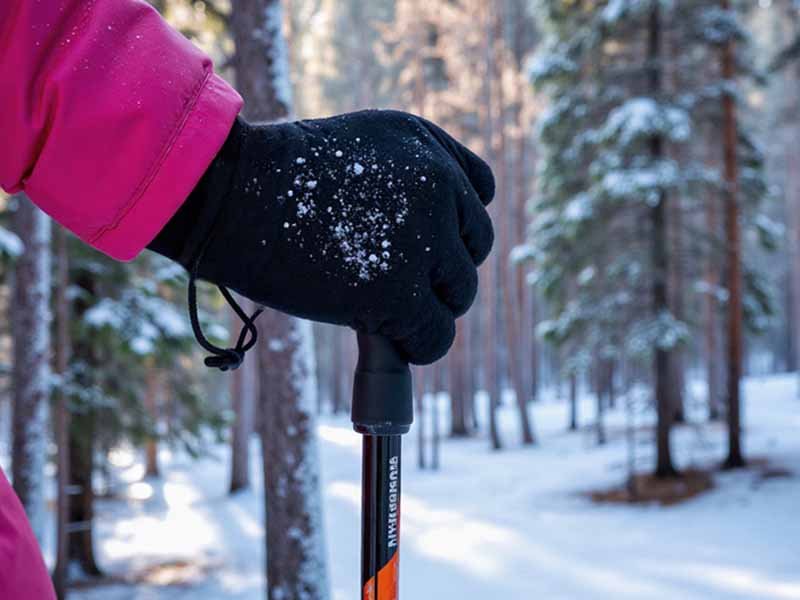
As winter approaches, protecting your hands from the biting cold becomes essential, especially for outdoor enthusiasts, sports lovers, and professionals who face harsh environments. Many of us rely on gloves to keep our hands warm, but not all gloves are made equal. Neoprene gloves, originally designed for water sports like surfing and diving, have gained popularity for their ability to keep hands warm and dry. But can they handle the cold winter conditions that come with sub-zero temperatures, snow, and prolonged exposure to the elements?
Neoprene gloves can provide excellent warmth and comfort in moderate winter temperatures and wet conditions. However, their performance in extreme cold (below 32°F or 0°C) is limited unless paired with additional insulation or liners. While they excel at keeping hands dry and insulated in moderate cold, they may not be the best choice for prolonged exposure to extreme temperatures.
By the end of this article, you’ll have a thorough understanding of how neoprene gloves work, when they’re best suited for winter use, and how to choose the right gloves for your specific needs. Whether you’re planning on hitting the slopes, spending time in the water, or just braving the winter outdoors, we’ll cover everything you need to know about neoprene gloves in winter.
What Are Neoprene Gloves and How Do They Work?
Neoprene gloves have become an essential piece of gear for anyone who spends time in cold or wet environments. From surfers braving icy waves to construction workers handling outdoor tasks in winter, neoprene has earned its reputation as one of the most reliable materials for hand protection. But what exactly makes neoprene gloves different from wool, leather, or other winter glove options?
At their core, neoprene gloves are made from a synthetic rubber originally developed in the 1930s. Neoprene quickly gained popularity in water sports like surfing, diving, and kayaking because of its unique closed-cell structure. This structure traps tiny pockets of air inside the material, creating a natural insulation barrier. Over time, the same qualities that made neoprene popular among athletes translated into everyday use for winter gloves, outdoor workwear, and even protective industrial gear.
Neoprene gloves work by trapping either a thin layer of water (in the case of water sports) or insulating air pockets (in dry conditions). Your body heat warms this layer, which then forms a thermal barrier between your skin and the cold outside. Combined with neoprene’s waterproof and flexible nature, the result is a glove that keeps your hands warm, dry, and comfortable even in wet and freezing conditions.
How Neoprene Gloves Provide Insulation
The science behind neoprene’s insulating ability lies in its closed-cell foam structure. Unlike open-cell foams that absorb water, neoprene contains tiny sealed gas bubbles—often nitrogen—that resist both water penetration and heat transfer. This means that heat generated by your body has a much harder time escaping through the glove, allowing you to maintain warmth for longer.
Thickness and Its Role in Warmth
Neoprene gloves are not “one size fits all” when it comes to warmth. They are manufactured in different thicknesses, usually between 1mm and 5mm, and each thickness is suited to specific environments:
- 1mm–2mm gloves: Extremely flexible, lightweight, and best for milder cold or activities requiring finger dexterity such as fishing or kayaking.
- 3mm gloves: A balanced choice that offers good insulation without sacrificing too much mobility. Popular among surfers and winter runners.
- 5mm gloves: Thick and robust, ideal for diving, ice fishing, or long exposure to near-freezing water. These are bulkier but provide superior warmth.
Waterproofing Benefits of Neoprene
Waterproofing is one of neoprene’s greatest strengths. Ordinary fabrics like wool or fleece lose their insulating power when wet, but neoprene behaves differently. It resists water penetration, and in fact, uses water to its advantage in some situations.
For example, in diving and surfing, a small amount of water may seep into the glove but becomes trapped. The body then warms this thin water layer, creating an effective thermal barrier against the colder outside water. Even in environments like snowy mountains or rainy cities, neoprene keeps hands dry and significantly reduces heat loss.
This is especially critical because wet skin loses heat up to 25 times faster than dry skin. By keeping moisture out—or by controlling the small amount of water that enters—neoprene ensures your hands stay warmer for much longer.
Thickness Guide: Matching Gloves to Conditions
Here’s a practical breakdown showing how neoprene glove thickness corresponds to different weather or water conditions:
| Glove Thickness | Best Suited Temperature Range | Typical Use Cases | Trade-Offs |
|---|---|---|---|
| 1mm–2mm | 50–65°F (10–18°C) | Kayaking, fishing, jogging, cycling in cool weather | Less insulation, maximum dexterity |
| 3mm | 40–55°F (4–13°C) | Surfing, cold-weather running, light winter sports | Moderate warmth, good flexibility |
| 5mm | Below 40°F (4°C) | Diving, ice fishing, outdoor work in extreme cold | Bulky, reduced fine motor control |
This chart is a general guideline. Other factors such as wind speed, activity level, and exposure time should also be considered. For example, a 3mm glove might be adequate for a 45°F day if you’re constantly moving, but not if you’re sitting still while fishing.
Durability and Flexibility
Another reason neoprene has become the material of choice is its balance between durability and flexibility. Unlike stiff leather gloves, neoprene stretches easily, making it suitable for activities requiring a wide range of hand movements. Yet it is tough enough to resist abrasions, tearing, and long-term wear.
This is particularly valuable in professional or industrial contexts. Fishermen, lifeguards, and cold-storage workers all require gloves that will last through daily use without losing their shape or protective qualities.
How Neoprene Compares to Other Glove Materials
To better understand neoprene’s advantages, it helps to compare it to other popular glove materials:
- Wool: Excellent insulation when dry, but loses warmth quickly once wet. Better for dry, cold climates.
- Leather: Strong and wind-resistant, but requires maintenance and offers poor waterproofing unless specially treated.
- Synthetic fleece: Lightweight and breathable, dries fast but lacks the waterproof protection needed for wet environments.
Neoprene’s unique combination of insulation and water resistance makes it the only material that truly excels in wet and cold environments.
Who Uses Neoprene Gloves?
Neoprene gloves are versatile and used by many different groups:
- Water sports enthusiasts such as surfers, divers, and kayakers, who rely on neoprene for warmth in cold waters.
- Winter athletes like skiers and snowboarders, who use neoprene gloves or liners for added water resistance.
- Outdoor workers including fishermen, construction crews, and delivery drivers, who benefit from their durability and weatherproof design.
How Do Neoprene Gloves Perform in Cold Weather?
When it comes to choosing winter gloves, one of the most important considerations is how well they can protect your hands from the cold. Our hands are particularly vulnerable to temperature changes because they have less muscle mass and blood circulation compared to larger parts of the body. This means the wrong choice of gloves can quickly result in numbness, discomfort, or even frostbite in severe conditions.
Neoprene gloves, originally developed for water sports like surfing and diving, have become increasingly popular for winter wear and outdoor work. Their closed-cell foam structure provides both insulation and waterproofing, making them a smart choice in many situations. But how well do they perform across different cold-weather conditions, and are they suitable for extreme winter temperatures?
Neoprene gloves are highly effective in moderate cold conditions (32°F–50°F / 0°C–10°C), offering a reliable balance of warmth, flexibility, and waterproof protection. However, in extreme cold (below 32°F / 0°C), neoprene alone may not provide enough insulation for extended use, and additional lining or layering is recommended.
Temperature Range and Performance
The effectiveness of neoprene gloves depends heavily on the ambient temperature, duration of exposure, and activity level. In moderate cold, neoprene excels because it balances insulation and dexterity. In extreme cold, however, the material begins to show limitations as trapped water or air loses heat over time.
Moderate Cold (32°F–50°F / 0°C–10°C)
In this range, 3mm to 5mm neoprene gloves are ideal. They provide enough warmth for activities such as hiking, fishing, kayaking, or shoveling snow. The gloves work by trapping a thin layer of water or air inside, which is then warmed by your body heat to create an insulating barrier.
For example, a fisherman working in 40°F (4°C) waters can typically rely on a pair of 5mm neoprene gloves for several hours without experiencing significant heat loss. At the same time, neoprene’s flexibility allows for finger mobility—something bulky mittens or thick insulated gloves can’t always provide.
Extreme Cold (Below 32°F / 0°C)
In sub-freezing temperatures, neoprene gloves alone may not be sufficient for prolonged use. While they still provide some warmth, the insulating water or air layer inside the glove eventually cools down. Prolonged exposure can result in rapid heat loss, especially if wind or moisture is present.
For example, in 20°F (-6°C) snowy conditions, a standard 3mm neoprene glove may only keep hands comfortable for short periods (under an hour). In these cases, layering becomes essential. Many users wear a thin fleece or wool liner glove underneath neoprene gloves, which significantly improves insulation without sacrificing too much dexterity.
Additional Layers for Extreme Cold
To combat the challenges of sub-freezing conditions, combining neoprene gloves with additional insulation can be highly effective. Options include:
- Fleece liners: Lightweight, breathable, and excellent at retaining heat when paired with neoprene.
- Wool liners: Naturally insulating and moisture-resistant, though slightly bulkier than fleece.
- Thinsulate liners: Known for being thin yet warm, offering excellent insulation without reducing mobility.
By pairing neoprene with one of these insulating materials, you can extend comfort and usability even when the temperature drops well below freezing.
Comparison of Neoprene Glove Performance by Temperature
| Temperature Range | Recommended Neoprene Thickness | Performance | Suggested Add-Ons |
|---|---|---|---|
| 50°F–60°F (10°C–15°C) | 2mm–3mm | Excellent warmth + flexibility | None needed |
| 32°F–50°F (0°C–10°C) | 3mm–5mm | Very effective, good balance of insulation and dexterity | None or light liner |
| 20°F–32°F (-6°C–0°C) | 5mm | Limited effectiveness for long exposure | Fleece or wool liner |
| Below 20°F (-6°C) | 5mm+ or alternative gloves | Poor on its own | Thinsulate liner or switch to insulated mittens |
This table demonstrates how temperature and glove thickness interact. While neoprene is excellent in cool-to-moderate cold, its limitations become more apparent in extreme conditions.
Factors Affecting Neoprene Performance in Winter
Duration of Exposure
The longer you are outside, the more likely neoprene will eventually lose its insulating efficiency. For short bursts of activity, even in cold conditions, neoprene is highly effective. For prolonged exposure, layering or thicker gloves is essential.
Wind Chill and Moisture
Wind accelerates heat loss, especially when temperatures are close to freezing. Even though neoprene is wind-resistant, high wind speeds combined with wet snow or rain can challenge its ability to retain heat.
Activity Level
Neoprene gloves perform best during active movement, as body heat continues to circulate and warm the insulating layer. For sedentary activities, like ice fishing, supplemental insulation becomes even more important.
Real-Life Use Cases
- Surfers in Cold Waters: In water around 45°F (7°C), 5mm neoprene gloves are standard and can keep hands functional for hours.
- Winter Hikers: At 30°F (-1°C), hikers often combine 3mm neoprene gloves with fleece liners for balance between warmth and grip on trekking poles.
- Outdoor Workers: Delivery drivers and construction workers in snowy climates often use neoprene-lined insulated gloves, combining the waterproofing of neoprene with the added heat retention of synthetics.
How Neoprene Gloves Excel in Wet and Snowy Conditions
Winter gloves are not just about warmth—they also need to provide protection from moisture, whether that’s heavy snow, icy rain, or splashes of water during outdoor activities. This is where neoprene gloves stand out compared to wool, fleece, or even leather. Thanks to their waterproof properties and insulating structure, neoprene gloves have become a go-to option for people who spend significant time in wet and snowy conditions.
Neoprene gloves excel in wet and snowy conditions because their closed-cell structure blocks moisture, keeping hands dry and maintaining insulation. They are particularly effective for activities like snowboarding, skiing, kayaking, and ice fishing, where exposure to water or snow is constant.
Moisture Resistance and Waterproofing Benefits
Unlike traditional glove materials that absorb water, neoprene creates a barrier that prevents moisture from seeping in. This ability is critical because wet gloves not only lose their insulating power but also accelerate heat loss. Research has shown that wet skin loses heat up to 25 times faster than dry skin, making waterproofing just as important as insulation in winter gear.
The closed-cell foam design of neoprene, filled with microscopic nitrogen bubbles, ensures that water stays out. Even if a small amount of water enters (as with diving gloves), the body quickly warms it, and the glove holds it in place, creating an insulating barrier. This unique function makes neoprene more reliable than fabrics like wool or fleece, which quickly become heavy and ineffective when wet.
Snowboarding and Skiing
Winter sports such as snowboarding and skiing involve constant contact with snow. Whether you’re adjusting bindings, holding ski poles, or falling onto the powder, your gloves are inevitably exposed to moisture. Neoprene gloves perform exceptionally well in these scenarios because:
- They block melting snow from penetrating the glove.
- They prevent rapid heat loss caused by damp conditions.
- Their flexibility allows athletes to maintain grip and dexterity when handling gear.
Professional snowboarders often prefer 3mm–5mm neoprene gloves for moderate winter temperatures, pairing them with liners if conditions drop below freezing. The balance between warmth and waterproofing makes them highly versatile on the slopes.
Fishing and Boating in Winter
For anglers, kayakers, or anyone working on the water, neoprene gloves are invaluable. Handling wet lines, gear, or paddles in cold conditions can quickly make traditional gloves useless. Neoprene’s waterproof qualities ensure:
- Dry hands, even during direct contact with water.
- Insulation retention, preventing numbness while fishing through ice or paddling in winter rivers.
- Grip stability, especially with reinforced or textured palm designs that prevent slipping when handling gear.
Many ice fishers use 5mm neoprene gloves, which offer enough insulation to keep hands comfortable while drilling holes, baiting hooks, or pulling in catches, even in sub-freezing temperatures.
Improved Grip and Handling
While neoprene is naturally smooth, manufacturers have addressed the issue of potential slipperiness in icy conditions by incorporating grip-enhancing features such as:
- Textured palms
- Rubberized patterns
- Reinforced silicone patches
These additions ensure that users can securely handle ski poles, paddles, fishing gear, or even heavy equipment in snowy or icy environments.
Comparison: Neoprene vs. Other Materials in Wet Conditions
| Glove Material | Waterproofing | Insulation When Wet | Dexterity | Best For |
|---|---|---|---|---|
| Neoprene | Excellent | Retains warmth when wet | High | Snow sports, water activities, wet outdoor work |
| Wool | Poor | Loses insulation quickly | Medium | Dry, cold climates |
| Leather | Moderate (if treated) | Weak when soaked | High | Dry cold, fashion, light outdoor work |
| Fleece | Poor | Very poor when wet | High | Dry, mild winter conditions |
This comparison makes clear why neoprene is consistently chosen for environments where wetness and cold overlap. Other materials may offer warmth in dry settings, but they falter once moisture becomes a factor.
Real-World Applications
- Snowboarders in Colorado often rely on 3mm neoprene gloves for flexibility on the slopes, using thin liners on sub-zero days.
- Ice fishers in Scandinavia prefer 5mm neoprene gloves, noting that they allow several hours of activity without significant loss of dexterity, even when wet.
- Kayakers in the Pacific Northwest frequently use neoprene gloves year-round, as the material performs reliably in both cold water and heavy rain.
- Construction workers in snowy conditions benefit from neoprene’s durability, as it resists abrasions and prevents tools from slipping.
Factors to Keep in Mind
While neoprene gloves excel in wet and snowy environments, users should be aware of a few considerations:
- Thickness vs. Dexterity: Thicker gloves provide more warmth but reduce fine motor control. For tasks like tying fishing knots, thinner neoprene gloves or those with fingerless designs may be better.
- Extended Sub-Zero Conditions: In extremely cold weather (below 20°F or -6°C), neoprene alone may not be enough. Pairing them with liners (fleece or wool) is recommended.
- Breathability: Neoprene is not highly breathable, so sweat buildup during high-intensity activity can cause slight discomfort if gloves aren’t removed periodically.
Neoprene Gloves vs. Other Winter Gloves: Which Is Better for You?
Neoprene gloves offer a unique combination of insulation, flexibility, and waterproofing, but how do they compare to other winter gloves made from materials like wool, fleece, or leather? Let’s take a closer look at the strengths and weaknesses of neoprene gloves compared to these materials.
Neoprene gloves excel in wet conditions and moderate cold temperatures but may not provide as much warmth in dry, extremely cold conditions as wool, fleece, or leather gloves.
Comparing Neoprene Gloves to Other Materials
Different glove materials serve different purposes. Here’s how neoprene stacks up against other common winter glove materials:
| Feature | Neoprene Gloves | Wool Gloves | Fleece Gloves | Leather Gloves |
|---|---|---|---|---|
| Water Resistance | Excellent | Poor | Poor | Good |
| Warmth | Moderate (depends on thickness) | High (insulated) | Moderate | High (insulated) |
| Dexterity | Moderate (decreases with thickness) | Good | High | High |
| Durability | High | Moderate | Low | High |
| Ideal Conditions | Wet, moderately cold conditions | Dry, very cold conditions | Dry, moderate conditions | Dry, cold conditions |
Wool Gloves:
Wool gloves are excellent insulators in dry, extremely cold conditions. However, they are not waterproof, so they are not ideal for wet conditions like snow or rain.
Fleece Gloves:
Fleece gloves offer excellent flexibility and warmth, but they lack waterproofing. They are better suited for dry winter conditions or shorter outdoor activities.
Leather Gloves:
Leather gloves are durable and offer good warmth, but they require waterproofing treatments. They are best suited for dry, cold conditions where moisture is not an issue.
While neoprene gloves excel in wet conditions, they may not perform as well as wool or leather gloves in dry, extreme cold. For snow or ice exposure, neoprene is an excellent choice, but for extended exposure to dry, freezing temperatures, wool or leather gloves with insulation may be a better option.
Conclusion: Are Neoprene Gloves the Right Choice for Winter?
Neoprene gloves are ideal for winter activities that involve exposure to water, snow, or wet conditions. Their waterproof nature and moderate thermal insulation make them perfect for short-term exposure to cold and wet environments, such as snowboarding, fishing, or kayaking. However, for extreme cold conditions or prolonged exposure to freezing temperatures, neoprene gloves may not provide enough warmth without additional layers of insulation.
Get Your Custom Neoprene Gloves from Szoneier:
If you’re looking for custom neoprene gloves designed for your specific winter needs, Szoneier can help. With over 18 years of experience in the neoprene product development industry, we offer high-quality, customizable gloves that combine warmth, flexibility, and waterproof protection.
Contact us today to get started with your custom order. Email us at info@neoprene-bag.com or call (+86) 13823134897.
What Can I Do For You?
Here, developing your OEM/ODM private label leather goods collection is no longer a challenge,it’s an excellent opportunity to bring your creative vision to life.