
Are Neoprene Gloves Good for Kayaking? A Complete Guide for Paddlers
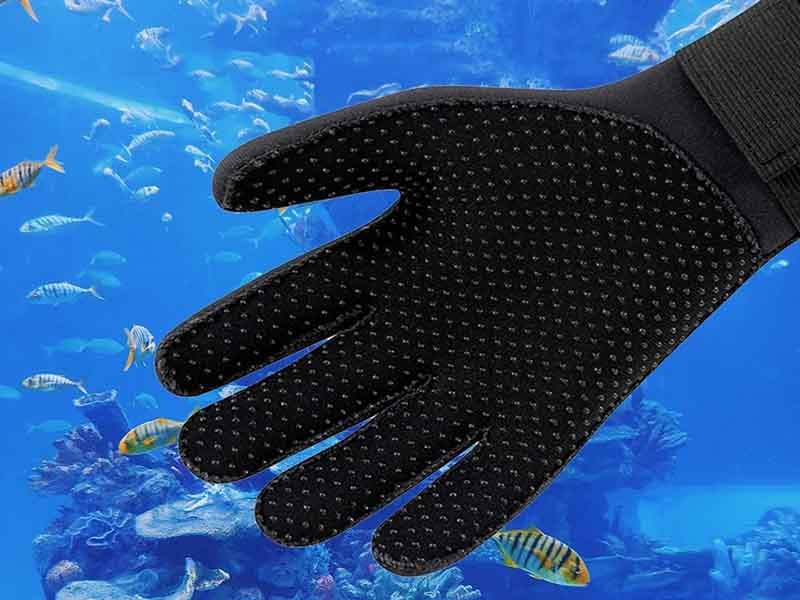
Picture yourself gripping the paddle on a cool morning: your hands numb from cold water, losing dexterity at the exact moment you need control. Enter neoprene gloves—those stretchy, water-resistant saviors that promise grip, warmth, and protection. But are they really worth it? For avid kayakers, they might just be the unsung hero of gear.
Neoprene gloves offer excellent warmth, water repellence, and grip—making them highly effective for kayaking in cool or cold water. Their flexible fit ensures paddling control while insulating against cold and wind.
But here’s something most guides don’t mention: imagine slipping on a pair of custom-branded neoprene gloves with your logo when partnered with a pro kayaking tour. Not only do your hands stay warm—you also get brand visibility on the water. Stick with me—I’ll unpack glove types, materials, sizing tips, and how to get your own custom line through Szoneier.
What Are Neoprene Gloves and How Do They Work for Kayaking?
Neoprene gloves are water-resistant, insulating gloves made from synthetic rubber designed to keep your hands warm and protected while kayaking. The closed-cell structure of neoprene traps a thin layer of water between your skin and the glove; your body heat warms this layer, creating insulation. This, combined with wind-blocking and grip-enhancing materials, ensures better paddle control, reduced numbness, and improved comfort even in cold or wet kayaking conditions.
Neoprene, originally developed for wetsuits, is a synthetic rubber with millions of microscopic air cells inside its structure. When used in gloves, this material works in two ways:
Insulation Through Heat Retention
Unlike traditional fabrics that simply keep water out, neoprene allows a small amount of water in and warms it using your body heat, creating a protective barrier. This prevents rapid heat loss even when your hands are wet—a major advantage for kayakers battling cold rivers or coastal winds.
Protection From Wind and Impact
The outer layer of neoprene is wind-resistant, shielding your hands from chilling breezes on open water. Many gloves also feature reinforced palms and knuckles to protect against paddle blisters or accidental scrapes during docking or portaging.
Grip and Control
Modern kayaking gloves integrate silicone-coated palms or textured patterns so the paddle doesn’t slip even when dripping wet. Some models include pre-curved fingers to reduce fatigue on long trips, mimicking the natural paddling grip.
Flexibility and Comfort
Thickness varies—1–2 mm gloves suit mild weather and allow greater dexterity, while 3–5 mm gloves excel in cold climates, trading some finger agility for superior warmth.
From a critical perspective, while neoprene isn’t 100% waterproof, it delivers the best balance of warmth, flexibility, and protection compared to materials like latex or fleece. That’s why professional kayaking schools and outfitters often choose custom neoprene gloves—like those from Szoneier—because they blend performance with durability, plus options for branding and bulk orders.
Which Types of Neoprene Gloves Are Best for Kayaking?
The best neoprene gloves for kayaking depend on water temperature, weather conditions, and paddling style. Full-finger neoprene gloves (3–5 mm) offer maximum warmth for cold waters, half-finger or open-palm gloves (1–2 mm) provide dexterity in mild conditions, and heavy-duty reinforced gloves protect against blisters and abrasions during long trips. Choosing the right type ensures comfort, grip, and safety throughout your kayaking experience.
When it comes to kayaking gear, gloves are often overlooked until cold water, slippery paddles, or long trips cause discomfort or hand fatigue. Different types of neoprene gloves serve distinct purposes:
1. Full-Finger Neoprene Gloves
- Best for: Cold water (below 15°C / 59°F) or windy conditions
- Thickness: Typically 3–5 mm for insulation
- Pros: Full coverage against cold, UV rays, and abrasions; strong grip patterns for paddle control
- Cons: Reduced finger dexterity—handling small gear like snaps or cameras can be tricky
- Use Case: Winter paddling, whitewater kayaking, or coastal touring in colder climates
2. Half-Finger / Open-Palm Neoprene Gloves
- Best for: Warm-weather kayaking, mixed-activity trips where handling gear is frequent
- Thickness: Usually 1–2 mm
- Pros: Better dexterity for tying knots, using smartphones, or fishing while kayaking
- Cons: Less warmth—fingers are exposed to water and wind
- Use Case: Summer or tropical paddling trips, recreational kayaking, kayak fishing
3. Heavy-Duty Reinforced Neoprene Gloves
- Best for: Long expeditions or rocky environments
- Features: Palm reinforcements, wrist closures, sometimes hybrid fabrics like Kevlar overlays
- Pros: Superior durability and grip; prevents blisters and hand fatigue
- Cons: Bulkier and pricier than standard gloves
- Use Case: Adventure races, multi-day kayaking tours, professional outfitting
4. Convertible or Hybrid Neoprene Gloves
- Design: Mitt-style covers flip open to expose fingers when needed
- Benefit: Combines warmth of full-finger gloves with dexterity of half-finger gloves
- Use Case: Photographers, kayak guides, or anglers needing both warmth and control
Comparison Table
| Type | Thickness | Warmth | Dexterity | Best Use | Cost Range (USD) |
|---|---|---|---|---|---|
| Full-Finger Heavy-Duty | 3–5 mm | High | Low | Cold water, winter paddling | $20–$40 |
| Full-Finger Lightweight | 1–2 mm | Moderate | Medium | Mild weather, casual trips | $15–$30 |
| Half-Finger / Open-Palm | 1–2 mm | Low | High | Warm weather, gear handling | $10–$25 |
| Reinforced Heavy-Duty | 3–5 mm | High | Low–Medium | Expeditions, rough conditions | $25–$50 |
| Convertible / Hybrid | 2–3 mm | Medium–High | Medium–High | Fishing, guides, mixed activities | $20–$35 |
Expert Insight: Matching Gloves to Conditions
- Cold Water (<15°C): Full-finger 3–5 mm gloves with wrist seals prevent numbness and maintain paddle control.
- Mild Conditions (15–20°C): Lightweight full-finger or hybrid gloves balance warmth and dexterity.
- Warm Weather (>20°C): Half-finger gloves protect palms from blisters while keeping fingers cool.
- Professional or Expedition Use: Reinforced gloves with padding and textured grips reduce fatigue on multi-day tours.
How Do Neoprene Gloves Compare to Other Materials for Kayaking?
Neoprene gloves outperform most materials for kayaking by offering the best balance of warmth, water resistance, flexibility, and grip. While rubber or latex gloves are more waterproof, they lack comfort and dexterity. Fleece or synthetic thermal fabrics provide warmth when dry but lose insulation when wet. Neoprene retains heat even in water, making it the top choice for kayaking in cold or wet conditions where paddling control and durability matter most.
When choosing kayaking gloves, material selection determines warmth, comfort, and performance on the water. Here’s how neoprene compares to other common glove materials:
1. Neoprene Gloves: The Kayaker’s Standard
- Properties: Closed-cell foam traps a thin layer of water between glove and skin; body heat warms this layer for insulation.
- Performance: Retains heat even when wet, resists wind, and offers moderate flexibility.
- Use Case: Cold-water kayaking, coastal touring, or whitewater paddling.
2. Rubber/Latex Gloves
- Properties: Fully waterproof barrier but no thermal insulation.
- Performance: Keeps hands dry but becomes cold in low temperatures; stiff texture reduces paddle control.
- Use Case: Chemical protection or industrial use—not ideal for long paddling sessions.
3. Synthetic Thermal Fabrics (e.g., Fleece, Spandex, Polyester Blends)
- Properties: Lightweight, quick-drying, breathable fabrics; good for warmth in dry conditions.
- Performance: Absorb water easily, lose insulation value when wet; often layered under waterproof shells.
- Use Case: Mild weather or as liner gloves beneath neoprene/waterproof gloves.
4. Wool or Natural Fibers
- Properties: Retain warmth even when wet but dry slowly; bulky on the hands.
- Performance: Poor grip, less durability; not designed for paddle handling.
- Use Case: Rarely used for kayaking; better for passive outdoor activities.
Material Comparison Table
| Material | Water Resistance | Warmth When Wet | Flexibility | Grip Control | Best Use Case |
|---|---|---|---|---|---|
| Neoprene | High | High | High | Excellent | Cold/wet kayaking, all-weather paddling |
| Rubber/Latex | Very High | Low | Low | Fair | Industrial, chemical splash protection |
| Fleece/Synthetic | Low | Low–Medium | High | Moderate | Mild weather, liner glove under waterproofs |
| Wool/Natural Fibers | Low | Medium | Low–Medium | Poor | Non-paddling, passive cold-weather activities |
Practical Recommendations for Kayakers
- For cold, wet conditions: 3–5 mm neoprene gloves balance warmth and paddle dexterity.
- For warm weather paddling: Thin synthetic liners or half-finger neoprene gloves prevent blisters without overheating.
- For professional gear or rental fleets: Reinforced neoprene gloves with custom branding offer durability and visibility.
Do Neoprene Gloves Improve Comfort and Performance While Paddling?
Yes. Neoprene gloves improve kayaking comfort and performance by keeping hands warm in cold or wet conditions, enhancing paddle grip with textured palms, and reducing fatigue through ergonomic designs. By preventing numbness, blisters, and loss of dexterity, neoprene gloves enable longer, more efficient paddling sessions while maintaining control and safety on the water.
Paddlers often underestimate how hand comfort directly affects performance—until cold water or repetitive strokes cause pain or fatigue. Neoprene gloves solve this through three key advantages:
1. Thermal Protection for Endurance
When kayaking in water temperatures below 15°C (59°F), bare hands lose heat rapidly, leading to stiffness, slower reaction times, and early muscle fatigue. Neoprene’s closed-cell foam structure traps a thin layer of water, which your body warms, creating an insulating barrier. Studies show that paddlers wearing 3–5 mm neoprene gloves maintain hand warmth 40–60% longer than those without gloves, enabling trips to last hours instead of minutes in cold conditions.
2. Improved Paddle Grip and Control
Textured palms—often silicone or reinforced synthetic overlays—give neoprene gloves superior wet grip performance. On long expeditions, where paddlers average 500–1000 paddle strokes per hour, gloves prevent blisters and slipping, particularly in whitewater or coastal environments with constant spray. Some premium designs add pre-curved fingers to reduce the “grip squeeze” effort, cutting hand fatigue by up to 25% compared to standard flat-seam gloves.
3. Reduced Fatigue and Injury Prevention
Long-distance kayakers frequently report wrist and palm strain after multiple hours of paddling. Neoprene gloves with padded or double-stitched palms absorb some of the vibration and pressure, especially in turbulent waters. Combined with wrist closures to keep the fit snug—but not tight—this design prevents over-gripping and repetitive strain injuries.
4. Enhanced Dexterity Options
Modern neoprene gloves come in varying thicknesses (1–5 mm) and styles (full-finger, half-finger, hybrid) so paddlers can balance warmth with dexterity needs. For instance, half-finger gloves are favored by kayak photographers or anglers who need fingertip control without losing palm protection.
Performance Comparison Table
| Feature | No Gloves | Basic Fabric Gloves | Neoprene Gloves |
|---|---|---|---|
| Warmth in Cold Water | Low | Moderate (if dry) | High |
| Paddle Grip (Wet Conditions) | Low | Moderate | High |
| Blister/Fatigue Prevention | Low | Moderate | High |
| Dexterity Options (1–5 mm) | N/A | Limited | Multiple Thickness Choices |
| Comfort on Long Trips | Low | Moderate | High |
Practical Recommendation for Kayakers
- Cold weather touring: Use 3–5 mm full-finger neoprene gloves with textured palms and wrist seals.
- Mild weather or multi-activity trips: Opt for 1–2 mm half-finger or hybrid gloves for dexterity and light protection.
- Professional fleets & rental gear: Szoneier offers OEM custom neoprene gloves with branding, durable seams, and low MOQs for outdoor brands and tour operators.
Is Thickness Important When Choosing Neoprene Gloves for Kayaking?
Yes. Neoprene glove thickness directly affects warmth, flexibility, and paddling comfort. 1–2 mm gloves suit warm weather and high dexterity needs, 3 mm gloves balance warmth with mobility for mild to cool waters, and 4–5 mm gloves provide maximum insulation for cold-weather kayaking but limit finger flexibility slightly. Choosing the right thickness ensures better comfort, control, and safety during different kayaking conditions.
Glove thickness is the single most important factor when choosing neoprene gloves for kayaking because it impacts thermal insulation, flexibility, and paddling performance. The thicker the neoprene, the better the heat retention — but the trade-off is reduced dexterity. Here’s what paddlers should know:
1. 1–2 mm Neoprene Gloves: Warm Weather and Dexterity
- Best for: Summer kayaking, warm water (>20°C / 68°F)
- Advantages: Light, flexible, breathable; allows handling of cameras, knots, or fishing gear
- Limitations: Minimal warmth in cold or windy conditions
These gloves are popular among kayak anglers and casual paddlers who value finger mobility over insulation.
2. 3 mm Neoprene Gloves: All-Season Versatility
- Best for: Mild climates (15–20°C / 59–68°F) or transitional seasons
- Advantages: Balanced insulation and dexterity; suitable for longer trips or touring
- Limitations: Not warm enough for winter or icy waters
Many tour operators use 3 mm gloves as rental gear because they suit most recreational paddlers.
3. 4–5 mm Neoprene Gloves: Cold Water and Expedition Use
- Best for: Cold water (<15°C / 59°F) or multi-day winter kayaking
- Advantages: Maximum warmth, windproofing, and durability; prevents numbness and fatigue
- Limitations: Slightly reduced finger flexibility; bulkier fit
Professional guides and whitewater kayakers often choose 5 mm gloves for safety and comfort in extreme conditions.
Comparison Table: Thickness vs. Performance
| Glove Thickness | Water Temperature | Warmth Level | Dexterity | Typical Use Case |
|---|---|---|---|---|
| 1–2 mm | >20°C / 68°F (Warm) | Low | High | Summer kayaking, recreational paddling |
| 3 mm | 15–20°C / 59–68°F (Mild) | Medium | Medium | All-season touring, rental gear |
| 4–5 mm | <15°C / 59°F (Cold) | High | Low–Medium | Winter trips, whitewater, expeditions |
Expert Tips for Kayakers
- Always match thickness to water temperature, not air temperature — water chills much faster.
- For long-distance paddling, choose gloves with pre-curved fingers and reinforced palms to reduce fatigue.
- Consider Szoneier’s OEM gloves: available in 1–5 mm thickness, custom logo printing, and low MOQs for tour operators or retail brands.
Are OEM and Custom Neoprene Gloves Available for Outdoor Brands and Retailers?
Absolutely—Szoneier offers custom neoprene gloves with your branding starting at low MOQs, offering fast sampling, multiple customization types (printing, embroidery), and short lead times, perfect for private-label kayak gear.
Many small kayak outfitters want branded gloves to boost recognition. But typical manufacturers demand massive orders. Szoneier changes that—just 300-piece MOQ, free initial design, and sample in 3–7 days. Full run shipped in 25–35 days.
Options include:
- Silk-screen or heat-transfer printing
- Embroidery on neoprene or textile overlays
- Custom sizing for glove fit for different markets
- Packaging with labels or hang tags for retail shelves
Case in point: A UK paddle-school brand ordered full-finger gloves with custom logo and colorways in 400-unit batches—sales tripled in the first season, thanks to quality and branding.
From a critically practical angle, branded gloves aren’t just gear—they’re mobile ads and pride points for paddlers.
How to Choose the Right Neoprene Gloves for Your Kayaking Needs?
Pick gloves based on water temperature, fit, grip design, and thickness. Prioritize fit first—snug but not tight—then choose thickness for warmth and printing options for branding with Szoneier.
Here’s your step-by-step:
- Measure Your Hand—palm width and finger length. Szoneier offers size charts and custom fits.
- Decide on Finger Style—full-finger for cold, half-finger for multitasking.
- Select Thickness by Environment—1–2 mm for warm, 3 mm for moderate, 4–5 mm for cold.
- Evaluate Grip—silicone palms for wet grip; consider reinforcement zones.
- Branding Needs—choose printing or embroidery; Szoneier supports small private-label runs.
- Test Fit—request free sample to ensure flexibility and warmth, especially before bulk ordering.
FAQ Section
Q1: Are neoprene gloves waterproof?
Not fully—but they are water-resistant. They reduce water ingress; wrist cinches help seal water out for short periods.
Q2: Can I use neoprene gloves in tropical climates?
Yes. Lightweight (1–2 mm) gloves provide protection without overheating, especially for UV protection or blister prevention.
Q3: Do neoprene gloves help with UV protection?
Yes—full-finger gloves offer UPF protection, guarding against sunburn.
Q4: How to maintain neoprene gloves?
Rinse fresh water, air dry away from direct sunlight; avoid harsh detergents. This extends elasticity and lifespan.
Q5: Can I mix neoprene thicknesses for different seasons?
Definitely. Many users keep lightweight gloves for summer and thicker pairs for colder months.
Internal Linking Strategy
Link to:
- “Neoprene water sports gear guide”
- “OEM neoprene accessory services”
- “How to care for neoprene gear”
- “Kayaking safety equipment essentials”
If you’re interested in custom neoprene kayaking gloves—for branding, retail, or outfitted tours—Szoneier has your back:
- Free sample prototypes
- Low MOQ (300 pcs)
- Logo & color customization
- Fast production (3–7 day sample, 25–35 day bulk)
- ISO/REACH/ROHS compliant
Email manager@neoprene-bag.com or visit www.neoprene-bag.com to get a free quote—or order a sample to feel the quality for yourself. Let’s keep paddlers warm, comfortable, and branded out there on the water!
What Can I Do For You?
Here, developing your OEM/ODM private label leather goods collection is no longer a challenge,it’s an excellent opportunity to bring your creative vision to life.