
Are Neoprene Gloves Better Than Rubber Gloves: The Ultimate Guide
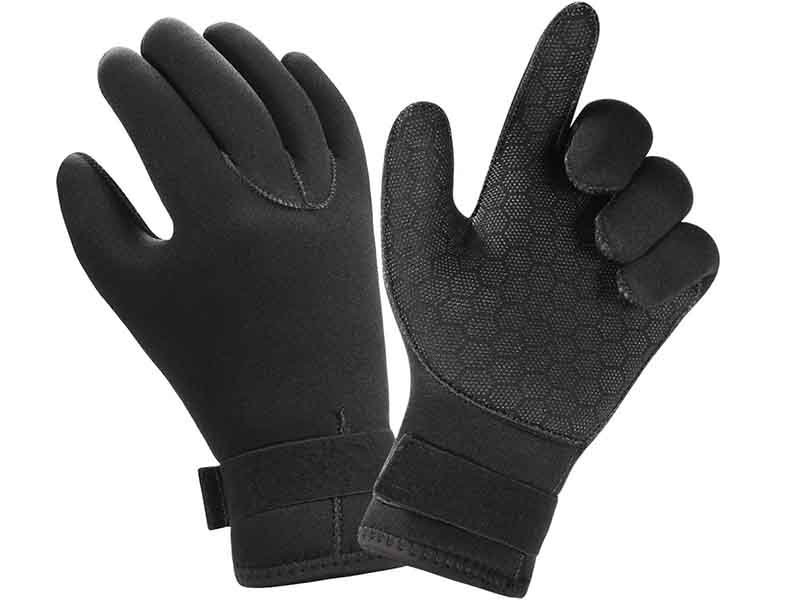
If you’ve ever worked in a lab, cleaned your kitchen, or braved icy waters while fishing, chances are you’ve worn either neoprene gloves or rubber gloves. They look similar at first glance—both keep your hands protected and dry—but underneath, their material differences can make or break performance in real-world applications. Rubber gloves, often made of natural latex, are affordable and flexible. Neoprene gloves, however, are engineered from synthetic chloroprene rubber, delivering enhanced durability, chemical resistance, and comfort.
Neoprene gloves are generally better than rubber gloves for durability, chemical resistance, insulation, and comfort. Rubber gloves are cheaper and flexible but may cause allergies. Neoprene’s synthetic build makes it more versatile for industrial, medical, and outdoor use, while rubber remains ideal for disposable or cost-sensitive tasks.
Picture this: You’re cleaning with bleach, wearing standard rubber gloves. After a few weeks, they start to crack, and your hands get irritated from sweat build-up. Now imagine switching to neoprene gloves—longer-lasting, more resistant to harsh chemicals, and softer on your skin. That small upgrade could mean fewer glove replacements, better hand health, and even cost savings in the long run. In this article, we’ll dive deep into the differences and help you decide which glove type is best for your needs.
What Are Neoprene Gloves and Rubber Gloves Made Of?
Neoprene gloves are made from synthetic chloroprene rubber, offering durability and resistance to chemicals, oils, and weather. Rubber gloves are typically made from natural latex, providing flexibility and grip but with risks of tearing and allergic reactions.
The core distinction between neoprene and rubber gloves starts with their raw materials:
Neoprene Gloves:
- Material: Synthetic chloroprene rubber.
- Properties: Oil-resistant, weatherproof, stable in a wide temperature range.
- Applications: Industrial cleaning, chemical handling, fishing, diving, food processing.
Rubber Gloves:
- Material: Natural rubber latex (or blends with synthetic rubber).
- Properties: Flexible, inexpensive, excellent grip.
- Applications: Household cleaning, medical disposables, light-duty protection.
Production Methods
Rubber gloves are generally produced by dipping molds into liquid latex, creating thin and flexible layers. This makes them lightweight and cost-effective but not as durable. Neoprene gloves are thicker, molded, and sometimes layered with fabric or lining, giving them stronger resistance to wear and tear.
Comparative Table
| Aspect | Neoprene Gloves | Rubber Gloves |
|---|---|---|
| Material | Synthetic chloroprene | Natural latex rubber |
| Chemical Resistance | High (solvents, oils, acids) | Moderate (limited chemical scope) |
| Durability | Excellent (long-term use) | Moderate (prone to cracking) |
| Cost | Medium-High | Low |
| Allergy Risk | Hypoallergenic | Latex allergy risk |
Why This Matters to Buyers
For industrial buyers, material choice means productivity and safety. A factory using rubber gloves may need frequent replacements, raising long-term costs. Switching to neoprene can extend glove life cycles, reduce downtime, and improve worker safety. For households or casual use, rubber gloves remain budget-friendly and practical, but they may not hold up against aggressive chemicals or heavy wear.
Broader Perspective
The shift from natural rubber to synthetic alternatives like neoprene reflects a global trend toward specialized performance materials. In industries where safety standards (e.g., OSHA, EN-374, FDA) apply, neoprene gloves often meet or exceed requirements, making them a smarter long-term investment for companies.
Which Properties Make Neoprene Gloves Different From Rubber Gloves?
Neoprene gloves differ from rubber gloves by offering higher resistance to chemicals, better insulation in extreme temperatures, greater durability, and hypoallergenic properties. Rubber gloves are more affordable and flexible but less resilient to harsh conditions.
The performance of gloves is directly tied to their physical and chemical properties. While both neoprene and rubber protect hands, neoprene offers a more versatile package.
1. Chemical Resistance
Neoprene resists oils, solvents, acids, and detergents far better than natural rubber. For example, in a lab setting, neoprene gloves can withstand acetone exposure much longer than latex gloves, which can degrade quickly.
2. Temperature Stability
- Neoprene: Stable from 20°C to +120°C, making it suitable for outdoor winter use or industrial heat exposure.
- Rubber: Performs well at room temperature but becomes brittle in cold and sticky in prolonged heat.
3. Durability and Longevity
Neoprene gloves resist tearing, punctures, and cracking. Rubber gloves, especially thinner disposable ones, often fail after repeated stretching or exposure to detergents.
4. Flexibility and Comfort
Rubber gloves are naturally flexible and offer excellent tactile sensitivity, which is why they dominate medical and household disposable markets. Neoprene gloves are slightly thicker but can be lined for comfort and dexterity.
5. Allergy Risk
Rubber gloves made of natural latex pose allergy risks—an estimated 6% of the global population is sensitive to latex proteins. Neoprene, being synthetic, is naturally hypoallergenic, making it safer for long-term use.
Comparative Performance Table
| Property | Neoprene Gloves | Rubber Gloves |
|---|---|---|
| Chemical Resistance | Excellent (oils, solvents, acids) | Limited (degrades with solvents) |
| Temperature Tolerance | -20°C to 120°C | 0°C to 60°C (optimal range) |
| Durability | High (tear & abrasion resistant) | Moderate (prone to cracking) |
| Comfort | Good, especially with lining | Excellent flexibility |
| Allergy Safety | Hypoallergenic | Latex allergy risk |
Why This Matters to Buyers
For industries like chemical handling, cleaning services, and outdoor work, neoprene’s durability and resistance make it the superior option. For tasks like short-term food prep or basic household cleaning, rubber gloves may still be sufficient and more cost-effective.
The takeaway? If safety, performance, and longevity matter, neoprene gloves are a clear upgrade.
How Do Neoprene Gloves Perform in Industrial, Medical, and Household Use?
Neoprene gloves excel in industrial and outdoor tasks due to chemical resistance and durability, while rubber gloves dominate medical and household use for flexibility and affordability. The best choice depends on application needs.
1. Industrial Applications
In industries like oil & gas, automotive, chemical processing, and construction, neoprene gloves outperform rubber gloves. Their resistance to petroleum products, solvents, and acids makes them ideal for harsh work environments. Many industrial neoprene gloves are reinforced with cotton or nylon lining for added comfort and cut resistance.
Example: A construction company reported that switching from rubber gloves (average replacement every 2 days) to neoprene gloves extended usage to 2 weeks per pair, saving both costs and downtime.
2. Medical and Laboratory Settings
Rubber gloves, particularly latex, remain common in hospitals due to their tactile sensitivity—important for surgical precision. However, latex allergies have pushed many facilities toward nitrile or neoprene alternatives. Neoprene gloves provide hypoallergenic protection while maintaining sufficient flexibility for tasks like lab experiments and patient care.
3. Household Use
- Rubber Gloves: Widely used for dishwashing, cleaning, and light chemical handling. Affordable and disposable.
- Neoprene Gloves: Preferred for heavy-duty cleaning (bleach, drain cleaners) and outdoor tasks (gardening, pool maintenance). They last longer and reduce the risk of hand irritation.
4. Outdoor and Sporting Uses
Neoprene gloves are essential for scuba diving, fishing, surfing, and winter sports. Their insulation properties keep hands warm and flexible in cold water, something rubber gloves cannot achieve.
Performance Matrix
| Use Case | Best Choice | Why |
|---|---|---|
| Household Cleaning | Rubber Gloves | Affordable, flexible, disposable |
| Industrial Cleaning | Neoprene Gloves | Chemical-resistant, durable |
| Medical Procedures | Rubber/Neoprene Mix | Rubber = tactile, Neoprene = hypoallergenic |
| Diving & Outdoor Sports | Neoprene Gloves | Insulation, water resistance |
| Harsh Chemical Handling | Neoprene Gloves | Superior chemical resistance |
Buyer Takeaway
Neoprene gloves shine when tasks demand resilience and protection, while rubber gloves remain the go-to for everyday flexibility and low cost. For organizations, the decision should balance budget, safety, and intended use—with neoprene becoming the smarter investment for long-term performance.
Do Neoprene Gloves Last Longer Than Rubber Gloves?
Yes, neoprene gloves typically last longer than rubber gloves because they resist tearing, cracking, and chemical degradation. Rubber gloves are cheaper but wear out faster, especially when exposed to detergents, oils, or frequent stretching.
Durability is one of the most important factors buyers consider, especially in industrial and commercial use.
1. Material Strength
- Neoprene: Made from synthetic chloroprene, which has superior tensile strength and elasticity retention. It does not harden or crack easily, even after repeated chemical exposure.
- Rubber: Natural latex rubber is strong but vulnerable to ozone, UV, oils, and certain solvents, which can cause it to break down.
2. Resistance to Chemicals and Oils
- Neoprene gloves can withstand petroleum oils, solvents, and strong cleaning agents. Rubber gloves, by contrast, degrade faster when in contact with oils and solvents. For example, dishwashing detergent can shorten a rubber glove’s lifespan dramatically, while neoprene holds up far longer.
3. Wear and Tear in Daily Use
Industrial tests show neoprene gloves last 5–10 times longer than standard rubber gloves under continuous use. Rubber gloves are often treated as semi-disposable, while neoprene gloves are expected to survive weeks—or even months—of repeated wear.
4. Cost vs. Lifespan Analysis
| Glove Type | Average Lifespan (Regular Use) | Cost per Pair (Approx.) | Cost Efficiency |
|---|---|---|---|
| Rubber Gloves | 1–7 days (disposable or household) | $0.50 – $3.00 | Low upfront, high replacement |
| Neoprene Gloves | 2–6 weeks (industrial/heavy duty) | $5.00 – $15.00 | Higher upfront, lower long-term |
Buyer Insight
For households, cheap rubber gloves may be fine. But for industrial buyers, laboratories, or professional cleaners, neoprene saves costs long-term by reducing glove replacement cycles and downtime.
Is Comfort and Fit Better in Neoprene or Rubber Gloves?
Rubber gloves are thinner and more flexible, offering high tactile sensitivity, while neoprene gloves provide better overall comfort with added lining, warmth, and reduced allergy risks. Comfort preference depends on the task.
Comfort isn’t just about “feel”—it affects productivity, safety, and user adoption. Workers who dislike wearing gloves are more likely to remove them, exposing themselves to hazards.
1. Tactile Sensitivity
- Rubber Gloves: Known for their thin construction and snug fit, they allow excellent finger dexterity. This is why they dominate in medical settings where precise movement is required.
- Neoprene Gloves: Slightly thicker, but modern manufacturing includes form-fitting designs and flexible linings that improve dexterity.
2. Breathability and Sweat Control
- Rubber Gloves: Often trap heat and moisture, causing sweaty hands. This can lead to skin irritation over long periods.
- Neoprene Gloves: Some models feature cotton or flock lining, which absorbs moisture and makes them more comfortable for long wear.
3. Temperature Insulation
- Rubber Gloves: Minimal insulation; hands can feel cold or hot quickly.
- Neoprene Gloves: Naturally insulating, making them excellent for cold-weather outdoor work, fishing, or diving.
4. Allergy Considerations
- Rubber Gloves: Latex proteins can cause allergic reactions in sensitive individuals.
- Neoprene Gloves: Hypoallergenic, eliminating this risk.
5. User Feedback Trends
- Medical professionals prefer rubber gloves for short-term, high-precision use.
- Industrial workers prefer neoprene for long-term, heavy-duty use.
- Consumers doing household cleaning often switch to neoprene when they experience skin irritation or want gloves that feel more padded and protective.
Comfort & Fit Comparison
| Factor | Neoprene Gloves | Rubber Gloves |
|---|---|---|
| Dexterity | Good, but slightly thicker | Excellent (very thin, flexible) |
| Moisture Control | Better (lined options available) | Poor (hands sweat quickly) |
| Warmth | Insulating, warm in cold environments | Minimal insulation |
| Skin Safety | Hypoallergenic | Latex allergy risks |
| Long-Term Comfort | Excellent for extended wear | Limited for long sessions |
Buyer Takeaway
- For precision tasks (surgery, lab pipetting, delicate cleaning), rubber gloves win for dexterity.
- For heavy-duty or long sessions (industrial cleaning, diving, outdoor work), neoprene provides superior comfort and warmth.
- For allergy-sensitive users, neoprene is the safest option.
Are Neoprene Gloves Safer for Sensitive Skin Compared to Rubber Gloves?
Yes. Neoprene gloves are hypoallergenic and safer for sensitive skin than rubber gloves, which may trigger latex allergies and cause irritation with long wear.
Glove safety isn’t just about chemicals—it’s also about skin compatibility.
1. Latex Allergy Risks
- Rubber gloves made from natural latex contain proteins that can trigger allergic reactions in sensitive individuals.
- Symptoms include skin rashes, itching, and in severe cases, respiratory reactions.
- According to the American College of Allergy, Asthma & Immunology, up to 6% of the population has some form of latex sensitivity.
2. Neoprene’s Hypoallergenic Nature
- Neoprene is a synthetic material, free from natural latex proteins.
- It’s commonly recommended in hospitals and labs for professionals with latex allergies.
- Even during prolonged wear, neoprene gloves reduce irritation thanks to smoother interior linings and better breathability options.
3. Skin Comfort in Long-Term Use
- Rubber gloves often cause sweating and irritation when worn for long sessions.
- Neoprene gloves, particularly those with cotton or flock lining, are gentler on skin and reduce moisture buildup.
4. Industry Standards
Many neoprene gloves meet ISO 374 (chemical risks), EN 420 (general glove safety), and FDA standards for food and medical use—assuring both safety and reliability.
Buyer Insight: For medical facilities, food processing plants, or individuals with sensitive skin, neoprene is not just a better option—it’s the only safe option.
Which Type of Gloves Should You Choose for Your Application?
Choose rubber gloves for affordable, short-term use in household or medical disposables. Choose neoprene gloves for heavy-duty, chemical-resistant, long-lasting, and hypoallergenic protection in industrial, outdoor, or sensitive-skin applications.
No single glove is “best” for everyone—the right choice depends on your application.
1. Household Cleaning
- Rubber gloves are cheap and flexible, making them ideal for quick dishwashing or bathroom cleaning.
- Neoprene is better for harsh chemicals like bleach or drain cleaners.
2. Industrial Work
- Neoprene gloves outperform rubber in construction, oil & gas, automotive, and chemical industries.
- Their resistance to solvents, oils, and abrasion extends glove life, reducing replacement costs.
3. Medical & Laboratory
- Rubber gloves (especially disposable latex) still dominate for surgeries and examinations requiring maximum dexterity.
- Neoprene is the safer, allergy-free alternative for labs, dental offices, and research facilities.
4. Outdoor & Sporting Activities
- Neoprene gloves are unmatched for diving, fishing, surfing, and winter work.
- Their insulation and water resistance make them essential for cold or wet environments.
Comparative Decision Matrix
| Application | Best Choice | Why |
|---|---|---|
| Household Cleaning | Rubber (cheap, flexible) | Cost-effective for light tasks |
| Harsh Chemical Cleaning | Neoprene | Superior chemical resistance |
| Industrial/Heavy-Duty | Neoprene | Longer-lasting, saves costs long-term |
| Medical (Precision) | Rubber | High dexterity, thin and disposable |
| Medical (Allergy-Safe) | Neoprene | Hypoallergenic, safer for sensitive skin |
| Diving/Outdoor Sports | Neoprene | Insulation, water resistance, warmth in cold water |
Conclusion: Why Source With Szoneier?
When it comes to gloves, the choice between neoprene and rubber boils down to cost vs. performance. Rubber gloves are affordable and flexible for everyday, short-term use. Neoprene gloves, however, provide long-term durability, superior chemical resistance, comfort, and safety for sensitive skin. For businesses, neoprene isn’t just a glove material—it’s a strategic investment in worker protection, productivity, and brand reputation.
At Szoneier, we specialize in neoprene OEM/ODM glove manufacturing with over 18 years of expertise. Our strengths include:
- Custom design & branding (private label, logo printing, packaging).
- Low MOQ & free samples, perfect for both startups and established brands.
- Fast sampling & short lead times (7–10 days for samples, 3–4 weeks for bulk).
- Strict QC & certifications (ISO, REACH, FDA, EN standards).
- Wide application range: industrial gloves, diving gloves, medical-safe gloves, and household neoprene gloves.
Whether you’re sourcing for retail, industrial supply, or promotional campaigns, Szoneier is your trusted partner for high-quality neoprene gloves at factory-direct pricing.
What Can I Do For You?
Here, developing your OEM/ODM private label leather goods collection is no longer a challenge,it’s an excellent opportunity to bring your creative vision to life.