
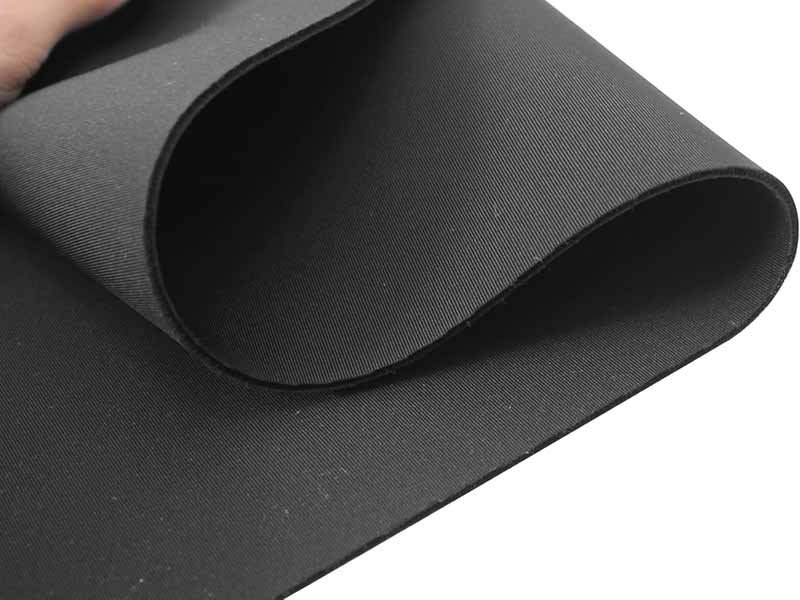
A lot of bag materials look strong when they are new. They photograph well, feel smooth in hand, and seem good enough for a sample review. But once those bags are used every day, the real differences begin to show. Handles stretch, corners abrade, the body loses shape, and the material starts looking tired long before the product should be replaced. This is exactly why neoprene has become such an important material in modern bag development. It does not rely on surface appearance alone. Its durability comes from how the material is built from the inside out.
Neoprene is durable for bags because it combines a rubber foam core with laminated textile surfaces, giving the material stretch recovery, cushioning, water resistance, and better resistance to repeated use than many ordinary fabrics. In bag applications, this helps neoprene hold shape, protect contents, resist light moisture, and tolerate bending, folding, and daily friction without failing quickly.
That combination is especially valuable in products such as laptop sleeves, lunch bags, cooler bags, cosmetic bags, sports bags, bottle carriers, and travel accessories. In these categories, customers do not only want a bag that looks attractive on the first day. They want a bag that still feels protective and usable after months of real-life use. That is where neoprene stands out. At first touch, it feels soft and flexible. After long use, it often proves tougher than it first appears. And that is why so many brands keep coming back to it when they want products that feel comfortable, modern, and dependable at the same time.
What Is Neoprene Fabric for Neoprene Bags?
Neoprene fabric for neoprene bags is a laminated composite material made from synthetic rubber foam bonded with textile layers such as polyester, nylon, or stretch fabric. This structure gives neoprene bags their soft feel, thickness, flexibility, and protective performance.
When customers first hear the word “fabric,” they often imagine a woven textile such as cotton, polyester, or nylon. Neoprene is different. It is better understood as a composite material. At the center is a rubber foam layer. On one or both sides, textile layers are laminated to improve surface appearance, handling, strength, and sewing performance. This layered system is the reason neoprene behaves so differently from ordinary bag fabrics.
In practical bag development, neoprene is often selected because it solves several problems at once:
- it adds body without needing heavy padding
- it cushions contents without extra foam insert structures
- it bends without creasing as harshly as many woven fabrics
- it gives the bag a cleaner and fuller shape
- it improves comfort in handheld or body-contact products
A simple way to understand neoprene is to compare it with flat woven fabric. A woven nylon or polyester shell may be strong, but by itself it does not cushion or insulate much. To make it protective, the factory often needs to add foam, lining, spacer layers, or extra structure. Neoprene already contains a foam core, so part of that protective function is built into the material itself.
The table below shows the general structure.
| Layer | Material Role | Why It Matters in Bags |
|---|---|---|
| Outer face fabric | Surface protection and appearance | Improves abrasion resistance and printability |
| Middle foam core | Cushioning and elasticity | Absorbs impact and supports shape |
| Inner fabric layer | Stability and comfort | Improves inner feel and lamination balance |
For product managers and sourcing teams, this matters because neoprene is not a single-spec material. A 3mm SBR neoprene laminated with polyester on both sides behaves differently from a softer CR blend with jersey lamination. The word “neoprene” alone is not enough. Serious product development needs to define:
- neoprene grade
- thickness
- lamination fabric
- density
- hardness or softness target
- intended bag use
That is also why two neoprene bags with a similar look may perform very differently in the market. One may feel smooth but pill quickly. Another may hold shape better but feel stiffer. One may be better for cooler bags, another better for fashion totes, and another better for sleeves or protective carriers. Good factories do not treat neoprene as one generic material. They treat it as a system that must match the product.
What Is Neoprene Fabric?
Neoprene fabric is usually a chloroprene- or styrene-butadiene-based synthetic rubber foam laminated with textile surfaces. In simple terms, it is a soft rubber sheet with fabric bonded to it so it can be cut, stitched, printed, glued, and turned into finished products.
The inner foam is what gives neoprene its characteristic thickness and resilience. That foam contains many tiny closed cells, which help create:
- cushioning
- flexibility
- light insulation
- water resistance
- shape memory
The laminated face fabrics then help with:
- surface durability
- color and print presentation
- sewing compatibility
- branding appearance
- touch feeling
In commercial bag manufacturing, the most common neoprene thicknesses are:
| Neoprene Thickness | Common Product Use |
|---|---|
| 2mm | Slim sleeves, pouches, lightweight fashion bags |
| 3mm | Laptop sleeves, lunch bags, tote bags, bottle carriers |
| 5mm | Cooler bags, protective cases, heavier-duty insulated bags |
Thickness alone does not decide quality. A 3mm neoprene with better density and stronger lamination can outperform a cheaper 5mm sheet in real use. That is important for customers comparing prices, because some low-cost neoprene products feel thick but age badly due to weak lamination or unstable foam quality.
Why Is Neoprene Used in Neoprene Bags?
Neoprene is used in neoprene bags because it offers a combination of protection, flexibility, comfort, and visual appeal that is hard to match with a single-layer fabric. It gives the bag a padded feel without requiring complex multi-layer construction, and it keeps many bag styles looking full and structured even when empty.
For brands, the decision often comes down to product function. Neoprene works especially well when the bag needs to do one or more of the following:
- protect electronics or fragile contents
- hold temperature better than standard fabric bags
- feel soft in hand
- resist light splashes and sweat
- keep a fuller shape
- stretch slightly to fit contents
This is why neoprene is common in:
- laptop sleeves
- wine totes
- lunch bags
- beach bags
- cosmetic pouches
- sports and fitness bags
- bottle holders
- travel organizers
A useful comparison with basic woven fabrics looks like this:
| Property | Standard Polyester | Standard Nylon | Neoprene |
|---|---|---|---|
| Cushioning | Low | Low | High |
| Shape fullness | Medium | Medium | High |
| Stretch recovery | Low | Low to medium | High |
| Hand feel softness | Medium | Medium | High |
| Light moisture resistance | Medium | Medium | High |
Customers also like neoprene because it often feels premium even in relatively simple bag designs. It has a clean, modern, slightly sporty character that fits many international markets, especially for active lifestyle, commuting, travel, baby products, and giftable accessories.
How Is Neoprene Fabric Structured?
The structure of neoprene fabric is one of the main reasons it is durable. Unlike ordinary woven materials that rely only on interlaced yarns, neoprene includes a foam core that compresses and rebounds under pressure. That gives the material different performance behavior under everyday stress.
A practical neoprene structure includes:
- outer laminated fabric layer
- foam rubber core
- inner laminated backing or lining layer
That layered build helps the material resist several common bag problems.
When a bag is bent repeatedly, neoprene usually recovers better than stiffer fabrics.
When a bag is pressed or squeezed, the foam layer cushions the contents.
When the bag is carried against the body, the soft laminated surface feels less harsh.
When the bag is exposed to light splashes, the closed-cell foam and laminated face help slow water penetration.
The performance of that structure depends on several technical points:
| Structure Factor | Low-Quality Result | Better-Quality Result |
|---|---|---|
| Foam density | Too soft, weak support | Better body and longer service life |
| Lamination strength | Delamination risk | Stable composite structure |
| Face fabric quality | Pilling or abrasion | Better surface wear life |
| Foam uniformity | Uneven thickness | Cleaner appearance and better cutting |
For clients developing private label products, this is critical. Many neoprene bag complaints in the market are not about neoprene as a concept. They are about poor neoprene structure execution:
- weak glue bonding
- unstable thickness
- low-density foam
- surface fabric that abrades too quickly
- inconsistent lamination across rolls
That is why experienced manufacturers like Oneier usually focus heavily on material matching before they start production.
Are Neoprene Bags Different from Nylon Bags?
Yes, neoprene bags are very different from nylon bags in both feel and function. Nylon is usually a woven textile. Neoprene is a foam-laminated composite. Even when both are made into similar bag shapes, the performance and user experience are not the same.
Nylon bags generally perform well when customers need:
- lightweight structure
- higher tensile shell strength
- packability
- lower material cost in some categories
Neoprene bags perform better when customers need:
- cushioning
- flexibility with body
- a fuller structured look
- comfort against the body
- better fit for electronics or bottle-style items
A practical comparison:
| Property | Nylon Bags | Neoprene Bags |
|---|---|---|
| Surface feel | Smooth or crisp | Soft and padded |
| Protection level | Depends on added padding | Built-in cushioning |
| Stretch behavior | Low | Moderate |
| Shape retention | Moderate | Good to high |
| Insulation | Low | Better |
| Typical product style | Backpacks, duffels, shell bags | Sleeves, totes, coolers, bottle bags |
For many brands, the decision is not “Which is better overall?” It is “Which is better for this product?” A commuter laptop sleeve, bottle tote, or lunch bag may benefit more from neoprene. A hiking backpack or ultra-light packable travel bag may benefit more from woven nylon. Understanding that difference leads to better product positioning and fewer wrong material decisions.
Why Is Neoprene Durable for Neoprene Bags?
Neoprene is durable for neoprene bags because it combines elastic recovery, closed-cell foam cushioning, laminated surface strength, and resistance to repeated bending and daily handling. In real use, this helps the material resist deformation, soften impact, and stay functional longer than many unpadded fabrics.
Durability in bag materials is often misunderstood. Many people think durability only means tear strength. In reality, a bag fails in several different ways:
- it tears
- it abrades
- it collapses and loses shape
- it cracks at fold zones
- it stops protecting what is inside
- it looks worn too quickly
Neoprene performs well because it addresses several of these failure modes at once.
First, the foam core helps absorb stress.
Second, the laminated surfaces protect the structure from direct wear.
Third, the material usually rebounds after compression instead of staying flattened.
Fourth, the soft structure reduces hard crease lines that can weaken some fabrics over time.
For product developers, neoprene durability should be judged through several lenses:
| Durability Factor | Why It Matters in Bags |
|---|---|
| Tear resistance | Prevents failure under pulling or sharp stress |
| Abrasion resistance | Affects corners, side panels, and daily wear look |
| Compression recovery | Helps maintain shape and cushioning |
| Lamination stability | Prevents fabric separation from foam |
| Flex fatigue resistance | Important for repeated opening, carrying, folding |
The better the neoprene system, the better the bag usually performs in categories that require repeated handling. But durability is not automatic. Not all neoprene is strong. Lower-cost material may have weaker lamination, softer low-density foam, or less stable face fabrics. That means sourcing quality matters just as much as choosing neoprene as a material category.
Why Are Neoprene Bags Tear Resistant?
Neoprene bags are relatively tear resistant because the material does not behave like a brittle sheet. The foam core and textile laminations work together to distribute force instead of letting stress remain concentrated in one small point. This helps small damage stay local rather than spreading quickly.
In bag use, tearing often starts when:
- a seam is overloaded
- a sharp edge pushes outward from inside
- the bag catches on a corner or hook
- the cut edge area is poorly finished
Neoprene helps because it has a certain give under load. That elasticity reduces sudden break behavior. At the same time, the laminated outer fabrics add reinforcement that plain foam alone would not provide.
A simplified tear-resistance comparison for bag-facing materials may look like this:
| Material Type | General Tear Performance |
|---|---|
| Plain woven polyester | Moderate |
| Plain woven nylon | Good |
| Laminated neoprene composite | Good to very good |
| Cheap low-density foam laminate | Weak to moderate |
The actual result depends strongly on:
- face fabric quality
- foam density
- thickness
- seam construction
- whether the product is stitched, glued, or both
This is why a strong neoprene bag is never just about the sheet material. It is also about how that sheet is converted into the final product.
How Do Neoprene Bags Resist Abrasion?
Neoprene bags resist abrasion mainly through the laminated outer fabric, not through bare foam alone. The textile face layer is the first defense against rubbing from clothing, desks, car interiors, floors, and other daily contact surfaces. The foam core behind it helps absorb movement and reduce sharp fold damage.
In practical terms, abrasion performance depends on:
- outer fabric type
- surface texture
- lamination quality
- product use environment
For example, a smooth polyester-faced neoprene may perform differently from a stretch jersey-faced neoprene. A cooler bag that mostly sits on tables and car seats faces different abrasion patterns from a sports tote used daily in gyms and outdoor settings.
A useful performance view:
| Outer Lamination Type | Abrasion Behavior | Common Use |
|---|---|---|
| Polyester knit | Balanced wear resistance | Tote bags, lunch bags, sleeves |
| Nylon jersey | Good toughness | Protective sports and gear products |
| Fashion stretch laminate | Softer look, lower wear life | Style-led accessories |
For brands, abrasion resistance is especially important because surface wear affects not only function but also how “new” the product looks after repeated use. In many retail categories, visible wear drives complaints faster than structural failure.
Why Do Neoprene Bags Keep Their Shape?
Neoprene bags keep their shape well because the foam core gives the material natural body and elastic recovery. When the bag is squeezed, bent, or lightly compressed, the foam tends to rebound instead of staying crushed like a thin woven fabric would.
That matters a lot in product categories where shape helps usability:
- laptop sleeves
- lunch totes
- bottle bags
- cosmetic organizers
- soft cooler bags
A bag that keeps shape usually:
- looks more premium on the shelf
- feels more protective
- is easier to open and use
- photographs better for online sales
A practical comparison:
| Material | Natural Body | Recovery After Compression |
|---|---|---|
| Thin polyester fabric | Low | Low |
| Thick canvas | Medium to high | Low |
| Neoprene | High | High |
Of course, shape retention still depends on design. A large loose neoprene tote with no panel engineering will not behave like a structured molded case. But compared with many other soft bag materials, neoprene gives product designers a helpful starting structure without adding many extra support layers.
Are Neoprene Bags Good for Daily Use?
Yes, neoprene bags are very good for daily use when the product category matches the material. Daily-use success comes from a combination of comfort, resilience, surface softness, and built-in cushioning. These are exactly the features many consumers notice when they use neoprene products over time.
Neoprene is especially well suited to daily-use items such as:
- commuter laptop sleeves
- lunch bags
- bottle holders
- sports totes
- beach and travel accessories
- mother-and-baby accessory bags
For daily-use products, customers usually care about:
- does it feel comfortable to carry
- does it protect what is inside
- does it handle minor spills
- does it look good after repeated use
- is it easy to clean
Neoprene performs well in these areas because it is forgiving. It flexes, rebounds, and cushions rather than feeling hard and fragile. That makes it appealing to brands serving active lifestyles, commuting users, fitness markets, and casual daily-carry categories.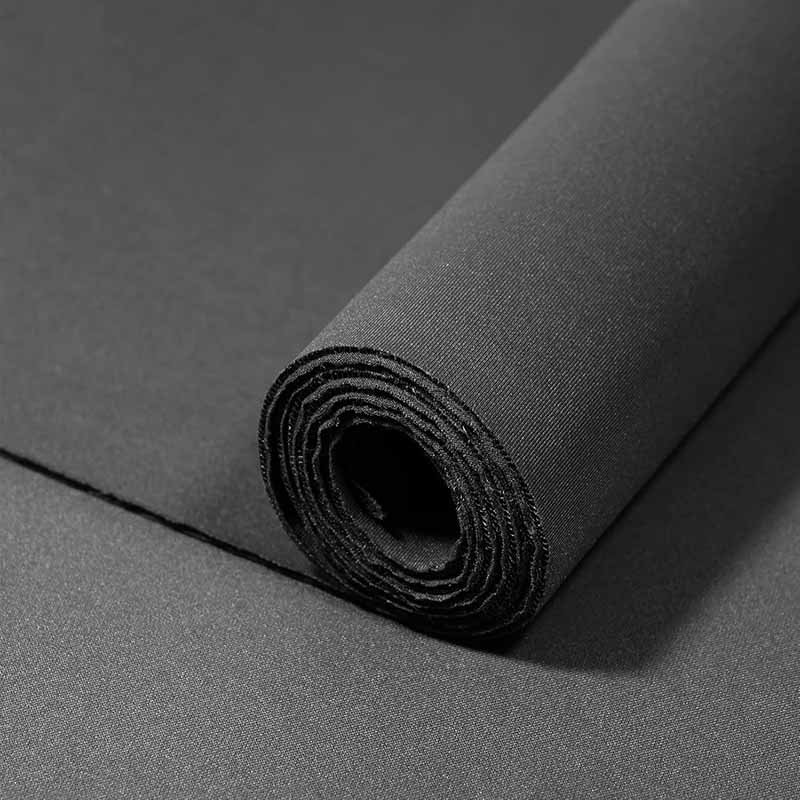
How Do Neoprene Bags Protect Items?
Neoprene bags protect items because the material combines shock absorption, moderate insulation, moisture resistance, and flexible structure. These properties help reduce damage from impacts, temperature change, and daily movement.
Unlike thin textile fabrics, neoprene contains a foam layer that functions as a natural cushioning barrier. This allows the bag to absorb pressure when objects bump into surfaces or when the bag is compressed during transport.
Protection performance is one of the main reasons neoprene is used in products such as laptop sleeves, bottle carriers, and cooler bags.
Several protective properties contribute to the overall performance of neoprene bags:
| Protection Property | Benefit for Bag Products |
|---|---|
| Impact cushioning | Reduces shock to electronics and fragile items |
| Water resistance | Protects contents from splashes and light rain |
| Temperature insulation | Helps maintain internal temperature |
| Flexible compression | Prevents rigid structural damage |
Together, these features create a material that performs well in everyday situations where bags are frequently handled, dropped, or exposed to changing environments.
How Do Neoprene Bags Absorb Impact?
One of the most important protective functions of neoprene is its ability to absorb impact. The foam structure inside neoprene acts like a cushion that compresses under pressure and rebounds once the pressure is removed.
This ability to compress and recover reduces the force transferred to items inside the bag.
For example, when a laptop sleeve made from neoprene is placed inside a backpack or accidentally bumped against a hard surface, the neoprene foam layer absorbs part of the impact energy before it reaches the laptop.
The impact protection ability of neoprene depends mainly on three factors:
- foam thickness
- foam density
- lamination structure
The table below illustrates how thickness influences impact protection.
| Neoprene Thickness | Impact Cushioning Level | Typical Applications |
|---|---|---|
| 2 mm | Light cushioning | Tablet sleeves, small pouches |
| 3 mm | Moderate cushioning | Laptop sleeves, lunch bags |
| 5 mm | Strong cushioning | Cooler bags, equipment cases |
A well-designed neoprene bag often combines foam thickness with reinforced seams and structured panels so the protective benefits are distributed evenly across the bag.
Why Are Neoprene Bags Water Resistant?
Neoprene bags are naturally water resistant because the foam core contains closed cells that do not easily absorb water.
These closed cells act as barriers that slow down the penetration of moisture. While neoprene is not completely waterproof in most bag constructions, it can effectively protect contents from light rain, splashes, or accidental spills.
Water resistance is especially important for products such as:
- beach bags
- lunch bags
- cooler bags
- bottle carriers
- sports bags
In many consumer situations, bags may be placed on wet surfaces, used near pools, or exposed to outdoor conditions. Neoprene helps reduce the risk of moisture reaching the interior contents.
However, water resistance also depends on the construction of the bag. For example:
| Construction Type | Water Resistance Level |
|---|---|
| Standard stitched seams | Moderate |
| Reinforced stitched seams | Higher |
| Glued or sealed seams | Very high |
Manufacturers often combine neoprene fabric with water-resistant zippers and sealed seams when designing bags intended for outdoor or travel use.
How Do Neoprene Bags Insulate Temperature?
Neoprene has natural insulating properties because the foam core traps small pockets of air. Air is a poor conductor of heat, which means the material slows down heat transfer between the inside and outside of the bag.
This thermal insulation property is why neoprene is widely used in wetsuits and beverage koozies. The same principle applies to neoprene bags.
When used in cooler bags or lunch bags, neoprene helps slow the warming of cold items or the cooling of warm items.
The insulation performance depends on:
- neoprene thickness
- foam density
- bag design
- additional insulation layers
Typical insulation performance examples include:
| Bag Type | Typical Temperature Retention |
|---|---|
| Neoprene lunch bag | 2–4 hours cooling support |
| Neoprene bottle carrier | Slows beverage warming |
| Neoprene cooler bag | Helps maintain cold items with ice packs |
Although neoprene insulation alone is not equal to specialized thermal insulation materials used in high-performance coolers, it offers a good balance between insulation, flexibility, and lightweight construction.
Are Neoprene Bags Safe for Electronics?
Yes, neoprene bags are widely used to protect electronics such as laptops, tablets, cameras, and headphones.
The combination of cushioning and flexibility helps reduce the risk of damage during daily handling.
When designing neoprene bags for electronics, manufacturers often consider additional structural details such as:
- thicker foam panels
- padded zipper guards
- reinforced corners
- soft interior lining
These features work together with the neoprene material to create a protective environment for electronic devices.
For example, many laptop sleeves use 3 mm neoprene with polyester lamination, which provides a balance of protection and flexibility while keeping the sleeve lightweight and easy to carry.
Which Neoprene Types Work for Neoprene Bags?
Different neoprene types offer different performance characteristics. The two most commonly used neoprene materials in bag manufacturing are SBR neoprene and CR neoprene.
Choosing the right type depends on the intended product, environmental conditions, and target price range.
The main neoprene types used in bags include:
| Neoprene Type | Characteristics | Typical Applications |
|---|---|---|
| SBR neoprene | Good flexibility and cost efficiency | General-purpose bags |
| CR neoprene | Better weather and chemical resistance | Premium products |
| SBR/CR blends | Balanced performance and cost | Many commercial bags |
Each type has advantages depending on the design goals of the product.
What Is SBR Neoprene for Neoprene Bags?
SBR neoprene (styrene-butadiene rubber) is one of the most widely used neoprene materials in bag manufacturing. It provides good elasticity, durability, and cost efficiency.
Because of its balanced performance, SBR neoprene is commonly used in:
- laptop sleeves
- lunch bags
- cosmetic bags
- sports accessories
- tote bags
Manufacturers often select SBR neoprene when they need a material that offers reliable durability without significantly increasing production cost.
Typical characteristics of SBR neoprene include:
| Property | Performance |
|---|---|
| Elasticity | Good |
| Abrasion resistance | Good |
| Cost efficiency | High |
| Weather resistance | Moderate |
For most indoor or daily-use bag products, SBR neoprene performs very well.
What Is CR Neoprene for Neoprene Bags?
CR neoprene (chloroprene rubber) is considered a higher-performance version of neoprene. It provides better resistance to weather, ozone exposure, and certain chemicals.
Because of these properties, CR neoprene is often used in products exposed to more demanding environments, such as:
- marine equipment bags
- outdoor sports bags
- professional gear bags
- diving and water-sport products
CR neoprene usually has higher raw material costs than SBR neoprene, but the performance improvements may justify the price for premium products.
Key characteristics of CR neoprene include:
| Property | Performance |
|---|---|
| Weather resistance | Excellent |
| Chemical resistance | Good |
| Durability | Very high |
| Material cost | Higher |
When brands position their products in higher-end markets, CR neoprene can help support durability claims.
How Does Neoprene Thickness Affect Neoprene Bags?
Thickness is one of the most important parameters when designing neoprene bags.
Thicker neoprene generally provides:
- better cushioning
- stronger insulation
- improved structure
However, thicker neoprene also increases weight and material cost. Designers must balance these factors depending on the product’s intended use.
The following table shows common thickness options and their typical applications.
| Thickness | Typical Use |
|---|---|
| 2 mm | Slim sleeves and lightweight bags |
| 3 mm | Laptop sleeves, lunch bags, tote bags |
| 4–5 mm | Cooler bags, protective gear cases |
For many consumer products, 3 mm neoprene is the most widely used thickness because it provides a good balance of flexibility, cushioning, and weight.
Which Laminations Improve Neoprene Bags?
The textile layers laminated to neoprene foam significantly influence durability, appearance, and usability.
Common lamination fabrics include:
| Lamination Fabric | Characteristics |
|---|---|
| Polyester | Good abrasion resistance and stable structure |
| Nylon | Strong and flexible |
| Stretch jersey | Soft and comfortable touch |
Different lamination fabrics are selected depending on the product style. For example:
- polyester laminations are common in tote bags and sleeves
- nylon laminations are often used in sports gear
- stretch fabrics are common in fashion-oriented neoprene bags
The lamination process must also be carefully controlled to prevent delamination, which can occur if adhesive bonding between layers is weak.
Factories with strong material expertise typically evaluate lamination strength through testing procedures before starting mass production.
How Are Durable Neoprene Bags Manufactured?
Durable neoprene bags are manufactured through a process that combines material engineering, precision cutting, reinforced sewing, and quality inspection. While neoprene itself provides cushioning and flexibility, the overall durability of the bag depends heavily on how the material is processed and assembled.
In practical production environments, several steps determine whether a neoprene bag performs well over time. These include selecting the correct neoprene grade, ensuring stable lamination between the foam and fabric layers, and applying reinforced stitching techniques at structural stress points.
A typical neoprene bag manufacturing process involves the following stages:
| Manufacturing Stage | Purpose |
|---|---|
| Material selection | Choose neoprene type, thickness, and lamination |
| Pattern development | Define panel shapes and bag structure |
| Precision cutting | Ensure consistent material dimensions |
| Sewing and assembly | Connect panels with reinforced seams |
| Finishing and inspection | Verify durability and appearance |
Each stage contributes to the final product’s strength, flexibility, and long-term usability.
Many durability issues in low-cost neoprene bags originate not from the material itself but from shortcuts in manufacturing. Poor cutting accuracy, weak stitching, or low-quality lamination can all reduce the product lifespan. For brands developing private label neoprene products, working with an experienced manufacturer helps avoid these risks.
How Is Neoprene Cut for Neoprene Bags?
Neoprene cutting is one of the first steps in the bag manufacturing process, and it requires precision to ensure that each panel fits correctly during assembly.
Because neoprene contains a foam core, cutting methods must avoid damaging the lamination layers or compressing the foam structure. Factories typically use several techniques depending on production scale:
- manual die cutting for prototypes and small batches
- hydraulic die cutting for medium production volumes
- computer-controlled cutting machines for complex shapes
These methods allow manufacturers to produce panels with consistent dimensions, which is essential for maintaining product quality across large production runs.
The accuracy of neoprene cutting directly affects:
- seam alignment
- product appearance
- bag symmetry
- material efficiency
Even small cutting deviations can create assembly difficulties later in production. For this reason, experienced factories invest in high-precision cutting equipment and carefully designed cutting molds.
How Are Seams Reinforced in Neoprene Bags?
Seam construction plays a crucial role in determining the durability of neoprene bags. Since bags are frequently subjected to pulling forces during daily use, reinforced seams help prevent structural failure.
Several stitching techniques are commonly used in neoprene bag manufacturing:
| Seam Type | Advantages | Common Applications |
|---|---|---|
| Single stitching | Simple and efficient | Light-duty bags |
| Double stitching | Increased strength | Laptop sleeves, tote bags |
| Overlock stitching | Prevents edge fraying | Soft neoprene accessories |
| Reinforced seam binding | Strong structural support | Cooler bags, sports bags |
High-stress areas such as handles, zipper ends, and corners usually receive additional reinforcement. These areas may include extra stitching layers or fabric reinforcements.
Factories often conduct seam durability tests by applying repeated tension cycles to evaluate whether seams maintain structural integrity under load.
What Designs Strengthen Neoprene Bags?
Beyond material selection and sewing techniques, bag design also influences durability. Engineers must consider how the bag will be used and how stress will be distributed across the structure.
Several design features can significantly improve neoprene bag durability:
- reinforced bottom panels
- wider seam allowances
- structural piping or edging
- thicker neoprene panels in load-bearing areas
The following table illustrates some structural improvements commonly used in neoprene bag design.
| Design Feature | Benefit |
|---|---|
| Reinforced base panel | Prevents sagging under heavy loads |
| Corner reinforcement | Protects high-friction areas |
| Structured zipper guard | Prevents zipper damage |
| Thick handle attachments | Improves load-bearing capacity |
In many cases, small structural adjustments can extend the service life of a bag significantly. Experienced manufacturers often provide design suggestions during product development to optimize these details.
How Can Oneier Produce Custom Neoprene Bags?
Oneier is a specialized manufacturer with more than 18 years of experience in neoprene material development and product manufacturing. The company works with global brands, distributors, and e-commerce businesses to create customized neoprene products.
Because Oneier focuses heavily on neoprene materials, the company maintains strong expertise in:
- neoprene sheet development
- lamination technology
- neoprene product design
- OEM and private label production
For custom neoprene bags, Oneier provides a full development workflow that supports clients from concept to mass production.
The typical development process includes:
| Development Step | Description |
|---|---|
| Design consultation | Discuss product ideas and specifications |
| Material selection | Choose neoprene grade, thickness, and lamination |
| Prototype sampling | Produce samples for testing and evaluation |
| Production preparation | Develop cutting molds and production workflow |
| Mass manufacturing | Produce finished bags with quality inspection |
Sampling usually takes 5–7 days, allowing clients to review product details before committing to larger production quantities.
Oneier also supports various customization options such as:
- custom logos and branding
- unique bag shapes and sizes
- zipper and hardware selection
- packaging design
These services allow brands to develop distinctive neoprene products that reflect their identity while maintaining consistent manufacturing quality.
Final Thoughts
Neoprene has become one of the most reliable materials for bag production because it combines flexibility, cushioning, durability, and moisture resistance in a single composite structure. Unlike many traditional fabrics, neoprene provides built-in protection that helps bags withstand everyday handling and environmental exposure.
From laptop sleeves and lunch bags to cooler bags and sports accessories, neoprene offers practical advantages that improve both user experience and product lifespan. Its foam core structure absorbs impact, maintains shape, and provides moderate insulation while remaining lightweight and comfortable to carry.
However, the durability of neoprene bags depends not only on the material itself but also on thoughtful product design and professional manufacturing processes. Proper lamination, reinforced stitching, and carefully engineered bag structures are all necessary to ensure that neoprene products deliver long-term performance.
For brands, distributors, and product developers interested in launching neoprene bags, working with an experienced manufacturer can simplify the development process and reduce production risks.
If you are planning to develop custom neoprene bags, neoprene accessories, or other neoprene-based products, Oneier can help transform your ideas into reliable, market-ready products. With extensive experience in neoprene materials and OEM manufacturing, the company supports product design, rapid sampling, and scalable production for brands around the world.
You are welcome to contact Oneier to discuss your project and request customized neoprene product solutions tailored to your brand.