
What Is Neoprene Lining? A Complete Guide
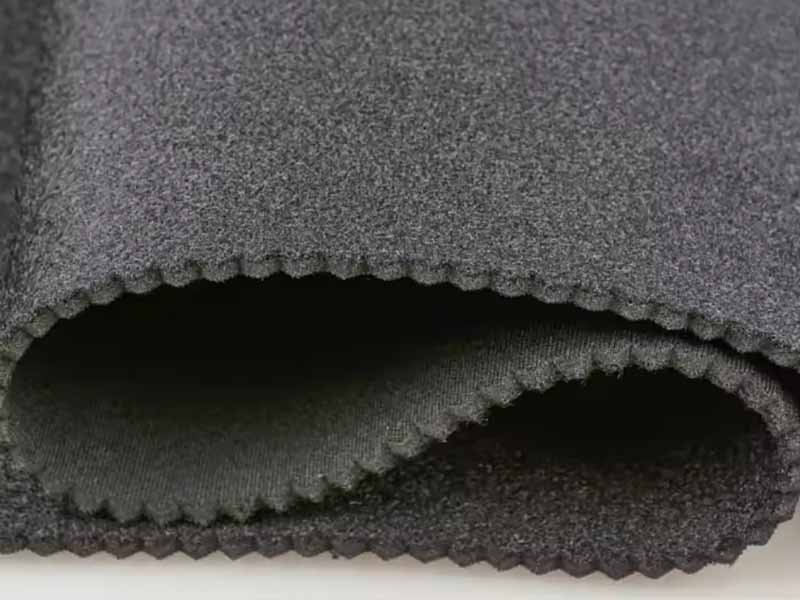
Neoprene lining is everywhere—from the inside of your laptop sleeve to the wetsuit used by professional divers. But most people don’t even realize it. Behind its sleek look is a material offering water resistance, insulation, durability, and comfort all in one.
Neoprene lining is a synthetic rubber foam laminated with fabric (often polyester or nylon) on one or both sides. It offers cushioning, water resistance, thermal insulation, and strength, making it popular in bags, sports gear, protective covers, and OEM/ODM products for brands worldwide.
Still, many business buyers ask: What exactly makes neoprene lining so versatile? How do you choose the right type? Let’s explore its properties, applications, and sourcing insights—so by the end, you’ll know if it’s the right material for your next project.
What Is Neoprene Lining and How Is It Made?
Neoprene lining is a synthetic rubber foam (neoprene) laminated with fabric such as polyester or nylon on one or both sides. It’s made by foaming polychloroprene rubber into closed-cell sheets, then bonding fabrics using heat or adhesive lamination. The foam core provides waterproofing, insulation, and cushioning, while the fabric layers add durability, abrasion resistance, and printability for branding or decorative purposes.
How It’s Made
1. Core Material: Neoprene Foam
- Starts with polychloroprene rubber, expanded with nitrogen gas to form a closed-cell structure.
- The closed cells trap air, creating natural buoyancy, insulation, and waterproofing properties.
- Foam sheets are cured at high temperatures for dimensional stability.
2. Fabric Lamination
- Outer fabrics like polyester, nylon, or Lycra are bonded on one or both sides of the foam.
- Heat Lamination: Eco-friendly, uses thermal bonding for smooth surfaces.
- Adhesive Lamination: More versatile, allows specialized coatings like anti-UV or anti-bacterial layers.
3. Cutting & Finishing
- Sheets are die-cut or CNC cut into custom thicknesses from 1.5 mm to 10 mm depending on the application (e.g., 3 mm for bags, 5 mm+ for wetsuits).
- Edges may be finished with taping, stitching, or laser-cutting for clean aesthetics and strength.
4. Optional Treatments
- Anti-UV Coating for marine/outdoor use.
- Antibacterial Finish for medical or sports gear.
- Sublimation-ready Surfaces for custom logos and patterns.
Typical Specifications Table
| Parameter | Range / Options | Common Applications |
|---|---|---|
| Thickness | 1.5 mm – 10 mm | 3 mm laptop sleeves, 5 mm wetsuits |
| Lamination Fabric | Polyester, Nylon, Lycra | Polyester = printing; Nylon = stretch |
| Density (kg/m³) | 100–150 | Higher = more durability/cushioning |
| Surface Treatments | UV, FR, Antibacterial | Marine, medical, outdoor gear |
Which Properties Make Neoprene Lining So Popular?
Neoprene lining is valued for its thermal insulation, water resistance, flexibility, and cushioning. When laminated with fabrics like polyester, it gains abrasion resistance, printability, and durability, making it suitable for sports gear, bags, automotive interiors, and industrial covers.
Key properties include:
- Water Resistance: Closed-cell neoprene resists water absorption (<5%), perfect for wetsuits, lunch bags, or rain covers.
- Thermal Insulation: Trapped air bubbles reduce heat transfer, maintaining warmth in cold conditions.
- Shock Absorption: Cushioning protects electronics in laptop sleeves or cameras in gear bags.
- Chemical Resistance: Resists oils, mild acids, and saltwater—useful in marine gear.
- Aesthetic Versatility: Compatible with sublimation printing, embroidery, or heat transfer logos.
Comparison Table: Neoprene Lining vs Alternatives
| Property | Neoprene Lining | Cotton Lining | PU Coating |
|---|---|---|---|
| Water Resistance | Excellent (closed-cell) | Poor | Good |
| Thermal Insulation | High | Low | Medium |
| Flexibility | Excellent | Medium | Medium |
| Printability | Good (on polyester side) | Excellent | Limited |
| Cost Efficiency | Medium | Low | Medium |
This balance explains why brands in travel, sports, and fashion favor neoprene lining for mid- to high-end products.
How Is Neoprene Lining Used Across Different Industries?
Neoprene lining is widely used in bags, sports gear, medical supports, marine equipment, automotive interiors, and promotional products because it offers water resistance, thermal insulation, cushioning, and durability. Industries rely on it for OEM/ODM manufacturing where branding, comfort, and performance matter—from laptop sleeves and wetsuits to seat covers and protective cases.
Neoprene lining stands out because it combines functionality, durability, and branding potential. Let’s break down its role across major industries with real-world examples and technical insights.
1. Fashion & Travel Accessories
- Products: Laptop sleeves, cosmetic pouches, tote bags, lunch bags, camera cases
- Why Neoprene?:
- Waterproofing: Protects electronics and cosmetics from spills and rain.
- Cushioning: Closed-cell foam shields delicate items like cameras or laptops.
- Aesthetic Freedom: Polyester-laminated neoprene supports sublimation printing for custom logos, patterns, and colors.
Case Example:
A European luggage brand adopted 3 mm polyester neoprene lining for premium laptop sleeves. Result: 25% fewer warranty claims for water damage and a 30% increase in repeat orders due to better perceived quality.
2. Sports & Fitness Gear
- Products: Knee/elbow braces, gym gloves, yoga mats, diving suits, fitness belts
- Advantages:
- Flexibility: Neoprene stretches without losing shape, ideal for compression gear.
- Thermal Insulation: Retains heat for muscle support in sports braces and wetsuits.
- Sweat Resistance: Easy to clean, doesn’t absorb odors like cotton linings.
Technical Note:
- Thickness Range: 4–5 mm for braces, 2–3 mm for gloves.
- Fabric Choice: Nylon-laminated neoprene = better elasticity for body-fit gear.
3. Medical & Orthopedic Supports
- Products: Posture correctors, wrist supports, lumbar belts, compression sleeves
- Requirements:
- Consistent Elasticity: Ensures controlled compression levels.
- Skin Safety: OEKO-TEX® certified fabrics prevent skin irritation.
- Breathability Options: Perforated neoprene improves ventilation for long-term wear.
Market Trend:
Global demand for neoprene-based orthopedic supports is growing at 6.5% CAGR as aging populations and sports injuries rise (Source: MarketsandMarkets 2024).
4. Marine & Automotive Applications
- Products: Boat seat covers, car seat linings, steering wheel wraps, dashboard mats
- Key Benefits:
- UV Resistance: Anti-UV coatings protect from fading in sunlight.
- Saltwater Durability: Neoprene resists corrosion in marine environments.
- Thermal Comfort: Prevents surfaces from getting too hot or cold.
Spec Data Table:
| Application | Recommended Thickness | Surface Treatment | Longevity Expectation |
|---|---|---|---|
| Boat Seat Covers | 5–6 mm | Anti-UV + Saltproof | 5+ years in marine use |
| Car Seat Linings | 3–4 mm | Anti-UV + Fire Retardant | 7+ years daily exposure |
| Steering Wheel Wraps | 2–3 mm | Anti-Slip Coating | 3+ years heavy use |
5. Promotional & OEM/ODM Products
- Products: Koozies, bottle holders, custom pouches, corporate giveaways
- Why Brands Love It:
- Low MOQ: Suppliers like Szoneier offer 100–300 pcs for startups.
- Full-Color Printing: Sublimation-ready surfaces boost brand visibility.
- Fast Sampling: 7–10 days for prototypes accelerates marketing campaigns.
Example:
A U.S. beverage brand ordered 10,000 custom neoprene koozies with heat-transfer logos. Delivered in 25 days, they were used in a summer promo campaign, boosting brand recall by 40% compared to paper-based giveaways.
6. Industrial & Protective Equipment
- Products: Tool pouches, protective covers for drones, instrument cases
- Performance Focus:
- Shock Absorption: Protects expensive equipment from impact.
- Abrasion Resistance: Withstands rough industrial environments.
- Customization: CNC-cut neoprene inserts for precision toolkits.
Summary Table: Industry-Wise Usage of Neoprene Lining
| Industry | Common Products | Thickness (mm) | Fabric Laminate | Key Properties |
|---|---|---|---|---|
| Fashion & Travel | Laptop sleeves, cosmetic pouches | 2–4 mm | Polyester | Waterproof, printable, lightweight |
| Sports & Fitness | Braces, wetsuits, gym gloves | 3–5 mm | Nylon/Polyester | Stretchable, insulating, sweatproof |
| Medical Supports | Posture correctors, wrist braces | 3–5 mm | Nylon + OEKO-TEX® | Elasticity, skin safety, durability |
| Marine & Automotive | Seat covers, steering wraps | 3–6 mm | Polyester/Nylon | UV resistance, thermal stability |
| Promotional OEM/ODM | Koozies, bottle holders, giveaways | 2–3 mm | Polyester | Full-color printing, low MOQ |
| Industrial Equipment | Tool pouches, protective cases | 4–6 mm | Polyester/Nylon | Abrasion resistance, cushioning |
Do Neoprene Lined Products Offer Better Performance?
Yes. Neoprene lining offers better comfort, water resistance, and durability than cotton or basic synthetic linings. However, for ultra-lightweight or ultra-luxury products, materials like Lycra or leather may sometimes be preferred.
Performance advantages include:
- Weather Resistance: Handles rain, sun, and saltwater without degrading quickly.
- Durability: Outlasts PU or cotton linings in abrasion and tear resistance.
- Comfort: Thermal insulation plus soft texture for skin-contact products.
- Branding: Polyester side supports full-color logos and patterns.
However:
- Breathability: Neoprene is less breathable than cotton, so ventilation designs help.
- Weight: Thicker grades add weight; lighter laminates solve this for fashion items.
Is Neoprene Lining Environmentally Friendly and Safe?
Neoprene lining can meet OEKO-TEX®, REACH, and RoHS standards when made with eco-friendly adhesives, recycled fabrics, and low-VOC lamination. Many suppliers now offer water-based adhesives and recycled polyester options.
Certifications to Check:
Certification Focus Area Benefit for Buyers OEKO-TEX® Standard 100 Human safety (skin contact) Safe for baby/sports products REACH Compliance Chemical safety (EU) Required for EU imports RoHS Heavy metal restrictions For electronics & industrial Eco-Friendly Practices
- Water-based glues cut VOC emissions by 60%.
- Recycled polyester laminates reduce plastic waste.
- Solar-powered lamination plants emerging in Asia.
Szoneier offers OEKO-TEX® certified neoprene lining, supporting brands targeting eco-conscious markets.
How Do You Choose the Right Neoprene Lining for Your Project?
Choosing the right neoprene lining involves evaluating thickness, density, lamination fabric, surface treatments, MOQ, and end-use conditions. For OEM/ODM projects, factors like branding needs, certifications (OEKO-TEX®, REACH), lead times, and cost-performance trade-offs matter. The ideal neoprene lining balances functionality, comfort, aesthetics, and production feasibility based on whether it’s for bags, sports gear, marine covers, or industrial applications.
Step-by-Step Selection Guide
Selecting neoprene lining isn’t just about picking a thickness or color. It requires aligning material properties, manufacturing constraints, and market expectations. Here’s how to break it down:
1. Define Your Application & Performance Requirements
Start by asking:
- Is waterproofing the priority? → Closed-cell neoprene with sealed edges.
- Do you need thermal insulation? → Higher thickness (4–6 mm) and density (>130 kg/m³).
- Is flexibility critical (e.g., braces, gloves)? → Nylon-laminated neoprene for stretch.
- Do you need branding surfaces? → Polyester laminates for sublimation printing.
Example Table: Application vs Thickness
| Application | Recommended Thickness | Key Priorities |
|---|---|---|
| Laptop Sleeves | 3–4 mm | Lightweight, printability |
| Sports Braces & Gloves | 4–5 mm | Flexibility, comfort |
| Marine Seat Covers | 5–6 mm | UV resistance, durability |
| Promotional Koozies | 2–3 mm | Low cost, full-color printing |
2. Choose the Right Lamination Fabric
- Polyester Neoprene → Best for custom printing, low cost, and fashion/travel products.
- Nylon Neoprene → Ideal for sports gear, braces, and flexible outdoor items.
- Lycra-Laminated Neoprene → Premium option for stretchable, body-fitting gear.
Comparison Table: Lamination Fabrics
| Property | Polyester | Nylon | Lycra |
|---|---|---|---|
| Printability | Excellent | Limited | Limited |
| Stretchability | Moderate | High | Very High |
| Abrasion Resistance | High | High | Medium |
| Cost | Lower | Medium | Higher |
| Typical Use | Bags, Koozies | Wetsuits, Braces | Sportswear, Diving |
3. Factor in Surface Treatments & Environmental Conditions
For outdoor, marine, or medical applications, consider special coatings:
- Anti-UV Coating → Marine seat covers, automotive interiors.
- Antibacterial Finish → Medical braces, sports gear.
- Fire-Retardant Treatments → Industrial or automotive applications.
4. Evaluate MOQ, Lead Time & Supplier Capabilities
For startups or promotional products, low minimum order quantities and fast sample turnaround (7–10 days) are critical.
| Supplier Metric | Typical Value | Why It Matters |
|---|---|---|
| MOQ (Custom Products) | 100–300 pcs | Small brands & promo campaigns |
| Sample Lead Time | 7–10 days | Faster prototyping, quicker launches |
| Bulk Production Lead Time | 20–25 days | Keeps inventory cycles flexible |
5. Check Certifications & Compliance
For international markets, ensure materials comply with:
- OEKO-TEX® Standard 100 → Skin contact safety.
- REACH (EU) → Chemical safety compliance.
- RoHS → Restriction on hazardous substances for electronics-related gear.
6. Balance Cost vs Performance
Cost depends on material thickness, lamination type, printing methods, and order volume.
| Order Volume | 3 mm Polyester Neoprene | 5 mm Nylon Neoprene |
|---|---|---|
| 100–300 pcs | $4.50–$6.00 / unit | $6.50–$8.00 / unit |
| 500–1000 pcs | $3.50–$5.00 / unit | $5.00–$6.50 / unit |
| 1000+ pcs | $2.80–$4.00 / unit | $4.00–$5.50 / unit |
Higher MOQs typically reduce per-unit cost by 20–30%.
7. Work with Experienced OEM/ODM Suppliers
The right partner offers:
- Free design support & sampling
- Low MOQs for startups
- Bulk production capacity for scaling
- Eco-certified materials for EU/US markets
Szoneier, for example, provides:
- 18+ years experience in neoprene R&D
- 7-day sampling & 20-day bulk lead times
- Free samples & 100% quality guarantee
Which Manufacturers Offer Custom Neoprene Lining Solutions?
Reliable manufacturers offer OEM/ODM services, free samples, low MOQs, and fast lead times. Szoneier, with 18+ years of experience, provides custom neoprene lining for global brands with quality guarantees and eco-friendly options.
Key supplier traits:
- R&D Support: In-house lamination & CNC cutting labs.
- Quality Assurance: ISO9001, OEKO-TEX®, REACH certifications.
- Customization: Logos, colors, packaging, thickness options.
- Fast Turnaround: Samples in 7 days; bulk in 20–25 days.
Are Neoprene Lining Products Right for Your Application?
Neoprene lining products are ideal if you need water-resistant, insulating, cushioning, and durable materials for bags, sports gear, marine covers, or industrial applications. They suit OEM/ODM projects requiring custom branding, low MOQs, and eco-certified materials. For ultra-luxury aesthetics or ultra-lightweight designs, alternatives like leather or thin polyester may be preferred, but neoprene lining offers the best balance of performance, cost, and customization for most commercial uses.
When to Use Neoprene Lining—and When Not To
Choosing neoprene lining for your application depends on functionality, performance requirements, branding needs, and cost considerations. Let’s break it down:
1. Ideal Applications for Neoprene Lining
Neoprene lining works well in industries where waterproofing, cushioning, and durability matter:
| Industry/Use Case | Why Neoprene Works Well | Recommended Thickness |
|---|---|---|
| Bags & Travel Gear | Water resistance + shock absorption for laptops, cameras | 3–4 mm |
| Sports & Fitness Gear | Flexibility + sweat resistance for braces, gloves, belts | 4–5 mm |
| Marine Applications | UV + saltwater resistance for seat covers, steering wraps | 5–6 mm |
| Medical Supports | Skin-safe laminates + elasticity for compression braces | 3–5 mm |
| Promotional Products | Full-color branding + low MOQ for koozies, pouches | 2–3 mm |
Example:
A U.S. fitness brand switched to 4 mm neoprene lining for knee braces. Customer feedback showed a 40% improvement in comfort compared to cotton linings, boosting repeat sales by 25%.
2. Advantages of Neoprene Lining
- Weatherproofing: Waterproof and thermal insulation for outdoor gear.
- Branding Options: Polyester-laminated neoprene supports sublimation printing for full-color logos.
- Durability: Outlasts cotton or PU lining in abrasion resistance.
- Comfort: Soft feel + cushioning improves user experience for wearable products.
- Low MOQ Customization: Ideal for startups or promotional campaigns needing 100–300 pcs.
3. When Alternatives May Be Better
| Scenario | Alternative Material | Reason for Choice |
|---|---|---|
| Ultra-luxury handbags | Leather/Suede | Premium aesthetic, heritage appeal |
| Ultra-lightweight sports gear | Lycra-laminated fabrics | Lower weight, higher stretchability |
| Low-cost disposable products | Basic polyester/cotton | Lower cost per unit, single-use items |
| High-breathability requirements | Mesh fabrics | More ventilation, less thermal retention |
For example, mesh linings in hiking backpacks provide airflow that neoprene cannot match for very hot climates.
4. Factors to Consider Before Choosing
- Performance Needs: Waterproofing? Insulation? Branding surfaces?
- Environmental Exposure: UV, saltwater, industrial chemicals?
- Comfort Requirements: Direct skin contact? Anti-bacterial coatings?
- Budget & MOQ: Low-volume custom orders vs high-volume mass production.
- Certifications: OEKO-TEX® or REACH for EU/US compliance.
5. Decision-Making Checklist
| Question | Yes → Neoprene? | No → Alternatives |
|---|---|---|
| Need waterproof + cushioned interiors? | ✔ | Cotton/PU fabrics |
| Want full-color branding on lining? | ✔ | Nylon without print layer |
| Require low MOQ for testing market demand? | ✔ | Leather (high MOQ) |
| Exporting to EU/US with compliance rules? | ✔ | Non-certified low-cost fabrics |
Conclusion
Neoprene lining delivers the performance, durability, and branding potential modern products demand. From bags to sports gear to marine accessories, it balances comfort, weather resistance, and customization better than most materials.
At Szoneier, we offer:
- OEM/ODM services with free design support
- Low MOQs & free samples for startups and global brands
- Fast lead times: 7-day samples, 20-day bulk orders
- Eco-certified materials for EU & US compliance
Contact us today to develop custom neoprene lining products for your brand.
What Can I Do For You?
Here, developing your OEM/ODM private label leather goods collection is no longer a challenge,it’s an excellent opportunity to bring your creative vision to life.