
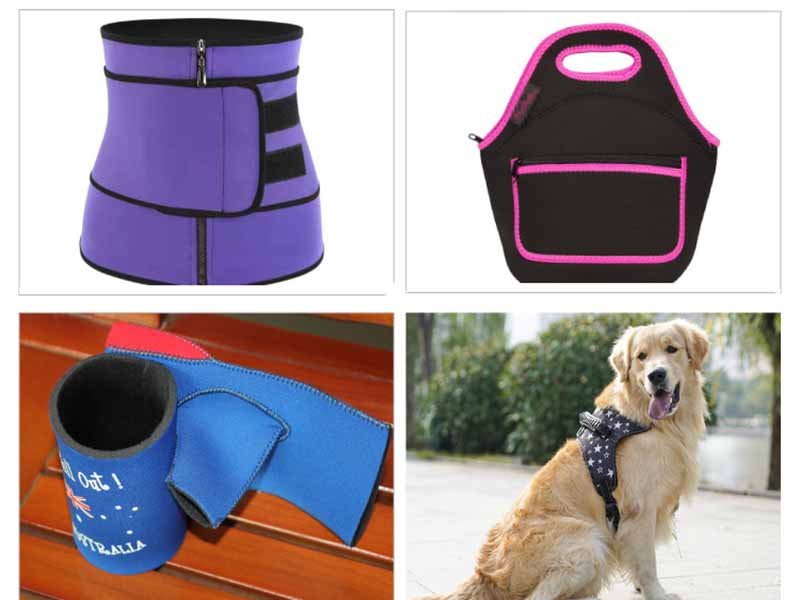
Neoprene, a synthetic rubber known for its durability, flexibility, and water resistance, plays a pivotal role in a wide range of industries, from fashion to medical devices. The manufacturing process of neoprene products involves a series of meticulous steps, each crucial to ensuring the highest quality and performance of the final product. Understanding this step-by-step process can guide manufacturers and buyers in selecting the right product for their needs, from neoprene bags and wetsuits to medical protection gear and sports accessories.
In this article, we will take you through each stage of the neoprene manufacturing process—from raw material preparation and design to production and final inspection—highlighting how quality is maintained at every stage.
The manufacturing of neoprene products involves several steps: sourcing the right raw materials, creating precise designs, producing and bonding neoprene sheets, inspecting for quality, and finally, packaging for delivery. By understanding these steps, businesses can ensure they select the best manufacturers for their custom needs.
What Is Neoprene and Why Is It Used?
Neoprene is a unique, synthetic rubber made from the polymerization of chloroprene. Its exceptional resilience, flexibility, and ability to resist various environmental factors such as heat, oil, and weather make it ideal for use in diverse industries, from sports gear and fashion accessories to medical devices and industrial applications.
What Properties Make Neoprene Special?
Neoprene stands out due to its combination of properties, including:
- High Elasticity: Neoprene can stretch and return to its original shape, making it ideal for products that require both comfort and support.
- Water and Weather Resistance: It resists degradation from water, UV rays, and ozone, making it perfect for outdoor and aquatic applications.
- Insulation: Neoprene has natural insulating properties, which is why it’s used for wetsuits, medical pads, and protective clothing.
| Property | Benefit |
|---|---|
| Flexibility | Neoprene’s ability to stretch makes it comfortable for wearable products. |
| Durability | Resistant to wear, heat, and chemicals, ensuring longevity in harsh environments. |
| Insulation | Offers temperature control, ideal for cold weather gear like wetsuits. |
| Weather Resistance | Perfect for products exposed to elements, like bags and covers. |
Which Industries Rely on Neoprene Products?
Neoprene is used across multiple industries, including:
- Sports and Fitness: Wetsuits, knee pads, and other protective sports gear rely on neoprene for flexibility and protection.
- Medical: Used in medical braces, supports, and wraps due to its flexibility and cushioning properties.
- Fashion and Accessories: Neoprene bags, belts, and wallets are increasingly popular for their durability and modern appearance.
- Industrial and Automotive: Neoprene is used for seals, gaskets, and insulation materials in automotive and industrial applications.
How Are Neoprene Materials Prepared for Manufacturing?
The preparation of neoprene materials is a critical step that ensures the final product meets the necessary specifications for strength, flexibility, and durability. Manufacturers select high-quality raw materials and prepare them for the next steps in production.
What Raw Materials Are Used in Neoprene Fabric?
Neoprene products are primarily made from chloroprene, a chemical compound derived from petroleum. Other materials such as fabric linings, adhesives, and additives are also incorporated to give neoprene its desired properties. These include:
- Chloroprene Monomer: The core material used to create neoprene.
- Reinforcing Agents: Additives that improve the material’s mechanical properties, such as strength and stretchability.
- Laminates or Fabric Linings: Typically used in products like bags and wetsuits to provide structure and additional durability.
How Is Neoprene Fabric Produced and Tested?
After the chloroprene is polymerized into sheets, it undergoes several tests to ensure its properties align with the specifications of the final product. Key tests include:
- Tensile Strength: Determines how much force the material can withstand before breaking.
- Elongation at Break: Measures the material’s ability to stretch without tearing.
- Compression Set: Assesses how well the material returns to its original shape after being compressed.
| Test Type | Purpose | Standard Measurement |
|---|---|---|
| Tensile Strength | Determines the force required to break the material. | 1500 psi (typical for high-grade neoprene) |
| Elongation at Break | Measures the percentage of stretch before failure. | 400-500% (for wetsuits) |
| Compression Set | Tests the material’s recovery after compression. | Less than 15% |
These tests ensure the neoprene fabric is of the highest quality before it moves into the next production phase.
How Does the Neoprene Product Design Process Work?
Designing a neoprene product is a collaborative effort between the manufacturer and the customer. From conceptual sketches to detailed prototypes, this stage ensures that the product will meet the necessary specifications, whether for a custom logo on a bag or the fit and performance of a wetsuit.
What Does Concept to Prototype Look Like?
The design process often begins with:
- Concept Development: Based on the client’s needs, conceptual designs are sketched and presented.
- CAD Modeling: Computer-aided design (CAD) software is used to create precise 3D models of the product. This ensures all measurements are accurate before physical prototypes are made.
- Prototyping: A prototype is then created, allowing for physical testing of the design. Adjustments can be made based on feedback and performance testing.
How Are Customer Requirements & Custom Logos Integrated?
For custom orders, manufacturers work closely with clients to ensure that branding, such as logos or unique designs, is integrated seamlessly into the product. Customization methods include:
- Screen Printing: Used for larger logo designs.
- Heat Transfer Printing: Ideal for more detailed logos or designs that need to be embedded directly into the fabric.
- Embroidery: For logos that require a tactile, premium feel, embroidery is often the method of choice.
| Customization Method | Best Use Case | Durability |
|---|---|---|
| Screen Printing | Large logos or designs | Medium to High |
| Heat Transfer Printing | Detailed or intricate designs | High |
| Embroidery | Premium look for logos or text | Very High |
What Are the Main Production Steps in Neoprene Manufacturing?
The production of neoprene products involves a series of key steps that are essential for transforming raw materials into finished, functional products. Each step ensures that the material maintains its properties of flexibility, durability, and resistance while meeting the specifications outlined by the client. Below, we break down the critical stages of neoprene production, focusing on key tasks, quality measures, and data-driven insights to give customers a better understanding of the process.
How Is Cutting and Laminating Done?
The first step in transforming neoprene sheets into usable products involves cutting and laminating. These steps are crucial for shaping the material into the required size and ensuring strength and durability.
- Cutting: Neoprene sheets are cut to the required dimensions using automated cutting machines or die-cutting tools. Accuracy is critical, as even slight errors in cutting can affect the fit and function of the final product. Precision is especially important for products like wetsuits or protective gear, where the fit is essential for performance.
- Lamination: After cutting, the neoprene material is often laminated with additional fabrics, such as polyester or nylon, to enhance its properties. Lamination adds durability and strength, and for products like bags or other accessories, it also contributes to structural integrity.
| Step | Purpose | Key Measure |
|---|---|---|
| Cutting | Ensures accurate sizing and shaping of sheets. | Precision within 0.1mm for cutting. |
| Lamination | Adds strength and versatility to neoprene. | Layer thickness: 2mm to 6mm |
| Fabric Type | Provides additional strength for high-stress applications. | 100% polyester or nylon for durability. |
Laminating neoprene enhances its resistance to abrasion, making it ideal for products that will undergo frequent use, such as bags, wetsuits, and medical accessories.
How Are Seams, Bonding & Welding Completed?
Seams and bonding are crucial elements in the production of neoprene products. Whether stitching, bonding, or welding, these steps ensure that the product is durable, watertight, and capable of withstanding environmental stresses.
- Seam Stitching: In products like bags, seams are often stitched using heavy-duty sewing machines. This provides flexibility, ensuring that the product retains its shape and structure while being comfortable to use. For products like wetsuits, flatlock stitching is typically used to prevent irritation and ensure a tight fit.
- Bonding: Bonding is used to join neoprene pieces together, especially for products that require a strong, water-resistant bond. The bonding process typically uses adhesives or specialized bonding agents that are applied under controlled conditions to ensure optimal performance.
- Heat Welding: In products like wetsuits or protective gear, heat welding is often the preferred method for creating strong, watertight seams. Using high-temperature equipment, the edges of neoprene sheets are fused together, creating a permanent, flexible bond that prevents water from penetrating.
| Step | Method | Key Performance Indicator |
|---|---|---|
| Seam Stitching | Heavy-duty sewing machines with flatlock technique. | Stitch density: 6-8 stitches per inch. |
| Bonding | Adhesive or chemical bonding agents. | Bond strength: Minimum 30-40 psi. |
| Heat Welding | Use of high-temperature presses. | Weld strength: Minimum 50 psi. |
Heat welding, particularly, ensures that products maintain their integrity even in the harshest conditions, such as extreme water pressure or outdoor exposure.
What Quality Checks Are Performed During Production?
Quality control throughout the production process ensures that each neoprene product meets the specified standards for durability, flexibility, and performance. Several stages of quality checks are embedded in the manufacturing process to detect defects early and guarantee the final product’s functionality.
- Visual Inspection: The first line of defense against defects is a manual visual inspection of the neoprene sheets after cutting and lamination. Technicians look for inconsistencies such as holes, wrinkles, or uneven thickness that could affect the finished product’s performance.
- Material Strength Testing: After bonding and welding, samples from the batch are subjected to tensile strength tests, which measure how much force the material can withstand before breaking. This test is critical for ensuring that the product will be durable under stress, especially for high-use products like sports gear and medical devices.
- Water Resistance Testing: For items like wetsuits, bags, and protective clothing, water resistance is a key factor. During production, water resistance is tested by immersing samples in water to check for leakage, ensuring that products meet the necessary waterproof standards.
| Test Type | Purpose | Standard Measurement |
|---|---|---|
| Visual Inspection | Detects visual defects such as holes or wrinkles. | 100% visual inspection for defects. |
| Tensile Strength Test | Ensures the material’s durability under stress. | Tensile strength: >1500 psi. |
| Water Resistance Test | Verifies waterproof functionality. | No water penetration after 24 hours. |
These tests are conducted regularly throughout the production process to ensure high-quality standards and minimize the likelihood of defective products reaching the client.
How Is Final Product Inspection and Packaging Done?
Once the neoprene product has gone through the production process, it undergoes a final round of testing and inspection. This phase is crucial for ensuring the product meets both customer specifications and safety standards. Packaging is also an important step to ensure that the product reaches the customer in perfect condition.
What Tests Ensure Product Performance & Safety?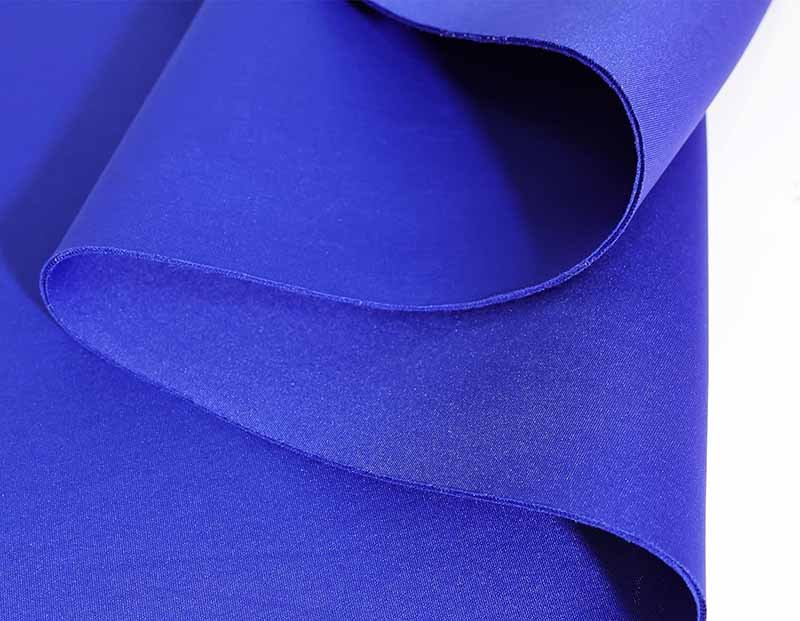
To ensure the final product meets the desired functionality and safety standards, various performance tests are carried out. Some of the key tests include:
- Stress Tests: Evaluating how much stress the neoprene product can handle before showing signs of damage or failure. For products like wetsuits or sports protection gear, this could involve stretching the material to ensure it retains its form.
- Water Resistance Tests: Ensuring that products designed for aquatic use, like wetsuits or bags, are fully water-resistant and functional.
- Impact Tests: For products like knee pads or elbow guards, tests are performed to check how well they protect against sudden impacts.
| Test Type | Purpose | Standard Measurement |
|---|---|---|
| Stress Tests | Evaluates the material’s strength under pressure. | Material retains form at 200% elongation. |
| Water Resistance | Ensures waterproof capabilities for aquatic products. | Water penetration rate: less than 0.5% |
| Impact Test | Tests how well the product absorbs impact. | Protection against impacts of 100J force. |
These tests ensure that the final products not only meet functional standards but also pass necessary certifications, such as CE or UL, for safety.
How Is Custom Packaging Designed for Private Label Orders?
For private label orders, custom packaging plays a significant role in protecting the product during shipping and enhancing brand visibility. At Oneier, the packaging is designed based on customer specifications, whether it’s for a sleek, minimalist appearance or a more robust, protective package.
- Custom Branding: The packaging includes the customer’s logo, color scheme, and product information to ensure a cohesive brand presentation.
- Protective Packaging: Depending on the type of product, protective measures are taken to ensure that the product remains undamaged during transit. For fragile or high-end products, additional padding or reinforced boxes may be used.
| Packaging Type | Application | Protection Level |
|---|---|---|
| Standard Cardboard | For lightweight products like bags. | Moderate protection |
| Reinforced Box | For high-value or delicate products. | High protection |
| Polybags | For waterproof products like wetsuits. | Minimal protection |
Custom packaging not only adds a professional touch but also ensures that products are safely delivered to the client, ready for retail or use.
Do OEM/ODM and Private Label Orders Affect Production?
OEM (Original Equipment Manufacturer) and ODM (Original Design Manufacturer) services offer clients the ability to create products that align with their unique requirements. These services significantly impact the production process, from custom designs to branding specifications.
What Does OEM/ODM Mean in Neoprene Manufacturing?
In the context of neoprene manufacturing, OEM and ODM refer to the process where a manufacturer produces products according to the client’s unique specifications. OEM refers to producing items based on the client’s design, while ODM involves the manufacturer creating the design based on the client’s specifications, which can be customized further.
- OEM: Clients provide their designs, and the manufacturer produces the products based on those designs. This allows for total control over the product’s appearance and functionality.
- ODM: The manufacturer may provide design suggestions based on client requirements and then produce the product, ensuring the product fits the client’s needs while allowing for design flexibility.
Both methods ensure that products are tailored to the customer’s exact specifications, whether it’s for a private label line or custom branded goods.
How Are Custom Logos and Brand Specifications Applied?
For clients who want to include their logos or brand names on their products, various customization methods are used to ensure the logo is integrated seamlessly into the neoprene. The most common methods are:
- Screen Printing: Ideal for larger logos or simple designs, screen printing involves applying ink directly onto the neoprene fabric. This is a durable and cost-effective method.
- Heat Transfer Printing: Suitable for more detailed or intricate designs, this method involves transferring the logo onto the fabric using heat and pressure.
- Embroidery: This is often used for a premium feel, especially for smaller logos or for adding text. Embroidery is durable and adds a tactile quality to the product.
| Customization Method | Ideal Use Case | Durability |
|---|---|---|
| Screen Printing | Large logos or simple text designs | Medium |
| Heat Transfer Printing | Intricate or colorful logos | High |
| Embroidery | Small logos, text, and premium branding | Very High |
Each method is chosen based on the client’s needs, desired product aesthetics, and the level of durability required.
Are There Sustainable & Quality Assurance Practices?
Sustainability is a growing concern in the manufacturing world, and neoprene is no exception. With increasing consumer demand for eco-friendly products, manufacturers are taking steps to ensure the process is as sustainable as possible while maintaining the highest quality standards.
What Standards Ensure Neoprene Product Quality?
Manufacturers like Oneier adhere to strict international quality standards to ensure that every product meets the required performance benchmarks. These include:
- ISO 9001: This certification ensures that the manufacturing process meets global standards for quality management.
- ISO 14001: Focuses on environmental management, ensuring that production processes minimize waste and energy consumption.
- REACH and RoHS Compliance: Ensures that the products are free from hazardous substances, ensuring safety for both consumers and the environment.
By following these standards, Oneier ensures that their neoprene products are safe, reliable, and environmentally friendly.
How Are Defects Managed and Rework Reduced?
Quality control is integral to the production process, and manufacturers utilize multiple checks to identify defects early. Some key practices to manage defects and reduce rework include:
- Automated Quality Inspection: Advanced machines are used to scan the neoprene sheets for any inconsistencies in thickness, color, or texture.
- Manual Spot Checks: Inspectors perform visual checks at various stages of production to identify any defects that may not be picked up by automated systems.
- Continuous Improvement: Feedback loops and corrective actions are implemented to refine processes and reduce the occurrence of defects.
These processes ensure that products consistently meet the highest quality standards, reducing the need for costly rework and ensuring timely delivery.
How Is Delivery and After-Sales Support Managed?
Once the final products pass inspection, they are ready for delivery. The logistics involved in getting products to the customer are crucial, and after-sales support ensures customer satisfaction.
What Logistics Steps Ensure On-Time Delivery?
To meet tight deadlines, Oneier uses an efficient supply chain management system. Key logistics steps include:
- Inventory Management: Accurate inventory tracking ensures that materials are always available to meet production needs.
- Efficient Packaging: Products are securely packaged to avoid damage during transit.
- Reliable Shipping Partners: Collaborations with trusted shipping companies help ensure that products are delivered on time.
How Do Support & Returns Work for Global Buyers?
Oneier offers robust after-sales support to ensure customer satisfaction. This includes:
- Return Policies: Customers can return products if they are faulty or do not meet their specifications.
- Warranty Services: Products come with warranties to assure customers of their long-term durability.
- Customer Support: A dedicated support team is available to assist with any questions or issues.
Conclusion: Inquire for Custom Neoprene Product Orders Today
At Oneier, we specialize in manufacturing high-quality neoprene products that are fully customizable to meet your specific needs. Whether you’re looking for custom neoprene bags, wetsuits, or medical protective gear, we offer low MOQ, rapid prototyping, and quick sampling services to bring your ideas to life. Contact us now to get started on your custom order!